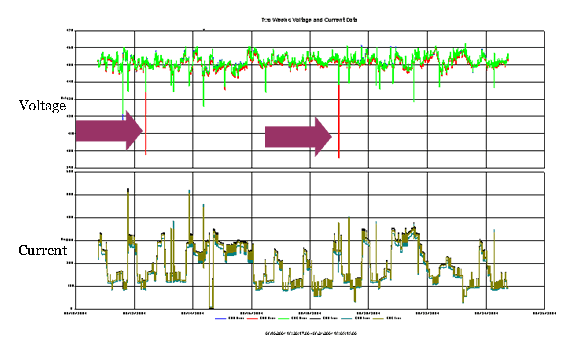
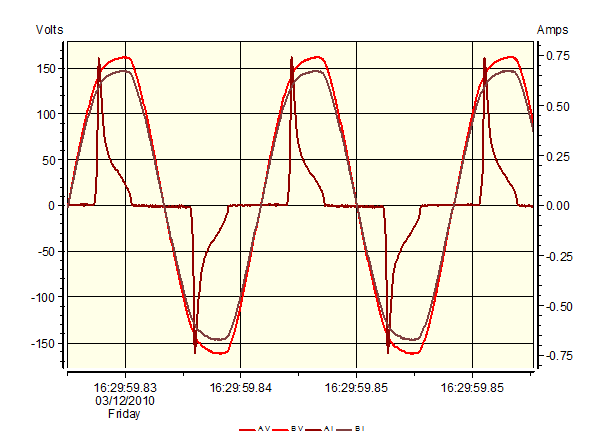
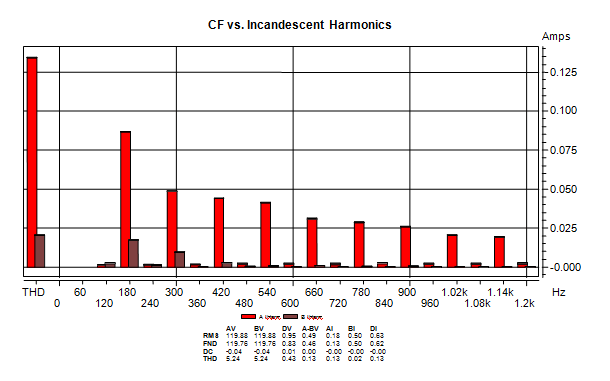
Planning and Performing a Power Quality Survey

Published by Dranetz Technologies, Support – Technical Documents, Application Note, website: dranetz.com, 800-372-6832 (U.S & Canada) +1-732-287-3680 (International).


INTRODUCTION

The power quality survey is the first, and perhaps most important, step in identifying and solving power problems. Power problems can harm equipment performance and reduce reliability, lower productivity and profitability, and even pose personnel safety hazards if left uncorrected; however, the power quality survey is an organized, systematic way to resolve them. Whether the investigation involves a single piece of equipment or the facility’s entire electrical system, the survey process typically requires these basic steps:

Planning and preparing the survey
Inspecting the site
Monitoring the power
Analyzing the monitoring and inspection data
Applying corrective solutions
Verify corrective solution

POWER QUALITY SURVEY TOOLS

The basic tools of the power quality survey are the power quality monitor, circuit tester, multi-meter, and an infrared scanner. Other useful tools include clamp-on (Hall Effect) current probes, video camera, tape recorder, ground resistance meter, and insulation tester. Not all of these tools are necessary for every survey, but the power quality monitor is the mainstay. Power quality monitors of widely diverse functionality are available for the documentation of electrical conditions encountered during the physical inspection, as well as the gathering and storing of data for later analysis. Power quality monitors generally fall into two categories: Portable and permanently installed (fixed) systems.

Portable PQ monitors, such as the Dranetz HDPQ family are typically used in temporary applications, and are installed for the duration of the survey and removed upon completion. Such monitors usually have safety (banana jack) connections for voltage and clamp-on or Rogowski coil (Flex) CT’s for current measurements. Survey results can be reviewed on the instrument’s local screen (if available) and/or uploaded to application software such as Dran-View 7 from Dranetz.

Figure 1. Portable power quality monitor being installed by an electrician wearing PPE clothing

The latest generation of portable monitors such as the Dranetz HDPQ enhance user safety and productivity by using Wi-Fi, Ethernet and Bluetooth communications to fully remote control the instrument after the physical installation. Users can close the cabinet door and use their Tablet, Smartphone or Computer to set up monitoring and review and download data remotely, greatly reducing their exposure to hazardous environments.

Figure 2. Dranetz HDPQ remote communications with a Tablet & Smartphone.

Permanently installed PQ instruments such as those used in the fixed systems from Dranetz are typically installed for the lifetime of the facility and use screw terminal connections for voltage and split core or solid core CT’s for current measurements. Such instruments are usually safely mounted behind the closed doors of cabinets or switchgear, and remotely monitored by server software using an Ethernet or fiber network. Oftentimes, multiple permanent PQ monitors are installed at key points within a facility creating a monitoring system, such as at the PCC, UPS’s, generators and at critical loads. Recorded trend and PQ event data is automatically transferred to the server software for use by facility personnel to proactively monitor the quality of supply or to reactively resolve PQ problems as they occur.

Figure 3. Dranetz permanently installed instruments.

Regardless of whether a portable or permanent solution is used, PQ monitors from various manufacturers can have different features, and more importantly, monitoring capabilities and technology. It’s important to make sure that the instrument being used can capture the full spectrum of power quality problems, or at least the types of problems suspected. Otherwise, the survey results could be misleading and misreported, wasting valuable time and money.

Modern power quality instruments should be Class A compliant with IEC 61000-4-30, which is an international standard for power quality measurement. Initially released in 2003 and last updated in 2014 (Edition 3), IEC 61000-4-30 specifies the measurement techniques that should be employed to appropriately and accurately measure the quality of supply. Being Class A compliant means the instrument fully complies with the standard, is from a reputable manufacturer, and provides accurate and repeatable measurements. Although IEC 61000-4-30 is an international standard, in the United States, the IEEE is in the process of harmonizing to this well-established standard which will be included as part of new editions of the recommended practices from the IEEE. IEC Voltage Flicker measurement techniques have already been included in IEEE 1453 and the most recent version of IEEE 519:2014 (harmonics) adopted the harmonic measurement techniques of IEC 61000- 4-7, but added new harmonic parameters and new compliance limits for voltage and current harmonics.

PLANNING AND PREPARING THE SURVEY

Like any good investigative reporter trying to get to the “bottom of the story,” the process essentially involves finding out the what, where, when, how, and why of the power related problem(s) at hand. Defining objectives not only keeps the project in focus, but also helps identify the specific equipment resources needed to get the job done. Where to monitor depends on where the problems are observed or suspected. If the problem is localized to one piece of equipment, then placing a monitor at the connection point where the equipment is powered is a good starting point. Sometimes equipment can be both a contributor to and a victim of powering and grounding incompatibilities in the power system. You can then work backward to the point of common coupling (PCC) with the utility if the source of the problem is not found at the equipment. Conversely, if the entire facility is being affected, or if you want to conduct a baseline survey to determine the quality of the supply from the electric utility, then starting at the PCC is the logical choice. You can then work down through each feeder circuit to specific loads.

The time when the problem occurs can also provide important clues about the nature of the power problem. If the problem only occurs at a certain time of day, then any equipment switched on at that time should be suspect. Utility operations, such as Power Factor Capacitor switching should also be considered as a potential source of problems that occur regularly and at the same time each day. The monitoring period should last at least as long as a “business cycle,” which is how long it takes for the process in the facility to repeat itself. Some processes run identically for three shifts, seven days a week. Other operations are different each day of the week, in which case the minimum monitoring period would be one week.

As part of the planning and preparation process, it is necessary to obtain a site history for the facility, or equipment being investigated. Asking questions of equipment operators or others familiar with operations is an important part of acquiring the site history. Typical site data of interest would include: determining the time—both occurrence and duration— of recurrent system problems; recording failure symptoms or hardware failures; noting any recent equipment changes/additions or facility renovations; and logging the operating cycles of major electrical equipment in the facility.

INSPECTING THE SITE

The site examination begins by visually inspecting outside the facility and around the vicinity in order to gain a better perspective of the utility service area. Things to look for include type of electrical service (for example, underground), utility power factor correction capacitor installations, neighboring facilities which might be back-feeding interference onto a shared utility feeder, nearby substations, and other potentially problematic conditions.

Inspecting the facility helps to identify equipment that might cause interference. It will also surface electrical distribution system problems such as broken or corroded conduits, hot or noisy transformers, poorly fitted electrical panel covers, and more. An infrared camera can be very helpful with this. Major electrical loads such as large photo-copiers, UPS systems, air compressors, and so forth, should be reviewed. Give special attention to loads near trouble equipment.

Any inspection should include a physical review of the wiring from the critical load to the electrical service entrance to identify any load which might cause power problems. All necessary safety precautions should be observed, such as NFPA 70E, and only qualified personnel should perform any required testing and maintenance work. As Table 1 shows, common wiring problems are a frequent cause of power quality problems. Loose connections and other discrepancies noted during inspection of the electrical distribution system should be corrected prior to monitoring. Particular attention should be paid to equipment power cords and plugs, receptacles, under carpet wiring, electrical panel-boards, electrical conduits, transformers, and the electrical service entrance.

MONITORING THE POWER

The power monitors should be placed at the locations determined during the planning and inspection activities. In general, to determine the overall power quality of the facility, place the monitor at the service entrance. To solve a power problem for a single piece of equipment, place the monitors as close to the equipment load as possible. It’s important to monitor both the voltage and current. Monitoring the voltage identifies the occurrence of a power quality problem, but by also monitoring the current you can determine the source of the problem as either originating upstream or downstream from the equipment load.
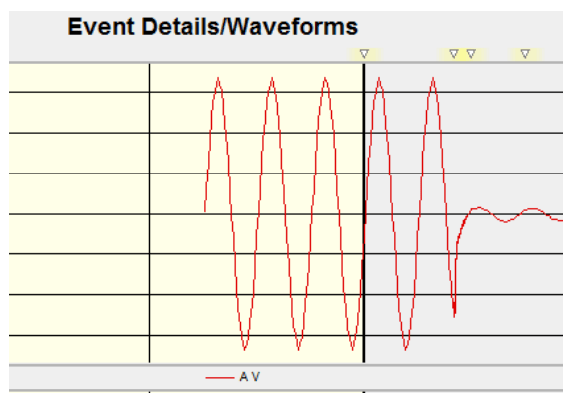
Figure 1. Instantaneous downstream Sag – The current increases causing the voltage to decrease.

The three-step monitoring process involves: (1) using the instrument’s scope mode to see voltage and current magnitudes, and wave shapes, (2) using the time interval setting to record background events and slow changes, and (3) using the limits and sensitivity threshold setting to record disturbances or events that may affect the equipment or process being monitored. Periodically checking the captured data allows the user to “tweak” the thresholds to capture only those events that are critical to the equipment’s performance. (why capture the entire ocean, when all you want are the fish?)

ANALYZING THE MONITORING AND INSPECTION DATA

To identify equipment problems, it is key to analyze data in a systematic manner. First, look for power events that occurred during intervals of equipment malfunction. Next, identify power events that exceed performance parameters for the affected equipment. Also, review power monitor data to identify unusual or severe events. Finally, correlate problems found during the physical inspection with equipment symptoms. A number of additional procedures must also be performed, including:

Review all inspection records, site data, and equipment event logs to plot key event summaries.
Compare power events to equipment event logs and performance specs.
Extract key power monitoring events which may cause equipment malfunction.
Classify key power monitoring events into groups to simplify analysis.
Correlate and validate power monitoring events with equipment symptoms.
Identify cause in terms of voltage sag, ground or neutral event, transient or Voltage distortion.

APPLYING CORRECTIVE SOLUTIONS

Adding new wiring, UPS systems, transformers, filters, or other mitigation devices as appropriate may resolve the problems identified during the survey. Moving an interference source to a different circuit sometimes also works. However, make sure that you or the power professional analyzing the survey results has the expertise to safely and properly resolve the problems found. Significant time and money can be wasted deploying inadequate solutions, only to replace them with more appropriate solutions in the future. It is also recommended to repeat the power survey after the problem has been mitigated to prove the problem has been properly resolved, and that the power system is now operating as expected.

A more proactive approach is to permanently install a power quality monitoring system at the PCC, each distribution panel, UPS and each critical load. Monitoring the system in this way produces a more complete, continuous picture of the entire system’s performance. Such systems record power quality (and usually demand and energy) continually and will be online should any problem occur, large or small. Proactive power monitoring can not only be used for continual system improvements and management, but also for automatic notification of a deterioration or change in the power systems, preventing future interruptions, downtime, and lost productivity from occurring.

OBSERVE THE RULES

There are five simple rules to keep in mind while performing a power quality survey.

1. Apply the “test of reasonableness” to all data and information. Basic laws of physics cannot be temporarily repealed to make something believable.

2. Know the performance, as well as the safety limitations of monitoring and test equipment.

3. Look for the obvious. Most power problems are solved like peeling onions – one layer at a time.
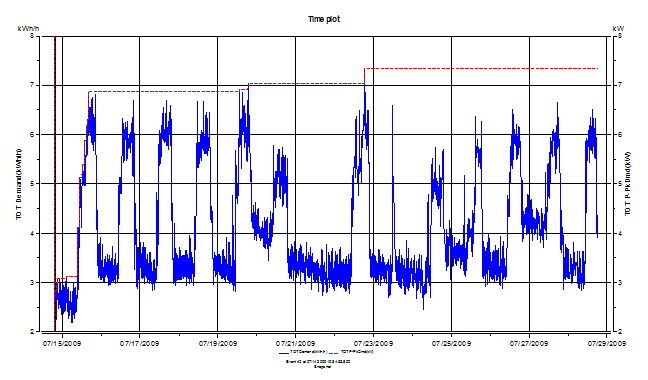
4. Don’t fall victim to “paralysis by analysis”. Set reasonable monitor thresholds, concentrate on the larger events and then work your way down.

Probably the most important rule: start with the simple things first. People are always amazed to find out how often power problems are caused by nothing more mysterious than loose wiring connections. (Table 1).

Table 1. Typical PQ causes and events.

.

About Dranetz: For more than 60 years, Dranetz has been the leading provider of intelligent monitoring solutions for electrical demand and energy and power quality. With over 100,000 clients worldwide, Dranetz scalable solutions range from portable power quality analysis equipment to permanent energy management devices with data storage and web-based solutions.

Dranetz provides a full suite of services, including personalized pre-and-post sales support, educational power quality seminars, customization and on-site assistance. Dranetz corporate headquarters, located in Edison, New Jersey USA, includes sales, product support, with distributors and sales representatives located globally. Our products are of the highest quality and are manufactured in our ISO 9001 certified factory. Dranetz is also a supplier of other GMC Instrument Group product brands in the Americas. .

To Contact Dranetz: Call 1-800-372-6832 (US and Canada) or 1-732-287-3680 for Technical or Sales support To submit a support request online, please visit: https://www.dranetz.com/technical-supportrequest/


Source URL: https://www.dranetz.com/wp-content/uploads/2020/11/Planning-and-Performing-a-Power-Quality-Survey-Q11-A.pdf

Distance Protection Operation During Earth-Faults in High Voltage Networks with Cable Inserts

Published by 1. Dominik DUDA, 2. Krzysztof MAŹNIEWSKI, 3. Bernard WITEK, Silesian University of Technology, Faculty of Electrical Engineering, Department of Power System and Control
ORCID: 1. 0000-0003-3247-2814; 2. 0000-0003-4357-6432, 3. 0000-0001-6732-9298


Abstract. Selected problems occurring in distance protection systems during earth faults in high voltage overhead cable lines (HV) were analyzed. The Alternative Transients Program (ATP) environment was used to simulate and model the phenomena. The influence of such factors as: fault location, arrangement of HV cables in the excavation, configuration of the return conductors and the earthing resistance of the return conductors was analyzed. The obtained results make it possible to verify the criteria for detecting earth faults in HV networks.

Streszczenie. Przeanalizowano wybrane problemy występujące w układach zabezpieczeń odległościowych podczas zwarć doziemnych w liniach napowietrzno-kablowych wysokiego napięcia (WN). Do symulacji i modelowania zjawisk wykorzystano środowisko Alternative Transients Program (ATP). Zbadano przebiegi prądów i napięć fazowych, składowe symetryczne prądu oraz położenie fazorów impedancji doziemionej fazy. Przeanalizowano wpływ takich czynników jak: lokalizacja zwarcia, ułożenie kabli WN w wykopie, konfiguracja żył powrotnych oraz rezystancja uziemienia żył powrotnych. Uzyskane wyniki pozwalają na weryfikację kryteriów wykrywania zwarć doziemnych sieci WN. (Działanie zabezpieczeń odległościowych podczas zwarć doziemnych w sieciach wysokich napięć ze wstawkami kablowymi).

Słowa kluczowe: sieci WN; zwarcia doziemne; modelowanie i symulacja zwarć; zabezpieczenia napowietrzno-kablowych linii elektroenergetycznych; kryterium impedancyjne.
Keywords: HV networks; Phase-to-earth faults; Faults modeling and simulation; Overhead-cable power lines protection; Impedance criterion.

Introduction

When considering the fault protection of HV networks, the cable line is often omitted or treated as a homogeneous element of the overhead line. However, such an approach may result in the incorrect operation of fault (especially earth-fault) protection, and lead to thermal damage due to the flow of large currents of significant value [1,2,10]. The purpose of this paper is to present, how the factors like: configuration of cable routing and the way of connecting and earthing the return cores affect the correct earth-fault detection by the protection of the HV overhead line with a cable insert. The assumed simulation model has been described and verified in the previous authors paper [15].

The main aspects of this article (the fault transients from the point of view of the HV lines distance protection) is relatively poorly described in the literature. Therefore chapter 2 concentrates on selected simulation results of the earth-faults. Voltages and currents waveforms as well as impedance trajectories illustrate the estimated impedance changes during the fault transient state i.e. include the fault inception and the final locus of the impedance phasor.

The simulation results can be particularly useful for determination of critical power system protection values, that are used for fault detection in the protected overhead cable line [9].

The impact of selected factors on the earth fault protection criteria

Two basic criteria can be applied to protect the HV line against the effects of earth faults: an analysis of the position of the impedance phasor within the complex plane, and detection of the zero-sequence current and voltage. The first criterion is used, for example, in distance protection. The second criterion is used for directional earth-fault protection [14].

As described in [15] HV cable lines differ in the configuration of the return conductors and the positioning of the cables within the trench. Moreover, aging factors affect the earthing resistance of the return conductors. In the following section, we use the ATP_Draw model of the overhead-cable network (Fig. 1) to analyze the impact of these factors on the selected distance protection criteria. This chapter describes in detail the simulations results for the CB system as the most complex one [3,4].

Full simulation tests were also carried out for the BE and SPB systems, adopting the same input data and changing only the way of connection and grounding of the return conductors [5,6].

Figure 1. General overview of the overhead-cable line model with exemplary fault locations, where: SA (protection point), SB – supply systems, RZA – line distance protection.

BE, CB, and SPB variants of the cable line were modelled in ATP environment [11,12]. The configuration of the return conductors differed between each variant (Fig. 2).

Figure 2. Schemes of the cable (LCC elements) systems models in ATP_Draw: (a) BE system – both-ends bonding, (b) SPB system – single point bonding, (c) CB system – cross bonding; 1 – return cores earthing resistance, 2 – star connected resistors system, low-impedance return cores connection with the ground.

Influence of the cable line return conductors earthing configuration

For this scenario, we make the following assumptions:

the cables were deployed in a flat formation,
the return conductors had an earthing resistance of RG = 5 Ω,
the phase L3 fault occurred at t = 0.1 s midway along the cable line, and
the fault resistance was RF = 5 Ω.

The simulations ran for a total of 0.25 s. Table 1 summarizes the results, showing RMS and maximum values of the phase voltages and currents in the return conductors, in addition to individual symmetrical current components, for the BE, CB, and SPB systems. Table 2 presents the parameters that define the final locus of the phase-to-ground impedance phasor within the complex plane, i.e. during short-circuit steady-state.

Fig. 3 shows an example of the phase voltage and current waveforms measured at the protection point (indicated by RZA in Fig. 1). Among the considered configurations, the BE system featured the highest peak value of the phase L3 current. The lowest peak value of the phase L3 current occurred in the SPB system. The BE system also featured the most significant decrease in L3 phase RMS voltage Uc. In contrast, the SPB system featured the smallest such reduction. The smallest values of zero- and negative-sequence currents also occurred in the SPB system.

Table 1. RMS and maximum values of the phase voltages and currents, in addition to individual symmetrical current components for the BE, CB, and SPB systems.

.

Table 2. Fault steady-state (final) values of resistance (Ω), reactance (Ω), and earth-fault impedance modulus (Ω) (phase L3), for the BE, CB, and SPB systems.

.
Figure 3. Current waveforms in the return conductors during an L3-E fault occurring midway along the cable line (point F1, Fig. 1) at t = 0.1 s, when using the BE system.

Fig. 4 shows the phasor trajectories of the short-circuit impedance for the BE, CB, and SPB systems. Among other factors, the trajectories are defined by the measurement window used to estimate the orthogonal components, and by the occurrence of the non-periodic current component. The graphical representation of the impedance trajectories required ATP output files conversion and development with use of the fault recording program iRec [7,8].

The simulation results presented in Table 2 and Fig. 4 show that the return conductor configuration has a modest influence on the trajectory and final locus of the impedance phasor.

Influence of the cable formation

The short-circuit impedance is also dependent upon the formation of phase cables within the cable line. Simulations were carried out for both the flat and trefoil cable formations. The simulations used the same return conductor earth resistance (5 Ω) and transition resistance (5 Ω) as the previous simulations. For these simulations we only considered use of the CB system. Fig. 5 depicts the flat and trefoil cable formations.

Figure 4. Phasor trajectories of the short-circuit impedance for the BE, CB, and SPB systems (respectively ZBE, ZCB, ZSPB).

Figure 5. HV cables deployed in the trench in (a) flat and (b) trefoil formation, with dimensions indicated (mm).

Table 3 presents the parameters that define the final locus of the phase-to-ground impedance phasor within the complex plane, during steady-state short-circuit operation. The difference column shows the difference in parameter values between the two cable formations.

Table 3. Final values of resistance (Ω), reactance (Ω), and earth fault impedance modulus (Ω) (phase L3), for the flat and trefoil cable formations, when using the CB system.

.
Figure 6. Phasor trajectories of the short-circuit impedance for the flat ZPL and trefoil ZTR cable formations, when using the CB system.

Fig. 6 shows the phasor trajectories of the short-circuit impedance for the flat and trefoil cable formations. The results show that the cable formation has a modest impact on the trajectory and final locus of the impedance phasor.

Influence of return conductor earthing resistance

In real applications, HV cable return conductors are typically earthed at a minimum of one location. Among other benefits, such earthing distributes the electric field radially inside the cable insulation. Moreover, due to aging phenomena such as corrosion, the earthing resistance (RG) of the cable return conductors increases over time. Therefore, we simulated two different values of the return conductor earthing resistance: 5 Ω and 10 Ω. Both simulations used the CB system. As for all previous simulations, we used a transition resistance at the fault location of 5 Ω. Table 4 presents the parameters that define the position of the phase-to-ground impedance phasor within the complex plane, during steady-state short-circuit operation. The difference column shows the difference in parameter values between the earthing resistances of 5 Ω and 10 Ω.

Table 4. Steady-state values of resistance (Ω), reactance (Ω), and earth-fault impedance modulus (Ω) (phase L3), for different values of return conductor earthing resistance, when using the CB system.

.

During the simulations, the two different earthing resistances resulted in noticeably different peak values of the return conductor currents. As expected, the currents were larger for RG = 5 Ω than for RG = 10 Ω.

Fig. 7 shows the phasor trajectories of the short-circuit impedance for both values of earthing resistance. Both the trajectories and final locus for each impedance phasor differ for the two earthing resistances. From these results, we determine that the earthing resistance of the HV cable return conductors can significantly impact the characteristic earth-fault values – particularly the resistance component of the impedance phasor. 2.4. Fault location influence For the simulations in this section, the parameters were configured as follows:

the cables were deployed in a flat formation,
return conductors had an earthing resistance RG = 5 Ω,
the fault occurred at t = 0.1 s, and
the fault resistance was RF = 5 Ω.

Figure 7. Phasor trajectories of the short-circuit impedance ZR for different values of return conductor earthing resistance, when using the CB system.

Each simulation ran for 0.25 s, using the CB system. Two different fault locations were considered, as shown in Fig 1. The fault at F1 was located within the cable line, and the fault at F2 was located within the overhead line. Table 5 summarizes the simulation results, showing RMS and maximum values of phase voltages and currents, in addition to individual symmetrical current components for each fault location. The parameters provided in Table 6 define the final locus of the phase-to-ground impedance phasor. The difference column shows the difference in parameter values between the two different faults.

Fig. 8 shows the current waveforms in the return conductors. The waveforms differ significantly from one another. The current flowing through the cable return conductors during the short-circuit at F1 is both larger and more asymmetric, in terms of the current waveforms in individual conductors, than during the short-circuit at F2.

Table 5. RMS and maximum values of the phase voltages and currents, in addition to symmetrical current components for faults at F1 and F2 (Fig. 1), when using the CB system.

.

Table 6. Steady-state values of resistance (Ω), reactance (Ω), and earth-fault impedance modulus (Ω) (phase L3) for faults at F1 and F2, when using the CB system.

.
Figure 8. Current waveforms in the return conductors during an L3-E fault at (a) F1 or (b) F2, when using the CB system. Measurements taken at the transposition point of the cable return conductors.

Fig. 9 shows the voltage waveforms measured at the transposition point of the return conductors. For both fault locations, a sharp increase in voltage occurs between the return conductors and the ground at the instant the fault arises. Moreover, the peak voltage across the return conductors is much higher during the cable line (F1) fault.

Fig. 10 shows the phasor trajectories of the L3 phase impedance for both fault locations. A noticeable difference can be observed between both the trajectories and the final locus of the phasors for the two different fault locations.

Figure 9. Voltage waveforms across the return conductors during an L3-E fault at (a) F1 or (b) F2, when using the CB system. Measurements taken at the transposition point of the cable return conductors.

Figure 10. Phasor trajectories of the short-circuit impedance for fault locations F1 (ZLK) and F2 (ZLN), when using the CB system.

Summary of the simulations

Fig. 11 summarizes the simulation results for each of the three considered cable systems. The figure shows the peak short-circuit currents and individual symmetrical current components, in addition to the defining parameters of the short-circuit impedance phasor. The results show that the configuration of the return conductors has a relatively small impact on the selected short-circuit parameters, and hence should not affect the correctness of the earth-fault detection.

Fig. 12 compares use of the flat and trefoil cable formations, showing the differences in peak short-circuit current and individual symmetrical current components, in addition to the defining parameters of the short-circuit impedance phasor.

The simulation results show that the cable formation substantially impacts the phase values during a short-circuit within the considered cable line. For the CB and SPB systems, use of the trefoil formation results in a larger short-circuit current, a higher zero-sequence current, and a noticeable decrease in short-circuit impedance. Among each of the considered systems, the cable formation has the greatest impact on the considered short-circuit parameters in the SPB system.

The simulation results show that the earthing resistance of the return conductors impacts the phase values during a short-circuit within the considered cable line. The increase in earthing resistance causes the peak values of all measured quantities to decrease. Moreover, an increase in grounding resistance causes an increase in the real component of the L3 phase impedance, altering the final position of the L3 phase impedance phasor. Among each of the considered systems, variations in earthing resistance most strongly affect the BE system, and least strongly affect the SPB system.

Figure 11. Summary of the simulation results, showing (a) peak currents and (b) parameters of the short-circuit impedance phasor. Flat formation.

Figure 12. Comparison of flat and trefoil cable formations, showing (a) the differences in peak currents and (b) the differences in the short-circuit impedance phasor parameters.

Fig. 13 compares two different grounding resistances: RG = 5 Ω and RG = 10 Ω. The figure shows the differences in peak short-circuit currents and individual symmetrical current components, in addition to the defining parameters of the short-circuit impedance phasor.

Simulations were also conducted to determine the impact of the fault location on the selected fault parameters. The fault locations F1 and F2 are indicated in Fig. 1.

Fig. 14 summarizes the simulation results, showing the differences in short-circuit current and the peak values of individual symmetrical current components, in addition to the defining parameters of the short-circuit impedance phasor.

Figure 13. Comparison of 5 Ω and 10 Ω grounding resistances, showing (a) the differences in peak currents and (b) the differences in the short-circuit impedance phasor parameters. Flat formation

Figure 14. Comparison of different fault locations. Fault location F1 lies within the cable line, fault location F2 lies within the overhead line. The graphs show (a) the differences in peak currents and (b) the differences in the short-circuit impedance phasor parameters. Flat formation.

The impact of fault location on the correctness of the short-circuit loop impedance measurement is the smallest for the SPB system. The impact is largest for the BE system.

Conclusion

The article describes selected problems associated with the operation of HV over-head-cable lines. A particular focus was placed upon the earth-faults detection with use of the impedance (distance) criterion.

Further research may include a comprehensive analysis of the influence of the considered factors on the correctness of a short-circuit detection in such lines. More extensive research could determine the optimal operation of such lines, both in normal conditions and in fault conditions. Such a knowledge would engender the correct detection of short-circuits – particularly earth faults.

REFERENCES

[1] Anders G.J., Rating of Electric Power Cables in Unfavorable Thermal Environment; John Wiley and Sons: Hoboken, NJ, USA, 2005.
[2] Duda D., Szadkowski M., Żmuda K., Current problems of 110 kV cable lines (mainly municipal) designing and operating; Wiadomości Elektrotechniczne, 2014, 4, 22-26. (In Polish)
[3] CIGRE TB 531: Cable Systems Electrical Characteristics; WG B1.30, April 2013.
[4] CIGRE TB 283: Special Bonding of High Voltage Power Cables; WG B1.18, October 2005.
[5] CIGRE TB 797: Sheath Bonding Systems of AC Transmission Cables – Design, Testing, and Maintenance; WG.B1.50, March 2020.
[6] IEEE Guide for Bonding Shields and Sheaths of Single-conductor Power Cables Rated 5 kV through 500 kV; IEEE Standard Association: Piscataway, NJ, USA, 2014. http://dx.doi.org/10.17531/ein.2020.1.3.
[7] https://zaz-en.pl/pl/produkty/izaz-tools – Protective devices testing software. (In Polish)
[8] Krasinski J., Selected Aspects of High Voltage Cable Line Parameters and Configuration Influence on Earth Fault Waveforms; Master Thesis. Silesian University of Gliwice, 2020. (In Polish)
[9] Witek B., Modeling of the Earth Faults in overhead – Cable HV Lines; Energetyka nr 2/2016, s. 99-104. (In Polish)
[10] Witek B., Some Aspects of Power System Protection in Cable and Overhead-Cable HV Lines; Energetyka nr 5/2016, s. 281-285. (In Polish)
[11] Rosołowski E., Computer Methods of Electromagnetic Transients Analysis. Oficyna Wydawnicza Politechniki Wrocławskiej, Wrocław 2009. (In Polish)
[12] Arrillaga J., Watson N.R., Computer Modeling of Electrical Power Systems; Wiley & Sons, Chichester 2001.
[13] Witek B., Selected issues of electrical power system computation and design. Vol. 1, Power transmission system; Gliwice, Wydawnictwo Politechniki Śląskiej, 2019.
[14] Ungrad H., Winkler W., Wiszniewski A., Protection Techniques in Electrical Energy Systems; Marcel Dekker, New York 1995.
[15] Duda D., Mazniewski K., Witek B.: Cable Inserts Modeling in Steady State Operating Conditions of High Voltage Networks. Przegląd Elektrotechniczny 2022, (to be published).


Authors: Department of Power System and Control, Faculty of Electrical Engineering, Silesian University of Technology, 44-100 Gliwice, Poland; Dominik Duda PhD (EE), e-mail: dominik.duda@polsl.pl; Krzysztof Maźniewski PhD (EE), e-mail: krzysztof.mazniewski@polsl.pl; Bernard Witek PhD (EE), e-mail: bernard.witek@polsl.pl;


Source & Publisher Item Identifier: PRZEGLĄD ELEKTROTECHNICZNY, ISSN 0033-2097, R. 99 NR 6/2023. doi:10.15199/48.2023.06.19

Identification of Electric Field Strength in Aircrafts

Published by 1. Joanna MICHAŁOWSKA1, 2. Paweł TOMIŁO2, 3. Jarosław PYTKA2, 4. Łukasz PUZIO1, 5. Arkadiusz TOFIL1, The University College of Applied Science in Chelm (1), Lublin University of Technology (2) ORCID: 1.0000-0002-2353-6305, 2. 0000-0003-4461-3194, 3. 0000-0002-5474-3585, 4. 0000-0002-7116-8586, 5. 0000-0003-2392-6597


Abstract. The development of new technologies contributes to an increase in the value of the electromagnetic field. The article presents the identification of the electric field with the use of cluster analysis. The research on the value of the electric component of the electromagnetic field (EMF) was determined with the NHT3DL broadband meter from Microrad with the 01E measuring probe during training flights. The developed model for cluster analysis using the DBSCAN (density-based spatial clustering of applications with noise) algorithm is used to identify the electric field exposure value in the context of flight safety analysis.

Streszczenie Rozwój nowych technologii przyczynia się do wzrostu wartości pola elektromagnetycznego. W artykule przedstawiono identyfikacje pola elektrycznego określoną przy użyciu analizy skupień. Badania dotyczące wartości składowej elektrycznej pola elektromagnetycznego (EMF) wyznaczono miernikiem szerokopasmowym NHT3DL firmy Microrad z sondą pomiarową 01E podczas lotów szkoleniowych statkami powietrznymi. Opracowany model do analizy y skupień przy użyciu algorytmu DBSCAN (ang. density-based spatial clustering of applications with noise) służy do identyfikacji wartości ekspozycji pola elektrycznego w kontekście analizy bezpieczeństwa lotów (Identyfikacja natężenia pola elektrycznego w samolotach)

Keywords: electromagnetic field, aircraft, exposure, density-based spatial clustering of applications with noise (DBSCAN), cluster analysis
Słowa kluczowe: pole elektromagnetyczne, samoloty, narażenie, DBSCAN, analiza skupień.

Introduction

With the development of new technologies, there is growing concern among people about exposure to electromagnetic fields, both among passengers and aircraft maintenance. Due to advanced technologies related to the safety of aircraft flights, exposure to electromagnetic fields is constantly monitored and analyzed in particular, radio frequencies (RF-EMF) should be highlighted.

Electromagnetic radiation can be divided due to the frequency into ionizing and non-ionizing. As a result of ionizing radiation, chemical bonds can break, which can lead to changes in materials and biological tissues.[1-4] In the context of aircraft, ionizing radiation is natural and comes from space sources. It can be defined as cosmic or galactic rays, and the intensity of exposure during flights depends on the position of the aircraft, in particular latitude, flight altitude, as well as the length of exposure and the time of year. In the case of non-ionizing radiation, it causes thermal effects. There are few publications related to the exposure of the electromagnetic field during the flight as well as take-off and landing. Electromagnetic fields may cause effects not only related to the tissue heating effect, but also in the context of flight safety, however, some sources may interfere with devices, electronic equipment in the plane [5-8]. Research centers carry out measurements of electromagnetic field emissions in means of transport. Therefore, exposures to electromagnetic fields must be monitored and analyzed for both short-term and long-term exposure.

Method and Materials

In order to determine the general impact of the electric field strength that affects humans and electronic devices during flight with a given type of aircraft, experimental measurements were made and then the obtained results were implemented in order to develop a model for cluster analysis using the DBSCAN algorithm [9]. The algorithm’s task is data mining, which consists of dividing a data set into groups in such a way that elements in the same group are similar to each other, and at the same time as different as possible from elements from other groups [10-13]. This solution allowed to filter out the results that occur with a lower frequency (Fig. 2). The analysis was carried out for the measurements of 4 types of aircrafts, such as: Aero AT3 R100, Cessna C152, Robinson R44 Raven, Tecnam P2006T, which constitute the didactic base of the Aviation Training Center of The University College of Applied Science in Chelm. This center conducts training for ATPL licenses for airplanes and helicopters as part of engineering studies. The research on the value of the electric component of the electromagnetic field (EM) determined with the use of the NHT3DL meter by Microrad was presented (Fig. 1)

Fig.1. The Microrad NHT3DL electric field meter with 01E measuring probe, installed in the Aero AT3 aircraft.

The measurement data for each of the presented types of aircraft are presented in Fig. 2.

Fig.2. A point plot of the ERMS i EPEAK values of the electric component of the electromagnetic field for 4 types of aircraft

The DBSCAN algorithm (density-based spatial clustering of applications with noise) was used for the cluster analysis based on densities with the adaptive parameter ϵ. DBSCAN algorithm searches for neighbors of a given point at a distance of ϵ, in the next step central points are defined, i.e. those with minimum N neighbors [14 -17]. Observations that meet the above assumptions are combined into one group, points that are within the range N and are not central points are also switched to the existing groups [18-22]. Observations that have not been attached to any group become borderline observations. An example of the operation of the DBSCAN algorithm is shown in Figure 3.

The parameter ϵ determines the maximum distance between two samples to be considered as a group. For each group of measurements, the parameter ϵ for a given airplane type was determined by the equation

.

Where: ERMS and EPEAK is the mean value of the measurements

Fig.3. An example of how the DBSCAN algorithm works

In the above figure (Fig. 3) the points C represent the focal points, and A and B are the border points, point N is the outlier. For each type of airplane, parameter ϵ was determined first, according to the formula (1). Then the DBSCAN algorithm was applied with the previously determined parameter ϵ for each group. The algorithm determined the clusters and data considered as noise (outliers). The noise was filtered out and the parameters presented in Table 1 were determined for the remaining data.

Fig.4. Diagram of the data filtration process

The minimum number of samples was set as static values and amounted to 60.

Result and discussion

The results of the collective analysis for each of the aircraft, without the use of cluster analysis, are presented in Table 1.

Table 1. Results of collective analysis for each of the aircraft

.

Table 2 presents the data after applying cluster analysis.

Table 2. The data after applying cluster analysis.

.

The results of the cluster analysis for measurements from a given type of training aircraft are shown in Figure 4

.
Fig.4. Cluster analysis results for aircraft electric field measurements: a) Aero AT3, b) Cessna C152, c) Robinson R44, d) Tecnam P2006T

Conclusion

Cluster analysis made it possible to determine the generalized influence of the electric field on the user during air operations with a given type of aircraft. The highest average value of E RMS = 0.36 V/m occurs in the Cessna C152 type airplane, and the highest ratio of the instantaneous values of E Peak to the average values of E RMS, 12.5 V/m was recorded during the flight with the Tecnam P2006T airplane. On the other hand, the lowest values of the electric field are recorded in the Aero AT3 for all three parameters and they range from 0.14 to 5.01 V/m. Only in the case of the Cessna C152 aircraft, the algorithm grouped the data into 3 clusters, in the remaining cases there was 1 cluster. The identification of exposure to RFEMF has the potential to determine in which type of aircraft the lowest electric electromagnetic field scale values are present. The obtained results were compared with the permissible limit values: Directive 2013/35 / EU, with the applicable regulations of the Minister of Health of 17 December 2019 on permissible levels of electromagnetic fields in the environment, with the regulation of the Minister of Family, Labor and Social Policy of 12 June 2018 on occupational health and safety in works related to exposure to electromagnetic whether electromagnetic field normative values were not exceeded.

REFERENCES

[1] C e l a y a – E c h a r r i M . , e t a l ., 5G Spatial Modeling of Personal RF-EMF Assessment within Aircrafts Cabin, IEEE Acces, 10:78860 – 78874, (2022), Doi: 10.1109/ACCESS.2022.3193681
[2] P i c a l l o I . , e t a l . , Deterministic Wireless Channel Characterization towards the Integration of Communication Capabilities to Enable Context Aware Industrial Internet of Thing Environments, Springer, (2022), Doi: 10.1007/s11036-022-01993-9
[3] Gas P., Temperature inside Tumor as Time Function in RF Hyperthermia, Przeglad Elektrotechniczny, (2010), vol. 86, no.12, 42 – 45.
[ 3 ] M i c h a ł o w s k a J . , e t a l . , Assessment of Training Aircraft Crew Exposure to Electromagnetic Field caused by Radio Navigation Devices, Energies, (2021), vol. 14, no. 1
[4] M i c h a ł o w s k a J . , e t a l ., Monitoring the Risk of the Electric Component Imposed on a Pilot During Light Aircraft Operations in a High-Frequency Electromagnetic Field, Sensors, (2019), vol.19, no. 24,
[5] K i e l i s z e k J . , e t . a l ., Assessment of the Electromagnetic Field Exposure during the Use of Portable Radios in the Context of Potential Health Effects, Energies, (2020), vol. 13, no. 23,
[6] M i c h a ł o w s k a J . , e t a l ., Monitoring of the Specific Absorption Rate in Terms of Electromagnetic Hazards, Journal of Ecological Engineering, vol. 21, issue. 1, (2020)
[7] S a r m a A . , e t a l ., An Exact Scalable DBSCAN Algorithm for Big Data Exploiting Spatial Locality, IEEE International Conference on Cluster Computing (CLUSTER), (2019) Doi: 10.1109/CLUSTER.2019.8891020
[8] K r a w c z y k A . , e t . a l ., Electromagnetic Field in Social Perception – Myths and Conspiracy Theories, (2020), IEEE Problems of Automated Electrodrive. Theory and Practice (PAEP), Doi: 10.1109/PAEP49887.2020.9240831
[9] E s t e r M . , e t . a l .,. A Density-Based Algorithm for Discovering Clusters in Large Spatial Databases with Noise, Institute for Computer Science, University of Munich. Proceedings of 2nd International Conference on Knowledge Discovery and Data Mining (KDD-96), (1996)
[10] International Commission on Non-Ionizing Radiation Protection (ICNIRP). Guidelines for Limiting Exposure to Electromagnetic Fields (100 kHz to 300 GHz). Health Phys. 2020, 118, 483–524
[11] Zubrzak B., et.al Methods for controlling the levels of electromagnetic fields in the environment. Przegląd Elektrotechniczny, (2019), 96, 94–99
[12] Michałowska J., et al., Aviation training safety assessment in the context of electromagnetic field exposure, Przegląd Elektrotechniczny, (2021), R. 97 NR 12/2021, doi:10.15199/48.2021.12.27
[13] Pytka, J., Budzyński P., Tomiło P., Michałowska J., Gnapowski E., Błażejczak D., Łukaszewicz A., IMUMETER—A convolution neural network-based sensor for measurement of aircraft ground performance, Sensors, (2021), 21(14), 4726
[14] Michałowska J., et al., Identification of the Electromagnetic Field Strength in Public Spaces and During Travel,. Applications of Electromagnetics in Modern Engineering and Medicine (PTZE), (2019), 121-124
[15] Mazurek P., et al., The intensity of the electromagnetic fields in the coverage of GSM 900, GSM 1800 DECT, UMTS, WLAN in built-up areas, Applications of Electromagnetics in Modern Engineering and Medicine (PTZE), (2018), 159-162
[16] Jun S., et al., Thermocouples with built-in self-testing, International journal of thermophysics, 37(4), 1-9, (2016)
[17] Pater Z.,Tofil A., Fem Simulation Of The Tube Rolling Process In Diescher’s Mill, Advances In Science And Technologi-Research Journal, (2014), Volume 8 ,Issue 22, 51-55, DOI10.12913/22998624.1105165
[18] Xu, H., et al,. A combination strategy of feature selection based on an integrated optimization algorithm and weighted k-nearest neighbor to improve the performance of network intrusion detection, Electronics, (2020), 9(8 ), 1206.
[19] Mazurek P., et al., The intensity of electromagnetic fields in the range of GSM 900, GSM 1800 DECT, UMTS, WLAN in built-up areas, Przeglad Elektrotechniczny, (2018), Volume 94, Issue 12, 202 – 205, doi: 10.15199/48.2018.12.45
[20] Pytka J., Measurement of Aircraft Ground Roll Distance During Takeoff and Landing on a Grass Runway, Measurement (2022), doi: doi.org/10.1016/j.measurement.2022.111130
[21] K o c h a n O . , e t . a l , Ad-hoc temperature measurements using a thermistor, Proceedings of the 12th International Conference on Measurement, MEASUREMENT, (2019), 228 – 231, doi: 10.23919/measurement47340.2019.8780010
[22] Pytka J., Wheel dynamometer system for aircraft landing gear testing, Measurement, (2019), vol. 148, doi:10.1016/j.measurement.2019.106918


Authors: Dr inż. Joanna Michałowska, The Institute of Technical Sciences and Aviation, The University College of Applied Science in Chelm, Pocztowa 54, 22-100 Chełm, e-mail: jmichalowska@panschelm.edu.pl,. mgr inż. Paweł Tomiło, University of Technology, Faculty of Management, Nadbystrzycka 38, 20-618 Lublin, e-mail: p.tomilo@pollub.pl, dr hab. inż. Arkadiusz Tofil, The Institute of Technical Sciences and Aviation, The University College of Applied Science in Chelm, Pocztowa 54, 22-100 Chełm, e-mail: atofil@panschelm.edu.pl, mgr inż. Łukasz Puzio, Aviation Center, The State School of Higher Education in Chełm, Pocztowa 54, 22-100 Chełm, e-mail: lpuzio@panschelm.edu.pl, dr. hab. inż. Jarosław Pytka, Department of Automotive Vehicles, Lublin University of Technology, Nadbystrzycka 36, 20-618 Lublin, email: j.pytka@pollub.pl


Source & Publisher Item Identifier: PRZEGLĄD ELEKTROTECHNICZNY, ISSN 0033-2097, R. 99 NR 2/2023. doi:10.15199/48.2023.02.43

A New Approach to Cross-Bonding in Medium Voltage Cable Lines

Published by Jacek KLUCZNIK, Gdansk University of Technology, Faculty of Electrical and Control Engineering. ORCID: 0000-0002-2328-9180


Abstract. The medium voltage underground cable sheaths are usually bonded and earthed in every substation on the cable route. This results in additional power losses in the sheaths. The paper presents an idea of reducing power losses caused by sheaths cross-bonding. The idea of sheaths cross-connecting only in selected MV/LV substations is given instead of a typical solution, where sheaths cross-bonding requires installing additional joints on the cable route. It leads to a significant power losses reduction while investment cost remains low. Two cases are analysed in the paper: a theoretical simple radial network and a part of a real open-loop network. A significant power losses reduction was obtained in both cases

Streszczenie. Żyły powrotne kabli średniego napięcia są zazwyczaj łączone ze sobą i uziemiane w każdej stacji na trasie linii kablowej. Skutkuje to dodatkowymi stratami mocy w żyłach powrotnych. Referat przedstawia ideę ograniczenia tych strat poprzez zastosowanie przeplotu żył powrotnych. Proponowana jest jednak metoda wykonania połączeń cross-bondingowych jedynie w wybranych stacjach SN/nn, a nie za pomocą instalowania dodatkowych muf na trasie kabla. Powoduje to zmniejszenie strat mocy przy niewielkim nakładzie środków finansowych. W referacie rozważane są dwie sieci – sieć teoretyczna oraz fragment sieci rzeczywistej. W obu analizowanych przypadkach osiągnięto istotne zmniejszenie strat mocy. (Nowe podejście do wiązania krzyżowego w liniach kablowych średniego napięcia)

Słowa kluczowe: cross-bonding, linie kablowe, sieć dystrybucyjna, straty mocy.
Keywords: cross-bonding, underground cables, power distribution system, power losses.

Background

The underground cable lines are fundamental elements of the electrical power systems. They are used in a wide range of nominal voltages – from low voltage domestic installation up to ultra-high voltage transmission systems. The lines are usually built of single-core cables for medium and high operating voltages. The single core-cable cable consists of a conducting core, insulation layers, and conducting sheath in a coaxial arrangement. The presence of the conducting sheath is needed to ensure proper distribution of the electric field in the cable and to provide a path for the fault current. The presence of the sheath reduces the risk of electric shock by reducing the touch voltage. The sheath is earthed at the ends of the cable to achieve the above objectives. However, this can cause some operational issues. The current that flows in the cable core induces a voltage in the sheath. When the sheath is earthed at both ends of the cable, the closed-loop circuit is created, and the induced current will flow in the sheath. The induced current causes several negative phenomena. Firstly, the induced current causes additional power losses, which decreases the efficiency of the power transmission [1]. Secondly, the additional power losses are converted into heat, which increases the temperature of the whole cable. It results in a decreasing of cable current-carrying capacity. Various techniques are used to counteract these phenomena, and to reduce induced current [2–6]. The most effective technique is the use of cross-bonding earthing schemes [7]. Sheaths cross-bonding is widely used for HV and UHV underground cables while it is rarely used for MV distribution lines [4,8–10]. This situation is caused by the fact that the length and the load of HV cable lines are usually much higher than for a typical MV distribution line. Therefore, the problem of additional power losses and extra heating is more visible in HV installations, and its counteracting (however expensive) brings greater financial benefits.

The increasing load of MV distribution network is visible worldwide due to an increasing number of electric vehicles charging stations and paradoxically due to an increasing number of distributed photovoltaic energy sources. The climate warming, the increase in average global temperature, is another factor that increases the load of the distribution grid because in many regions of the world additional air conditioners must be installed. At the same time, an increase in the number of storms and hurricanes is observed. Nowadays, these weather phenomena are often very rapid and they pose a serious threat to the electricity grid, especially for overhead distribution lines. That is why many distribution system operators plan to modernize the distribution grid by replacing the overhead distribution lines with underground cables.

If the above trends are combined with the need to increase the energy transmission efficiency which contributes to reducing fossil fuel consumption and limits global warming, the conclusion that reducing power losses in MV cable sheaths becomes an important and topical issue.

Medium voltage network arrangements and earthing systems

The MV network is used to feed secondary substations, where MV/LV transformers are installed. It can operate in different arrangements. The most commonly adopted are radial networks and loop systems. Loop systems are used for widespread networks with large future extensions. They can operate as open or closed. Open-loop systems are used more often than closed because they are less expensive. However, their reliability is lower and interruption indices are higher [11].

The typical manner of MV cable sheaths earthing does not depend on network arrangement. As described in the introduction, usually the sheaths of three single-core cables are bonded at both ends of the cable. The bonded sheaths are then connected to the earthing system of the supplying substation at one end of the cable line. Similarly, at the other end of the cable line, the bonded sheets are connected to the earthing system of MV/LV secondary substation. If there are more substations in the network then the sheaths of another cable line are connected to the substation earthing and thus to the sheaths of the previous cable line. At the other end of the cable, the sheaths are connected to the earthing system of the next substation. In that way, all the sheaths are connected together and earthed in multiple points. Fig. 1 shows a simplified example of an open-loop network, where cable sheaths are bonded and earthed in every substation. If the network operates as an open loop, the cable sheaths remain connected together at the tie point as shown in Fig. 1 in the Secondary substation 6.

Fig.1. Typical arrangement of medium voltage open-loop network

Figure 2 shows more details of the cable connection inside a secondary substitution. Each cable ends with a cable termination, which allows for cable core connection to a switchboard. The sheaths are led out of the cable termination, bonded together and connected via the earthing conductors to the earthing electrode. The earthing prevents stray voltages in lightly insulated sheaths in the event of a phase-to-earth fault occurring, or due to the transformer action of the conductor and sheath [12].

Fig.2. Typical cable sheaths earthing arrangement in MV/LV secondary substation

Cross-bonding recommended practices

The reduction of the current induced in the sheaths can be achieved in two ways. The first method is a single point bonding, where one of the sheath ends is earthed, while the other end remains disconnected. It results in the elimination of the induced current because the circuit remains open. The main disadvantage of such a solution is that sheath voltage at the unearthed end can rise to an unacceptably high value, especially during faults [2]. Therefore, the solution is acceptable only for short cable lines and it is rarely used in practice. The problem of sheath high voltage during faults can be reduced by indirect earthing of the cable sheaths by surge arresters (Sheath voltage limiters SVLs). An additional cable – earth conductivity conductor ECC is used to balance the potential between cable ends [7]. The solution is unacceptable for long-distance cables, because the installation of SVLs reduces sheaths voltages during faults, while sheath voltages can reach maximum permissible values [13] during normal line operation.

The solution which guarantees to reduce the sheaths currents and keep sheath voltages low during normal operation and during faults is the division of the cable length into three (or six, or nine, etc.) approximately equal sections. The sheaths are earthed at the beginning of the first section and at the end of the third section. In the two intermediate joints, the sheaths are crossed according to Fig. 3. As a result, three sheaths connected in series are associated with conductors of different phases, and consequently, for the balanced load, the sheath resultant voltage is close to zero. The solution is effective, however, it increases the investment cost. It requires installing nontypical insulation joints between cable sections. Sheaths can be cross-bonded using special link-boxes, which is typical for HV cables, while for MV cables bonding cables can be used directly between joints as shown in Fig. 3 [8].

Fig.3. Typical sheath cross-bonding

While cross-bonding can be recommended and applied for newly built cable lines, the modernization of existing cable systems is problematic. It requires digging-up the cable in a specified location by removing some of the soil. To carry out such an operation it is necessary to know the burial depth and exact location of the cable route. Without this information, digging tools cannot be used effectively and the cable may be damaged. Moreover, in urban areas, dividing the existing cable line into sections of equal length can be impossible due to existing infrastructure i.e. roads, pipelines, property rights etc. Therefore, the paper discusses the alternative ways for cross-bonding, which can be applied for the existing MV cable lines.

Alternative Cross-bonding method for MV network

The idea of alternative cross-bonding assumes the limited intrusion on the existing cable line. The goal is to reduce the sheaths currents without digging-up of the cable and without installing the cross-bonding joints in the ground on the cable route. It can be done by changing the arrangement of the earthing system in the secondary substations.

The MV networks supply several numbers of secondary substations, and the distances between subsequent substation are relatively low, especially in the urban areas. Therefore, the substations can be chosen as places where the cable line is divided into three sections as for typical cross-bonding. The idea is presented in Fig. 4. The figure presents a diagram of an MV radial network supplying five substations. The sheaths are earthed only in two points i.e. in the supplying substation, at the beginning of the cable line L1, and at the end of the cable line L5, in substation 5. In all intermediary substations (substations 1-4) cable sheaths are not connected to the substation earthing system. In selected substations (e.g. substations 1 and 3) the cable sheaths are crossed. In that way, the cable line is divided into three sections.

Fig.4. The idea of alternative cross-bonding for a medium voltage network

The selection of cross-bonding points for the real MV networks can be a challenge, because of unequal cable line lengths between the subsequent substations. Moreover, the currents flowing in subsequent sections of the MV network would be different.

The sheath voltage induced along the specified length, for balanced system is equal to [7]:

.

Where: l – cable length, Dc – axial spacing of adjacent cables, d – average sheath diameter, Va, Vb, Vc, – voltages induced in sheaths of cables in phases a, b, c respectively per one kilometre, Ia, Ib, Ic – current in cores of the cables, ω – the angular frequency of the system, a=ej120 .

Assuming the same cable type and the same cable formation, which is typical for MV network, the voltages induced in the sheaths depends directly on the currents in the core cable and cable lengths. In conventional ideally cross-bonded line, the total voltage along cable ends can be reduced to value Vr which is the sum of sheath voltages along three sections of the cable. If the load is balanced:

.

then, the resulting voltage Vr would be zero:

.

In practice, the resulting voltage is not zero and low current flow in the sheaths is expected, because of unbalanced, and unequal currents along the line (due to distributed line capacitance), as well as unequal distances between cables along the route.

When applying the alternative cross-bonding method, as proposed in the paper, it should be noted that the currents flowing in the individual line sections (from a substation to the next substation) will not be equal. Therefore, to decide at which substation the cross-bonding should be made to reduce the resulting voltage Vr, it is not enough to simply divide the line into three equal sections. Not only the length of the sections must be taken for consideration, but also the load of the sections.

Assuming that the cable line supplies n substations, there are n sections of the cable line with different lengths. The sections will be assigned to a lengths set L (6). In every section of the line, there are different load currents, and they will be assigned to a currents set I (7).

.

The aim of cross-bonding sites optimization is dividing the length set L into three subsets, which will contain the cable line sections assigned to a particular cross-bonding sequence. The subsets will be noted as:

.

Hence, the substations where the sheaths cross-bonding are substations i and j.

Assuming a balanced load in each section of the line, the induced voltage along the whole line is equal:

.

To reduce sheath currents the resulting voltage along the whole cable system should be as lowest as possible. This can be achieved for the condition:

.

This condition is difficult, or even impossible, to fulfil in the real power system hence the proposed alternative cross-bonding method will not result in decreasing sheaths current to zero and will not fully eliminate power losses in the sheaths. However, it is possible to partially equalize the sums of products of length and currents for the cable line sections assigned to a particular cross-bonding sequence.

Calculation example – simple radial network

The first, very simple calculation example is based on the network model shown in Fig. 4. It is assumed, that all sections (from one substation to another) have lengths given in Table 1, and at each substation, power demand is 500 kW. This results in decreasing loads of subsequent line sections. The network nominal voltage is 15 kV. A summary of the assumptions for analysis is presented in Table 1.

Without making detailed calculations of current flow and voltage levels, it can be estimated that the sections currents are proportional to sections loads. If it is assumed, that current in the last section is equal, I5 = I, then currents in the previous sections would be I4 = 2 I, I3 = 3 I, I2 = 4 I, I1 = 5 I. According to the formula (10), the sums of products of length and currents for the cable line sections assigned to particular cross-bonding sequence should be equalized.

Table 1. Assumptions for analysis

.

The resulting values of products of section lengths and currents are presented in Table 2. It can be seen, that for a perfect cross-bonding, to satisfy equation (10), one-third of the total sum of products of section lengths and currents should be assigned to each cross-bonding sequence. One-third of the total sum of products of section lengths and currents should is equal to 9.33 I for the analyzed case. It is impossible to reach such a value using cross-bonding in substations only, but it is possible to obtain for each cross-bonding section values close to optimal. For the analyzed case, the optimal sites for cross-bonding are substations 1 and 2. In that way, the sum of products of section lengths and currents for each cross-bonding section are close to each other as possible and close to the optimal value of 9.33.

Table 2. Cross-bonding site analysis for the radial network.

.

The detailed analysis of the case was made on a model created in PowerFactory software. The cable system model for each section consists of three single-core cables per one cable line. Each cable is modelled by conducting and insulating layers in a coaxial arrangement. These layers represent the core and the sheath, separated by semiconducting and insulating layers. The couplings between the single-core cables are also modelled by determining the cable layout and spacing. The detailed description of the PowerFactory cable system model is provided in [14].

Two cases are compared. The first case is a typical network arrangement, where the sheaths are bonded and earthed in each substation, there is no cross-bonding. In the second case, sheaths are bonded and earthed in the supplying substation and in the last substation 5, and the crossing is done in substation 1 and 2, according to Table 2. Fig. 5 shows a comparison of sheaths currents for two cases. In the first case, where sheaths of each cable are bonded and earthed at the ends, the observed sheath currents are high. In the first, the most loaded cable section, the currents reach up to 40 A, which is about 40% of the cable core current. The lower the cable core current, the lower is the resulting sheath current. In the second case (Fig. 5-b) sheaths currents are significantly decreased in comparison to the first case. This proves that the proposed method leads to effective sheaths currents limitation. It is worth noting that the proposed crossing sites do not provide a perfect equalizing of induced sheaths voltages, although currents are considerably reduced. Sheath current reduction causes power losses reduction and increasing power transmission efficiency, which is very desirable. For the analysed network, the power losses in the whole network were reduced by 24%, from 21 kW to 16 kW, which is a very good result.

Fig.5. Sheaths currents for a) bonded and earthed sheaths, b) alternatively cross-bonded sheaths

One of the most common reasons for earthing cable sheaths in multiple points is Distribution System operators’ (DSO) anxiety about the sheath induced voltages. The analysis of the sample case shows that sheath voltage levels are not high enough to pose a threat. In the analyzed case (Fig. 6) the sheath voltages do not exceed 30 V in the steady-state, which is lower than the permissible touch voltage 80 V [13]. During the earth faults, higher voltage values can be expected, therefore additional surge arresters may be needed to be installed at the substations where the sheaths are not earthed. This problem will not be discussed in the paper.

Fig.6. Sheaths voltages for alternatively cross-bonded sheaths

Calculation example – real open-loop network

The next example is based on part of a real network in Poland. The network arrangement and its basic parameters are shown in Fig. 7. The network contains six secondary substations (S1, S2, S4, S5, S6 and S7) which supply customers via MV/LV transformers. This is an open-loop network arrangement and two open tie points are visible (Substations S3 and S8). The network is fed from supplying substation S0. All the cables are single aluminium core cables, with cross-section area of 120 or 240 mm2. The length of each cable is given on the diagram. The sheaths are made of copper tape, and the cross-section area for each cable is 50 mm2.

Fig.7. Simplified layout of analysed MV network

The substation load, taken for further consideration, is based on real measurements of secondary substation power demand taken during a one day in September of 2017. The resulting currents for each substation are shown in Fig. 8. The currents change during the day according to power demand variability. It is visible, that load profiles vary in shape and value for each substation.

Fig.8. Substation load profiles based on measurements

Figure 9 shows the calculation results of the cables core current and the sheath currents for the existing state i.e. sheaths of each cable section are bonded and earthed in the substations. It is visible, that loading of the core cables depends on the substations power demand and on network topology. The most loaded are cables close to the supplying substation i.e. 0-1 or 1-4, while only small charging current flows in the cables on route to the open tie points i.e. 2-3, 7- 8. The sheath currents correspond to the core currents.

Here the question arises how to account for the variable load in the cross-bonding sites selection process. The authors propose to use an average current value over the measurement period. This results in average currents presented in Table 3. The analysis shows, that the most loaded is the first cable section (from supplying Station 0 to Substation 1). It is also the longest section, therefore the product of length and average current for this section is much higher than for the other sections. This indicates that making an equal division of the length and the current products is impossible for the analyzed case. The optimal value (one-third of the total sum of lengths and currents products) is 23.11, while the calculated product for the first section is almost twice higher. Despite this, Table 3 presents a proposal to divide the network into three parts. According to the table, the recommended cross-bonding substations are S1 and S4. It is assumed that for safety reasons sheaths are bonded and earthed in substations where open tie points are S3 and S8.

Fig.9. Cable core currents and cable sheath currents

Table 3. Cross-bonding site analysis for the real open-loop network

.

Fig 10 presents sheaths currents and sheaths voltages for a cross-bonded network (alternative cross-bonding method based on Table 3). A small current decrease (about 2 A) is visible for the first section (0-1). This is not a big change, but the considered network and the assumed load, do not give many opportunities. Moreover, the branch from substation 1 via substation 2 to substation 3 is relatively short, which creates an additional closed-loop (sheaths are bonded and earthed in tie point S3). Therefore, the sheath currents in sections 0-1-2-3 cannot be effectively reduced. The reduction of the sheaths current is visible in the remaining part of the network. On route from substation S1 to S8, the sheaths current is reduced to about 1 A. This results in a reduction of energy losses in the network for one day from 29.7 kWh to 27.3 kWh which is 8%.

It can be seen that the analysed network is lightly loaded. The measurement data, on which the analysis is based, were collected in the summer when power demand in Poland is usually lower than in winter. Therefore, for a heavier loaded network, the expected reduction of energy losses would be greater. In fact, the best optimisation results could be achieved if yearly load profiles of the MV/LV substation are known.

The daily energy losses reduction for the analysed small part of the network is 2.4 kWh. This value corresponds to the total length of the cable lines equals to 3.88 km. Therefore, the average daily energy losses reduction per kilometre can be estimated as about 0.6 kWh/km. If this factor is multiplied by the total length of MV cable lines of the single Distribution System Operator, the energy-saving can be roughly estimated. For one of the Polish DSOs, who’s total length of the MV cable lines is 13000 km, the daily energy savings can exceed 7 MWh.

The sheath voltage assessment was also done for the assumed daily load profiles. The sheaths voltages, which are presented in Fig. 10, remain at a safe level, significantly below the limit of 80 V.

Fig.10. Sheaths currents and sheaths voltages after proposed cross-bonding

Conclusions

The alternative cross-bonding method is an interesting solution for an existing network. It allows for reducing the overall power losses in the network. The solution is cost-effective because sheaths cross-bonding can be done directly at cable line termination in the substation building. There is no need to dig-up the cable and no need to install extra joints and link boxes.

The effectiveness of the power losses reduction depends on network arrangement and its load. The heavier loaded the cable lines are, the greater losses decrease can be expected. The most complicated cases to optimise are open-loop networks with short branches. The sheaths bonding and earthing in the last substation in the branch creates sheath closed loops, where the reduction of currents can be impossible. Despite this, using the proposed method, it is possible to limit losses.

The best results in decreasing the power losses are visible for a single route cable lines (without branches), where sheaths are bonded and earthed only in two points, at the beginning, and at the end of the line.

The decision to apply sheath cross-bonding in the network has to be aided by network analysis, based on detailed information of the network arrangement and the load profiles. The load profiles are particularly important to ensure analysis accuracy and assess solution profitability. Roughly estimated energy savings for one of the Polish DSOs can reach up to 7MWh daily which turns into savings of about 2.5GWh yearly.

REFERENCES

[1] Popovic L M. Practical Methods for Analysis and Design of HV Installation Grounding Systems. Elsevier; 2018. https://doi.org/10.1016/C2017-0-01221-1.
[2] Andruszkiewicz J, Lorenc J, Łowczowski K, Weychan A, Zawodniak J. Energy losses’ reduction in metallic screens of MV cable power lines and busbar bridges composed of singlecore cables. Eksploatacja i Niezawodnosc – Maintenance and Reliability 2019; 22:15–25. https://doi.org/10.17531/ein.2020.1.3.
[3] Sobral A, Moura Â, Carvalho M. Technical Implementation of Cross Bonding on Underground High Voltage Lines Projects. 21st International Conference on Electricity Distribution, vol. 21, p. 6–9. Frankfurt 2011.
[4] Dobrzynski K, Lubosny Z, Klucznik J, Noske S, Grala J. Cross- Bonding of MV Cable Lines for Energy Losses Decrease. Acta Energetica 2019 2/39. https://doi.org/10.12736/issn.2330-3022.2019204.
[5] Li L, Yong J, Xu W. Single-Sheath Bonding—A New Method to Bond/Ground Cable Sheaths. IEEE Transactions on Power Delivery 2020;35:1065–8. https://doi.org/10.1109/TPWRD.2019.2929691.
[6] CIGRE Working group B1.18. Special bonding of high voltage power cables. 2005.
[7] IEEE Guide for Bonding Shields and Sheaths of Single-Conductor Power Cables Rated 5 kV through 500 kV. 2014. https://doi.org/10.1109/IEEESTD.2014.6905681.
[8] Kehl L, Meier R, Quaggia D. Cross-bonding for MV cable systems: advantages and impact on accessories design. 25th International Conference on Electricity Distribution, Madrid 2019, p. 3–6.
[9] Jakubowski J, Pasniewski M, Kibler M. Cross-Bonding in Middle Voltage Distribution Grids, as a Method of Energy Efficiency Improvement. 21-th International Conference on Electricity Distribution, Budapest 2011.
[10] Gouramanis K V., Stasinos K, Papagiannis G K, Kaloudas C G, Papadopoulos T A. Methodology for the selection of longmedium-voltage power cable configurations. IET Generation, Transmission & Distribution 2013;7:526–36. https://doi.org/10.1049/iet-gtd.2012.0165.
[11] Prévé C. Protection of Electrical Networks. London, UK: ISTE; 2006. https://doi.org/10.1002/9780470612224.
[12] Bayliss C, Hardy B. Transmission and Distribution Electrical Engineering. Elsevier Ltd; 2007. https://doi.org/10.1016/B978-0-7506-6673-2.X5000-9.
[13] EN 50522:2010 Earthing of power installations exceeding 1 kV A.C.
[14] PowerFactory Technical Reference Documentation – Cable System. DIgSILENT 2021.


Author: dr hab. inż. Jacek Klucznik, Politechnika Gdańska, Wydział Elektrotechniki i Automatyki, ul. G. Narutowicza 11/12, 80-233 Gdańsk, E-mail: jacek.klucznik@pg.edu.pl;


Source & Publisher Item Identifier: PRZEGLĄD ELEKTROTECHNICZNY, ISSN 0033-2097, R. 99 NR 2/2023. doi:10.15199/48.2023.02.10

Power System Small Signal Stability Enhancement Using Fuzzy Based STATCOM

Published by Habitamu Endalamaew KASSAHUN1, Ayodeji Olalekan SALAU2,4, Oluwafunso Oluwole OSALONI2, Olawale Joshua OLALUYI3, Department of Electrical and Computer Engineering, University of Gondar, Gondar, Ethiopia (1), Department of Electrical/Electronics and Computer Engineering, Afe Babalola University, Ado-Ekiti, Nigeria (2), Department of Electrical and Electronics Engineering, Bamidele Olumilua University of Science, Education, and Technology, Ikere-Ekiti, Nigeria (3), Saveetha School of Engineering, Saveetha Institute of Medical and Technical Sciences, India (4)


Abstract. This paper describes how fuzzy based STATCOM was used to improve the small signal stability of Tis Abay II electric power generation. Tis Abay II is a power generation facility in Ethiopia, located in the Bahir Dar Amhara region, with a nominal apparent power generating capacity of 40MVA. The oscillating nature of a rotating machine, the imbalance of load and generation, the presence of exciter and compensator, and the occurrence of faults all contribute to the disruption on an interconnected power network. The frequency oscillation of the existing plant was evaluated in the absence of a power system stabilizer (PSS) and an adaptive fuzzy logic controller (AFLC). The proposed system network configuration was used to fine-tune the mathematical analysis of synchronous machine data and model. The proposed model incorporates SMIB system modeling and an AFLC. MATLAB Simulink was used to simulate the effect of the PSS and AFLC on rotor speed, angle, and electrical torque. The proposed system’s power system dynamic stability was improved using a PSS and a fuzzy logic-based STATCOM. According to the simulation results, FLCbased STATCOM is best suited for improving the dynamic stability of Tis Abay II power generation.

Streszczenie. W tym artykule opisano, w jaki sposób STATCOM oparty na rozmyciu został wykorzystany do poprawy stabilności małych sygnałów w wytwarzaniu energii elektrycznej Tis Abay II. Tis Abay II to zakład energetyczny w Etiopii, położony w regionie Bahir Dar Amhara, o nominalnej mocy pozornej wytwarzania 40MVA. Oscylacyjny charakter maszyny wirującej, niezrównoważenie obciążenia i generacji, obecność wzbudnicy i kompensatora oraz występowanie usterek przyczyniają się do zakłóceń w połączonej sieci energetycznej. Oscylacje częstotliwości istniejącej elektrowni zostały ocenione przy braku stabilizatora systemu elektroenergetycznego (PSS) i adaptacyjnego sterownika logiki rozmytej (AFLC). Zaproponowana konfiguracja sieci systemu została wykorzystana do dostrojenia analizy matematycznej danych i modelu maszyny synchronicznej. Proponowany model obejmuje modelowanie systemu SMIB i AFLC. MATLAB Simulink wykorzystano do symulacji wpływu PSS i AFLC na prędkość wirnika, kąt i moment elektryczny. Stabilność dynamiczna systemu elektroenergetycznego proponowanego systemu została poprawiona za pomocą PSS i STATCOM opartego na logice rozmytej. Zgodnie z wynikami symulacji, STATCOM oparty na FLC najlepiej nadaje się do poprawy dynamicznej stabilności generacji Tis Abay II. (Wzmocnienie stabilności małego sygnału systemu zasilania za pomocą STATCOM opartego na rozmytych)

Keywords: Fuzzy logic controller, Stability, Power system, PSS, STATCOM
Słowa kluczowe: Sterownik logiki rozmytej, stabilność, system zasilania, PSS, STATCOM

Introduction

Electricity in Ethiopia is primarily generated by hydropower plants. Wind power, geothermal energy, and isolated solar power are other sources of energy. The advantages of dc power transmission over ac power transmission are greater. Converting alternating current to direct current and direct current to alternating current necessitates the use of converters, which affect the deviation of the power system’s synchronous machine rotor angle, speed, and electrical torque [1]. A power systems synchronous machine’s electrical torque, speed, and angle deviation are common causes of dynamic instability issues. The power system parameter deviation are caused due to presence of power electronic converters, variation of load in the power system network and the nature of mechanical oscillation of synchronous machine rotor [2].

Dynamic stability problem depends on the behavior of the synchronous generators after generators have been perturbed. Synchronous machine will remain with normal state or regain its original state of operation if there is no any net change in power generation and demand connected to the system [3].

In power system network, lack damping and synchronizing torque will face the system response with larger amplitude and frequency deviation. Majorly the work is on improving the synchronizing and damping torque to the proposed model Tis Abay II power plant. Adding power system stabilizer (PSS) as well as fuzzy logic controller (FLC) solves the problems of dynamic instability issue. The overall diagram of a power system stability is represented in Fig .1. This paper is structured in incorporating introduction for the study, related work with this paper, methodology for solving the problem, simulation result of the proposed system and drawn conclusion.

Fig.1. Classification of power system stability.

Related Works

A conventional PSS was presented for power system network’s dynamic stability in [4]. Particle swarm optimization was used to create a proper design for the PSS based on the system performance. The dynamic system response is then analyzed after the designed PSS model was implemented. The system response with the PSS was improved, and the PSS was successful in stabilizing the unstable system because the simulation results without the PSS showed an unacceptable system response. The authors of [5] suggested using STATCOM in conjunction with a PSS controller to dampen oscillation in a single machine infinite bus (SMIB) system. MATLAB software was used to get the simulation results. By damping low frequency oscillation with less overshoot and a shorter settling time, the PSS controller’s damping capability outperforms the Lead-Lag controller-designed model. \

The effectiveness of fuzzy logic-based adaptive PSS for improving the stability of a SMIB power system was examined by the authors in [6]. In order to reduce the low frequency oscillations in the power system network, the PSS was used to produce supplemental control signals for the excitation system. In this case, the FLC’s two inputs are speed deviation and accelerated power. If-Then rules serve as a representation of the FLC’s inference mechanism. The results of the system with PSS and the fuzzy logic PSS’s performance were obtained. Different kinds of conditions were used to test via simulation. The authors in [7] presented a brand-new, unconventional approach to optimization for designing fuzzy-based PSS for a SMIB system. Simulated outcomes have shown how effective this strong algorithm is. It is demonstrated that the suggested robust optimization improves the system’s dynamic stability and offers good damping characteristics. Compared to conventionally tuned PSS, it is more robust to changes in system load. This research can be used to develop systematic methods of design and analysis for fuzzy-based stabilization controls like Particle Swam optimization (PSO) and Ant Colony Optimization as the number of energy suppliers connected to the network rises. For SMIB systems, the simulation results of the two parameter optimization techniques were compared, and their efficacy could be examined. By using a linearized state space model for a SMIB system, authors in [8] presented a PSO optimized PSS to improve the dynamic stability of a power system. To improve outcomes and increase stability, various input and output parameters of the PSS controller are optimized using the PSO technique. The angular speed deviation and acceleration were selected as the inputs to the PSS controller out of the available options. Additionally, for a variety of parameters, the behavior of the conventional controller, PSS controller, and PSO optimized PSS was determined. The work in [9] described a unique control design for a strong action power system stabilizer for a nuclear power plant synchronous machine that is coupled to a large power grid to build a multi-machine power system. A strong action power system stabilizer can achieve system stability, allowing for a large increase in stability margin during the steady-state phase. It efficiently dampens oscillations while also stabilizing sub- and transitory processes. It also aids in preventing unexpected drops in bus-bar voltage.

The impacts of fluctuations in PV power and system disturbances on generator speed deviations are collected and used in the development of the cost function to be optimized in [10]. The IEEE 68 bus 16 generator benchmark New England-New York power system was investigated, as well as utility scale PV generation sources. According to the simulation work in [11], under low loading, both BESS base active and reactive power stabilizers are less effective than PSS. However, as the operational conditions of the power system vary, only the BESS active power stabilizer provides robustness. Its Eigen value has not changed significantly.

Methodology

To identify the knowledge gap, related papers to this work were examined. The Tis Abay II power plant’s dynamic instability issue was investigated. In the initial stages of the study, the necessary data as well as the machine’s useful and significant specification were gathered. Tis Abay II Generation station is one power plant in Ethiopia which experiences stability issues due to load imbalances with the generation, the presence of power electronic converters in the system, and HVDC converters. The required standard parameters for synchronous generator and turbine are acquired from the network system. The resource’s parameters were gathered in order to conduct the necessary component selection. The necessary data was chosen for the simulation after the overall data was obtained from secondary sources. After the necessary simulation was completed, the expected result is determined and analyzed. In order to check the proposed hypothesis, the required individual components like: Synchronous machine modeling, FLC, and STATCOM were examined. The modeled system is simulated using MATLAB Simulink software and tested using all of the modeled components found in the SMIB test system. The simulated result was then analyzed and contrasted.

Power System Modeling

The proposed block diagram for the SMIB system model is shown in Fig. 2. The original system model comprises of excitation, governor, turbine and synchronous generator. Fuzzy logic controller (FLC) and static synchronous condenser are added to the old system model in order to observe the effect of changes in parameters on the small signal stability of the machine.

Fig.2. Power system modeling with fuzzy based STATCOM.

Fig.3. Block diagram of the proposed SMIB system.

Modeling of Synchronous Generator

Real data from Ethiopian Electric Power was gathered in order to model the SMIB system for the study. Other important data for the study were gained from the recently published related paper. The information gathered was used to conduct a mathematical analysis for modeling the suggested system. Synchronous generator and step-up transformer are included in the suggested SMIB model as shown in Fig. 3. The respective numerical values are represented in the modeled system of power plant. The generated terminal voltage and infinite bus voltage is represented by V1 and V2, respectively.

The required parameters of the synchronous machine are represented in Table 1. The synchronous generators parameters are used for the dynamic modeling and mathematical analysis of the SMIB system.

Equation (1) is the dynamic equation of a power system synchronous machine. It represents a second order differential equation of rotor angle to input mechanical relationship.

.

Equation (2) is Laplace transform of the dynamic equation derived from (1) presented in vector-matrix form.

.

Table 1. TIS ABAY II Synchronous Generator’s Parameters

.

Equation (3) is the time response of the SMIB system rotor angular deviation and variables speed deviation is represented in matrix form.

.

Equation (4) is the general state space model of Tis Abay II power system plant.

.

Equation (5) is the complete state space model of power system including excitation system

.
Fuzzy logic controller

Fuzzy logic is a mathematical approach that is based on control system, which analyses analog input values in terms of logic variables that take on continuous values between 0 and 1, in contrast to digital logic, which operates on discrete values of either 0 or 1 is said to be a fuzzy control system [12-15]. Fuzzy logic is frequently employed in machine control, and it is used to enhance dynamic stability. The term “fuzzy” refers to the ability of the underlying logic to deal with ideas that cannot be expressed as true or false but rather as somewhat true [16-18]. Fig. 4 depicts the developed fuzzy logic inference system.

Fig.4. Structure of the FLC

Fig.5. Triangular Membership Function.


Table 2. Decision Table.

.
Fig.6. Fuzzy inference system.

Fig.7. Membership function for output voltage deviation.

Fig.8. Rule base of fuzzy logic controller.

Fig.9. Rule viewer of fuzzy logic controller.

The system regulates how the input and output parameters generally interact. Each entity in the table has a unique description of the decision rule. During the process of creating the decision table, a decision can be made directly without the need to modify the entity until the desired system output is obtained. The system dynamics is highly nonlinear and not known due to defining the rules. A trial-and-error approach is applied to every significant system rule.

The membership grade and the range of the variables are shown in Fig. 5. Among the different membership functions, the most suitable membership function is the triangular membership function.

The fuzzy inference system of the proposed model of the power system is shown in Fig. 6. In the fuzzy inference system FLC block, two inputs and one output parameters are considered. The decision table to assess the stability of the synchronous alternator’s speed deviation and acceleration is displayed in Table 2.

Figures 7, 8, and 9 show, respectively, the rule base and rule viewer of FLC as well as the membership function for output voltage deviation. The rule base of fuzzy logic follows “IF- THEN” rule with “and” conjunction.

Fig. 10 represents the block diagram of a power system with FLC to damp out low frequency oscillation. The proposed system is modeled with fuzzy and without static synchronous compensator.

Fig. 10. Block diagram with fuzzy logic controller.

The system’s MATLAB simulation’s overall block diagram is shown in Fig. 11. To enhance the dynamic stability of the power system, fuzzy logic is combined with STATCOM. The effect of small signal stability of a SMIB system is analyzed in the diagram whether a power system stabilizer (PSS) is present or not.

Fig.11. MATLAB Simulink overall block diagram.

Simulation Results and Discussion

For the involvement of FLC for dynamic stability of Tis Abay II generation plant, the plant responds electrical torque, rotor angle and rotor speed deviation. Fig. 12 shows the MATLAB Simulink block diagram of the SMIB system. It contains an angular speed deviation block, a damping constant, and a field circuit. Fig. 13 shows the simulation result of electrical torque, rotor angle, and speed deviation of the Tis Abay II power plant. The simulation of the test system was carried out using FLC and without. The simulink model of the system is shown in Fig. 14.

Fig.12. SMIB block diagram.

Fig.13. Tis Abay II synchronous machine parameter response.

.
Fig.14. Simulink response of the system with and without fuzzy logic controller of: (a) Torque, (b) Angle, and (c) Speed.

Fig.15. Response of system with FLC based STATCOM.

The results of SMIB system with STATCOM controller, STATCOM with PSS and STATCOM with FLC were obtained and are shown in Fig. 15.

When the system is connected with a fuzzy-based STATCOM controller, all three of the proposed system signals are simulated with lower peak amplitudes and shorter settling times. Table 3 provides the comparative analysis of the controllers. The outcomes demonstrate that the FLC-based STATCOM controller outperformed other controllers.

Table 3. Comparison of Test System with Fuzzy and STATCOM.

.
Conclusion

In this study, dynamic power system small signal stability enhancement using power system stabilizer (PSS), fuzzy logic controller (FLC) and static synchronous compensator stabilizer when applied independently and also through coordinated application was investigated for Tis Abay II power plant. The required standard data for mathematical analysis and investigation of the system is taken from Ethiopian Electric Power data and nameplate. The simulation was carried out on MATLAB Simulink software. The power system network of simulation response of existing system and with FLC based STATCOM was analyzed. The response of rotor angle and rotor speed deviation is obtained for Tis Abay II synchronous machine. Methods used for small signal stability enhancement includes static synchronous compensator, conventional PSS, and FLC. The effectiveness of damping frequency oscillation of the system with FLC is more effective than conventional PSS. Simulation result shows that the oscillation of rotor angle response with STATCOM and FLC for single machine infinite bus (SMIB) system is damped at 0.2s with amplitude of 0.5p.u. Whereas, the oscillation of the rotor angle response with conventional PSS is damped at 3.5s with amplitude of 0.8p.u. Frequency oscillation of a power system is damped using a STATCOM, connected at the point common coupling of SMIB system with fuzzy logicbased controller. Performance of static synchronous compensator, PSS, and FLC for damping low frequency oscillation was compared. In general, using STATCOM with fuzzy logic-based controller provides good damping of local mode oscillation, low overshoot and less settling time response.

Acknowledgement: The authors acknowledge the support given to them by Afe Babalola University, Ado-Ekiti towards the publication of this paper.

REFERENCES

[1] Ansari, J., Abbasi, A. R., Heydari, M. H., & Avazzadeh, Z. (2021). Simultaneous design of fuzzy PSS and fuzzy STATCOM controllers for power system stability enhancement. Alexandria Engineering Journal. DOI: 10.1016/j.aej.2021.08.007
[2] Y. Peng, Z. Shuai, L. Che, M. Lyu and Z. J. Shen, “Dynamic stability improvment and accurate power regulation of single virtual oscillator based microgrids,” IEEE Transactions on sustainabe energy, vol. 13, no. 1, pp. 277-289, 2022.
[3] I X. He and H. Geng, “Transient Stability of Power Systems Integrated With Inverter-Based Generation,” in IEEE Transactions on power systems, vol. 36, no. 1, pp. 553-556, 2021.
[4] M. Santos, G. C. Santana, M. d. Campos, M. Sperando and P. S. Sausen, “Performance of Controller Designs in Small- Disturbance Angle Stability of Power Systems with Parametric Uncertainties,” in IEEE Latin America Transactions, vol. 19, no. 12, pp. 2054-2061, 2021.
[5] A. A. Alsakati, C. A. Vaithilingam, J. Alnasseir and A. Jagadeeshwaran, “Transient Stability Improvement of Power System using Power System Stabilizer Integrated with Excitation System,” in 11th IEEE International Conference on Control System, Computing and Engineering (ICCSCE), 2021.
[6] Z. A. Obaid, R. A. Mejeed and A. Al-Mashhadani, “Investigating the Impact of using Modern Power System Stabilizers on Frequency Stability in Large Dynamic Multi-Machine Power System,” in 55th International Universities Power Engineering Conference (UPEC), 2020.
[7] L. Juarez and S. Mondie, “Dynamic predictor-based controls: a time-domain stability analysis,” in IEEE Latin America Transactions, 2019.
[8] F. Milano and A. O. Manjavacas, “Frequency-Dependent Model for Transient Stability Analysis,” in IEEE Transactions on Power Systems, vol. 34, no. 1, pp. 806-809, 2019.
[9] A. Abou-El-Soud, S. H. A.Elbanna and W. Sabry, “A Strong Action Power System Stabilizer Application in a Multi-machine Power System Containing a Nuclear Power Plant,” in 16th Conference on Electrical Machines, Drives and Power Systems (ELMA), 2019. DOI: 10.1109/elma.2019.8771641
[10] P. Arunagirinathan, Y. Wei, A. Arzani and G. K. Venayagamoorthy, “Wide-Area Situational Awareness based Power System Stabilizer Tuning with Utility Scale PV Integration,” in Clemson University Power Systems Conference (PSC), 2018. DOI: 10.1109/psc.2018.8664045
[11] S. Sajid, Q. Zheng, S. R. Laraib, A. Hussain and F. Majeed, “An impact of influence of power system operating condition over different type of PSS in a SMIB,” in IEEE Student Conference on Electric Machines and Systems, 2018. DOI: 10.1109/scems.2018.8624808
[12] W. Aslam, Y. Xu, A. Siddique, A. Nawaz and M. Rasheed, “Electrical Power System Stability Enhancement by Using an Optimal Fuzzy PID Controller for TCSC with Dual TCRs,” in IEEE 3rd International Conference on Integrated Circuits and Microsystems (ICICM), 2018.
[13] R. Kumar and M. Kumar, “Improvement power system stability using Unified Power Flow Controller based on hybrid Fuzzy Logic-PID tuning In SMIB system,” in International Conference on Green Computing and Internet of Things (ICGCIoT), 2015.
[14] A.O. Salau and H. Takele, “Towards the Optimal Performance of Washing Machines Using Fuzzy Logic,” Scientific Programming, Vol. 2022, 8061063, 2022. DOI: 10.1155/2022/8061063
[15] A.W. Yesgat, A.O. Salau, H.E. Kassahun, “Fuzzy Based Sliding Mode Control of Vector Controlled Multiphase Induction Motor Drive under Load Fluctuation,” Journal of Electrical and Electronics Engineering, vol. 15, no. 2, pp. 98-105, 2022.
[16] J. Bhukya and V. Mahajan, “Parameter tuning of PSS and STATCOM controllers using genetic algorithm for improvement of small-signal and transient stability of power systems with wind power,” International Transactions on Electrical Energy Systems, vol. 31, no. 7, 2021. DOI: 10.1002/2050-7038.12912
[17] H.E. Kassahun, A.O. Salau, and S.H. Mohammed, “Comparative Analysis of Controllers for Power System Dynamic Stability Improvement,” 2022 International Conference on Decision Aid Sciences and Applications (DASA), pp. 1732- 1736, 2022. DOI: 10.1109/DASA54658.2022.9765219.
[18] T. Weldcherkos, A.O. Salau, A. Ashagrie, “Modeling and design of an automatic generation control for hydropower plants using Neuro-Fuzzy controller,” Energy Reports, vol.7, pp. 6626-6637, 2021. DOI: 10.1016/j.egyr.2021.09.143


Authors: Mr. Habitamu Endalamaew KASSAHUN Department of Electrical and Computer Engineering, University of Gondar, Gondar, Ethiopia;
Dr. Ayodeji Olalekan SALAU, Department of Electrical/Electronics and Computer Engineering, Afe Babalola University, Ado-Ekiti, Nigeria. Corresponding Author E-mail: ayodejisalau98@gmail.com
Dr. Oluwafunso Oluwole OSALONI, Department of Electrical/Electronics and Computer Engineering, Afe Babalola University, Ado-Ekiti, Nigeria.
Mr. Olawale Joshua Olaluyi, Department of Electrical and Electronics Engineering, Bamidele Olumilua University of Science, Education, and Technology, Ikere-Ekiti, Nigeria.


Source & Publisher Item Identifier: PRZEGLĄD ELEKTROTECHNICZNY, ISSN 0033-2097, R. 99 NR 8/2023. doi:10.15199/48.2023.08.05

Connection of Photovoltaic Sources to the Low Voltage Distribution Network vs. Risk of Overloading the Transformer Station. Part 2: Simulation Analysis

Published by 1. Magdalena UDZIK1, 2. Krzysztof ŁOWCZOWSKI1, 3. Józef Jacek ZAWODNIAK2,
Politechnika Poznańska, Instytut Elektroenergetyki (1), Stowarzyszenie Elektryków Polskich Oddział Gorzowski (2) ORCID: 10000-0002-4959-2751.; 2. 0000-0002-4196-0492 Scopus: 3. 36620039300


Abstract. The article is the second part of the analysis of the impact of connecting PV sources to the low voltage distribution network on the risk of overloading the transformer station. Based on the simulations, the problem of overloading MV/LV transformers by connecting a large number of photovoltaic sources was characterized. The model was used to assess the degree of load of the distribution transformer for different values of its rated power. The results of the simulations and analyzes are presented in this article.

Streszczenie. Artykuł stanowi drugą część analizy wpływu przyłączenia źródeł PV do sieci dystrybucyjnej niskiego napięcia na ryzyko przeciążenia stacji transformatorowej. Na podstawie przeprowadzonych symulacji scharakteryzowano problem przeciążenia transformatorów SN/NN poprzez przyłączenie dużej liczby źródeł fotowoltaicznych. Model posłużył do oceny stopnia obciążenia transformatora rozdzielczego dla różnych wartości jego mocy znamionowej. Wyniki symulacji i analiz przedstawiono w niniejszym artykule. (Przyłączenie źródeł fotowoltaicznych do sieci dystrybucyjnej niskiego napięcia a ryzyko przeciążenia stacji transformatorowej. Część 2: Analiza symulacyjna).

Keywords: MV/LV transformer stations, photovoltaic home system, overloading transformers, distribution network
Słowa kluczowe: stacje transformatorowe SN/nN, przydomowe elektrownie PV, przeciążanie transformatorów, sieć dystrybucyjna

Introduction

This article is a second part of the analysis of the impact of connecting PV sources to the low voltage distribution network on the risk of overloading the MV/LV transformer station. Due to significant amount of material to be presented, the paper is divided into two parts.

The second part discusses the performed simulations and presents the analysis of the obtained results.

Micro-installations in Poland in numbers

The number of micro-installations in Poland is constantly growing, photovoltaics has become one of the fastest growing type of Renewable Energy Sources (RES). Each year brings new records in terms of the number of connected PV installations.

According to the report of the Polish Electricity Transmission and Distribution Association (PTPiREE) [1], at the end of 2021, nearly 854,000 micro-installations were connected to the grid in Poland, the source of which are almost 100% photovoltaic panels (exactly 99.19%). Only in 2021 alone, over 396,000 prosumers were connected to the network, almost twice as much as in previous years in total. The cumulative number of PV micro-installations in particular years is presented in Figure 1, the chart was compiled based on data from PTPiREE reports from individual years [1-7].

The total capacity of connected micro-installations in May 2022 was 8.177 GW So currently, the power of micro-installations connected by Distribution System Operators (DSO) already exceeds 7 GW, which, according to the assumptions of the “Poland’s Energy Policy until 2040” was to be achieved in 2030. The increase in the number of PV installations in Poland may soon be halted due to new regulations and the problem to adapt the current power infra-structure to bidirectional energy transmission. Another issue is the installation by prosumers of modules with a power significantly exceeding their demand and expanding installations without reporting them . More and more energy companies refuse to connect photovoltaic power plants or expand existing installations for this reason. A large number of micro-installations may cause overloading of network elements (lines, transformers) and excessive voltage increase – there are areas where PV installation inverters are turned off for this reason. On April 1, 2022, an amendment to the Energy Law [8] came into force, which introduces changes to the prosumers settlement system. The Discount System for PV Micro-installations was withdrawn. The new net-billing system, introduced from June 30, 2022, consists in selling energy at the price from the wholesale market of all prosumers and is consistent with the requirements of the EU directive regarding separate billing of energy introduced and taken from the grid. The proposed change reduces the profitability of investments in a home PV installation – prosumers buy energy from the operator at a price much higher than the selling price (at the peak of demand, the market price of energy is higher). The new system is more demanding for prosumers in terms of installation awareness and being an active participant in the PV market. On the other hand, it should increase the safety and stability of the power grid – abandoning the oversizing of installations, encouraging prosumers to increase the self-consumption of the PV energy, cessation of treating the network as a commonly available almost free, energy storage.

Fig 1. Cumulative number of PV micro-installations in Poland in individual years

Influence of PV sources on MV / LV stations

A significant and rapid increase in the number of photovoltaic installations in the LV grid increases voltage asymmetry (especially when a large number of single-phase inverters are connected to one of the phases, even despite limiting the power of such an installation to 3.68 kW [9]) and exceeds the permissible voltage levels (voltage increases in grid nodes) in the period of the highest generation and low energy consumption electricity. The voltage drop in a line where no additional generation occurs can be expressed by the equations (1). In turn, equations (2) shows the dependence on the voltage drop in the line to which consumers with additional sources were connected, e.g. PV micro-installations (Fig. 2).

.

where: P2 is active and Q2 is reactive power of load, RL and XL are line parameters (for line LV XL = 0), UL is the line voltage.

.

where: PPV is active and QPV is reactive power of PV source.

Fig 2. Diagram of the line to which the consumer with an additional source of electricity are connected

Excessive saturation of the grid with PV installations leads to the problem of reverse power flow. Changing the direction of the power flow in accordance with the above relationship and the Figure 2 causes a change in the sign of the voltage drop. The final voltage level will be determined by the superposition of the interactions of distributed sources and loads, so the sources will increase the voltage value, while the loads – its decrease. In the event of a significant difference between the production and consumption of energy, a situation may arise where a voltage higher than the voltage on the busbars of the supply station occurs at the point of power input. The greater the difference between the energy generated and consumed by the recipient, the greater the chance of exceeding the permissible voltage values.

The summary of energy produced by photovoltaic panels and energy consumed during the year for an example of a PV installation is shown in Figure 3. The electricity produced by photovoltaic sources depends on the value of insolation. When analyzing the chart, it is possible to notice overproduction in the summer months and a shortage of this energy in the winter. Additionally, in the period May-July the greatest differences between generated and consumed energy are visible. Pursuant to the regulations, prosumers connected before April 1, 2022 consume excess energy production in the winter months (settlement of prosumers producing energy in installations up to 10 kWp is settled in the ratio of 1 to 0.8 for larger installations, up to 50 kWp, in a ratio of 1 to 0.7 [8]), e.g. for heating purposes, which further complicates the operation of the network.

Fig 3. Production and consumption of energy at home with a PV installation with a power of 9.9 kWp panels on an annual statement [10]

The Figure 4 shows the summary of the instantaneous power of the real PV installation and the power consumed during the day, the day with the highest energy export to the grid has been selected.

Fig 4. Instantaneous power of a PV installation with a power of 9.9 kWp and consumed during the day, red color – consumed power, green – instantaneous PV power [10]

When analyzing the graph, it can be noticed that the largest amount of electricity is transferred to the LV grid between 11:00 and 15:00. The amount of energy generated by PV installations is difficult to predict due to the high unpredictability of weather conditions. In the case of connecting more photovoltaic installations to the same MV/LV transformer station, there is a risk of overloading the circuits of the station, the transformer installed in it and the line supplied from it due to the sum of the currents flowing through the transformer towards the MV network. Based on the above charts, it can be concluded that the greatest probability of such a situation occurs in the summer months in the midday hours. The problem of the influence of PV sources on the line load is described in [11].

Simulation analysis

Based on the characteristics of the low-voltage distribution network and the profiles of consumers and sources in the form of home photovoltaic installations, a simplified network model was developed as shown in Figure 5. The model was used to assess the degree of load of the distribution transformer for various unit power values: 40, 63, 100 and 160 kVA.

Fig 5. Simplified LV network model for the analysis of the transformer load level

The simulations were made on the basis of real 15-minute data from April from the existing MV/LV station and the PV installation located in Greater Poland. It was assumed that the line was made with a YAKY cable with a 70 mm2 cross-section. Figure 6 depicts the load level of a station with a 100 kVA transformer depending on the number of connected 9.9 kWp prosumer installations. Figure 7 shows the results obtained for the standard profiles from the Instructions for the Movement and Operation of the Distribution Network (IRiESD) of the Energa Operator company assuming 20 customers of the G12 tariff group [9]. In the presented analyses, a prosumer was simultaneously included as a producer and a consumer (e.g. 20 consumers + 10 prosumers was understood as 20 consumers, of which 10 have an installed PV micro-installation).

Fig 6. Load level of MV/LV station with a 100 kV transformer, assuming consumers: without PV generation, with 1 prosumer, with 5 prosumers, with 10 prosumers, and with 15 prosumers

Fig 7. Load level of MV/LV station with a 100 kV transformer, assuming 20 consumers (G12 tariff): without PV generation, with 1 prosumer, with 5 prosumers, with 10 prosumers, and with 15 prosumers

When analyzing the obtained graphs, it can be noticed that the connection of one prosumer installation with a capacity of 9.9 kWp resulted in a reduction of the load level of the transformer station. Increasing the number of connected prosumers or the power of PV installations causes a noticeable increase in the station load due to the transformation of electricity from low voltage to medium voltage. Based on the weather archive for the place of installation of the sources [12], it was found that the highest loads were recorded on sunny days (high electricity production by PV installations), while in the case of significant cloud cover (e.g. at the beginning of the month – Fig. 6), the transformer load in network, to which was connected a significant number of prosumer installations, is lower than in the absence of photovoltaic sources. The greater the difference between the amount of energy produced and its consumption, the greater the load on the transformer.

Figure 8 shows the load change of MV / LV stations with oil transformers with the capacity of 40, 63, 100 and 160 kVA depending on the number of connected prosumer installations with a unit capacity of 9.9 kW. The worst case in the analyzed month was considered – the day when the difference between electricity production and consumption is the greatest. The simulation results were presented both for real data from balancing counters (Advanced Metering Infrastructure) and for data from standard profiles.

Fig 8. Max. load level of MV / LV stations on the day in depending of the number of prosumer installations

The Figure 9 shows a diagram of voltage changes on LV busbars at the point of coupling of consumers. The performed simulations allow to conclude that in the case of connecting a significant power of the PV installation to the LV grid, there is a risk of overloading the transformers and substation circuits. The greater the number of prosumers connected, the greater the risk becomes. In addition, the risk of exceeding the permissible voltage values, voltage fluctuations or the flicker factors defined in the power quality norms is also increased. The problem of voltage increase caused by the intensive development of photovoltaics is described in more detail in [13, 14], while the impact of PV sources on voltage flicker and fluctuations in [15].

Too high a voltage value (above 1.1Un) can, for example, be reduced with the transformer’s tap-changer, however, as shown in Figure 10, this will increase the load on the station. The presented model is simplified and does not take into account a number of real factors influencing the change of currents flowing in the network (e.g. decreasing / increasing the value of the current generated by the PV in the case of a higher / lower voltage value in order to transmit the appropriate power).

Fig 9. Changes in voltage value during the month at the point of connection the consumers for real data and a 100 kVA transformer

Fig 10. Percentage of 100 kVA transformer load depending on tap changer position for G12 tariff group

Conclusions

The article presents selected issues related to MV/LV transformer stations to which local energy sources are connected in the form of home PV installations. In this part of the article risk of overloading stations to which PV installations are connected in large numbers is presented.

IT tools allow to assess the impact of connecting additional PV installations. Performing simulations and analyzes allows you to estimate how the newly connected installation will affect the transformer or line, which may prevent reaching a critical load level.

According to the authors, a correct analysis of the problem of overloading MV/LV transformers, taking into account the new operating conditions, will allow for the extension of their operation time and better management of network assets. During further considerations, the influence of various factors on the transformer aging process should be assessed, e.g. environmental factors (ambient temperature, the influence of insolation, wind speed, etc.), harmonic content, phase load irregularity. It is also necessary to take into account the assessment of the degree of degradation of transformers, taking into account dynamic temperature increases, e.g. during short-circuits or starts.

It should be borne in mind that in the case of PV electricity production (the direction of power flow from LV to MV), the value of the current flowing through the MV/LV station is equal to the sum of the values of the currents flowing to the station from the low-voltage circuits connected to this station. The more so that the simultaneity factor for the station load (PV energy production) in such cases is practically always equal to 1, and not less than 1 as it is commonly assumed when determining the power demand (transformer power).

REFERENCES

[1] PTPiREE report – Energetyka Dystrybucja i Przesyl, Raport opracowany w oparciu o dane liczbowe z 2021r., Poznań, July 2022 r.
[2] PTPiREE report – Energetyka Dystrybucja i Przesyl, Raport opracowany w oparciu o dane liczbowe z 2016r., Poznań, May 2017 r.
[3] PTPiREE report – Energetyka Dystrybucja i Przesyl, Raport opracowany w oparciu o dane liczbowe z 2017r., Poznań, May 2018 r.
[4] PTPiREE report – Energetyka Dystrybucja i Przesyl, Raport opracowany w oparciu o dane liczbowe z 2018r., Poznań, May 2019 r.
[5] PTPiREE report – Energetyka Dystrybucja i Przesyl, Raport opracowany w oparciu o dane liczbowe z 2019r., Poznań, May 2020r.
[6] PTPiREE report – Energetyka Dystrybucja i Przesyl, Raport opracowany w oparciu o dane liczbowe z 2020r., Poznań, August 2021r.
[7] Micro-installations in Poland as of August 30, 2022. http://www.ptpiree.pl/energetyka-w-polsce/energetyka-wliczbach/mikroinstalacje-w-polsce – accessed August 2022
[8] The Energy Law https://isap.sejm.gov.pl/isap.nsf/download.xsp/WDU19970540348/U/D19970348Lj.pdf – accessed July 2022
[9] Instructions for the Movement and Operation of the Distribution Network https://www.operator.enea.pl/dlafirmy/uslugidystrybucyjne/iriesd – accessed August 2022
[10]Data from a PV installation with a capacity of 9.9 kWp. https://pvmonitor.pl//i_user.php?idinst=10195&od=2021-06-01&do=2021-06-01#/sumapv – accessed April 2022,
[11] Zawodniak J, Łowczowski K, Czerniak M., Connection of PV Sources Into transmission Grid vs. Thermal Overload Risk of Wires and Cables, Automatyka, Elektryka, Zakłócenia (2021); 12(2): 28-36,
[12] The weather archive. https://www.ekologia.pl/pogoda/polska/wielkopolskie/pila/archi wum,zakres,01-04-2020_30-04-2020,calosc – accessed April 2022
[13] Kacejko P, Pijarski P., Mitigation of Voltage Rise Caused by Intensive PV Development in LV Grid., 7th Solar Integration Workshop, October 2017
[14] Pijarski P, Kacejko P, Wancerz M. Voltage Control in MV Network with Distributed Generation—Possibilities of Real Quality Enhancement, Energies 2022; 15(6):2081
[15] Łowczowski K, Nadolny Z., Voltage Fluctuations and Flicker in Prosumer PV Installation, Energies (2022); 15(6):2075


Authors: mgr inż. Magdalena Udzik, Politechnika Poznańska, Instytut Elektroenergetyki, ul. Piotrowo 3a, 61-138 Poznań, E-mail: magdalena.udzik@put.poznan.pl; dr inż. Krzysztof Łowczowski, Politechnika Poznańska, Instytut Elektroenergetyki, ul. Piotrowo 3a, 61-138 Poznań, E-mail: krzysztof.lowczowski@put.poznan.pl; Józef Jacek Zawodniak, Stowarzyszenie Elektryków Polskich Oddział Gorzowski, Grobla 9, 66-400 Gorzów Wielkopolski, E-mail: jj.zawodniak@wp.pl


Source & Publisher Item Identifier: PRZEGLĄD ELEKTROTECHNICZNY, ISSN 0033-2097, R. 99 NR 8/2023. doi:10.15199/48.2023.08.32

Connection of Photovoltaic Sources to the Low Voltage Distribution Network vs. Risk of Overloading the Transformer Station. Part 1: Characteristics of the Existing State

Published by 1. Magdalena UDZIK1, 2. Krzysztof ŁOWCZOWSKI1, 3. Józef Jacek ZAWODNIAK2, Politechnika Poznańska, Instytut Elektroenergetyki (1), Stowarzyszenie Elektryków Polskich Oddział Gorzowski (2) ORCID: 10000-0002-4959-2751.; 2. 0000-0002-4196-0492 Scopus: 3. 36620039300


Abstract. The paper presents selected issues related with MV/LV transformer stations to which local energy sources – photovoltaic power plants are connected. General parameters of pole-mounted stations are presented to outline issues related with the operation resulting from the connection of renewable sources to the LV grid. General principles of transformer selection and the risk of its overheating are also presented. This article is 1 of 2 parts of the analysis of the impact of connecting PV sources to the low voltage distribution network on the risk of overloading the transformer station.

Streszczenie. W artykule opisano wybrane zagadnienia związane ze stacjami transformatorowymi SN/nn, do których przyłączane są lokalne źródła energii – elektrownie PV. Scharakteryzowano ogólne parametry stacji słupowych, celem przybliżenia problematyki eksploatacyjnej wynikającej z przyłączenia źródeł odnawialnych do sieci nn. Przedstawiono także ogólne zasady doboru transformatora oraz ryzyko jego przegrzania. Niniejszy artykuł to 1 z 2 części analizy wpływu przyłączenia źródeł PV do sieci dystrybucyjnej niskiego napięcia na ryzyko przeciążenia stacji transformatorowej (Przyłączenie źródeł fotowoltaicznych do sieci dystrybucyjnej niskiego napięcia a ryzyko przeciążenia stacji transformatorowej. Część 1: Charakterystyka stanu istniejącego).

Keywords: MV/LV transformer stations, photovoltaic home system, overloading transformers, distribution network
Słowa kluczowe: stacje transformatorowe SN/nN, przydomowe elektrownie PV, przeciążanie transformatorów, sieć dystrybucyjna

Introduction

Technological progress, the need to reduce the emission of harmful substances (eg. CO2, NOx) to the atmosphere, and rising electricity prices cause a rapid increase in the connected photovoltaic micro-installations to distribution networks. Connecting such sources may bring benefits not only to prosumers, but also to the power grid [1]. Therefore, more and more areas are emerging with a high concentration of photovoltaic (PV) micro-installations. Too many connected photovoltaic sources may, however, lead to problems with the reliability of the power system – e.g. voltage deviations at consumers, increase in losses in transformers due to a large share of harmonics, increase in short-circuit currents, bidirectional power flow [2 – 4].

The increasing number of electric energy sources connected to low voltage circuits in the form of photovoltaic power plants means that the distribution system operators have a new task ahead of them. It is related to the fact that the existing power system (designed as an unidirectional) should be adapted to bidirectional electricity transmission while maintaining the required power quality. Theoretically, the task seems to be simple, but due to a number of parameters that need to be adjusted, it is not. One of such network elements that should be adapted to the new operating conditions are medium to low voltage (MV/LV) transformer stations.

This issue should be approached comprehensively, not selectively, focusing only on the selection of a transformer for new operating conditions. In other words, adapting stations to new operating conditions is also an analysis of the following possibilities of:

• load capacity of the MV and LV circuits, including substation switchgear,
• switching capacity of the apparatus installed on the MV and LV side,
• adaptation the transformer protection against overload and short-circuits.

The biggest challenge is the adaptation of overhead stations built in the last century, on the basis of developed catalogs [5], which are intended to supply rural or urban consumers. The electrical and mechanical technical parameters will determine the possibility of adapting MV/LV transformer stations to the new operational requirements. The article focuses on the oldest structures, still found mainly in rural areas, so these are pole stations of the type: ZH 15 (pol. ŻH 15), STS – 20/100, STS – 20/250 and newer ones of the STN type, the album of which has been modernized in 2020.

This article aims to examine and analyze the impact of connecting PV sources on transformer stations. It also draws attention to the challenges related to adapting the existing infrastructure of the transformer station to bidirectional electricity transmission. In the following, the first part of the article will be presented, covering the characteristics of general technical parameters of pole stations, general rules for selecting a transformer and presenting the risk of its overheating.

Construction and electrical parameters of selected overhead MV / LV transformer stations

The ZH 15 (pol. ŻH 15) type transformer stations can still be operated by the commercial power industry, although in the coming years they should be replaced with new ones. According to [5], the ZH 15 station could be installed in the medium voltage network through the straight-line or act as a terminal pole for the MV line. The station consists of two 12 m long reinforced concrete poles to which metal structural elements are attached, creating a characteristic goal system (Fig. 1). Up to four low voltage circuits could be lead out of the station.

STS – 20/100 transformer stations can be adapted to new operating conditions, provided that there are economic reasons, or replaced with new ones. According to [5], the STS – 20/100 station could be installed in the medium voltage network as an end pole for the MV line. The station consists of two 12 m long reinforced concrete poles, connected with each other with a vertex wedge, and in the center by a platform structure for the transformer. The silhouette of the station resembles a capital letter A (Fig. 2). As in ZH 15 station, up to four low voltage circuits could be lead out.

The STS – 20/250 station, in accordance with [5], could be installed in the medium voltage network as an end pole for the MV line. Two 12 m long reinforced concrete poles are connected with each other with an apex wedge, and the metal structures of the station are joined by the poles connected in this way (Fig. 2). Up to four low voltage circuits could be lead out of the station. STS – 20/250 transformer stations will probably be qualified for modernization in the near future, but before each modernization an economic analysis of profitability should be carried out.

Fig 1. Overhead transformer station: ZH-15 type (a), STS – 20/100 type (b)

Fig 2. Overhead transformer station: STS – 20/250 type

Technical (electrical) parameters of all stations described above are the station are presented in Table 1 [5].The electrical parameters of the stations given in Table 1 result from the assumptions made in the typification, but in actual facilities they may be different, because the station may have already been modernized.

Table 1. Electrical parameters of the transformer stations [5]

.

STN transformer stations with a transformer of up to 630 kVA [6] will be adapted to the new operating conditions. Therefore, it seems reasonable to characterize the technical (electrical) parameters of the station in more detail.

The STN station according to [6] (Fig. 3) can be installed in the MV network supplied by an overhead line (bare, non-insulated conductors), cable or the so-called universal cable. Low voltage circuits can be led out from the switchgear: stationary, free-standing, cable cabinet or pole-mounted disconnectors, with a fully insulated conduit or a cable. The supporting structure is a one spun pole with a length of 8.2 m to 12.0 m and an apex force from 6 kN to 35 kN. Structural elements of the substation were designed with the requirements of the polish standards: N SEP-E-003 and PN-E-05100-1:1998. On the MV side, the substation can be equipped with: fuses, switchgear, voltage and current transformers. Technical (electrical) parameters of the station are presented in Table 2 [6].

Fig 3. Overhead transformer station: STN type

Table 2. Electrical parameters of the STN transformer station [6]

.

In 2020, the album of pole transformer stations [6] developed in 2007 was amended to adapt to the requirements of PN-EN 50341-1: 2013-03, PN-EN 50341-2- 22:2016-04 in the field of structure dimensioning. Additionally, typing solutions for the station foundation were designed in accordance with PN-EN 1997-1 Eurocode 7 [7]. The main changes made to the album [7]: a 13.5 m long spun rod was used and the poles with a point force of 6 kN and 10 kN were eliminated, the new constructions were developed, including transformer platforms, increasing their permissible load capacity, as shown in Table 3.

Table 3. Permissible load on the transformer platform [7]

.
Configuration of the substation switchgear and substation fuse parameters

In the case of low voltage substation switchgears, apart from the electrical parameters of the switchgear and busbars, the configuration of the substation switchgear, an important element affecting the integration of PV sources may be an important element – in particular, the way of connection between fuse bases or switchgear. The most common variant of the connection system in existing stations is one in which individual low voltage circuits are led out of the transformer and protected with station fuses (Fig. 4a). The variant shown in Figure 4b will probably be more advantageous now resulting from low voltage PV installations, enabling the protection of the transformer against overload on the low voltage side.

Fig 4. The layout of the substation switchgear enabling protection: low voltage circuits (a), low voltage circuits and transformer (b)

While the principle of selecting a substation fuse for the protection of low voltage circuits is generally known, it is worth describing the substation inserts for protecting MV/LV transformers, type gTr. First of all, on this type of fuse-links the rated current is not given, as on linear ones, but the apparent power of the transformer in kVA, which is the basis for the selection of protection. They are designed to protect transformers up to 1000 kVA with a nominal voltage of the secondary side up to 400 V, they can be installed in fuse bases and switching devices (size 2 and 3 fuses), while size 4a fuses only in switching devices. Their currenttime characteristics are appropriately matched to the thermal load capacity of the transformer, therefore this type of inserts can conduct the current:

• 1.3 times higher than the rated current for ten hours
• 1.5 times higher than the rated current for two hours [8]

According to [8], the selectivity of operation between the gTr type fuses and the protection of the linear circuits (gL, gG) is satisfied if the fuse value (gTr) is equal to or greater than the fuse-link rated current (gL, gG), i.e. gTr in [kVA ] ≥ gL or gG in [A].

General rules for selecting a transformer

A transformer is a substation element that receives the most attention and rightly so, because its oversizing and undersizing have specific consequences, not only of an electrical nature, but also of an economic nature. The rules for selecting a transformer to suit the operating conditions in the network are generally known, and they consists in determining:

• its working conditions – in the power industry, only outdoor transformers are used,

• type of insulation (oil, dry). Transformers with dry insulation are used only in exceptional cases, mainly in places where there is a need to meet legal requirements, e.g. in the field of environmental protection and fire protection,

• nominal voltage values (primary side 15; 20; 30 kV, secondary 0.4 kV),

• connection groups:

• Yz – used to supply low voltage networks in the TN-C system (where the functions of the protective conductor PE and the functions of the neutral conductor N are performed by one common protective-neutral conductor PEN) with significant load unbalance in units with a capacity of up to 250 kVA,

• Dy – used to supply low voltage networks in the TN-C system with significant load unbalance in units with a power above 315 kVA,

• Yy – in the TN-C system with load unbalance up to 10%,

• short-circuit voltage (nominal, increased), which affects: the value of the short-circuit current, voltage fluctuations during load changes, energy losses,

• rated power of the transformer,

• voltage regulation [9, 10].

The MV/LV transformer achieves the greatest efficiency when its load is approx. 0.5-0.6 of the rated power, because in this range the variable (electric) losses are equal to the constant losses (in iron) [11]. Theoretically, the selection seems simple, but in real network conditions, the power demand changes in a specific period of time, e.g. a day or a month. So, when selecting the transformer for the actual operating conditions, one should take into account some over- and undersizing of the unit. And since it is unavoidable, it can take place within a certain – acceptable period of time, without fear of deterioration of the transformer’s insulation system.

Daily or monthly power demand data can currently be obtained from the measurement systems installed at the transformer station. Balancing electricity meters are used to measure the actual energy flow and to record data describing power quality. The currently required averaging period for recording energy profiles is 15 minutes. It is worth emphasizing that these are real data, measured at a given station, which take into account not only electricity consumption but also its production. Thus, they provide an excellent basis for analyzing transformer selection in a more automated manner using calculation programs.

Voltage regulation in MV/LV transformers on the secondary side is usually carried out in the range of +/- 2/3 tap position. This adjustment is made when the transformer is disconnected, by means of the tap charger located above the cover of the transformer tank. The main disadvantage of this solution is the inability to perform voltage regulation while the transformer is operating, and the derivative – inability to perform voltage regulation in real time.

Another solution to the problem of voltage regulation may be the use of a unit with an on-load tap changer and automatic voltage regulation [12]. Such regulation is most often performed in the range of +/- 10% of the nominal voltage of the unit. The cost of transformer increases, but it ensures greater voltage stability in the LV network, especially when local energy sources are connected to the network, which may cause voltage unbalance (maximum 3% [13]). The increasing number of local energy sources, e.g. from home photovoltaic installations, also increases the risk of exceeding the permissible voltage level. This makes it necessary to expand the network to cope with the new working conditions. Installing a transformer with an on-load tap changer – automatic voltage regulation, although it is more expensive compared to a regular unit, allows the voltage to be kept within the acceptable limits. MV/LV transformers with on load voltage regulation under load will be used more and more in the future due to the increasing number of installed photovoltaic cells and the bidirectional flow of energy in the grids.

The pole-mounted energy storage are the solution that allows the use of the full potential of the installed sources and the voltage and frequency regulation without the need to replace the transformer and disconnect the consumers when changing the position of the tap changer. These energy storage system is a collection of equipment used for the controlled import and export of electricity to and from the power system on the LV and MV sides. The significant advantages of such a solution are the integration of the energy storage with the existing pole station, limitation of significant network investments and the possibility of ensuring the continuity of energy supply and maintaining its quality parameters. Additionally, these energy storages become another measuring point in the network [14].

Risk of overheating of distribution transformers

Temperature has a key influence on the transformer’s life span. Oil transformers, which are most often used in the power industry, have a cellulose-oil insulation system. As standard, the insulation of the coil conductors is made of paper, and the entire active part is immersed in oil, which has two functions: insulation and cooling. The oil facilitates the removal of heat from the core and windings, transfers heat from these elements to the walls of the tank, and from there through convection and radiation to the outside. The greater the power of the unit, the more heat must be dissipated [15]. Due to the cooling system, transformers can be divided into units with natural and artificial cooling, but forced cooling is not commonly used at the MV/LV level. Natural cooling consists of removing heat due to the temperature difference of the insulating liquid and air, while the artificial cooling is used, inter alia, fans that increase the flow rate of the coolant. The article focuses on ON-AN (Oil Natural-Air Natural) oil-cooled transformers, where the active parts are cooled by natural convection and radiation.

The PN-EN 60076-2: 2011 standard clearly defines the allowable temperature rise in relation to the environment for oil transformers operating continuously. If the transformer has a tap changer with a regulation range of +/- 5%, the temperature increases specified in the standard apply to each tap. In the case of operation with the rated power for the ON-AN oil transformer with class A constant insulation (long-term temperature 105⁰C), the permissible temperature increases at individual points are [16]:

• 60⁰C for the oil in the upper layer,
• 65⁰C for windings,
• 78⁰C for the hottest spot (hot spot).

The standard does not specify numerical values of temperature increases for the core, electrical connections (except windings), and structural elements of the tank. It is only mentioned that these elements cannot reach a temperature that will damage adjacent parts or cause unacceptable aging of the oil. The normal working range of the transformer is specified by the standard as -25⁰C to 40⁰C. If the temperature in the place of installation exceeds the lower or upper limit value, the permissible temperature rise specified in PN-EN 60076-2: 2011 is reduced by the value of the exceedance.

The two main causes of failure of distribution transformers are random phenomena and progressive aging processes. The random phenomena include, among others lightning strikes, short-circuits caused by animals, manufacturing errors of the structure, or work in extreme weather conditions. The aging processes result from the long operation time of the unit, and their acceleration is influenced by improper operating conditions. These include, first of all, long-term overloading of transformers, especially in summer, when the ambient temperature is higher, which causes excessive heating of the transformer.

Each oil transformer can be overloaded, thus obtaining a power greater than the rated power. However, as the load on the unit increases, increases the losses and so does the temperature. Thus, overloading transformers causes faster insulation degradation and an increase in the probability of dielectric damage. Sudden and uncontrolled temperature rise may cause oil leakage from the transformer due to the expansion of the liquid under the influence of temperature. Additionally, it is possible to exceed the liquid’s ignition temperature, which is about 160⁰C for oil. The increase in the temperature of the device in the case of overhead stations, described in the article, also depends on environmental factors such as the ambient temperature, wind speed and the level of sunlight of a given unit, which are not specified in the IEC 60076-2: 2011. On the other hand, in the case of indoor stations, one should remember about proper heat dissipation from the room, ensuring e.g. natural ventilation.

Summary

The article presents selected issues related to MV/LV transformer stations to which local energy sources are connected in the form of home PV installations. Attention was drawn to the challenges faced by distribution companies related to the adaptation of the existing electricity infrastructure to the bidirectional flow of energy in the grid and the increased share of installed photovoltaic cells. The focus was on elements of MV/LV transformer stations, the task of which has become to transform electricity in two directions, not one as before.

A station is not only a transformer, but also medium and low voltage circuits and switchgear of the station, which should be adapted to the new operating conditions (two-way transformation). These issues, although generally outlined in the article, require individual analysis before the final decision on the scope of the station modernization, as well as the issue of the need to protect the transformer against overload and short-circuits on the low voltage side. In particular, if:

• the number of connected PV power plants is conducive to the production of significant value of power,

• electricity consumption by consumers is currently negligible,

• cross-sections of the conductors and cables used in low voltage circuits allow the transformer to enter the full amount of electricity produced by PV power plants.

Due to significant amount of material to be presented, the paper is divided into two parts.

REFERENCES

[1] Hoke A., Komor P., Maximizing the Benefits of Distributed Photovoltaics, The Electricity Journal (2012); No. 25(3), 55-67
[2] Fernández G., Galan N., Marquina D., Martínez D., Sanche, A., López P., Bludszuweit H., Rueda J., Photovoltaic Generation Impact Analysis in Low Voltage Distribution Grids, Energies (2020); No.13(17):4347
[3] Gandhi O., Sampath Kumar D., Rodríguez-Gallegos C.D., Srinivasan D., Review of power system impacts at high PV penetration Part I: Factors limiting PV penetration, Solar Energy (2020); No. 210: 181-201
[4] Patil A., Girgaonkar R., Musunuri S. K. Impacts of increasing photovoltaic penetration on distribution grid — Voltage rise case study. International Conference on Advances in Green Energy (ICAGE) 2014, Thiruvananthapuram, India, 2014: 100-105
[5] Zawodniak J.J, Transformer stations on pylon – formerly and today, Przegląd Budowlany (2011)
[6] Energolinia in Poznań. Album of MV / LV STN, STNu pole transformer stations with a transformer up to 630 kVA on spun poles, volume I, PTPIREE 2007
[7] Energolinia in Poznań. Album of MV / LV pole-mounted transformer stations with transformers up to 630 kVA on spun poles, volume I, PTPIREE 2020
[8] Bessei H. Power Fuses : Manual for User of Low-voltage and High-voltage Fuses. NH/HH-Recycling, Germany 2011
[9] Kochel M, Niestępski S. Elektroenergetyczne sieci i urządzenia przemysłowe. Oficyna Wydawnicza Politechniki Warszawskiej 2003
[10] Strojny J, Strzałka J. Projektowanie urządzeń elektroenergetycznych. Uczelniane Wydawnictwo NaukowoDydatktyczne AGH 2001
[11] Mitew E. Electrical Machines. Volume 1 i 2. Zakład Poligraficzny Politechniki Radomskiej 2005
[12] Distribution transformer with on-load tap changer. http://www.sgbsmit.pl/wp-content/uploads/RONT – Transformator-zpodobciazeniowym-przelacznikiem-zaczepow.pdf – accessed June 2022
[13] Standard PN-EN 50160:2019 Voltage characteristics of electricity supplied by public electricity networks
[14] Catalog of energy storage systems. https://www.energetykarozproszona.pl/media/event_activity_presentations/12.40_Fidrocki_B%C5%82a%C5%BCej_Techniczne_Mo%C5%BCliwo%C5%9Bci.pdf – accessed August 2022
[15] Guo J, Fan K, Yang B, Yang H, Peng Q, Zheng H., Investigation on Temperature Rise Characteristic and Load Capacity of Amorphous Alloy Vegetable Oil Distribution Transformers with 3D Coupled-Field Method, Machines (2022); 10(1): 1-15
[16] International Standard IEC 60076-2:2011 Power transformers – Part 2


Authors: mgr inż. Magdalena Udzik, Politechnika Poznańska, Instytut Elektroenergetyki, ul. Piotrowo 3a, 61-138 Poznań, E-mail: magdalena.udzik@put.poznan.pl; dr inż. Krzysztof Łowczowski, Politechnika Poznańska, Instytut Elektroenergetyki, ul. Piotrowo 3a, 61-138 Poznań, E-mail: krzysztof.lowczowski@put.poznan.pl; Józef Jacek Zawodniak, Stowarzyszenie Elektryków Polskich Oddział Gorzowski, Grobla 9, 66-400 Gorzów Wielkopolski, E-mail: jj.zawodniak@wp.pl


Source & Publisher Item Identifier: PRZEGLĄD ELEKTROTECHNICZNY, ISSN 0033-2097, R. 99 NR 8/2023. doi:10.15199/48.2023.08.31

Analysing the Performance of H5 Inverters in a Photovoltaic System

Published by 1. Mohd Sanusi Bin Mohd Mokhtar1, 2. Mohd Shafie Bin Bakar2, 3. Mohd Shawal Bin Jadin2, Paya Besar Community College (1), Faculty of Electrical and Electronics Engineering Technology, Universiti Malaysia Pahang (UMP) (2) ORCID: 2. 0000-0003-2905-6449; 3.0000-0001-6253-7821


Abstract. In this paper, a simulation study on H5 topology is presented. H5 topology is a commonly used inverter in photovoltaic (PV) systems because it is cost-effective, simple, and highly efficient. The study compares the performance of H4 topology, H5 topology, and an improved version of H5 topology in terms of leakage current. The power device was subjected to Unipolar Sinusoidal Pulse Width Modulation (SPWM) technique to determine the overall operation within a switching frequency range of 2 kHz to 20 kHz. The input system utilized a PV Matlab/Simulink model that specified a maximum power of 213.15 Watt and Open Circuit Voltage (Voc) of 36.3 V. The improved H5 topology demonstrated a significant reduction in leakage current, measuring 0.015 A compared to the conventional H5 topology’s 0.02 A.

Streszczenie. W artykule przedstawiono badanie symulacyjne topologii H5. Topologia H5 jest powszechnie stosowanym falownikiem w systemach fotowoltaicznych (PV), ponieważ jest opłacalna, prosta i wysoce wydajna. Badanie porównuje wydajność topologii H4, topologii H5 i ulepszonej wersji topologii H5 pod względem prądu upływu. Urządzenie zasilające zostało poddane technice jednobiegunowej sinusoidalnej modulacji szerokości impulsu (SPWM) w celu określenia ogólnej pracy w zakresie częstotliwości przełączania od 2 kHz do 20 kHz. System wejściowy wykorzystywał model PV Matlab/Simulink, który określał maksymalną moc 213,15 W i napięcie obwodu otwartego (Voc) 36,3 V. Ulepszona topologia H5 wykazała znaczne zmniejszenie prądu upływu, mierząc 0,015 A w porównaniu z konwencjonalną topologią H5 0,02A. (Analiza pracy falowników H5 w instalacji fotowoltaicznej)

Keywords: photovoltaic system (PV), efficiency, inverter, leakage current
Słowa kluczow: instalacja fotowoltaiczna, sprawność, falownik, prąd upływu

Introduction

Generation of energy from renewable resources, specifically photovoltaic (PV) is becoming popular due to pollution free nature. As PV generation produces direct current and utility grids operate on alternating current, an inverter is needed between PV and the grid for a system integration [1]. For grid-connected PV systems, inverters are crucial parts that serve as links between the grid panel and the PV panel [2][3]. There are two types of inverters available which are galvanic isolated and non-isolated. Transformer less inverters are gaining popularity in the low to medium power capacity domestic market because of their reduced size, weight and cost, and improved efficiency [4]. A direct ground current path between the PV panel and the grid is possible in the absence of galvanic isolation. Because of the significant stray capacitance (CPV) between the PV and grid grounds, this current can emerge as shown in Fig. 1. As a result, a fluctuating voltage, or common mode voltage (CMV), can excite the parasitic capacitor’s resonant circuit. This can produce electrical interference, which can lead to concerns including power quality issues and device malfunction. In transformer less PV systems, high leakage current is a significant concern as it can cause increased grid current ripples, system losses, potential induced degradation to solar panels, and electromagnetic interference [5]–[7].

Fig.1. Common Mode Current loop in Transformer less Inverter

The combination of galvanic isolation and the common-mode voltage (CMV) clamping approach has led to the development of numerous research ideas that aim to reduce leakage current. These methods aim to prevent leakage current from flowing through the grounding system by providing an alternative path, thus increasing system safety and improving performance [8]. By minimizing leakage current, transformer less PV systems can become a more viable alternative to traditional isolated systems [9].

Improved Transformer less Inverter

A. A structure of the improved H5 Inverter

This paper describes an improved H5 [10] inverter that offers lower leakage current and higher efficiency than conventional H5 inverters [16]. The improved topology achieves this by connecting two freewheeling diodes to the two phase legs of the conventional H5 inverter. The switches S1 to S5 are used in the proposed improved H5 inverter. The S1, and S3 switches create a freewheeling path for the circulating current through the filter inductors and the grid. The diodes, D1 and D2, help to achieve a constant common-mode voltage (CMV), which is clamped to half of the input voltage. This results in the elimination of CM leakage current, which is a significant problem in conventional H5 inverters [10] [11][13]–[17].

Fig.2. Improved H5 Inverter topology

B. Operating Principle and Switching Techniques

The switching scheme of the inverter is a unipolar SPWM modulation scheme, which helps prevent the injection of harmonics into grid current and reduces power losses. Fig.3. shows the individual pulses needed for the switches of the proposed inverter [18] [19].

Fig.3. Switching signal of the improved H5 inverter

C. Analysis of the results and performance comparison

The designed transformer less inverter’s performance is evaluated through MATLAB/Simulink simulation results, with all three topologies simulated using the settings specified in Table 1 and Table 2. To create parasitic capacitance (Cpv), two capacitors are connected to the source and ground terminals, and two sets of inductors are attached to the H-bridge arms. Additionally, a capacitor is connected in parallel with the load to establish the LCL filter. The simulation employs an RMS grid voltage of 230 V and a frequency of 50 Hz, with a switching frequency (fs) range of 2 kHz to 20 kHz. These parameters enable the researchers to conduct a thorough assessment of the transformer less inverter’s performance and compare the results to determine the optimal topology.

Table 1. Inverter Specification

.

Fig. 4 shows that during the freewheeling period, a large fluctuation in the VAN and VBN of the standard H4 topology, with magnitudes up to 100 V, can be observed. These oscillations then lead to common-mode voltage (CMV) oscillations, with magnitudes up to 100 V, which result in a significant amount of leakage current being produced. This demonstrates that more than simply galvanic isolation procedures and modulation techniques are needed to establish a constant CMV.

Fig.4. Conventional H4 Leakage Current

Fig. 5 indicates that there are considerable oscillations in both VAN and VBN with amplitudes of up to 100 V in the H5 architecture. Furthermore, the common-mode voltage (CMV) oscillates with magnitudes of up to 200 V. These findings imply that the leakage current is not eliminated in this configuration.

Fig.5. Conventional H5 Leakage Current

Fig. 6. presents the precisely opposite voltages, VAN and VBN, of the enhanced inverter, which demonstrate a consistent common-mode voltage (VCM) of 200 V during both the conduction and freewheeling periods. The figure also depicts the VAB of the improved inverter, as well as the grid voltage and grid current. As a result of the stable VCM, a significantly reduced amount of leakage current, approximately 15 mA, is detected in the improved inverter compared to the conventional H4 and H5 configurations.

Fig.6. Improved H5 Leakage Current

The relationship between leakage current and switching frequency of inverter topologies are presented in Fig. 7. and Fig. 8. The conventional H4 topology exhibits low current leakage at the beginning, with 59 mA at a 2 kHz switching frequency before increasing to 500 mA at 4 kHz. The current leakage of the conventional H4 topology then decreases at 4 kHz and 6 kHz before experiencing a sudden increase at 10 kHz, 12 kHz and 14 kHz, with a highest recorded value of 1097 mA. The current leakage then decreases again to 226 mA at 16 kHz before reaching its lowest recorded value of 43 mA at 18 kHz.

Fig.7. Inverter Topologies Leakage Current Performance

Both the conventional H5 and improved H5 topologies recorded lower current leakage values, with a range between 14 mA and 21 mA as shown in Fig. 9. The improved H5 topology recorded lower current leakage compared to the conventional H5, with the lowest recorded value being 14 mA for the improved H5 and 21 mA for the conventional H5.

Fig.8. Conventional H5 and Improved H5 Leakage Current

Conclusion

The improved H5 topology is of particular interest, as simulation results are presented to provide new insights into the effects of duty ratio and switching frequency on the safe operation of a grid-connected PV system.

The study evaluates the transformer less inverter topologies by analyzing leakage current performance which can affect the reliability and overall performance of a PV system. The findings highlight the importance of carefully selecting the duty ratio and switching frequency to achieve optimal performance and avoid potential safety hazards. The improved H5 topology exhibits superior performance compared to the conventional H4 [20] and H5 topologies. The leakage current in the improved H5 topology was only 15 mA, which is much lower than the 360 mA recorded for the H4 topology in the simulation. In summary, the improved H5 topology transformer less inverters exhibit numerous advantages over conventional transformer less inverters. This makes them highly suitable for use in gridconnected solar PV systems and other renewable energy applications. Based on the simulation results, it can be concluded that the proposed design is effective in improving the overall performance of the system and overcoming the limitations associated with conventional methods.

Acknowledgments – This work was financed by Universiti Malaysia Pahang under research grant RDU200330. The authors would like to acknowledge the support of this work by Universiti Malaysia Pahang and the facility support provided by the Sustainable Energy & Power Electronics Research GroupResearch Group, Faculty of Electrical and Electronics Engineering Technology, University Malaysia Pahang.

REFERENCES

1 J. Jiang, S. Pan, J. Gong, F. Liu, X. Zha, and Y. Zhuang, “A Leakage Current Eliminated and Power Oscillation Suppressed Single-Phase Single-Stage Nonisolated Photovoltaic Grid-Tied Inverter and Its Improved Control Strategy,” IEEE Trans Power Electron, vol. 36, no. 6, pp. 6738–6749, Jun. 2021, doi: 10.1109/TPEL.2020.3035033.
2 N. Attou, S.-A. Zidi, M. Khatir, and S. Hadjeri, “Grid-Connected Photovoltaic System,” 2020, pp. 101–107. doi: 10.1007/978-981-15-5444-5_13.
3 M. Venkatesan, R. Rajeswari, and K. Keerthivasan, “A survey of single phase grid connected photovoltaic system,” in IEEE Proceedings of the INternational Conference On Emerging Trends in Science Engineering and Technology: Recent Advancements on Science and Engineering Innovation, INCOSET 2012, Jul. 2014, pp. 404–408. doi: 10.1109/incoset.2012.6513941.
4 T. K. S. Freddy, N. A. Rahim, W. P. Hew, and H. S. Che, “Comparison and analysis of single-phase transformerless gridconnected PV inverters,” IEEE Trans Power Electron, vol. 29, no. 10, pp. 5358–5369, 2014, doi: 10.1109/TPEL.2013.2294953.
5 Soham Deshpande; N. R. Bhasme, “A review of topologies of inverter for grid connected PV systems,” IEEE, 2018.
6 Ó. López, R. Teodorescu, F. Freijedo, and J. Dovalgandoy, “Leakage current evaluation of a singlephase transformerless PV inverter connected to the grid,” in Conference Proceedings – IEEE Applied Power Electronics Conference and Exposition – APEC, 2007, pp. 907–912. doi: 10.1109/APEX.2007.357623.
7 A. Adhikary and M. Shamim Anower, “Reduction of leakage current in a single phase transformerless grid connected PV system,” in 2021 International Conference on Automation, Control and Mechatronics for Industry 4.0, ACMI 2021, Jul. 2021. doi: 10.1109/ACMI53878.2021.9528294.
8 L. Wang, Y. Shi, Y. Shi, R. Xie, and H. Li, “Ground Leakage Current Analysis a Suppression in a 60-kW 5-Level T-Type Transformerless SiC PV Inverter,” IEEE Trans Power Electron, vol. 33, no. 2, pp. 1271–1283, Feb. 2018, doi: 10.1109/TPEL.2017.2679488.
9 T. Kerekes, D. Sera, and L. Mathe, “Leakage current measurement in transformerless PV inverters,” in Proceedings of the International Conference on Optimisation of Electrical and Electronic Equipment, OPTIM, 2012, pp. 887–892. doi: 10.1109/OPTIM.2012.6231835.
10 M. H. Mondol, S. Prokash Biswas, M. K. Hosain, and M. Rafiqul Islam Sheikh, “An Improved Single Phase Transformerless H5 Inverter with Minimized Leakage Current,” in 3rd International Conference on Electrical, Computer and Telecommunication Engineering, ICECTE 2019, Dec. 2019, pp. 73–76. doi: 10.1109/ICECTE48615.2019.9303539
11 M. N. H. Khan, M. Forouzesh, Y. P. Siwakoti, L. Li, T. Kerekes, and F. Blaabjerg, “Transformerless Inverter Topologies for Single-Phase Photovoltaic Systems: A Comparative Review,” IEEE J Emerg Sel Top Power Electron, vol. 8, no. 1, pp. 805–835, Mar. 2020, doi: 10.1109/JESTPE.2019.2908672
12 T. Kerekes, R. Teodorescu, P. Rodríguez, G. Vázquez, and E. Aldabas, “A New high-efficiency single-phase transformerless PV inverter topology,” IEEE Transactions on Industrial Electronics, vol. 58, no. 1, pp. 184–191, Jan. 2011, doi: 10.1109/TIE.2009.2024092
13 L. Zhou and F. Gao, “Low leakage current single-phase PV inverters with universal neutral-point-clamping method,” in Conference Proceedings – IEEE Applied Power Electronics Conference and Exposition – APEC, May 2016, vol. 2016-May, pp. 410–416. doi: 10.1109/APEC.2016.7467905
14 E. E. Ahsan, M. A. Shobug, M. M. H. Tanim, and M. H. Reza, “Harmonic distortion reduction of transformerless inverter’s output voltage using 5-Level Single-phase inverter and LCL filter,” in 2020 2nd International Conference on Advanced Information and Communication Technology, ICAICT 2020, Nov. 2020, pp. 251-256 doi: 10.1109/ICAICT51780.2020.9333510.
15 X. Guo, “A Novel CH5 Inverter for Single-Phase Transformerless Photovoltaic System Applications,” IEEE Transactions on Circuits and Systems II: Express Briefs, vol. 64, no. 10, pp. 1197–1201, Oct. 2017, doi: 10.1109/TCSII.2017.2672779
16 H. Albalawi and S. A. Zaid, “An H5 transformerless inverter for grid connected PV systems with improved utilization factor and a simple maximum power point algorithm,” Energies (Basel), vol. 11, no. 11, Nov. 2018, doi: 10.3390/en11112912
17 H. Albalawi and S. A. Zaid, “An H5 transformerless inverter for grid connected PV systems with improved utilization factor and a simple maximum power point algorithm,” Energies (Basel), vol. 11, no. 11, Nov. 2018, doi: 10.3390/en11112912.
18 B. Yang, W. Li, Y. Gu, W. Cui, and X. He, “Improved transformerless inverter with common-mode leakage current elimination for a photovoltaic grid-connected power system,” IEEE Trans Power Electron, vol. 27, no. 2, pp. 752–762, 2012, doi: 10.1109/TPEL.2011.2160359.
19 M. K. Islam, M. M. Rahman, and M. F. Rabbi, “Transformer less, lower THD and highly efficient inverter system,” in Proceedings of 2015 3rd International Conference on Advances in Electrical Engineering, ICAEE 2015, Jul. 2016, pp. 293–296. doi: 10.1109/ICAEE.2015.7506853
20 T. Annamalai and K. Udhayakumar, “Simulation and analysis of various H-bridge inverter topologies employed in cascaded multilevel inverter,” in 2018 International Conference on Emerging Trends and Innovations In Engineering And Technological Research, ICETIETR 2018, Nov. 2018. doi: 10.1109/ICETIETR.2018.8529034


Authors: Mohd Sanusi Bin Mohd Mokhtar. Email: m.sanusi05@gmail.com, Dr Mohd Shafie Bakar, Faculty of Electrical and Electronics Engineering Technology, University Malaysia Pahang. Email: shafie@ump.edu.my, Dr. Mohd. Shawal Jadin. Email: mohdshawal@ump.edu.my


Source & Publisher Item Identifier: PRZEGLĄD ELEKTROTECHNICZNY, ISSN 0033-2097, R. 99 NR 10/2023. doi:10.15199/48.2023.10.09

Electricity Transportation using HVDC Technology for Algerian Southern Sun Power Plants

Published by 1. Mohammed SAAIDIA, 2. Abdelghani GUECHI, 3. Nedjem-Eddine BENCHOUIA, University Mohamed-Cherif Messaadia of Souk-Ahras . ORCID: 1. 0000-0002-7778-8591; 3. 0000-0002-4761-940


Abstract. Algeria is worldly known as one of the big producers and exporters of fossil fuels. However, by developing an adequate energy policy, it could become one of the great sun power (SP) producers and exporters. Indeed with almost 2 million Km2 sunny superficies, the country detains enormous SP energetic potential funds. However, eventual powerful SP plants deployment could be done far to the southern Algerian desert which makes HVDC technology the best candidate for the transmission of produced electricity towards the north region where are the main industrial poles and the most populated regions for local consumption and eventually farther to the north for electricity exportation to the European countries. The prospection work presented hereafter is a study on the feasibility of using HVDC technology for such possible projects according to country’s existing means and topographical and environmental characteristics.

Streszczenie. Algieria jest znana na całym świecie jako jeden z największych producentów i eksporterów paliw kopalnych. Jednak opracowując odpowiednią politykę energetyczną mogłaby stać się jednym z wielkich producentów i eksporterów energii słonecznej (SP). Rzeczywiście, z prawie 2 milionami km2 słonecznych powierzchni, kraj ten posiada ogromny potencjał energetyczny SP. Jednak ewentualne rozmieszczenie potężnych elektrowni SP mogłoby zostać przeprowadzone daleko na pustyni południowej Algierii, co sprawia, że technologia HVDC jest najlepszym kandydatem do przesyłu wyprodukowanej energii elektrycznej w kierunku regionu północnego, gdzie znajdują się główne bieguny przemysłowe i najbardziej zaludnione regiony do konsumpcji lokalnej i ostatecznie dalej na północ w celu eksportu energii elektrycznej do krajów europejskich. Przedstawione poniżej prace poszukiwawcze są studium wykonalności wykorzystania technologii HVDC do takich możliwych projektów, zgodnie z istniejącymi środkami kraju oraz charakterystyką topograficzną i środowiskową. (Transport energii elektrycznej z wykorzystaniem technologii HVDC dla południowych elektrowni słonecznych w Algierii)

Keywords: HVDC; electrical power transport; sun power; photovoltaic.
Słowa kluczowe: HVDC; przesył energii elektrycznej; moc słoneczna; fotowoltaika.

Introduction

Electricity power production-consumption industry is largely dependent on the transportation process. Indeed, its importance is directly related to the quality of the delivered electricity, the quality of distribution services, the unitary prices and moreover to some environmental concerns. HVAC (High Voltage Alternative Current) was, for a long time, the mostly used technology for electricity power transportation. This was mainly due to the alternative nature of the produced electricity and also to economical raisons. However, technological advancements, electrical power networks developments and emergent electrical power sources have bring to the fore the HVDC (High Voltage Direct Current) old technology as a competing and alternative technology.

Thanks to decades of active research efforts and huge investments, HVDC (high voltage direct current) technology had become a real and practical alternative to HVAC one. The line cost per Km rapidly became in favor of this new alternative over long distances electrical transportation lines (several hundreds of Km) and for powers beyond 200 MWs. Practical financial studies demonstrate that HVDC losses still around only 3% for 1000 Km overhead lines connection [1] . Moreover, gains in used cables (about 50%) as well as huge reduction in the cost of cable supports make the HVDC technology more suitable according to environmental point of view as well as economically. These facts make HVDC systems the most electrical power transportation mean for powerful electrical interconnections between countries and even more between continents. It also happens that this type of electricity technology is more suitable for certain forms of renewable energies like photo-voltaic (PV) energy since the latter is directly produced in DC form [1], [2].

Thanks to its highly sunny 80% of its superficies (about 2 million Km2), Algeria registers one of the worldwide highest sunshine duration from 2,000 to 6,000 Wh/m2 according to regions. This enormous solar power potential could permit a very high production of clean SP energy which is far exceeding its consumption and could makes the country an eventual exporter of this type of highly coveted energy. However, like it’s demonstrated on the map of figure 1, the most sunny sites for possible mass production of this type of energy are far to the south; which makes HVDC electricity transportation technology a suitable candidate in the case of the country and encourages its adoption.

Fig.1. Algerian sunny power distribution zones (kWh/m2)

During last decades, researchers, in the HVDC field, were very active and were mainly focused on electronic parts of HVDC systems, especially converters and inverters, the exploitation of SP energy in HVDC form for everyday applications and of course the DC electric power transportation.

This investigating work begin with an overview of the basic notions of the HVDC electrical power transportation system, then a detailed environmental and economic study of the advantages of using HVDC according to the different strategic characteristics of the country is presented. Finally, this study is concluded by highlighting the key-basis of a possible real implementation of the HVDC solution.

HVDC basic notions and importance

By nowadays, HVDC technology has reached high level performances in its different components such as electronic parts, cable characteristics, pylons specifications and management capabilities. These advancements are results of research efforts, laboratory investigations and practical projects deployments. In the following subsections we will detail the principal and fundamental basis of HVDC.

Basic notions on HVDC

Despite the fact that AC technology dominated and still dominating the electrical engineering from the production process to the consumption going through the transport and distribution intermediate operations, the HVDC technology appears to be on the right way to regain one’s share of the market. At the production stage, some of the renewable energy resources like PV systems give DC currents instead of AC ones. The electrical power transportation also have seen the deployment of HVDC electrical networks especially in cases of powerful long distances transport requirements. This welcomed comeback of HVDC was supported essentially by research and applications on DC electricity, semiconductor technology and control theory. This comeback was aided by 7 principal advantages versatile the AC configuration namely [3];

• Low financial investment
• Lower losses for bulk power transmission
• Capability to interconnect asynchronous grids
• More efficiency for underground and submarine transportation
• Improve performances of parallel transmission for AC circuits
• Better controllability since it permits an instant and precise power flow control
• For an equivalent ROW, DC provides 3 times more power than AC.

Moreover, advanced HVDC configurations permit also more advantages namely;
• Costs are close to overhead lines
• Possibility to connect passive loads
• Useful for enhancement of connected AC networks
• Active and reactive power are controlled independently
Reduced delivery times for HVDC projects.

HVDC projects’ deployment

HVDC electrical power transport technology has been, for a long time, used in a limited manner for some important projects. The investments in these projects helped to experiment the new invented technologies and rise the met challenges. Nowadays, HVDC systems become so competitive that under certain conditions it overcomes the HVAC technology which permits an important deployment of HVDC systems. Figure 2 gives a graphical HVDC projects’ spread in different parts of the world.

The globalization of electricity power transportation permits networks interconnections between countries and continents. This new trend imposed the construction of electric transportation lines on long distances and with huge power; which makes HVDC the essential solution to be adopted [4][5].

In Algeria, HVAC is the exclusive technology that is used from the production till the consumption. The availability of oil and gas fuel resources permitted to the exclusive producer of electricity (SONELGAZ) to adopt the simplest strategy based on the construction of production stations close to the consumer which makes the transport of electricity limited to short distances [6].

Fig.2. World’s projects deployment of HVDC electrical power transmission

Fig.3. Algerian electricity production and transmission network deployment Source: SONELGAZ

Figure 3 gives an overview of the topology of the electricity production stations and transmission lines of the Algerian network deployment. The production stations goes from 220KV (red circles) down to 60KV (green circles). The transportation lines use the same color codification (red for 220KV and green for 60KV) [7], [8].

However, new development trends tend to change the course of this industry. The following Algerian specificities could drive such a trend:

– Emergence of renewable energies and especially sun power production technologies. – Enormous sun power potentials

– Large sunny areas (more than 2 Million Km2) – Most sunny southern regions are far from populated and industrialized poles (the Sahara)

– Country’s propitious financial situation which could help to put sufficient investments to achieve promising goals

– Country economic strategy aspiring to impose it as a major exporter of renewable electricity, especially towards Europe

Technologists, economists, and even politicians are all aware of energy issues in the coming decades. Renewable energies became not only a trend subject of discussions for different interested actors in Algeria but a real challenge that has to be met. The Algerian electricity and gas company (SONELGAZ), exclusive producer and distributor of electricity in Algeria, had already taken practical steps towards the new renewable energies era. Indeed, SONELGAZ has created a subsidiary which deals with the production of renewable electricity especially PV one. Plans and schedules are ongoing to attain important renewable electrical power production not only for local consumption but also exportation. However, important production stations will be spread far to the south where the most important irradiation rates are recorded. To support this trend, HVDC technology could be deployed according to economic and environmental studies.

Environmental and Economic Aspects

Renewable energies resources are found to be potentially sufficient to respond to the humanity growing energy demand while remaining respectful of the environmental protective policies. Solar energy plants and offshore wind pharms are best examples of such energy resources. However, these resources of energy are located in areas far removed from populated regions and the transmission of the enormous electrical energy is carried out over long distances (Fig. 4).

Fig.4. Algerian classical electrical power production and transport network. Source: Global Energy Network Institute (2017)

To solve this problem, the use of HVDC technology is one of the solutions that can help to provide power from these areas. Therefore, new trends to attain a more sustainable world will give the HVDC technology an important role in this way of development. In addition, the new HVDC technology enhancements like VSC, MTC and MMC technologies appear to be economically good alternatives for the future extensions of the transmission networks across the planet.

Power transmission efficiency, economic benefits, technical concerns and environmental issues are the main supports of the HVDC technology.

Environmental advantages of HVDC

• Visual impact and space requirements:

The efficiency of HVDC transportation technology permits more efficient exploitation of existing standard power plants and even new renewable energy ones. This fact will lead to minimize power losses and to improve earth’s exploitation resources which are important parameters to measure the environmental-friendly of any technology [9].

In HVAC electrical power transportation, the over-head transportation trough cables and tower’s is the main mean which is used at 90% of cases since it’s technologically and economically the most efficient mean. HVDC technology offers more alternatives. In HVDC transportation technology the three known transportation means; namely over-head, underground and underwater; could be used alternatively according to environmental topographical characteristics. For over-head transportation mean the tower’s visual impact is therefore reduced to only converter stations comparatively to the case of HVAC [9] [10].

From visual impact point of view and for a comparable power transmission capacity, HVDC overhead transmission lines have less intrusive environmental effect. Example given could be the case of Bipolar HVDC transmission lines which have two conductors and already because of that are simpler in design in comparison with the three-phase structure of a HVAC line of the same capacity and comparable voltage levels. In this case, shorter tower heights are used for HVDC technology which affects environmental and economic parameters [11].

Another exemplar case would be the case when quadric-polar HVDC lines are used for power transmission. Here, flat towers or towers with two cross-arms, according to transmission corridor’s conditions, will be used. For a ±500 kV HVDC transmission line, Figure 5 gives schematic views of these tower types. Approximate tower dimensions are indicated. According to the specificities of the constructed transmission line, a choice of tower design would be done. However, for any case, the dimensions of the towers for the HVDC quadric-polar line are smaller than those used for a double-circuit HVAC line with comparable capacity [11]. Moreover, the width of corridors opened for the electrical line transmission are consequently reduced (about 1/3) in case of HVDC technology compared to HVAC one. Given a line with the same capacity (500KV for example), the corridor for an HVDC connection will be 55m to 60m; however it will need a corridor of 65m to 70m in case of an HVAC double circuit or a corridor of 105m in case of an HVAC single circuit [12].

Fig.5. Schematic of two tower’s variants (flat and two cross-arms) used for ±500 kV quadric-polar HVDC transmission line

Moreover, HVDC technology offers superior performances and capabilities when using underground or underwater connections. For underground connections, they will be considered as exclusive for HVDC since for HVAC they will require large tranches to avoid interactivity between the three phase’s cables.

In the case of HVDC, tranches about only 50cm to 80cm large and 1m to 1.5m of deepness are sufficient to contain bipolar electrical transmission line with a power transmission of about 1200 MW. According to an environmental point of view, narrow tranches are the friendliest means for such transmission lines. In the case of submarine transmission lines and over 50 Km, the use of HVDC technology becomes inevitable. Studies demonstrate no consequent effects of established submarine transmission lines on submarine’s life. Furthermore, installed cables do not need any maintenance or servicing operations during their lifetime (except in force majeure cases) which permits their integration to their surrounding environment.

All these environmental specificities could be applied to topographic characteristics of Algerian lands. Indeed, combining information on figure 1 and figure 4, we can easily see that the sunniest areas that already contain infrastructural facilities are the regions of Bechar, at the west, Gardaia, at the center, and Hassi-Messaoud at the east. These areas are at least 700 Km to 800 Km far from the most populated and industrialized northern zones of the country. Added to this, 70% of this distance is flat and uninhabited lands (Desert). Most of the remaining 30% distance are mountainous lands. In the case of electrical power exportation towards Europe, distances could go over a 1000 Km with some hundreds of Km in the Mediterranean Sea.

• Electric and magnetic fields: A well-known physical effects produced by conducting electricity in cables are electric and magnetic fields. These two effects were well studied and efficiently measured. For an HVDC over-head transmission line, for example, the electric field is due to firstly the potential difference between the electrical conductor and the earth and secondly to the space charge clouds that are due to Corona effect in the conductor [13].

As a natural effect, the Electrostatic fields are spread through the global atmosphere but they became stronger around electrical conductors. As this, human bodies are adapted to this type of physical effects but when they still at acceptable natural ranges. However, out of natural ranges values, they will become an ecological and even biological concern for human beings like possible shock hazards [14]. Combination of the electrostatic field and the space charge field creates the electrical field generated by an HVDC transportation line. Fortunately and in the way, the conductors of the HVDC transmission line in corona generate ions of the same polarity as the conductor itself which are drifted either to the ground or to a conductor of opposite polarity.

Measurements of the electrical field distribution at ground level under HVDC electrical line transmission demonstrate that it depends on the distribution of space charges between the conductors and the ground. The presence of space charge with the same polarity as the conductor increases the electrical field at the ground level but those with opposite polarity decreases it [14]. This fact, encourages the use of bipolar and even quadric-polar HVDC line transmissions instead of mono-polar ones since the presence of conductors of opposite polarities will decreases the global density of the electrical field at the ground level.

Table 1. Examples of natural and artificial sources of electric and magnetic fields

.

In the same way and for environmental and biological concerns for the human body, the magnetic field associated with an HVDC transmission line was studied. Studies demonstrate that magnetic field had no noticeable effects on the human body. In a counterpart, this physical phenomenon has important influences on certain types of human machines. The well-known case is the disturbances that were measured for the magnetic compass systems mounted on vessels when they became close to an undersea HVDC transmission line [9][10].

• Radio/TV interference:

Here also for radio interference caused by electric power transmission lines, HVDC technology still preferred to HVAC technology. This is due to the fact that for HVDC conductors the result of the corona discharge around them is generated only by conductors of positive polarity hence they are those who generate radio interferences. This encourages the use of bipolar and even quadric-polar HVDC transmission lines which permits an important increase of the transported power without increasing interferences. This could not be applied to HVAC transmission technology since all the transmission conductors are sources of interferences and increasing the number of conductors would imperatively increase these interferences.

Radio frequency perturbations produced by electrical transmission conductors are also subject to weather conditions. Indeed, rainy weather affects the HVDC and HVAC transmission conductors differently since it causes an increase of about 10 dB of radio interference generated by conductors of an HVAC line transmission. However, for conductors of an HVDC line the radio interference decreases considerably under condition of providing a surface voltage gradient of 25kV/cm.

In normal conditions and for an equal capacity transportation of conductors and maximum levels of electrical field intensity on their surfaces, the radio interference level of HVDC lines is typically lower by 6-8 dB than of HVAC lines [11].

However, for HVDC transmission line, converters’ switching modes cause disturbances in the kHz and MHz regions of interference. The main solution to this problem was the introduction of an appropriate shielding of valves which minimizes the amount of these disturbances and makes the radio interference of the HVDC line comparable with AC solutions [15].

• Audible noise:

Audible noise is an easily perceptible problem by each human body. Thus it’s with great concern that designers of electrical transmission lines deal with the control parameters of such a problem for both overhead lines and substations. However, used means to decrease audible noise of these electrical sources are quite costly. As a standard rule, the audible noise from transmission lines should not exceed, in residential areas, 50 dB during the day, or 40 dB at night.

For HVDC systems, the principal sources of audible noises are the substations and the transmission conductors. The substations contain converter-transformers which are the main sources of audible noises. These devices are generally surrounded by screens which provide an efficient limitation of the noise levels that outgo the substations and pollute the environment. On the other side, the transmission lines produce broadband noises which pollute noises extent to high frequencies. Electrical line transmission noise is most prevalent in fair weather. Audible noise levels produced by conductors of HVDC line usually decrease during foul weather which is completely the opposite state for the AC transmission lines for which it increases considerably.

In the case of underground and submarine HVDC transmission lines, no audible noise is perceptible. The main issue rises for the over-head transmission lines during foggy weather.

Consequently, restrictions are imposed on the construction of buildings at the closest areas of a transmission lines and their substations. Studies and measurement demonstrate that audible noise is directly related to line’s voltages levels, technical line’s specifications and the climatic state of the regions crossed by the electrical transmission line [16].

Economic benefits of HVDC

Despite the notorious environmental effects already exposed, the practical implementation of any technological solution (HVDC in this case) is directly linked to the economic parameters and advantages it presents.

As it’s depicted in Figure 6, the establishment of any electric transmission line, in HVDC or HVAC technology, induces costs mainly related to the materials used (cables, towers, electronics), to engineering works (actual installation) and to preparation works (civil works). Other expenses of lesser amounts are also expected including investigation work as well as insurance on the works and on the line.

Fig.6. Distribution of Costs in percentage related to different types of works and services

We present hereafter economic comparatives between comparable transmission lines in HVDC and HVAC technologies.

• Used materials:

Electronics are the most applied costs in the installation of an electrical transmission line (about 63%). Compared to terminal stations of an HVAC connection, terminal converter stations on the two ends of an HVDC electrical transmission line costs much more. However, HVAC connections on long distances increase mutual inductances and capacitances that are related to the nature of the alternative current. These two phenomenon added to losses on the long distances line impose the construction of intermediate switching stations for voltages levels maintain and reactive power compensation. Figure 7 gives an approximate partition of the line cost between the terminal stations’ expenses and the rest of the realization works for both HVDC and HVAC technologies [17].

Fig.7. Partition of line cost between terminal stations realization and other works for both HVDC and HVAC technologies

The Figure 7 also demonstrates that by increasing the line connection distance, the advantage balance goes in favor of the HVDC connection technology [18]. What is exactly the distance from what we opt for HVDC technology depends on several parameters. This distance is called “Break-even distance”.

Cables that are used for electricity transmission are also an important parameter that weights in balance. Indeed, HVDC technology uses much more technological developed cables which means much more expensive but fortunately, the quantity of cables for a comparable HVDC transmission line is reduced at least by the third compared to HVAC one. At the beginning of HVDC transmission line projects, mono polar connections were used. However, newly installed projects are using bipolar transmission lines since for same number cables we can double the transmitted power.

Towers that support cables have more reduced structure in HVDC transmission lines which makes them less high with less weight and consequently much cheaper than those used for HVAC technology [11].

• Engineering works:

Engineering works encompass all technical operations related to the installation of terminal converter stations, the passage of the cables and realization of the necessary tests and verification of the validity of the connection. It represents 10% of the total cost of the transmission line which is a lot.

HVDC transmission lines installation requires that technical staff has to be more specialized since on one hand the electronics technologies involved in this type of installation are the newest and on another hand each new HVDC transmission line is characterized by each own specific technologies like for the types of cables, the valves configurations and so on. This involves more expenses compared to an HVAC transmission line which technologies have already attained its maturity long time ago. However, these supplementary costs are compensated by the reduced works that are required for an HVDC line compared to an HVAC one. Here also the “Break-even distance” has to be determined for a given electrical transmission line.

• Engineering civil works:

Civil works are an important part of the electrical transmission line realization. With an amount of about 14% of the global amount of the whole realization cost of the transmission line, civil works represents the second portion of expenses. Civil works encompass the route study and optimization, the installation of towers for over-head connections, the digging of tranches and their fitting out for underground parts of the line and even works on the seabed for underwater connections. The preliminary study determines the type of connection adapted to each type of terrain such as plains, plateaus, mountains, lakes and seas

Fig.8. HVDC and HVAC electrical line costs according to the transmission distance

The study of the overall cost of an electrical transmission line determines a comparison between realization costs using HVDC and HVAC technologies. A general rule called “Break-even distance”, illustrated on Figure 8, is often used to prevail one over the other [17].

In addition to economic reasons, technical ones are also important to make balance between HVDC and HVAC technologies. Indeed, HVDC technology is well known for providing a practical stability improvement of the network and could make connection between HVAC networks with different operating frequencies.

Current situation and finalized projects

Despite the fact that Algeria is an oil producer country, it is easy to see the political, economic and even public awareness of global energy issues. This awareness is manifested by the fact that everyone knows the importance of new forms of so-called renewable energy production. Even on a public scale, people are ready to embrace the integration of these energies into everyday life. At a larger scale, successive government plans attempt to fit into global efforts in this area. Thus, over the past 15 years there have been some successfully realized projects.

Table 2 and figure 9 give an overview of these projects, some information about each one and their locations on the country territory.

Table 2. Algerian sun power stations and their capacities

.
Fig.9. Algerian Sun power stations localization

We can see that 10 of the 22 stations are allocated far to the middle and the borders of the Algerian Sahara. Figure 10 gives images of two types of SP power stations, one PV station at the North (Oued-Elkebrit) [19] and one CSP station at the south (Adrar)

Fig.10. PV station at Oued-Elkebrit and CSP station at Adrar

Moreover, all Algerian governmental plans are aspiring to bring Algeria from the status of “oil producer and exporter” to “sun power producer and exporter”. In 2019 Algeria had 21.2 GW of electricity installed generating capacity among which only 305 MW were sun power production. According to these plans, the Algerian renewable energy power production could attain 22 GW by 2030. All plans are axed on the realization of centralized SP mega stations (PV and CSP stations) at the regions of Bechar, Timimoun, Gardaia and Hassi-Messaoud. The mean distance from these regions to the northern populated and industrialized zones is about 800 Km which could inevitably enforce the HVDC transportation solution as the best mean for the electrical network interconnection.

Conclusion

The presented study was dedicated to investigate the environmental and economic characteristics of Algeria that permits to deploy an HVDC electrical power transportation network. Firstly, the principle characteristics of HVDC technology were presented and justified. Afterwards, each environmental and economic parameter was studied according to the specificities of the country. For each studied parameter we find that it was propitious to the use of such technology and could be a favorable support to its implementation. At last, the state of the situation in Algeria was presented and expectations also.

REFERENCES

[1] Abhisek Ukil, “Frequency converter based tuned high voltage AC transmission: Design and Implementation Issues”, Region 10 Conference (TENCON) 2016 IEEE, pp. 713-717, 2016.
[2] P.A Gbadega, A. K. Saha, “Loss Study of LCC-Based HVDC Thyristor Valves and Converter Transformers Using IEC 61803 Std. and Component Datasheet Parameters”, PES/IAS PowerAfrica 2018 IEEE, pp. 32-37, 2018.
[3] G.w. Juette ; H. Charbonneau ; H.i. Dobson ; C. Gary ; N. Kolcio ; M. Moreau ; J. Reichman ; E.r. Taylor”CIGRE/IEEE Survey on Extra High Voltage Transmission Line Noise”, IEEE Transactions on Power Apparatus and Systems, vol. PAS-92, pp. 1019-1028, May/June 1970.
[4] Chijioke Joe-Uzuegbu ; Gloria Chukwudebe, “High Voltage Direct Current (HVDC) technology: An alternative means of power transmission”, 3rd IEEE International Conference on Adaptive Science and Technology (ICAST 2011), Nov. 2011, Abuja, Nigeria
[5] Roger Wiget, Göran Andersson, “DC optimal power flow including HVDC grids”, Electrical Power & Energy Conference (EPEC) 2013 IEEE, pp. 1-6, 2013
[6] Herbadji, Ouafa; Slimani, Linda; Bouktir, Tarek, “Solving Bi-Objective Optimal Power Flow using Hybrid method of Biogeography-Based Optimization and Differential Evolution Algorithm: A case study of the Algerian Electrical Network.”, Journal of Electrical Systems . 2016, Vol. 12 Issue 1, p197-215
[7] Ahmed SALHI, Djemai NAIMI, Tarek BOUKTIR, “Fuzzy Multi- Objective Optimal Power Flow Using Genetic Algorithms Applied to Algerian Electrical Network », Journal of Power Engineering and Electrical Engineering, VOL. 11, Issue 6, December 2013
[8] Abdelkader Harrouz ; Meriem Abbes ; Ilhami Colak ; Korhan Kayisli, “Smart grid and renewable energy in Algeria”, 2017 IEEE 6th International Conference on Renewable Energy Research and Applications (ICRERA), November, 2017, San Diego, CA, USA
[9] SEIMENS. High voltage direct current transmission – proven technology for power exchange. brochure from SIEMENS, March 2007, Available online: http://www.siemens.com, 2007.
[10] J. Setrieus and L. Bertling. “Introduction to HVDC technology for reliable electrical power systems”, 10th IEEE International Conference on Probabilistic Methods Applied to Power Systems, pages 1–8, 2008
[11] P.F. de Toledo, “Feasibility of HVDC for city infeed. Thesis for the degree of Licentiate”, Department of Electrical Engineering, KTH, Stockholm, Sweden, 2003
[12] H. Acaroğlu , A. Najafı , Ö. Kara and B. Yürük , “An economic and tchnical review for the utilization of HVDC in Turkey and in the world “, Konya Mühendislik Bilimleri Dergisi, vol. 9, no. 3, pp. 811, Sep. 2021, doi:10.36306/konjes.907309.
[13] Palo Alto, “EPRI: Electrical Effects of HVDC Transmission Lines – State of the science”, CA: EPRI, 2010
[14] PS Maruvada, R D Dallaire, OC Norris-Elye, CV Thio, and JS Goodman, “Environmental effects of the Nelson river HVDC transmission lines – RI, AN, electric field, induced voltage, and ion current distribution test”, IEEE Transactions on Power Apparatus and Systems, Vol. PAS-101, No. 4, April 1982
[15] J. Paulinder; “Operation and control of HVDC links embedded in AC systems”, Thesis for the degree of Licentiate, Chalmers University of Technology, Gothenburg, Sweden, 2003
[16] D. Ravemark and B. Normark, “Light and invisible; Underground transmission with HVDC Light’, ABB, ABB Review, pages 25–29, 2005
[17] B.R. ANDERSEN, “HVDC transmission-opportunities and challenges. AC and DC Power Transmission”, ACDC 2006. The 8th IEE International Conference on, vol., no., pp. 24- 29, 28-31 March 2006
[18] M.P. Bahrman and B.K. Johnson, “The ABCs of HVDC transmission technologies”, IEEE Power and Energy Magazine, 5(2):32–44, 2007
[19] M. Saaidia, T. Belhouchat, N. -E. Benchouia and K. Achibi, “One day ahead prediction of PV power production: case study of Oued-Elkebrit’s station (Algeria),” 2019 1st International Conference on Sustainable Renewable Energy Systems and Applications (ICSRESA), Tebessa, Algeria, 2019, pp. 1-8, doi: 10.1109/ICSRESA49121.2019.9182702.


Authors: dr. Mohammed SAAIDIA, Dpt. of Electrical engineering, University of Souk-Ahras, P.O Box 1553, Souk-Ahras, 41000, Algeria, E-mail: mohamed.saaidia@univ-soukahras.dz; Abdelghani GUECHI, Dpt. of Mechanical engineering, University of Souk-Ahras, P.O Box 1553, Souk-Ahras, 41000, Algeria, E-mail: guechia123@gmail.com; prof. dr. Nedjem-Eddine BENCHOUIA, Dpt. of Mechanical engineering, University of Souk-Ahras, P.O Box 1553, Souk-Ahras, 41000, Algeria, E-mail: n.benchouia@univsoukahras.dz


Source & Publisher Item Identifier: PRZEGLĄD ELEKTROTECHNICZNY, ISSN 0033-2097, R. 99 NR 8/2023. doi:10.15199/48.2023.08.7

Determination of the Place and Degree of Damage Insulation in Cables

Published by Nahid MUFIDZADA1, Gulgaz İSMAYILOVA2, Azerbaijan State Oil and Industry University, Power Faculty, “Electroenergetics” department, Baku, Azerbaijan
ORCID: 0000-0003-4063-2128, 0000-0003-0063-2020


Abstract. A new method has been developed to determine the location and degree of insulation damage in cables. An electrical circuit is defined, using which this task is performed. According to this scheme, one end of the cable is connected to a pulsed voltage source through a small resistance, and the other end is grounded through a resistance equal to its wave impedance. By measuring the voltages at the beginning and at the end of the cable, curves are drawn depending on the ratio of voltages at the end and at the beginning of the cable from the distance between the point of damage and the beginning of the cable, with various degrees of damage to the insulation in it. Using the curves of this dependence α=f(x/l), the location and degree of insulation damage in cables is determined.

Streszczenie. Opracowano nową metodę określania miejsca i stopnia uszkodzenia izolacji w kablach. Definiowany jest obwód elektryczny, za pomocą którego wykonywane jest to zadanie. Zgodnie z tym schematem jeden koniec kabla jest podłączony do pulsującego źródła napięcia przez mały opór, a drugi koniec jest uziemiony przez opór równy jego impedancji falowej. Mierząc napięcia na początku i na końcu kabla, rysuje się krzywe w zależności od stosunku napięć na końcu i na początku kabla z odległości pomiędzy miejscem uszkodzenia a początkiem kabla, przy różne stopnie uszkodzenia izolacji w nim. Korzystając z krzywych tej zależności α=f(x/l) określa się miejsce i stopień uszkodzenia izolacji w kablach. (Określenie miejsca i stopnia uszkodzenia izolacji w kablach)

Keywords: Cable, insulation, degree of insulation damage, impulse voltage.
Słowa kluczowe: Kabel, izolacja, stopień uszkodzenia izolacji, napięcie udarowe

Introduction

Increased requirements are imposed on the reliability of cable lines and, consequently, on their insulation, since a lot of time and money are spent on finding the place of damage and, especially, on eliminating it in underground lines.

Causes of defects in cables are very diverse. Defects appear mainly in the weakest elements of cable insulation in the form of air inclusions, in which such dangerous processes as ionization and partial discharges develop. Determining the location and degree of damage in a cable line is a very important task, the relevance of which is currently confirmed by numerous studies by scientists from different countries [1,2,3,4].

Carrying out preventive tests can not always accurately determine the nature of the malfunction, and in some cases may not determine the presence of damage at all. Tests can only determine the presence of a fault in cables if its insulation level is reduced by at least 80 – 90% [5]. At the moments of an accident, cables often receive secondary damage. By type, such damage is divided into short circuits (in networks with isolated neutral) and breaks [6].

To determine the distance from the end of the cable to the point of damage in case of wire breaks and interphase and single-phase short circuits, the impulse research method is widely used [2,4].

The inevitable material and financial losses caused by the failure of the cable line (CL) force us to look for the most effective and minimizing these losses ways to eliminate damage. The correct choice of the method and equipment for searching for damage sites determines the quality of the solution to the problem, i.e. the maximum probability of correctly determining the location of the damage and the minimum time spent on this [8].

Analysis and purpose of the work

The presented article provides a method that can also be called a pulse method for determining the location and degree of cable damage. The determination of the location and the degree of damage to the insulation, as well as the location of the phase wire break during impulse effects on the cable, are considered. To do this, a pulsed voltage is applied to the cable input, which can be used as a pulsed standard wave of 1.2/50 μs of small amplitude through a sufficiently small resistance so that the cable input does not have a constant voltage equal to the applied voltage, and also be able to measure the current in that part. The end of the cable should also be grounded through a resistance to measure current and voltage in this part of the cable. In order to avoid the influence of the reflected wave at the end of the cable, the values of this resistance should be taken equal to the characteristic impedance of the cable. Otherwise, there will be two points in the cable (the point of insulation damage and the end of the cable), at which reflection and refraction of the wave will occur, leading to the complication of the wave process in the damaged cable. The design scheme is shown in Figure 1.

Fig.1. Design scheme

In the study, a cable with paper insulation and viscous impregnation was used, with a cross section of 120 mm2 with a rated voltage of 35 kV [8]. The length of the cable was assumed to be 1000 m. The study can be applied to metal cables of all types.

In calculations, the cable is represented by a traditional equivalent circuit in the form of a chain consisting of 30 elements.

Insulation damage and phase wire breaks were considered separately at 15 points located at distances of 0.067∙n from the beginning of the cable, where n are the numbers of these 15 points, 0.067 is the relative length between two adjacent sections. Determinations of the degree of insulation damage were carried out for cases of insulation damage of 30, 50, 60, 70, 80, 90, 95 and 100 percent.

Results and Discussion

The calculations were carried out using the algorithmic language OrCAD-17.

The results of calculations for determining the location and degree of insulation damage are shown in Table 1 and in Figure 2 – 5.

As can be seen from Table 1, regardless of the degree of damage to the insulation and its location in the cable, there is a slight change in the voltage values in the section (0 – 0.4) l of the cable, and in the section (0.4 – 1.0) l the voltage does not change. The deterioration of the insulation affects the voltage at the beginning of the cable, only for faults very close to the beginning of the cable.

As for the voltage at the end of the cable, this voltage along the cable varies in a very narrow limit for each value of the degree of damage, but with an increase in the degree of damage, starting from a value of 80%, this voltage decreases ( Table 1).

To generalize the obtained results, the dependence of the voltage ratio at the end and at the beginning of the cable (𝛼 = 𝑈к / 𝑈nom) on the distance of the damage point from the beginning of the cable, i.e. dependence α = f(𝑥/l). This dependence for all considered degrees of insulation damage, except for 100% damage, is shown in Figure 2.

Fig.2. Dependence of the ratio of stresses at the end and at the beginning cable from the distance of the fault from the beginning of the cable.

At 100% insulation failure, the remaining part of the cable between its end and the damaged point is short-circuited at the fault, and therefore the current and voltage in the shorted part of the cable become zero.

In Figure 2, curves – 1, 2, 3, 4, 5, 6 and 7 refer to the degrees of damage respectively 30, 50, 60, 70, 80, 90 and 95 percent.

As an example, Figure 3 shows the voltage curve at the beginning and at the end of the cable with a degree of damage to its insulation of 90% in the middle of the cable.

According to Figure 2, determination of the degree of insulation damage and its place in the cable is possible if the insulating properties of the cable are reduced by at least 80% (curves – 1, 4 and 7). At lower degrees of insulation damage, the corresponding curves are located very close to each other, which makes it impossible to determine either the degree of insulation damage or its place in the cable.

According to Figure 2, determination of the degree of insulation damage and its place in the cable is possible if the insulating properties of the cable are reduced by at least 80% (curves – 1, 4 and 7). At lower degrees of insulation damage, the corresponding curves are located very close to each other, which makes it impossible to determine either the degree of insulation damage or its place in the cable.

Fig.3. Voltage curves at the beginning and at the end of the cable if its insulation is damaged by 90% in the middle of the cable

The degree of insulation damage and its location in the cable are determined according to the value of α. The values of currents in the cable are similar to the values of voltages in it. According to these values, the ratio of currents at the beginning and at the end of the cable is also determined, and the dependence of this ratio on the distance of the fault point from the beginning of the cable is plotted for various degrees of damage in it, i.e. the dependence 𝛽 = İnomк is similar to the dependence 𝛼 = 𝑈к / 𝑈nom. Dependence 𝛽 = İnomк is shown in Fig.4.

Like the dependence 𝛼 = 𝑓1 (𝑥/l), the dependence 𝛽 =𝑓2 (𝑥/l) also shows that the excessive proximity of the curves related to lower degrees of damage (up to 80%) does not allow determining the degree of insulation damage and the location of the damage in the cable . A slight discrepancy between these curves exists only in the initial part of the cable in the section (0 – 0.15) l, and in the rest of it they practically merge.

Such a merging of the curves shown in Figs. 2 and 4, corresponding to the degree of insulation damage by less than 80%, makes it possible to replace them with one curve. This allows all faults below 80% to be considered as 80% fault and to locate them in the cable using the 80% insulation fault curve.

The shape of the dependency curves 𝛼 = 𝑓1 (𝑥/l), 𝛽 =𝑓2 (𝑥/l), shown in Figures 2 and 4 show that to determine the degree of insulation damage and its location in the cable, the use of curves in Figure 2 (curves related to voltages) is more convenient.

As you can see, in Figure 4 there is no curve related to 100 percent damage to the cable insulation. As noted above, with 100% insulation damage, the current and voltage at the end of the cable are zero. Therefore, for this case, the dependence of the ratio of the current at the beginning of the cable, corresponding to shorts at its various intermediate points, and the current at the end of the cable, in the absence of shorts, on the distance of the fault point from the beginning of the cable is considered. Such dependence is shown in Figure 5.

Table 1. Voltage values at the beginning and at the end of the cable at various degrees damage to its insulation at various points

.
Fig.4. Dependence of the ratio of currents at the beginning and at the end cable from the distance of the fault from the beginning of the cable.

In this case, as the insulation damage point moves away from the beginning of the cable, the current at the beginning of the cable decreases monotonically due to an increase in distance and, accordingly, resistance.

According to Figure 5, the location of 100 percent insulation failure in the cable is easily located.

To determine the location of the wire break of the phases in the cable, a corresponding calculation was made, in which the wire break was considered at the above 15 points of the cable during the impulse action on the cable, and the voltage at the beginning of the cable was measured.

Fig.5. The dependence of the ratio of current at the end of the cable and current in the absence of damage in it from distance of the fault from the beginning of the cable

According to the results of the calculations, the dependence of the voltage ratios at the beginning of the cable with breaks and in the absence of a break in the phase wire in it was plotted on the remoteness of the wire break in the cable. This dependence is shown in Figure 6.

As can be seen from Figure 6, as the distance of the phase wire break point from the beginning of the cable increases, the voltage at the beginning of the cable decreases monotonically. This shape of the curve also makes it easy to determine the location of the phase wire break.

Fig.6. Dependence of the ratio of the voltage at the beginning of the cable with a wire break at various distances from the beginning of the cable and the voltage in the absence of a break on the distance of the wire break in the cable

Conclusions

1. A new method has been developed to determine the location and degree of insulation damage, as well as the location of the phase wire break in cables.

2. An electrical circuit has been selected, according to which the location and degree of insulation damage are determined, as well as the location of the phase wire break in the cables.

3. Considering insulation damage of varying degrees at different points of the cable, curves were drawn depending on the ratio of voltages at the end and at the beginning of the cable on the distance between the point of damage and the beginning of the cable, with various degrees of insulation damage – α = f(x/l), which allow you to determine the location and the degree of damage to the cable insulation.

The possibility of determining the location of the wire break of the cable phases is considered using the dependence of the voltage ratio at the beginning of the cable when the wire is broken at its various points and in the absence of a break on the distance of the wire break from the beginning of the cable.

REFERENCES

1. Florkowska B., Florkowski M., Zydroń P., Pomiary i analiza wyładowań niezupełnych w układach izolacyjnych wysokiego napięcia przy narażeniach eksploatacyjnych, Przegląd Elektrotechniczny, 2010, 4, 241-244.
2. Florkowski M., Forkowska B., Rybak A., Zydron P., Migration effects at conductor / XLPE interface subjected to partial discharges at different electrical stresses, IEEE Trans. on Diel. and Electr. Insul., 2015, 22, 456 – 462
3. A. Shimada, M. Sugimoto, H. Kudoh, K. Tamura, and T. Seguchi, “Degradation distribution in insulation materials of cables by accelerated thermal and radiation ageing,” IEEE Transactions on Dielectrics and Electrical Insulation 20, pp. 2107, 2013.
4. A. Shimada, M. Sugimoto, H. Kudoh, K. Tamura, and T. Seguchi, “Degradation mechanisms of silicone rubber (SiR) by accelerated ageing for cables of nuclear power plant,” IEEE Transactions on Dielectrics and Electrical Insulation 21, pp.16, 2014..
5. T. Seguchi, K. Tamura, H. Kudoh, A. Shimada, and M. Sugimoto, “Degradation of cable insulation material by accelerated thermal radiation combined ageing,” IEEE Transactions on Dielectrics and Electrical Insulation 22, pp. 3197, 2015.
6. Stepanov, V.M. Diagnostics of the technical condition of power cable lines with a voltage of 35-500 kV / V.M. Stepanov, P.A. Borisov // News of TulGU. Technical science. Issue 6. – Part 1. -pp.66-71, 2011.
7. Gotman V.I. Short circuits and unbalanced modes. Study, for universities. M: Publishing House of Tomsk Polytechnic University, 2013. – 240 p.
8. Lebedev, G.M. Improving the efficiency of operation of 6-10 kV cable lines in power supply systems based on non-destructive diagnostics. / G.M. Lebedev // Moscow Energy Institute. – M., p. 408, 2007.


Authors: Mufidzada Nahid1, İsmayilova Gulgaz2,,2Azerbaijan State Oil and Industry University, Power Faculty, “Electroenergetics” department, Baku, Azerbaijan,1 Associate professor, (gulgaz77@mail.ru)


Source & Publisher Item Identifier: PRZEGLĄD ELEKTROTECHNICZNY, ISSN 0033-2097, R. 99 NR 10/2023. doi:10.15199/48.2023.10.18