Localizing Faults in Power Transmission Line with Applying Signals of Directional Elements at Both Line Ends

Published by 1. Justyna HERLENDER, 2. Jan IŻYKOWSKI, Wroclaw University of Science and Technology, Faculty of Electrical Engineering, Department of Electrical Power Engineering Professor emeritus. ORCID 1. 0000-0002-9469-4546; 2. 0000-0002-1048-551


Abstract. This paper presents the algorithm intended for localizing faults in a power transmission line for an inspection-repair purpose. Its innovative element is that a specific input signals of the algorithm have been considered. In particular, incremental positive-sequence voltages and currents taken from directional elements of protective relays installed at both line ends have been taken as the input signals of the localizing algorithm. More general case with regards to synchronism of the measurements is considered, i.e. the measurements acquired asynchronously at both line ends. The fault signals from ATP-EMTP simulations of faults on the sample transmission line were applied for validation of the presented algorithm and for evaluating the fault location accuracy.

Streszczenie. Artykuł przedstawia algorytm przeznaczony do lokalizowania zwarć w elektroenergetycznej linii przesyłowej, z zastosowaniem do celów inspekcyjno-remontowych. Jego elementem innowacyjnym jest to, że rozważono specyficzne sygnały wejściowe badanego algorytmu. W szczególności, przedstawiono zastosowanie przyrostowych sygnałów napięć i prądów dla składowej zgodnej z elementów kierunkowych w przekaźnikach zabezpieczeniowych, zainstalowanych na obu końcach linii, jako sygnałów wejściowych dla algorytmu lokalizującego. Bardziej ogólny przypadek dotyczący synchronizmu pomiarów został rozważony, tj. wzięto pod uwagę pomiary dokonywane na obu końcach linii w sposób niesynchroniczny. Do walidacji przedstawionego algorytmu oraz oceny dokładności lokalizowania zwarć zastosowano sygnały zwarciowe z symulacji zwarć w rozważanej linii przesyłowej, wykonane w programie ATP-EMTP (Lokalizowanie zwarć w elektroenergetycznej linii przesyłowej z użyciem sygnałów z elementów kierunkowych z dwóch końców linii).

Keywords: transmission line, protection, directional element, incremental quantities, fault localizing, fault simulation.
Słowa kluczowe: linia przesyłowa, zabezpieczenie, element kierunkowy, wielkości przyrostowe, lokalizowanie zwarć, symulacja zwarć.

Introduction

Transmission lines play an important role in delivering electrical energy from the generation to consumption centres [1]. Operation of overhead power lines is affected by faults which are of random nature. Demand of a reliable supply for the customers with electrical energy and also power system stability concerns cause that identification of faults becomes of a vital importance. Faults have to be cleared by circuit breakers tripped by protective relays as quickly as possible. Therefore, an identification of faults on a transmission line by protective relays is performed with use of fast measuring and decision making algorithms, operating in on-line regime. Then, a cleared fault has to be located in off-line regime by a fault locator [2]-[6]. Its task is performed for an inspection-repair purpose, what imposes a demand of high accuracy of locating a fault, while its speed is not so critical. The result from a fault locator is utilized for sending a repair crew to remove the fault and thus allowing the line to be switched on again into operation.

Different fault locating methods are known and applied in practice for transmission lines. A main division of them [4] is:

• impedance based methods,
• traveling waves methods,
• reflectometry methods,
• knowledge based methods, i.e. with use of artificial neural networks, fuzzy logic and the other techniques.

Mostly the first two kinds of the above listed methods are in practical use. Especially, the impedance based methods are widely used. They, yield a distance to fault result basing on determining the impedance of the faulted line section in a proportion to the whole line impedance. Such the methods are still considered as quite attractive since they can be embedded into protective relays [7]-[9], thus increasing a functionality of them. This paper is intended to contribute to that by dealing with locating transmission line faults using two-end measurements acquired from protective relays installed at both line ends. Specific input signals of the proposed fault localizing algorithm are taken for consideration. Namely, the incremental positive-sequence voltage and current [10]-[12], which are processed in the directional elements [10] from protective relays installed at both line terminals (Fig. 1) are the algorithm input signals.

The considerations of this paper are related to a faulted transmission network presented schematically in Figure 1. The faulted transmission line of the impedance ZL is between the local (L) and remote (R) buses. It is considered that a fault (F) is placed at a relative distance d [p.u.] (counted from the local bus L). Different kinds of shunt faults are taken into account. Vicinity of the considered transmission line L-R is represented by equivalent subsystems with electromotive voltages (EL, ER) and internal impedances (ZL, ZR). The transmission line is protected against spreading out the fault effects by protective relays installed at both line ends (RELL, RELR). Both relays communicate each other via a dedicated communication channel. In order to identify a fault, both relays are provided with three-phase voltages ({vL}, {vR}) and currents ({iL}, {iR}) from voltage (VTsL, VTsR) and current (CTsL, CTsR) instrument transformers in all three phases. Detailed contents of voltage and current measurement chains (such as analogue anti-aliasing lowpass filters, matching transformers, A-D converters) are not visualized in Figure 1.

Protective relays (RELL, RELR) in case of identifying a fault within a pre-defined zone send a trip signal (TRIPL, TRIPR) to operate their circuit-breakers (CBL, CBR), causing that a faulted line is disconnected from a power system. In such a case performing the calculations aimed at determining a distance to fault appears as the next step.

Directional element using incremental positive-sequence quantities

Protective relays (RELL, RELR – Figure 1) in order to perform adequately their role consist of several components and among them one can distinguish directional elements (DEL, DER). They discriminate faults in terms whether it is a forward or a backward fault with respect to a relaying point.

It is considered here that directional elements (DEL, DER) are based on a principle presented in [10], where direction of a fault is determined with processing incremental positive-sequence voltages and currents.

Fig.1. Single line model of faulted transmission network: L, R – local and remote buses of faulted line; EL, ZL – e.m.f. and impedance of equivalent source behind bus L; ER, ZR – e.m.f. and impedance of equivalent source behind bus R; RELL, RELR – protective relays at both line ends; COMMUNICATION – channel for exchanging information (signals) between relays; VTsL, VTsR – voltage transformers at both line ends; CTsL, CTsR – current transformers at both line ends; CBL, CBR – circuit-breakers at both line ends; F- fault on line at relative distance d [p.u.]; TRIPL, TRIPR – relays signals tripping circuit-breakers; DEL, DER – directional elements, FL – fault locator yielding a distance to fault d [p.u.] result

The relay RELL processes phasors: ΔVL1, ΔIL1, while the relay RELR: ΔVR1, ΔIR1 (note that Δ denotes here that a quantity is incremental and ‘1’ in the subscripts stands for positive-sequence). The incremental quantity is obtained here by subtracting the pre-fault quantity (superscript: pre) from the fault quantity (superscript: flt), as for example for a voltage samples from phase ‘a’ at the local end (L) is:

.

Analogously, the calculations are performed to obtain the incremental quantities for phases ‘b’ and ‘c’: ΔVLb, ΔVLc. Note that strings of both ‘flt’ and ‘pre’ fault quantities have to be of identical width and be away by integer number of the cycles. Then, the incremental positive-sequence voltage is calculated with use of the F.C. Fortescue theory [4]:Analogously, the calculations are performed to obtain the incremental quantities for phases ‘b’ and ‘c’: ΔVLb, ΔVLc. Note that strings of both ‘flt’ and ‘pre’ fault quantities have to be of identical width and be away by integer number of the cycles.

Then, the incremental positive-sequence voltage is calculated with use of the F.C. Fortescue theory [4]:

.

where: a=exp(j2π/3) is the complex number operator shifting by an angle: 2π/3.

Analogously, the calculations are performed to obtain the incremental positive-sequence current ΔIL1 and finally the criterion quantity for discriminating a fault direction by the relay at the L terminal is of the form [10]:

.

According to [10] a fault is identified as a forward one (with respect to the relay RELL) if the criterion impedance (3) is located in a 3rd quadrant of the complex plane. Adversely, in case of having this impedance located in a 1st quadrant then a fault is backward.

It is further assumed that the incremental positive-sequence voltage and current calculated for direction discrimination at the terminal L: ΔVL1, ΔIL1 and at the terminal R: ΔVR1, ΔIR1 are memorized in the relays and thus can be used for formulating a fault locating algorithm, as presented in the next section.

Fault localizing algorithm – formulation of the algorithm

Figure 2 presents a simple lumped model of a faulted power line for an incremental positive-sequence. It is assumed that phasors of voltages and currents at both local (L) and remote (R) line ends for incremental positive-sequence are calculated from the phase quantities measured asynchronously. Assuming the measurements at the remote terminal (R) as the base, then in order to provide a common time base of all measurements, the phasors at the local end (L) are multiplied by the introduced synchronization operator: exp(jδ), where  δ is an unknown synchronization angle.

Fig.2. Model of faulted transmission line for incremental positive-sequence

The model of Figure 2 can be described as follows:

.

where except the processed signals there are: Z1L – impedance of the whole line for the positive sequence, d – distance from the bus S to fault point F [p.u.],

By subtracting (4) and (5) one obtains the formula in which the unknown quantity ΔVF1 is eliminated and the synchronization operator equals:

.

Calculation of absolute values for both the sides of (6) gives elimination of the unknown synchronization angle:

.

The nominator and the denominator of the right-hand term of (7) requires formulating their real and imaginary parts and then calculating their absolute values. After tedious calculations one gets a quadratic algebraic equation for the unknown fault distance (d) in the form:

.

where: A2, A1, A0 – real numbers involving real & imaginary parts of the positive-sequence line impedance (Z1L), real & imaginary parts of the measured phasors at the local side (ΔVL1, ΔIL1) and also from the remote side (ΔVR1, ΔIR1).

Solving the quadrating equation (8) results in obtaining two results for a sought fault distance: d1, d2. Selection of the valid solution appears not troublesome since one of the solutions can be easily rejected since it indicates that a fault is outside a protected line, what is contradictory to the decision reached by the directional elements from both line terminals. Only in very rare cases could happen that both results for a sought fault distance d1, d2 indicate a fault as within a line. In such rare cases a valid solution can be selected with considering the other symmetrical components of the measured phasors or by applying phase quantities.

Evaluation of the fault localizing algorithms

The derived fault localizing algorithm has been tested and evaluated with use of the fault signals obtained from versatile simulations of faults on the test 220 kV, 300 km double fed transmission line (Table 1). The simulation was performed using the ATPDraw software [13], while the algorithms were implemented in MATLAB.

Table 1. Parameters of the modelled transmission line

.

The phasors of measured currents and voltages were determined by the full-cycle Fourier filtering [4], under a sampling frequency fs=1000 Hz. The signals from the simulation are in a natural way perfectly synchronized [14]. Therefore, to adapt to the case of unsynchronized measurements considered here, the signals from the remote end (R) were analytically delayed by a half sampling period (tΔ=0.5 ms or Δ=18o in the angle domain).

Figure 3 and 4 present the example of localizing the sample fault on the test line. The specifications of the fault are: a-E fault, d=0.1 p.u., fault resistance: RF= 10 Ω. Figure 3 presents the waveforms of three-phase currents and voltages recorded at both line terminals. In turn, Figure 4 presents determination of a distance to fault with use of two methods processing the signals of Figure 3. Firstly, the localizing is performed with use of the incremental positive-sequence quantities (the derived algorithm (8)). Just for comparison purpose, additionally, the localizing was conducted by using (8), but with the positive-sequence voltages and currents taken from the fault interval (t>0.06 s).

Solving (8) for both kinds of the input signals gave two values for a distance to fault. Then, mean values of the distance were determined by averaging within the windows indicated in Figure 4.

In case of the derived method (usage of incremental positive-sequence quantities) the solution dΔ1I is rejected since it is false as indicating the fault as outside the line. In turn, the second solution dΔ1II corresponds to the real position of the applied fault. The obtained mean value is 0.1052 p.u. and thus the error (0.0052 p.u. or 0.52%) can be considered as of low value, especially when taking into account the length of the modelled line: 300 km.

In case of the second method (usage of positive-sequence quantities) again one gets two solutions and only one of them is accepted, while the second, which indicates the fault as outside the line, is rejected without a doubt. The valid solution exhibits much worse accuracy. Now the obtained mean value is 0.047 p.u. and thus the error equals 0.053 p.u. or 5.3%

The presented example (Figure 3, Figure 4) illustrates the considered two methods. More detailed analysis on accuracy of those methods is presented in Figure 5.

Fig.3. The example: three-phase currents and voltages at both line under the sample a-E fault at d=0.1 p.u., RF=10 Ω

Fig.4. The example: localizing the sample a-E fault at d=0.1 p.u., RF=10 Ω: usage of incremental positive-sequence quantities and usage of positive-sequence quantities

.
Fig.5. Fault location errors of the two methods for different fault types: a-E, a-b, a-b-E, a-b-c and different fault resistances (RF) as the functions of position of a fault on the test transmission lines

The evaluation of fault location accuracy for the tested 300 km line, presented on Figure 5, clearly indicates that the derived fault locating algorithm processing incremental positive-sequence components exhibits much superior accuracy than when using positive-sequence components taken from the fault interval only. The error for the derived algorithm is basically not exceeding 0.5%, while for the other algorithm from this comparative analysis one obtains higher values of the errors, even of the order of 10%. In case of such big errors a compensation of transmission line shunt capacitances has to incorporated obligatory.

Conclusions

This paper introduces the algorithm for localizing faults on power transmission lines for an inspection-repair purpose. Innovative input signals of the algorithm have been taken into account. Namely, incremental positive-sequence voltages and currents from directional elements of protective relays at both line ends were taken for processing aimed at determination of a sought distance to fault. For a comparison purpose also the other algorithm which processes positive-sequence quantities, but taken from a fault interval itself, has been also tested.

The derived algorithm applies practical input signals which are available in contemporary micro-processor based protective relays. Accomplishing such localizing algorithm will increase a functionality of relays.

The comparison analysis has revealed that the derived algorithm exhibits superior accuracy in comparison to the other algorithm from the comparison. The introduced algorithm can be applied even for comparatively long lines. This is important that this algorithm does not require synchronization means for the measurements acquired at both line terminals.

REFERENCES

[1] Dołęga W., Failures of overhead lines in national electric power system – selected aspects, Przegląd Elektrotechniczny, 97 (2021), nr 8, 9-14
[2] IEEE Guide for Determining Fault Location on AC Transmission and Distribution Lines IEEE Std. C37.114-2014,New York, NY, USA: IEEE, (2014)
[3] Das S., Santoso S., Gaikwad A., Patel M., Impedance-based fault location in transmission networks: Theory and application, IEEE Access, (2014), vol. 2, 537-557
[4] Saha M.M., Izykowski J., Rosolowski E., Fault Location on Power Networks, Springer, London, (2010)
[5] Gonzalez-Sanchez V.H., Torres-García V., Guillen D., Ramírez-Zavala S., Review of fault location algorithms in transmission lines, IEEE International Autumn Meeting on Power, Electronics and Computing (ROPEC), Ixtapa, Mexico, (2021), 1-8
[6] Panahi H., Zamani R., Sanaye-Pasand M., Mehrjerdi H., Advances in Transmission Network Fault Location in Modern Power Systems: Review, Outlook and Future Works, IEEE Access, (2021), vol. 9, 158599-158615
[7] Sachdev M.S., Agarwal R., A technique for estimating line fault locations from digital distance relay measurements, IEEE Transactions on Power Delivery, (1988), vol. 3, no. 1, 121-129
[8] Izykowski J., Rosolowski E., Saha M.M., A fault location method for application with current differential relays of threeterminal lines, IEEE Transactions on Power Delivery, (2007), vol. 22, no. 4, 2099-2107
[9] Avendano O., Kasztenny B., Altuve H.J., Bin Le, Fischer N.,Tutorial on fault locating embedded in line current differential relays – methods, implementation, and application considerations, 17th Annual Georgia Tech Fault and Disturbance Analysis Conference, (2014)
[10] McLaren P.G., Swift G.W., Zhang Z., A new positive sequence directional element for numerical distance relays, IEEE Transactions on Power Delivery, (1995), vol.2, 334-339
[11] Hoq T.M.D., Wang J., Taylor N., An incremental quantity based distance protection with capacitor voltage estimation for series compensated transmission lines, IEEE Access, (2021), vol. 9, 164493-164502
[12] Blumschein J.,Dzienis C., Kereit M., Directional comparison based on high-speed-distance protection using delta quantities, Siemens AG, (2014)
[13] ATPDRAW for Windows, version (7.3), Users’ Manual (2021), https://www.atpdraw.net/
[14] Stanojevic V.A., Preston G., Terzija V., Synchronised measurements based algorithm for long transmission line fault analysis, IEEE Trans. Smart Grid, (2018), vol. 9, no. 5, 4448-4457


Authors: dr Justyna Herlender, Wroclaw University of Science and Technology, Department of Electrical Power Engineering, 27 Wybrzeże Wyspiańskiego St., 50-370 Wroclaw, Poland; E-mail: justyna.herlender@pwr.edu.pl, prof. dr Jan Iżykowski, professor emeritus, IEEE fellow for contributions to fault localization on power lines.


Source & Publisher Item Identifier: PRZEGLĄD ELEKTROTECHNICZNY, ISSN 0033-2097, R. 99 NR 7/2023. doi:10.15199/48.2023.07.25

Selected Voltage Control Methods in LV Local Distribution Grids with High Penetration of PV

Published by Paweł SZCZEŚNIAK1, Piotr POWROŹNIK2, Elżbieta SZTAJMEC3, University of Zielona Góra, Institute of Automatic Control, Electronics and Electrical Engineering (1), University of Zielona Góra, Institute of Metrology, Electronics and Computer Science (2), Rzeszow University of Technology, Departament of Power Electronics and Power Engineering (3)
ORCID: 1.0000-0002-5822-3878; 2.0000-0001-7485-9959; 3.0000-0002-2125-0207


Abstract. The growth in new prosumer electricity generators (especially PV) has led to problems with power quality in the low-voltage (LV) distribution network. The main problems occur with the increase of the voltage value above the normative values. This may result in damage to electrical household appliances. The inverters connecting the energy source with the power grid are also switched off. In the scientific literature there can be find a lot of articles describing this problem as well as methods to solve it. The article present selected ways of reducing the voltage of the LV distribution network which are the result of the authors’ own research. The results show the use of an energy storage (ES) prototype (100 kW and 100 kWh) to provide voltage regulation services with active and reactive power. Then, the idea of using static compensators or hybrid transformers to regulate the voltage in the LV network by generating additional compensation voltage is presented. The last part of the article concerns the proposal of increasing electricity consumption during the occurrence of a large generation from prosumer installations (demand response). The results of the analysis show that by increasing the demand for energy, the value of the voltage in the grid can be reduced as well as by increasing the amount of energy fed into the grid from renewable energy sources.

Streszczenie. Rozwój nowych prosumenckich generatorów energii elektrycznej (zwłaszcza PV) doprowadził do problemów z jakością energii w sieci dystrybucyjnej niskiego napięcia (NN). Główne problemy pojawiają się przy wzroście wartości napięcia powyżej wartości normatywnych. Może to spowodować uszkodzenie elektrycznych urządzeń gospodarstwa domowego. Wyłączane są również falowniki łączące źródło energii z siecią elektroenergetyczną. W literaturze naukowej można znaleźć wiele artykułów opisujących ten problem oraz metody jego rozwiązania. W artykule przedstawiono wybrane sposoby obniżenia napięcia sieci dystrybucyjnej nn będące wynikiem badań autorów. Wyniki pokazują wykorzystanie prototypu magazynu energii (ME) (100 kW i 100 kWh) do realizacji usług regulacji napięcia mocą czynną i bierną. Następnie przedstawiono ideę wykorzystania kompensatorów statycznych lub transformatorów hybrydowych do regulacji napięcia w sieci nn poprzez generowanie dodatkowego napięcia kompensacyjnego. Ostatnia część artykułu dotyczy propozycji zwiększenia zużycia energii elektrycznej w okresie występowania dużej generacji z instalacji prosumenckich (odbiór energii). Wyniki analizy wskazują, że poprzez zwiększenie zapotrzebowania na energię można zmniejszyć wartość napięcia w sieci oraz zwiększyć ilość energii wprowadzanej do sieci z odnawialnych źródeł energii. (Wybrane metody regulacji napięcia w lokalnych sieciach dystrybucyjnych niskiego napięcia o dużej penetracji PV)

Keywords: energy management, energy storage, hybrid transformers, static voltage compensators, demand response.
Słowa kluczowe: zarządzanie energią, magazyny energii, transformatory hybrydowe, statyczne kompensatory napięcia, odpowiedź zapotrzebowania.

Introduction

Contemporary LV power grids not only provide electricity to the end user, but are also designed to receive energy from local, prosumer distributed energy sources (DES) [1]. As the process of changing the paradigm of the operation of the LV distribution system has been quite rapid in its implementation, the distribution network has not adequately adapted to the new tasks. The new reality has created various technical problems. These problems include overvoltages, rapid voltage fluctuations, voltage harmonics, protection coordination problems and backflows of energy into the medium voltage grid. The presented issues result mainly from excess energy in local balancing areas. This phenomenon causes local voltage to increases in the network above the normative values Vn+10% [2]. The problem of the excessive voltage level in the LV grid can be solved by rebuilding the grid by using larger cable diameters with lower impedance and using shorter lengths of radial lines. This is a very expensive and time-consuming solution. In addition, investment costs are passed on to distribution system operators. Another solution to prevent the increase in voltage is the use of local, distributed energy storage (ES) systems (also in the form of electric vehicles) which would accumulate excess energy production from DES [3]. This is a solution more and more often considered by distribution network operators as well as the owners of installations with renewable energy sources (RES). In addition, the ES could return the stored energy during high demand for energy during peak system load hours. The costs of investing in ES facilities could be divided between distribution system operators, prosumers, and additional participants in the system services market. Another technical solution for the voltage regulation in the LV network is the use of transformers with taps where a step voltage regulation is possible. Most often it is a manual adjustment applied seasonally. This could already find solutions for automatic change of transformer taps, the socalled on-load tap changer for OLTC distribution transformers [4]. Hybrid transformer systems [5] as well as static compensators for voltage changes [6] can be used for smooth voltage regulation in the network. These solutions are not fully and commercially available and are currently considered only in scientific research. Nevertheless, these solutions provide great flexibility in regulating voltage changes in the LV grid. An interesting solution for voltage regulation in distribution networks is the so-called demand regulation [7]. The scientific literature describes many concepts of controlling the demand for electricity with the use of intelligent household appliances, electrical and thermal ES systems and other electrical devices.

This article will be a short review of selected methods of voltage regulation in a low-voltage distribution network, the changes of which are caused by variable or excessive generation of energy from renewable energy sources. Below there is discussion of the exemplary results of research on the ES system for voltage regulation with active and reactive power, which are the result of a project implemented jointly with the local energy distributor Enea Operator [8]. In the next chapter selected concepts of hybrid transformers and static voltage compensators will be presented. Exemplary results showing the possibilities of this type of system will be presented. The last topic will be voltage regulation by increasing the network load during high energy generation from RES. The presented results of the authors’ research will concern the concept of using intelligent home devices.

Energy storage

As part of the project [8], a prototype ES with a power of 100 kW and a capacity of 100 kWh, and in Valve Regulated Lead Acid (VRLA) technology (Fig. 1a) was created. This prototype was tested in both laboratory and real-life conditions. It was connected to the LV distribution network at the transformer station. The integration of the batteries with the LV distribution network was carried out using a power electronic converter made in the (SiC) technology. In the control of the power electronic converter, the algorithm for regulating the voltage of the power grid with the active and reactive power generated by the energy storage system has been implemented [9-12]. In the verification tests of the active and reactive power voltage control algorithm, voltage parameters in the power grid at the energy storage terminals were recorded. The power quality analyzer PQ-Box 150/200 for measurements was used. The results of voltage regulation for regulation both with and without active and reactive power were performed on the same day of the week (Fig. 1b). It is obvious that it is impossible to obtain identical operating conditions for the power system. Measuring voltage parameters on the same day of the week (presented results refer to Thursday) will give some approximation of comparable system operating conditions. Instantaneous network voltage values may exceed the set values which results from the dynamics of the control algorithm. There is a clear reduction in voltage fluctuations when the control algorithm is turned on [11]. In the power system without the regulation service turned on, the voltages reached values even above 250 V. The minimum voltages dropped to 238 V.

Fig.1. Voltage regulation using ES: a) interior of a container with an energy storage with a capacity of 100 kW, 100 kWh made in VRLA technology, b) voltage change in the LV distribution network with and without an energy storage providing the network voltage regulation service

The details of changes in the grid voltage value are shown in the box plot in Fig. 2. A boxplot contains information about the location, dispersion, and shape of the data distribution. The box contains the first (Q1) and the third (Q3) quartiles. The points between the first and third quartiles represent 50% of the scores, and the median represents the middle of the scores. The median does not have to lie in the middle of the box. In addition, the minimum and maximum values are marked on the chart. The boxplot for the results with the compensation algorithm enabled indicates that the span between the voltage values was 238 V to 248 V. The span of the box, however, is 241.5 V to 245.8 V. The median was 243.5 V. For the results without compensation, the span the voltage results was from 238.2 V to 251.5 V and the box value was from 241.5 V to 247 V. The median was 244.1 volts. The presented results indicate the effectiveness of the applied voltage regulation with the use of energy storage.

Fig.2. Box plot of voltage variation in the power grid, with and without the active and reactive power voltage control algorithm

Hybrid transformers and static voltage compensators

Another concept of voltage regulation in the network, compensation and voltage fluctuations is the use of hybrid transformers (HT) installed in a typical distribution station [5], [13] – [15]. The HT concepts are so far described in scientific articles as systems with high regulatory potential. They consist of an electromagnetic transformer that works with an AC/AC power electronic converter with PWM modulation. Fig. 3 shows single-phase implementations of two HT configuration concepts with a serial converter. In Fig. 3a, any AC/AC converter that regulates the root mean square (RMS) value of the voltage can be used as a power electronic converter. These can be frequency converters (back-to-back [5], matrix converter (MC) [14], [15]) or AC/AC voltage controllers [6], [13]. Fig. 3b also shows the scheme of the HT concept with a series power electronic converter with an additional battery energy storage. An additional DC energy storage is used to support the compensation process. An HT can be switched on anywhere in the power grid, but the most sensible solution is to replace classic substation transformers with the HT.

Fig.3. The single-phase realizations of the HT configurations: a) series AC/AC converter with galvanic separation, b) series with AC/DC/AC converter and additional DC energy storage element

Fig.4. The MPC of the HT with MC with minimalization of the output voltage tracking error and input reactive power

One of the HT concepts is the topology with the MC [14], [15]. Using the MC, it is possible to compensate for both symmetrical and asymmetrical voltage changes as well as harmonic distortions. It is also obvious that the grid voltage can be regulated in situations where the voltage is too high as a result of large generation of energy from RES.

Fig.5. Results of compensations of electric power grid voltage fluctuation using the HT with the MC and MPC control

The model predictive control (MPC) scheme for the proposed HT with MC is shown in Fig. 4. To illustrate the beneficial properties of the HT with the MC (Fig. 4), test results of the system are shown in Fig. 5. As can be seen in Fig. 5, the load voltage is kept at a constant amplitude without harmonic distortion, despite large variations in the main voltage. As already mentioned, voltage regulation can also be implemented using static compensators. Then it can be used anywhere on the power grid. An example of a selected AC voltage compensator topology using a bipolar AC chopper is shown in Fig. 6 [16]. These compensators have quite complex control strategies, but they can compensate for large voltage dips in one phase. In addition, they can be used to regulate long-term voltage and compensate for fast-changing voltage fluctuations. This article only shows the topology concept without analysing it in detail.

Fig.6. Diagram of the three-phase voltage compensator with a bipolar AC/AC chopper

Energy management with smart home appliances

The concept of using and integrating smart home appliances (SHA) in the local low voltage balancing of the distribution grid in order to counteract the increase and decrease of voltage in the network is widely discussed in various scientific articles. Such concepts are still at the stage of theoretical consideration and prototype testing due to the lack of many household devices with free remote access to their regulation or activation. The emergence of the Internet of Things (IoT) technology may lead to a breakthrough in the use of home devices in regulating the load of the power system. Nevertheless, the first IoT applications in the SHA are focused on increasing the comfort and elasticity of using a given device. From the point of view of power system load regulation, the SHA should have the functionality of reacting to signals from the environment (remote control signals) and operating conditions – e.g., to the voltage level in the network. Therefore, the concept of a smart device suggests that smart devices not only perform their main functionality in a user-defined manner, but also autonomously respond to the environmental conditions in which they work.

Appropriate SHA control can bring the following benefits to the power system: balancing the supply of energy generated by RES to reduce transmission losses and thus increase the energy efficiency of the system; regulating the grid voltage and thus improving the reliability of the system and the devices operating in it; increasing the production from RES by not switching off the photovoltaic inverters under high voltage conditions in the power grid. It should be emphasized that to achieve these goals, the use of the SHA will require users to change their usage behaviour.

Works [17] – [19] propose to manage the work of the SHA through an algorithm called Elastic Energy Management (EEM). Various functionalities of the SHA operation were defined, which were controlled by an external signal from the central unit or based on the measurement of the voltage in the grid. These functionalities were related to limiting power consumption, pauses in operation or shifting the activation time [17]. All these functionalities have been saved in the EEM algorithm, where a database of devices and their ability to change power during operation should be created. The algorithm was implemented in the Raspberry PI device, which was controlled by a Programmable AC Load device (Fig. 7). During the test, the power was changed according with the settings and the number of simulated devices. The EEM algorithm changed the power of the devices until they reached the set limit of the mains voltage. Reaching the set voltage was associated with an increase (Fig. 8a) or decrease (Fig. 8b) in the grid load, which resulted in a change in the voltage drop on the line impedance.

Fig.7. Schematic diagram of experimental setup of using SHA for regulation of voltage in electric power grid

While reducing the load on the line may be related to the shutdown of certain low-priority devices, increasing the load is not so simple. Devices must be defined that can be switched on freely or are prepared for operation in advance by the user [18]. The first group includes all battery devices (electric vehicles, laptops, tablets, telephones, etc.), whose chargers can be activated by an external signal. In addition, these can be water heating devices or ventilation and cooling devices. The second group consists of devices such as a washing machine, dishwasher, electric cooker. They are prepared by users for operation, and they can be activated by an external signal from the central control unit, which will send appropriate information about the RES generation. The use of the second group of home appliances will involve a change in the habits of users, as the activities can be permitted to be performed when the appropriate conditions for generating energy occur. It is obvious that the user will be able to freely change the settings of these devices so that their use corresponds to current needs. All work is focused on ensuring user comfort. In this case, the user has decisive roles. A decision may be made to switch the system to fully autonomous mode or manually. Some users will obviously use the autonomous mode most often, which will provide financial benefits (e.g., reduction of electricity bills). For a selected group of users, i.e., those with greater technological awareness, the manual or semi-manual mode will allow for better adjustment to their needs. Regardless of the target group of users, it would be required from the front-end side of the system to ensure that it was user friendly and responsive.

Fig.8. Voltage changes in the power grid due to load changes, which is the effect of the EEM algorithm: a) increasing load power, b) reducing load power

Conclusions

The article presents selected methods of the voltage regulation in the LV distribution network, the changes of which are caused by variable or excessive generation of energy from RES. There has been presented the discussion of exemplary results of the research on methods of the voltage regulation in a power grid with an ES system, HT and static voltage compensators, as well as by increasing the grid load during the production of large energy from RES with the use of smart home appliances.

The research results on a mature technological method of voltage regulation with the use of the ES are also presented. Voltage regulation can be achieved by controlling the active and reactive power generated by the power electronic converter connected to the ES. Similar results can be achieved by controlling the reactive power of solar inverters [19], or by using parallel reactive power compensators. The other proposals presented in the article are, for now, only scientific concepts. Nevertheless, it should be noted that the application of all three proposals could significantly improve the operation of the power system when too much energy is generated from RES. More detailed studies must be carried out considering the simultaneous operation of all the proposed methods.

Acknowledgments – Some of the results of this paper are part of projects that have received funding from the National Centre for Research and Development in the frame of the European Regional Development Fund (ERDF), program Smart Growth Operational Programme, action 1.2, project number: POIR.01.02.00-00-0232/16.

REFERENCES

[1] Benysek G., Kazmierkowski M.P., Popczyk J., Strzelecki R., Power electronic systems as a crucial part of Smart Grid infrastructure – a survey, Bulletin of the Polish Academy of Sciences: Technical Sciences, 59 (2011), No. 4, 455-473
[2] Hashemi S., Østergaard J., Methods and strategies for overvoltage prevention in low voltage distribution systems with PV, IET Renewable Power Generation, 11 (2017), 205-214
[3] Faisal M., Hannan M.A., Ker J., Hussain A., Mansor M.B., Blaabjerg F., Review of energy storage system technologies in microgrid applications: Issues and challenges, IEEE Access, 6 (2018), 35143-35164
[4] Aziz T., Ketjoy N., Enhancing PV penetration in LV networks using reactive power control and on load tap changer with existing transformers, IEEE Access, 6 (2018), 2683-2691
[5] Carreno A., Perez M., Baier C., Huang A., Rajendran S., Malinowski M., Configurations, Power Topologies and Applications of Hybrid Distribution Transformer, Energies, 14 (2021)
[6] Kaniewski J., Szcześniak P., Jarnut M., Benysek H., Hybrid voltage sag/swell compensators: a review of hybrid AC/AC converters, IEEE Industrial Electronics Magazine, 9 (2015), No. 4, 37-48
[7] Siano P., Demand response and smart grids – A survey, Renew. Sustain. Energy Rev, 30 (2014), 461-478
[8] https://www.gov.pl/web/ncbr/innowacyjne-uslugisystemowe-magazynow-energii
[9] Majumder R., Aspect of voltage stability and reactive power support in active distribution, IET Generation, Transmission & Distribution, 8 (2014), 442-450
[10] Zimann J.F., Batschauer A.L., Mezaroba M., Neves F.A.S., Energy storage system control algorithm for voltage regulation with active and reactive power injection in low-voltage distribution network, Electric Power Systems Research, 174 (2019), 105825
[11] Smoleński R., Szcześniak P., Drożdż W., Kasperski Ł., Advanced metering infrastructure and energy storage for location and ˙mitigation of power quality disturbances in the utility grid with high penetration of renewables, Renewable and Sustainable Energy Reviews, 157 (2022)
[12] Leżyński P., Szcześniak P., Waśkowicz B., Smoleński R., Drożdż W., Design and Implementation of a Fully Controllable Cyber-Physical System for Testing Energy Storage Systems, IEEE Access, 7 (2019), 47259-47272
[13] Kaniewski J., Fedyczak Z., Szcześniak P., Threephase hybrid transformer using matrix-chopper as an interface between two AC voltage sources, Archives of Electrical Engineering, 63 (2014), No. 2, 197-210
[14] Szcześniak P., A modelling of AC voltage stabilizer based on a hybrid transformer with matrix converter, Archives of Electrical Engineering, 66 (2017), No. 2, 371-382
[15] Szcześniak P., Tadra G., Kaniewski J., Fedyczak Z., Model predictive control algorithm of AC voltage stabilizer based on hybrid transformer with a matrix converter, Electric Power Systems Research, 170 (2019), 222-228
[16] Kaniewski J., Power flow controller based on bipolar direct PWM AC/AC converter operation with active load,. Archives of Electrical Engineering, 68 (2019), No. 2, 341-356
[17] Powroźnik P., Szcześniak P., Piotrowski K., Elastic energy management algorithm using IoT technology for devices with smart appliance functionality for applications in smart-grid, Energies, 15 (2022), No. 1
[18] Powroźnik P., Szcześniak P., Turchan K., Krysik M., Koropiecki I., Piotrowski K., An elastic energy management algorithm in a hierarchical control system with distributed control devices, Energies, 15 (2022), No. 13
[19] Chmielowiec K., Topolski Ł., Piszczek A., Hanzelka Z., Charakterystyki inwerterów fotowoltaicznych w świetle zapisów kodeksu sieciowego oraz wymagań polskich operatorów systemów dystrybucyjnych, Przegląd Elektrotechniczny, 97 (2021), No. 4, 81-87


Authors: dr hab. inż. Paweł Szcześniak, prof UZ, University of Zielona Góra, Institute of Automatic Control, Electronics and Electrical Engineering, Podgórna 50, 65-246 Zielona Góra, e-mail: p.szczesniak@iee.uz.zgora.pl; dr inż. Piotr Powroźnik, Uniwersity of Zielona Góra, Institute of Metrology, Electronics and Computer Science, Podgórna 50, 65-246 Zielona Góra, e-mail: p.powroznik@imei.uz.zgora.pl; mgr inż. Elżbieta Sztajmec, Rzeszów University of Technology, Departament of Power Electronics and Power Engineering, 35-959 Rzeszów, e-mail: e.sztajmec@prz.edu.pl.


Source & Publisher Item Identifier: PRZEGLĄD ELEKTROTECHNICZNY, ISSN 0033-2097, R. 99 NR 11/2023. doi:10.15199/48.2023.11.11

Project of a Stratospheric Photovoltaic Power Station

Published by Stanisław BEDNAREK, Department of Physics and Applied Informatics, University of Łódź


Abstract. The aim of this article is to present an innovative concept, concerning the design of a photovoltaic power plant located in the stratosphere. The most important advantage of this location is the increased access to solar energy, which can be converted into electricity. The introduction of the paper presents an short overview of known locations for photovoltaic power stations – on land, at sea and in space on a geostationary orbit. The basic elements of the power station in each of these location methods along with their advantages and disadvantages are briefly discussed. The main part of the paper concerns the project of an photovoltaic power station located in the Earth’s lower stratosphere. The construction of two proposed by the author variants of such a power station with the transmission of electrical power by means of a microwave beam, or by means of a cable, is described. A maximal delivered power 20 MW of the power station has been assumed and the parameters of the elements of such power stations that are critical to their feasibility have been calculated. The feasibility of these projects with technical possibilities available currently or in nearest future has been demonstrated.

Streszczenie. Celem artykułu jest przedstawienie innowacyjnej koncepcji, dotyczącej projektu elektrowni fotowoltaicznej umieszczonej w stratosferze. Najważniejsza zaleta tej lokalizacji polega na zwiększeniu dostępu do energii słonecznej, która może być przetwarzana na energię elektryczną. We wstępnie artykułu przedstawiono w zarysie krótki przegląd znanych lokalizacji elektrowni fotowoltaicznych – na lądzie, na morzu i w kosmosie na orbicie geostacjonarnej. Krótko omówiono podstawowe elementy budowy elektrowni w każdym z tych sposobów lokalizacji oraz ich zalety i wady. Główna część artykułu dotyczy projektu elektrowni fotowoltaicznej, umieszczonej w dolnej warstwie stratosfery Ziemi. Opisano budowę zaproponowanych przez autora dwóch wariantów takiej elektrowni – z przesyłaniem mocy elektrycznej za pomocą wiązki mikrofal, albo za pomocą kabla. Przyjęto 20 MW, jako maksymalną moc dostarczaną elektrowni i obliczono parametry elementów takich elektrowni, które mają decydujące znaczenie dla ich wykonalności. Wykazano wykonalność tych projektów przy możliwościach technicznych dostępnych obecnie lub w najbliższej przyszłości. (Projekt stratosferycznej elektrowni fotowoltaiczne)

Słowa kluczowe: elektrownia fotowoltaiczna, lokalizacja, stratosfera, projekt, wykonalność.
Keywords: photovoltaic power station, location, stratosphere, project, feasibility.

Introduction

The functioning of Earth’s civilization at its current level of development requires access to various types of energy sources. The problem of ensuring continued access to these sources, or so-called “energy security,” is crucial, especially with the crisis that is currently developing. Among the many types of energy, electricity is of particular significance. This is the case for a number of reasons, including the fact that electricity can easily be converted into other types of energy, such as mechanical or thermal energy. Electricity can also be quickly transmitted over very long distances, and what is more, this kind of energy is also the least harmful to the environment where it is used, such as in cities to power electric vehicles. Of the several commonly used methods of producing electricity, generating it directly from solar energy through photovoltaic panels is highly advantageous. Large-scale photovoltaic power stations are being built to produce electricity with this method [1].

These power stations have some important advantages, including the use of a renewable and virtually inexhaustible source of energy, namely the Sun, no moving parts, low environmental impact. Photovoltaic power stations, like any other technical solution, also have their drawbacks and are therefore under constant improvement. One of these drawbacks is the conversion of only a small amount of solar energy into electricity. This disadvantage can be mitigated by locating a photovoltaic power station in a proper place. The purpose of this paper is to briefly review known photovoltaic power station locations and present an original project for an innovative stratospheric location, as well as to assess the feasibility of this concept.

Known locations of photovoltaic power stations

Photovoltaic power stations located on the ground surface have been in operation for several decades now. Their structure and project are described in detail in the literature [2]. The maximum power of the already operating or planned power stations reaches about 500 MW. The main disadvantage of the ground locations is that they allow the use of only a small portion of the energy that the Sun sends toward Earth. Power output of Es = 1.366 kW/m2 , called the solar constant [3], is sent from the Sun per area unit of the Earth’s upper atmosphere. Due to absorption and scattering in the Earth’s atmosphere, the ground surface is reached by the power of about 200 W/m2 on average. This power depends on a multitude of factors, including cloud cover for a given time of day and year or latitude. To obtain a large output of such a power station, it is necessary to have a sufficiently large area of land occupied by photovoltaic panels and to choose a location with strong insulation. These, too, are disadvantages of power stations in such a location, as the case in many situations is the shortage of land suitable for such structures [4].

A way to partially get rid of the mentioned disadvantages is to locate a photovoltaic power station on sea surface. It is widely known that seas and oceans occupy 70.8% of the Earth’s surface, so choosing the right location may be easier. A schematic diagram of the construction of a photovoltaic power station on sea surface and an explanation of its operational principle is shown in Fig. 1.

Fig.1. Schematic of the construction of a floating photovoltaic power station; 1 – solar radiation flux, 2, 3 – photovoltaic panels, 4, 5 – floats, 6 – float connection straps, 7 – anchors, 8 – anchor ropes, 9 – seawater surface, 10 – seabed, 11 – cables connecting panels, 12 – DC–to–grid energy conversion component block, 13 – conversion block connection cable, 14 – power grid, the size proportions of the elements in the figure have not been maintained.

Such a power station is similar in structure to a power station located on the ground, and its operational principle is also alike. The main difference is that the photovoltaic panels are placed on floats, rather than on brackets attached to foundations, as in the case of a power station located on the ground. Prototype photovoltaic power stations intended for the sea surface are already in operation, including off the coasts of the Netherlands and Norway [2]. Unfortunately, they still have the main, disadvantage of making little use of the energy sent by the Sun. In addition, new problems arise with such a power station, such as the protection of structural components from sea waves or the damaging effects of seawater.

A radical way to increase the amount of available energy from the Sun is to locate a photovoltaic power station above the upper layers of the Earth’s atmosphere. Such a power station would be an artificial satellite of Earth on a geostationary orbit [5]. A characteristic property of a geostationary satellite is that it moves at the same angular velocity as the Earth rotates around its axis [6]. This ensures that the geostationary satellite is constantly over the same point on the Earth’s surface. The concept of building a photovoltaic power station on the geostationary orbit is not new. This idea was proposed in 1967 by Glaser, who also developed a way to transmit electricity to the Earth’s surface using microwaves and a system of antennas [7]. A schematic diagram of the construction of an orbital photovoltaic power station and a brief explanation of its operational principle is shown in Fig. 2 and 3 [5].

Fig.2. Schematic of the construction of an orbital photovoltaic power station; 1 – solar flux, 2 – geostationary orbit, 3 – photovoltaic panels, 4 – support structure of photovoltaic cells, 5, 6 – correction motors, 7 – boom with joints, 8 – component block of conversion of DC energy to microwave energy, 9 – connection cable of conversion block with panels, 10 – transmitting mirror, 11 – microwave beam, 12 – surface of the Earth, 13 – receiving mirror, 14 – block of subassemblies for converting microwave energy into grid energy, 15 – power grid, Ro – radius of geostationary orbit, Ro – radius of the Earth, vo – speed of the power station in orbit, vz – speed of rotation of the Earth surface, 0 – center of the Earth and geostationary orbit [7]

By changing the direction of photovoltaic panels, this type of a power station can use the energy sent by the Sun almost around the clock. This possibility is explained in Figs. 2 and 3. Direction of photovoltaic panels 3 is changed by means of small thrusters (marked as 5, 6 in Fig. 2), so-called correction motors. In addition, the shape of the arm with joints 7, on which the transmitting mirror 10 is placed, is also changed, for example, by means of actuators. This ensures that the microwave beam 11 always hits the receiving mirror 13, located on the Earth’s surface 12.

Fig.3. Explanation of how a photovoltaic power station in geostationary orbit uses solar energy almost around the clock; 1 – solar flux, 2 – geostationary orbit, 3 – photovoltaic panels, 7 – articulated boom, 10 – transmitting mirror, 11 – microwave beam, 12 – Earth’s surface, 13 – receiving mirror (compare Fig. 2), Ro – radius of geostationary orbit, Ro – radius of the Earth, vo – speed of the power station in orbit, vz – speed of rotation of the Earth, 0 – center of the Earth and geostationary orbit [7]

The radius of the geostationary orbit, located in the equator plane is about 42170 km. Such a distance from Earth features are extremely harsh physical conditions as well as exposure to cosmic radiation and meteors. The cost of transporting 1 kg into space ranges from $ 4 000 to $ 20 000 [8]. The mass of cargo that a rocket can carry into the orbit during a single launch is limited to a maximum of several dozens of tons. For these reasons, among others, building an orbital photovoltaic power station is an extremely difficult and expensive technical undertaking. With the development of aerospace, the project for such a power station has been revisited several times [9]. Enterprises were even created to handle its implementation and deadlines were set for the start of operations. Despite this, the orbital photovoltaic power station project has not yet been undertaken and completed [10, 11].

Stratospheric photovoltaic power station

The enormous difficulties of building an orbital power station can be eliminated and its primary advantage, that is, the high use of solar energy, can be preserved. For this purpose, the photovoltaic power station should be placed in the stratosphere. The stratosphere is located at an altitude of 20-40 km above the Earth’s surface. It is a layer with a low air pressure of 55-2.9 hPa, above the upper limit of clouds [8]. No winds blow and no weather phenomena occur there. Passenger planes and other aircrafts do not fly in this altitude range, only some types of military airplanes can be encountered there on rare occasions. Therefore, a photovoltaic power station in the stratosphere would be safe for air traffic. The more outer layers of the atmosphere contain even less air, so they absorb little of the Sun’s energy, hence the power of about 1 kW/m2 reaches the stratosphere. Structural schematics of a photovoltaic power station, located in the stratosphere, are shown in Figs 4 and 5.

Fig.4. Schematic of the construction of a photovoltaic power station in the stratosphere with microwave energy transmission; 1 – solar radiation flux, 2 – photovoltaic panels, 3 – stratospheric balloon, 4 – belts giving shape to the balloon, 5 – ropes limiting the movement of the balloon, 6 – foundations for anchoring the ropes, 7 – ground surface, 8 – DC to microwave energy conversion component block, 9 – connection cable of the conversion block, 10 – transmitting mirror, 11 – microwave beam, 12 – receiving mirror, 13 – block of subassemblies for converting microwave energy into grid energy, 14 – power grid, 15 – upper limit of clouds

The construction and operation of such a power station would be partly similar to that of an orbital power station. The main difference is that due to the air content in the stratosphere, it is possible to use the buoyancy force and place photovoltaic panels 2 on stratospheric balloons 3 that float them. The balloons would be filled with gas with a density lower than that of atmospheric air, preferably helium [13]. (In the case of an orbital power station, movement on a geostationary orbit is made possible by balancing the gravitational pull by the centrifugal force.) The movement of stratospheric balloons will be restricted with ropes 8 or 5, the lower ends of which are fixed to the ground 7. On the inside, non-stretchable belts 4 are attached to the shell of the balloons. The job of these belts is to make the balloons as flat as possible, more favorable for placing photovoltaic panels on them. The relatively low altitude of the lower stratospheric boundary allows to consider the possibility of transmitting electricity to the Earth’s surface also by means of a power cable 11 (Fig. 5). The stresses in the ropes and cable can be reduced by placing displacement cylinders 12 on them, acting in the same way as balloons. In further calculations, it will be shown that when those ropes and cable insulation are made from the right material, such cylinders are not necessary. The following part of the paper includes calculations of parameters that are fundamental to the feasibility of both variants of stratospheric photovoltaic power stations.

Fig.5. Schematic of the construction of a photovoltaic power station in the stratosphere with energy transmission by cable; 1 – solar radiation flux, 2 – photovoltaic panels, 3 – stratospheric balloons, 4 – belts giving shape to balloons, 5 – ropes limiting balloon movement, 6 – foundations for anchoring ropes, 7 – ground surface, 8 – displacement cylinders reducing cable tension, 9 – DC to grid energy conversion component block, 10 – conversion block connection cable, 11 – power grid, 12 – upper limit of clouds

Parameters of a power station with microwave energy transmission

First, calculations will be carried out for a power station from which the electricity produced is transmitted to the Earth’s surface using a microwave beam (Fig. 4). The efficiency of the transmission of electricity to the Earth’s surface by means of microwaves in systems known from the literature and tested for photovoltaic power plants is high, at more than 80% [14].The following values of output parameters are assumed for the calculations: maximal power delivered to surface of the Earth Pd = 20 MW, total coefficient of power delivering ηd = 0.8, From results that maximal power produced by the all photovoltaic panels amounts of Pe = 25 MW. Are assumed also the others parameters as following: height over the Earth’s surface h = 20 km, power of one panel Pp = 100 W, panel dimensions – length l = 1 m, width w = 0.5 m, maximum voltage at the output of the panel Um = 20 V, maximum current at the output of the panel Im = 5 A, mass of one panel m1 = 0.2 kg. It was assumed that thin-film panels would be used, made of perovskite with a film printing technique [15, 16]. Such panels are currently being intensively researched and may be commercially available in the near future. Photovoltaic films are already being tested, stuck on the walls of buildings [17]. This will keep the weight of the panel low and achieve high efficiency η = 20% [18, 19]. In addition, the panels in the stratosphere do not need to be protected from weather conditions including hail or snow, so there is no need for shielding and thus their weight can be low. However in the stratosphere such panels may require additional protection with a film that absorbs intense UV radiation. The estimation of mass of a 0.2 kg per panel is made on the basis of the density and quantities of the materials used to its manufacture. Using these data and standard formulas to project photovoltaic power stations, the following were calculated: the number of panels Np = 2.5×10⁵ , their total area Sp = 1.25×10⁵ m2 = 12.5 ha, and the total mass mp = 5×10⁴ kg = 50 t. It was assumed that the panels would be distributed over an area of a square of side ab, and hence ab = 353.6 m was obtained. In addition, it was assumed that the component block 8, converting DC energy into microwave energy, (containing, among other things, an inverter and magnetron), the connection cable of the conversion block 9, the transmitting mirror 10 and the cables connecting the photovoltaic panels would have a total mass of me = 6 t. The stratospheric balloon 3 must be equipped with at least one rope 5 limiting its movement, which will also act as a load. To reach the appropriate strength, it is assumed that the rope, having a mass of ml , will be made of Kevlar (a type of polyamide), whose tensile strength σk = 36×108 N/m2 , while the density ρk = 1430 kg/m3 [3]. The tension of a freely hanging rope with length lk, diameter dl, made of this material, which will break at the point of attachment under its own weight is expressed by the formula

.

Symbol g in formula (1) stands for the gravitational acceleration. The average value of g at the Earth’s surface is 9.8065 m/s2 . It follows from equation (1) that lk does not depend on the diameter of the rope dl, and after transformation is expressed by the formula

.

After substituting the values adopted from formula (2), lk = 251.2 km is obtained. Thus, a rope with a length of h = 20 km will not break. So there will be no need for displacement cylinders 12. Using equation (1), we can also calculate the mass of a rope mk with length h. Assuming a rope diameter of dl = 10 mm, ml = 2.3 t is obtained. The rope can still be affected by an force of aerodynamic resistance directed approximately horizontally and caused by the wind. Assuming a maximum wind speed of 120 km/h and using the basic formulae for aerodynamic force during cylinder flow, the value of this force was estimated to be 2.1×10⁴ N [20]. Based on this result, the strength calculations were repeated and dl = 14 mm and ml = 4.5 t were obtained and this mass value will be used for further calculations.

The calculations show that the stratospheric balloon will be loaded with the sum of the masses mp, me and ml ,amounting to 60.5 t. To maintain this mass in the stratosphere, the balloon must be large enough. Let the balloon have an approximate cuboid shape with a square base. The side of this base has a previously calculated length ab = 353.6 m. For this length ab the necessary height of the balloon hb will be calculated. The condition for a balloon to remain in equilibrium is the equality of its total weight Wc and the buoyancy force Fw, which is exerted on it by the air in the stratosphere, which has a density of ρa. Therefore

.

The symbol ge in formula (4) stands for the gravitational acceleration at the height h at which the balloon is placed. In addition to the weights resulting from the loading with the masses by the sum of the masses mp, me and ml, the total weight of the balloon Wc is made up of the weight of its shell Wb of thickness t, made of material of density ρp, and the weight of the helium Wh contained in this shell, whose density at height h is ρh. According to these designations, the following formulas can be composed

.

After using equations (3), (4) and the assumptions made, the following equation can be composed

.

from which, after transformation, the following formula for the height of the balloon hb is obtained.

.

The coatings of stratospheric balloons are usually made of high-density polyethylene ρp = 960 kg/m2 (so-called HD polyethylene) and have a thickness t within a few tenths of a mm [9]. A coating thickness of t = 0.25 mm was assumed. At altitude h, the density of air in the stratosphere ρa = 0.0898 kg/m3 , while temperature ta = – 55ºC [3]. In turn, under normal conditions (tn = 20°C and pn = 101325 N/m2 ), the density of helium ρn = 0.164 kg/m3 . For the balloon’s shell to remain in equilibrium, the helium pressure inside the balloon should be equal to the atmospheric pressure at altitude h, i.e. pa = 5500 N/m2 . Both the atmospheric air and helium satisfy the equation of state of a perfect gas under the conditions considered, and therefore the density of helium ρh at altitude can be applied using the equation of state of a perfect gas, from which the formula is obtained

.

symbols Tn and Ta in formula (9) denote the temperatures tn and ta, respectively, expressed on the Kelvin scale (Tn = 293 K and Ta. = 218 K). After substituting the previously given values into equation (9), one gets ρh = 0.0120 kg/m3 . In this way, the values of all the quantities needed to determine the height of the balloon hb were obtained. Substituting these values into equation (8) yields hb = 11.47 m. Using this value and the previously given formulas and quantities, it is also possible to calculate the volume of the balloon Vb = 1,43×10⁶ m3 , the mass of the balloon shell mb = 50,5 t and the mass of the helium contained in it mh = 17.2 t.

Parameters of a power station with energy transmission through a cable

To ensure power transmission through a cable with the smallest possible cross-sectional area Sk, reduce the power loss ΔP and reduce the mass of the cable mk, the current at the output of the panel system must be reduced. The number of all panels calculated beforehand is Np = 20×105 . Let the panels be connected in a mixed way, i.e. series-parallel into assemblies. The number of these units connected in parallel is 20, and each unit has 104 panels connected in series. Each of the selected panels gives a maximum voltage of 20 V at the output and a maximum current of 5 A. Therefore, from all Np panels a maximum voltage Ue = 200 kV and a maximum current Ie = 100 A is obtained. To transmit this current, a wire with a cross section Sm = 50 mm2 made of copper with resistivity ρm = 0.171×10⁻⁷Ωm will be used. The resistance of a two-core cable with length h = 20 km, with such conductors is ΔR = 6.84 Ω. The voltage drop on the cable ΔU = 684 V, and the power loss ΔP = 68.4 kW, which is 0.34% of the maximum power of the power station. Since the power loss during transmission over the cable is small, this can be ignored. Then the maximum power produced by all photovoltaic panels is also 20 MW. For this purpose, Np = 2×10⁵ panels are needed, with a total area Sp = 105 m2 = 10 ha and a total mass mp = 4×10⁴ kg = 40 t, which will be arranged in a square with side ab = 316.2 m. The density of copper ρm1 = 8.95×10³ kg/m3, and its breaking strength σm = 2×10⁸ N/m2 . The mass of copper wires in a cable of this length is mm = 17.6 t. Applying equation (2) for copper allows to conclude that a free-hanging cable made of copper will break under its own weight already at a length of 2.28 km. For this reason, it is necessary to strengthen the cable. This can be achieved by using a layer surrounding the wires with a sufficiently large cross-sectional area Sk, made of a material more resistant to tearing. This material will be Kevlar, and its layer adjacent to the wires will also act as insulation. For such a cable, which is a system of two composite materials, the resultant breaking strength σw is expressed by the following formula, derived from the Hooke’s law [21]

.

If we assume that each copper wire has a cross-sectional area in the shape of a semicircle, the wires are facing each other with their flat sides, and the thickness of the surrounding Kevlar insulation layer will be 6 mm, then the cross-sectional area of the insulation made of this material Sk = 6.45 cm2 . When this value and the previously assumed material parameters are substituted into equation (10), σw = 31.44×10⁸ N/m2 is obtained. Further calculations using basic formulas show that the insulation on such a cable of length h will have a mass of mi = 18.8 t. The sum of the masses of mm and mi, or the total mass of the cable mk = 36.4 t. The maximum stress of such a cable at the point of suspension is 6.15×10⁸ N/m2 , which is less than σw, so a cable of length h will not break under its own weight. As before, force of the aerodynamic resistance acting on the cable was estimated as 6.3×10⁴ N, Once this force was accepted into calculation the mass of the cable mk = 43 t. To calculate the balloon’s hb height, repeat the calculation according to equation (8) after replacing me with mk. Then hb = 16.71 m is obtained. The other parameters of the balloon of this height were calculated as before and the following were obtained: balloon volume Vb = 1.67×10⁶ m3 , shell mass mb = 56.8 t and mass of helium contained in it mh = 20.1 t.

Conclusions and summary

Calculations have shown that a photovoltaic power station, consisting of panels and other energy transfer components, can be maintained in the stratosphere at an altitude of 20 km above the Earth’s surface using a helium filled balloon. A suitable balloon shape for this purpose is a cuboid with a square base. Photovoltaic panels would be placed at an optimal angle on the top surface of this balloon and possibly on its side surfaces facing the direction of solar radiation. If the maximum delivered power of the power station is 20 MW, the side of the square base of the balloon should be in the range 316.2-353.6 meters long, and the height of the balloon should be in the range of 11.47-16.71 meters. These results are comparable to the dimensions of built stratospheric balloons. For example, the Felix Baumgaretner balloon built in 2017 year had a diameter of 129 meters, a height of 102 meters and a shell made of high-density polyethylene equal to 0.1 mm thick [22, 23]. Adopting twice the thickness of the balloon’s shell for the calculations carried out is intended to ensure greater durability of the balloon, since helium in the gaseous state has a high ability to penetrate various materials. Of course, one can also consider the project of a stratospheric photovoltaic power station with a smaller power, for which the dimensions of the balloon will be respectively smaller.

The calculated height of the balloon depends on how the electricity is transmitted to the Earth’s surface. Two methods can be used for this purpose. The first way involves converting electrical energy into microwave beam energy using components suspended from the balloon. The microwaves will then be received by a terrestrial antenna and converted into electricity, sent to the power grid. The second way involves transmitting electricity to the Earth’s surface using a cable suspended from a balloon. Afterwards, the energy received on the Earth’s surface will be transmitted to the power grid. Calculations have shown that with the selection of suitable cable materials, the second way is also feasible. Despite that fact, the first way will be more advantageous, due to the lower volume of the balloon and the lower mass of helium needed to fill it.

The efficiency of photovoltaic panels was assumed to be 20% for the calculations, but intensive research is underway to use new materials for these panels. These materials provide for greater efficiency and lower panel manufacturing costs [24]. As a result, the necessary area of the panels, the size of the balloon and the cost of building the power station will be smaller, which will increase the investment profitability. Due to the limited volume of the paper, the calculations carried out are of a simplified nature and concern only parameters critical to project feasibility. However, for the comparison it will be added that, operating an average of 12 hours a day, such a power station could supply 87.6 GWh of electricity to the grid in 1 year. A power station on the Earth’s surface with the same power could deliver 18.9 GWh. This is 4.6 times less [25].

Table 1 Advantages and disadvantages of different photovoltaic power station locations

.

A comparison of the advantages and disadvantages of locating a photovoltaic power station in the stratosphere with other locations is given in Table 1. A stratospheric photovoltaic power station would have significant advantages, such as high utilization of solar energy, resistance to atmospheric factors (cloud cover, snowfall, dust contamination of panels), much lower construction and operating costs compared to an orbital power station and would not occupy scarce land area. Therefore, the project of such a power station seems interesting and should be the subject of more thorough studies of its feasibility and profitability. This statement is all the more justified because the current energy crisis calls for the search for new ways to obtain electricity, especially from renewable sources.

It is worth mentioning that the power provided by the proposed power station can be increased if the photovoltaic panels are also placed on the sides of the balloon, or the balloon has a different shape, such as a sphere or hemisphere covered with panels. This option requires further analysis and more complex calculations. Another solution is to build a power station composed of a number of balloons of smaller size described, a so-called farm. On each of these balloons will be installed a set of panels with a smaller power output than the power assumed for the calculations. However, the total power obtained from such a farm will be greater than that assumed in this article. Such a farm will also show greater reliability and better adaptation of the amount of electricity produced to variable demand.

It should also be noted that despite the technical feasibility and profitability of building such a power station, this project may not be implemented. This will be the case since the political and ideological factors also have a decisive influence on the implementation of innovative solutions. There are many examples of this influence, such as the fact that plans to build a nuclear power station in Poland were postponed for more than 40 years.

REFERENCES

[1] Sibiński M., Znajdek K., Przyrządy i instalacje fotowoltaiczne, Wydawnictwo Naukowe PWN, Warszawa (2022), s. 72
[2] Cisse A.A., Diallo M.S., Przewidywanie mocy elektrowni fotowoltaicznej, Wydawnictwo Nasza Wiedza, Warszawa (2021), s. 28
[3] Mizerski W., Tablice fizyczno-astronomiczne, Wydawnictwo Adamantan, Warszawa (2013), s. 392
[4] Wasa M., Pierwsza w Polsce farma PV o mocy 1 MW, Magazyn Fotowoltaika, 3 (2011) 12
[5] Introduction of Research: About the SSPS, https:// http://www.kenkai.jaxa.jp/eng/research/ssps/ssps-ssps.html (2022) [dostęp: 8.01.2023]
[6] Bednarek S., Rola fotowoltaicznych elektrowni orbitalnych w zapewnieniu globalnego bezpieczeństwa energetycznego, w: Gałecki A., Bolewski A. (red.), Bezpieczeństwo – wielorakie perspektywy, Bezpieczeństwo energetyczne wyzwaniem XXI wieku, Wydawnictwo Wyższej Szkoły Bezpieczeństwa w Poznaniu (2017), 25-36
[7] Glaser P.E, Power from the Sun: Its Future, Science, 162 (1968) n. 3856, 857-861
[8] Izet-Unsalan K, Unsalan D., A low cost alternative for satellites- tethered ultra-high altitude balloons, Proceedings of 5th International Conference on Recent Advances in Space Technologies – RAST2011, Edited by ieeexplore.ieee.org, (2011), 13–16
[9] Nagatomo M., Sasaki S., Naruo Y., Conceptual Study of A Solar Power Satellite SPS 2000, Proceedings of the 19th International Symposium on Space Technology and Science, Paper No. ISTS-94-e-0, (1994) Yokohama, Japan, p. 469-476
[10] European Space Agency eyes making expensive solaris based solar power, Science Times, 20 August (2022)
[11] China to build space-based solar power station by 2035, http://www.xinhuanet.com (2019) [dostęp: 8.01.2023]
[12] Szczeciński S., Ilustrowany leksykon lotniczy, Wydawnictwa Komunikacji i Łączności, Warszawa (1988), s. 127
[13] Jankiewicz Z., Aerostaty. Balony i sterowce, Wydawnictwo Ministerstwa Obrony Narodowej, Warszawa (1982), s. 38
[14] Sasaki S., Tanaka K., Maki K., Microwave Power Transmission Technologies for Solar Power Satellites, Proceedings of the IEEE, 101 (2013), 1438
[15] Manser J.S., Christians J.A., Kamat P.V., Intriguing Optoelectronic Properties of Metal Halide Perovskites, Chemical Reviews, 116, (2016), n. 21, 12956-13008
[16] Dajlel D., Materiały cienkowarstwowe do zastosowań fotowoltaicznych, Wydawnictwo Nasza Wiedza, Warszawa (2021), s. 45
[17] Folie fotowoltaiczne na elewacji Ekospalarni, https://www.sozosfera.pl/zielona-energia/folie-fotowoltaiczne-na-elewacjiekospalarni/ (2021) [dostęp: 8.01.2023]
[18] Kojami A. et. al., Organometal Halide Perovskites as VisibleLight Sensitizers for Photovoltaic Cells, Journal of the American Chemical Society, 131, (2009), n. 17, 6050-6051
[19] Sun K. et. al., Short-Term Stability of Perovskite Solar Cells Affected by In Situ Interface Modification, Solar RRL, 3 (2009), n. 9, 1900089
[20] Szczeniowski S., Fizyka doświadczalna, część I, mechanika i akustyka, Państwowe Wydawnictwo Naukowe, Warszawa (1972), s. 487
[21] Niezgodziński M.E., Niezgodziński T., Wytrzymałość materiałów, Państwowe Wydawnictwo Naukowe, Warszawa (1997), s. 148
[22] http://www.wired.com/2012/10/red-bull-stratos-balloon/ [dostęp: 7.01.2023]
[23] Bellemare M.G., Candido S., Castro P.S., Gong J., Machado M.C., Mitra S., Ponda S.S., Wang Z., Autonomous navigation of stratospheric balloons using reinforcement learning, Nature, 588 (2020), 77-82
[24] Massiot J., Cattoni A. Collin S., Progress and prospects for ultrathin solar cells. Nature Energy, 5 (2020), n. 12, 959–972
[25] Topolski J., Projekt budowlany elektrowni fotowoltaicznej w gminie Szypliszki, PPTJ Topolski, Kolesin (2013)


Author: dr hab. inż. Stanisław Bednarek, Department of Physics and Applied Informatics, University of Łódź, 149/153 Pomorska Str., 90-236 Łódź. E-mail: stanislaw.bednarek@uni.lodz.pl.


Source & Publisher Item Identifier: PRZEGLĄD ELEKTROTECHNICZNY, ISSN 0033-2097, R. 99 NR 7/2023. doi:10.15199/48.2023.07.37

Fiber Optic Technology for Pressure Measurements in High Voltage Switchgear

Published by 1. Damian KOSTYŁA1, 2. Paweł WĘGIEREK1, 3. Michał LECH1,
Lublin University of Technology, Faculty of Electrical Engineering and Computer Science (1)
ORCID: 1. 0000-0002-9012-0158; 2. 0000-0002-0812-3414; 3. 0000-0002-4732-2459


Abstract. The paper presents a review of traditional and fiber optic methods dedicated to pressure measurement in the context of ongoing research work on the development of a fiber optic sensor designed to measure pressure values in vacuum extinguishing chambers used in modern switchgear, allowing real-time monitoring.

Streszczenie. W artykule przedstawiono przegląd tradycyjnych oraz światłowodowych metod dedykowanych do pomiaru ciśnienia w kontekście prowadzonych prac badawczych, dotyczących opracowania światłowodowego czujnika przeznaczonego do pomiaru wartości ciśnienia w próżniowych komorach gaszeniowych stosowanych w nowoczesnej aparaturze łączeniowej, umożliwiającego prowadzenie monitoringu w czasie rzeczywistym. (Technika światłowodowa do pomiaru ciśnienia w wysokonapięciowej aparaturze łączeniowej)

Słowa kluczowe: diagnostyka próżni, wytrzymałość dielektryczna, technika światłowodowa, światłowodowe czujniki ciśnienia.
Keywords: vacuum diagnostics, dielectric strength, fiber optics technology, fiber optic pressure sensors.

Introduction

The popularity of the Smart Grid concept [1], monitoring of as many network parameters as possible as well as increasingly restrictive environmental regulations [2] and the growing importance of closed-circuit equipment force distribution system operators to use a new efficient and, above all, ecological insulating medium with parameters at least equivalent to those of sulphur hexafluoride [3-4], i.e., vacuum. A gas with very good insulating properties, which is also inert for the environment which is an important advantage. Currently, however, there is no solution for measuring the pressure value in vacuum extinguishing chambers used in high-voltage switchgear.

From a safety point of view, pressure measurement is extremely important because a vacuum can only retain good insulating properties once a certain pressure value has been reached, which leads to the problem of controlling the pressure state in vacuum equipment [5].

Acceptance tests to which manufacturers of vacuum chambers are obliged [6], as well as periodic inspections of the technical condition of vacuum devices, despite their low susceptibility to leakage [7], can be insufficient, as they do not provide information on whether, and if so when, the tested chambers will leak and lose their insulating properties.

This is a particularly dangerous situation for the health and lives of people carrying out maintenance work on electricity networks and equipment in which vacuum insulated equipment is used.

Dielectric strength of vacuum

The overriding aspect affecting the dielectric strength of vacuum devices is the pressure prevailing in the apparatus. Research has shown that for pressures lower than 10-2 Pa [8-9], the dielectric strength of vacuum apparatus is high and stable, which means that its changes are negligible and depend only on the inter-tap distance. The biggest problem in the use of vacuum becomes apparent when the pressure in the apparatus rises above 1 Pa. This is when the strength of the vacuum drops dramatically [5] as shown in Figure 1.. This is when the vacuum strength drops dramatically. It is therefore important to check the pressure of the apparatus on a regular basis, preferably on-line, in order to reduce the risk of leaving unsealed apparatus with inadequate insulation parameters in service.

The main problem with gas-insulated apparatus is that it is not possible to visually check for leakage, as this requires the use of appropriate measuring techniques and specialized equipment.

Fig.1. Dielectric strength of vacuum as a function of pressure value and interstitial distance. [5]

Therefore, pressure measurement in the vacuum apparatus remains extremely important.

Measurement of pressure in vacuum apparatus

To meet safety aspects, many methods have been developed to measure pressure in vacuum equipment. Pressure diagnosis methods have been the subject of research by many scientists for a long time [9].

The key aspect of measuring the pressure in the apparatus is to determine the unsealing of the device, i.e. the increase in pressure above 100 Pa, which causes the loss of insulating properties of the extinguishing chamber. As can be seen from Table 1, there are methods which make it possible to determine the pressure prevailing in a vacuum apparatus, but their use requires either specialized equipment or disassembly of the chamber and testing in a laboratory, which results in many unfavorable circumstances, e.g. an increase in reliability coefficients or the need to incur considerable financial outlays, necessary for purchase of appropriate measuring equipment.

Table 1. Summary of traditional vacuum chamber diagnostic methods [9].

.

The problem of conventional methods is also the low accuracy of measurements. As a matter of fact, it can be read from the table that some of the presented methods enable pressure measurement with satisfactory accuracy, however, they are connected with the necessity of making modifications to the operating device. Thus, for the AC ignition voltage measurement it is necessary to adjust the inter-tap distance in order to detect the prevailing pressure [10], and for the high-frequency current surge emission measurement method [11] it is necessary to induce a high-frequency direct current discharge, which, in spite of the possibility of measuring directly in the device, causes the necessity of shutting down the device for testing, and this, in turn, influences the increase in the reliability coefficient values. A recently recognized method is the measurement of partial discharges [12], however the measurement range offered by this method is insufficient, and the development of a system for which the partial discharge will take place only inside the discharge chamber requires complicated isolation processes.

Due to the continuing interest in vacuum technology, it is becoming necessary to develop new innovative methods that allow real-time measurements to be made without interfering with the operation of the vacuum device itself.

Researchers have therefore shifted their research interests towards fiber optic technology.

Fiber optic technology for pressure measurements in high voltage vacuum apparatus

With their small size, low weight, high level of sensitivity, resistance to corrosion and, most importantly, resistance to electromagnetic interference, fiber optic sensors are an alternative to conventional measurement methods [13-14]. The above advantages have intensified the interest of researchers, as evidenced by the amount of research aimed at popularizing and industrializing fiber optic sensors in various configurations such as the Fabry-Perot (FPI) sensor [15], Bragg grating sensors [16], polymer grating Bragg sensor [17] and other fiber optic sensor structures [18-20].

The multitasking nature of fiber optic sensors also causes problems. The susceptibility of fiber optics to temperature is ideally suited to the idea of building a fiber optic temperature sensor, but in pressure measurements this poses a major problem. It is therefore necessary to use appropriate techniques to compensate for the influence of temperature [14].

The problem of temperature compensation for fiber optic pressure sensors is the subject of research work. Various methods have been developed to compensate for the effects of temperature on sensor operation. Some of them are based on the use of two optical fibers. The first one is subjected to the influence of both pressure and temperature, while the second one is only affected by temperature, which, based on the difference in wavelength, allows the influence of temperature on the obtained results to be determined [21]. An alternative version of temperature influence compensation is the use of two Bragg gratings, but connected together in a structure [22], which, when the same temperature acts on each of the gratings, causes the same deformation for both gratings, but with opposite values, which allows compensation of the temperature influence during measurements.

An additional complication when conducting measurements with replaceable fiber optic sensors is the measurement system itself. When using optical elements, an optical spectrum analyzer, which is an excellent measuring device for laboratory use, is necessary for reading the results. The situation looks much worse when making measurements in real power plants. The optical spectrum analyzer is not very compact, which makes it practically impossible to carry out measurements in the field. In addition, it should be noted that the purchase of an analyzer is associated with a significant financial outlay that must be borne.

Research methodology

Despite the existence of many pressure measurement methods as well as fiber optic sensor configurations, to the authors’ knowledge, there is no known solution to control the pressure level in vacuum apparatus in real time. This poses the technological challenge of developing a system to monitor pressure values in vacuum quench chambers used in high voltage switching apparatus.

A key solution used in the innovative on-line pressure monitoring system are elastic bellows, which act as an element transferring mechanical stress caused by the vacuum present in the chamber. The innovation in the use of this type of material lies in the measurement of low pressure, as opposed to traditional applications where overpressures of the order of MPa are measured.

The technological challenge is the non-linearity of the bellows operation with respect to the applied pressure and its installation method in the experimental setup. Bellows made of bronze and metal, stainless steel and nickel and copper will be used in the test work. Testing of bellows made from different materials is aimed at finding the bellows with the highest deformation due to pressure loading in order to maximize the measurement range. An example of a bellows used in this study is shown in Figure 2. The most important parameters of this bellows are an elasticity of 8.3 N/mm, a maximum deflection of at least 4.5 mm and a maximum operating pressure of 106 Pa.

Fig.2. The elastic bellows used in the study.

Specialized testing at pressures in the range of typical vacuum chamber operation, i.e., from 10-3 Pa to 10-2 Pa, would not be possible without a set of vacuum pumps, as shown in Figure 3, capable of reaching pressures of 10-4 Pa. In order to reach the pressure required for the tests, a rotary pump is activated as a pre-pump. After it reaches a pressure of 6*102 Pa, the second pump, a turbomolecular pump, is activated, enabling the pressure of 10-4 Pa to be reached, a value which is completely sufficient in the context of the research being carried out, the main objective of which is to develop a method for detecting, above all, unsealing of the vacuum system, i.e., a rise in pressure above 100 Pa.

Fig.3. Vacuum pump set used in the study

The principle of operation of the system under development is as follows: under the influence of the applied pressure, the bellows is deformed, which, in combination with an optical Bragg grating, makes it possible to measure this deformation, which is correlated with the pressure prevailing in the system. For the purposes of laboratory work, an optical spectrum analyzer, shown in Figure 4, is used to detect bellows deformation, and thus the shift in the optical Bragg grating spectrum. It is characterized by a high dynamic range of measurements exceeding 55 dB, with an attenuation coefficient of over 70 dB. The spectral range offered by the equipment in use is between 600 nm and 1620 nm. Within the framework of conducted research works, it is planned to develop an optoelectronic crosstalk system, which will be a faster, easier to operate and more economically advantageous alternative for measurements performed with an analyzer.

Pressure tests are only part of the research work to which the measuring system under development is subjected, as the important issue is the behaviors of the system in real operating conditions.

Fig.4. Optical spectrum analyzer.

In order to carry out voltage tests of the sensor, a dismountable vacuum chamber, shown in Figure 5, is used. After mounting the tested sensor in it, it is possible to verify empirically the correctness of its operation both in the normal state and in the fault condition. What is important, the specialized design of the chamber makes it possible to change the configuration of the device by mounting additional components in place of the glass sight glass. The installation of additional apparatus in the chamber requires the use of vacuum grommets ensuring the tightness of the system.

Fig.5. The demountable vacuum chamber.

Summary

The development of a fiber-optic system for monitoring pressure values in vacuum quench chambers, enabling real-time measurement, ideally fits into the idea of a Smart Grid, as well as being a response to development trends and the needs of the utility power industry.

The final version of the metering system will be used in modern switchgear and distribution equipment, as well as in innovative medium-voltage cable connectors equipped with vacuum circuit breakers and switches.

The application of the system in question will significantly improve the reliability coefficients by reducing the number of interruptions in the supply of electricity to end customers, both planned, caused, among others, by periodic inspections of equipment, and unplanned, caused by equipment failures. In addition, it will have a positive impact on increasing the safety of maintenance work on power equipment.

This work was supported by The National Centre for Research and Development and co-financed from the European Union funds under the Smart Growth Operational Programme (grant # POIR.01.01.01-00-0451/21)

REFERENCES

[1] Węgierek P., Staszak S., Pastuszak J., EKTOS – innovative medium voltage outdoor vacuum disconnector in a closed housing dedicated to the network Smart Grids, Wiadomości Elektrotechniczne 2019, R87, nr 11, p.21-25,
[2] Rusek T., Gospodarka SF6 w instalacjach elektroenergetycznych – wybrane aspekty prawne, Przegląd Elektrotechniczny 2014, vol. 2-3, p.41-56,
[3] Smeets R, van der Sluis L, Kapetanović M, Peelo DF, Janssen A. Switching in electrical transmission and distribution systems. 1st ed. West Sussex: John Wiley & Sons Ltd; 2015.,
[4] Hiroki I. Switching equipment. 1st ed. Cham: Springer; 2019
[5] Węgierek P., Lech M., Kostyła D., Kozak C., Study on the Effect of Helium on the Dielectric Strength of Medium-VoltageVacuum Interrupters, Energies 2021, 14, 3742. https://doi.org/10.3390/en14133742
[6] PN-EN 62271-1 Wysokonapięciowa aparatura rozdzielcza i sterownicza – Część 1: Postanowienia wspólne
[7] Razi-Kazemi A.A., Fallah M.R., Investigation of aging procedure of vacuum circuit breakers used in wind farms, Engineering Failure Analysis, Volume 123, 2021, 105292, https://doi.org/10.1016/j.engfailanal.2021.105292.
[8] Bang, S.; Lee, H.-W.; Lee,B.-W. Real-Time Monitoring of the Vacuum Degree Based on the Partial Discharge and an Insulation Supplement Design for a Distribution Class Vacuum Interrupter. Energies 2021, 14, 7891. https://doi.org/10.3390/en14237891
[9] Chmielak W. Review of methods of diagnostics of the vacuum in vacuum circuit breakers, Przegląd Elektrotechniczny, 90(2), 213–16, (2014). https://doi.org/10.12915/pe.2014.02.54
[10] Damstra G. C. Pressure Estimation in Vacuum Circuit Breakers IEEE ‘Trans. on Dielectrics and Electrical Insulation Vol. 2 No.2, April 1995
[11] Frontzek F.R, Konig D., Measurement of Emission Currents Immediately After Arc Polishing of Contacts IEEE Trans. on EI, vol. 28,No. 4, 1993, p. 700-705
[12] Yang, D.; Zhang, W.; Xu, G.; Li, T.; Shen, J.; Yue, Y.; Li, S. Partial Discharge Pulse Segmentation Approach of Converter Transformers Based on Higher Order Cumulant. Energies 2022, 15, 415. https://doi.org/10.3390/en15020415
[13] Xiaofei Y., Jianhua W., Shaogui A., Zhiyuan L., Yingsan G., Zhiguo H., Vacuum Switching Technology for Future of Power Systems, Engineering, 2022, https://doi.org/10.1016/j.eng.2021.11.020.
[14] Qinggeng Q., Zhen’an J., Dequan F., Zhen Y., Highly sensitive FBG pressure sensor based on square diaphragm, Optic, Vol. 225, January 2021, https://doi.org/10.1016/j.ijleo.2020.165559
[15] Wu C., Fu H., Qureshi K.K., Guan B.-O., Tam H.-Y., Highpressure and high-temperature characteristics of a Fabry–Perot interferometer based on photonic crystal fiber, Opt. Lett. 36 (2011) 412–414.
[16] Vorathin E., Hafizi Z., Aizzuddin A., Zaini M.K.A., Lim K.S., A novel temperature-insensitive hydrostatic liquid-level sensor using chirped FBG, IEEE Sens. J. 19 (2018) 157–162.
[17] Ishikawa R., Lee H., Lacraz A., Theodosiou A., Kalli K., Mizuno Y., Nakamura K., Pressure dependence of fiber Bragg grating inscribed in perfluorinated polymer fiber, Ieee Photonics Technol. Lett. 29 (2017) 2167–2170.
[18] Leal-Junior, V. Campos, A. Frizera, C. Marques, Low-cost and high-resolution pressure sensors using highly stretchable polymer optical fibers, Mater. Lett. (2020), 127810.
[19] Leal-Junior, A. Frizera, C. Marques, A fiber Bragg gratings pair embedded in a polyurethane diaphragm: towards a temperature-insensitive pressure sensor, Opt. Laser Technol. 131 (2020), 106440.
[20] Leal-Junior A.G., Díaz C.A., Frizera A., Marques C., Ribeiro M.R., Pontes M.J., Simultaneous measurement of pressure and temperature with a single FBG embedded in a polymer diaphragm, Opt. Laser Technol. 112 (2019) 77–84.
[21] Gu Y.-F., Zhao Y., Lv R.-Q., Yang Y., A practical FBG sensor based on a thin-walled cylinder for hydraulic pressure measurement, IEEE Photonics Technol. Lett. 28 (2016) 2569–2572
[22] Liang M.-f., Fang X.-q., Wu G., Xue G.-z., Li H.-w., A fiber Bragg grating pressure sensor with temperature compensation based on diaphragm-cantilever structure, Optik 145 (2017) 503–512


Authors: mgr inż. Damian Kostyła, dr hab. inż. Paweł Węgierek, profesor uczelni, mgr inż. Michał Lech, Politechnika Lubelska, Wydział Elektrotechniki i Informatyki, ul. Nadbystrzycka 38A, 20-618 Lublin, e-mail: d.kostyla@pollub.pl, p.wegierek@pollub.pl, m.lech@pollub.pl.


Source & Publisher Item Identifier: PRZEGLĄD ELEKTROTECHNICZNY, ISSN 0033-2097, R. 98 NR 10/2022. doi:10.15199/48.2022.10.38

Diagnostics of Electric Drive Electric Vehicle with Valve Motor

Published by 1. Yurii Borodenko 1, 2. Shchasiana Arhun 1,2, 3. Andrii Hnatov 1, 4. Nadezhda Kunicina 2, Martins Bisenieks 2, 6. Vasiliy Migal 3, 7. Hanna Hnatova 1,2 , Department of Vehicle Electronics, Kharkiv National Automobile and Highway University, Khrakiv, Ukraine; docentmaster@gmail.com (Yu.B.); shasyana@gmail.com (Shch.A); kalifus76@gmail.com (A.H.); annagnatova22@gmail.com (H.H.) (1) Riga Technical University, Faculty of Power and Electrical Engineering, Institute of Industrial Electronics and Electrical Engineering, Riga, Latvia; Nadezda.Kunicina@rtu.lv (N.K.); Martins.Bisenieks@rtu.lv (M.B.) (2) Department of Tractors and Cars, Kharkiv Petro Vasylenko National Technical University of Agriculture Kharkiv, Ukraine; prof.myhal@gmail.com (V.M.) (3)


Abstract. The reliability, safety and economy of the electric vehicle depend on the operation of the electric drive. Diagnosing malfunctions at startup avoid an accident by turning off the system power. Idle testing prevents an accident that may occur while driving. Monitoring the technical states of the electric power supply during the transport process provides an emergency operation mode by redistributing power between its elements. This model presents the results of testing the method of spectral analysis of electrical processes occurring in the power circuit of the electric power supply simulation model. The information content of spectrograms, as a characteristic of the diagnostic parameter, is determined by the options for setting up the FFT analyzer. These options are configured to a maximum frequency switching converter. And other is the sampling period of the spectral characteristic, and the fundamental frequency is selected as multiples of the rotation speed of the electric motor and the switching frequency of the inverter, taking into account the number of phases of the machine. This paper deals with faulty states of electric drive. It is associated with the failure of a functional element, the circuit (breakage or closure) or the deviation of the element parameters from the nominal values. In the first case, the structural identification problem, the system’s state, is considered the second – parametric.

Streszczenie. Od działania napędu elektrycznego zależy niezawodność, bezpieczeństwo i ekonomia pojazdu elektrycznego. Diagnozowanie usterek podczas uruchamiania pozwala uniknąć wypadku, wyłączając zasilanie systemu. Testy na biegu jałowym zapobiegają wypadkom, które mogą wystąpić podczas jazdy. Monitorowanie stanów technicznych zasilania elektrycznego podczas procesu transportu zapewnia awaryjny tryb pracy poprzez redystrybucję mocy pomiędzy jej elementy. Model ten przedstawia wyniki badań metody analizy spektralnej procesów elektrycznych zachodzących w obwodzie mocy modelu symulacyjnego zasilania elektrycznego. Zawartość informacyjna spektrogramów, jako cecha parametru diagnostycznego, jest określona przez opcje konfiguracji analizatora FFT. Opcje te są skonfigurowane do maksymalnej przetwornicy częstotliwości przełączania. Drugim jest okres próbkowania charakterystyki spektralnej, a częstotliwość podstawowa jest wybierana jako wielokrotność prędkości obrotowej silnika elektrycznego i częstotliwości przełączania falownika z uwzględnieniem liczby faz maszyny. Artykuł dotyczy stanów wadliwych napędu elektrycznego. Jest to związane z uszkodzeniem elementu funkcjonalnego, obwodu (przerwanie lub zamknięcie) lub odchyleniem parametrów elementu od wartości nominalnych. W pierwszym przypadku problem identyfikacji strukturalnej, stan systemu, jest uważany za drugi – parametryczny. (Diagnostyka napędu elektrycznego Pojazd elektryczny z silnikiem zaworowym)

Keywords: electric car; electric drive; valve motor, high-voltage battery; diagnostics; simulation model; data analysis.
Słowa kluczowe: samochód elektryczny; napęd elektryczny; silnik zaworu, akumulator wysokonapięciowy; diagnostyka; model symulacyjny; analiza danych.

Introduction

Renewable energy and environmental issues attract much public attention worldwide, along with the technological development of production systems to reduce global warming [1]. In this regard, world leaders have decided to phase out fossil fuel vehicles, as evidenced by the Paris Climate Agreement adopted by 196 Parties in 2015 [2]. The road transport emissions from total pollution in some large cities reach 90% [3]. Many countries have announced the abandonment of cars with internal combustion engines and the stimulation of electric vehicles and facing challenges to do it. [4,24,26]. The development of electric cars has become a national strategy of some countries, for example, China and Japan.

One of the main elements of an electric vehicle is electric drive traction (ED) [5]. The entire vehicle’s safety, efficiency and reliability depend on its quality [6,7]. Consequently, maintaining and diagnosing these drives’ states is of great concern and becoming increasingly important [8].

The ED of an electric vehicle consists of electrical, electronic and mechanical parts. ED is a complex diagnostic system. The causes of malfunctions in the ED can be the following [9]:

destruction of elements of electrical circuits;
breakdown of electronic components;
wear of mechanical parts. When troubleshooting in the traction ED various methods are used:
the imitation of intermediate signals; probabilistic-relevant analysis of principal components in terms of probability;
feedback circuit opening method;
a sequential checking from end to the beginning;
The replacement and elimination of individual parts and vibrational elements [10–14].

The paper [15] proposes an intelligent method for diagnosing synchronous motors with permanent magnets. This method is supposed to be used in the electric drive of autonomous vehicles to detect critical stator malfunctions early.

The electrical parts in the ED allow you to investigate electrical processes in the power circuits of the ED and use them to diagnose malfunctions [13]. Improving the means and methods of diagnosing ED makes it possible to reduce the operational costs of vehicle maintenance. These tasks are solved at the design and development stages (adaptation of the plan) of ED systems and during the car’s operation (monitoring technical conditions). At the same time, there is a need to create expert systems that operate with information based on knowledge and data [9,16,25,27,28].

The publication [17] proposed a new methodology for diagnosing asynchronous motor malfunctions based on SVM. In this study, vibration and current signals make it possible to detect electrical and mechanical malfunctions.

The article [18] analyses damage to the windings of electrical machines bay using the frequency method. This method allows you to detect an internal fault in the windings of the device.

The electrical circuits of the ED system will divide into a signal (sensors and actuators) and power (power sources and electrical machines). Regarding the first, integrated self-diagnostics tools are used to monitor the state of the control system elements. At the same time, it is impossible to monitor the technical condition of power elements that do not have galvanic connections with the electronic control unit without additional measuring channels.

The study [19] presents a machine learning method for diagnosing faults in ED with asynchronous motors. The work presents a simulation of the system. The authors argue that a structured neural network system, trained using the proposed approach, gives high accuracy in detecting a malfunction and allows you to determine the type of malfunctions in power electronics accurately.

The paper [20] method for detecting faults in the electric vehicle transmission consist of combination logic. The proposed method confirms by modelling in real-time. It allows you to identify more than 20 malfunctions that occur in different modes of operation of the ED, in various components of an electric car transmission – in the inverter, transmission and sensors. The article [21] presents a method for diagnosing and predicting the state of power modules on bipolar transistors with an insulated gate for use in electric vehicles. A feature of this method is the possibility of accurate online testing to diagnose and predict the power module to determine the malfunction of the wire connections.

The article’s authors developed [22] a method for identifying faults in traction ED control systems based on modelling system malfunction scenarios and created a platform for modelling various scenarios of failures in the ED traction control system. But this method, like the previous one, does not allow for identifying malfunctions associated with the wear of mechanical parts.

This article is a continuation of a series of works [9,16,23] which present the results of modelling the ED system in the Matlab Simulink application package, based on which the prerequisites for the harmonic analysis of electrical processes along the circuits of the ED system are determined. The results of these studies show that the requirements that impose on the diagnostic parameter in terms of information content, sensitivity and manufacturability of the measurement are most satisfied by the discharge current of the primary power source. In the first stage, a qualitative analysis of the processes in the valve motor system performed in stationary modes without a secondary power supply (high-voltage converter). The system model used a simplified model of a high-voltage battery in the form of an idealized EMF source with a particular internal resistance.

They were performing a quantitative assessment of the battery’s temporal current function based on spectral analysis for the model of the ED system with an overvoltage converter [9,16] in the simulink. Chosen was the nickelmetal- hybrid battery model as the primary source of direct current. The type of spectrograms obtained from the simulation results justifies the research direction.

The purpose of this work is to form a database of an expert system for identifying the technical condition of the ED of an electric vehicle. To achieve a given goal, the resulting model of the system should simulate damage to its elements in operational modes and analyze the spectral composition of the current function in the power circuit.

Several self-diagnosis functions must be implemented in ED operation mode as the problem solution.

Registration of a malfunction at startup allows you to avoid severe consequences by cutting off the power system. Testing on idle mode prevents an emergency that may occur while the car is moving. Monitoring the technical condition of the power source during the transport process provides an emergency mode of operation by redistributing power between its elements

2. Materials and Methods

As an object of diagnostics, the power part of the electric drive of the car, consists of:

three-phase synchronous electric motor;
inverter and control circuits;
rotation speed controller;
high voltage converter.

Investigating is done to faulty states associated with the failure of a functional element of the circuit (breakage or closure) or the deviation of the element parameters from nominal values. In the first case, the problem of structural identification of the system’s state is considered, and in the second – parametric.

Considering the test examples, it is the only option for structural fault identification of DC/DC voltage converter elements.

Further studies involve the system’s structural (destruction, breakdowns) and para-metric (temperature destructurization of materials, corrosion, evaporation) deviations.

Signals of standard load monitoring sensors of electric drive power units (temperature, average voltage and current values) do not allow for identifying the cause of the deviation of the indicator parameter values (operational (mode) factors or malfunction). The proposed method registers abnormal variations in the spectral composition of current functions in the power circuits of the electric drive. To allow you to prevent emergencies during the transport process, localize the cause of the malfunction in advance, or use emergency redundancy algorithms in automatic mode.

The simulation model of the ED system is built in the Matlab Simulink application package, Figure 1. The power supply of the valve motor system is provided from the primary voltage source (Battery) with a nominal voltage of 250 V. In this article, attention is focused on the circuit of the converter of constant increased voltage 250/500 V.

Fig 1. Diagram of a simulation model of a voltage converter.

The scheme of the system uses a Simulink-model synchronous machine with a nominal torque of Mn = 35 Nm and a nominal rotational speed of nn = 3000 rpm. The transistor of the VD converter is controlled by a rectangular pulse generator (Generator) in static mode (f = 20 kHz). The parameter values of the passive elements of the model correspond to the nominal values of the circuit elements of the voltage converter unit of the Lexus RX400h car.

To observe the instantaneous values of the Battery discharge current and the speed of rotation of the motor shaft is used the oscilloscope (Scope) with the spectrum analyzer function (FFT-Analysis).

Simulation of the system is in starting modes without load, in idle mode and under a given engine load M = 37 Nm, at which the shaft rotation speed is n = 850 rpm.

The load is applied to the electric motor after 0.3 seconds after it is turned on.

Imitation of structural damage to the power part of the ED system is performed by switching and breaking off its elements.

Within the framework of the article, we will analyze several faulty states of the high-voltage converter following the scheme above.

Identification of structural damage to the system is based on an analysis of the nature of systematic processes. The sequence of detection of structural damage to the system:

• provide a subjective assessment of the unsatisfactory performance of the system;

• make a diagnosis based on the symptoms (a change in the rotation shaft of the electric motor;

• Based on the results of spectral analysis of the temporal functions of the battery cur-rent by quantifying the diagnostic parameter, we will perform hardware diagnostics.

3. Research results

After activating the model, waveforms of these functions were obtained for a healthy and faulty state of the system (Figure 2), where iB is the current in the power supply circuit of the inverter (high-voltage battery); n is the rotor speed [9].

It should be noted that the analysis of mechanical processes considers individual modes (sections of diagrams).

The results of the analysis show the following.

For a healthy system (Figure 2(a)) for the engine start period t <0.05 s, after turning on the power, a current surge occurs caused by the starting moment and charge of the C1 capacitance. The current amplitude values are limited, mainly by the battery’s internal resistance. At the same time, the rotor rotation speed increases to a constant idle speed. Further, during the idle period (0.05 s< t<0.3 s), the average values of the current consumption units are amperes, and the speed of the rotor of the electric motor is at a given level (n = 850 rpm).

After the load applies to the motor shaft (t> 0.3 s.), the consumption current (Battery discharge) increases and periodically changes by the torque values. The angular velocity of the rotor shaft also has slight fluctuations with a frequency of change in instantaneous torque values. These effective values are determined by the moment of resistance (given load).

A break in the capacitor circuit (Figure 2(b)) practically does not lead to a change the speed of n, and therefore, the symptom of a malfunction does not record.

.
Fig 2. Temporary functions of motor shaft rotation speed and Battery discharge current in the technical states of the system: (a) In order; (b) With dangling capacitor C1; (c) When the voltage converters are not working; (d) With a punctured diode.

In the circuit breach event of the transistor wrench (Figure 2(c)), the supply voltage of the inverter is equal to the voltage of the battery. At the same time, the start and idle of the electric motor occur without symptoms, and the load of the shaft n speed drops to 610 rpm at idle, and there is some uneven rotation.

Diode breakdown (Figure 2(d)) causes the voltage converter to bypass the battery current is limited only by the resistive impedance of the power circuit. Insufficient idle torque slowly and unevenly rotates the motor rotor at an average speed of n = 30 rpm. In this case, the load of the electric motor stops. Thus, based on the symptoms, malfunctions have been identified that lead to a static state of the voltage converter.

It should be understood that malfunctions not identified by the symptoms of unsatisfactory operation of the ED lead to a decrease in the energy qualities of the power source (increased fuel consumption in hybrids, reduction of autonomous mileage in electric vehicles).

Therefore, to separate the faulty state of the system with a dangling capacitor (Figure 2 (b)) from the serviceable one, a spectral analysis of the battery current function should be carried out, the nature of the change of which has not only quantitative but also qualitative differences.

For spectral analysis by the method of “Fast Fourier transform” (FFT-analysis), specific parameters of the FFT analyzer are selected, which provide sufficient information content for each of the three modes:

• t0 – the moment of the start of the countdown;
• Δt – reference period;
• F is the fundamental frequency that determines the degree of sampling of the spectral characteristic;
• Fmax is the frequency of the upper harmony of the spectral characteristic.

Figure 3 shows the spectrograms obtained at the start of the electric motor. The field of the figure shows the amplitudes of the base harmonics IA(FF) and the harmonic coefficients THD of the current functions at the corresponding modes.

It is important to note that 20 kHz is the maximum frequency (range) of observations (spectral analysis) in the framework of research, which is by the boundary frequency of the DC/DC pulse converter (250/500 V). In each example of malfunctions (technical conditions) and in individual modes of operation of the electric drive, it is possible to distinguish a narrower range of dominant frequencies (spectrum up to 800 Hz), in which the indicator parameter (amplitude, phase) is the faulty state has maximum deviations relative to values in good condition, figure. 3 On the axes of the ordinate of spectral characteristics is a percentage of the amplitude of the base harmonic %FF. That., absolute discrete values of the amplitude of each j-th harmonic of the stream function, proportional to their ordinates IA(fj)=%FF(fj)ꞏ FF/100 А.

As parameters that allow distinguishing the states of the system, according to the results of the spectral analysis:

• spectral composition IA(fj);
• harmonic coefficient THD;
• a phase shift of harmonics.

Analysis of the obtained spectrograms allows us to draw the following conclusions.

Spectrograms of the inrush current surge functions for all the technical states under consideration differ in amplitudes and make it possible to distinguish all the considered technical conditions of the system. In idle mode, the state with a dangling capacitor is separated from the serviceable condition by the levels of the constant component and the harmonic f = 20 kHz (Figure 4 (a), 4 (b)).

Fig 3. Spectral composition of current temporary functions in the power circuit when starting the electric motor in the technical state of the system: (a) Serviceable; (b) With dangling capacitor C1; (c) When the voltage converter is not working; (d) With a punctured diode.

Analysis of the obtained spectrograms allows us to draw the following conclusions.

Spectrograms of the inrush current surge functions for all the technical states under consideration differ in amplitudes and make it possible to distinguish all the considered technical state of the system.

In idle mode, the dangling capacitor state is separated from the serviceable state by the levels of the constant component and the harmonic f = 20 kHz (Figure 4(a), 4(b)).

The last two states are distinguished quantitatively – by amplitude values and harmonic coefficients (Figure 4 (c), 4 (d)).

Fig 4. Spectral composition of the temporal functions of the current in the power circuit in the idle mode of the electric motor in the technical states of the system: (a) Reference; (b) With dangling capacitor C1; (c) When the voltage converters are not working; (d) With a punctured diode.

The spectrograms of the technical states under consideration during the ED under load operation differ in qualitative and quantitative indicators, Figure 5 [9]. Identifying states by spectral composition, and confirming the registration of mal-functions by symptoms, is not superfluous since the examples given do not consider all possible technical states of the system where this information is helpful.

Fig 5. Spectral composition of the temporal functions of the current in the power circuit when the robot of the electric motor is under load in the technical states of the system: (a) Reference; (b) With dangling capacitor C1; (c) When the voltage converters are not working; (d) With a punctured diode.

But according to the studies, it can be argued that to localize a malfunction in the power circuits, it is advisable to conduct a spectral research of the temporary functions of the supply current at various system operation modes.

The information content of spectrograms, as a characteristic of the diagnostic parameter, is determined by the options for configuring the FFT analyzer. These options are assigned based on the following recommendations:

• Should be selected the upper limit of the frequency of the Fmax spectrum per the maximum frequency of switching the current of the converter (on this generator model – 20 kHz)

• The period of sampling of the spectral characteristic and fundamental frequency F – multiples of the rotational speed of the electric motor and the frequency of switching of the inverter, taking into account the number of phases of the machine.

The results of these studies will find further applications to improve the proposed method for diagnosing the electric drive of an electric vehicle with a valve motor.

Conclusions

It is advisable to conduct a spectral analysis of the temporary power functions in various system operation modes to localize the malfunction in the power circuits of the electric drive, along with the study, the symptom of their manifestation.

The information content of spectrograms as a characteristic of the diagnostic parameter is determined by the options for configuring the FFT analyzer. These options are assigned based on the following guidelines: The upper limit of the frequency of the Fmax spectrum should select by the maximum frequency of switching the current of the converter (on this generator model – 20 kHz), and the period of sampling of the spectral characteristic and, accordingly, the fundamental frequency F – multiples of the speed of rotation of the electric motor and, consequently, the frequency of switching the keys of the inverter, taking into account the number of phases of the machine.

Often systems have faulty states associated with the failure of the functional elements of the circuit (breakage or closure) or the deviation of the element parameters from the nominal values. In the first case, the problem is structural identification of the system’s state, and secondly, parametric.

The test examples have only options for structural fault identification of DC/DC voltage converter elements.

Further studies involve the system’s structural (destruction, breakdowns) and para-metric (temperature destructurization of materials, corrosion, evaporation) deviations.

REFERENCES

[1] Patlins, A.; Hnatov, A.; Arhun, S.; Hnatova, A.; Migal, V. Study of Load Characteristics of Various Types of Silicon PV Panels for Sustainable Energy Efficient Road Pavement. Electrical, control and communication engineering 2019, 15, 30–38, doi:10.2478/ecce-2019-0005.
[2] The Paris Agreement | UNFCCC Available online: https://unfccc.int/process-and-meetings/the-parisagreement/ the-paris-agreement (accessed on 3 January 2021).
[3] Hnatov, A.; Argun, S.; Tarasov, K.; Hnatova, A.; Migal, V.; Patļins, A. Researching the Model of Electric Propulsion System for Bus with the Matlab Simulink. In Proceedings of the 2019 IEEE 60th International Scientific Conference on Power and Electrical Engineering of Riga Technical University (RTUCON); Riga, Latvia, October 7 2019; pp. 1–6.
[4] Burch, I.; Gilchrist, J. Survey of Global Activity to Phase out Internal Combustion Engine Vehicles. Center of Climate Protection: Santa Rosa, CA, USA 2018.
[5] Borodenko, Y. Identification of Faults Electroprivod Car with Brushless Motor. Bulletin of Kharkiv National Automobile and Road University 2016.
[6] Arhun, S.; Migal, V.; Hnatov, A.; Hnatova, H.; Ulyanets, O. System Approach to the Evaluation of the Traction Electric Motor Quality. EAI Endorsed Transactions on Energy Web 2020, 7, 1–9, doi:10.4108/EAI.13-7-2018.162733.
[7] Migal, V.; Lebedev, A.; Shuliak, M.; Kalinin, E.; Arhun, S.; Korohodskyi, V. Reducing the Vibration of Bearing Units of Electric Vehicle Asynchronous Traction Motors. Journal of Vibration and Control 2021, 27, 1123–1131, doi:10.1177/1077546320937634.
[8] Tian, Y.; Guo, D.; Zhang, K.; Jia, L.; Qiao, H.; Tang, H. A Review of Fault Diagnosis for Traction Induction Motor. In Proceedings of the 2018 37th Chinese Control Conference (CCC); IEEE, 2018; pp. 5763–5768.
[9] Arhun, S.; Borodenko, Y.; Hnatov, A.; Popova, A.; Hnatova, H.; Kunicina, N.; Ziravecka, A.; Zabasta, A.; Ribickis, L. Choice of Parameters for the Electrodrive Diagnostic System of Hybrid Vehicle Traction. Latvian Journal of Physics and Technical Sciences 2020, 57, 3–11, doi:10.2478/lpts-2020-0017.
[10] Chen, H.; Jiang, B.; Ding, S.X.; Lu, N.; Chen, W. Probability- Relevant Incipient Fault Detection and Diagnosis Methodology with Applications to Electric Drive Systems. IEEE Transactions on Control Systems Technology 2018, 27, 2766–2773.
[11] Arhun, S.; Hnatov, A.; Migal, V.; Ponikarovska, S. Determining the Quality of Electric Motors by Vibro-Diagnostic Characteristics. EAI Endorsed Transactions on Energy Web 2020, 7, 1–8, doi:10.4108/eai.13-7-2018.164101.
[12] Malafeev, S.I.; Novgorodov, A.A. Design and Implementation of Electric Drives and Control Systems for Mining Excavators. Russian Electrical Engineering 2016, 87, 560–565.
[13] Ishkova, I.; Vítek, O. Diagnosis of Eccentricity and Broken Rotor Bar Related Faults of Induction Motor by Means of Motor Current Signature Analysis. In Proceedings of the 2015 16th International Scientific Conference on Electric Power Engineering (EPE); IEEE, 2015; pp. 682–686.
[14] Barański, M. New Vibration Diagnostic Method of PM Generators and Traction Motors-Detecting of Vibrations Caused by Unbalance. In Proceedings of the 2014 IEEE International Energy Conference (ENERGYCON); IEEE, 2014; pp. 28–32.
[15] Shen, T.; Kilic, A.; Thulfaut, C.; Reuss, H.-C. An Intelligent Diagnostic Method for Permanent Magnet Synchronous Motors (PMSM) in the Electric Drive of Autonomous Vehicles. In Proceedings of the 2019 21st European Conference on Power Electronics and Applications (EPE’19 ECCE Europe); IEEE, 2019; p. P. 1-P. 10.
[16] Borodenko, Y.; Ribickis, L.; Zabasta, A.; Arhun, S.; Kunicina, N.; Hnatova, A.; Hnatov, A.; Patlins, A.; Kunicin, K. Using the Method of the Spectral Analysis in Diagnostics of Electrical Process of Propulsion Systems Power Supply in Electric Car. Przegląd Elektrotechniczny 2020, 10, 47–50, doi:10.15199/48.2020.10.08.
[17] Gangsar, P.; Tiwari, R. A Support Vector Machine Based Fault Diagnostics of Induction Motors for Practical Situation of Multi- Sensor Limited Data Case. Measurement 2019, 135, 694–711.
[18] Brandt, M.; Gutten, M.; Koltunowicz, T.; Zukowski, P. Analysis of Winding Fault in Electric Machines by Frequency Method. In Proceedings of the 2018 ELEKTRO; IEEE, 2018; pp. 1–4.
[19. Masrur, M.A.; Chen, Z.; Murphey, Y. Intelligent Diagnosis of Open and Short Circuit Faults in Electric Drive Inverters for Real-Time Applications. IET Power Electronics 2010, 3, 279–291.
[20] Ulatowski, A.; Bazzi, A.M. A Combinational-Logic Method for Electric Vehicle Drivetrain Fault Diagnosis. IEEE Transactions on Industry Applications 2015, 52, 1796–1807.
[21] Ji, B.; Pickert, V.; Cao, W.; Zahawi, B. In Situ Diagnostics and Prognostics of Wire Bonding Faults in IGBT Modules for Electric Vehicle Drives. IEEE Transactions on Power Electronics 2013, 28, 5568–5577.
[22] Yang, C.; Yang, C.; Peng, T.; Yang, X.; Gui, W. A Fault- Injection Strategy for Traction Drive Control Systems. IEEE Transactions on Industrial Electronics 2017, 64, 5719–5727.
[23] Yuriy BORODENKO, Leonids RIBICKIS, Anatolijs ZABASTA, Shchasiana ARHUN, Nadezhda KUNICINA, Anastasia, ZHIRAVETSKA, Hanna HNATOVA, Andrii HNATOV, Antons PATLINS, Konstantins KUNICINS Using the Method of the Spectral Analysis in Diagnostics of Electrical Process of Propulsion Systems Power Supply in Electric Car. PRZEGLĄD ELEKTROTECHNICZNY, ISSN 0033-2097, R. 96 NR 10/2020
[24] Vinnikov, D., Roasto, I., Zaķis, J., Strzelecki, R. New Step-Up DC/DC Converter for Fuel Cell Powered Distributed Generation Systems: Some Design Guidelines. Electrical Review , 2010, No.8, pp.245-252. ISSN 0033-2097
[25] Apse-Apsītis, P., Avotiņš, A., Ribickis, L., Zaķis, J. Development of Energy Monitoring System for SmartGrid Consumer Application. In: Technological Innovation for Value Creation: Third IFIP WG 5.5/SOCOLNET Doctoral Conference on Computing, Electrical and Industrial Systems (DoCEIS 2012): Proceedings, Portugal, Costa de Caparica, 27-29 February, 2012. Berlin: Springer Berlin Heidelberg, 2012, pp.347-354. ISBN 978-3-642-28254-6. e-ISBN 978-3-642-28255-3. ISSN 1868-4238
[26] Kuņicina, N., Galkina, A., Žiravecka, A., Čaiko, J., Ribickis, L. Increasing Efficiency of Power Supply System for Small Manufactures in Rural Regions Using Renewable Energy Resources. Electronics and Electrical Engineering, 2009, Vol.96, No. 8, pp.19-22. ISSN 1392-1215. e-ISSN 2029-5731.
[27] Kondratjevs, K., Kuņicina, N., Patļins, A., Zabašta, A., Galkina, A. Vehicle Weight Detection Sensor Development for Data Collecting in Sustainable City Transport System. No: 2016 57th International Scientific Conference on Power and Electrical Engineering of Riga Technical University (RTUCON), Latvija, Riga, 13.-14. oktobris, 2016. Piscataway, NJ: IEEE, 2016, 305.-309.lpp. ISBN 978-1-5090-3732-2. e-ISBN 978-1-5090-3731-5.
[28] Patļins, A., Kuņicina, N. The Use of Remote Sensing Technology for the Passenger Traffic Flow Dynamics Study and Analysis. In: Transport Means 2014: Proceedings of the18th International Conference, Lithuania, Kaunas, 23-24 October, 2014. Kaunas: Technologija, 2014, pp.63-66. ISSN 2351-4604


Authors Msc.Ing. Martins Bisenieks Riga Technical University, Faculty of Power and Electrical Engineering, Institute of Industrial Electronics and Electrical Engineering, Riga, Latvia E-mail: Martins.Bisenieks@rtu.lv Dr.Shchasiana Arhun Department of Vehicle Electronics, Kharkiv National Automobile and Highway University, Khrakiv, Ukraine, Riga Technical University, Faculty of Power and Electrical Engineering, Institute of Industrial Electronics and Electrical Engineering, Riga, Latvia E-mail: shasyana@gmail.com Dr.Yurii Borodenko Department of Vehicle Electronics, Kharkiv National Automobile and Highway University, Khrakiv, E-mail: Ukrainedocentmaster@gmail.com Andrii Hnatov Department of Vehicle Electronics, Kharkiv National Automobile and Highway University, Khrakiv, Ukraine E-mail: kalifus76@gmail.com Dr.Nadezhda Kunicina Riga Technical University, Faculty of Power and Electrical Engineering, Institute of Industrial Electronics and Electrical Engineering, Riga, Latvia Nadezda E-mail: .Kunicina@rtu.lv Dr.Vasiliy Migal Department of Tractors and Cars, Kharkiv Petro Vasylenko National Technical University of Agriculture Kharkiv, Ukraine E-mail: prof.myhal@gmail.com Hanna Hnatova Department of Vehicle Electronics, Kharkiv National Automobile and Highway University, Khrakiv, Ukraine, Riga Technical University, Faculty of Power and Electrical Engineering, Institute of Industrial Electronics and Electrical Engineering, Riga, Latvia E-mail:annagnatova22@gmail.com


Source & Publisher Item Identifier: PRZEGLĄD ELEKTROTECHNICZNY, ISSN 0033-2097, R. 99 NR 6/2023. doi:10.15199/48.2023.06.07

A Novel Method to Improve the Power Quality Via Hybrid System

Published by 1. Raghad Adeeb Othman1, 2. Omar Sh. Alyozbaky2,
Department of Electrical Engineering, College of Engineering, University of Mosul, Iraq (1,2)
ORCID: 1. 0000-0001-5875-9210; 2. 0000-0002-9735-1469


Abstract. Ever increasing electricity demand as well as the rapid depletion of fossil fuels have increased the need for hybrid power systems that integrate distributed energy resource (DER) systems; such as solar photovoltaic (PV) systems and battery storage systems; with electrical grids. Therefore, this present study used MATLAB/Simulink to demonstrate the ability of DER inverters to provide reactive power that regulates grid voltage, decreases the total harmonic distortion (THD), decreases the amount of active power lost, and improves the capacity and power quality of a modified IEEE 13-bus test system. The study found that the injection/Absorption of the reactive power from a 400KW (PV-Battery) system in bus 675, 500KW (PV-Battery) system in bus 671, and 200 KW.h battery storage system in bus 634 decreased the power output of the main generator by 24.6%. When used in situ, the reactive power capability of the DER inverters significantly improved the voltage while an injection of reactive power decreased the THD voltage of bus 675 phase B by 81.26% when absorbing reactive power as well as decreased active power losses.

Streszczenie. Stale rosnące zapotrzebowanie na energię elektryczną oraz szybkie wyczerpywanie się paliw kopalnych zwiększyły zapotrzebowanie na hybrydowe systemy zasilania, które integrują systemy rozproszonych źródeł energii (DER); takie jak systemy fotowoltaiczne (PV) i systemy magazynowania baterii; z sieciami elektrycznymi. Dlatego w niniejszym badaniu wykorzystano MATLAB/Simulink do wykazania zdolności falowników DER do dostarczania mocy biernej, która reguluje napięcie sieci, zmniejsza całkowite zniekształcenia harmoniczne (THD), zmniejsza ilość utraconej mocy czynnej oraz poprawia wydajność i jakość mocy zmodyfikowany system testowy IEEE 13-bus. Badanie wykazało, że wtrysk/pobór mocy biernej z systemu 400KW (PV-Battery) w magistrali 675, 500KW (PV-Battery) w magistrali 671 i 200KW.h systemu magazynowania baterii w magistrali 634 zmniejszyło moc moc głównego generatora o 24,6%. W przypadku zastosowania in situ, moc bierna falowników DER znacznie poprawiła napięcie, podczas gdy wprowadzenie mocy biernej zmniejszyło napięcie THD szyny 675 fazy B o 81,26% podczas pochłaniania mocy biernej, a także zmniejszyło straty mocy czynnej. (Nowatorska metoda poprawy jakości energii za pomocą systemu hybrydowego)

Keywords: Power Quality; PV System; Battery Storage Systems; THD; Distributed Generation; Reactive power Capability.
Słowa kluczowe: Jakość energii; System fotowoltaiczny; Systemy przechowywania baterii; Moc bierna Zdolność.

Introduction

Rapid population growth and economic development have put the power industry under significant pressure to generate more electricity to meet increased demands. However, the amount of energy that can be supplied to consumers depends on the centralised power generation system, which typically consists of conventional power generators. Centralised power generation systems are also plagued with drawbacks; such as the high costs of fossil fuels [1], the loss of energy during transmission and distribution, and the depletion of reserves of conventional energy sources which, in turn, increases environmental concerns. Therefore, pollution and global warming, the volatility of oil prices, and the increased global demand for electricity create an urgent need to identify alternative sources of energy that are more sustainable than traditional energy sources [2]. As such, new concepts and strategies for planning and operating energy systems must be developed. This has caused many organisations to adopt distributed energy resource (DER) systems, which include Distributed Generation (DG) systems and Energy Storage Systems (ESS); to address these issues [3].

Distributed energy sources are alternative or renewable energy sources (RES); such as photovoltaics (PV), wind, biomass, and hydropower; that are beginning to play an increasingly vital role in the emerging electrical power systems that power residential and commercial facilities [4]. However, due to technological and economic constraints, a sudden increase in energy demand, and a lack of distribution infrastructure, power companies have taken to decentralizing their electrical systems and integrating renewable DG systems to their distribution network by connecting them directly at or near load points. This has been found to provide economic, environmental, and technical benefits to consumers and distribution systems alike [5].

As the intermittent nature of RES systems renders energy production from a single source unreliable, it has caused hybrid renewable energy source (HRES) systems; which rely on more than one energy production system; to grow in popularity. The reliability of HRES systems can be further increased by integrating ESS; such as batteries and fuel cells; to meet load demands at periods when RES systems cannot produce sufficient power [6].

Power converters are typically used to connect a DER system to a conventional network as they offer significant advantages; such as optimal operation and flexible control; while DG systems provide benefits; such as voltage support, reduced losses, higher power quality, system reliability, and opportunities to sell the extra energy to offset consumer electricity bills [7]. Nevertheless, the integration of power converters with DG systems into electrical grids creates a host of problems in terms of protection, safety, and total harmonic distortion (THD) [8]. As a RES inverter system can control reactive power, it can also be used as an in situ rapid response mechanism in areas with high levels of PV penetration. This satisfies the primary goal of a power distribution network; which is to reduce power loss and to increase the efficiency and reliability of the transmission process; to provide good quality electricity to consumers [9] and to overcome voltage regulation issues to enhance network stability [10].

This present study investigated the ability of the RES inverter to inject and absorb reactive power to a modified IEEE 13-bus test electric power system in different operating modes. The purpose of this study was to highlight the importance of effective and rapid interactions when controlling the electrical variables caused by the reactive power flows that a power distribution system requires in relation to the distribution network requirements and PV energy availability. Also examined were the ability of these effective and rapid interactions as well as the use of local power compensation controls to improve the voltage profile of each bus to provide stability, liberate the capacity of lines and equipment, and improve the power quality of the network.

The Ability of the PV Inverter to Inject and Absorb Reactive Power

A PV inverter can provide reactive power without decreasing active power output. Therefore, an important shift will drive these systems so long as reactive power is injected correctly and dynamically supplied when it is needed the most, near loads. According to the Oak Ridge National Lab, distributed voltage controls are far more superior than centralised voltage controls as distributed voltage regulation creates an efficient system without power failures. Advanced inverters are also less expensive than traditional voltage-regulation options. Therefore, systems and customers who adopt this technology will only stand to benefit. Some of the several potential advantages of generating reactive power with a PV inverter system includes [11]:

Reflectors that can generate both capacitive reactive power and inductive reactive power.

The generated active power can be adjusted accurately and quickly when needed.

Additional investments are not required when using inverters.

Apart from that, inverters can, depending on climate conditions, operate as a reactive power source when solar radiation levels are low. This improves solar PV energy utilisation and eliminates the need for reactive power compensation, making it cost effective [12].

As seen in Fig. 1. and according to Eqs. (1), the amount of reactive power that an inverter can generate for a network depends on the apparent power of the inverter [13]:

Where: 𝑆inv. is the rated power of the inverter, 𝑃pv is the instantaneous PV power of the PV Array, 𝑄inv. is the reactive power of the inverter, and QMAX is the reactive power limit of the inverter when supplying active power 𝑃pv [13].

.

An analysis of the reactive power capability of the inverter seen in Fig. 1 indicated that the inverter was able to inject reactive power (+Q) when the network failed to generate sufficient reactive power. The inverter was also able to absorb reactive power (-Q) to decrease the voltage of the grid.

Fig.1. The two-quadrant Operation of the PV Inverter

Hybrid System Modelling

A hybrid power system consisting of RES systems; specifically, a (PV-battery) system and a (battery-grid) system; was modelled and connected to a modified IEEE 13-bus test system to examine the ability of the inverter to inject and absorb reactive power in the unbalanced of a three-phase system.

A. Modified IEEE 13-bus test system

This small test feed unit, to which large loads are attached, has very interesting characteristics. The voltage level of a short and sufficiently loaded network was 4.16 kV. The system comprised 13 buses, 10 overhead and underground transmission lines, a Y 115/4.16 kV transformer, a voltage regulating unit, a voltage generating unit, a YY 4.16/0.480 kV internal transformer, and two parallel capacitances [14]. While modelling the distribution networks, it was discovered that removing the voltage regulator and replacing it with a swing generator of specific characteristics simplified the model without sacrificing accuracy. Therefore, the voltage regulator was removed from the IEEE 13-bus distribution feeder as a renewable DG system can alter voltage levels. The voltage of the generator was set at 4.16 KV and connected directly to the distribution lines. Parallel capacitances were also excluded from the design as shown in Fig. 2.
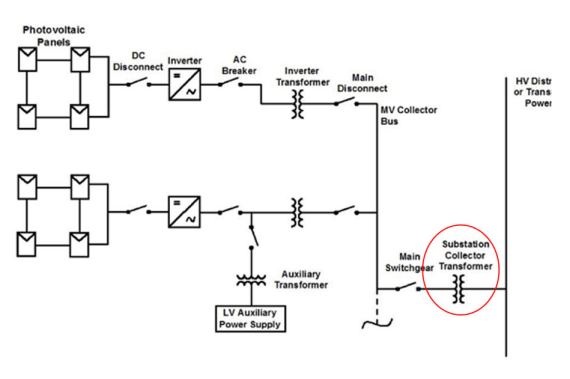
Fig.2. A Diagram of the Modified IEEE 13-Bus Distribution Feeder

B. Modelling the Components of the (Photovoltaic Battery) System

Photovoltaic array

Two (PV-battery) systems were designed. The first system consisted of four parallelly connected PV arrays to generate 400 KW of active power while the second consisted of five parallelly connected PV arrays to generate 500 KW of active power. The PV arrays were module-type SunPower® SPR-305E-WHT-D (305W) solar panels that each generate 100 KW of electrical power. All the PV arrays were set to operate under standard test conditions (STC), which was 1000 W/m2 of solar radiation at 25°C.

Fig.3. The (I-V) and (P-V) Characteristics of the Proposed PV Array

Fig.3. shows the (I-V) and (P-V) of the proposed PV model at different light radiation ratios and 25°C as well as the design of the PV system.

As seen in Fig. 3., variations in solar radiation mostly affected PV current and least affected voltage. Meanwhile, an increase in solar radiation increased the amount of PV power generated as the amount of current had increased. The maximum power point (MPP) obtained at 1000 W/m2 radiation was 100.725 KW. The PV arrays were set to operate under STC, which was 1000 W/m2 of solar radiation at 25°C as shown in Table 1.

Table 1. The SunPower® SPR-305E-WHT-D (305W) PV Module

.

The Battery Model in the (PV-Battery) System

A battery was used to store and supply energy to the network. It was charged by the power generated by the PV array and discharged to help provide the power required to operate a load when the PV array failed to produce sufficient power.

Battery size is important as it needs to provide maximum backup power to compensate for a lack of solar generation in the event of low or no radiation. The MPP of the PV arrays used in this present study was 100 KW at STC. Therefore, a battery that could provide this amount of power to loads for a maximum of one hour in an emergency; such as a lack of radiation; was chosen.

A (lithium-ion) battery, with a maximum current discharge capacity of 300 A, was selected to provide one hour of backup power in the event of zero radiation. Table 2 shows the values of the proposed battery design.

Fig.4. Flowchart of Controlling the Charging and Discharging Battery in the (PV-Battery) System

Controlling the charging and discharging of the battery in the (PV-battery) system

In the (PV-Battery) system, the battery was charged by the power generated by the PV array and acted as an alternative source of energy for the PV system when the level of radiation was low. The battery operating modes were determined by the amount of radiation in the PV system and the state of charge (SOC) of the battery. The maximum and minimum SOC limits were set at 80% and 20%, respectively. This present study used the lowest photoelectric radiation value; i.e. 300 W/m2; to prevent the battery from deteriorating and to prolong its life [15] [16]. Fig. 4. depicts the charging and discharging patterns of the battery of the (PV-battery) system.

Table 2. The Battery of the (PV-Battery) System

.
C. Modelling the components of the (battery-grid) system

The Battery Model in the (Battery- Grid) System

A (lithium-ion) battery was chosen to store the energy. In the battery-grid system, the battery was charged by the power generated by the main generator of the electric power system and discharged when needed to provide additional power when the load was high. A 200 KW.h battery with a total capacity of 1200 Ah was selected to provide standby power for a maximum of three hours when loads exceeded the rated value. Table 3 provides the values of the proposed battery design.

Table 3. The Battery of the (Battery-Grid) System

.

Controlling the charging and discharging of the battery in the battery-grid system

When the battery was connected to the network to serve as a source of electrical power via the inverter, it was charged by the power generated by the electrical power system.

However, the operating mode depended on the load required and the SOC of the battery. Fig. 5. depicts the charging and discharging patterns of the battery connected to the network.

As seen in Fig. 5., the load supplied by the electrical power system was stable. When the load demand was high, if the battery had been charged, it provided the load with the additional power necessary to operate. Meanwhile, when the load demand was low, the excess power of the network was used to charge the battery if it needed to be charged.

Simulation and Results

A hybrid system shown in Fig. 6.; which connected a 500 KW (PV-battery) system to bus 671, a 400 KW (PV-battery) system to bus 675, and a 200 KW.h battery storage system to bus 634 of a modified IEEE 13-bus test system in battery isolation, battery charging, and battery discharging modes; was used to demonstrate the feasibility of injecting and absorbing reactive power to improve power quality by decreasing the need for active power from the central generator, increasing and decreasing the voltage, and decreasing the THD of the voltage and current. This present study discusses the effect of these hybrid systems on the point of common coupling (PCC); where a RES system connects to the electric power system; as well as their effect on the IEEE buses that are locally linked to the RES system. MATLAB® Simulink was used to execute the computer simulations.

Fig.5. Flowchart of Controlling the Charging and Discharging Battery in the (Battery-Grid) System

Fig.6. The Modified IEEE 13-Bus Test System with RES Systems

Mode 1: Battery Isolation

This mode occurs when the PV arrays of both the (PV-battery) systems operate at STC and the batteries are fully charged. Meanwhile, in a (battery-grid) system, this mode occurs when the load operates normally and the battery is full charged.

As shown in Fig. 7., The results indicate that when PV arrays operate at STC and at a unity power factor (UPF), they generate maximum active power without generating reactive power. Furthermore, isolating the battery of the (battery-grid) system at UPF means that it does not generate any active or reactive power. This is evidenced by distortions in the voltage and current.

The voltage increased at the PCC when both the (PV-battery) systems injected reactive power into the electric power system. Even in battery isolation mode, the voltage increased at the PCC when the (battery-grid) system injected reactive power into the electric power system. Therefore, an injection of reactive power from a RES system to an electrical power system causes the voltage at the PCC and DC-Link to increase. Hence, the hybrid systems failed to achieve the correct isolation pattern for the battery.

The total harmonic distortion of voltage (THD-V) was low at the PCC of buses 671 and 675 when reactive power was injected. However, the total harmonic distortion of current (THD-I) decreased at the PCC of bus 671 when 201.62 KVAR of reactive power was injected at a rate of 13.37%. It also decreased the THD-I at the PCC of bus 675 by increasing reactive power injection.

The absorption of reactive power by the electrical power system caused the voltage to decrease at all the PCC. The absorption of reactive power by the RES systems caused the THD-V to decrease at the PCC of busses 671 and 675 and the THD-I to decrease at all the PCC as the amount of reactive power absorbed increased.

Fig.7. The Correlation Between the (a) Voltage, (b) Power Factor (P.F), (c) The Total Harmonic Distortion of Voltage (THD-V), and (d) The Total Harmonic Distortion of Current (THD-I) of Reactive Power and PCC in the Battery Isolation Mode

Fig.8. The Correlation Between the (a)-(b) Voltage, (c) P.F, (d) THD-V, and (e) THD-I of the Reactive Power and PCC in the Battery Charging Mode

Fig.9. The Correlation Between the (a)- (b) Voltage, (c) P.F, (d) THD-V, and (e) THD-I of the Reactive Power and PCC in the Discharging Battery Mode

Mode 2: Battery Charging

This mode occurs when the PV arrays of both the (PV-battery) systems operate at STC and the batteries are not charged (SOC = 10%). Meanwhile, in a (battery-grid) system, this mode occurs when the load is 50% of normal operating loads and the SOC of the battery is 10%. Table 4 provides the amount of voltage and current required to charge the batteries of the RES systems connected to electrical power systems.

As seen in Fig. 8., the power factor (P.F) is negative indicating that power flows from the electrical power system to the (battery-grid) system. However, an injection of reactive power into the electrical power system increased the voltage at the three PCC with RES systems, where the voltage increased by 0.54% at the PCC of bus 671 when 301.94 KVAR of reactive power was injected. It also increased the THD-V at the PCC of buses 671 and 675. Although the THD-V at the PCC of bus 634 also increased, it decreased as the amount of reactive power increased. Meanwhile, the THD-I at the PCC of buses 671 and 675 decreased as the amount of reactive power increased while it increased at the PCC of bus 634 when 47.22 KVAR of reactive power was injected.

Absorbing reactive power from the three RES systems decreased the voltage at the PCC with the electrical power system. The THD-V at the PCC of bus 634 decreased by 5.2% when absorbing 92.13 KVAR of reactive power. Meanwhile, the THD-I marginally decreased at the PCC of bus 671 when absorbing 298.7 KVAR and decreased at the PCC of buses 675 and 634 by increasing the absorption of reactive power.

Table 4. The Voltage and Current Required to Charge the Batteries of the RES Systems

.

Table 5. The Voltage and Current Discharge of the Batteries of the RES Systems

.

Mode 3: Battery Discharging

This mode occurs in both the (PV-battery) systems when the SOC of the battery is 70% and the irradiance is 0%. Meanwhile, in the (battery-grid) system, this mode occurs when the normal operating load at bus 634 increases by 50% and the SOC of the battery is 75%. Table 5 shows the amount of power generated by the batteries in the battery discharging mode.

As seen in Fig. 9., an injection of reactive power increased the voltages at all the PCC. This decreased the THD-V at the PCC of buses 671 and 675 and increased the THD-V at the PCC of bus 634 by 10.73% when the amount of reactive power injected exceeded 109.74 KVAR over its value at UPF. The THD-I at the PCC of buses 671 and 675 increased while it decreased by 18.7% at the PCC of bus 675 when the amount of reactive power injected was 241.69% higher than its value at UPF.

Absorbing reactive power from the electrical power system decreased the voltage and increased the THD-V at the PCC of the three buses. Meanwhile, the THD-I decreased at the PCC of bus 671 and decreased by 25.43% at the PCC of bus 634 but increased by 16.6% at the PCC of bus 675 when 238.43 KVAR of reactive power was absorbed.

The effect of reactive power on buses 671, 675, and 634

Integrating the three RES systems with the electrical power system at buses 671, 675, and 634 decreased the amount of energy that the main generator needed to generate to operate the loads of the electrical power system. The amount of active power that the main generator needed to generate in bus 632 in battery isolation mode at UPF decreased by 24.6%; from 3497.3 KW to 2636.5 KW; when RES systems were not connected (Fig. 10.).

Fig.10. The Active Power and Reactive Power Generated by Bus 632 With and Without a RES System at UPF

Fig.11. The Active Power & Reactive Power Generated by Buses 671, 675, and 634 With and Without a RES System at UPF

Connecting a RES system to the electrical power system effectively decreased the amount of electric power supplied from bus 632 to buses 671, 675, and 634, especially in battery isolation mode. The amount of active power supplied to the bus exceeded the amount of active power that the batteries contained in charging and discharging modes. Active power was supplied to buses 671 and 675 at a rate of 33.4% and 45%, respectively, in battery isolation mode with UPF in comparison to no RES systems. It is noteworthy that the active power flowed in reverse in phase B of bus 675 as the PV system generated more power than a common load required in battery isolation mode (Fig. 11.).

Fig.12. The Voltages at Buses 671, 675, and 634 in Different Operating Modes

Fig.13. The THD-V of Buses 671, 675, and 634 in Different Operating Modes

Fig.14. The THD-I of Buses 671, 675, and 634 in Different Operating Modes

Fig.15. The Active Power Losses of the Transmission Lines Linking Buses 632-671, 692-675, and 633-634 in Different Operating Modes

Fig.12. depicts the effect of reactive power on the voltages of buses 671, 675, and 634. The voltages increased as the amount of reactive power injection increased and decreased when reactive power absorption exceeded its value at UPF.

The largest distortion in the voltage wave (THD-V) occurred in battery isolation mode at UPF. Therefore, reactive power has a clear effect on this mode. As seen in Fig. 13., the THD-V of buses 671, 675 and 634 decreased in phases A, B, and C when reactive power was injected.

Fig. 14. depicts the evident effects of THD-I in battery isolation mode in buses 671 and 675 due to the large amount of power supplied by the PV systems to the electrical power system. The THD-I of bus 675 in phase B increased significantly more than the other phases due to the low load and P.F of this phase. As such, the PV system would supply an excess of reactive current, which would increase the THD. Therefore, the THD-I is underestimated when reactive power is absorbed.

As seen in Fig. 15., the transmission lines linking buses 632-671, 692-675, and 633-634 experienced the highest losses in the battery charging mode. This occurred as, in this mode, most of the power generated from RES is used to charge the batteries. As such, the power flows within the transmission lines from the main power generation sources of an electrical power system to cover the load requirements of the buses. The injection of reactive power helped decrease the amount of active power losses when the amount of reactive current in transmission lines decreased but increased the amount of active power losses when reactive power absorption increased.

Conclusion

This present study highlights the need for reactive power injection via DER inverters to improve the voltage profile and power quality of distribution systems. A hybrid power system with modified IEEE 13-node test system was developed to analyses the voltage profile and active power of a system in different operating modes. Most of the DERs were linked to the electrical network with the help of electronic-electric interfaces that generate active and reactive power by properly controlling the interface of an inverter. The effect of an injection and absorption of reactive power was also examined. The voltage profile significantly improved and the THD-V and THD-I decreased when the full reactive power capacity of the DER inverter was used. The proposed model decreased the power output of the generator by 24.6% and significantly improved the in-situ voltage profile by utilising the reactive power capabilities of DER inverters. Furthermore, the THD-I decreased by 81.26% when reactive power was injected or absorbed.

Acknowledgment – Authors would like to thank Mosul University, College of Engineering, Electrical Department, for the support given during this work.

REFERENCES

[1] R. H. A. Zubo, G. Mokryani, H. S. Rajamani, J. Aghaei, T. Niknam, and P. Pillai, “Operation and planning of distribution networks with integration of renewable distributed generators considering uncertainties: A review,” Renew. Sustain. Energy Rev., vol. 72, no. May, pp. 1177–1198, 2017, doi: 10.1016/j.rser.2016.10.036.
[2] J. P. Ram, H. Manghani, D. S. Pillai, T. S. Babu, M. Miyatake, and N. Rajasekar, “Analysis on solar PV emulators: A review,” Renew. Sustain. Energy Rev., vol. 81, no. July 2017, pp. 149–160, 2018, doi: 10.1016/j.rser.2017.07.039.
[3] A. F. A. Kadir, T. Khatib, and W. Elmenreich, “Integrating photovoltaic systems in power system: Power quality impacts and optimal planning challenges,” Int. J. Photoenergy, vol.2014, 2014, doi: 10.1155/2014/321826.
[4] A. Alshahrani, S. Omer, Y. Su, E. Mohamed, and S. Alotaibi, “The technical challenges facing the integration of small-scale and large-scale PV systems into the grid: A critical review,” Electron., vol. 8, no. 12, 2019, doi: 10.3390/electronics8121443.
[5] T. Adefarati and R. C. Bansal, “Integration of renewable distributed generators into the distribution system: A review,” IET Renew. Power Gener., vol. 10, no. 7, pp. 873–884, 2016, doi: 10.1049/iet-rpg.2015.0378.
[6] R. Singh and R. C. Bansal, “Review of HRESs based on storage options, system architecture and optimisation criteria and methodologies,” IET Renew. Power Gener., vol. 12, no. 7, pp. 747–760, 2018, doi: 10.1049/iet-rpg.2017.0603.
[7] R. Tonkoski and L. A. C. Lopes, “Voltage regulation in radial distribution feeders with high penetration of photovoltaic,” 2008 IEEE Energy 2030 Conf. ENERGY 2008, no. Lv, 2008, doi: 10.1109/ENERGY.2008.4781021.
[8] M. L. Kolhe and M. J. M. A. Rasul, “3-Phase grid-connected building integrated photovoltaic system with reactive power control capability,” Renew. Energy, vol. 154, pp. 1065–1075, 2020, doi: 10.1016/j.renene.2020.03.075.
[9] K. Emmanuel, T. Antonis, Y. Katsigiannis, and M. Moschakis, “Impact of increased RES generation on power systems dynamic performance,” Mater. Sci. Forum, vol. 721, pp. 185–190, 2012, doi: 10.4028/www.scientific.net/MSF.721.185.
[10] L. B. G. Campanhol, S. A. Oliveira Da Silva, L. P. Sampaio, and A. O. Azauri, “A grid-connected photovoltaic power system with active power injection, reactive power compensation and harmonic filtering,” 2013 Brazilian Power Electron. Conf. COBEP 2013 – Proc., no. April 2016, pp. 642–649, 2013, doi: 10.1109/COBEP.2013.6785183.
[11] S. Vlahinić, D. Franković, V. Komen, and A. Antonić, “Reactive power compensation with PV inverters for system loss reduction,” Energies, vol. 12, no. 21, pp. 1–17, 2019, doi: 10.3390/en12214062.
[12] R. A. Othman and O. S. A. D. Al-Yozbaky, “Effect of Reactive Power Capability of the PV Inverter on the Power System Quality,” Indones. J. Electr. Eng. Informatics, vol. 10, no. 4, pp.780–795, 2022, doi: 10.52549/ijeei.v10i4.3913.
[13] H. Li, C. Wen, K. H. Chao, and L. L. Li, “Research on inverter integrated reactive power control strategy in the grid-connected PV systems,” Energies, vol. 10, no. 7, 2017, doi: 10.3390/en10070912.
[14] W. H. Kerting, “Radial distribution test feeders IEEE distribution planning working group report,” IEEE Trans. Power Syst., vol.6, no. 3, pp. 975–985, 1991, doi: 10.1109/59.119237.
[15] Z. Yi, W. Dong, and A. H. Etemadi, “A Centralized Power Control and Management Method for Grid-Connected Photovoltaic (PV)-Battery Systems,” arXiv Optim. Control, no. September, 2017, doi: 10.48550/arXiv.1709.09219.
[16] E. D. Kostopoulos, G. C. Spyropoulos, and J. K. Kaldellis, “Real-world study for the optimal charging of electric vehicles,” Energy Reports, vol. 6, pp. 418–426, 2020, doi: 10.1016/j.egyr.2019.12.008.


Source & Publisher Item Identifier: PRZEGLĄD ELEKTROTECHNICZNY, ISSN 0033-2097, R. 99 NR 6/2023. doi:10.15199/48.2023.06.35

Power Consumption Control and Monitor using IoT Platform for Smart Office

Published by 1. Sahapong SOMWONG1, 2. Kritsada PUANGSUWAN2,
Faculty of Engineering, Rajamangala University of Technology Srivijaya Songkhla, Thailand (1),
Faculty of Science and Industrial Technology, Prince of Songkla University, Surat Thani Campus, Surat Thani, Thailand (2) ORCID: (1) 0000-0002-2693-494X; (2) 0000-0003-1613-0611


Abstract. This paper reports the study to design and develop a system for controlling and displaying the status of electric energy usage in an office room by using web application. The study aimed to create innovation for saving the energy and enhancing the lifetime of electrical equipment. The system was designed to control electrical equipment via the website by receiving the value from the detector. According to the analytical results, the website showed the usage status of the office room, consisting of four sections: current detector status, temperature sensor, motion detector status, and LDR status. The operational status of all sections was analyzed. It showed the usage status online. The system could control three-phase electrical equipment through the website and the status was also shown on the control cabinet. The test results were evident that the system was able to be utilized to measure the energy consumption of the electrical equipment in the room. Furthermore, a three-phase air conditioning system showed the usage status of electrical equipment. The system was able to detect the motion, the temperature of the light and the system displayed the operational status on both the control cabinet and the website. The system allows multiple users to access and control the power through their smartphone. Designed by customizable GUI on website, the system is easy to install, control and monitor of electronic devices widely used in everyday life. It can store the data of electricity usage in the room for more than 365 days and the data can be exported as an excel file.

Streszczenie. Artykuł przedstawia badania mające na celu zaprojektowanie i wykonanie systemu kontroli i wyświetlania stanu zużycia energii elektrycznej w pomieszczeniu biurowym za pomocą aplikacji webowej. Badanie miało na celu stworzenie innowacji oszczędzających energię i wydłużających żywotność sprzętu elektrycznego. System został zaprojektowany do sterowania urządzeniami elektrycznymi za pośrednictwem strony internetowej poprzez odbieranie wartości z detektora. Zgodnie z wynikami analitycznymi strona internetowa pokazywała stan użytkowania pomieszczenia biurowego,składającego się z czterech sekcji:obecny detektor, czujnik temperatury, stan czujki ruchu i stan LDR. Przeanalizowano stan eksploatacyjny wszystkich odcinków. Pokazywał stan użytkowania online. System mógł sterować trójfazowymi urządzeniami elektrycznymi za pośrednictwem strony internetowej, a stan był również pokazywany na szafie sterowniczej. Wyniki testów wykazały, że system może być wykorzystany do pomiaru zużycia energii przez sprzęt elektryczny w pomieszczeniu. Ponadto trójfazowy system klimatyzacji pokazywał stan użytkowania sprzętu elektrycznego. System był w stanie wykryć ruch, temperaturę światła, a system wyświetlał stan pracy zarówno na szafie sterowniczej, jak i na stronie internetowej. System pozwala wielu użytkownikom na dostęp i kontrolę zasilania za pomocą smartfona. Zaprojektowany przez konfigurowalny graficzny interfejs użytkownika na stronie internetowej, system jest łatwy w instalacji, kontroli i monitorowaniu urządzeń elektronicznych szeroko stosowanych w życiu codziennym. Może przechowywać dane o zużyciu energii elektrycznej w pomieszczeniu przez ponad 365 dni, a dane można wyeksportować jako plik Excela. (Monitorowanie zużycia energi przy wykorzystaniu platformy IOT na smartfony)

Keywords: electrical control, energy monitoring, IoT platform, smart office.
Słowa kluczowe: sterowanie elektryczne, monitorowanie energii, Platforma IoT, inteligentne biuro.

Introduction

Currently, Thailand has modern technology to facilitate human beings and it is an important factor for the daily life of people of the country such as, communication, education, electrical appliance control [1]-[3]. There are many forms of controlling electrical appliances (Controlling electrical appliances are created and innovated in many forms). For example, the close control of electrical devices use a cable and then it evolved into a wireless remote control via radio waves [4]-[6]. However, these controls have distance and obstacle limitations (limitation in distance and some operational obstacles). After that (In the digital age), technology has been developed to be able to be controlled via the Internet [7], [8]. In general, the inspection of electricity requires a human inspector by checking the electricity meter. It may cause inconvenience to inspect in remote areas in the backcountry. It possibly causes delays and even errors. At present, researchers have developed systems to measure the use of electrical energy [9], there are the web-based control systems are applied in everyday life to facilitate human use [10]. It can display the results on the Internet systems and facilitate the monitoring systems of electric energy status quickly with simply, [11]-[13]. It can control various devices in your home residences, offices, or buildings from the website by using an application via smartphones [14]-[16].

The motion sensors are used to detect movement in order to control the on and off of the electrical equipment in the building to help save energy up to 30-40% [17]. However, researchers in [18] have come up with solutions to prevent wasting electricity in the home in a convenient and cost-effective way. He uses home automation real-time energy monitoring technology. The cost is calculated and the impact of long-term investment is discussed.

In this study, the concept of the system is to control and monitor the current consumption status of indoor electrical equipment through the website. It aims to check the usage status of electrical equipment. This system can measure current, voltage, power, temperature and usage status. It can transmit data to the microcontroller for processing, control and display the status on the website. The built-in system is used inside the building to check (monitor) the current consumption status of indoor electrical equipment through the website. In addition, this system checks the status of various devices and controls the electrical equipment within the building.

Design and implementation

The power consumption control and monitoring system using Internet of things (IoT) platform for smart office consists of four parts. The first is part of the energy measurement system for measuring movement and light with a detector. The second is the part of the driving system for single-phase and three-phase AC electrical devices. The third is the system to control and display on the website. The last is to process and send-receive the information as shown in Fig. 1. (the measurement system are shown in Fig. 1.) There are sensors (Sensors are installed/set to detect electrical energy, motion, and lighting in an office room.

Then, they send the data to the processing system to analyze the power consumption of the electrical equipment and to determine if there are people using them inside the room. The system can monitor the movement of people. The processing system is connected to the power drive system. This system can control both single-phase AC for room lighting and three-phase for air conditioner. The electrical energy and detector status measured by the meter will be sent to store data on the cloud and the usage status will be shown on the website. Therefore, the user can check the usage status of the office room. In addition, it can control ON/OFF the illumination system and air condition in the office room in case that there is no one in the room.

Fig.1. System diagram

In the design of the control and display system, the system consists of three subsystems: 1) Three-phase power control system. 2) Detector sensor system, processing and transmitting data to the cloud system, and 3) Operating status display and manual control as shown in Figure 2.

Fig.2. Design the power consumption control

Fig. 2 shows the three-phase power control system which is divided into three parts: (A) 3-phase electrical control system by controlling 2 air conditioner appliances, (B) the set of 3-phase power monitoring system, (C) the connectors for installation. The circuit breaker and a fuse for a 3-phase power system by controlling two electrical appliances and air conditioners. They contain sensors: temperature, humidity, current, voltage, power, motion, light, microprocessors, high current drive circuit and data transmission modules via the internet system. The part of status displays system of applications and manual control consists of two air conditioners working status indicators. Three-phase power system status indicator controls for both air conditioners.

After the system design in Fig. 2, we developed the implementation of actual use. The system actually developed consists of two control cabinets as shown in Fig. 3. The cabinet A is a combination of three-phase power control system (number 1 in Fig. 2), including operating status display and manual control (number 3 in Fig. 2) in this cabinet. The cabinet B is a detector sensor system, processing and transmitting data to the cloud system. In addition, two motion detectors were installed on the ceiling of the office room, together with three light detectors in the office. The detectors were installed near the center lamp in each row of all three ones. Doing so is because each row can be switched on and off independently as shown in Fig. 4.

Fig.3. Implementation of the power consumption control (Power consumption control design)

Fig.4. The power consumption control installation

Dashboard design

This implementation is to design and develop a website window to show the cur-rent consumption status of electrical equipment, and also control as well as monitor the use of electrical equipment in the office room. They system control the status of electrical system (on-off function, including air conditioning in the room when there is nobody in the room as shown in Fig. 5.

Fig.5. Design of the power consumption control

Fig. 5 presents the design of the webpage for the use status and the use control of equipment in the office room. The power consumption control is divided into 10 parts: 1) power charge indicator, 2) temperature indicator, 3) the use of office room, 4) lamp indicator in row 1, 5) lamp indicator in row 2, 6) lamp status indicator in row 3, 7) on/off control button of lamps in row 1 and 2, 8) on/off control button of air conditioner row 1 and 2, 9) electric quantity usage graph, and 10) room temperature graph.

Results and discussions

This section discusses the testing process which aims to test the operation of the electrical control system and monitor the operating for various electrical equipment within the office.

Electrical energy measurement

Based on the test of the electrical energy meter against the standard meter against 10 types of devices, the detector value is displayed on the calibration site of the standard meter. The electrical equipment (devices) as samplers of the study used for comparison is as follows: (A) 1 long light bulb, (B) 2 long light bulbs, (C) 1 stand fan, (D) 1 long light bulb and 1 stand fan, (E) long light bulb 2 tubes with 1 stand fan, (F) Panasonic hair dryer, (G) Panasonic hair dryer with 1 stand fan, (H) SHARP rice cooker, (I) SHARP rice cooker with 1 long lamp, and (J) Cooker SHARP rice with 1 stand fan. We compare the measured value from the detectors shown on the website. The current consumption measurements of each equipment group in the room, as the samples were tested. The electricity consumption of each equipment group on the website is shown in the Fig. 6 and Table 1.

Fig.6. Electricity consumption a) voltage and b) current

The results shows that the current measurement in the office room with 10 types of test loads had an average tolerance of 0.652 V and 0.137 A. Table 1 shows, that the current measurement in the office room with 10 types of test loads had a mean absolute error (MAE) is 5.95%.

The temperature measurement in the office room started from turning off two air conditioners, then waited for two minutes before turned on both air conditioners. Temperature measurement was conducted every two minutes. The test results, indicate that the temperature measurements in 10 different office room had and an average error of 0.392 degrees Celsius as shown in Fig. 7.

Regarding the motion detection test in the office room, the test was implemented for two cases. One was the absence of people in the office room and the other case was when someone was in the room. The motion detection test took every five minutes to detect the motion and the results are shown in the Table 2.

Table 1. Electricity consumption of each group

.
Fig.7. Temperature measurement

Table 2. Motion detection status

.

Table 2, shows that both motion detectors can detectors detect accurately in both case; that is, when there were people in the room and when there were anyone in the office room. For the light detection in the office room, five cases were studied. Firstly, bulbs in row 1 were turned on (A). Secondly, bulbs in row 2 were on (B). Third case was when bulbs in row 3 were on (C). Fourth case was when all bulbs in every row were turned on (D), and final case was when all bulbs in every row were off. The results of light detector status are shown in Table 3 and Fig. 8.

Table 3. Light detector test

.

Fig. 8 shows that bulbs in row 1 were turned on and the status indicated “ON” on the website accurately. In Fig. 8 shows the status of the electrical equipment inside the room on the website page while the first row of lights in the room was turned on. The first row of lights is ON and will be green colored to make it easier for inspectors to check the status. Also on the web page the temperature values are displayed relative humidity. The power used at that time as well and also has data in graphs as shown in Figure 5, that show historical power consumption data for the inspector to use to analyze the energy consumption of various electrical equipment in the room easily.

Fig.8. Light detector status a) light 1st ON and b) light 1st Status

Conclusions

The study aimed to develop the system for controlling and displaying the power consumption status of electrical equipment inside the office building on the website. It was that the system was efficient in working and it worked functionally and properly. It is evident that the system is able to measure the current, voltage, power in the electric power in the room. The system can monitor movement, control lighting and air conditioning, and then show the usage status. For the power consumption, the system can last for 365 days and it can be operated by a remote control. In addition, the system can function anywhere through internet connection via smartphones or computers. Furthermore, the system control the display of the usage status via standalone control cabinet even without the internet. Overall, the system is the protocol which can be further development for innovative ideas of the internet of things, particularly for life and living.

Acknowledgement – The research was supported by the Faculty of Engineering, Rajamangala University of Technology Srivijaya and the Faculty of Science and Industrial Technology, a Prince of Songkla University, Surat Thani Campus.

REFERENCES

[1] Mtshali P., & Khubisa F., A Smart Home Appliance Control System for Physically Disabled People, in Conference on Information Communications Technology and Society (ICTAS)., (Durban, South Africa), March 2019, 1-5, doi: 10.1109/ICTAS.2019.8703637
[2] Krishna I., & Lavanya K., Intelligent Home Automation System using BitVoicer, in International Conference on Intelligent Systems and Control (ISCO)., (Coimbatore, India), Jan. 2017, 14-20, doi: 10.1109/ISCO.2017.7855973.
[3] Jayaram A. (2016). An Internet of Things Framework for Automation and Remote Control of Home Appliances, International Journal of Innovative Research in Science, Engineering and Technology, 5(9), 17108-17115, doi: 10.15680/IJIRSET.2016.0509095.
[4] Pandharipande A., Caicedo D., & Khaimook K. (2014). Sensor-Driven Wireless Lighting Control: System Solutions and Services for Intelligent Buildings, in IEEE Sensors Journal, 14(2), 4207-4215, doi: 10.1109/JSEN.2014.2351775.
[5] Saeliw A., Hualkasin W., Puttinaovarat S., & Wang X. (2019). Smart Car Parking Mobile Application based on RFID and IoT, International Journal of Interactive Mobile Technologies (iJIM), 13(5), 4-14, doi.org/10.3991/ijim.v13i05.10096.
[6] Beqqal M. El., & Aziz M. (2018). Taxonomy on IoT Technologies for Designing Smart Systems, International Journal of Interactive Mobile Technologies (iJIM), 12(5), 182–191, doi.org/10.3991/ijim.v12i5.8831.
[7] Khan M., Silva B. N., & Han K. (2016). Internet of Things Based Energy Aware Smart Home Control System, in IEEE Access, 4(1), 7556-7566, doi:10.1109/ACCESS.2016.2621752.
[8] Wu F., Miao Z., & He C. (2016). Remote Monitoring System for Intelligent Slaughter Production Line Based on Internet of Things and Cloud Platform, 11th International Conference on Prognostics and System Health Management (PHM-2020 Jinan), 538-542, doi: 10.1109/PHM-Jinan48558.2020.00104.
[9] Jiménez Betancourt R.O., González López J.M., Barocio Espejo E., Concha Sánchez A., Villalvazo Laureano E., Sandoval Pérez S., & Contreras Aguilar L. (2020). IoT-Based Electricity Bill for Domestic Applications, Sensors, 20(21), 1-17, doi: 10.3390/s20216178.
[10] Ida Bagus Gede P., Nyoman S., & Made S. (2020). Application of IoT-Based System for Monitoring Energy Consumption, International Journal of Engineering and Emerging Technology, 5(2), 81-93.
[11] Shaikh P.S., & Kapare A.S. (2017). Smart Office Area Monitoring and Control Based on IoT, International Journal of Engineering Research in Computer Science and Engineering (IJERCSE), 4(4), 48-52.
[12] Motlagh N.H., Mohammadrezaei M., Hunt J., & Zakeri B. (2020). Internet of Things (IoT) and the Energy Sector, Energies, 13(2), 1-27, doi: 10.3390/en13020494.
[13] Rao S. A., & Kulkarni K. (2018). Smart Phone based Cost Effective Visitor Management System for Smart Offices, International Journal of Interactive Mobile Technologies (iJIM), 12(6), 112–123, doi.org/10.3991/ijim.v12i6.9476.
[14] Xiao H., Hu W., Zhou D., Deng Q., & Zhou H. (2019). Remote Monitoring and Control System for Domestic Electricity Consumption Based on WeChat Applet, in 2019 Chinese Control Conference (CCC), (Guangzhou, China), 5321-5326, doi: 10.23919/ChiCC.2019.8866512.
[15] Sooraj S.K., Sundaravel E., Shreesh B., & Sireesha K. (2020). IoT Smart Home Assistant for Physically Challenged and Elderly People, in 2020 International Conference Smart Electronics and Communication (ICOSEC), (Trichy, India), 809-814, doi: 10.1109/ICOSEC49089.2020.9215389.
[16] Kazmi S., Javaid N., Mughal M.J., Akbar M., Ahmed S. H., & Alrajeh N. (2019). Towards Optimization of Metaheuristic Algorithms for IoT Enabled Smart Homes Targeting Balanced Demand and Supply of Energy, in IEEE Access, 7(1), 24267-24281, doi: 10.1109/ACCESS.2017.2763624.
[17] Riyanto I., Margatama L., Hakim H., Martini M., & Hindarto D. E. (2018). Motion Sensor Application on Building Lighting Installation for Energy Saving and Carbon Reduction Joint Crediting Mechanism, in Apply System Innovation, 23(1), 1-7, doi:10.3390/asi1030023.
[18] Kamel H. Rahouma., Zeinab T. Gaber, Zeinab T. Gaber, Adel A.E. Mohamed, & Hussein S. AlHamd. (2018). Real Time Automation Systems for Home Electrical Energy Waste Reduction, in Egyptian Computer Science Journal, 45(2), 1-13, ISSN-1110-2586.


Corresponding Authors : Kritsada Puangsuwan, Faculty of Science and Industrial Technology, Prince of Songkla University Surat Thani Campus, 31 Moo 6, Makhamtia, Muang, Surat Thani 84000, Thailand, Email:kritsada.pu@psu.ac.th


Source & Publisher Item Identifier: PRZEGLĄD ELEKTROTECHNICZNY, ISSN 0033-2097, R. 99 NR 5/2023. doi:10.15199/48.2023.05.05

What Caused the Big Blackout in Spain and Portugal?

Published by Unipower AB, Metallgatan 4C, 44132 Alingsås, Sweden. Email: info@unipower.se


PQ Secure – Voltage

On 28 April 2025, at 12:33 CET, the power systems of Spain and Portugal experienced a total blackout. Investigation is still in progress.

Above and below is 30 minutes of high-resolution waveform data we could extract from a meter in the Portuguese grid. We could see three oscillations preceding the blackout (12:03, 12:16 and 12:19 ) in both voltage and frequency.

A key to understanding events like this and finding the root causes is measurement data. Traditional triggers initiate high speed recordings for a few seconds but in a power grid with a lot of distributed renewable generation, batteries and other new technologies triggers are not easy to set up. You could easily miss events that are below the trig limits or because the trigger is on the wrong parameter. Recordings are also often too short.

Our Continuous Scan feature doesn’t need triggers and records waveform for all parameters continuously with high resolution.

Please contact us if you want to know more about the blackout or our measurement capabilities.

PQ Secure – Frequency

About UnipowerUnipower AB offers a wide range of products for Power Quality measurements and Smart Grid systems.

Originating from a Swedish ABB company in the mid 80’s, Unipower has developed a competitive edge within the field of Power Quality and Smart-Grid solutions. We focus on norm compliance equipment, with a special focus on the requirements for power generation, transmission and distribution.

Our product lines reach from traditional portable PQ analysers to fully integrated and automated Power Quality Management systems for continuous supervision of the energy supply.

Website: unipower.se


Source URL: https://www.unipower.se/news/what-caused-the-big-blackout-in-spain-and-portugal/

Impact of Renewable Resources Penetration on Maximum Loading Point and Dynamic Voltage Stability

Published by 1. Benalia Nadia1, 2. Ben Si Ali Nadia1, 3.Zerzouri Nora1, Badji Mokhtar Annaba University B.P 2300 Annaba Algeria. ORCID: 1. 0000-0003-4819-5313; 2. 0000-0001-7248-4823; 3. 0000-0003-1209-4617


Abstract. This paper presents the impact of a grid-connected photovoltaic (PV) generator with a wind turbine on dynamic voltage stability and maximum loading point by considering the PV-wind turbine penetration level and contingencies such as short circuits and load increases with PSAT toolbox under matlab. The IEEE 9-node test feeder is used as a test system. Test results show the maximum loading margin for voltage stability is improved at low PV-wind penetration levels of up to 10% and for 20% of the injections, the increase in λ is small, then it becomes constant for other injections. For each level of penetration of renewable energies, oscillation damping becomes more important after the elimination of the short circuit.

Streszczenie. W artykule przedstawiono wpływ podłączonego do sieci generatora fotowoltaicznego (PV) z turbiną wiatrową na dynamiczną stabilność napięcia i maksymalny punkt obciążenia, biorąc pod uwagę poziom penetracji PV-turbiny wiatrowej i zdarzenia awaryjne, takie jak zwarcia i wzrost obciążenia, za pomocą zestawu narzędzi PSAT w Matlab . 9-węzłowy podajnik testowy IEEE jest używany jako system testowy. Wyniki testów pokazują, że maksymalny margines obciążenia dla stabilności napięcia poprawia się przy niskich poziomach penetracji wiatru fotowoltaicznego do 10%, a dla 20% zastrzyków wzrost λ jest niewielki, a następnie staje się stały dla innych zastrzyków. Dla każdego poziomu penetracji energii odnawialnych tłumienie oscylacji nabiera większego znaczenia po wyeliminowaniu zwarcia. (Wpływ penetracji OZE na maksymalny punkt obciążenia i dynamiczną stabilność napięcia)

Keywords: Hybrid solar- wind turbine, voltage stabiliyt,PSAT, P-V curve.
Słowa kluczowe: Hybrydowa turbina fotowoltaiczno-wiatrowa, stabilizacja napięcia, Krzywa P-V, PSAT

Introduction

The power system should be operated so that voltage and power are within acceptable ranges [1]. This quest has led to the realization of alternative power generation methods that may be even cheaper than longstanding power generation techniques. One of the consequences of competitive electricity markets is the use of photovoltaic generators (PVGs) and wind turbines. Therefore, replacing conventional generation with large-scale renewable units has been one of the major aspects characterized by smart grids. But one of the major problems connected to solar and wind systems are their dependence on weather conditions [2–3]. Therefore, PV generation and wind turbines are growing rapidly around the world. Therefore, replacing conventional generation with large-scale renewable units has been one of the major aspects characterized by smart grids [4].

A methodology to evaluate the impact of wind generation on the voltage stability of a power system is presented in [5].

When connected to rural radial lines, solar PV systems have an electrical influence at the distribution level and have an impact on the voltage profile reviewed in [6].

When a power system is unable to sustain the voltage across all of its buses, causing a disturbance, voltage instability arises [7]. The limitations of network topology, system functioning, and the constitution of electrical system components are all factors that are progressively influencing the possibility of voltage instability and collapse [8].Integrating wind power plants created a new issue for system stability due to interactions between the control systems of wind power plants and conventional power plants [9], [10]. Additionally, the substitution of some of the generated power from conventional power plants with injected power from wind power plants can lead to a decrease in system damping and a reduction in system dynamic performance.

Under variable wind power plant power injection, dynamic and static voltage stabilities can be maintained [11].

Due to the inherent differences between PV units and conventional generators, these problems need to be carefully studied. Numerous studies and investigations have been conducted to optimize the performance of DG resources, reduce power loss, enhance the voltage profile, and enhance power quality characteristics.[12] outlines an approach for assessing how wind generation affects a power system’s voltage stability. [13] examines how small photovoltaic generators (SPVGs) affect the performance of distribution systems.

A power system has a state of voltage instability when a disturbance causes a progressive and uncontrollable decrease in voltage level [14]. These disturbances can be faults such as a short circuit on a transmission line, the loss of a generator, the loss of a load, the gain of a load, or the loss of a portion of the transmission network [12].

The integration of hybrid PV-WT systems into the grid can improve the reliability of renewable power generation to supply the load while minimizing the overall cost. The grid takes the excess renewable power generated and supplies power to loads when required. Recently, many studies have been conducted on the reliability of hybrid PV-WT systems.

It has been shown in numerous studies that the connection of hybrid PV and wind turbine power sources to the power distribution system changes the core characteristics of the system, including the static voltage stability and dynamic voltage stability. This study will focus on these two topics and present conclusions from an investigation into the impact of hybrid PV and wind turbines on the advantages mentioned using PSAT simulations and an IEEE 9-Bus power system.

Hybrid solar PV –Winds turbine System

A hybrid power system is one that combines two or more renewable energy sources (solar-thermal, wind, solar-photovoltaic, biomass, geothermal, hydropower, etc.) to provide electricity, heat, or both to consumers [13]. Renewable energies are weather-dependent and thus intermittent. He may be able to achieve a better overall supply model by integrating two or more generation sources and also including a form of energy storage. For isolated networks, the introduction of hybrid systems becomes a very attractive solution. The combination of both solar and wind energy sources can improve reliability, and their hybrid system becomes more economical to operate. The integration of hybrid solar and wind power systems into the grid can further improve the overall economy and reliability of renewable power generation to supply the grid’s load, similar to a stand-alone system. These sources can be operated either in private or grid-connected modes. The idea of wind and solar associated with a conventional system, though innovative, has caused more difficulties for planners and analysts due to the need to improve voltage stability and sustainability [15]. The effects of integrating large-scale PV on all aspects of the dynamic voltage stability of a power system have not yet been fully investigated. Dynamic voltage stability An oscillating situation is observed under changing circumstances or following a disturbance. After a new equilibrium point is reached and the power system is able to maintain stability, the oscillations will ultimately reduce. On the other side, an increase in oscillation magnitude indicates unstable conditions. Increasing power generation and load demand uncertainties frequently lead to oscillatory conditions. Therefore, static stability analysis is insufficient to accurately represent power system performance. To provide a thorough description of the dynamic behavior of the system, the dynamic response should be carefully examined. Simulations in the time domain are used here. Time integration techniques are used to solve a set of nonlinear equations that describe the components of the power system [16]. To maintain steady functioning of the power system, the maximum permissible critical clearance time must be determined using dynamic analysis [17, 18].

Voltage stability

Characteristics of a power system to remain in a state of equilibrium. Voltage instability is closely related to the maximum load margin of a transmission network. In present-day power systems, this may take place as a precursor to the traditional frequency instability problem. The main problem here is that the maximum loading of the transmission system is not a fixed quantity. Such quantity depends on the network topology, generation and load patterns, and the availability of VAR resources. All these factors can vary with time due to scheduled maintenance, unexpected disturbances, etc.

Voltage problems are expected when developing power systems and in the event of major system breakups. Voltage stability is a dynamic phenomenon, thus there should be an obvious need for dynamic voltage stability analysis. For the faster transient phenomena, dynamic simulations are necessary, but for the slower, longer-term phenomena, steady-state-based methods might suffice [10].

Simulation Results

All numerical studies were performed in PSAT, which is a MATLAB-based toolbox for power system studies. It includes power flow, continuation power flow (CPF), optimal power flow, small signal stability analysis, and time-domain simulation tools. This toolbox also provides a complete graphical interface and a SIMULINK-based one-line network editor.

The test network is an IEEE 9-Bus test system consisting of nine buses and three generators with a total capacity of 519.5 MW and a total load of 330.618 MW.

Scenario 1: The 9-bus test system is in normal condition.

Scenario 2: 9-bus test system with increased load at every bus

Scenario 3: A nine-bus test system with a short circuit on bus 4.

Scenario 4: A 9-bus test system with a short circuit at bus 4 and increasing load at every PQ load bus.

Scenario 5: 9-bus test system with 10% PV-wind penetration

Scenario 6: A 9-bus test system with 20% PV-wind penetration

Scenario 7: A 9-bus test system with 30% PV-wind penetration

With a fault at bus 4 and a 100% load increase Fig. 1. The IEEE 9-Bus system is slightly customized to simulate the solar-wind hybrid system shown in Figure 5.

A three-phase balance fault is applied to bus 4 connected to the generation source in order to analyze the case of dynamic voltage stability. Because it is closest to the swing bus, the location of the fault is the most vulnerable point in the network. The fault is considered to occur at 0.1 s, and the duration is 264 ms.

Fig.1. Schematic of IEEE 9 bus System with 3 phase fault and overload 100%

Fig.2. voltage profile in normal condition

During normal operation the voltages are in the range of 0.99 to 1.04 Figure 2 but when a three phase fault occurred near bus 4 at t=0.1 sec , voltages drop and generators may go out of synchronism Figure 4. The increase in load is accompanied by a loss of voltage up to 0.95 Figure 6. The PV curve has nearly the same shape in normal and fault operation Figure 3, figure 5 and figure 7, but in case 3, the nose of the curve decreases from 2.5 to 1.5 p.u. The voltage profile shows a voltage drop during the fault figure 8 followed by oscillations after the fault has been cleared, which attenuate after a few seconds, and the PV curve figure 9, whose loading point lowers to 1.4, are both impacted simultaneously by the fault’s existence and the increase in load.

Fig.3. P-V curve in normal condition

Fig.4. voltage profile with short circuit

Fig.5. P-V curve with short circuit

Fig.6. voltage profile with increase of load

Fig.7. P-V curve with increase of load

Fig.8. voltage profile with three-phase fault and overload 100%

Fig.9. P-V curves with three-phase fault and overload 100%

Fig.10. voltage profile with PV –Wind 10%

Fig.11. P-V curve with PV –Wind 10%

Fig.12. voltage profile with PV –Wind 20%

Fig.13. P-V curve with PV –Wind 20%

Fig.14. voltage profile with PV –wind 30%

The wind turbine is installed at bus 6, and the photovoltaic system is at bus 5 Fig 16, for equal injections ranging from 33.06 MW to 99.18 MW, which represent 10%, 20%, and 30% of the total load, respectively.

The PV curves in Figures. 11, 13, and 15 and the voltage profile curves in Figures. 10, 12, and 14 show the effects of different PV-wind power penetration on the voltage profile and loading point of all buses with short circuits and heavy loads. The depth and duration of the voltage dip are the dip’s characteristics, with the exception of the duration, which is influenced by the level of penetration of the RES and decreases with each injection; however, the depth remains constant across all nodes depicted in Figures10, 12, and 14. The variation of λ is very important for a 10% injection; practically, it doubles; it goes from 1.5 to 3. For the second injection of 20%, the increase in λ is low, going from 3 to 3.1, and it does not change and remains the same for a 30% injection.

Fig.15. P-V curve with PV –Wind 30%

Fig.16. Schematic of IEEE 9 bus System with hybrid PV-wind

Conclusion

The impact of renewable energy integration on voltage dynamic stability is demonstrated by a reduction in the duration of the dip voltage, which is reduced by one-third for a 30% injection compared to case 4. The effect of the penetration level of the PV-wind turbines as first injection (10%) on the maximum loading point is very important. When compared to case 4, λ doubles. When the penetration level is increased to 20%, the maximum margin point increases very little, taking the value to 3.1 and not changing by 30%. The maximum margin point is sensitive only for low injections and then becomes constant.

REFERENCES

[1] J. G. Slootweg, W.L. Kling, Modeling and analyzing impacts of wind power on transient stability of power systems, Wind Energy vol. 25, n 6, 2001.
[2] Jauch C., Sørensen P., Norheim I., Rasmussen C. Simulation of the Impact of Wind Power on the Transient Fault Behavior of the Nordic Power System, Electric Power Systems Research, VOL: article in press, available online 24 March, 2006, p. 135-144.
[3] M. Hussein Ibrahim, M. A Ibrahim , Solar-Wind Hybrid Power System Analysis Using Homer for Duhok, Iraq, PRZEGLĄD ELEKTROTECHNICZNY, vol 9,2021.
[4] Y.Yusran, Y. Rahmani,I. Gunadin,S. M. SAID,S. Syafaruddin, Mesh grid power quality enhancement with synchronous distributed generation: optimal allocation planning using breeder genetic algorithm, PRZEGLĄD ELEKTROTECHNICZNY, vol 1, 2020.
[5] E. Vittal, M. O’Malley, and A. Keane, “A Steady-State Voltage Stability Analysis of Power Systems with High Penetrations of Wind”, IEEE Trans. On Power Systems, Vol. 25, No. I, Feb 2010.
[6] A. Canova, L. Giaccone, F. Spertino, and M. Tartaglia, “Electrical impact of photovoltaic plant in distributed network,” IEEE Trans. Ind. Appl., vol. 45, no. I, pp. 341-347, Jan. I Feb. 2009.
[7] A F Mohamad, M Sulaiman, A F Abdul, R Omar “ Voltage Instability Analysis for Electrical Power System Using Voltage Stability Margin and Modal Analysis” , 2016.
[8] C.Jamroen ,B. Piriyanont ,S. Dechanupaprittha, S „ Load shedding scheme based on voltage instability index using synchrophasor data”, International Electrical Engineering Congress (IEECON),2017.
[9] B. Qin, H. Li, X. Zhang, T. Ding, K. Ma, and S. Mei, “Quantitative short-term voltage stability analysis of power systems integrated with DFIG-based wind farms”, IET Gener. Transm. Distrib., Vol. 14, No. 19, pp. 4264–4272, 2020.
[10] S. Dadjo Tavakoli, E. Prieto-Araujo, E. Sánchez-Sánchez, and O. Gomis-Bellmunt, “Interaction assessment and stability analysis of the MMC-based VSC-HVDC link”, Energies, Vol. 13, No. 8, p. 2075, 2020.
[11] G. Lee, D. Kwon, and S. Moon, “DC Current and Voltage Droop Control Method of Hybrid HVDC Systems for an Offshore Wind Farm Connection to Enhance AC Voltage Stability”, IEEE Trans. Energy Convers., 2020.
[12] P. Kundur, J. Paserba,Definition and classification power system stability. IEEE Trans. on Power Systems.19, 2, pp.1387-1401,2004.
[13] J.B.V.Subrahmanyam, P.AlluvadaBandana, K.Bhanupriya C. Shashidhar “Renewable Energy Systems: Development and Perspectives of a Hybrid Solar-Wind System” , ETASR – Engineering, Technology & Applied Science Research Vol. 2, No.1,177-181,2012. ,Shashidhar “Renewable Energy Systems: Development and Perspectives of a Hybrid Solar-Wind System” , ETASR – Engineering, Technology & Applied Science Research Vol. 2, No. 1, 177-181,2012
[14] M. H. Mostafa, M. A. Elshahed, M. M. Elmarsfawy,” Power Flow Study and Voltage Stability Analysis for Radial System with Distributed Generation”, International Journal of Computer Applications (0975 – 8887) Volume 137 – No.9, March 2016.
[15] M. Rambabu , G. V. Nagesh Kumar , S. Sivanagaraju ,” Optimal Power Flow of Integrated Renewable Energy System using a Thyristor Controlled SeriesCompensator and a GreyWolf Algorithm” , Energies , 12, 2215; published 19 june 1-18 ,2019.
[16] B. S. England , A. T. Alouani, “Real time voltage stability prediction of smart grid areas using smart meters data and improved Thevenin estimates”, Int. J. Electr. Power Energy Syst., Vol. 122, p. 106189, 2020.
[17] E. A. Aleem, E. E. A. El-Zahab, M. Algablawy, Z. M. Ali, “An improved approach for robust control of dynamic voltage restorer and power quality enhancement using grasshopper optimization algorithm”, ISA Trans. Vol. 95, pp. 110–129, 2019.
[18] C. Mishra, R. Sen Biswas, A. Pal, and V. A. Centeno, “Critical clearing time sensitivity for inequality constrained systems”, IEEE Trans. Power Syst., Vol. 35, No. 2, pp. 1572–1583, 2019.


Authors: Nadia Benalia: was born in Algeria in 1970. She received engineering and DEA degrees from the school of engineering Mokhtar Annaba, Algeria. She received Phd degrees in 2011. email: benalianadia13@yahoo.com.
Nadia Ben Si Ali: was born in Algeria in 1971. She received engineering and DEA degrees from the school of engineering university of Badji Mokhtar Annaba, Algeria in 1994 and 1997 respectively. She received Phd degrees in 2016.Field of research is power electronics, electrical drives, solar renewable energy. e-mail: bensialin@yahoo.fr .
Nora Zerzouri is was born in Algeria in 1968. She received engineering and DEA degrees from the school of engineering university of Badji Mokhtar Annaba. She received Phd degrees in 2016. e-mail: nzerzouri@yahoo.fr


Source & Publisher Item Identifier: PRZEGLĄD ELEKTROTECHNICZNY, ISSN 0033-2097, R. 99 NR 9/2023. doi:10.15199/48.2023.09.20

High impedance Fault Detection in Low Voltage Overhead Distribution based Wavelet and Harmonic Indices

Published by Enaam ALBANNA1, Alya H. AL-RIFAIE2, Ahmed A. Abdullah AL-KARAKCHI3, Northern Technical University (1,2,3) ORCID: 1. 0000-0002-3974-0116; 2. 0000-0002-7978-2193; 3. 0000-0003-1151-3015;


Abstract. High-impedance fault HIF occurs when an energized conductor makes contact with a surface with a high impedance. Conventional overcurrent protection cannot detect this fault due to the low fault current, and there is no effective protection for HIFs. This paper introduces a novel method for detecting HIFs in low voltage distribution systems by decomposing neutral current using Wavelet and FFT. Modeling HIF fault data in Matlab to analyze the proposed scheme. Simulations demonstrate that the proposed method can accurately detect HIF and distinguish it.

Streszczenie. Błąd wysokiej impedancji HIF występuje, gdy przewodnik pod napięciem styka się z powierzchnią o wysokiej impedancji. Konwencjonalne zabezpieczenie nadprądowe nie jest w stanie wykryć tej usterki z powodu niskiego prądu zwarciowego i nie ma skutecznej ochrony dla HIF. W artykule przedstawiono nowatorską metodę wykrywania HIF w systemach dystrybucji niskiego napięcia poprzez dekompozycję prądu neutralnego za pomocą funkcji Wavelet i FFT. Modelowanie danych o błędach HIF w Matlabie w celu analizy proponowanego schematu. Symulacje pokazują, że proponowana metoda może dokładnie wykrywać i rozróżniać HIF. (Wykrywanie uszkodzeń o wysokiej impedancji w niskonapięciowej dystrybucji napowietrznej w oparciu o wskaźniki falkowe i harmoniczne )

Keywords: HIF, Fast Fourier Transform, overcurrent relay, (WT) wavelet transform.
Słowa kluczowe: Szybka Transformata Fouriera FFT, .przekażnik, Transformata falkowa

Introduction

The unconventional flaw High impedance fault HIF is a concern in distribution utility protection because it is difficult to detect. HIFs occur when a primary conductor of a distribution feeder falls and contacts a ground or asphalt surface with a high impedance [1][2]. This surface restricts the current flow below the overcurrent protection level. This type of fault occurs in distribution networks; High Impedance Fault has low current magnitude and transient arcing as main characteristics, depending on contact with a high-impedance surface or object like a tree.

Flow currents with magnitudes less than protective device overcurrent or earth fault pickup current at the feeder substation can cause major environmental or property damage if not extinguished by the feeder protection. A ground fault occurs when a three-phase conductor falls and contacts a high-impedance object or a poorly conducting surface. When HIFs occur in overhead distribution feeders, overcurrent protection devices cannot detect the current fault and provide a trip signal. Because of the faults’ insufficient current draw, which ranges from 0 to 70 amperes depending on the effective touch in the distribution network and is below the overcurrent protection devices’ pickup level. The broken conductors carrying current with objects that are not properly grounded, such as vehicles, trees, and wood fences. This results in the energized conductor touching the ground, posing a public safety risk and negatively impacting power supply reliability. HIFs also arc, posing a fire and electric shock risk.

These factors make finding HIFs in power systems, particularly the distribution network, a common problem [3]. Since 1970, HIFs have been of interest, but detection techniques are still unclear [4][5]. In a conventional fault current, the current amplitude will be more than 10 times the relay pickup, thus the protection relay will respond to the fault. In the case of HIF, the overcurrent relay will not respond because its setting is much higher than the HIF current. [6] presents a lower-order harmonic detection technique from neutral current. Time-frequency analysis based methods [7]. The techniques include the time-frequency algorithm [8], neural network type of feed-forward (multi-layer) method [9], the kalman filter approach [10] and the low order harmonic ratio [11]. Due to their capacity to identify the frequency component of the signal and their position over time, Wavelet transform WT techniques have been widely used in signal processing [12]. These techniques have been used to protect the power system for more than ten years.

WT is a relatively new concept, but it has proven to be a successful method in many application fields such as speech discrimination, optics, acoustics, image processing, and recently in power system application. WT is used in power systems in a variety of fields that have advanced in recent years. The goal of this paper is to detect HIFs on distribution feeders using a new technique for protection based on WT and Fast Fourier Transform FFT. The advantages that the Wavelet Transform and the FFT both offer will be used to the advantage of the proposed protection method.

Modelling of HIF

The modelling of HIFs is needful to understand and study its behavior of this type of fault in an emulation environment. HIFs currents which are related to conditions such as: non-linearity, asymmetry, buildup, intermittence and shoulder. They are also important featured that HIFs have harmonics index for high and low and frequency components respectively [13]. Simulation is necessary because of that recording HIF are not always available due to that in most cases they are difficult to detect by conventional monitoring protection devices. In this study the HIFs are modelled and simulated because of reproduce a conditions that as close as possible to HIF reality. The use of a simulation model should take an electric arc at the fault contact point into account. Arcing has a nonlinear voltagecurrent relationship and may exhibit the behavior of an asymmetric waveform between the negative and positive halves of the cycle. As buildup progresses, this kind of fault current may also show amplitude variations, shoulders, and other characteristics. Based on the model in [14], the HIF model used in this paper, with the main consideration for detection being the voltage V versus I in nonlinearity of the arc. Figure 1 depicts the HIF applied model.

The HIF model is made up of two DC supplies connected in series with two diodes. The current flows through the power supply VP during the positive half cycle and through VN during the negative half cycle. The content of harmonics generated through the fault condition are functions of ( VN – VP ) the difference of voltages and alsothe rate of XL ̸ R. These relations the voltages and X to R were confirmed by simulation tests.

Fig.1. HIF model.

DWT Signal Analysis

HIF current signals are defined as current discontinuities, which means zero crossing regions brought on by the extinguishment and re-ignition of electric arcs. DWT turns into a useful tool for analyzing HIF as a result of its capacity to spot transient and abrupt changes in current signals with time or frequency [15]. For discrete applications, the DWT is:

.

Where: g(:) is the mother wavelet; a and b are the parameters for scale and translation (functions of an integer parameter m); x(n) is the input signal; m is a function of integer parameter

Fig.2. DWT process of the signal.

Due to its capacity to extract time and frequency information from a transient input signal [16], WT is an effective algorithm tool for the analysis of transient phenomena. DWT have modelled by utilizing a multistage filtering to the original signal then to the mother wavelet as two types of filter, low pass filter LPF dn (detail) and dual filter of high pass filter HPF an (approximation). The lowpass filter output, dn, is down sampled by two. Scaling the wavelet analysis by two makes the expansion signal in the next step. The term for the component of high frequency high pass filter output provides a detailed representation of the original signal. The approximations an are then signal split to obtain additional information about the original signal. The coefficients of the filter (dn and an) are related to the mother wavelet’s selection. The approximate an and detailed dn versions of the original signal can be obtained in subsequent stages of down sampling by a specific factor referred to as approximation an and detail dn, respectively. Figure 2 depicts the DWT process.

It is possible to implement any type of signal using this efficient technique. The coefficients an and dn of the two filter types (LPF and HPF) are related to the mother wavelet’s parameters. The original signal is then divided into approximation and details, two additional signals that represent a smooth and detailed representation of the signal being processed, respectively. To create the following approximation level (an) and detail level (dn), this analysis is repeated using the approximation that is further decomposed (dn). The process of approximation and level of detail in the DWT are directly proportional to the sampling rate (fn) of the signal being processed [17]. Multi-resolution analysis (MRA) is the method described in [18]. The method provides a signal description for voltages or currents as they vary with respect to various time domain scales, wherein the selection of large scales is associated with lowfrequency signal components and the selection of small scales is associated with high-frequency signal signatures. In addition, the presence of low-order harmonics and highfrequency components distinguishes HIFs currents. Many papers and studies in the field of HIFs have focused on the development of methods that are effective, sensitive, and reliable for detecting these types of faults. As previously described in the literature, these techniques include neural networks, system experts, fuzzy logic control, fast or discrete Fourier transformation, Kalman filtering, and the most recent Wavelet analysis. Despite the fact that wavelet analysis is more complex than other signal analyses, it is suitable for dealing with transient condition (non-stationary) signals, such as those found in HIFs. There are numerous types of mother wavelet, including Coiflet (coif), Daubiches (db), Symmlet (sym), and Harr [19]. Under transient conditions, the selection of the mother wavelet is crucial for detecting and localizing various types of fault [20]. In addition, the selection of the mother wavelet is application dependent. In this proposed work, Daubiches (db) was selected as the mother wavelet type, the neutral current signal was decomposed into five levels for enhanced resolution, and Detail coefficients (d1-d5) were employed for neutral current extraction. d5 detail coefficients are used (wavemenu-matlab) for one dimension 1D.

Fast Fourier Transform

Fast Fourier Transform FFT in power system protection is one of the most well-known signal processing techniques. For digital signal processing DSP applications, discrete Fourier transforms (DFT), can be implemented using FFT algorithms. FFT algorithms based on harmonic analysis provide a precise frequency spectrum with a quick response time. The FFT can indicate HIF current signatures in a unique manner [21]. In addition to this, depending on the frequency resolution, the FFT can also provide interharmonic signals.

.
Proposed Technique for HIF

In an HIF condition, current will flow across ground identically to a ground fault, with the exception that the amplitude will be low. In order for the protection relay not to detect it, as specified. To detect HIF, neutral line current fault signatures superimposed with HIF are considered. DWT and FFT are used to detect arcing, but DWT analysis is superior for extracting high-frequency current signals. Therefore, the MRA technique of DWT is applied to the neutral line signal to discriminate the HIF signature. This signal is decomposed into multiple levels in order to obtain the desired coefficient d5. Discrete Daubiches (db) is chosen as the mother wavelet for this study, with five decomposition levels. By analyzing the decomposition’s results. FFT is used to analyze the neutral current’s harmonic content, specifically the third harmonic, and d5 is used to determine the fault index for tracking the disturbance period. HIF declares that a trip signal will be generated to disconnect the feeder when two conditions are verified. Figure 3 depicts the flowchart of the proposed method.

Fig.3. The proposed technique.

Modelling and simulation results

The study system, shown in Figure 4, is a low voltage in distribution feeder network with an 11/440kV distribution transformer and three phases lines (R, S, and T). At this stage, the system is operating normally without HIF. As shown in Figure 5, a temporary fault occurs at t=0.45 second for a duration of 5 seconds, and the circuit breaker responds and trips at t=9.5 seconds. Figure 6 depicts the DWT analysis of the neutral current signal, and the extraction analysis reveals that the value of the detail d5 coefficient relative to the steady-state value of neutral current was 0.02 p.u. From the decomposition signal information d5 detail coefficient, it was determined that the content in d5 (absolute values) shown in Figures 7a and b, respectively, is proportional to the transient disturbances that occur in the neutral line (current signal). The disturbances measured in detail coefficient d5 is continuous between 0.37 seconds when the disturbance occurs and 10 seconds that indicate the end of the HIF cycle. HIF index can be thought of as the energy contained in coefficient d5, these energies can be derived through time integration.

Fig.4. Power System model study.

Fig.5. Neutral current.

Fig.6. Wavelet decomposition of neutral current.

Fig.7. Decomposition signal d5 (a) the signal (b) absolute.

Depending on the disturbance (HIF) in the neutral current, the energy (area under curve) increases or decreases. It can record the d5 proportion of fault events.

The fault event is continuous for HIFs that are sustained. To identify permanent HIFs, the coefficient d5 is used as a fault index. To enhance and increase the validation of the proposed detection, an analysis for harmonics of lower order, including odd harmonics of the order such as the 3rd, 5th, 7th, etc., is added, as well as the computation of the 3rd and 5th harmonics components. As depicted in Figure 8, the waveform of sustain HIF in neutral current is indicative of the odd harmonic type of neutral currents with an order between 3 and 13. The FFT analysis of the neutral current of sustain HIF in Figure 8 is depicted in Figure 9, from which it is possible to observe that the odd harmonic currents of orders 3rd, 5th, and 7th are distinct and have high amplitude. During load switching and network fault occurrence, these low-order harmonics are observed under two circumstances.

Fig.8. Steady state HIF.

Fig.9. FFT analysis of neutral current.

Conclusions

The detection of HIFs in low-voltage overhead distribution feeders is crucial because they pose a significant threat to human life. These conventional overcurrent protection schemes cannot detect HIF. In this study, a novel technique for protecting HIFs is proposed. By extruding the detailed coefficients in DWT for the declared fault condition, a new scheme algorithm is created. The detail d5 was used to detect the HIF in this study. Additionally, harmonic analysis was added to enhance the detection capability, and the algorithm was developed in Matlab. The new method demonstrates that the existence of HIF is contingent on two parameters: the absolute value of the d5 coefficient and the presence of the third and fifth harmonics. According to the simulation results, the proposed technique detects the HIF with sufficient accuracy.

REFERENCES

[1] D. P. S. Gomes , Cagil Ozansoy and Anwaar Ulhaq, “High sensitivity vegetation high-impedance fault detection based on signal’s high- frequency contents,” IEEE Transactions on Power Delivery, vol.33, no. 3, pp. 1398 – 1407, 2018.
[2] Alya H. AL-RIFAIE, et al. “Analysis of faults on high voltage direct current HVDC transmissions system”, Przegląd Elektrotechniczny, issue. 2 pp. 49-53, FEB 2022.
[3] Ghaderi, H. L. Ginn Iii, and H. A. Mohammadpour,“High impedance fault detection: A review”, Elect. Power Syst. Res., vol 143,pp. 376-388 ,2017.
[4] S. Gautam and Brahma, “Detection of high impedance fault in power distribution systems using mathematical morphology,”IEEE Transactions on Power Systems, vol. 28, no. 2, pp. 1226–1234, 2013.
[5] ZBER, Sanabel Muhson ALHAJ, et al. “Simulation and Analysis of a VSC-HVDC Transmission System Based on DC Line-Line Fault.”, Przegląd Elektrotechniczny, issue. 8 pp. 69-72, AUG 2022.
[6] K. Sekar, N. K. Mohanty and A. K. Sahoo, ” High impedance fault detection using wavelet transform”, Technologies for Smart-City Energy Security and Power (ICSESP), Bhubaneswar, pp. 1-6, 2018.
[7] S. A. Govar, et al. “Adaptive CWT-based overcurrent protection for smart distribution grids considering CT saturation and highimpedance fault,” IET Generation, Transmission & Distribution, vol. 12, no 6, pp. 1366-1373, 2018.
[8] N. Milioudis, G T. Andreou and D. P. Labridis,“ Detection and Location of High Impedance Faults in Multiconductor Overhead Distribution Lines Using Power Line Communication Devices”, IEEE Transactions on Smart Grid, Vol. 6, no.2, pp. 894 – 902,2015.
[9] O. Chaari, M. Meunier and F.Brouaye: “Wavelets: A new tool for the resonant grounded power distribution systems relaying”, IEEE Transaction son Power System Delivery,Vol.12, No. 1, pp. 1–8, 2018.
[10] Mudathir Funsho Akorede and James Katende,” Wavelet Transform Based Algorithm for High- Impedance Faults Detection in Distribution Feeders”, European Journal of Scientific Research, Vol.41 No.2, pp.237-247, 2010. .
[11] Douglas P. S. Gomesm C. l Ozansoy and A. Ulhaq, “High- Sensitivity Vegetation High-Impedance Fault Detection Based on Signal’s High-Frequency Contents”, IEEE Transactions on Power Delivery, vol. 33,no. 3, pp. 1398 – 1407, 2018
[12] N. Vineeth and P. Sreejaya, “High Impedance Fault detection in Low Voltage Distribution Systems Using Wavelet and Harmonic Fault Indices,” 2020 IEEE International Conference on Power Electronics, Smart Grid and Renewable Energy (PESGRE2020), 2020, pp. 1-6, doi: 10.1109/PESGRE45664.2020.9070573.
[13] T. Sirojan, et al. “High Impedance Fault Detection by Convolutional Deep Neural Network,” 2018 IEEE International Conference on High Voltage Engineering and Application (ICHVE), ATHENS, Greece, 2018, pp. 1-4.
[14] J. -C. Gu, et al. “High Impedance Fault Detection in Overhead Distribution Feeders Using a DSP-Based Feeder Terminal Unit,” in IEEE Transactions on Industry Applications, vol. 57, no. 1, pp. 179-186, Jan.-Feb. 2021, doi: 10.1109/TIA.2020.3029760.
[15] W. C. Santos, et al. “High-Impedance Fault Identification on Distribution Networks,” in IEEE Transactions on Power Delivery, vol. 32, no. 1, pp. 23-32, Feb. 2017, doi: 10.1109/TPWRD.2016.2548942.
[16] M. Moreto and I. Kursancew Khairalla, “A Voltage Based High Impedance Fault Detection Scheme for Distribution Feeders Using Park and Wavelet Transform,” 2018 Power Systems Computation Conference (PSCC), 2018, pp. 1-6, doi: 10.23919/PSCC.2018.8442520. [15] Ghaderi, A., Ginn, H.L.III, Mohammadpour, H.A.: ‘High impedance fault detection: a review’, Electr. Power Syst. Res., 2017, 143, pp. 376–388
[17] M. Y. Suliman and Mahmood T. Alkhayyat, “High impedance fault detection in radial distribution network using discrete wavelet transform technique”, Archives of Electrical Engineering, vol. 70(4), pp. 873 –886 (2021), DOI: 10.1109/TPWRD.2018.2791986.
[18] D. C. Robertson, et al. “Wavelets and Electromagnetic Power System Transient,” IEEE Transaction on PowerDelivery, vol.11, nº 2, pp. 1050-1058, April 1996.
[19] M. F. Akorede, James Katende” Wavelet Transform Based Algorithm for High Impedance Faults Detection in Distribution Feeders”, European Journal of Scientific Research,vol. 41, no 2, pp. 238-248, 2010.
[20] M. Y. Suliman and Mahmood T. Alkhayyat, “Discrimination Between Inrush and Internal Fault Currents in Protection Based Power Transformer using DWT”, International Journal on Electrical Engineering and Informatics, vol. 13(1), 2021, DOI: 10.15676/ijeei.2021.13.1.1
[21] M. Y. Suliman and M. T. Ghazal, “Detection of High impedance Fault in Distribution Network Using Fuzzy Logic Control,” 2019 2nd International Conference on Electrical, Communication, Computer, Power and Control Engineering (ICECCPCE), 2019, pp. 103-108, doi: 10.1109/ICECCPCE46549.2019.203756.


Authors: Enaam ALBANNA2, E-mail: enaam.albanna@ntu.edu.iq; Alya Hamid Al-Rifaie1, E-mail: alya.hamid@ntu.edu.iq; Dr. Ahmed A. Abdullah Al-Karakchi1, E-mail: ahmedalkarakchi@ntu.edu.iq.


Source & Publisher Item Identifier: PRZEGLĄD ELEKTROTECHNICZNY, ISSN 0033-2097, R. 99 NR 7/2023. doi:10.15199/48.2023.07.45