Power Flow Analysis of Distributed Generation and Distributed Storage (DGDC) in DC Microgrid Using Newton Raphson Method

Published by Machmud Effendy1, Dandy Dwi Saputra1,Fourys Yudo Setiawan Paisey2,
Department of Electrical Engineering,University of Muhammadiyah Malang, Indonesia (1)
Department of Electrical Engineering, University of Papua Manokwari, Indonesia (2)


Abstract. Centralized generation centralized storage architecture (CGCSA) and distributed generation distributed storage architecture (DGDSA) are two operation of the proposed scheme, both architectures are evaluated at different distribution voltage levels. Power flow of both architectures was analyzed using the Newton Raphson Method. DGDSA has advantages over CGCSA because the voltage drop on the bus is lower, the system efficiency is higher, and the power loss on the line is lower.

Streszczenie. Architektura scentralizowanej generacji scentralizowanej pamięci masowej (CGCSA) i architektura rozproszonej generacji rozproszonej generacji rozproszonej (DGDSA) to dwie operacje proponowanego schematu. Obie architektury są oceniane przy różnych poziomach napięcia dystrybucyjnego. Przepływ mocy w obu architekturach analizowano metodą Newtona Raphsona. DGDSA ma przewagę nad CGCSA, ponieważ spadek napięcia na magistrali jest niższy, wydajność systemu jest wyższa, a straty mocy na linii są mniejsze. (Analiza przepływu mocy generacji rozproszonej i rozproszonej pamięci masowej (DGDC) w mikrosieci prądu stałego przy użyciu metody Newtona Raphsona)

Keywords: power flow, distributed generation distributed storage, newton raphson
Słowa kluczowe: przepływ mocy, generacja rozproszona, rozproszona pamięć masowa, Newton Raphson

Introduction

Utilization of direct current (DC) has been widely explored. It aims to serve most modern loads more efficiently that require DC power. Thus, it is necessary to have an alternating current (AC) to DC conversion stage when powered from a distribution network conventional power [1,2]. In addition, the source of electrical energy from renewable energy continues to increase to replace fossil energy which causes pollution and pollutes the environment. Thus, distributed generation as an independent renewable power plant connected to the distribution network is also increasing [3].

Distributed generators form a microgrid electrical system that has various types of networks including radial, ring, and others that have different functions in power flow analysis [4]. The microgrid system consists of a DC microgrid and an AC microgrid. DC microgrids have several advantages, including higher efficiency, simpler control models, less cost and the absence of reactive power, frequency and phase [5,6]. Furthermore, the design of the power distribution system requires a power flow analysis to determine the quality of the electricity. Likewise, the DC microgrid system requires power flow analysis for system optimization during the planning and operational stages of the electrical architecture [7,8].

The electrification architecture for isolated DC microgrids consists of central generation-central storage (CGCS) and distributed generation-distributed storage (DGDS). Centralized resources are generally very beneficial when viewed from the control system because all generating and storage performance can be monitored from one location, so that the reliability of the monitoring system can be increased. However, the emergence of higher distribution losses and the difficulty of future expansion are CGCSA’s weaknesses [9,10]. This architecture is still less than optimal in two respects: (a) centralized PV generation requires higher initial costs due to the large power capacity for solar panels, and b) significant system losses due to distribution of electricity to distant houses. [11,12]

Given the limitations of the previous dc microgird architecture such as (a) distribution efficiency, (b) expansion that is not easy in the future, and (c) requirements extensive control in the region. Next, we propose a distributed generation and distributed storage architecture (DGDSA) with ring interconnection. To prove the performance of this architecture, power flow will be analyzed using the newton raphson method.

DC Microgrid Model

The proposed DC Microgrid system is an independent electrical interconnection system, where this system is capable of generating, storing and distributing electricity to loads. Solar PV is the main energy source, other generation sources can be integrated with DC microgrids because the topology presented is universal. For example, a generator from wind power can be combined with a microgrid via a rectifier circuit. However, for the scope of the study, only PV sources were considered.

Distributed Generation Distributed Storage Architecture

The proposed electrical architecture is a distributed generation and distributed storage (Fig. 1). Households are the basic building that represents a nanogrid. Each house is capable of generation, storage and bi-directional power flow. A combination of several nanogrids that can share resources can be defined as a DGDSA in a DC Microgrid network so that the balance of load power is fulfilled and even communal loads can also be supplied together.

Figure 1 explains that a nanogrid can be modeled by combining PV, household loads, local battery storage, boost converters, and bidirectional buck-boost converters. Boost converters are required in solar panels due to the non-linear voltage-current output characteristics, so maximum power point tracking (MPPT) is considered. Literature [13, 14] describes several MPPT methods to maximize PV output power. In this study, the DGDSA topology uses MPPT Perturb and Observe (P&O) because the system design is simpler and the convergence point is reached more quickly [15]. Batteries are employed as a storage system to give the required autonomy.

When the load varies, the bidirectional buck-boost converter is responsible for converting the bus internal voltage to grid level voltage or vice versa. Thus, bidirectional flow of power can contribute to providing flexible electricity to DGDSA. Through this bidirectional system, the household load can be supplied, the battery can be charged, and the remaining power in the house can be injected directly into the electricity grid.

Fig.1. Nanogrid model of DGDSA

DC Microgrid Scheme of Interconnection

The microgrid DC network system has several clusters, where each cluster has several nanogrids, as shown in Fig. 2. The interconnection resistance between two nanogrids models the feeder resistance. The ring interconnections between nanogrids are illustrated in Fig. 2. Interconnection ring that uses an additional conductor layer (dashed line) is also shown in figure 2, so that this interconnection can connect feeders at the edge of the interconnection network in a circular manner. Thus, higher efficiency and increased reliability can be achieved by adding additional conductors, even in low-voltage distribution networks. The conductance matrix G can be constructed using feeder resistance values depending on the connectivity scheme and topological topology of a cluster. G is of the order 2n x 2n for a cluster with n nanogrids since there are two buses per nanogrid: internal bus and eksternal bus. Thus, members of the conductance matrices Gij and G can be represented in terms of individual conductance gij between any two buses i and j, where i might range between 1 and 2n:

Fig.2. Ring interconnection on DGDSA
.

Newton Raphson Method for Power Flow Analysis

The desired voltage level and power efficiency in the operation of the DC Microgrid electricity network are determined using power flow analysis. Power flow analysis in conventional AC power systems often employs a variety of techniques, including Gauss-Seidel (GS), Newton Raphson (NR), and Fast decoupling [16,17]. For the analysis of DC power flow, a Newton-Raphson approach is described in this paper [8]. The proposed power flow method is used to analyze several important parameters such as line loss, efficiency and voltage drop.

Depending on the load requirements, the power required for each load on each bus is scheduled by this equation:

.

After determining the power required for each subsequent load, the instantaneous power can be calculated using the bus voltage and the total current flowing to each bus with the following mathematical formula.

.

Next, equation (8) shows the Pcal load matrix:

.

Furthermore, equation (4) is subtracted from (8) by expanding the remaining terms using the Taylor series ignoring high-level terms, and equation (10) is obtained [8]:

.

∆𝑃i(k) represents the difference between the scheduled powers 𝑃isch and 𝑃ical on bus i at the kth iteration. The term ∆𝑉i,t in the matrix explains that there is a change in the voltage of the bus in each iteration. Then, the voltage on each bus is updated by adding 𝑉i,t and the voltage ∆𝑉i,t from the previous iteration until convergence is obtained. This convergence is the voltage value used to find the power losses LLg(t) and the percentage of power losses %LLg(t). Power losses and their percentages can be can be calculated mathematically as in the formula below.

.

Vmax and Vmin represent the maximum and minimum values of voltage at any bus after kth iteration.

Result and Discussion

A remote area with 20 houses was utilized to test the proposed methodology. Each house has a maximum PV generation capacity of 250 WP at 1000 W/m2 radiation, battery with an energy capacity of 100 Ah. DC loads that can be operated include lighting, fans and charging. The village is divided into four clusters with five houses per cluster.

The proposed architecture applies Newton Raphson Analysis to evaluate its power efficiency, voltage level on a particular conductor. System performance is analyzed on 120V, 300V and 400V voltage distribution networks. The length of the conductor between neighboring houses is assumed to be 20m, while the length of the conductor between clusters is 200m. The cross-sectional area for the conductor i.e. 5.26mm2 is evaluated. For the DGDSA scenario, %LLg, %ɳg and %VD are calculated using (12) (14) (15).

In this scenario, some homes produce electricity in excess of load requirements, so the remaining electricity is injected into the power grid, while other homes will consume more electricity than the rated power, thereby absorbing electricity from the power grid. Microgrids act as a bridge between homes that overproduce electricity and homes that absorb electricity.

Table 1 shows the results of calculating the percentage of line loss, percentage of voltage drop and efficiency of DGDSA at peak load. Table 1 illustrates that the higher the bus voltage, the greater the distribution voltage efficiency. Safety and protection requirements up to 120V are not excessive [19,20]. In addition, bus voltages less than 120 V do not require additional grounding and protective conductors, and these voltages are safe for indirect contact, [19]. From the results of table 1, it can be concluded that DGDSA has higher efficiency than CGCSA because the electricity sources are spread out and the ability to share resources.

Table 1. Peak load comparison between CGCSA and DGDSA

.
Conclusions

This research presents an analysis of distributed and centralized systems for DC microgrids. DC power flow analysis (CGCSA and DGDSA) is calculated using the Newton Raphson method, so that the percentage of voltage drop, percentage of line loss, and power efficiency can be known. The analysis results show that the proposed distributed generation and storage architecture can improve distribution efficiency by close to 4% compared with centralized architecture. Furthermore, DGDSA has smaller line losses and less voltage drop than CGCSA.

REFERENCES

[1] M. Effendy, Ashari, M., & Suryoatmojo, H. (2022). Load Sharing and Voltage Restoration Improvement in DC Microgrids with Adaptive Droop Control Strategy. International Journal on Engineering Applications, 10(4), 233–240.
[2] F. S. Al-Ismail, “DC Microgrid Planning, Operation, and Control: A Comprehensive Review,” IEEE Access, vol. 9, pp. 36154–36172, 2021.
[3] M. Effendy, M. Ashari, and H. Suryoatmojo, “Performance Comparison of Proportional-Integral and Fuzzy-PI for a Droop Control of DC Microgrid,” Proceeding – 2020 Int. Conf. Sustain. Energy Eng. Appl. Sustain. Energy Transp. Towar. AllRenewable Futur ICSEEA 2020, pp. 180–184, 2020.
[4] Nasir, M., Khan, H. A., Hussain, A., Mateen, L., & Zaffar, N. A. (2018). Solar PV-based scalable DC microgrid for rural electrification in developing regions. IEEE Transactions on Sustainable Energy, 9(1), 390–399.
[5] Y. Xia, M. Yu, P. Yang, Y. Peng and W. Wei, Generationstorage coordination for islanded DC microgrids dominated by PV generators, IEEE Trans. Energy Convers., vol.34, no.1, pp.130-138, 2019.
[6] R. Kumar and M. K. Pathak, Distributed droop control of DC microgrid for improved voltage regulation and current sharing, IET Renew. Power Gener., vol.14, no.13, pp.2499-2506, 2020.
[7] Hesaroor, K., & Das, D. (2020, December 10). Improved Modified Newton Raphson Load Flow Method for Islanded Microgrids. 2020 IEEE 17th India Council International Conference, INDICON 2020.
[8] Liu, Z., Zhang, X., Su, M., Sun, Y., Han, H., & Wang, P. (2020). Convergence analysis of newton-raphson method in feasible power-flow for dc network. IEEE Transactions on Power Systems, 35(5), 4100–4103.
[9] M. Mehdi, C. H. Kim, and M. Saad, “Robust centralized control for DC islanded microgrid considering communication network delay,” IEEE Access, vol. 8, pp. 77765–77778, 2020.
[10] R. Zhang, A. V. Savkin, and B. Hredzak, “Centralized nonlinear switching control strategy for distributed energy storage systems communicating via a network with large time delays,” J. Energy Storage, vol. 41, no. February, p. 102834, 2021.
[11] J. Kumar, A. Agarwal, and V. Agarwal, “A review on overall control of DC microgrids,” J. Energy Storage, vol. 21, pp. 113–138, 2019.
[12] Saleh, M., “Esa Yusef, & “Mohamed, A. (2017). Centralized Control for DC Microgrid Using Finite State Machine. 2017 IEEE Power & Energy Society Innovative Smart Grid Technologies Conference (ISGT), 1–5.
[13] Li, X., Wang, Q., Wen, H., & Xiao, W. (2019). Comprehensive Studies on Operational Principles for Maximum Power Point Tracking in Photovoltaic Systems. IEEE Access, 7, 121407–121420.
[14] Bollipo, R. B., Mikkili, S., & Bonthagorla, P. K. (2021). Hybrid, optimal, intelligent and classical PV MPPT techniques: A review. In CSEE Journal of Power and Energy Systems (Vol.7, Issue 1, pp. 9–33). Institute of Electrical and Electronics Engineers Inc.
[15] Bhattacharyya, S., Kumar P, D. S., Samanta, S., & Mishra, S. (2021). Steady output and fast tracking MPPT (SOFT-MPPT) for P&O and InC algorithms. IEEE Transactions on Sustainable Energy, 12(1), 293–302.
[16] Montoya Giraldo, O. D. (2019). On Linear Analysis of the Power Flow Equations for DC and AC Grids with CPLs. IEEE Transactions on Circuits and Systems II: Express Briefs, 66(12), 2032–2036.


Authors: Machmud Effendy, Department of Electrical Engineering, University of Muhammadiyah Malang, Indonesia, e-mail : machmud@umm.ac.id Dandy Dwi Saputra, Department of Electrical Engineering, University of Muhammadiyah Malang, Indonesia, email : dandysaputra218@gmail.com Fourys Yudo Setiawan Paisey, Department of Electrical Engineering, University of Papua Manokwari, Indonesia, email : paiseyfourys75@gmail.com


Source & Publisher Item Identifier: PRZEGLĄD ELEKTROTECHNICZNY, ISSN 0033-2097, R. 100 NR 2/2024. doi:10.15199/48.2024.02.16

Residual Current Devices in Electric Vehicles Charging Installations

Published by Stanislaw CZAPP, Gdańsk University of Technology, ORCID: 0000-0002-1341-8276


Abstract. The main requirements of national regulations and international standards regarding protection against electric shock in electric vehicle charging installations are presented. The principles of using residual current devices (RCDs) in such installations are discussed. It is pointed out that RCDs are mandatory equipment for safe charging of electric vehicles. It is noted that the standards require the use of RCDs having an appropriate type of tripping, due to the fact that in the event of an earth fault in the charging circuit, a DC component of significant value may appear in the earth fault current. A new type of residual current devices for DC installations (DC-RCD) has been indicated.

Streszczenie. W artykule przedstawiono zasady ochrony przeciwporażeniowej i stosowania wyłączników różnicowoprądowych (RCDs) w instalacjach przeznaczonych do ładowania pojazdów elektrycznych. Omówiono wymagania przepisów i norm, w szczególności zwrócono uwagę na obowiązek stosowania takich zabezpieczeń w instalacjach ładowania pojazdów. Zaznaczono, że normy wymagają zastosowania wyłączników różnicowoprądowych o odpowiednim typie wyzwalania, aby zapewnić skuteczną ochronę przeciwporażeniową w przypadku pojawienia się w prądzie ziemnozwarciowym składowej stałej o znacznej wartości. Podano podstawowe informacje dotyczące nowego typu wyłączników różnicowoprądowych przeznaczonego do instalacji prądu stałego (DC-RCD). (Wyłączniki różnicowoprądowe w instalacjach ładowania pojazdów elektrycznych).

Keywords: charging, electric vehicles, protection against electric shock, residual current devices.
Słowa kluczowe: ładowanie pojazdów, pojazdy elektryczne, ochrona przed porażeniem elektrycznym, wyłączniki różnicowoprądowe.

Introduction

The number of electric vehicles (EVs) on the roads of many countries, including Poland, has significantly increased in recent years. The increase in the number of these vehicles contributes to the development of the charging infrastructure. Vehicles containing an electric motor(s) used for propulsion can be divided as follows:

• BEV (Battery Electric Vehicle) – a vehicle with a fully electric drive, without a combustion engine; the electric motor is powered by batteries that are charged from an external electrical installation (e.g. a dedicated charging station or a charging point powered by a home installation);

• PHEV (Plug-in Hybrid Electric Vehicle) – a vehicle equipped with both an electric motor and internal combustion engine; it can move in hybrid mode (combustion engine with electric assistance), or be propelled only by the electric motor or only by the combustion engine; the batteries that power the electric motor can be charged from the home electrical system or a charging station;

• HEV (Hybrid Electric Vehicle) – a vehicle equipped with both an electric motor and internal combustion engine; batteries powering the electric motor cannot be charged from an external electrical installation, and the energy for charging them comes from the system powered by the internal combustion engine and is recovered when the vehicle brakes;

• FCEV (Fuel Cell Electric Vehicle) – a vehicle equipped with an electric motor powered by fuel cells; hydrogen is refuelled from an external tank, which reacts with oxygen to generate electricity; this vehicle is not charged from the electrical power system.

Therefore, the charging installations are used by BEVs and PHEVs. The following charging modes for such vehicles are distinguished [5, 8, 11].

1) Mode 1 – the vehicle is connected to the AC installation using a single-phase (up to 250 V) or three-phase (up to 480 V) plug socket, with a rated current not exceeding 16 A; the vehicle power supply circuit should contain live conductors and a protective conductor. Therefore, the TN-C system is excluded. This charging mode is used in particular to charge the EV from a home installation. It is required that the circuit supplying the charging socket be protected by a residual current device (RCD).

2) Mode 2 – the vehicle is connected to the AC installation using a single-phase (up to 250 V) or three-phase (up to 480 V) plug socket, with a rated current not exceeding 32 A; the vehicle power supply circuit should include a protective conductor and a control system as well as a device for protection against electric shock (residual current device or as a module providing safety and control functions built into the vehicle power cable). Usually, the control and protection against electric shock is the responsibility of the control and protection module IC-CPD (In-Cable Control and Protection Device) integrated with the cable. In this charging mode, a power of up to 22 kW is obtained.

3) Mode 3 – the vehicle is connected to the AC installation via dedicated equipment, thanks to which communication between the charging point and the vehicle is ensured. The voltage is supplied to the vehicle only after proper communication between the charging point and the vehicle.

4) Mode 4 – the vehicle is connected to a DC charging point; charging can be done with very high power (even several hundred kW). In this mode, communication between the charging point and the vehicle is ensured, which performs safety and control functions.

Technical requirements relating to the charging infrastructure for electric vehicles are mainly contained in the regulations [18, 19]. The most important standards relating to the design of electrical installations, in particular in the field of protection against electric shock and the use of residual current devices, include PN-HD 60364-4-41 [6] and PN-HD 60364-7-722 [8]. The study discusses the most important provisions regarding protection against electric shock in EV charging installations and the use of residual current devices in them.

General principles of protection against electric shock

The basic rules regarding the safety of operation, repair and modernization of charging stations and charging points that are part of the charging infrastructure for public transport are contained in the regulation [19]. This regulation specifies that charging stations and charging points should be equipped with at least the following devices related to protection against electric shock:

• a main switch, disconnecting the power supply to all circuits;

• a residual current device, in the case of supply from the AC installation;

• an overcurrent protection.

This provision shows that a mandatory element of the charging installation is an RCD. However, the regulation [19] does not specify either the required rated residual tripping current or the type of the RCD (AC, A, F, or B). Regulation [19] also requires verification which includes, among others, the following tests relating to electrical installations:

• measurements of the continuity of protective conductors, including main and supplementary equipotential bonding conductors,

• measurements of the continuity of live conductors when there are ring final circuits,

• measurements of the insulation resistance of conductors, measured between live conductors themselves and between live conductors and the earthed protective conductor, • measurements of the earth electrode resistance if applied,

• verification of the operation of RCDs,

• other measurements necessary to assess the effectiveness of protection against electric shock.

The measures of protection against electric shock and other detailed requirements are specified in the PN-HD 60364-7-722 standard [8]. From the full set of measures listed in the PN-HD 60364-4-41 standard [6], the PN-HD 60364-7-722 [8] allows the use of measures in accordance with Table 1. If a TN system is utilized, the TN-S subsystem should be used.

Table 1. Measures of protection against electric shock in installations for charging of electric vehicles, according to PN-HD 60364-7-722 [8]

.
Rules for selection of RCDs

In accordance with the provisions of the PN-HD 60364- 7-722 standard [8], each connecting point of an electric vehicle should be individually protected with an RCD having a rated residual operating current not exceeding 30 mA. It follows that one RCD should not protect two or more circuits intended for EVs charging. If the RCD protects more than one circuit (Fig. 1a), then in the event of an earth fault in any of the final circuits, it is most likely that the RCD will trip and de-energize all final circuits. In the case of the solution presented in Fig. 1b, each circuit is equipped with an RCD. An earth fault on a given circuit will trip the RCD in the faulty circuit and will not interrupt power to EVs connected to other circuits. The application of a separate RCD per each circuit has yet another justification. In the case of a significant value of leakage currents appearing during the charging (several vehicles being charged at the same time), unnecessary tripping of the RCD collectively protecting several circuits could occur. If the solution from Fig. 1b is used, the probability of a large resultant leakage current is lower (only one charged EV per RCD).

Fig.1. Selection of the location of the RCD: a) one RCD protects three EV circuits, b) one RCD protects one EV circuit). RCD – residual current device, MCB – overcurrent protection

It is important to choose the correct RCD from the point of view of its ability to detect the specific shape of the residual current. In EV charging installations, a DC component may appear in the earth/residual current, and for this reason, the PN-HD 60364-7-722 [8] standard requires the use of at least A-type RCDs (RCDs are not required if electrical separation as fault protection is used). In some cases, even this type of RCDs (A-type) is insufficient. The standard [8] requires that EV charging stations having sockets/connectors compliant with IEC 62196 [17] are protected by devices detecting a DC component of significant value (more than 6 mA). These may be devices built into the EV charging station or independent of it. Therefore, it should be used for this purpose:

• B-type RCDs or,

• A-type RCDs along with an additional device which enables detecting a DC component (RDC-DD device compliant with IEC 62955 [14]) or,

• F-type RCDs along with an additional device which enables detecting a DC component (RDC-DD device compliant with IEC 62955 [14]).

Table 2 presents the types of RCDs due to their ability to detect a specific shape of the residual current waveform and their usefulness in EV charging installations. Table 3 shows the RDC-DDs, which are intended for installations utilized for mode 3 charging.

Table 2. Types of RCDs due to the ability to detect a specific waveform shape of the residual current and their usefulness in installations for charging of EVs, according to [8-10]

.

Table 3. Residual current protection devices intended for installations using mode 3 charging (RDC-DDs) according to [14]

.

According to the IEC 62955 [14] standard, the following rated parameters of the RDC-DD device relating to DC residual current are specified:

• rated residual operating current IΔdc = 6 mA.

• rated residual non-operating current IΔndc = 0.5IΔdc = 3 mA.

The given rated value of IΔdc = 6 mA is related to the DC operating characteristics presented in Fig. 2. The standard [14] specifies the maximum permissible break time for the following three points: 6 mA, 60 mA and 200 mA. For rated residual operating current (6 mA) it is 10 s.

Due to the fact that the RDC-DDs are required to detect a high-value DC component (more than 6 mA), they need an auxiliary voltage to function properly. Fig. 3 shows a comparison of internal diagrams of A-type RCD vs. RDCDD.

Fig.2. Current-time characteristic of the RDC-DD device for smooth DC component, according to [14]

Fig.3. Diagrams showing the internal structure of: a) A-type RCD, b) RDC-DD (RDC-PD); according to [20]. AV – auxiliary voltage system

For EV charging in mode 2, one can use a cable with the in-built IC-CPD device mentioned in section “1. Introduction”. This device should meet the requirements of the PN-EN 62752 standard [12, 13]. The cable with the IC-CPD device includes an RCD of IΔn ≤ 30 mA, which ensures the required protection against electric shock when it is uncertain whether there is a suitable RCD in the upstream power supply system. With regard to IC-CPD devices, the PN-EN 62752 standard [12, 13] requires detecting, among others:

• a DC component IDC ≥ 6 mA,

• a waveform containing a high-frequency component.

According to the standard [12, 13], the distorted test current should contain the following two components (50% each):

• a fundamental frequency component (usually 50 Hz),

• a high-frequency component 1000 Hz.

Fig. 4 shows the waveform composed of these two components. It is required that with such a distorted current, the RCD built into the IC-CPD device operates within the range (0.5–1.4)IΔn.

Fig.4. Waveform composed of the following components (50% each): 50 Hz and 1000 Hz

DC-RCD – residual current protection designed for DC systems

Recently, there has been an increasing interest in DC microgrids [1-3]. Such microgrids use photovoltaic sources and DC voltage to supply e.g. lighting in buildings [4]. Therefore, there is a need for RCDs that could be installed in DC networks and installations. The requirements for residual current devices for DC systems are regulated by the following standards:

• IEC 60755-1 General safety requirements for residual current operated protected devices – Part 1: Residual current operated protective devices for DC systems [15],

• IEC TS 63053 General requirements for residual current operated protective devices for DC systems [16].

These standards have introduced a new type of residual current protection – DC-RCD protection, which is adapted to DC systems. Among the main differences compared to RCDs designed for AC systems, some values of the rated residual operating current IΔn should be mentioned. The standard [15] distinguishes the following currents IΔn: 20 mA, 80 mA, 300 mA, 600 mA, 1 A, 2 A, 3 A, 5 A, 10 A, 20 A, 30 A. It should be noted that the value 80 mA is the highest permitted value that can be used to provide additional protection. Thus, DC-RCDs having IΔn ≤ 80 mA are equivalent to RCDs having IΔn ≤ 30 mA used in AC systems.

The tripping current of DC-RCDs should be within the range (0.5–1.0)IΔn. This is the same range as required for common RCDs when alternating current flows.

Conclusions

Residual current devices in electric vehicle charging installations are mandatory equipment. In these installations, the use of AC-type RCDs is not allowed. In the case of A-type or F-type RCDs, additional devices capable of detecting the smooth DC residual current of values higher than 6 mA have to be installed in some charging systems. It should be expected that in the near future, a new type of residual current protection – DC-RCD – will become popular on the market. This is a protection dedicated to direct current installations, which are more and more widely used.

REFERENCES

[1] Bignucolo F., Coppo M., Caldon R., Interconnecting neighbors’ buildings: advantages of energy districts realized through private DC lines, IEEE Int. Conf. on Environment and Electrical Engineering and IEEE Industrial and Commercial Power Systems Europe (EEEIC/I&CPS Europe), Palermo, Italy (2018)
[2] Marah B., Bhavanam Y. R., Taylor G. A., Darwish M. K., Ekwue A. O., A practical application of low voltage DC distribution network within buildings, 52nd Int. Universities Power Engineering Conf. (UPEC), Heraklion, Greece (2017)
[3] Weiss R., Ott L., Boeke U., Energy efficient low-voltage DCgrids for commercial buildings, IEEE First Int. Conf. on DC Microgrids (ICDCM), Atlanta, USA (2015)
[4] Zhang F., Meng Ch., Yang Y., Sun Ch., Ji Ch., Chen Y., Wei W., Qiu H., Yang G., Advantages and challenges of DC microgrid for commercial building – A case study from Xiamen university DC microgrid., IEEE First Int. Conf. on DC Microgrids (ICDCM), Atlanta, USA (2015)
[5] Czapp S., Residual Current Devices: Selection, Operation, and Testing, Academic Press (2022), https://doi.org/10.1016/C2020-0-02927-0
[6] PN-HD 60364-4-41:2017-09 Low-voltage electrical installations – Part 4-41: Protection for safety – Protection against electric shock
[7] PN-HD 60364-6:2016-07 Low-voltage electrical installations – Part 6: Verification
[8] PN-HD 60364-7-722:2019-01 Low-voltage electrical installations – Part 7-722: Requirements for special installations or locations – Supplies for electric vehicles
[9] PN-EN 61008-1:2013-05 Residual current operated circuitbreakers without integral overcurrent protection for household and similar uses (RCCBs) – Part 1: General rules
[10] PN-EN 62423:2013-06 Type F and type B residual current operated circuit-breakers with and without integral overcurrent protection for household and similar uses
[11] PN-EN IEC 61851-1:2019-10 Electric vehicle conductive charging system – Part 1: General requirements
[12] PN-EN 62752:2016-12 In-cable control and protection device for mode 2 charging of electric road vehicles (IC-CPD)
[13] PN-EN 62752:2016-12/A1:2020-10 In-cable control and protection device for mode 2 charging of electric road vehicles (IC-CPD)
[14] IEC 62955:2018-03 Residual direct current detecting device (RDC-DD) to be used for mode 3 charging of electric vehicles
[15] IEC 60755-1:2022-10 General safety requirements for residual current operated protected devices – Part 1: Residual current operated protective devices for DC systems
[16] IEC TS 63053:2017-06 General requirements for residual current operated protective devices for DC systems
[17] IEC 62196 Plugs, socket-outlets, vehicle connectors and vehicle inlets – Conductive charging of electric vehicles (multipart standard)
[18] Obwieszczenie Marszałka Sejmu Rzeczypospolitej Polskiej z dnia 10 marca 2023 r. w sprawie ogłoszenia jednolitego tekstu ustawy o elektromobilności i paliwach alternatywnych (Dz.U. z 2023, poz. 875)
[19] Rozporządzenie Ministra Energii z dnia 26 czerwca 2019 r. w sprawie wymagań technicznych dla stacji ładowania i punktów ładowania stanowiących element infrastruktury ładowania drogowego transportu publicznego (Dz.U. z 2019, poz. 1316)
[20] DFS 4, DFS 4 A EV, data on Doepke products, http://www.doepke.de


Author: prof. dr hab. inż. Stanisław Czapp, Gdańsk University of Technology, Faculty of Electrical and Control Engineering, ul. G. Narutowicza 11/12, 80-233 Gdańsk, Poland, E-mail: stanislaw.czapp@pg.edu.plAuthor: prof. dr hab. inż. Stanisław Czapp, Gdańsk University of Technology, Faculty of Electrical and Control Engineering, ul. G. Narutowicza 11/12, 80-233 Gdańsk, Poland, E-mail: stanislaw.czapp@pg.edu.pl


Source & Publisher Item Identifier: PRZEGLĄD ELEKTROTECHNICZNY, ISSN 0033-2097, R. 100 NR 2/2024. doi:10.15199/48.2024.02.11

Battery Energy Storage System for Large Scale Penetration of Renewable Energy Sources

Published by Ruchika, D.K. Jain, DCRUST, Murthal, Haryana


Abstract. Battery energy storage system (BESS) plays a dominant role in large scale penetration of renewable energy sources into the grid. They help in a better match between the demand- supply during standalone mode and the grid connected mode. In this paper, the authors proposed a new approach for improving the availability of the solar generation by using BESS during the period of intermittency. The BESS supports the grid during intermittency by an amount of power, which has been promised by the operator. Thus, whatever the operator bids will be supplied to the grid either using renewable energy generation or if not available, then BESS will support the grid. The paper also discusses the role of BESS for smoothing of PV power. Matlab software is used for all the simulation experiments.

Streszczenie. Bateryjny system magazynowania energii (BESS) odgrywa dominuj ˛ac ˛a rol ˛e w przenikaniu na du ˙z ˛a skal ˛e odnawialnych ´zródeł energii do sieci. Pomagaj ˛a w lepszym dopasowaniu popytu do poda ˙zy w trybie autonomicznym i trybie podł ˛aczonym do sieci. W artykule autorzy zaproponowali nowe podej ´scie do poprawy dost ˛epno ´sci generacji słonecznej poprzez wykorzystanie BESS w okresie nieci ˛agło ´sci. BESS wspiera sie ´c w przerwach w ilo ´sci mocy, któr ˛a obiecał operator. Tak wi ˛ec niezale ˙znie od tego, co operator zaoferuje, zostanie dostarczone do sieci za pomoc ˛a wytwarzania energii odnawialnej lub je ´sli nie b ˛edzie dost ˛epne, wówczas BESS b ˛edzie wspiera ´c sie ´c. W artykule omówiono równie ˙z rol ˛e BESS w wygładzaniu mocy PV. Do wszystkich eksperymentów symulacyjnych wykorzystywane jest oprogramowanie Matlab. (Akumulatorowy system magazynowania energii do penetracji Odnawialnych Zródeł Energii na du ˙ ´ z ˛a skal ˛e)

Keywords: Battery Energy Storage System (BESS), Photovoltaic (PV), Solar Energy
Słowa kluczowe: Słowa kluczowe> System Magazynowania Energii (BESS), Fotowoltaika (PV), Energia Słoneczna

Introduction

Renewable energy growth and development has now become a basic requirement for growth of a country [1], [2], [3]. For a better environment, renewable energy is seen as a replacement for conventional fossil fuel based generation. Although, there has been a lot of work in the field of renewable energy however, there are still various reasons because of which renewable energy still shares a very small amount of energy with respect to the total energy generation [4]. The renewable energy sources, such as wind, solar, biomass, ocean etc may work in standalone as well as grid connected mode. The major issue with these sources is the intermittent nature of these sources [5], [6]. They are basically dependent upon environmental conditions such as availability of sun, wind and temperature, pressure etc. When there is a cloudy condition the sun is not available and solar energy generation may go down, sometimes even to zero. The surety of power to consumers is one of the basic requirements for energy system operators [7]. To deal with the intermittency nature of these renewable sources, battery energy storage systems (BESS) are used in various power stations [8], [9], [10], [11]. However, BESS has its own advantages and disadvantages. BESS may help in providing the power to consumers during intermittency; however it is sometimes not capable of transients arising during the switching conditions [12], [13], [14], [15]. And BESS are also very expensive and have high installation costs [16], [17]. In grid connected mode, BESS may not be needed as whatever the deficit power is, it may be fed by the grid.

However in the present scenario, the grid also possesses stringent grid codes and one of them is the surety of power which is being promised by a private operator during bidding [2], [18], [19]. Thus, BESS now becomes important in grid connected mode also as during intermittency it may have to provide the power to grid in order to fully fill the amount of power which is being promised during competitive bidding. Since, BESS is now an integral part of renewable energy generation in both grid connected and standalone mode, its sizing and analysis based on the capacity of the plant is an area of research [20], [21], [22].

In this paper, a new approach is proposed for improving the availability of the solar generation by using BESS during the period of intermittency. The BESS supports the grid during intermittency by an amount of power, which has been promised by the operator. Thus, whatever the operator bids that will be supplied to the grid either using renewable energy generation or if not available, then BESS will support. The paper also discusses the role of BESS for smoothing of PV power. The simulation work is done in MATLAB. In this paper, Section – II discusses the proposed energy management for grid scale application of BESS. Section -III discuss the test system undertaken. Section IV presents the results and discussions. Section – V concludes the paper.

Energy Management for Grid Scale Application of BESS

The microgrid concept is introduced to have a selfsustained system consisting of distributed energy resources that can also operate in an islanded mode during grid failures. Thus, the energy management system (EMS) may serve a variety of purpose depending upon the application of BESS during the grid connected and standalone mode of operation such as power smoothing, power quality improvement, matching supply and demand, supplying energy to grid if bid power is greater than generation etc. Over the last decade, EMS have been researched considering various perspectives and have attracted the attention of researchers. EMSs have been classified into four categories as shown in Fig.1 based on the kind of the reserve system being used, including non-renewable, ESS, demand-side management (DSM) and hybrid systems.

The proposed energy management system coordinates with the renewable energy generation, BESS, local load and power grid. It assumes that every individual plant has some onsite local load. Thus, the generating station is responsible for feeding the local load. This is done by feeding the load either from generation done by RES or if not available then the load will be fed by the battery. Thus, the generating plant has three functions (i) feeding the local load (ii) charging of BESS and (iii) selling surplus power to the grid. The energy management scheme considers the generation which is equal to the total local load rated capacity, as the power either used for feeding the load or if the load is less the its peak value then the rest of the power is utilised for charging the battery. Thus, whatever power is more than the rated local load capacity is considered as surplus power which may be sold to grid. An operator bids the power to be supplied to the grid on the basis of either predictions based on weather conditions or old trend of the generation. Its not necessary that the generation matches the bid power. Sometimes the generation may be higher and sometimes it be lower than the total generation. When the generation is higher than the bid power that power may also be used for charging of BESS, however, when the power is less than the bid power the battery is utilised to match the bid power. This, helps in maintaining the surety of power being promised by an operator. The proposed scheme is presented in the flowchart shown in Fig.2. When the system is in standalone mode, the generated power is utilised to feed the load and remaining surplus power is utilised to charge the battery. In case, the generated power is less than the load power, the battery support to handle the deficit power by feeding the load.

Fig.1. Energy Management for Grid Scale Application of BESS

Fig.2. Flowchart of Proposed Energy Management Scheme

In this paper, a single unit of BESS and RES is implemented along with local load, which is in grid connected mode. Simulations are performed for standalone and grid connected mode both. The scheme is proposed for one such unit of microgrid, which may be easily extended for multiple microgird by using a battery energy management system as showin in Fig.3. Centralized BMS architecture has one central BMS in the BESS as hwon in Fig.3. All the battery packages are connected to the central BMS directly. The centralized BMS has some advantages. First, it is more compact. Second, the centralized BMS solution is the most economical since there is only one BMS. The main goal of BMS is to keep the battery within the safety operation region in terms of voltage, current, and temperature during the charge, the discharge, and in certain cases at open circuit. In this way, the battery will serve the application as long as possible in the most predictable way without creating any threat menacing the energy system and the nearby people (inhabitants, staff, maintenance, etc.). This part of BMS may be referred as charge and discharge management. Additionally, BMS may analyze the battery behavior in a continuous or periodic manner transforming the monitored parameters into battery state data which are fed to the upper system level or are directly used to control the charge and the discharge processes on a feedback principle. The upper system level can be the battery user itself (like a driver of an electric car) or a software/hardware configuration controlling the energy system. Depending on the obtained battery state data, the user can choose and execute a given decision which can be reduced often to a simple termination or restart of the charge or the discharge process.

Fig.3. Battery Management System

Test System Description

A small hybrid test microgrid is stimulated using MATLAB simulink platform, the test system model is shown in Fig. 4. The microgrid is composed of a 60 kW PV source using inbuilt 60kW Pv array SunPower SPR-305E-WHT-D module with 3 series module and 66 parallel strings. The solar PV characteristics for on module is shown in Fig. 5 and that for PV array having with 3 series module and 66 parallel strings is shown in Fig. 6. This PV module is connected to DC bus via a boost converter. PV generation is maximised with the help of maximum power points tracking (MPPT) at particular voltage for different values of irradiance and temperature. Incremental conductance based MPPT is applied to maximise the output power of PV module for a set of temperature and irradiance. In this method, the desired maximum power point depends upon the instantaneous conductance and incremental conductance. It is the point where the two values. Thus, this method measures the two conductance and compares them to track the point of maximum power, so when the two become equal, the solar PV operates at maximum power point. The algorithm tries to maintain the same during the operation. This algorithm is based on the observation that at the maximum power point, change in power with respect to the change in voltage is equal to zero. Thus, this PV module is connected to 1kV dc bus, from where it is connected to grid with the help of a two level voltage source converter. The output of two level voltage source converter is fed to a 20kW three-phase dynamic AC onsite local load. The PV module is also supported by a 250V, 500Ah battery module having an initial state of charge (SoC) = 30, which is also connected to the DC bus through a current controlled bidirectional DC/DC converter. The bi-directional converter help in two way flow of power. The nominal current discharge characteristics of the battery module at 0.2degC for a current of 20A, 50A and 100A is shown in Fig.7.

BESS plays an important role in energy management of microgrid in both the operation mode. During standalone mode its role is only to charge and discharge itself whenever there is any difference in generated power and load power. The surplus power generated during off peak hours is utilised to charge the BESS. While, during peak load hours, the BESS supports the microgrid by feeding the load utilising the stored energy. This balance needs to be made in order to maintain the voltage and frequency within the specified limits. During standalone operation, all the priority loads need to be served all the time. In the absence of storage device, load shedding is the only option. So to avoid load shedding battery is placed in the microgrid along with its control system. The decision of distinguishing between the priority of different loads is to be made judiciously by implementing proper control algorithm. In grid connected mode, the BESS now has many functions, like feeding the deficit amount of bid power to grid, smoothing of power and ramp rate control etc. In this paper, the test hybrid AC/DC test microgrid is connected to grid via a three phase circuit breaker as shown in Fig.4. The hybrid AC/DC test microgrid has the capability of operation in grid connected as well as standalone mode.

Fig.4. Test Syestem Model

Fig.5. Solar PV characteristics for one module

Fig.6. Solar PV characteristics for 3 series and 66 parallel string

Fig.7. Battery Characteristics

Results and Discussions

The hybrid AC/DC test microgrid which is shown in Fig. 4 is operated in both standalone mode and grid connected mode. The algorithm for energy management in both the grid connected an standalone mode of operation is shown in Fig.2. The microgrid is successfully operated in both the mode. the battery module is supporting not only during the standalone mode but also in grid connected mode whenever the bid power is more than the PV generation. The results and specific observations are presented and discussed in the next subsections, respectively.

0.1 Standalone Mode of Operation

The test microgrid shown in Fig.4 is run for 4s and various characteristics are obtained. The Fig.8, presents the characteristics at the output of PV module, the variation in PV array current, voltage and power with respect to variation in irradiance, respectively. Initially at t=1s, the irradiance is set to 0KW/m2, hence the current, voltage and power are found to be 0.

At t= 1.5s, irradiance starts increasing, PV array current and PV power follows the same pattern as that of irradiance and hence, starts increasing. At t=2.5s, irradiance is highest and hence, the PV array current and the corresponding PV array power reaches their highest value with respect to the irradiance pattern. Irradiance values decreases after t=2.5s, which is followed by PV array current and PV array power, while the PV array voltage is found to be almost constant at the output of PV module. The output of the battery module is shown in 9, depicts the state of charge (SOC), voltage, current and power of the battery, respectively. Initially at t=1s, battery current and power are zero, so a constant voltage is maintained while the SOC of battery is 29.999 percent. Now, at t=1.3s, load is switched on while PV power is zero, battery starts feeding the load. So, the battery current and power starts increasing while its state of charge and voltage starts decreasing. At t=2s, PV generates power almost equal to the load power, so there is no need for the battery to serve the load. Hence, the battery current and power becomes zero while the SOC and voltage of battery becomes constant. Now, after 2.1s, the excess amount of power generated by PV is used to charge the battery, hence the battery current and power increases in the negative direction (showing charging of battery) while SOC of the battery starts increasing and voltage is maintained at the initial voltage level. Again, at t=2.9s, the load is switched off, the battery gets more power to get charged which is shown by further increase in the battery current and power in the negative direction and the SOC of the battery in positive direction while the battery voltage is maintained at a constant value. Now when the PV power becomes zero, battery current and power are brought back to zero while SOC of the battery and its voltage are constant.

Fig.8. Output characteristics of PV module in standalone mode

Fig.9. Battery performance during standalone mode

The PV generated power for various irradiance values, the corresponding response of the battery and load power is shown in Fig.10. At t=1s, the total load is fed by the battery as there is no generation by the PV module. At t=1.4s, load switching is done and load power is increased. The battery starts delivering more power to the load, while PV also starts generating power. Battery continues to feed the load along with the PV till the generated PV power becomes equal to the required load power. At t=2.2s, battery stops feeding the load, rather it starts charging by the excess amount of power generated by the PV. At t=2.7s PV power starts decreasing, so battery starts feeding the load. At t=2.9s, PV is capable of generating the power required by the load and starts charging the battery with the excess amount of power generated. At t=3s the load is switched to 0, the battery continues to get charged till the PV stops generating power. Thus the battery supports the PV generation by discharging and charges itself when the generation is in excess. The energy management works well for standalone mode of operation.

Fig.10. Energy management of solar PV plant in standalone mode

Fig.11. Result of a 60kW solar PV plant

0.2 Grid Connected Mode of Operation

Fig.11 shows the result of a 60kW power station. Fig.11a shows the power generated by the PV during a day and the power to be used on site for local purpose. Fig.11b shows the local load power demand. Thus, PV generation minus the local load demand gives the surplus PV power which may be supplied to grid. The operator bids the power to be supplied to grid as shown in Fig.11c with a blue curve. Thus the difference in bid power and PV generated power may find as shown in Fig.11d.

The proposed BESS energy management works on the concept that a total 20kW PV generated power will be utilised for local onsite purpose rest is sent to grid. This means that PV power feeds the local local and whatever the deficit power is, it will be fed by BESS. In case, PV power is available and load is less than 20kW, whatever power is available after feeding load is utilised for charging the BESS. Fig.11e shows that the BESS feeds the load during non-availability of PV power, however it also feeds the grid if the bid power is more than PV generation. In case of availability of PV power after feeding local load, the BESS is being charged by the PV power.

0.3 PV Power Smoothing

The BESS may also play an important role in grid connected mode of operation, which is smoothing of output PV power by balancing the sharp variation in the PV generation. The solar generation is fluctuating or intermittent in nature and may vary with respect to change in the irradiance pattern. A moving average filter is employed for power smoothing purpose and to obtain the power value which must be supported by the BESS. Fig.12 shows the irradiance pattern received the solar module. The respective smoothing of power is done using BESS as shown in Fig.13.

Conclusion

A new approach is proposed and successfully implemented for improving the availability of the power to consumer by using BESS during the period of intermittency of solar power. The BESS supports the grid during intermittency by an amount of power, which has been promised by the operator. The paper successfully implements an hybrid AC/DC test microgrid, which has the capability of working in grid connected as well as in grid connected mode. The power management algorithm is so designed that BESS has utilization in both the modes of operation. Various test scenario have been successfully implemented and it is shown that the proposed algorithm works well in both the modes of operations.

Fig.12. Solar irradiance pattern

Fig.13. Smoothing of power using BESS

REFERENCES

[1] Jones, Lawrence E.: Renewable energy integration: practical management of variability, uncertainty, and flexibility in power grids, Academic Press, 2017.
[2] IEEE standard for interconnecting distributed resources with electric power systems, IEEE Std 1547-2003, pp. 1-28, July, 2003.
[3] Juan Manuel Carrasco, Leopoldo Garcia Franquelo, Jan T. Bialasiewicz, Eduardo Galvan, Ram6n C. Portillo Guisado, Ma. Angeles Martin Prats, Jose Ignacio Leon, and Narciso MorenoAlfonso : Power-Electronic Systems for the Grid Integration of Renewable Energy Sources: A Survey IEEE Transactions on Industrial Electronics, vol. 53, no. 4, pp. 1002 -1017, August 2006.
[4] Luthra, Sunil, Sanjay Kumar, Dixit Garg, and Abid Haleem.: Barriers to renewable/sustainable energy technologies adoption: Indian perspective Renewable and Sustainable Energy Reviews 41, pp. 762-776, 2015
[5] Ritu Kandari, Pankaj Gupta, and Ashwani Kumar: Battery state of charge based improved adaptive droop control for power management of a microgrid having large scale renewable generation Sustainable Energy Technologies and Assessments 57,pp.103146, 2023.
[6] Shen Xinwei, Zhu Shouzhen, Zheng Jinghong, et al: Active distribution network planning with distributed generation and energy storage coordination Power System Technology, 2015.
[7] Ju Ping, Huang Ye, Qin Chuan, et al.: Research on Modeling for smart grid in power system Power System and Its Automation, vol.36, no.11, pp.1-6, 2012.
[8] Eyer, J. and G. Corey.: Energy Storage for the Electricity Grid: Benefits and Market Potential Assessment Guide S. REPORT, Editor. Sandia National Laboratories Albuquerque, New Mexico 87185 and Livermore, California 94550, pp. 1-232, 2010.
[9] K. Yoshimoto, N. Toshiya, G. Koshimizu, and Y. Uchida,: New control method for regulating State-of-Charge of a battery in hybrid wind power/battery energy storage system, Proceedings of the IEEE PES Power Systems Conference and Exposition (PSCE ’06), pp.1244–1251, Atlanta, Ga, USA, November, 2006.
[10] Maghraby HAM, Shwehdi MH, Al-Bassam GK.: Probabilistic assessment of photovoltaic (PV) generation systems, IEEE Transanctions on Power System, 17(1) : pp. 205– 208, 2002.
[11] H. Hanl, T.K.A. Brekkenl, A von Jouannel, ABistrika, A.Yokochi: In-Lab Research Grid for Optimization and Control of Wind and Energy Storage Systems, 49th IEEE Conference on Decision and Control Hilton Atlanta Hotel, Atlanta, GA, USA, December 15-17, 2010.
[12] A Etxeberria, Vechiu, A Etxeberria, JM. Vinassa,H.Camblong: Hybrid Energy Storage Systems for Renewable Energy Sources Integration in Micro-grids: A Review, International Power Electronics Conference (IPEC), pp. 532-537,2010.
[13] P. Denholm, E. Ela, B. Kirby, M. Milligan: The Role of Energy Storage with Renewable Electricity Generation, U.S. National Renewable Energy Laboratory Technical Report NREL/TP6A2- 47187, Report, 2010.
[14] Chen, H., et al.: Progress in electrical energy storage system: A critical review, Progress in Natural Science, 19(3): pp. 291-312, 2009.
[15] Alamri, B.R. and A.R. Alamri: Technical review of energy storage technologies when integrated with intermittent renewable energy, Sustainable Power Generation and Supply, 2009. SUPERGEN ’09. International Conference on. 2009.
[16] Martín, J.I.S., et al.: Energy Storage Technologies for Electric Applications in International Conference on Renewable Energies and Power Quality (ICREPQ’11), 2011.
[17] Ibrahim, H., A. Ilinca, and J. Perron: Energy storage systems – Characteristics and comparisons. Renewable and Sustainable Energy Reviews,12(5): pp. 1221-1250, 2008.
[18] Farhangi, Hassan.: The path of the smart grid. IEEE power and energy magazine, 8, no. 1 (2010).
[19] Díaz, González, F., et al.: A review of energy storage technologies for wind power applications, Renewable and Sustainable Energy Reviews, 2012. 16(4): pp. 2154-2171.
[20] Akinyele, D.O. and R.K. Rayudu: Review of energy storage technologies for sustainable power networks, Sustainable Energy Technologies and Assessments, 2014. 8: pp. 74-91.
[21] Cong Jing, Song Kun, Lu Haiwei, Gao Xiaofeng, Xiao Bai.: Review of energy storage technology for new energy power system renewable energy power system, in Advanced Technology of Electrical Engineering and Energy, vol.33, no.3, pp.53-59, March, 2014.
[22] Neeraj , Pankaj Gupta, Anuradha Tomar.: Industry 4.0 Based Efficient Energy Management in Microgrid, Journal of Scientific and Industrial Research, vol. 82, no. 02, 2023.


Source & Publisher Item Identifier: PRZEGL ˛ AD ELEKTROTECHNICZNY, ISSN 0033-2097, R. 99 NR 11/2023. doi::10.15199/48.2023.11.15

Research of Methods Power Control of Wind Turbines

Published by Nijat Mammadov1, Ilkin Marufov2, Saadat Shikhaliyeva, Gulnara Aliyeva, Saida Kerimova,Azerbaijan State Oil and Industry University
ORCID: 1. 0000-0001-6555-3632; 2. 0000-0002-3143-0113


Abstract. Currently, renewable energy sources play an important role in the global energy balance. Among them, wind electric installations occupy a special place. As wind turbines develop and their power increases, their design also improves. Therefore, when improving the mechanical parts of the design of wind electric installations, the electrical control and monitoring systems are being improved and become more complex. One of the main tasks in wind energy is the choice of a method for controlling the power of wind turbines. To achieve this, this article discusses several methods for controlling the power of wind turbines. The article shows a graph of the dependence of the generated power on the speed of the wind wheel at various wind speeds. An analysis has been made of methods for controlling the power of wind turbines at constant and variable speed, controlling power by stepwise changes in the speed of the wind wheel by switching the generator windings, controlling the power of wind turbines by changing the gear ratio of the wind turbine multiplier, etc. The advantages and disadvantages of these methods are given, thanks to which we can find out which of them is the most effective and profitable at present.

Streszczenie. Obecnie odnawialne źródła energii odgrywają ważną rolę w światowym bilansie energetycznym. Wśród nich szczególne miejsce zajmują elektrownie wiatrowe. W miarę rozwoju turbin wiatrowych i wzrostu ich mocy, poprawia się również ich konstrukcja. Dlatego też w miarę udoskonalania części mechanicznych konstrukcji elektrowni wiatrowych, elektryczne systemy sterowania i monitorowania są ulepszane i stają się coraz bardziej złożone. Jednym z głównych zadań energetyki wiatrowej jest wybór metody sterowania mocą turbin wiatrowych. Aby to osiągnąć, w artykule omówiono kilka metod sterowania mocą turbin wiatrowych. W artykule przedstawiono wykres zależności generowanej mocy od prędkości koła wiatrowego przy różnych prędkościach wiatru. Dokonano analizy metod sterowania mocą turbin wiatrowych przy stałej i zmiennej prędkości obrotowej, sterowania mocą poprzez skokowe zmiany prędkości koła wiatrowego poprzez przełączanie uzwojeń generatora, sterowania mocą turbin wiatrowych poprzez zmianę przełożenia przekładni mnożnik turbiny wiatrowej itp. Podano zalety i wady tych metod, dzięki czemu możemy dowiedzieć się, która z nich jest obecnie najbardziej efektywna i opłacalna. (Badania metod sterowania mocą turbin wiatrowych)

Keywords: wind turbine, multiplier, reducer, power control, variable frequency, constant frequency
Słowa kluczowe: turbina wiatrowa, powielacz, reduktor, sterowanie mocą, częstotliwość zmienna, częstotliwość stała

1.Introduction

At the present stage of development of science and technology, electrical systems based on renewable energy sources consist of a large number of elements and subsystems interconnected. To study such systems, a fairly powerful mathematical apparatus is needed, which is based on the use of computing resources of electronic computers and its implementation using special software. With the development of this software for important scientific calculations and the increasing power of computer technology for scientific research, special programs for mathematical calculations are increasingly being used on computers. With the help of such programs, mathematical models are quickly implemented using model-oriented programming methods. After moving on to the study of electrical supply systems based on renewable energy sources, it is worth highlighting some features of the functioning of such systems. Renewable energy sources do not provide constant power output, therefore such systems require the accumulation of generated energy for its subsequent return to the consumer if necessary.

Due to the fact that there are currently a large number of different designs of wind power plants, a number of questions arise:

– how effective are these structures;

– how fully the potential inherent in a particular design is used;

– is it possible to increase the efficiency of such a wind turbine without making major changes to the design.

To answer these questions, you need to know general information about wind turbines. It was determined that all wind electric installations are divided into the following:

1) wind electric installations with a horizontal axis of rotation;

2) wind electric installations with a vertical axis of rotation.

Horizontal axis wind electric installations can be divided into:

1) with a constant blade installation angle;

2) with variable blade installation angle;

Wind turbines with a vertical axis of rotation can be divided into wind turbines with a wind wheel geometry that remains constant and wind turbines with a wind wheel geometry that changes.

At the same time, the main methods for controlling the power of a wind turbine are highlighted. The first of these methods is the method in which the wind electric installation operates at a constant speed of the wind wheel. The second important method is the method in which the wind electric installation operates at several fixed speeds of rotation of the wind wheel by switching the generator windings. The third is a method in which a wind electric installation operates at several fixed speeds of rotation of the wind wheel by switching the gear ratio of the multiplier. The most important fourth method is the method in which the wind electric installation operates at variable speed and uses an electric converter with a power regulator. Another important – fifth method of controlling the power of wind electric installations is the method in which the installation operates at a variable speed, in which the installation angle of the wind wheel blades changes or the geometric dimensions of the wind wheel change.

Fig.1. Dependence of the generated power on the speed of the wind wheel for different wind speeds

Power control in wind installations is very important. This can be explained by the peculiarity of the aerodynamic characteristics of the wind wheel. In figure 1 shows the dependence of the generated power on the rotation speed of the wind wheel for different wind speeds. From this graph it can be seen that each wind speed corresponds to a certain rotation frequency. In this case, the power of the wind wheel is maximized [1-5].

2. Materials and methods

Power control of a wind electric installation at a constant frequency. The simplest method to implement is the constant speed power control method. As an example of the use of this method, we can cite the design of a wind power plant, in which the wind wheel rotor is directly or through a multiplier connected to the rotor of a synchronous generator with permanent magnets. The generator windings are connected to the input of a diode rectifier bridge, the output of which is connected to the battery.

During the operation of such a wind electric installation, when the wind speed changes, the voltage at the output of the generator and rectifier, respectively, changes. Thus, at low wind speeds, the rotational speed and output voltage become lower than the voltage on the battery, the current in the battery stops flowing, which leads to a decrease in the electromagnetic torque of the generator on the wind wheel shaft. With an increase in wind speed, the generator speed tends to increase, which leads to an increase in the generator output voltage and an increase in the current in the battery. An increase in current leads to an increase in the electromagnetic torque of the generator on the wind wheel shaft, which does not allow it to accelerate above a certain speed, which is how voltage stabilization is achieved.

The advantages of the constant speed power control method are:

1. This method does not require such units as a gearbox or a mechanism for changing the installation angle of the blades, which makes it possible to simplify the design of the wind turbine, while increasing its reliability;

2. This method makes it possible to use a generator with excitation from permanent magnets, which makes it possible to increase the efficiency of the generator and the entire wind turbine as a whole, because such a generator does not require electrical energy to excite the magnetic field;

3. The possibility of using a simple scheme for converting alternating electric current of the generator into a direct current of the battery charge using a diode rectifier bridge makes it possible to simplify the electrical equipment of a wind turbine and reduce the cost of the final product.

The disadvantages of wind electric installation power control at a constant speed are:

– effective operation of the wind turbine is ensured only in a narrow range of wind speeds;

– it is necessary to apply special measures to protect against excess power at wind speeds exceeding the nominal one [6-9].

Wind turbine power control by changing the gear ratio of the wind turbine reducer-multiplier. Another way to control the frequency of rotation of the wind wheel rotor under the changing wind speed is the use of a mechanical transmission between the wind wheel shaft and the shaft of an electric generator with a variable or stepwise changeable gear ratio. An example of such devices is a gearbox / multiplier with several gears (fig. 2), or a V-belt variator (fig. 3).

This method, similar to the previous method, allows one to significantly expand the range of wind speeds, while allowing the use of fairly simple synchronous generators designed for a fixed speed.

The advantages of the wind turbine power control method by changing the gear ratio of the wind turbine multiplier gearbox are:

1. The use of a mechanical transmission with a variable gear ratio allows you to significantly expand the range of wind speeds at which the effective operation of the wind turbine is possible;

2. The use of this method makes it possible to preserve the simplicity of the electric converter of the wind power plant by shifting the functions of the actuating device of the wind turbine control system to a controlled gearbox.

The disadvantages of this method:

1. To ensure the functioning of this method in the control system of a wind power plant, the use of an anemometer or other device for determining the current wind speed is required;

2. The use of a gear change device leads to a decrease in the reliability of the mechanical transmission from the wind wheel to the wind turbine generator;

3. The use of a gear change device leads to an increase in mechanical losses in the “wind wheel – generator” path, reducing the overall efficiency of the wind turbine.

Fig.2. Reducer-multiplier with several gears

Fig.3. V-belt variator device

Controlling the power of a wind electric installation by stepwise change in the speed of the wind wheel by switching the generator windings. The next most difficult implementation method is the method of controlling the power of a wind electric installation by stepping the rotor speed by switching the generator windings. This method is similar to the method of power control at a constant speed of the wind wheel, differing in that, depending on the wind speed, the design of the wind power plant allows you to change the output voltage of the generator, which allows you to ensure the operation of the wind wheel with a speedthat changes depending on the wind speed, which allows you to ensure efficient operation at several wind speeds.

The advantages of the method of controlling the power of a wind electric installation by stepping the speed of the wind wheel by switching the generator windings are:

1. This method allows you to significantly expand the range of wind speeds at which the effective operation of the wind turbine is possible;

2. The use of this method makes it possible to maintain the simplicity of the electrical converter of the wind power plant by shifting the functions of the executive device of the wind turbine control system to the electromechanical switch of the generator windings.

The disadvantages of this method:

1. To ensure the functioning of this method in the control system of a wind electric installation, it is required to measure the wind speed using an anemometer, or to determine this value by indirect signs, for example, by the magnitude of the angular acceleration of the wind speed;

2. The use of a device for switching the windings of the generator leads to a decrease in the reliability of the electrical equipment of the wind electric installation;

3. In comparison with the method of controlling the power of a wind turbine at a constant speed of the wind wheel, it remains necessary to use special protective equipment to limit the power of the generator at wind speeds exceeding the nominal one [10-15].

Wind turbine power control by changing the installation angle of the blades or the geometric dimensions of the wind turbine. One of the ways to adapt the properties of a wind wheel to changing wind conditions is the method of controlling the power of a wind turbine by changing the installation angle of the blades or the geometric dimensions of the wind wheel. The application of this method involves the use of such a design of the wind wheel, in which it is possible to automatically change the aerodynamic surfaces, leading to a change in the aerodynamic characteristics of the wind wheel in accordance with the changing wind speed. Such a design usually requires equipping the wind wheel with various units to carry out the control function.

The advantages of this method:

1. The use of a mechanized design of the wind wheel allows the most complete use of wind energy in a wide range of operating speeds;

2. The use of this method allows for aerodynamic control of the wind turbine power, providing the most favorable operating conditions, including ensuring the protection of the wind turbine generator from excess power in strong winds.

The disadvantages of the method:

1. To ensure the functioning of this method in the wind turbine control system, it is necessary to use a complex control system for mechanical devices and units to change the geometry of the aerodynamic surfaces of the wind wheel;

2. The use of mechanical devices or units to change the geometry of the aerodynamic surfaces of the wind wheel leads to a decrease in the reliability of the design of the wind turbine, leads to the need to provide maintenance during the operation of the wind turbine;

3. The complication of the wind turbine design leads to an increase in the cost of both wind turbines and operating costs, which adversely affects economic efficiency.

Wind electric installation power control at a variable frequency of rotation of the wind wheel. Under the conditions of constantly changing wind speed and constant geometrical dimensions of the aerodynamic surfaces of the wind wheel, it can be found that the highest efficiency of the wind wheel is achieved by changing the speed of the wind wheel rotor according to a certain pattern. Typically, such a pattern is specified using the term speed – the ratio of the linear speed of the end of the blade to the wind speed. For each design of the wind wheel with its geometric dimensions, there is a certain value of speed at which the wind wheel provides the greatest efficiency. To ensure the efficient operation of a wind turbine, it is necessary to constantly maintain this speed at the required level by changing the frequency of rotation of the wind wheel rotor following the changing wind speed.

It should be noted that with a changing frequency of rotation of the wind wheel shaft and the generator, respectively (with a direct connection of the wind wheel shaft and the electric generator shaft), a synchronous generator with excitation from permanent magnets will produce an electric current that varies in frequency and amplitude. Accordingly, to ensure the correct functioning of the wind turbine, the use of an electrical energy converter is required. Such a converter must ensure the conversion of the alternating current of the generator into a direct current of a given value to ensure such a mode of operation of the wind turbine so that the load power of the generator provides the required frequency of rotation of the wind wheel at a given wind speed.

The advantages of this method:

1. The use of electric control of the speed of rotation of the wind wheel makes it possible to ensure the efficient operation of the wind power plant in a wide range of wind speeds;

2. The use of this method makes it possible to maintain the simplicity of the wind turbine design by shifting the functions of the actuating device of the wind turbine control system to an electric converter;

3. The use of a controlled electrical converter makes it possible to protect the electrical generator from overload in conditions of excessively high wind speeds, for example, in the event of storm winds or storms.

The disadvantages of the method:

1. To ensure the functioning of this method in the wind turbine control system, the use of an anemometer or other device for determining the current wind speed is required;

2. The use of an adjustable electrical converter leads to the complication of the electrical part of the wind turbine design, placing high demands on the reliability of electrical equipment, however, due to the fact that the electronic industry is constantly developing, offering more and more efficient and highly reliable solutions, it can be predicted that in the near future, effective designs that successfully solve the problem may appear [16-20].

3. Conclusion

Having analyzed all these methods of controlling the power of wind turbines, we can conclude that the simplest, most common control method is the method of controlling the power of wind turbines at a constant speed of the wind wheel. At the same time, one of the disadvantages of wind turbines that operate under such control is the inability to ensure efficient operation in a wide range of wind speeds and the importance of additional mechanisms to protect the wind turbine design in case of excess wind power.

The most effective way to ensure wind turbine operation in a wide range of wind speeds is to operate at variable wind wheel speed according to a given algorithm. In this case, when the wind speed changes, the rotation speed of the wind wheel changes, which ensures the operation of the wind wheel with the highest efficiency.

All of these control methods considered are applicable to various designs of wind turbines, which makes it possible to apply the accumulated experience to the entire variety of wind turbines.

REFERENCES

[1]. Marufov I.M, Mammadov N.S., Mukhtarova K.M., Ganiyeva N.A., Aliyeva G.A. “Calculation of the main parameters of the induction levitation device used in vertical axis wind generators” IJTPE, Issue 54, Volume 15, Number 1, March 2023, pp. 184-189
[2]. Mammadov N.S., Ganiyeva N.A., Aliyeva G.A. “Role of Renewable Energy Sources in the World”. Journal of Renewable Energy, Electrical, and Computer Engineering. September, 2022. DOI: 10.29103/jreece.v2i2.8779 pp. 63-67 https://ojs.unimal.ac.id/jreece/issue/view/359
[3]. J. Mauricio, A. Marano, A. Exposito, J. Ramos, “Frequency Regulation Contribution through Variable Speed wind Energy Conversion Systems”, IEEE Trans. Power Systems, Vol. 24, №1, pp. 173-180, France, February 2009
[4]. Mammadov Nijat, Mukhtarova Kubra. “ANALYSIS OF THE SMART GRID SYSTEM FOR RENEWABLE ENERGY SOURCES”, Journal «Universum: technical sciences», 27.02.2023, № 2 (107), pp. 64-67
[5]. Nijat Mammadov, “Analysis of systems and methods of emergency braking of wind turbines”. International Science Journal of Engineering & Agriculture 2 (2), 147-152
[6]. N.S. Mammadov, “Methods for improving the energy efficiency of wind turbines at low wind speeds”, Vestnik nauki, 2023
[7]. Nijat Mammadov , Sona Rzayeva , Nigar Ganiyeva, “Analisys of synchronized asynchronous generator for a wind electric installation”, Przeglad Elektrotechniczny journal, 05/2023 Page no.37,doi- 10.15199/48.2023.05.07
[8]. Mammadov Nijat Sabahaddin, “VIBRATION RESEARCH IN WIND TURBINES”, The 15th International scientific and practical conference “The main directions of the development of scientific research”(April 18–21, 2023) Helsinki, Finland. International Science Group. 2023.
[9]. N. Budisan, V. Groza, O. Prostean, I. Filip, “Rotation Speed and Wind Speed Indirect Measurement Methods for the Control of Windmills with Fixed Blades Turbine”, Instrumentation and Measurement Technology Conference Proceedings, 2008, p.912 – 916.
[10] . P.W Carlin. “The history and state of the art of variable-speed wind turbine technology”, Technical Report NREL/TP–500– 28607, National Renewable Energy Laboratory, USA, 2001.
[11]. Mammadov N.S., Aliyeva G.A., Kerimova S.M., “APPLICATION OF ARTIFICIAL INTELLIGENCE IN WIND ELECTRIC INSTALLATIONS”, Vestnik nauki. – 2023. – Issue.1 – №. 10 (67). – pp. 303-307.
[12]. A. Nayir, E. Rosolowski, L.Jedut, “New trends in wind energy modeling and wind turbine control”, IJTPE, Issue 4, Vol. 2, №3, pp. 51-59, September 2010
[13]. I.N. Rahimli, S.V. Rzayeva, E.E. Umudov, “DIRECTION OF ALTERNATIVE ENERGY”, Vestnik nauki, Issue 2, Vol. 61, №4, April 2023
[14]. N.S. Mammadov, G.A. Aliyeva, “Energy efficiency improving of a wind electric installation using a thyristor switching system for the stator winding of a two-speed asynchronous generator”, IJTPE, Issue 55, Volume 55, Number 2, pp. 285-290
[15] . Nadir Aliyev, Elbrus Ahmedov, Samira Khanahmedova, Sona Rzayeva, «Synthesis of the Exact Parameters of the Electromagnetic Brake of a Wind Electric Installation», Przeglad Elektrotechniczny journal, № 10, Poland, 2023
[16] . Nijat, Mammadov. “Selection of the type of electric generators for a wind electric installation”, Universum journal, Vol.102, №9 pp.65-67,Moscow, Russia, September2022.
[17]. Ilkin Marufov, Aynura Allahverdiyeva, Nijat Mammadov, “Study of application characteristics of cylindrical structure induction levitator in general and vertical axis wind turbines“, Przeglad Elektrotechniczny,2023/10/1
[18]. Aliyev N.A. , Mammadov N.S., “APPLICATION OF ELECTROMAGNETIC CLUTCH SLIPPING IN WIND POWER PLANT“, Deutsche Internationale Zeitschrift für Zeitgenössische Wissenschaft,2023/10/1
[19]. I.M. Marufov, Calculation of the complex resistances of the induction system of the vertical axis wind generator The 4th International scientific and practical conference “Actual problems of modern science” (January 31 – February 3, 2023) Boston, USA. International Science Group. 2023. 439 pp.
[20]. Mammadov Nijat, “PROSPECTS FOR THE DEVELOPMENT OF RENEWABLE ENERGY SOURCES”, The 29th International scientific and practical conference “Modern scientific trends and youth development”(July 25–28, 2023) Warsaw, Poland. International Science Group. 2023. 244 p.


Source & Publisher Item Identifier: PRZEGLĄD ELEKTROTECHNICZNY, ISSN 0033-2097, R. 100 NR 5/2024. doi:10.15199/48.2024.05.44

Problems of Designing Electric Vehicle Charging Stations

Published by Marta BĄTKIEWICZ-PANTUŁA, Wrocław University of Science and Technology
ORCID: 0000-0002-1628-1818;


Abstract. The article presents the issues of designing electric vehicle charging stations. The general requirements that a vehicle charging station should meet are presented. The article focuses on the electric part of the vehicle charging station. Attention was also focused on the safety rules for installing vehicle charging stations.

Streszczenie. W artykule zaprezentowano problematykę projektowania stacji ładowania pojazdów elektrycznych. Zaprezentowano ogólne wymagania jakie powinna spełniać stacja ładowania pojazdów. W artykule szczególną uwagę poświęcono części elektrycznej stacji ładownia pojazdów. Zwrócono uwagę na zasady bezpieczeństwa instalowania stacji ładowania pojazdów. (Problemy projektowania stacji ładowania pojazdów elektrycznych)

Keywords: electrical installations, electric vehicle charging stations, installation safety
Słowa kluczowe: instalacje elektryczne, stacje ładowania pojazdów elektrycznych, bezpieczeństwo instalacji

Introduction

The dynamic development of electromobility in the world and its dynamic development as transport based on electric vehicles is caused by the world’s climate policy and the EU’s low-emission policy. At the end of 2022, Poland recorded a total of 62,135 passenger and commercial cars with electric drive [11]. There were 59.187 electric passenger cars on Polish roads. Fully electric cars accounted for 29.780 units of this part of the vehicle fleet, and the remaining part were plug-in hybrids – 29.407 units. The smallest group are electric delivery vans and trucks with 2.948 units and electric mopeds and motorcycles – 16.160 units. Low sales electric cars in Poland may be caused not only by the high price but also by the small number of public charging points for electric vehicles. Most customers are afraid that they may have problems if the car is unloaded during a long route, long charging times and frequent stops. There were 2.527 publicly available electric vehicle charging stations in Poland, which translates into 4.913 points. 29% of them were fast charging stations with direct current (DC), and 71% – slow chargers with alternating current (AC) with a power of less than or equal to 22 kW [11]. Polish drivers, despite many incentives, are afraid of the low range of electric cars. Approximately 76% of Poles believe that electric cars will not provide them with an adequate range, even though the average number of kilometers traveled by an average driver is approximately 51 km per day [12]. The study also shows low awareness of respondents about the possibility of charging an electric car at home. 83% of respondents do not know what needs to be done to install a home charging station. Appropriate development of electromobility is only possible with the creation of a large number of charging stations and continuous education of society.
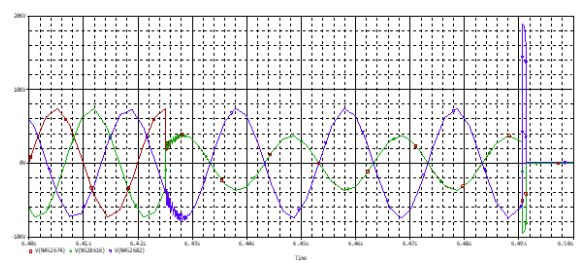
The development of electromobility has many advantages. Apart from being low or zero-emission, electric cars can also be a source of power that can release energy in the event of peak demand. Cars can be charged in “night valleys” where energy demand is low. Flattening the daily energy consumption curve may result in savings due to fewer generating units to maintain. The use of electric cars for transport is a way to achieve greater energy security.

The growing number of electric cars increases innovation and creates new structures and modes of charging stations. Technologies are developed not only by car manufacturers, but also by producers of electrical equipment. Converter systems can be installed inside the vehicle, which allows you to charge the car from a regular home socket. However, this does not provide sufficient power and fast charging time. A better solution are higher-power charging stations with an appropriately adapted transformer and protection system. The most dynamically developing technology are charging stations with a built-in converter system of sufficiently high power.

Currently, charging systems available on the market can reduce charging time to 30 minutes, using power up to 350 kW and charging with a DC voltage of 400 or 800 V. Many institutions are conducting development work to safely reduce charging times.

A typical charging station is powered by a 50 Hz mains transformer and has appropriate higher harmonic filters and reactive power compensators. The diagram of the charging station is shown in Figure 1.

Fig.1. Charging station diagram [13]

The central system also consists of a main rectifier that converts alternating voltage into direct voltage and supplies individual charging points. Individual charging points consist of a control system and a DC/DC converter. The control system is responsible for controlling the charging current and ensuring an appropriate level of safety. There are also single systems that have their own system of transformer, filters, rectifiers and DC/DC converters. Systems using direct voltage have an additional advantage because they allow photovoltaic panels to be connected to the direct current line. The station itself should also have a counter system that counts the amount of energy used during charging and appropriate overload and residual current systems.

Electrical installation at a vehicle charging station

Charging stations are used to transmit electricity to the batteries of electric cars without an internal combustion engine (EV) and cars with an internal combustion engine and an electric engine enabling battery charging (PHEV). EVs and PHEVs have an electric motor and electrical energy storage devices that can be charged from a source outside the vehicle and can be driven on public roads and highways. Charging is done by adjusting the appropriate level of voltages and currents. Chargers can be divided into external and built-in to the vehicle. External chargers are connected to the AC mains and have a built-in AC/DC converter. DC energy is supplied to the vehicle. There are also dedicated charging stations intended for specific vehicles, which have a specific communication standard and have control charging functions. Vehicle-mounted chargers have a built-in converter system inside the vehicle. The PN-EN 61851 standard “Wired charging system for electric vehicles” [1] divides chargers into 4 modes. The first three modes are AC chargers. In this case, the device that converts alternating current into direct current is located in the vehicle. The fourth mode are chargers with a built-in AC/DC converter that transmit energy to the vehicle in the form of direct current. Charging mode 1 is the slowest system. It does not have a dedicated anti-shock protection system or a communication system between the charger and the car. Mode 2 systems are systems that achieve a charging power of up to 22 kW. The plug-in has 2 additional connectors: Control Pilot and Proximity Plug. They are responsible for communication between the vehicle and the charging station, preventing the flow of current when the plug socket is not properly attached. Additionally, stations of this mode have built-in residual current devices. Mode 3 chargers are permanently connected to the network. As in the case of mode 2 chargers, they have communication and protective cables. Chargers of this mode achieve power above 22 kW. The fourth mode of chargers has a built-in AC/DC converter. The plug is equipped with “+” and “-” DC contacts. These chargers achieve the shortest charging times and the highest powers. For safety reasons, only the plugs on the car side have such a station [9].

Mode 2, 3 and 4 chargers must be equipped with the function of checking whether the vehicle is properly connected, checking the continuity of the protective conductor connection, and switching the power source on and off. For these modes of chargers, it is mandatory to include a control cable whose pin in the plug is marked “Control pilot”. Class 2, 3 and 4 loaders can be optionally equipped with:

• control of power flow to and from the car,

• regulation and detection of the load current of power supply devices, which cannot exceed the permissible load values,

• regulation of the charging rate to ensure appropriate conditions and speed of battery charging,

• regulation of ventilation of power supply devices.

Additionally, the vehicle should have built-in protection against starting and unintentional driving while the battery is charging.

Several methods of protection against electric shock are used in charging stations:

• additional or reinforced insulation,
• equalization of potentials of all metal elements,
• automatic power disconnection,
• shielding,
• separation of hazardous elements.

The charging station is exposed to various weather conditions and should undergo appropriate tests to ensure safe operation and protection against electric shock. Tests should be performed at nominal voltage and maximum current. The charging station must be resistant to temperatures ranging from -25 ˚C to 40 ˚C and relative humidity ranging from 5 to 95%. It should be adapted to work at atmospheric pressure from 860 to 1060 hPa. At the maximum ambient temperature, the gripped elements cannot exceed the temperature of 60 ˚C for non-metallic elements and 50 ˚C for metal elements. For components that may be affected, these temperatures are 85 ˚C and 60 ˚C, respectively.

There should be appropriate marking on the charging station housing containing information about the basic parameters, i.e. [2]:

• nominal voltage Un [V],
• nominal current In [A],
• nominal frequency fn [Hz],
• The manufacturer’s name,
• serial number of the device,
• date of production,
• number of phases,
• IP degree,
• if the station is intended for internal use, it should have such information

A PWM signal is used to communicate between the charging station and the vehicle. Pulse width modulation control is used to control the operation of the charger and to ensure safe operation of the device and its operation. By using this operating mode, there is no need to manually adjust the battery charging current, which provides protection against exceeding the maximum rating of the cable, which could result in a breakdown. This function is used in mode 2 and 3 chargers. The PWM signal is also used to protect the seat and the user when the plug is not connected or is not properly seated in the socket.

In addition to the power and grounding contacts, the vehicle plug must be equipped with two additional contacts [2]:

• control contact,
• testing contact.

The control contact is used to communicate the charger with the car via a PWM signal. Through this signal, the charger receives information about whether the plug has been correctly installed in the socket and whether the protective wire has been properly connected and, consequently, whether the vehicle body has been grounded.

The testing contact is responsible for detecting the connection of the plug and socket and determining the maximum current that can flow through the cable without damaging the insulation. Damage to the insulation could pose a risk of electric shock. This system therefore provides protection against electric shock.

The battery is charged using appropriate converter systems. The charging station system is connected to an alternating current network with a voltage of 230 V and a frequency of 50 Hz. Typical charging systems consist of an AC/DC/AC/DC sequence. The first system is a diode rectifier system whose task is to rectify the voltage. The next device installed is a power converter that converts direct voltage into high-frequency alternating voltage. A high-frequency isolation transformer is connected to the system, ensuring isolation of the inverter system from the rectifier.

The last element is the rectifier system, which provides the appropriate battery charging voltage. There are three rectifier systems for powering charging stations:

• single-phase 2-pulse,
• three-phase 6-pulse,
• three-phase 12-pulse powered by transformers connected in star-delta Yd and star-star Yy.

In low-power systems, single-phase 2-pulse and three-phase 6-pulse rectifiers are used. In high-power systems, 12-pulse systems with a double secondary winding or two transformers are used. The use of a 12-pulse system instead of a 6-pulse system reduces the number of harmonics of the current drawn from the network. The voltage rectified by such a converter also has smaller ripples. There are two types of DC/DC converters:

• non-insulated system,
• system with an isolation transformer.

These systems are used to lower or increase the output voltage of battery charging. The output current of the system can be smoothly adjusted, ensuring the optimal level of battery charging. Non-isolated systems consist of a controlled transistor and a filter choke. They have the ability to regulate voltage without the need to use a transformer. The disadvantage of such a system is the lack of isolation of the power supply side from the load. Isolated systems additionally have a high-frequency transformer that provides galvanic isolation of the primary and secondary sides. This insulation is an additional form of protection against electric shock.

The use of a rectifier system based on semiconductor non-linear diode elements is a source of higher harmonics of the current drawn from the network. The current consumed by such a system is strongly distorted, which causes additional active power losses in the network lines supplying the stations and in the power supply transformers. A modern approach to the construction of converter systems is the use of a bidirectional system with the possibility of feeding energy into the grid. This arrangement has many advantages because it can improve the stability of the distribution network. Vehicles connected in this way can transmit energy to the grid in the event of peak energy demand and consume it when the demand is lowest, e.g. at night between 9 p.m. and 7 a.m. The name of such a technology is called V2G. In this case, the system operator can control the power flow as in SmartGrids systems. Such systems can constitute a source of reserve power and stabilize the voltage level in the low-voltage network. In such a system, instead of diode bridges, converter systems based on transistors with an insulated gate IGBT or power MOSFET transistors made of gallium nitride GaN or silicon carbide SiC are used. This system includes a bidirectional AC/DC converter and a DC/DC converter. The AC/DC converter acts as an active rectifier or inverter in the mode of feeding energy into the grid. The use of a controlled rectifier reduces the harmonic amplitude of the current drawn from the network, which results in the consumption of undistorted sinusoidal current. The harmonic THD value is below 5%. Such a system can additionally act as a reactive power compensator in the network.

Modern systems can be additionally equipped with active decoupling systems, the purpose of which is to increase the voltage. The use of such a system allows for the replacement of electrolytic capacitors, which occupy a very large part of the volume and mass of the charger, with polypropylene foil capacitors.

Safety of installing electric car charging stations

Charging stations are powered by alternating voltage up to 1000 V. The value of such voltage may vary up to approximately ±10% Un, and the frequency of such a power source should be 50 Hz ±1%. Charging stations should have additional battery power that will release the plug lock and allow you to disconnect the cable.

The loaded vehicle is connected to the charging station via a cable assembly consisting of a flexible cable and a connector or plug. The cable includes:

• power and control cables responsible for communication and control
• ground wire

The continuity of the cable between the vehicle and the charging station should be constantly checked throughout the charging process.

The plug must be equipped with a mechanical device to prevent disconnection during charging. When connecting the plug to the socket, the ground connection must be made first, followed by the control connections. When disconnecting, the last conductor to be disconnected must be the protective conductor.

The standard [2] prohibits the use of adapters for various types of sockets and plugs. The use of such adapters may only occur in special cases indicated by the vehicle manufacturer. Such adapters must be specifically marked.

There are three types of wire connection systems:

• the cable is permanently connected to the vehicle and with a detachable plug on the AC side of the mains using a domestic or industrial socket

• connecting the charging station to the car using a cable detachable on both sides,

• the cable is permanently connected to the charging station, i.e. an alternating current source, and is plugged into the car using an appropriate plug.

The rated voltages and currents of the cable must correspond to the rated values of the rectifier. The rated voltage of the cable cores must be selected to correspond to the charging voltage of the station. The rated current of the cable should be selected according to the rated current of the circuit breaker. The cable should also have adequate mechanical strength, fire resistance, UV radiation resistance and resistance to chemical agents. The total length of the cable connected to the car cannot exceed 5-10 m (maximum cable lengths vary by region of the world).

Sockets and plugs for charging electric cars are selected according to the power and type of current and should have an appropriate IP rating. The IP rating for individual elements varies depending on the location of the charger installation: internal and external.

When constructing a charging station, the most important aspect is the isolation of hazardous parts, i.e. ensuring basic protection. Car charging stations are divided into class I and II. Class I chargers have basic insulation and a protective connection to protect against damage. In this type of chargers, all exposed parts are connected to a protective terminal. Class II chargers have basic insulation and additional insulation that protects the cable against damage. These chargers do not have a protective clamp [5].

After disconnecting the charger, the maximum voltage that may occur between active parts or active parts and ground is 42.4 V peak voltage or 60 V DC voltage. The energy stored between such parts cannot exceed 20 J. The cables and housing of the charging station must be puncture-resistant. Testing for breakdown conditions involves applying a much higher voltage. In the case of class I insulation, it involves applying a voltage equal to Un + 1200 V effective voltage, where Un is the charging voltage between the conductive phase and the neutral wire of the grounded system. The test should be performed for 1 minute. For class II insulation, the specified voltage should be 2*(Un+1200) V. The test can be performed for alternating voltage with a frequency of 50 or 60 Hz or direct voltage – in this case, the direct voltage value must equal the peak alternating voltage value. The resistance value for class I insulation must be greater than 1 MΩ, and for class II insulation – 7 MΩ.

Charging stations should be equipped with a residual current device, RCD. This device is responsible for passing current under normal operating conditions and interrupting the charging circuit when the differential current reaches the threshold value. The residual current device must have the A characteristic specified in the standard PN-EN 61008-1 – Residual current circuit breakers without built-in overcurrent protection for household and similar use (RCCB) – Part 1: General provisions [3]. This device protects against indirect contact in the event of a failure or incorrect connection. The residual current device must ensure correct operation for a residual current threshold value not greater than IΔn< 30 mA and DC current leakage above 6 mA. The charging system must operate in such a way that it does not introduce additional direct, non-sinusoidal currents and harmonics that could disturb the operation of the residual current device. The choice of the appropriate switch depends on the specifications of the charging station and safety standards.

Summary

Recently, alternating current charging has been a very common and most frequently used method of charging car batteries. There are charging station designs available on the market with high-power electronic converters, which, due to their parameters, can charge the battery in less than half an hour, which is why they are gaining popularity. The development of the electric car market has resulted in the creation of many designs and standards of charging systems. The selection of a specific solution depends on the type of access to the electrical network, the type of charging current and the standard used by car manufacturers. Each vehicle charging station should meet all safety requirements. Such electrical devices must have appropriate insulation, protective devices, including residual current devices, and communication standards that enable charging only after connecting to a car. Power electronic systems are a very important element of a DC charging station. Such an installation must have protection against electric shock and overvoltage to be safe for the user and for the electrical installation.

Improper installation usually results in network overload and direct current leakage. In the first case, the overcurrent fuse will be turned off because the current consumed by the charging station will be too high. However, in the second case, the RCD will be activated, which will disconnect the voltage when direct current appears as a result of, for example, damage to the insulation of the DC installation wires or damage to the built-in power electronics.

According to the information contained in the PN-HD 60364-7-722:2019-01 [4] and PN-IEC 60364-4-41:2000 [5] standards, for the proper use of electric car charging stations, the station should be equipped with the following functionalities:

• verification of correct connection of the vehicle to the charging station,

• possibility of applying voltage to the station output only after the vehicle is properly connected,

• real-time continuity test of the protective conductor,

• turning off the voltage at the station output after a control circuit failure or providing information about the maximum allowable charging current to the vehicle being charged.

• ensuring automatic power off,
• double or reinforced insulation,
• galvanic separation,
• SELV/PELV power supply.

A properly designed electric car charging station must be equipped with a switch that disconnects the power supply when a DC leakage is detected. You should consider where to mount the switch. The normative documents do not specify on which side of the charging station or electrical installation it is to be installed.

REFERENCES

[1] PN-EN 61851-1:2019-10 Wired charging system for electric vehicles – Part 1: General requirements.
[2] PN-EN 62196-1 Plugs, plug sockets, vehicle connectors and vehicle plugs – Wired charging of electric vehicles – Part 1: General requirements.
[3]PN-EN 61008-1:2013-05 – Residual current circuit breakers without built-in overcurrent protection for household and similar purposes (RCCB) – Part 1: General.
[4]PN-HD 60364-7-722:2019-01 Low voltage electrical installations. Requirements for special installations or locations – Power supply for electric vehicles
[5]PN-IEC 60364-4-41:2000 Electrical installations in buildings – Protection for safety – Protection against electric shock.
[6] Chudy, A.; Stryczewska, H. D. Electric vehicle charging – aspects of power quality and electromagnetic compatibility. Journal of Automation, Electronics and Electrical Engineering,1 (2019), 17-22
[7]Islam M., Shareef H., Mohamed A., A Review of Techniques for Optimal Placement and Sizing of Electric Vehicle Charging Stations, Przegląd Elektrotechniczny, R. 91, nr 8 (2015)
[8] Yong, J. Y.; Ramachandaramurthy, V. K.; Tan, K. M.; Mithulananthan, N. Bi-directional electric vehicle fast charging station with novel reactive power compensation for voltage regulation, International Journal of Electrical Power & Energy Systems, 64 (2015), 300-310
[9]Chudy, A.; Mazurek, P. Electromobility – the Importance of Power Quality and Environmental Sustainability., J. Ecol. Eng., 20 (2019), No. 10, 15-23
[10] Pilimon Ł , Jarnut M. , Szott M. Regenerative testing system for electric vehicles charging station, Przegląd Elektrotechniczny, R. 98, nr 3 (2022)
[11]https://napradzie.pl/2022/12/17/licznik-elektromobilnosci-popolskich-drogach-jezdzi-wiecej-osobowych-bev-niz-phev/
[12] https://www.wyborkierowcow.pl/polacy-chca-autelektrycznych-ale-ich-nie-kupuja-dlaczego/
[13]https://www.semikron-danfoss.com/industrial-applications/carcharger-stations/application-examples.html
[14] https://deltrixchargers.com/about-emobility/charging-modes


Author: dr inż. Marta Bątkiewicz-Pantuła, Wrocław University of Science and Technology, Faculty of Electrical Engineering, Power Electrical Department, ul. Wybrzeże Wyspiańskiego 27, 50-370 Wrocław, e-mail: marta.batkiewicz-pantula@pwr.edu.pl


Source & Publisher Item Identifier: PRZEGLĄD ELEKTROTECHNICZNY, ISSN 0033-2097, R. 100 NR 6/2024. doi:10.15199/48.2024.06.58

Commercial Lightweight Photovoltaic Modules for Applications in On-Grid Systems

Published by 1. Piotr GRYGIEL1,2, 2. Jan TARŁOWSKI2, 3. Krzysztof MIK3, Gdańsk University of Technology (1), Xdisc S.A.,Warsaw, Poland (2), Energy Conversion and Renewable Resources Research Centre, Polish Academy of Sciences, (3) ORCID: 1. 0000-0003-2769-9088; 3. 0000-0002-9510-3066


Abstract. Two types of full-size photovoltaic modules for on-grid systems with maximum DC voltage of 600 V have been developed and prepared for production. With carefully selected materials and dedicated manufacturing processes the weight of 3.5 and 3.2 kg, the power as high as 220 and 200 Wp and efficiencies of 20.1 and 21.3% were obtained. Together with standard mounting systems the devices make it possible to build nonintrusive installations on low-load capacity roofs with various types of covering, particularly in large-scale lightweight buildings.

Streszczenie. Zaprojektowano, opracowano i przygotowano do produkcji dwa rodzaje pełnowymiarowych modułów fotowoltaicznych do pracy w systemach on-grid o napięciu stałym do 600 V. Dzięki starannie dobranym materiałom i dedykowanym procesom wytwarzania uzyskano wyroby o masie 3,5 i 3,2 kg, mocy 220 i 200 Wp oraz sprawności 20,1 i 21,3%. Urządzenia, przy standardowych sposobach montażu, umożliwiają budowę nieinwazyjnych instalacji na dachach o małej nośności z różnymi rodzajami pokryć, także budynków wielkogabarytowych o konstrukcji lekkiej. (Komercyjne lekkie moduły fotowoltaiczne do zastosowań w systemach on-grid)

Keywords: lightweight photovoltaic modules, on-grid systems, low-load capacity roofs, large-scale lightweight buildings.
Słowa kluczowe: lekkie moduły fotowoltaiczne, systemy on-grid, dachy o niskiej nośności, wielkogabarytowe budynki o lekkiej konstrukcji

Introduction

The vital importance of photovoltaic (PV) systems in generation of renewable energy is nowadays beyond doubt. Indeed, the assumed global electricity demand by 2030 will increase from the current 23,000 TWh to more than 30,000 TWh. Considered in most markets as the cheapest source of electricity, the PV (and wind) facilities are expected to cover this growth almost completely with the generation share rising from less than 10% in 2020 to about 30% [1]. Regarding the PV power capacity in European Union, the value of ca. 0.16 TW was recorded at the end of 2021 which is a 15% increase compared to 2020 [2]. Note that the levels as high as 0.63 TW by 2025 and 1.94 TW by 2050 are required to achieve the carbon-free energetics [3].

In Poland, the PV capacity amounted to 7.67 GW at the end of 2021, while in the first quarter of 2022 it reached 9.4 GW, exceeding the power of wind systems for the first time. For 2022-2025, an increase of 14 GW is forecasted to reach a capacity of 21.6 GW. Importantly, although micro installations accounted for the largest share of the Polish PV market in 2021, growth in business systems and PV farms is expected in the following years [2].

Accordingly, in recent years, in-field application of various PV systems in Poland has been the subject of multifaceted research. Particularly, the influence of operation conditions on the systems’ electrical parameters was investigated ([4,5]). In [6] the reduction of PV module efficiency due to formation of dust-layer was examined. Next, the impact of shading on the performance of a distributed panels’ system was reported in [7].

An obstacle to the extensive application of PV technology is the issue of the large weight of conventional modules. Indeed, the values between 12 and 20 kg/m2 are quoted (see e.g. [8,9]). This, together with additional mass of fixing systems, makes the use of such devices on roofs with low-load capacity problematic or even impossible. Certainly, in the case of production halls, supermarkets, farms, etc expensive structural reinforcement is usually required prior to applying conventional heavy PV modules. Importantly, the structural design of existing buildings is usually on the brink of standard requirements. The issue can be solved by utilizing the lightweight PV (LPV) devices which in turn creates a market niche for LPVs, attractive due to the huge area of low-load roofs. Note that in the absence of a strict definition, units below 7 kg/m2 are considered as LPVs [10]. The LPVs can be installed using fixings as for conventional PV modules or bonded directly by adhesives. This is known as the building attached photovoltaics (BAPV). A distinction, however, should be made between BAPV and building integrated photovoltaics (BIPV) which are PV devices that replace conventional elements of building envelope [11], e.g. roof tiles (see e.g. [12]).

Following expectations for LPVs, a concept in which PV cells are sandwiched between polymeric front- and back-sheets has been developed. Therefore, glass plates and aluminium frames have been eliminated with their contributions to the weight of conventional structures of, respectively, ca. 69 and 11% [13]. Such structures were the subject of extended investigations (see e.g. [9,14,15,16]). Note that small (single- and double-cell) and medium-area (12- and 16-cell) modules were studied, with obtained structure mass of about 6.5 kg/m2 [9] and 5 kg/m2 [15]. The devices were successfully subjected to selected (thermal cycling, damp-heat and hail resistance) tests imposed by IEC 61215–2:2016 industrial procedures.

Modules design

As a response to market conditions, four full-sized prototypes of LPVs have been designed, developed and manufactured by Xdisc S.A. The following parameters were assumed to be achieved in the designing process: (i) the 19% minimum efficiency, (ii) maximum total weight of 3.5 kg/m2 , (iii) electrical power exceeding 200 Wp, (iv) hydrophobic front-covers with minimal wetting angle of 100°, (v) the compliance with relevant IEC standards. In the devices a ribbon-interconnected matrix of interdigitated back contact (IBC) Si solar cells is integrated between the frontsheet and encapsulating layers, this structure being set-up on a composite backsheet (core) to form adhesivelybonded sandwich. Selected, commercially available components were used. The thermal behaviour of materials was examined be means of thermogravimetry, differential scanning calorimetry, dilatometry and scanning electron microscopy. Some of their mechanical parameters were in turn determined using nanoindentation technique and sample-bending tests. The design, development, manufacturing and technical parameters of prototypes, referred to as P1, P2, P3 and P4, are described in detail in our previous paper [17]. Prototypes P1 and P3 are twin designs, as are P2 and P4. In P1, the sandwich structure containing a Nomex® HC honeycomb-core lined with thin panels of carbon-fibre reinforced plastic laminate (referred to as CF-N-CF) was used as the core. In P3 a MASTERPLATEX/CF-Epoxy Platte HT (CFP) was applied. In P2, the structure analogous to that of P1, but with glassfibre reinforced plastic laminate (GF-N-GF) was utilized. In P4 the core of an epoxy glass fibre laminate (IZO-ERG EPGC202) ensures its semi-flexibility. Note that in the CFN-CF and GF-N-GF plates the combination of high tensile/compressive strength of the outer layers and the lightweight honeycomb core provides a very high strengthto-weight ratio, especially in bending. The CFP (i.e. individual carbon fibres woven into a fabric and saturated with an epoxy resin) offers in turn low weight and rigidity superior to those of glass fibre-based composites. As for other features, the prototype-dependent weight between 3.37-3.77 kg/m2 , the STC-maximum power in the range of 221 to 239 Wp together with power conversion efficiencies of 19.98-20.71% were obtained. A millimetre-sized texture improved devices’ performance for steeper solar incidence angles. The self-cleaning capability of modules was enhanced by a hydrophobic material (with water contactangle exceeding 100°) utilized in their front linings. The units have successfully passed most of the testing procedures from the IEC 61215 and IEC 61730 standards. Next, in [18] the thermal characterization of the devices and performance simulation of PV systems based on P1-P4 were conducted. An economic analysis of a system using one of the prototypes was also performed in that paper.

Design of the modules in pandemic conditions

The course of the global COVID-19 pandemic disrupted the supply of PV module manufacturing materials and significantly changed the situation in the PV market in Europe. Particularly, the unreliability of material deliveries necessitated changes to module components that were previously aligned with each other for a range of requirements during the course of the design work. In this context, the ethylene-vinyl acetate (EVA) used as the encapsulant, carefully selected and tested to work well together with module substrates and PV cells, was of special concern. This selection was possible, among others, due to flexibility of the European manufacturer in adapting the material to the requirements evolving in the course of designing work and providing samples for testing. However, the company has ceased operations and its future is unclear. Asian suppliers, because of the distance and large production scale, were not showing such flexibility. Therefore, the previously selected EVA film had to be urgently replaced by another product currently available. A similar problem applied to IBC PV cells as the suppliers and their product range changed making former types unavailable. Importantly, to our best knowledge, the IBC cells from only one company became widely available on the market. Other manufacturers use their IBC cells to produce their own PV modules and do not sell them to external factories. This results in a market monopoly in terms of available products. Consequently, the manufacturer changed the cell specification which made it necessary to adapt the construction of modules to the new conditions. Finally, high and unpredictable dynamics of (rising) prices and currency exchange rates were also typical of the pandemic period and necessitated cost optimisation.

As a result, the commercialization of prototypes P1 and P3 was abandoned due to estimated high production costs and overweighting. Indeed, the electroconductivity of their carbon-fiber-based substrates required the usage of dedicated isolating inserts to avoid short circuits and ensure compliance with relevant ICE requirements (see [17]). Such a non-standard solution complicated the design of the modules and increased their manufacturing costs. Additionally, the costs of materials in twin designs P1 and P3 which were higher than those in constructions of P2 and P4 make the P1 and P3 devices undesirably expensive. The problem concerned mainly substrates (cf. Table 1).

Table 1. Comparison of approximate unit-quantity prices of materials for the P1-P4 prototype cores (data for January 2021)

.

In post-pandemic circumstances, somehow higher weight of available encapsulants was also expected. Indeed, the previously utilized 200 μm-thin films disappeared from the market and foils with the thicknesses of approx. 460-550 μm were offered. As a result, the weight of P1 and P3 would rise of to an unacceptable level.

Therefore, only the P2 and P4 prototypes of paper [17] were adopted for production. In this process, the models’ names have been changed from P2 and P4 to ESTARK220B and EFLEX-200B, respectively.

Optimisation of P2 and P4 prototypes

Both prototypes were originally designed for universal applications, that is, on pitched and flat roofs, using standard aluminium fixings. Mounted in such a way, they passed the required 2400 Pa strength tests. In both models the PV cell-strings are sandwiched between the double top layer and the single encapsulant layer, this structure being set-up on the core. To obtain the required durability, the P4 contained two additional films. They are attached to the bottom side of the core to form the strength layer (see [17]). The use of thicker and heavier films than originally envisaged would therefore cause the module weight gain above the maximum of 3.5 kg/m2 . It was thus decided to optimise the purpose and construction of both models. Consequently, the P4 was dedicated to installation on flat roofs and where it would be possible to be fixed with adhesive tape or glue whereas the P2 was purposed for roofs of any construction. In order to preserve weight, the number of cells in P4 device was reduced from 66 in [17] to 54, which nevertheless retained its minimum power of 200 Wp (the number of cells in P2 structure remained as high as 60). Therefore, some face-lifting of the module substrates was performed. The changes were made to simplify their shape and reduce dimensions while maintaining the technical requirements for the required edge spacing. This adjusted the cost-effective STC-efficiency, η, of ESTARK220B (P2) and EFLEX-200B (P4) which was calculated using generally recognised formula (see e.g. [19]),

.

with Pmp – the module maximum power, A and E – the module total area and STC-incident irradiance, respectively. Drawings of both substrates are depicted in Figure 1. As seen, the substrates are rectangular, with no protruding parts, which saves space when installed on the roof and reduces production costs. The EFLEX 200B (P4) model no longer includes mounting holes due to fixing with adhesive tape. The current sketches of modules are depicted in Figure 1. These adjustments did not affect the architecture of P2 device from paper [17]. The structure of P4 was, however, modified by removing the additional strength layer unnecessary in the case of utilization on flat surfaces. With new components available on the post-COVID market, the structures of both devices are as in Figure 2. Please note, such a treatment makes the P4 more price-attractive for a customer needing modules exclusively for a flat roof.

Fig.1. Drawings of the commercialized modules

Fig.2. The structures of the modules: (1) – 100 μm Aluminium Féron HelioX PV® frontsheet translux EC 100, (2), (3) – 3M™ EVA 450-650 μm Solar Encapsulant Film

For further optimisation of production costs, from the current market offer, Sunpower E66 Me3 IBC cells with declared power between 3.49 and 3.76 Wp [20] were selected. In order to find the cost-effective power (CEP) of a single-cell, a test module with 66 such cells connected in series was manufactured using the same top layer as for ESTARK-220B and EFLEX-200B (see Figure 2). Next, the maximum power at STC of the test device was measured as high as 241.8 Wp which in turn determined the CEP of 3.66 Wp. Note that this value is very close to 3.625 Wp i.e. the average power from the range given in [20]. The CEP of 3.66 Wp was then adopted for the production of ESTARK220B and EFLEX-200B. Since the power of a single cell ranges between 3.49 and 3.76 Wp, the power of the test module changes by ±3.7%. Therefore, the ±5% tolerance of CEP was assumed for ESTARK-220B and EFLEX-200B production processes.

It should be finally noted here that adjustments described above did not affect the five-steps lamination process for both modules as well as the course of manufacturing cycle described in [17].

Parameters and purpose of the ESTARK-220B and EFLEX-200B modules

The purpose and parameters of optimised devices are summarised in Tables 2 and 3.

Table 2. Modules description and purpose

.

Table 3. Parameters of the modules prepared for production

.

Due to mechanical features of the structure the ESTARK-220B is a non-bendable but highly robust module for application on various types of roofing with the use of standard aluminium fixing systems. The EFLEX-200B is in turn dedicated for various roof surfaces, pitched and flat, for mounting without dedicated support structures, using adhesive tapes or glue. Its semi-flexibility, however, makes it possible to mount them with bending radius exceeding 5 m (see Table 2).

The models offer the peak power of 220 and 200 Wp with efficiency higher than 20%. The weight of 3.5 and 3.2 kg make them suitable for applications on roofs with low-load capacity, e.g., on production halls, supermarkets, farms, etc. This allows to avoid expensive structural reinforcement usually required prior to applying conventional heavy PV modules. The list of parameters is shown in Table 3.

This work was financially supported by Polish National Center for Research and Development under grant POIR.01.01.01-00-0050/17.

REFERENCES

[1] World Energy Outlook 2021, IEA (2021). https://www.iea.org/reports/world-energy-outlook-2021 (accessed May 30, 2022)
[2] Rynek Fotowoltaiki w Polsce 2022, Instytut Energetyki Odnawialnej, 2022. https://ieo.pl/pl/raport-rynek-fotowoltaiki-wpolsce-2022 (accessed June 30, 2022)
[3] Jäger-Waldau A., PV Status Report 2019, European Commission, Joint Research Centre, Luxembourg, (2019). https://ec.europa.eu/jrc/en/publication/eur-scientific-andtechnical-research-reports/pv-status-report-2019 (accessed May 2, 2020)
[4] Sawicka-Chudy P., Cholewa M., Sibiński M., Pawełek R., Analiza parametrów modułów fotowoltaicznych stacjonarnych i nadążnych w warunkach rzeczywistych, Przegląd Elektrotechniczny, 9 (2016), https://doi.org/10.15199/48.2016.09.15
[5] Matuszczyk P., Popławski T., Flasza J., Analiza parametrów elektrycznych systemów fotowoltaicznych różnych typów w warunkach rzeczywistych, Przegląd Elektrotechniczny, 1 (2017) 169–172, https://doi.org/10.15199/48.2017.01.41
[6] Klugmann-Radziemska E., Degradation of electrical performance of a crystalline photovoltaic module due to dust deposition in northern Poland, Renew. Energy, 78 (2015) 418– 426, http://dx.doi.org/10.1016/j.renene.2015.01.018
[7] Świderski M., Gwóźdź M., Wpływ efektu zacienienia na pracę elektrowni solarnej z systemem rozproszonych paneli fotowoltaicznych, Przegląd Elektrotechniczny, 7 (2020), https://doi.org/10.15199/48.2020.07.14
[8] Ferroni F., Hopkirk R.J., Energy Return on Energy Invested (ERoEI) for photovoltaic solar systems in regions of moderate insolation, Energy Policy, 94 (2016) 336–344
[9] Martins A.C., Chapuis V., Virtuani A.,. Li H.-Y, Perret-Aebi L.- E., Ballif C., Thermo-mechanical stability of lightweight glassfree photovoltaic modules based on a composite substrate, Sol. Energy Mater Sol. Cells, 187 (2018) 82–90, https://doi.org/10.1016/j.solmat.2018.07.015
[10] Martins A.C., Chapuis V., Virtuani A., Perret-Aebi L.-E., Ballif C., Hail resistance of composite-based glass-free lightweight modules for building integrated photovoltaics applications, in: Proceedings of the 33rd European Photovoltaic Solar Energy Conference and Exhibit, Amsterdam, The Netherlands, (2017), 2604–2608, https://doi.org/10.4229/EUPVSEC20172017-6BV.3.62
[11] Berger K., Cueli A.B., Boddaert S., Del Buono M., Delisle V., Fedorova A., Frontini F., Hendrick P., Inoue S., Ishii H., Kapsis C., Kim J.-T., Kovacs P., Chivelet N.M., Maturi L., Machado M., Schneider A., Wilson H.R., International definitions of BIPV, IEA Photovoltaic Power Systems Programme (2018), https://iea-pvps.org/key-topics/international-definitions-of-bipv/(accessed May 11, 2021).
[12] Kurz D., Nawrowski R., Kałuża S., Analysis of changes in electrical parameters of photovoltaic roof tiles depending on the place of shading and connection configuration, Przegląd Elektrotechniczny, 7 (2022), https://doi.org/10.15199/48.2022.07.21
[13] Olson C., Geerligs B., Goris M., Bennett I., Clyncke J., Current and future priorities for mass and material in silicon PV module recycling, in: Proceedings of the 28th European Photovoltaic Solar Energy Conference and Exhibition, Villepinte, France (2013) 4629–4633, https://doi.org/10.4229/28thEUPVSEC2013- 6BV.8.2
[14] Chen B.-M., Peng C.-Y., Porter G.A., Optimization of solar module encapsulant lamination by optical constant determination of ethylene-vinyl acetate, Int. J. Photoenergy, 2015 (2015) 1–7, 276404, https://doi.org/10.1155/2015/276404
[15] Martins A.C., Chapuis V., Virtuani A., Ballif C., Light and durable: Composite structures for building-integrated photovoltaic modules, Prog. Photovolt. Res. Appl, 26 (2018) 718-729, https://doi.org/10.1002/pip.3009
[16] . Martins A.C, Chapuis V., Virtuani A., Ballif C., Robust glassfree lightweight photovoltaic modules with improved resistance to mechanical loads and impact, IEEE J. Photovolt., 9 (2019) 245–251, https://doi.org/10.1109/JPHOTOV.2018.2876934
[17] Grygiel P., Tarłowski J., Prześniak-Welenc M., Łapiński M., Łubiński J., Mielewczyk-Gryń A., Mik K., Bartmański M., Pelczarski D., Kwiatek M., Prototype design and development of low-load-roof photovoltaic modules for applications in on-grid systems., Sol. Energy Mater. Sol. Cells, 233 (2021) 111384, https://doi.org/doi.org/10.1016/j.solmat.2021.111384
[18] Mik K., Zawadzki P., Tarłowski J., Bugaj M., Grygiel P., Bykuć S., Multifaceted analyses of four different prototype lightweight photovoltaic modules of novel structure, Energies, 14 (2021) 1–16, https://doi.org/10.3390/en14082239
[19] Luque A., Hegedus S., (Eds.), Handbook of Photovoltaic Science and Engineering, John Wiley & Sons Ltd, Chichester, England, 2003.
[20] Technical product datasheet of Maxeon Gen III Solar Cells, 519452 Rev.D


Authors: dr inż. Piotr Grygiel, Institute of Physics and Applied Computer Science, Faculty of Applied Physics and Mathematics, Gdańsk University of Technology, Narutowicza 11/12, 80-233, Gdańsk, Poland, E-mail: piotr.grygiel@pg.edu.pl , Xdisc S.A., Jagiellońska 82, 03-301, Warsaw, Poland, mgr inż. Jan Tarłowski, Xdisc S.A., Jagiellońska 82, 03-301, Warsaw, Poland, E-mail: jan.tarlowski@x-disc.pl, mgr inż. Krzysztof Mik, Energy Conversion and Renewable Resources Research Centre, Polish Academy of Sciences, The Szewalski Institute of Fluid-Flow Machinery Polish Academy of Sciences, Fiszera 14, 80-231, Gdańsk, Poland, E-mail: kmik@imp.gda.pl


Source & Publisher Item Identifier: PRZEGLĄD ELEKTROTECHNICZNY, ISSN 0033-2097, R. 99 NR 2/2023. doi:10.15199/48.2023.02.09

Microgrid Power Quality Enhancement with Adaptive Control Strategies: A Literature Survey

Published by 1. Lenin Babu Chilakapati, 2. T Gowri Manohar, SVU College of Engineering, Sri Venkateswara University. ORCID: 1.0000-0001-9749-979X; 2.0000-0003-0441-6022


Abstract. Renewable energy technologies are becoming more and more common for generating electricity because they are environmentally friendly and can meet local electricity needs. They reduce network congestion and also lighten the load on conventional based power plants. Within the last few decades, grid-connected renewable energy systems have seen a rise in the significance of Power Quality issues, particularly as a result of the extensive usage of nonlinear electronics and the sporadic nature of these systems. With the emergence of power electronic converters through powerful control technology, renewable energy systems be interconnected to a large extent with the power grid or used as isolation systems in remote areas. Using additional competent control strategies can enhance not only improve the concert of these systems, but also calibre the quality of energy generated, distributed and used at the load side of Power System. Hence, this paper reviews various control strategies adopted for alleviation of power quality problems of renewable energy coordinated microgrid system and can be useful as research study for further research.

Streszczenie. Technologie energii odnawialnej stają się coraz bardziej powszechne w wytwarzaniu energii elektrycznej, ponieważ są przyjazne dla środowiska i mogą zaspokoić lokalne zapotrzebowanie na energię elektryczną. Zmniejszają przeciążenie sieci, a także zmniejszają obciążenie konwencjonalnych elektrowni. W ciągu ostatnich kilku dekad systemy energii odnawialnej podłączone do sieci odnotowały wzrost znaczenia kwestii jakości energii, szczególnie w wyniku szerokiego wykorzystania nieliniowej elektroniki i nieciągłego charakteru tych systemów. Wraz z pojawieniem się przetwornic energoelektronicznych dzięki zaawansowanej technologii sterowania, systemy energii odnawialnej mogą być w dużym stopniu połączone z siecią energetyczną lub wykorzystywane jako systemy izolacji w odległych obszarach. Zastosowanie dodatkowych kompetentnych strategii sterowania może nie tylko poprawić działanie tych systemów, ale także poprawić jakość energii wytwarzanej, dystrybuowanej i wykorzystywanej po stronie obciążenia Systemu Elektroenergetycznego. W związku z tym niniejszy artykuł zawiera przegląd różnych strategii sterowania przyjętych w celu złagodzenia problemów z jakością energii w skoordynowanym systemie mikrosieci energii odnawialnej i może być przydatny jako studium badawcze do dalszych badań. (Poprawa jakości energii w mikrosieciach za pomocą strategii sterowania adaptacyjnego: przegląd literatury)

Keywords: Power Quality, Microgrid, Power Converter Control, Renewable Energy.
Słowa kluczowe: Jakość energii, mikrosieci, sterowanie przetwornicą mocy, energia odnawialna.

1. Introduction

Now-a-days, some environmental issues arise due to carbon emissions from fossil fuel power plants, which cause environmental pollution and global warming. Alternatively, Renewable Energy (RE) based generating systems are regarded clean and cheap in comparison with conventional electricity generation. Various RE sources are Solar PV energy, Wind energy, Small Hydroelectric plants, Biogas, Geothermal energy, and Tidal and Wave energy. Of these resources, Solar PV and Wind energy systems hold the majority promise owing to the low cost of electricity production and the ability to track maximum power points over an ample range of wind and sunlight discrepancies [1]. Because of this, governments and some private firms are solicitude in increasing the production of energy from renewable sources by replacing production based on fossil fuels. By 2030, in compliance with the International Renewable Energy Agency, the worldwide plan for the integration of RE resources are of 36% of global energy demand and is expected to come from renewables [2]. Due to the unavailability and pollution of traditional energy resources, the integration of RE resources into the grid has completely changed the structure of modern power systems. Hence, the microgrid (MG) concept has attracted a lot of attention from system operators in order to improve operational efficiency and ensure a more reliable, sustainable and economical power system [3].

Microgrid can be considered an alternative to the consumption of traditional plants based on fossil fuels to reduce the energy supply deficit. It enables the benefits of efficient and sustainable energy supply, reduced carbon emissions, and delayed expansion of distribution infrastructure. A Microgrid has the ability to operate as a single system, and if there is a problem with the grid, it can be disconnected or independent from the main power system and reconnected to the grid when the problem is resolved [4]. One-off the core intention for the progress of the MG structure is the incursion of RE sources. Thus, the basic characteristic parts of MG have Dispersed Energy Resources (DER), consumers, and regulators, as depicted in the Fig.1. below. However, integrating renewable energy into the main grid becomes an exigent task due to the intermittency of energy sources nature and so adaptive control strategies are required for power converter control [5] as described in the following sections to improve Power Quality (PQ) in a microgrid.

Fig.1. Typical RE based Microgrid System

In this paper, an introduction is dealt in section-1, section-2 mention Power Quality issues, challenges and possible solutions in microgrid, section-3 explains the different power quality enhancing methods, section-4 describes power converter controller strategies for PQ issues and conclusion part in section-5.

2. Power Quality Issues in a Microgrid

The term “Power Quality” (PQ) in general refers to distribution bus voltage that remains nearly sinusoidal at rated amplitude and frequency. Furthermore, the energy made available to customers has got to be well-thought-out from a reliability viewpoint [6, 7]. The impact of power quality problems once microgrid connected to the main grid have concern due to the augmented penetration of nonlinear loads and distributed energy systems with power electronic converter (PEC) interfaces. Challenging problems of grid integration are related to power quality issues related to current harmonics and that of voltage like voltage sag/swell, voltage imbalances & distortions caused by grid failures; frequency fluctuations, energy optimal layout and system isolation in abnormal conditions [8]. Proper control of the RE resources connected power electronic converter is essential that ensures stable operation in a period of transients and changes in AC system parameters. Renewable energy must be controlled using PEC to meet load requirements in stand-alone system applications and meet grid codes in grid-tied mode. It is reported that the Islanded mode is more likely to experience disturbances, such as voltage distortions and unbalances, since load distribution is unbalanced and line impedance is very high compared to grid-connected mode. To filter harmonics and smother unbalances, PE interfaced converters (inverters) could be effectively controlled [9]. In the grid-connection mode, disturbances such as grid voltage imbalance and voltage drop are the most common problems. Power Quality and stability of the system can be achieved via suitable control techniques incorporated to the power converter control circuit. Due to these impacts, improvement of the power quality of electric systems becomes a mandatory requirement. Hence, power quality problems get remunerated in control strategies applied to the interfacing inverter as mentioned in following section.

2.1 PQ Challenges and Solutions in a Microgrid

Now-a-days, some progressive technologies and techniques are being used continuously to develop and address the power quality challenges and their mitigation brought about by the incorporation of renewable energy in a microgrid [10]. Table 1. outlines the foremost challenges faced by grid-connected and islanded microgrid systems along with feasible remedies or mitigations.

Table 1. PQ Challenges and possible mitigating remedies in a microgrid [11]-[15]

.
.
3. Microgrid Power Quality

Currently, a major area of research in industry and academia is the network interaction of RE’s for improved system performance. In the incidence of non-linear loads, a microgrid powered by a RE’s integrated into the main grid generates harmonic currents that are in phase opposite to the reactive currents of the load [16]. Harmonic components are introduced by RE integration, which lowers the quality of the power at the point of common connection (PCC) into the network which must not exceed certain limits. The various measures have been carried out to enhance the quality RE resources generation, including that of the application of improved management strategies and the usage of various auxiliary equipment [17]. This section discusses controllers that encompass premeditated literature intended for mitigating power quality problems in a microgrid.

Power Electronics Converters are known to be the heart of the REs; these devices are responsible for injecting harmonics into the system. Various advanced methods of controlling inverters of RE systems for harmonic suppression are presented in [18]. The improvement of power quality with the use of filters or auxiliary equipment was suggested in [19] for hybrid PV/wind power plants. PQ issues namely power oscillations, harmonics, power factor, and voltage imbalances are significantly improved by FACTS controllers in highly RE perforated systems [20]. The power quality is improved by using a variety of energy storage devices, particularly for the purpose of power smoothing in RE systems discussed in [21, 22]. These include batteries, supercapacitors, and flywheel energy storage. Additionally, various techniques such as electric springs [23], soft computing-based approaches [24], and modular multilevel converters (MMC) are used in refining the power quality of RE systems [25]. The summary of the different strategies discussed in this section for improving the power quality of the system are as shown in Fig.2 below.

4. Controller Strategies for Power Quality Enhancement

This section provides an enhanced Islanded/grid connected converter control techniques using adaptive control to enhance performance and repress harmonics in a microgrid where local steady and dynamic AC/DC loads are also coupled to the point of common connector (PCC). Controllers for these microgrids must include fast transitions between grid-tied as well as islanded modes of operation to mitigate the effects of mains outages and reduce the impact of RE’s intermittency and compensate for the existence of harmonic or unbalanced loads, thereby improving microgrid power quality.

Fig.2. Power Quality Enhancement Methods

Hence, power quality problems get remunerated in control strategies applied to the interfacing inverter as shown in the Table 2. below.

Table 2. Different Power Converter Control Strategies

.
.

Table 2. lists some of the different features of distinct controller’s methods. Hence, from the above discussion it can be found that PI controller, Hysteresis Current control and Fuzzy method controllers are extensively used as the power converter controller strategies. Although, many deliberations are made in the studies on control methodologies in improving power quality of the microgrid systems, no single control technique can solve all power quality problems simultaneously. Therefore, future research will capable of focusing on the development of control techniques that meet the requirements and highly dependent on proper system modelling with the application of advanced control strategies such as optimization techniques [44, 45, 46] applied to the microgrid system controller design.

4.1 Power Quality Enhancement with Optimization/AI techniques

The goal of power quality in microgrids is solved using a variety of AI-based optimization strategies. Optimized linear and nonlinear models are suitable for grid connected as well as islanded modes of microgrid [47]. PSO is an intelligent computing technique that searches for the best parameter settings in real-time [48]. For the purpose of removing voltage harmonics in microgrid systems with numerous DG sources, a union of PSO based PWM and SPWM inverters was proposed in [49]. A concurrent self-tuning technique was described in [50] as the basis for an optimal control approach considering the criteria of Voltages, frequency regulation, and power-sharing in performance evaluation during microgrid operational mode changes and sudden load variations. With the intention of improving power quality in multi-bus microgrids, the authors [51] suggested an optimization technique with primary goal was to mark voltage regulation at specific buses. A controller with gains derived from system admittance and tuned via Ant-Lion Colony (ALC) algorithm was proposed in [52]. In [53], a PI controller with settings adjusted using a whale’s optimization algorithm (WOA) was suggested. The apparent controller regulates voltage and frequency within an autonomous microgrid that is powered by inverters.

The authors in [54] devised a control approach that uses the Grasshopper optimization technique to govern the optimal gains in the PI controller meant for power quality enhancement in photovoltaic-based microgrids running in the autonomous mode. A Slap Swarm Optimization (SSO) based PI controller was implemented in [55] for improving power quality under conditions of dynamic loads.

5. Conclusion

• This article provides a comprehensive review on various control strategies and state-of-art-tools utilized for extenuating power quality issues in a renewable energy coordinated microgrid.

• Different controllers and their control strategies that are intended for enhancing power quality are discussed with possible challenges and solutions thoroughly.

• Also, the study deals several optimization approaches for renewable energy resources interfacing power electronic converter in terms of power quality performance.

• Further studies are recommended in the usage of adaptive control techniques and hybrid optimization algorithms which results in better performance and efficacy in improving the power quality of a microgrid.

Acknowledgments – The authors uphold that the publishing of this paper does not involve any conflicts of interest. The authors also sincerely appreciate the editor and reviewers for their timely appreciated observations & suggestions.

REFERENCES

[1] Warner KJ, Jones GA, The 21st century coal question: China, India, development, and climate change, Atmosphere, 10 (2019),476. https://doi.org/10.3390/atmos10080476.
[2] REN21. 2023. Renewables 2023 Global Status Report Collection, Global Overview, https://www.ren21.net/reports/global-status-report/.
[3] Lopes, Joao AP, Andre G. Madureira, and Carlos Moreira. “A view of microgrids.” Advances in Energy Systems: The Large-scale Renewable Energy Integration Challenge, (2019), 149-166. https://doi.org/10.1002/9781119508311.ch9
[4] Hossain MA, Pota HR, Hossain MJ, Blaabjerg F., Evolution of microgrids with converter-interfaced generations: Challenges and opportunities, International Journal of Electrical Power & Energy Systems,109(2019),160–86. https://doi.org/10.1016/j.ijepes.2019.01.038.
[5] Vasilakis, Athanasios, Igyso Zafeiratou, Dimitris T. Lagos, and Nikos D. Hatziargyriou, “The evolution of research in microgrids control” IEEE Open Access Journal of Power and Energy, 7 (2020), 331-343. doi: 10.1109/OAJPE.2020.3030348.
[6] Dugan, Roger C. Electrical power system quality, The McGraw Hill Companies,, 2000.
[7] Langella, Roberto, and Alfredo Testa., IEEE standard definitions for the measurement of electric power quantities under sinusoidal, nonsinusoidal, balanced, or unbalanced conditions, In IEEE Non-Sinusoidal Situations Working Group, vol. 1. IEEE, 2010. https://hdl.handle.net/11591/158881
[8] Sankaran, C. Power quality, CRC press, 2017.
[9] Jadeja, Rajendrasinh, Amit Ved, Tapankumar Trivedi, and Gagandipsinh Khanduja., Control of power electronic converters in AC microgrid, Microgrid Architectures, Control and Protection Methods (2020), 329-355. https://doi.org/10.1007/978-3-030-23723-3_13.
[10] Alam, Md Shafiul, Fahad Saleh Al-Ismail, Aboubakr Salem, and Mohammad A. Abido., High-level penetration of renewable energy sources into grid utility: Challenges and solutions, IEEE Access, 8(2020),190277-190299. https://doi.org/10.1109/ACCESS.2020.3031481.
[11] IEEE Standards Board. IEEE Standard for Interconnecting Distributed Resources with Electric Power Systems, IEEE, (2003), 1547-2003.
[12] Mlilo N, Brown J, Ahfock T. Impact of intermittent renewable energy generation penetration on the power system networks – A review, Technol Econ Smart Grids Sustain Energy, 6 (2021), 25. https://doi.org/10.1007/s40866-021-00123-w.
[13] Photovoltaics, Dispersed Generation, and Energy Storage. IEEE application guide for IEEE Std 1547™, IEEE standard for interconnecting distributed resources with electric power systems, IEEE Std (2009), 1547-2. doi:10.1109/IEEESTD.2008.4816078.
[14] Liang X, Andalib -Bin- Karim C. Harmonics and mitigation techniques through advanced control in grid-connected renewable energy sources: a review, IEEE Trans on Ind Applicat,54(2018),3100–11. https://doi.org/10.1109/TIA.2018.2823680.
[15] Van den Broeck, Giel, Jeroen Stuyts, and Johan Driesen, A critical review of power quality standards and definitions applied to DC microgrids., Applied energy, 229 (2018), 281- 288.https://doi.org/10.1016/j.apenergy.2018.07.058
[16] Alam, Md Shafiul, Fahad Saleh Al-Ismail, Aboubakr Salem, and Mohammad A. Abido, High-level penetration of renewable energy sources into grid utility: Challenges and solutions, IEEE Access, 8 (2020), 190277-190299. DOI: 10.1109/ACCESS.2020.3031481.
[17] Bajaj, Mohit, and Amit Kumar Singh, Grid integrated renewable DG systems: A review of power quality challenges and state-of-the-art mitigation techniques, International Journal of Energy Research, 44, no. 1 (2020), 26-69. https://doi.org/10.1002/er.4847.
[18] Huang, Xin, Keyou Wang, Bo Fan, Qinmin Yang, Guojie Li, Da Xie, and Mariesa L. Crow, Robust current control of grid-tied inverters for renewable energy integration under non-ideal grid conditions, IEEE Trans on Sust Energy, 11, no. 1 (2019), 477-488. DOI: 10.1109/TSTE.2019.2895601
[19] Yacine Djeghader , Zouhir Boumous , Samira Boumous, Przegląd Elektrotechniczny, 99 (2023), nr 1, 124-128.
[20] Ahsene Boubakir, Imen Bahri, Nasserdine Boudjerda, Hassen Belila, Przegląd Elektrotechniczny, 98(2022), nr 10, 292-298.
[21] Barra, P. H. A., W. C. De Carvalho, T. S. Menezes, R. A. S. Fernandes, and D. V. Coury, A review on wind power smoothing using high-power energy storage systems, Renew and Sust Ener Rev, 137 (2021), 110455. https://doi.org/10.1016/j.rser.2020.110455
[22] Ruchika Ruchika, D.K. Jain, Przegląd Elektrotechniczny, 99(2023), nr 4, 70-76.
[23] Wang, Minghao, Yufei He, Xu Xu, Zhekang Dong, and Yu Lei., A review of AC and DC electric springs, IEEE Access, 9 (2021), 14398-14408. doi: 10.1109/ACCESS.2021.3051340.
[24] Pragathi, B., Deepak Kumar Nayak, and Ramesh Chandra Poonia, Mitigation of power quality issues for grid connected photo voltaic system using soft computing techniques, Journal of Interdisciplinary Mathematics, 23, no. 2 (2020), 631-637. https://doi.org/10.1080/09720502.2020.1731968
[25] T. M. Thamizh Thentral, R. Palanisamy, S. Usha, Pradeep Vishnuram, Mohit Bajaj, Naveen Kumar Sharma, Baseem Khan, Salah Kamel, The Improved Unified Power Quality Conditioner with the Modular Multilevel Converter for Power Quality Improvement, Intl Trans Elect Energ Syst, vol.2022, Article ID 4129314, 15 pages, 2022. https://doi.org/10.1155/2022/4129314.
[26] Pichan, Mohammad, Hasan Rastegar, and Mohammad Monfared, A new digital control of four-leg inverters in the natural reference frame for renewable energy–based distributed generation, Int Trans Elect Energ Sys, 29, no. 5 (2019), e2836. https://doi.org/10.1002/2050-7038.2836
[27] L. Nalla, M. K. Mishra and A. Ghosh, Sliding Mode Control of a Four-Leg Dynamic Voltage Restorer in a Natural Reference Frame, IEEE Journal of Emerging and Selected Topics in Industrial Electronics, vol. 4, no. 3 (2023), pp. 919-927. doi: 10.1109/JESTIE.2023.3282787.
[28] Djamel-Eddine Chaouch, Hocine Azzeddine, Ahmed Larbaoui, Zoubir Ahmed-Foitih, Przegląd Elektrotechniczny, 97(2021), nr7, 42-47
[29] Ahmad, Shameem, Saad Mekhilef, and Hazlie Mokhlis. “DQaxis synchronous reference frame based PQ control of grid connected AC microgrid.” In IEEE International Conference on Computing, Power and Communication Technologies (GUCON), IEEE, (2020), pp. 842-847. DOI: 10.1109/GUCON48875.2020.9231080
[30] Althobaiti, Ahmed, Nasim Ullah, Youcef Belkhier, Abdulrahman Jamal Babqi, Hend I. Alkhammash, and Asier Ibeas, Expert knowledge based proportional resonant controller for three phase inverter under abnormal grid conditions, International Journal of Green Energy, 20, no. 7 (2023), 767-783. https://doi.org/10.1080/15435075.2022.2107395
[31] Amini, Behnam, Reza Roshanfekr, Ahmad Hajipoor, and Seyyed Yousef Mousazadeh Mousavi, Interface converter control of distributed generation in microgrids using fractional proportional—Resonant controller, Electric Power Systems Research, 194 (2021), 107097. https://doi.org/10.1016/j.epsr.2021.107097
[32] G.Vijayshree , Srinivasan Sumathi, Przegląd Elektrotechniczny, 99(2023) nr 3, 142-147.
[33] Suresh Penagaluru, T G Manohar, Effective power quality improvement in PV grid by using adaptive hysteresis dynamic active power filter under different source voltage control strategies,IJEAT,9(2019),489–96. https://doi.org/10.35940/ijeat.C5537.109119.
[34] Ma W, Ouyang S., Control strategy for inverters in microgrid based on repetitive and state feedback control, International Journal of Electrical Power & Energy Systems, 111(2019), 447–58. https://doi.org/10.1016/j.ijepes.2019.04.002.
[35] K. Zhou, C. Tang, Y. Chen, B. Zhang and W. Lu, A Generic Multi-Frequency Repetitive Control Scheme for Power Converters, IEEE Trans Ind Electr, vol. 70, no. 12, (2023), pp.12680-12688. doi: 10.1109/TIE.2023.3239855.
[36] Elhassan, Garba, Shamsul Aizam Zulkifli, Solomon Zakwoi Iliya, Hassan Bevrani, Momoh Kabir, Ronald Jackson, Mubashir Hayat Khan, and Mohammed Ahmed, Deadbeat current control in grid-connected inverters: A comprehensive discussion, IEEE Access, 10 (2021), 3990-4014. DOI: 10.1109/ACCESS.2021.3138789
[37] Ramaiah, Satish, N. Lakshminarasamma, and Mahesh Kumar Mishra, An improved deadbeat direct power control for grid connected inverter system, In 2021 IEEE 12th International Symposium on Power Electronics for Distributed Generation Systems (PEDG), IEEE, (2021), pp. 1-6.
[38] Sedhom BE, Hatata AY, El-Saadawi MM, Abd-Raboh EE., Robust adaptive H-infinity based controller for islanded microgrid supplying non-linear and unbalanced loads, IET Smart Grid, 2(2019), 420–35. https://doi.org/10.1049/ietstg.2019.0024.
[39] Sedhom BE, El-Saadawi MM, Hatata AY, Abd-Raboh EE, A multistage H-infinity–based controller for adjusting voltage and frequency and improving power quality in islanded microgrids, Int Trans Electr Energ Syst, 30 (2020). https://doi.org/10.1002/2050-7038.12143.
[40] Mouloud Denai, Tayeb Allaoui, Morsil Sebaa, Amina Tamer, Rahal Ouared, Przegląd Elektrotechniczny, 98(2022), nr 12, 136-144
[41] Livia-de-Maria Soares, Fabio Araujo, Icaro Araujo, Mario Cavalcante, Przegląd Elektrotechniczny, 99 (2023), nr 2, 37-50
[42] Sudheer, K., Penagaluru, S., Prabaharan, N., Mitigation of Voltage Disturbances in Photovoltaic Fed Grid System Using Cascaded Soft Computing Controller, In: Gupta, A.R., Roy, N.K., Parida, S.K. (eds) Power Electronics and High Voltage in Smart Grid, Lecture Notes in Electrical Engineering, 817(2022), Springer, Singapore. https://doi.org/10.1007/978-981-16-7393-1_22
[43] Venkata Anjani Kumar G. and M. Damodar Reddy, PSO Trained Feed Forward Neural Network Based SAPF for Power Quality Enhancement in Distribution Networks, International Journal of Electrical and Electronic Engineering & Telecommunications, Vol. 12, No. 4(2023), pp. 279-287. Doi: 10.18178/ijeetc.12.4.279-287
[44] Resener, Mariana, Steffen Rebennack, Panos M. Pardalos, and Sérgio Haffner, eds. Handbook of optimization in electric power distribution systems, Berlin: Springer, 2020.
[45] Miret J, Balestrassi PP, Camacho A, Guzmán R, Castilla M., Optimal tuning of the control parameters of an inverter-based microgrid using the methodology of design of experiments, IET Power Electron, 13(2020), 3651–60. https://doi.org/10.1049/ietpel.2020.0225.
[46] Gao, Kaiye, Tianshi Wang, Chenjing Han, Jinhao Xie, Ye Ma, and Rui Peng, A review of optimization of microgrid operation, Energies, 14, no.10 (2021), 2842. https://doi.org/10.3390/en14102842
[47] Trivedi, Rohit, and Shafi Khadem, Implementation of artificial intelligence techniques in microgrid control environment: Current progress and future scopes, Energy and AI, 8 (2022), https://doi.org/10.1016/j.egyai.2022.100147
[48] Roslan MF, Al-Shetwi AQ, Hannan MA, Ker PJ, Zuhdi AWM., Particle swarm optimization algorithm-based PI inverter controller for a grid-connected PV system, PLoSONE, 15 (2020),e0243581.https://doi.org/10.1371/journal.pone.0243581.
[49] Keypour R, Adineh B, Khooban MH, Blaabjerg F, A new population-based optimization method for online minimization of voltage harmonics in islanded microgrids, IEEE Trans Circuits Syst II, 67 (2020), 1084–8. https://doi.org/10.1109/TCSII.2019.2927208.
[50] Castilla, M., de Vicuña, L.G., Miret, J., Control of Power Converters in AC Microgrids. In: Zambroni de Souza, A., Castilla, M. (eds) Microgrids Design and Implementation, (2019), p.139–70. Springer, Cham. https://doi.org/10.1007/978-3-319-98687-6_5
[51] Sindi, Hatem F., Sultan Alghamdi, Muhyaddin Rawa, Ahmed I. Omar, and Ahmed Hussain Elmetwaly, Robust control of adaptive power quality compensator in Multi-Microgrids for power quality enhancement using puzzle optimization algorithm, Ain Shams Engineering Journal, 14, no. 8 (2023), https://doi.org/10.1016/j.asej.2022.102047
[52] Amritha K, Rajagopal V, Raju KN, Arya SR, Ant lion algorithm for optimized controller gains for power quality enrichment of off-grid wind power harnessing units, Chin J Electr Eng, 6(2020), 85–97. https://doi.org/10.23919/CJEE.2020.000022.
[53] Qazi S, Mustafa M, Sultana U, Mirjat N, Soomro S, Rasheed N. Regulation of voltage and frequency in solid oxide fuel cellbased autonomous microgrids using the whale’s optimisation algorithm, Energies, 11(2018), 1318. https://doi.org/10.3390/en11051318.
[54] Jumani TA, Mustafa MW, Rasid MM, Mirjat NH, Leghari ZH,Saeed MS., Optimal voltage and frequency control of an islanded microgrid using grasshopper optimization algorithm, Energies, 11(2018), 3191. https://doi.org/10.3390/en11113191.
[55] Jumani T, Mustafa Mohd, Md. Rasid M, Anjum W, Ayub S. Salp swarm optimization algorithm-based controller for dynamic response and power quality enhancement of an islanded microgrid, Processes, 7(2019), 840. https://doi.org/10.3390/pr7110840.


Authors: Mr. Lenin Babu Chilakapati is a Research Scholar in the Department of Electrical and Electronics Engineering, S V University College of Engineering, Sri Venkateswara University, Tirupati, India. E-mail: ch.leninbabusvu@gmail.com and Dr. T.Gowri Manohar, Professor, Department of Electrical and Electronics Engineering, S V University College of Engineering, Sri Venkateswara University, Tirupati, India. E-mail: gowrimanohar.t@gmail.com


Source & Publisher Item Identifier: PRZEGLĄD ELEKTROTECHNICZNY, ISSN 0033-2097, R. 100 NR 3/2024. doi:10.15199/48.2024.03.21

Renewable Energy Collector Transformers

Published by 1. Waldemar ZIOMEK, 2. Krishnamurthy VIJAYAN, PTI Transformers LP, Winnipeg, MB, Canada ORCID: 1. 0000-0002-1216-6513


Abstract. The renewable energy collector transformer (RCT) in a solar station, or a wind farm, transforms the voltage from the collector system to the transmission level voltages. As the primary goal is stepping up the voltage, the RCT is similar in this function to a generator step-up (GSU) transformer, but there are design features and operational characteristics, which would make these units unique, such as typical winding configuration wye-wye-buried delta, the LV winding is typically grounded through the neutral grounding reactor. The design has to include a presence of harmonics in LV currents and voltages.

Streszczenie. Transformator główny stacji energii odnawialnej w stacji fotowoltaicznej lub farmie wiatrowej (stacji OZE) przekształca napięcie z układu zbiorczego na napięcia poziomu przesyłu. Ponieważ głównym celem jest podniesienie napięcia, RCT jest podobny w tej funkcji do transformatora GSU, ale istnieją cechy konstrukcyjne i właściwości operacyjne, które czynią te jednostki wyjątkowymi, takie jak typowa konfiguracja uzwojeń trójkąt – gwiazda-gwiazda, uzwojenie nn jest zazwyczaj uziemione poprzez neutralny dławik uziemiający. Konstrukcja musi uwzględniać obecność harmonicznych w prądach i napięciach nn. (Transformatory główne w stacjach OZE)

Keywords: power transformers, renewable energy station, overvoltage, harmonics.
Słowa kluczowe: transformatory mocy, stacja OZE, przepięcia, harmoniczne

Introduction

The renewable energy collector transformer (RCT), is a specialized power transformer which in a solar station or a wind farm, transforms the voltage from the station collector system, typically 34.5 kV, to the transmission voltage levels, typically ranging from 138 up to 345 kV or 500 kV. The location of RCT in a renewable energy station is shown in Figure 1. While the low-power transformers directly connected to the inverters are well described in the papers and standards [1, 2], the collector transformers are not well described in published references or standards. Therefore, the goal of this paper has been to fill in this gap.

Fig.1. Placement of the collector transformer between the collector bus and the transmission line; from ref. [1]

Most of renewable energy stations might use more than one collector transformer for different reasons, such as to limit their physical size, especially for transportation or due to site limitations, or utilize the features of a station design philosophy, such as distributing the loads, or transferring the loads between the sections of the station during faults, or emergency loading.

As the primary goal of an RCT is stepping up the voltage, the transformer is similar in this function to a generator step-up (GSU) transformer. However, there are numerous features and characteristics differentiating RCTs from GSUs, including: (i) typical winding configuration is wye-wye-buried delta, while GSU windings are connected wye-delta, (ii) the LV winding of RCT is typically grounded through the neutral grounding reactor (NGR), while HV is solidly grounded – the presence of NGR may impact the surge transfer from HV to LV side, sustaining the voltage oscillations [3], (iii) the RCT design has to include impact of a presence of harmonics in LV currents and voltages [4], (iv) these units are equipped with on-load tap changer (LTCs), located on LV side up to 100 MVA and on HV side for higher power ratings, (v) sizing of the unit MVA rating may be optimized, e.g. due to lack of electric power generation at night in a solar station, (vi) high ambient temperature may require an expanded cooling system to avoid an additional loss of insulation life, (vii) the fault calculations should include a realistic infeed from the LV side.

Emerging application of RCTs is Battery Energy Storage System (BESS) – see Figure 2 and 3. This seems to be a future solution for totally renewable green energy source without any dependence on other conventional source of energy generation [5, 6].

Fig.2. Simplified one-line diagram of a BESS in parallel with a solar PV facility connected to the grid through two RCTs and a common HV bus [5]

Modern Energy Storage Technologies include following storage methods: (i) pumped hydro-electric – most popular technology, used for decades, (ii) compressed air energy, (iii) flywheel energy, (iv) superconducting magnetic energy, (vi) conventional rechargeable batteries, (vii) flow batteries, typically using redox reaction between two liquids separated by membrane, (vii) supercapacitors, (viii) hydrogen and (ix) thermal energy (see Figure 3) [6].

Fig.3. Modern technologies employed in Energy Storage Systems showing their Discharge Duration vs Power Capacity [6]

Selected design features of RCT

Most HV transmission systems are designed to be effectively grounded [7, 13, 14]. To interconnect with such transmission systems, it is usually required that the wind or solar station provide a ground point to the transmission system on an HV side of a transformer. To avoid excessive temporary overvoltages, e.g., in the event of a ground fault on the LV collector system, or the surge transfer form HV side, it is usually necessary that the renewable energy collector transformer also provide a ground point at its LV side. A transformer winding connection that provides a ground point to both the HV and LV terminals is a grounded-wye (HV), grounded-wye (LV) with a delta tertiary (TV). This connection is used for most renewable energy plants in North America. The delta tertiary winding is needed to provide a path for zero-sequence currents and triplen harmonics to circulate, and this tertiary may not be loaded. Same comments refer to the BESS stations. One may note that the wye connected LV winding allows also for easy line-to-ground fault detection on LV side. Moreover, a relatively high LV voltage of 34.5 kV results in a smaller cable size and reduced load loss of the renewable energy station.

Based on a database of several dozens of units built at PTI Transformers LP, the following parameters are typical:

• the top power rating ranges from 50 to 350 MVA,

• the cooling designation is typically ONAN/ONAF/ONAF, with ONAN/ODAF/ODAF for larger power ratings,

• the LV voltage varies between 13.8-34.5 kV, with 34.5 kV in a vast majority of units,

• the HV voltage varies within 100-345 kV, with 230 kV in majority of units,

• majority (90%) of RCTs had a TV winding, most of them at 13.8 kV,

• the HV-LV impedance at base power rating varies from 4% to 15%, averaging at 9%.

Typical winding configuration of an RCT, counting from the core, is TV-LV-HV-LTC (see Figure 4).

Following additional comments can be made: (i) very often an electrostatic shield, a.k.a. core shield, is used on the core leg, (ii) the LTC winding position may change, depending on the transformer impedance and which circuit is regulated, i.e., HV or LV, (iii) the HV lead is typically connected to the axial center of the winding (becoming a center-fed design).

In case when the transformer impedance matching to existing transformer(s) is required, the position of windings can be changed to, e.g., TV-LTC-LV-HV layout.

Fig.4. Typical winding layout of RCT, i.e. TV-LV-HV-LTC with a center-fed HV winding

Operational characteristics of RCT

LV with Neutral Grounding Reactor – transferred surge voltages

The surges caused by lightnings or switching operations, can be transferred within and through the transformer from one winding system to another. The voltages transferred through the transformers are mainly fast-front, or slow-front overvoltages.

The transferred surge has usually both the capacitively and inductively transferred components which are superimposed on the power-frequency voltage. The capacitively transferred component is typically in the MHz range and is seen first in the transferred surge. The inductively transferred component is slower than the capacitive one and is seen later. Its shape and amplitude change in time, because the distribution of the voltage along the primary winding is time-dependent. The magnitude of the transferred voltages depends on the construction of the transformer, damping effect of the winding, capacitances of the transformer, winding turns (transformation), vector group, connection to the network, etc. In addition, the waveshape of the incoming surge has an important role [3, 8-11]. Often neglected factor is a neutral grounding method. Majority of RCTs are grounded through reactance with a purpose is to lower a ground fault current in the 34.5 kV system (typically single-phase underground cables), so that one can minimize the sizes of main conductors, concentric neutral and grounding wires in the collector system – those result in significant cost savings, as wind turbines can be up to 15 km away from a substation. Neutral Grounding Reactor (NGR) is typically easier to install and more durable than a neutral resistor. Typical NGR impedance is between 0.5-3.5 Ω. A presence of NGR in the neutral has impact on the transient response of a transformer. Grounding a transformer directly or with a resistor will result in lower internal overvoltages, than those appearing when an NGR is used. This characteristic – i.e., oscillatory response of a RCT grounded through reactance – was studied many times and typical results were presented at IEEE PES Transformers Committee [12]. The unit in this particular study was a 200 MVA windfarm collector transformer, 34.5Y-345Y kV with buried TV, with 1050/110 kV BIL HV and 200/200 kV BIL LV levels. The unit was analyzed for a transient response with LV neutral point: (i) grounded directly, (ii) grounded through resistance and (iii) grounded with reactance, NGR. The results on Chopped Wave application to LV terminals with different grounding methods are shown in Table 1.

From the results presented in Table1, one may see that while the LV voltage to ground does not change significantly with grounding method, the voltage from TV to ground and to LV is some 35-45% higher when the neutral is reactance grounded.

Table 1. Comparison of transient response (positive and negative magnitude) of LV and TV winding to LV CW of 220 kV, 3.5/50 ms, with different grounding type

.

Harmonics

The harmonic content is established by measurements of currents and voltages and performing the harmonic spectrum analysis. Next, (i) the UL K-factor, or (ii) IEEE harmonic loss factor FHL can be calculated (see Table 2). Using these factors, the stray loss increase from a fundamental frequency is calculated.

Table 2. Harmonic loss factor FHL (IEEE C57.110 [4]) and K-factor (UL UL1561 and 1562)

.

IEEE C57.110-2018 [4] defines harmonic loss factor FHL which is commonly used in HVDC, FACTS, and power applications, while UL1561-defined K-factor is used for distribution transformers connected to electronic equipment. The FHL factor is a function of the harmonic current spectrum and is independent of the relative magnitude. The UL K-factor is dependent on both the magnitude and the distribution of the harmonic current. For a new transformer with harmonic currents specified as per unit of the rated transformer secondary current, the K-factor and FHL factor have the same numerical values. The numerical value of the K-factor equals the numerical value of the harmonic loss factor only when the square root of the sum of the harmonic currents squared equals the rated secondary current of the transformer.

Voltage variation with LTC

Contrary to conventional GSU’s, RCTs are equipped with on-load tap changers (LTCs) to allow for the voltage variation under load. Typical voltage variation is: ±10% in ±8 steps, or ±10% in ±16 steps. Most often the high speed, resistor vacuum type, or high current reactor vacuum type (for LTC in LV circuit) are used. In majority of the RCTs, the LTC is provided on HV side for the HV voltage variation. Although the intention is for HV variation, most transmission voltages (specially rated 230 kV and higher) are very stable. Hence, the LTC is mostly used during initial commissioning to test the reactive performance of the wind or solar farm, by forcing the voltage changes, see e.g. [15].

In very few of the RCT units the LTC is required to vary the LV voltage, and then, depending on availability of LTC and cost consideration: (i) LTC is provided on LV side, or (ii) LTC is provided on HV side for LV variation (i.e., resulting in a variable core flux design).

Optimization of the MVA rating

Both solar and wind stations do not produce the rated power at all times, hence the power rating of a RCT could be accordingly adjusted, reducing size, weight and cost of transformer. However, the maximum power rating is often selected, as most of users want the RCT to match maximum output of the renewable energy station, and in addition the underloaded transformer insulation will last much longer than standard 20 years, meeting a long insulation life expectation of, say, 40-50 years.

Impact of high ambient temperature

Most solar stations are built in the areas of high exposure to the sunlight, having higher ambient temperatures, for momentary, daily and yearly average, different from those specified in standards. These higher ambient temperatures, together with solar irradiation increasing the oil temperature, need to be considered while designing and testing these transformers, resulting in higher winding and oil temperatures, and requiring the expanded cooling equipment.

Fault calculations with infeed from LV side

The power rating of solar or wind stations is constantly increasing, typically in several hundred MW range. The tertiary fault current will depend on infeed from the LV side. Therefore, a realistic infeed from LV side is required, to properly assess the short circuit current levels. The current of 25 kA or 40 kA is the typical system fault level on the LV side, limited by available circuit breakers’ rating.

Reverse Power Flow

In last 10-15 years the reverse power flow, resulting from the energy delivery by distributed energy sources, is affecting more and more transformers, especially these originally designed for a defined power flow direction (step-up, or step-down operation).

The operation of a transformer under reversed power flow needs to be evaluated for: tap changer’s range, voltage regulation, core overfluxing (higher core loss and temperature), load losses, etc. – see Fig.5.

This situation is especially complex for the dual LV units, supplying or receiving the power from different LV busses.

Fig.5. Transformer under Reverse Power Flow

Examples of RCTs design

The RCT unit, for wind, solar and BESS applications are characterized with expanded cooling system, HV-LV-TV bushing arrangements and employment of LTCs (Figure 6). The oil preservation system for these large power transformers is based on the oil expansion vessel with separation of the oil and air with the air bag and the breather.

Fig.6. Solar station RCT, 335 MVA, 230-34.5-(13.8) kV

Recently a trend of power ratings going up to 400 MVA range is emerging. With the limitation on the LV breaker capacity, dual LV units are being considered for larger units. There is also requirement of 500 kV class renewable energy units from some customers. The number of transformer deliveries for BESS application is steadily increasing. Some customers are also looking for flexibility of HV voltage, so that it can be used in two different systems, e.g., reconnectable units of 230 x 115 kV, or 345 x 230 kV voltage (see Figure 7, more details in [17]). In the nameplate one may see that the corner of a delta connected TV winding is brought out and grounded. If required, a winding insulation test or an applied voltage test can be performed. In the field, one may measure the TV winding insulation resistance, to verify there are no shorts to ground. If there were two corners brought out, the user can operate the transformer with open or closed delta TV [16]. The above aspects increase the complexity of designs and experience of transformer suppliers plays an important role in such cases.

Fig.7. External assembly of a dual LV / dual TV RCT unit, with 330-165-165 MVA, and voltages 345-34.5-34.5 kV

Conclusions

• With continuous development of large solar and wind distributed energy resources, the application of the renewable energy collector transformers (RCT’s) is increasing, with power rating up to 400 MVA, the voltage class up to 500kV.

• These units are equipped with LTCs, typically on HV side.

• The HV and LV windings are wye-connected and grounded, with buried delta TV windings.

• LV winding neutral point is typically grounded with a reactor, hence increasing the electric stresses within and between the windings due to the voltage transients produced by lightning or switching impulses, or system faults.

• Presence of inverters in the renewable energy stations introduces the voltage and current harmonics, which need to be considered for the RCT design, resulting in higher load losses and typically leading to expanded cooling system.

• Often higher ambient temperatures and solar irradiation also lead to expanded cooling system design.

REFERENCES

[1] IEEE Std C57.159-2016 IEEE Guide on Transformers for Application in Distributed Photovoltaic (DPV) Power Generation Systems
[2] IEC/IEEE 60076-16:2018 Power transformers – Part 16: Transformers for wind turbine applications
[3] IEEE Std C57.142 – IEEE Draft Guide for to Describe the Occurrence and Mitigation of Switching Transients Induced by Transformers, Switching Device, and System Interaction
[4] IEEE Std C57.110-2018 IEEE Recommended Practice for Establishing Liquid Immersed and Dry-Type Power and Distribution Transformer Capability when Supplying Nonsinusoidal Load Currents
[5] Zhang Z., Mode for reducing wind curtailment based on battery transportation, J. Mod. Power Syst. Clean Energy, 2018
[6] Refaat S.S., Ellabban O., Bayhan S., Abu-Rub H., Blaabjerg F., Begovic M.M, Smart Grid and Enabling Technologies, First Edition, John Wiley & Sons Ltd, 2021
[7] Ackermann T., (editor) Wind Power in Power Systems, Second Edition, John Wiley & Sons Ltd, 2012
[8] IEC 60072-2: Insulation coordination, Part 2 Application Guide
[9] IEEE Std 142 Recommended Practice for Grounding of Industrial and Commercial Power Systems, 1991 (revised in 2007)
[10] Tian C, et al, Lightning Transient Characteristics of a 500 kV Substation Grounding Grid, 7th Asia Pacific International Conference on Lightning, November 1 4, 2011, Chengdu, China
[11] Saied M., Effect of Transformer Sizes and Neutral Treatments on the Electromagnetic Transients in Transformer Substations, IEEE Trans. On Industry Appl., VOL. 31, NO. 2, Mar-Apr 1995
[12]https://grouper.ieee.org/groups/transformers/subcommittees/performance/C57.142/F17ImpactOfDifferentNeutralGroundingMethods-Ziomek.pdf
[13] IEEE Std C57.12.00-2021, IEEE Standard for General Requirements for Liquid-Immersed Distribution, Power, and Regulating Transformers, 2021
[14] CSA Std C88-16, Power transformers and reactors, 2016
[15] WECC Generating Facility, Testing and Model Validation Requirements, 2020
[16] IEEE Std C57.158-2017 – IEEE Guide for the Application of Tertiary and Stabilizing Windings in Power Transformers
[17] Ziomek W., Vijayan K., Ho A., Design and Operation of Renewable Energy Collector Transformers, 2023 CIGRE Canada Conference & Exhibition, Vancouver, BC, Sept.25 –28, 2023


Authors: Dr. Waldemar Ziomek, P.Eng., PTI Transformers LP, Winnipeg, MB, Canada, e-mail: wziomek@ptitransformers.com; Kroshnamurthy Vijayan, MSc, PTI Transformers LP, Winnipeg, MB, Canada


Source & Publisher Item Identifier: PRZEGLĄD ELEKTROTECHNICZNY, ISSN 0033-2097, R. 100 NR 11/2024. doi:10.15199/48.2024.11.39

Practical 400 Hz use Cases for Aviation Teams

Published by Dranetz Technologies, Inc.


Below are three situations aviation teams often face, and how the HDPQ Xplorer 400 helps resolve them.

Jetway keeps resetting when an aircraft connects

What’s happening: During bridge movement or aircraft power-up, the 400 Hz supply dips. Sometimes it is a brief sag, other times a fast transient that trips protection.

How the HDPQ helps: The analyzer locks to 400 Hz and records synchronized waveforms, RMS trends, and an event list with timestamps. You see whether the disturbance is a sag, swell, interruption, or inrush, and how deep and long it lasted.

Outcome: Maintenance can point to a specific root cause, such as a voltage sag to 86 percent for 6 cycles during bridge travel, instead of a generic “power issue.” Fixes are targeted and repeat calls drop.

Disputes about parked aircraft energy usage at the gate

What’s happening: Finance wants real numbers for billing or cost allocation, but estimates vary by aircraft type and turn length.

How the HDPQ helps: You get true 400 Hz measurements for kW, kWh, power factor, and demand across a full turn. Results can be grouped by aircraft family and dwell time, with easy-to -read charts.

Outcome: Contract discussions shift from estimates to measured profiles. One hub used profiles to update agreements and reduced variance between billed and actual significantly.

Proving savings after upgrades to support systems

What’s happening: A facilities project replaces conveyors with higher efficiency equipment, and wants to document the manufacturer’s  energy savings claim.

How the HDPQ helps: Comparable pre- and post-data sets confirm changes in kW, kWh, demand peaks, and power factor. High-speed capture also shows if inrush or switching transients improved, which affects nuisance trips.

Outcome: Engineering delivers a simple before-versus-after story. The project team validates the savings and identifies additional tweaks, like adjusting start sequences to lower demand spikes.

Why these teams choose the HDPQ Xplorer 400

Correct 400 Hz synchronization for trustworthy frequency, RMS, and timing
High-speed event capture that surfaces short sags, transients, and inrush
Remote viewing from phones, tablets, PCs, and Macs so supervisors can monitor without crowding the gate

Automatic setups and dashboards that keep field work moving and make results easy to share

Dranetz HDPQ® Xplorer 400 Plus

Dranetz Products: Dranetz HDPQ® Plus & SP Family

Website: Dranetz.com , Call 1-800-372-6832 (US and Canada) or +1-732-287-3680 (International)

The Importance of Diagnostics of Electrical Equipment at Thermal Power Plants for Ensuring the Reliability of Power Systems

Published by Elshad Safiyev1, Sona RZAYEVA2, Rashida KARIMOVA3, Azerbaijan State Oil and Industry University (1, 2, 3) ORCID: 1. 0009-0005-4971-1721; 2.0000-0001-7086-9519


Abstract. This article discusses the importance of diagnostics of electrical equipment in thermal power plants to ensure the reliability of power systems. Electrical equipment is a key component in the production and transmission of electricity, and its reliable operation is essential to prevent emergency situations and ensure stable operation of power systems. The article discusses diagnostic methods and technologies used to assess the condition of electrical equipment, as well as identify potential problems. The importance of regular maintenance and monitoring of electrical equipment is emphasized to prevent failures and increase the reliability of power systems.

Streszczenie. W artykule omówiono znaczenie diagnostyki urządzeń elektrycznych w elektrowniach cieplnych dla zapewnienia niezawodności systemów elektroenergetycznych. Urządzenia elektryczne są kluczowym elementem wytwarzania i przesyłu energii elektrycznej, a ich niezawodne działanie jest niezbędne, aby zapobiec sytuacjom awaryjnym i zapewnić stabilną pracę systemów elektroenergetycznych. W artykule omówiono metody i technologie diagnostyczne stosowane do oceny stanu urządzeń elektrycznych, a także identyfikacji potencjalnych problemów. Podkreśla się znaczenie regularnej konserwacji i monitorowania urządzeń elektrycznych dla zapobiegania awariom i zwiększania niezawodności systemów elektroenergetycznych. (Znaczenie diagnostyki urządzeń elektrycznych w elektrowniach cieplnych dla zapewnienia niezawodności systemów energetycznych)

Keywords: infrared thermography, ultrasound diagnostics, thermal imagers, monitoring system, diagnostics.
Słowa kluczowe: termowizja w podczerwieni, diagnostyka ultradźwiękowa, kamery termowizyjne, system monitorowania, diagnostyka.

Introduction

Electrical equipment plays a key role in the operation of thermal power plants, providing power supply, process automation, safety and equipment control. It is used to supply electricity to all components of the installation, including security, control and monitoring systems. Automation of processes such as fuel regulation, temperature and pressure control is carried out using electrical systems. Electrical equipment also plays a role in ensuring plant safety through emergency shutdown, fire extinguishing and equipment condition monitoring systems [1]. In modern installations, energy-saving technologies and electrical-based energy management systems help reduce energy consumption and improve overall system efficiency. Thus, electrical equipment is an integral part of thermal power plants, ensuring their stable, safe and efficient operation.

Equipment failures in thermal power plants can have a serious impact on production processes and safety. Firstly, they can lead to a decrease in productivity or a complete shutdown of the installation, which in turn can cause losses in energy production and a decrease in the efficiency of the entire system. This can result in increased downtime, lost revenue, and increased equipment recovery costs.

The impact of equipment failures on safety is also extremely serious. Failures can disrupt the normal functioning of safety systems such as fire extinguishing systems, emergency lighting, gas leak prevention systems, etc. This creates potential dangers for workers, the environment and society as a whole. In some cases, equipment failures may be associated with emergency situations, such as accidents with the release of harmful substances or fires, which threaten not only the safety of personnel, but also the surrounding area and population.

Thus, equipment failures in thermal power plants have serious consequences for both production processes and safety, and require careful monitoring, maintenance and updating of equipment to prevent negative consequences [2-5].

Problem setting

Visual methods for checking equipment condition.

Visual methods are indispensable for maintaining equipment functionality and ensuring operational safety in various industries. Engineers rely on these techniques to visually inspect equipment for signs of wear, damage, or irregularities, while also considering environmental factors. For instance, they meticulously scrutinize surfaces for cracks, corrosion, leaks, or other indicators of potential issues.

Moreover, comparing the current state of equipment to established standards is another vital aspect of visual inspection. Engineers assess characteristics like color, shape, size, and position, aligning them with prescribed safety and efficacy criteria. For instance, in examining a piping system, engineers meticulously look for signs of play, cracks, or leaks, comparing them against predetermined thresholds.

Incorporating specialized equipment, such as infrared thermal cameras or ultrasonic flaw detectors, further enhances visual inspection capabilities. These tools enable the detection of latent problems that may elude normal visual scrutiny. By swiftly pinpointing potential malfunctions, engineers can intervene preemptively, mitigating the risk of serious incidents or accidents.

Using Thermal Imaging Cameras to Detect Overheating.

Thermal imaging cameras serve as invaluable tools for detecting overheating in various systems, including thermal power plants. These cameras utilize infrared radiation to visualize temperature variations across object surfaces. Overheating often signals underlying issues like poor connections, overload, component wear, or cooling system inefficiencies.

Engineers leverage thermal imaging cameras to swiftly scan equipment, pinpointing areas of elevated temperature that may signify trouble. For instance, heightened temperatures at electrical connections could indicate overloads or inadequate contacts, while overheating on pipe surfaces might signal heat transfer or cooling system issues. By promptly detecting such anomalies, engineers can proactively address potential problems, averting serious damage or accidents.

In essence, the use of thermal imaging cameras for overheating detection proves highly effective in diagnosing equipment conditions within thermal power plants. This proactive approach enables the timely identification of potential issues, thereby preempting adverse consequences and ensuring operational integrity.

Application of ultrasonic flaw detectors to detect cracks and defects.

Ultrasonic flaw detectors play a pivotal role in identifying cracks and flaws within diverse materials and structures, including equipment found in thermal power plants. These devices harness ultrasonic waves to penetrate materials, gauging the time taken for wave reflections from internal imperfections. By utilizing ultrasonic flaw detectors, even minuscule cracks and defects, alongside inclusions, pores, or density alterations, can be detected.

In the realm of thermal power plants, these flaw detectors are deployed to assess the integrity of materials utilized in crucial components like boilers, piping, and tanks. They excel in identifying imperfections that may escape visual detection, swiftly highlighting potential issues such as fatigue cracks, corrosion, or structural alterations.

Ultrasonic flaw detectors offer several advantages, including heightened sensitivity across a spectrum of defects, the capability to conduct in-depth examinations, and their non-intrusive nature, ensuring equipment integrity and safety. Incorporating such defect detection methodologies into maintenance protocols is vital, fostering prolonged service life and secure operation of equipment within thermal power plants.

Monitoring and diagnostic systems based on IoT (Internet of Things) and data collection.

Monitoring and diagnostic systems leveraging IoT (Internet of Things) technology and data collection are pivotal in enhancing the efficiency, reliability, and safety standards of thermal power plants. By employing sensors, data acquisition devices, and interconnected networks, these systems ensure continuous monitoring of equipment performance and environmental conditions.

IoT systems enable real-time data collection and transmission to remote servers for analysis and processing. This facilitates prompt responses to fluctuations in equipment condition, enabling the timely identification of potential issues and accident prevention. For instance, IoT systems can monitor parameters like temperature, pressure, vibration, and substance levels in cooling systems or fuel tanks.

Moreover, IoT-based monitoring and diagnostic systems harness machine learning algorithms and big data analysis to predict equipment conditions. This proactive approach optimizes maintenance schedules, offers early fault warnings, and minimizes plant downtime.

Examples of practical application

Diagnostics of turbines, generators and transformers.

Diagnostics of turbines, generators and transformers in thermal power plants is an important maintenance step and ensures the reliable operation of these key components. For turbines, such diagnostics include checking the condition of the blades, rotor, casing, seals and bearings to identify wear, damage or other problems that may affect their operation and efficiency. For generators, it is important to diagnose the stator and rotor windings, insulation, cooling system, bearings and other key components to identify potential problems such as short circuits, insulation defects or wear. And for transformers, diagnostics include checking the condition of the windings, insulation, cooling system, oil level and other parameters to identify problems such as short circuits, oil leaks or thermal anomalies.

Various methods and technologies can be used to diagnose these components, including visual inspection, temperature measurement, oil analysis, ultrasonic testing, vibration analysis, thermal imaging and others. For example, thermal imaging can be used to detect overheating in the internal components of turbines, generators and transformers, while ultrasonic testing can detect hidden defects in windings or bearings [6-8].

When checking electric motors, you need to pay maximum attention to the following elements:

• bearings – assess their defectiveness by temperature;
• ventilation ducts – check their permeability;
• windings – make sure that there are no turn short circuits.

An example of a thermogram of electric motors is shown in Figure 1.

Fig.1. Example of thermogram of electric motors

Inspecting a generator using a thermal imager involves several key steps to ensure thorough evaluation:

1. Checking Stator Steel for Defects: The thermal imager is used to examine the stator steel for any irregularities or defects that may affect performance or safety.

2. Determining Device Temperature and Identifying Abnormal Heating Zones: By measuring temperatures across the device, abnormal heating zones can be identified, which may indicate potential issues such as overload or insulation breakdown.

3. Assessing Solder Insulation Surface Temperature: The thermal imager is utilized to determine the temperature of the solder insulation surface, helping to detect any areas of overheating or degradation.

4. Measuring Brush Heating Temperature: Brush heating temperature is determined using the thermal imager, allowing for the identification of any excessive heat generation that could lead to brush wear or malfunction.

5. Evaluating Thermal State of Excitation System Devices: The thermal imager is employed to assess the thermal condition of excitation system devices, helping to detect any abnormalities or overheating that may affect performance or reliability.

By following these steps and utilizing thermal imaging technology, engineers can effectively inspect generators, identify potential issues, and take preventive measures to ensure optimal performance and safety [9-12].

Detection and analysis of defects in electrical circuits and connections.

Detection and analysis of defects in electrical circuits and connections within thermal power plants are crucial for maintaining equipment safety and reliability. These defects, including overheating, corrosion, insulation faults, breaks, and short circuits, can arise from factors like improper installation, material degradation, or environmental exposure.

A variety of methods and technologies are employed for defect detection and analysis. These encompass visual inspections, resistance measurements, thermographic and thermal imaging assessments, ultrasonic testing, insulation testing, among others. For instance, thermal imaging cameras are effective in identifying overheating in connections or circuit components, indicating potential issues like improper contact or overload. Ultrasonic inspection can detect hidden defects such as cracks or corrosion that may elude visual inspection.

Innovative solutions like DJI’s thermal imaging drones are increasingly utilized worldwide to enhance productivity and safety in defect detection (Figure 2). These drones are equipped with specialized thermal imaging cameras featuring lenses that capture infrared frequencies. The thermal sensor and image processor within the camera, housed protectively, detect infrared wavelengths and convert them into electronic signals. The resulting thermographic image, or thermogram, displays a color map representing various temperature values, aiding in defect identification and analysis [13-16].

By leveraging these advanced technologies, thermal power plants can effectively detect and analyze defects in electrical circuits and connections, ensuring enhanced safety and reliability of equipment operations.

The temperature sensor, also known as a microbolometer, plays a critical role in thermal imaging technology. Its intricate structure enables it to absorb infrared energy and subsequently generate a thermogram based on its measurements.

Analyzing the data acquired through diagnostics of electrical circuits and connections enables the identification of problematic areas, the assessment of their severity, and the implementation of corrective measures. Regular diagnostics and maintenance of these components are imperative to prevent accidents, ensure personnel safety, and uphold the reliable operation of thermal power plants.

Monitoring the insulation and thermal conditions of equipment stands as a pivotal aspect of maintenance and safety protocols in thermal power plants. Adequate insulation of electrical systems is essential for averting short circuits and potential accidents. Additionally, thermal control of equipment aids in preventing overheating and damage to components, thus safeguarding the integrity and efficiency of plant operations.

Fig.2. Drones with thermal imaging from DJMonitoring of insulation and thermal conditions of equipment

Insulation monitoring is typically conducted through regular measurements of insulation resistance using specialized testers. This practice enables the detection of potential insulation defects such as damage, moisture ingress, or contamination, which can lead to current leaks and safety hazards. By promptly identifying such issues, corrective actions such as replacing damaged insulation sections can be taken.

Equipment thermal monitoring involves continuous measurement and analysis of temperatures in critical system components and assemblies. Thermal imaging cameras, thermocouples, thermistors, and other temperature measurement tools are utilized for this purpose. Continuous thermal monitoring facilitates the early detection of potential problems such as overheating, inadequate cooling, or thermal imbalances, allowing for appropriate interventions such as optimizing cooling systems or adjusting equipment operating modes.

Overall, monitoring insulation and thermal conditions in thermal power plant equipment is vital for accident prevention, ensuring personnel safety, and maintaining operational reliability. Preventing emergencies and mitigating risks in thermal power plants relies on a multifaceted approach:

1. Monitoring and diagnostic systems, including IoT systems, thermal imaging cameras, and ultrasonic flaw detectors, enable the swift identification of potential issues before they escalate into emergencies. Regular maintenance and diagnostics allow for the early detection and resolution of problems, preventing further escalation.

2. Adherence to strict safety regulations and standards, alongside comprehensive safety protocols, forms the foundation for accident prevention. This entails providing regular training to staff on equipment safety procedures and maintaining workplace safety protocols.

3. Utilizing modern technologies and equipment that adhere to high safety standards and ensure reliable operation is crucial. Regular equipment updates and modernization efforts help minimize the risk of emergencies and uphold safety levels in thermal power plants.

By integrating these approaches, thermal power plants can effectively mitigate risks, prevent accidents, and ensure the safety and reliability of their operations

Conclusions

Increasing the service life of equipment and reducing maintenance costs are crucial objectives for ensuring the efficient and reliable operation of thermal power plants. Achieving these goals involves employing various strategies and methods:

Regular Maintenance and Preventive Maintenance: Conducting regular inspections, replacing worn parts, lubricating, and adjusting mechanisms help prevent premature wear and prolong the service life of equipment.

Utilization of Modern Technologies: Implementing innovative solutions such as IoT-based monitoring and diagnostic systems enables quick identification and resolution of potential problems, thus extending equipment service life and reducing maintenance costs.

Personnel Training and Compliance with Operating and Safety Regulations: Ensuring personnel are well-trained and adhering to safety protocols minimizes equipment damage and reduces the likelihood of accidents, ultimately increasing equipment service life and reducing maintenance costs.

Optimizing Production Processes and Improving Energy System Efficiency: Enhancing economic efficiency and competitiveness in thermal power plants involve various strategies:

Introduction of Modern Control and Automation Systems: Optimizing production processes, managing equipment operating modes, and maximizing resource utilization through automation reduces energy, raw material, and labor costs while improving process accuracy and reliability.

Utilization of Modern Technologies and Equipment: Incorporating renewable energy sources such as cogeneration units, solar panels, and wind generators increases energy efficiency, reduces dependence on traditional energy sources, and lowers energy costs while mitigating environmental impact.

Implementation of Advanced Management and Production Planning Methods: Optimizing production processes and enhancing power system efficiency through data analysis and modern management techniques identify opportunities for process improvement and cost reduction, thereby enhancing productivity and competitiveness in the energy market.

In summary, increasing equipment service life and reducing maintenance costs in thermal power plants are achieved through a combination of regular maintenance, utilization of modern technologies, personnel training, and adherence to safety regulations. Similarly, optimizing production processes and improving energy system efficiency involve leveraging modern technologies, automation, renewable energy sources, and advanced management methods to enhance productivity, efficiency, and competitiveness in the energy sector.

REFERENCES

[1]. Lina Y, Lia C, Yanga Y, Qina JF, Sub X, Zhanga H, Zhangao W, “Automatic Display Temperature Range Adjustment for Electrical Equipment Infrared Thermal Images”, The 4th International Conference on Power and Energy Systems Engineering 2017, CPESE 2017, 454-459, Berlin, Germany, 25-29 September 2017.
[2]. Afonin AV, Newport RK, Polyakov VS, et al., “Fundamentals of Infrared Thermography”, Mining Science and Technology, p. 240, Moscow, Russia, 2004.
[3]. S.A. Bazhanov, “Infrared Diagnostics of Electrical Equipment of Switchgears”, Mining Science and Technology, p. 76, Moscow, Russia, 2000.
[4]. Y. Luo, Zh. Li, H. Wang, “A Review of Online Partial Discharge Measurement of Large Generators”, MDPI Energies, Issue 10, Vol. 11, No. 1694, pp. 1-32. Basel, Switzerland, October 2017.
[5]. M. Sasic, C. Chan, “Using Measurement Results to Diagnose the Condition of High-Voltage Rotating Machines Part 1 and 2”, Industry Topics, Iris Power, pp. 1-9, Canada, 2019
[6]. Mohamed ES. Development and analysis of a variable position thermostat for smart cooling system of a light duty diesel vehicles and engine emissions assessment during NEDC. Applied Thermal Engineering 2016; 99: 358–372. https://doi.org/10.1016/j.applthermaleng.2015.12.099
[7]. Rzayeva SV, Ganiyeva NA, Piriyeva NM. Modern methods of diagnostics of electric power equipment. The 19th International Conference on” Technical and Physical Problems of Engineering 2023; Т. 31. 105-110.
[8]. S.V. Rzayeva, N.A. Ganiyeva, N.M. Piriyeva Modern approaches to electrical equipment diagnostics. International Journal on “Technical and Physical Problems of Engineering” (IJTPE), Issue 58, Volume 16, Number 1, March 2024, pp.182-189
[9]. Rahimli I, Bakhtiyarov A, Abdullayeva G, Rzaeva S, Application Of Optical Current Sensors In Electric Substations Przeglad Elektrotechniczny 2024; 2, pp. 132-134 DOI: 10.15199/48.2024.02.26
[10]. Rahimli NI, Rzayeva SV, Aliev HZ. Diagnostics and monitoring of power transformers. Universum: technical sciences 2022; (11-6 (104)): 32-35.
[11]. Alimamedova S.J. Some issues in diagnostics of electric motors. Vestnik nauki 2024; 4.1(70): 528-535. DOI 10.24412/2712-8849-2024-170-528-535
[12]. Mammadov N. Analysis of systems and methods of emergency braking of wind turbines. International Science Journal of Engineering & Agriculture 2023; 2(2): 147-152/ doi: 10.46299/j.isjea.20230202.14
[13]. Pirieva NM, Guseinov ZH. Fault Analysis in Power Transformers. Vestnik nauki 2023; T4, 7(64), 297-304. DOI 10.24412/2712-8849-2023-764-297-304
[14]. Mamedova GV, Pirieva NM, Shirinova MCh Diagnostics of power transformers. Internauka: electron. scientific magazine 2023; 6(276), 31-34 DOI:10.32743/26870142.2023.6.276.352720
[15]. Walentynowicz J, Krakowski R. Modeling of the higher pressure cooling system for transport vehicles engines. Transport Problems 2010; 5(4): 39-47. https://doi.org/10.20858/tp.2010.5.4.5.
[16]. Agarwal N, Chiara F, Canova M. Control-Oriented Modeling of an Automotive Thermal Management System. 2012 Workshop on Engine and Powertrain Control, Simulation and Modeling. The International Federation of Automatic Control RueilMalmaison 2012; 23-25: 392-399. https://doi.org/10.3182/20121023-3-FR-4025.00051


Source & Publisher Item Identifier: PRZEGLĄD ELEKTROTECHNICZNY, ISSN 0033-2097, R. 100 NR 9/2024. doi:10.15199/48.2024.09.23