Harmonics Standards

Published by Electrical Installation Wiki, Chapter M. Power harmonics management – Harmonics standards


Harmonic emissions are subject to various standards and regulations:

• Compatibility standards for distribution networks
• Emissions standards applying to the equipment causing harmonics
• Recommendations issued by Utilities and applicable to installations

In view of rapidly attenuating the effects of harmonics, a triple system of standards and regulations is currently in force based on the documents listed below.
Standards governing compatibility between distribution networks and products

These standards determine the necessary compatibility between distribution networks and products:

• The harmonics caused by a device must not disturb the distribution network beyond certain limits

• Each device must be capable of operating normally in the presence of disturbances up to specific levels

• Standard IEC 61000-2-2 is applicable for public low-voltage power supply systems
• Standard IEC 61000-2-4 is applicable for LV and MV industrial installations

Standards governing the quality of distribution networks

• Standard EN 50160 stipulates the characteristics of electricity supplied by public distribution networks

• Standard IEEE 519 presents a joint approach between Utilities and customers to limit the impact of non-linear loads. What is more, Utilities encourage preventive action in view of reducing the deterioration of power quality, temperature rise and the reduction of power factor. They will be increasingly inclined to charge customers for major sources of harmonics

Standards governing equipment

• Standard IEC 61000-3-2 for low-voltage equipment with rated current under 16 A
• Standard IEC 61000-3-12 for low-voltage equipment with rated current higher than 16 A and lower than 75 A

Maximum permissible harmonic levels

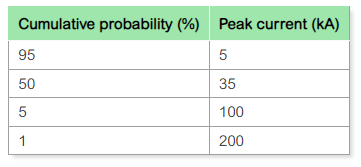
International studies have collected data resulting in an estimation of typical harmonic contents often encountered in electrical distribution networks. Figure M23 presents the levels that, in the opinion of many Utilities, should not be exceeded.

Fig. M23 – Maximum admissible harmonic voltages and distortion (%)

Source URL: https://www.electrical-installation.org/enwiki/Harmonics_standards

Harmonic, Interharmonic and Supraharmonic Characterisation of a 12 MW Wind Park Based on Field Measurements

Published by Ana Maria Blanco1, Britta Heimbach2, Bruno Wartmann2, Jan Meyer1, Marco Mangani2, Martin Oeschger2
1Institute of Electrical Power Systems and High Voltage Engineering, Technische Universität
Dresden, Dresden, Germany
2Elektrizitätswerk der Stadt Zürich – EWZ, Zurich, Switzerland
1E-mail: ana.blanco@tu-dresden.de

24th International Conference & Exhibition on Electricity Distribution (CIRED), 12-15 June 2017.
Session 2: Power quality and electromagnetic compatibility


Abstract: Modern wind parks usually consist of multiple individual turbines, which are connected to the grid using power electronic interfaces. Depending on their topology, they could be a source of distortion in the frequency range below 2 kHz (harmonics, interharmonics) and above 2 kHz (supraharmonics). Consequently, the assessment of the impact of wind parks on the voltage distortion in the network is an important issue. This study explains some of these issues based on extensive field measurements at a recently commissioned 12 MW wind park consisting of six turbines with full inverter (type 4) and a rated power of 2MW each. While the first part discusses the distortion characteristic of an individual turbine, the second part is dedicated to the wind park as a whole and its impact on the voltage distortion at the connection point. Based on the experiences from the project some recommendations for field measurements at wind parks are summarised.

1. Introduction

The number of wind parks is growing continuously. New park installations usually utilise turbines either of type 3 (Doubly-fed induction generator (DFIG)) or type 4 (full converter). As both of them include power electronic converters, their possible network impact with respect to harmonics is an important concern for manufacturers, planners, operators and utilities. According to current practice in most cases, emission limits in terms of harmonic current magnitudes are provided by the utility, and the planner has to confirm compliance, which is mostly done by simplified calculations. Dependencies of harmonic currents on output power, network impedance or supply voltage distortion as well as the real impact on the voltage harmonic levels in the network are in many cases not adequately considered yet. Experiences have shown that simulation based on estimations can suffer from high uncertainties and the impact assessment based only on currents might be insufficient, as it does not consider possible cancellation effects with the existing supply voltage distortion (background distortion) properly.

Several studies exist, which analyse the harmonic and interharmonic currents of wind parks and the aggregation characteristic of multiple turbines based on field measurements [1–3]. This paper aims to contribute to these research activities and discusses some aspects of the current distortion within a typical wind park installation as well as its impact on the voltage distortion at the connection point with the grid.

After a short description of the wind park layout, the measurement campaign is explained. This includes also a brief discussion of issues related to the measurement uncertainties of the used sensors and instrument transformers. The next part presents selected results for individual turbines (units), while the last part is dedicated to the harmonics at installation level. Based on the experiences from the measurement campaign the paper concludes with some general recommendations.

2. Measurement campaign

The wind park consists of six similar type four turbines and has a total rated power of 12 MW. The park is connected to a 110 kV/ 20 kV substation via a 23.5 km MV cable. Two types of measurements have been performed:

• A long-term measurement of almost 2 months in order to monitor the typical behaviour of harmonics under typical operating conditions.

• A short-term measurement where turbines have been actively controlled according to a defined schedule in order to identify the impact of specific operating conditions on harmonic distortion.

Measurements have been performed at each turbine using six GPS synchronised IEC 61000-4-30 class A power quality analyser with a frequency range up to 10 kHz and the additional capability to measure absolute harmonic phase angles. In addition, a transient recorder with a sampling rate of 1 MS/s has been used for acquiring highly synchronised data of the feeders and the complete wind park during the short-term measurements. The location of the instruments is shown in Fig. 1.

For each instrument/sensor combination individual accuracy thresholds have been identified based on a procedure introduced in [4]. Above the threshold, the measurement uncertainty at all considered frequencies is better than 10%/5°. The obtained thresholds are summarised in Table 1.

All measurement data below the threshold have been excluded from the analysis. It should be noted that especially the accuracy of harmonic phase angles has a high impact on the analysis of harmonics summation and cancellation effects [5].

Fig. 1 Layout of the wind park and measurement instruments

Table 1 Accuracy thresholds of the measurement instruments

.
3 Analysis at turbine level

3.1 Magnitude/level of distortion current

Fig. 2 presents exemplarily the harmonic, interharmonic and supraharmonic currents for the wind turbine Wind turbine generator (WTG1) (dots). According to IEC 61000-4-7 harmonics and interharmonics have been measured as subgroups and supraharmonics as 200 Hz bands. The aggregation interval has been set to 10 min and root mean square (RMS) method has been applied for aggregating the 10 cycle values as defined in IEC 61000-4-30. Each dot represents the maximum value observed during the long-term measurement interval taking only values when the turbine operated between 90 and 100% of its rated output power. The grey bars represent the equivalent values reported by the respective manufacturer certificate according to IEC 61400-21.

The most significant harmonic currents are the 5th, 7th, 11th and 13th (Fig. 2, left). Related to the rated current of the turbine these values are well below 1%, most of them even below 0.5%. The dominating share of harmonics matches the certificate values reported by the manufacturer. However, for several harmonic orders significant differences in both directions (higher/lower than certificate values) can be observed. The main reason for these differences is that the total measured current is a combination of two parts: one part caused by the turbine itself and one part caused by the network due to the supply voltage distortion. According to [6] the first part can be referred to as primary emission, the second part as secondary emission. Deviations in supply voltage distortion as well as deviations in the network harmonic impedance between the test facility for certification measurements and the connection point cause the observed differences. Consequently, the simple comparison of measured harmonic currents with specified limits is often not sufficient and it might result in misleading conclusions. It can be further noted that for some orders the harmonic current is unbalanced, which is most likely caused by a slight unbalance in background distortion.

The highest levels for interharmonic currents (Fig. 2, middle) are obtained at order 2 and around order 15. Related to the rated current of the turbine these currents are below 0.25%. Most of the levels match the certificate values of the manufacturer well, because no significant interharmonic background distortion exists.

The supraharmonic currents in the frequency range 2–9 kHz are well below 0.1% in relation to the rated current of the turbine. Most of the measured levels show a significant difference to the certificate values, being usually lower. This behaviour confirms the often reported fact that the distortion above 2 kHz depends much more on the connection point characteristic than the distortion below 2 kHz [8]. Especially the impedance at higher frequencies is more volatile as it is mainly determined by the equipment connected nearby.

Fig. 3 compares the harmonic, interharmonic and supraharmonic currents of one phase between all six turbines. In spite of slight differences, the turbines in general behave very similar. This applies also for the other phases. The differences are caused by slight differences in the voltage distortion, output power and/or control settings of each turbine as well as differences in the circuit elements (inverter, filter, transformer etc.).

Fig. 2 Harmonic (left), interharmonic (middle) and supraharmonic (right) currents (dots: measured values; bars: values provided by manufacturer)
Fig. 3 Maximum harmonic (left), interharmonic (middle) and supraharmonic (right) currents of all turbines (phase A)

3.2 Prevailing harmonic phase angles

In order to determine the similarity between the individual turbines, not only the magnitude, but also the phase angles of distorting currents have to be considered. In general, two different options exist for the calculation of the phase angle: phase angle between voltage and current at the same frequency (relative harmonic phase angle; e.g. for harmonic power flow studies) and phase angle between harmonic current and fundamental voltage (absolute harmonic phase angle). The absolute harmonic phase angle is often referred to as prevailing phase angle. It is used to study cancellation effects between the harmonic currents of individual devices (also referred to as primary cancellation) as well as between the harmonic current of an installation and the existing background voltage harmonics (also referred to as secondary cancellation). Further details about primary and secondary cancellation can be found in [7]. This paper discusses harmonic cancellation effects and consequently applies the absolute harmonic phase angle.

The level of similarity (or steadiness), also referred to as the level of prevalence of the harmonic phase angle for multiple measurement data i (e.g. in a certain time interval) is determined based on the complex harmonic currents Ii(h) by the harmonic prevailing ratio PR(h):

.

As an example Fig. 4 (left) presents all data points of the long-term measurement for the seventh current harmonic and all three phases of turbine WTG1 in the complex plane. The dispersion is caused by the supply voltage distortion as well as the varying operating points of the wind park. A prevailing location can be identified in the heat map plot (Fig. 4, right) as red area, which corresponds to the area of highest density of measurement data.

Fig. 4 Example of the prevailing phase angle and prevailing ratio for the 7th harmonic current of turbine WTG1 (phase A)

The prevailing phase angle of a set of data points is calculated by

.

If the data is too dispersed (usually for PR(h) < 0.8), the prevailing phase angle has no meaning and should not be reported. Further explanations on calculation and assessment of harmonic cancellation effects and prevailing ratio can also be found in [7]. Table 2 exemplarily presents the prevailing phase angles for the first two turbines WTG1 and WTG2 (cf. Fig. 1) and the first nine harmonics for the long-term measurements. The colours indicate the level of prevalence. The other turbines behave similar. Considering the whole long-term measurement, in most cases the dispersion of harmonic phase angles is high. Only 2nd, 4th and 7th harmonic orders present a consistent and distinctive prevalence. This confirms the high sensitivity of harmonic currents on the operating conditions of the wind park and that simple constant current source models are not sufficient for developing accurate models for harmonic studies.

Table 2 Prevailing phase angle in degree for turbines WTG1 and WTG2

.

3.3 Impact of supply voltage distortion

Output power and supply voltage distortion are the most significant factors influencing the resulting distortion current of a wind park installation. It is expected that output power mainly determines the primary emission, while supply voltage distortion causes mainly secondary emission depending on the frequency dependent input impedance of the turbines. In field measurements both factors usually fluctuate at the same time and methods to distinguish the influences of both factors are required. This section introduces a method to separate the impact of supply voltage distortion (background distortion) on distortion currents in field measurements and to identify if a linear relation exists between them.

All data of the long-term measurement are divided into a matrix of 25 × 25 ‘cells’ with approximately the same output power (Fig. 5, left). Active and a reactive output power ranges of each cell are determined by dividing the maximum active and reactive power observed during the measurement interval by 25. Next, the correlation coefficient c according to Pearson is calculated individually for each harmonic order and each cell. A correlation coefficient in the range between 0.8 and 1.0 indicates a strong linear relationship. Fig. 5(right) exemplarily shows the correlation between the 5th voltage and current harmonic magnitudes for one cell with very strong linear correlation.

Fig. 5 Example of power cell grid (right) and detailed data correlation analysis for cell {7,5} and 5th harmonic, phase A

A colour map plot of the correlation coefficients allows an easy visual assessment of existing linearity. As an example, Fig. 6 shows the colour map obtained for the correlations between the voltage and current harmonics for the 7th harmonic of phase A at turbine WTG3. White cells indicate that no or not enough measurement data are available for analysis. Comparing the results of all turbines and all phases it was found that strong linear correlations exist for a dominating share of ‘cells’ for the 5th, 7th, 11th, 13th, 14th, 15th and 16th harmonic orders, which are the most dominant harmonics (Fig. 2, left). Particularly at higher reactive power output correlation seems to be usually weaker. It should be noted that a low correlation coefficient only means that no linear correlation exists, but not that no correlation exists at all.

Fig. 6 Correlation coefficients for 7th harmonic, phase A, turbine WTG3
4. Analysis at wind park level

Selected aspects of the total harmonic and interharmonic currents of the wind park and its impact on the voltage distortion at the connection point are exemplarily discussed using a part of the short-term measurements, where the active output power of the wind park has been increased stepwise from 1 to 9 MW, while reactive power has been kept constant at Q=0.

Most relevant harmonic currents (Fig. 7/top) do not show a consistent behaviour during the test. While some of them increase with increasing active output power (e.g. 3rd and 7th), others remain nearly constant (e.g. 8th and 10th). Some harmonic currents seem to decrease again slightly at higher active output powers (e.g. 2nd and 11th). Harmonic voltages (Fig. 7/bottom) are very low and in general do not increase during this test. Slight variations (e.g. for 5th harmonic) are most likely caused by fluctuations of the existing background distortion during the test (about 40 min), because such fluctuations do also affect the harmonic currents (secondary emission). Only the 7th harmonic voltage shows a clear, decreasing trend. As the 7th harmonic current increases at the same time (indirect relation), a certain level of cancellation exists between the background harmonic voltage and the voltage drop at the network impedance caused by the 7th harmonic current of the wind park. This type of cancellation is also referred to as secondary cancellation (to subsection prevailing harmonic phase angles). The polar plots in Fig. 8 confirm this explanation, as the 7th voltage harmonic considerably changes its phase angle with increasing harmonic current. Further details and a method for a simplified assessment of the level of secondary cancellation can be found in [7].

Interharmonic currents (Fig. 9) consistently increase with increasing active output power. This characteristic also applies to the higher interharmonics, which are not shown in the figure. Interharmonic voltages are very low and increase with increasing interharmonic currents. The level of increase is partly linked to the network impedance. As virtually no interharmonic background voltages exist, secondary cancellation effects like for the 7th harmonic do consequently not occur.

Fig. 7 Harmonic currents and voltages (99%). (Bars indicate from left (blue) to right (yellow) different active output power levels (MW): 1.1, 2.3, 3.5, 4.5, 6.0, 7.0, 8.0, 9.0
Fig. 8 Seventh harmonic current (left) and voltage (right); colours indicate different output power levels (black: 1.1 MW, light red: 9 MW)
Fig. 9 Interharmonic currents and voltages (99%). (Bars indicate from left (blue) to right (yellow) different active output power levels (MW): 1.1, 2.3, 3.5, 4.5, 6.0, 7.0, 8.0, 9.0
5. Summary

The paper discusses some aspects of the distortion characteristic of a 12 MW wind park consisting of six similar turbines based on field measurements. Distortion covers harmonics and interharmonics below 2 kHz as well as distortion above 2 kHz (supraharmonics). A statistical analysis of the typical distortion characteristic is based on long-term measurements at reference/default settings of the wind park and the turbines. The impact of different operating points or changes of parameter settings on the distortion characteristic is analysed based on short-term measurements performing different sets of ‘controlled’ tests (e.g. change of output power). Furthermore, the analysis distinguishes between the characteristics of individual turbines and the park installation as a whole.

The individual turbines behave similar, but differ partly to the distortion current values provided by the manufacturer certificate. This confirms that location-specific conditions, particularly frequency-dependent network impedance and supply voltage distortion have a significant impact on the distortion currents. The analysis at wind park level shows that, especially in case of harmonics, currents can also have a positive impact on the voltage distortion in the network. Particularly where harmonic currents exceed specified limits, it is recommended to assess this impact before considering additional mitigation equipment. This issue is also discussed in the joint CIGRE/CIRED working group C4.42. Last but not the least, it should be mentioned that during the long-term measurements the voltage quality at the connection point did fully comply with EN 50160.

Within the project, a huge amount of data has been collected. A fundamental basis for any further analysis is a careful determination of measurement accuracy, which includes all external sensors. A set of existing as well as newly developed methods have been applied to analyse different aspects of the distortion characteristic of the individual turbines and the wind park. However, a modular framework for measurement and analysis of the distortion characteristics of a customer installation is still missing and should be developed in the future.

6. References

1. Yang, K., Bollen, M., Wahlberg, M.: ‘A comparison study of harmonic emission measurements in four windparks’. IEEE Power and Energy Society General Meeting, IEEE, 2011
2. Yang, K., Bollen, M., Larsssson, A.: ‘Aggregation and amplification of wind-turbine harmonic emission in a windpark’, IEEE Trans. Power Deliv., 2015, 30, (2), pp. 791–799
3. Van Reusel, K., Bronckers, S.: ‘Summation rule for wind turbines’ harmonics challenged by measurements’. 17th Int. Conf. on Harmonics and Quality of Power, 2016
4. Meyer, J., Kilter, J.: ‘Case studies for power quality monitoring in public distribution grids – some results of working group CIGRE/CIRED C4.112’. Electric Power Quality and Supply Reliability Conf., 2014
5. Blanco, A.M., Meyer, J., Schegner, P.: ‘Calculation of phase angle diversity for time-varying harmonic currents from grid measurement’. Int. Conf. on Renewable Energies and Power Quality, 2014
6. Bollen, M.H.J., Rönnberg, S.K.: ‘Primary and secondary harmonics emission; harmonic interaction – a set of definitions’. 17th Int. Conf. on Harmonics and Quality of Power, 2016
7. Meyer, J., Bollen, M., Amaris, H., et al.: ‘Future work on harmonics – some expert opinions Part II – supraharmonics, standards and measurements’. 16th Int. Conf. on
Harmonics and Quality of Power, 2014
8. Meyer, J., Blanco, A.M., Domagk, M., et al.: ‘Assessment of prevailing harmonic current emission in public low voltage networks’, IEEE Trans. Power Deliv., 2017, 32, (2), pp. 962–970


Source & Publisher Item Identifier: CIRED, Open Access Proc. J., 2017, Vol. 2017, Iss. 1, pp. 677–681, ISSN 2515-0855, doi: 10.1049/oap-cired.2017.0457

Selected Aspects of Electrical Equipment Operation with Respect to Power Quality and EMC

Published by Paweł A. MAZUREK,
Lublin University of Technology, Institute of Electrical Engineering and Electrotechnologies


Abstract. The effectiveness of measures to improve the quality of electricity and the electromagnetic compatibility of electrical equipment is linked to limiting the disturbances introduced by receivers to the power grid and depends on the identification of such interference. The paper presents the results of examining several popular receivers based on power electronics

Streszczenie. Skuteczność działań dotyczących poprawy jakości energii elektrycznej i kompatybilności elektromagnetycznej urządzeń elektrycznych jest związana z ograniczaniem zakłóceń wprowadzanych przez odbiorniki do sieci elektroenergetycznej oraz uzależniona od identyfikacji tych zakłóceń. W pracy przedstawiono wyniki badań w torze zasilania kilku popularnych odbiorników bazujących na energoelektronice. (Wybrane zagadnienia pracy urządzeń elektrycznych w odniesieniu do jakości energii i EMC).

Słowa kluczowe: jakość energii, kompatybilność elektromagnetyczna.
Keywords: quality of energy, electromagnetic compatibility.

Introduction

In recent years we have seen a dynamic growth in the number of receivers in use, as well as in the changes occurring in their structure, which translates into troublesome effects of voltage distortion in the power grid. One reason is a significant increase in the number of receivers with power electronic input circuits that convert alternating current electricity into energy with other parameters than the mains. Such devices allow to reduce electricity consumption, but at the same time bring to the grid disturbances that distort the signal voltage (at deformed currents, higher harmonics are identified in the spectral distribution).

From the point of view of the user of electricity it is desirable to ensure continuity of supply and a voltage of constant frequency, effective value and perfectly sinusoidal waveform. Yet many phenomena depreciate the quality of energy. Thus waveform deformations are caused by consumers, and are associated with the working conditions of receivers, their operating principle or construction. With the increase in the number of devices causing disturbances, more and more equipment becomes sensitive to them. Work on improving the quality of electricity is basically related to the reduction of noise introduced by receivers to the power grid, and thus their electromagnetic compatibility.

The disruption in the voltage and current waveforms in electricity grids require research on electricity receivers. Such studies include the impact of noise on the correct operation of receivers and receiver impact on the power grid, i.e. emission of interference to the power grid. There is thus justification for the need for continuous research on receivers regarding both the basic parameters of power frequency (analysis of the shape of the momentary waveforms of voltage and current, harmonic content) and the frequency range of 9kHz-30MHz.

Requirements for power quality and electromagnetic compatibility

Monitoring of the quality level of electricity is still of interest to groups of scientists conducting research in the field of electricity generation and distribution, but more often is the practice of engineers in grid plants, with manufacturers, industrial and institutional customers, and even with individual customers. This is particularly important in the era of the development of distributed energy based on renewable energy sources. Electricity has become a commodity, and therefore must have its quality evaluated.

By definition (following the Advisory Committee on Electromagnetic Compatibility ACEC) power quality is a set of parameters describing the properties of the process of supplying energy to the user under normal operating conditions, determining continuity of supply (short and long power outage) and characterised by the supply voltage (value, asymmetry, frequency, waveform).

The quality of electricity is thus characterised by specific figures and ratios. The documents governing the basic issues related to power quality include Energy Law [1], Polish Standard PN-EN 61000-4-30 Electromagnetic compatibility (EMC) – Methods for testing and measurement – Methods for measuring the quality of energy, Polish Standard PN-EN 50160 [5], and the Regulation of the Minister of Economy and Labour of 20 December 2004 on detailed conditions for the operation of the power system setting out the quality standards of customer service and the technical parameters of power supply in the national power system. In relation to the MV and LV networks they are consistent with the values contained in the basic standard EN 50160. The legislative support in the area of power quality in the power system also includes other legal acts [3,4,5].
Supply voltage quality tests rely on the registration in good time of parameters determining the quality and after analysing the results, comparing them with the limit values contained in industry standards and regulations [8].

In accordance with current regulations in our country, all producers of electrical and electronic equipment must comply with the requirements defined in the EU directives including: the Machinery Directive, Low Voltage and EMC Directive [2]. According to the Electromagnetic Compatibility Directive a device should meet the requirements contained in the dedicated set of technical standards. There are two aspects of product evaluation. The first type of tests are measurements of emissions disorders. They give knowledge that the device does not cause interference with other equipment. The second type of research is the study of device resistance to disorders. Thus, by definition, electromagnetic compatibility means the ability of a device to satisfactorily operate in an electromagnetic environment without causing excessive electromagnetic disturbances to other equipment in that environment. This environment is also the supply system – thus disorders generated and propagated at high frequencies may affect the quality of energy.

Essential requirements of the emission of electromagnetic disturbances and immunity to electromagnetic interference are contained in Directive 2004/108/EC relating to electromagnetic compatibility (EMC) [2], as implemented into Polish law by the Act of 13 April 2007 on Electromagnetic Compatibility (Dz. U. [Journal of Laws of the Republic of Poland] 2007, No. 82, item. 556).

Specific requirements, or acceptable limits for electromagnetic emissions or evaluation criteria of the tests for electromagnetic immunity can be found among norms harmonised with the EMC directive [6,7]. Equipment complying with the EMC directive for conducted interference must generate electromagnetic emissions set inside the respective ranges. Permissible limits depend on the purpose of the device and are dedicated to the home, office or lightly industrialised (Class B) user or for use in industrial environments (Class A).

Measurements

The quality of electricity in the power system depends on the characteristics of the connected and used electricity receivers. A particular impact on the degree of degradation of the quality of electricity are non-linear receivers, on the one hand high-power appliances (mining and metallurgical), on the other thousands of low-power mass use devices, e.g. energy-efficient lighting, computers, impulse chargers). Non-linear receivers are complex technological devices generating a continuous spectrum of current harmonics causing distortion, voltage fluctuations and generating disturbances in the band of conducted radio interference. On the other hand, recent advances in power electronics introduce broadly understood improvement in the quality of electricity.

Energy quality refers to the standard supply voltage parameters that characterise the level of a specific disorder which causes a change in the ideal voltage waveform. Acceptable values of quality parameters are specified in PN-EN 50160 [5]. The study was conducted in the laboratory of the Institute of Electrical Engineering and Electrotechnology and completed in two stages. In the first part, tests were made using a power quality analyser, the second part focused on measuring interference. The study involved 3 laptops (Dell Vostro 3360, Dell Vostro 3560, HP Pavilion dv6899ew with the original power supply), energy saving lamps (N3PY15 15W, N3PY11 11W, CE3UT4 18W, Econ Twister 8W), ULTRAGLISS FV4350 iron and two CPU Desktops (with power adapters ATX-230P and FEEL LC- 8300ATN). Such an inspection list of receivers is a good representation of a typical range of devices in a typical household.

Most of the parameters to be evaluated are recorded as samples averaged during certain periods of time. Legislation [5] contains the maximum permissible deviations of specified parameters from the nominal values of each parameter on a weekly basis.

Fig.1. Photos from the study of power quality, a view of the PQM700 meter

For the measurement, recording and analysis of the supply power parameters the PQM-700 Sonel meter was used. The analyser fully complies with the requirements of the class S PN-EN 61000-4-30:2011. The meter is equipped with wires attached directly to the power supplying the voltage measurement point. For measuring currents a measurement clamp is used (in the tests it was type F5 current clamp). The analyser used allows to measure and record the parameters of supply voltage, effective current, current and voltage peak coefficients, mains frequency, power and energy, current and voltage component harmonics (up to the 40th), the current and voltage THD harmonic distortion coefficient, power factor, cosφ, tgφ. The full capabilities of the device are achieved with the “SONEL Analysis” dedicated software. The stand was assembled according to the scheme set out in Figure 2.

Fig.2. Block diagram for the measurement of power parameters

The following figures present screenshots of the Sonel Analysis program (Fig. 3, 4, 5) with values for selected receivers tested.

Fig.3. List of the power parameters of the PQM-700 analyser – the spectrum of current harmonics of 6 energy saving lamps working together
Fig.4. Voltage (blue/sinusoidal) and current (red/distorted signal) waveforms of 6 energy-saving bulbs studied together
Fig.5. Voltage (blue/sinusoidal) and current (red/distorted signal) waveforms of two desktops working together

Deformations of the voltage and current curve (higher harmonics) are among the adverse events occurring in electricity grids. They can cause disturbances in the network, usually involving the increase of power losses in the individual components, such as transformers or lines powering the recipients. Additional power losses directly affect the temperature rise in line wires, particularly the neutral line, which is important in the case of cable lines, resulting in faster aging of the insulation. Additional power dissipation in the windings of the transformers can in some cases lead to their overload or even damage. Receivers particularly sensitive to the presence of higher harmonics in voltage are also engines and capacitors. Higher harmonics give rise to parasitic moments in the motor windings, which may hinder its start-up and proper operation. Deformation of currents and voltages also interfere with the work of gauging instruments or security measures [10].

According to the Regulation of the Minister of Economy of 4 May 2007 on detailed conditions for the operation of the power system [3] (Dz. U. [Journal of Laws of the Republic of Poland] of 29 May 2007.), entities included in the connection group I-II are granted acceptable relative voltage values expressed as a percentage of the fundamental harmonic. The total harmonic distortion as a percentage (THDU%) calculated for harmonics up to the order of 40 cannot be greater than 8%. Because the cause of supply voltage distortions are deformed currents, in order to prevent the passage of current higher harmonics to the power system and reduce the risk of fire active higher harmonic filters are used.

Currents consumed by devices containing electronic converters are heavily distorted (have a significant THD ratio and strongly deformed course), depend on the type of rectifier used at the input, the way they are controlled and the type of converter load (its power, character, load variability in time). The current massive use of power converters in IT, electronic, industrial and lighting devices is causing distortion of the current drawn by such equipment, thus being a source of higher harmonics [8,10]. The results obtained indicate that the greatest deformation of the course is to be found in the circuit powering energy-saving light bulbs and desktop computers, and the lowest – an iron and laptop adapters.

The second stage of research were tests conducted to define the value of the conducted emission generated by consumer devices. This also requires appropriate methods and measuring devices.

The test stand is based on the Rohde&Schwarz ESCI3 measuring receiver and the NNB 41C Line Impedance Stabilisation Network. The system was powered by a dedicated circuit grid, according to the diagram in Figure 6. The disorder measurement boiled down to determining the UE voltage present at the input of the interference meter. Measurement stands for analysis of conducted interference do not require location in a shielded room, but in order to stabilise the measurement conditions a reference plane is used which is a 2×2 m grounded metal plate. In the measurements an interference meter was used (also known as a measuring receiver complying with the requirements) and an additional device, an artificial network, which represents a defined load impedance for the disturbance value. The artificial network stabilises the conditions of voltage disruption measurements in the power supply circuit of the object tested.

Fig.6. The block system for measuring disorders with line impedance stabilization network

The whole test was managed automatically by the EMC32 program. The sweeping settings were automatic, in accordance with CISPR16, sampling time was 7 ms, the measurement was carried out in the 150 kHz – 30 MHz band and included disorder detection at L1 and N. The analysis involved the same equipment as in the case studies of power quality: iron, laptops, CPUs of desktop computers and a set of energy-saving bulbs. According to the procedure for determining the compatibility of electrical devices/installations the disturbance values measured are compared with respective limits.

The test results obtained were compared with the limits. Selected values are collected on charts compiled in Figures 7 and 8. All the values presented were measured with an average value detector and were referred to the limiting average value. In the case of the desktop computer graph a linear axis was used in order to better illustrate the overrun.

Fig.7. The measured values of conducted disturbances in the power supply circuit of 6 energy-saving lamps, range 150kHz- 30MHz, AV detector, the orange line marks measurement in phase L1, the blue line – measurement in N, limit according to EN55022

The measurements clearly identified the levels of conducted disturbances. Qualitatively disturbances in the phase and neutral wires are similar.

Fig.8. The measured values conducted disturbances in the power supply circuit of two desktop computers, 150kHz-30MHz, AV detector, the orange line marks measurement in phase L1, the blue line – measurement in N

In all devices manufactured today, emission levels have a good supply compatibility (iron, laptops, energy-saving light bulbs – Figure 7). Only desktop PCs over several years old have exceed acceptable levels – Figure 8.

Conclusions

In recent years there has been a continuous increase in the number of devices and systems susceptible to various types of electromagnetic disturbances, among which are the supply voltage distortion. This makes the issue of power quality and the installation of receivers the subject of active measures of a legislative and technical nature. In addition, the development of distributed systems using renewable energy sources with variable capacity, leads to a situation where both the energy source and the receivers are treated as nonlinear objects.

The presence of harmonics and disorders of higher frequencies is a potential problem for the operation of a supply network, as well as the correct operation of devices connected to the network – lack of electromagnetic compatibility may result in the danger of exploitation of other objects or systems.

It is thus important to work on the development of methods for location of sources of harmonic currents and voltages in the power system as well as methods of selecting the optimal compensation and filtration. Issues of power quality and reliability of power supply are addressed in a lot of scientific and technical publications [8,9,10,11], and a summary of the current state of knowledge in this field is a number of issued legal acts, defining, among others, permissible deviations from the nominal values describing electricity.

The measurements carried out by the author in an actual power network with attached to it selected devices permit to specify the parameters that characterise power quality, taking into account the EMC requirements.

On the energy market conducted disturbances as well as harmonics are bi-directional in nature. At the connection point for power reception the liability for distortions or disturbances may lie both with the energy supplier and the recipient. It is therefore particularly important that the equipment or installations put on the market were fully adapted to the applicable requirements defined by the directive on electromagnetic compatibility, and hence safe for the natural and working environment.

LITERATURA

[1] Ustawa z dnia 10 IV 1997 r. – Prawo energetyczne. Dziennik Ustaw z 1997, nr 54, poz. 348
[2] Directive 2004/108/EC of the European Parliament and of the Council of 15 December 2004 on the approximation of the laws of the Member States relating to electromagnetic compatibility and repealing Directive 89/336/EEC L 390/24 Official Journal of the European Union EN, 31.12.2004
[3] Rozporządzenie Ministra gospodarki z dnia 4 maja 2007 r. w sprawie szczegółowych warunków funkcjonowania systemu elektroenergetycznego, dziennik Ustaw Nr 93, poz. 623, z dnia 29.05.2007
[4] Rozporządzenie ministra gospodarki i pracy z dnia 20 grudnia 2004 r. w sprawie szczegółowych warunków przyłączenia podmiotów do sieci elektroenergetycznych, ruchu i eksploatacji tych sieci. Dz.U. 2005 nr 2, poz. 6
[5] PN-EN 50160:2002, Parametry napięcia zasilającego w publicznych sieciach rozdzielczych
[6] PN-EN 61000-2-4. Kompatybilność elektromagnetyczna. Środowisko. Poziomy kompatybilności dotyczące zaburzeń przewodzonych małej częstotliwości w sieciach zakładów przemysłowych.
[7] PN-EN 61000-4-30:2011 – Kompatybilność elektromagnetyczna (EMC) – Metody badań i pomiarów –Metody pomiaru jakości energii
[8] Barlik R., Nowak M.: Jakość energii elektrycznej – stan obecny i perspektywy, Przegląd Elektrotechniczny R. 81 NR 7-8/2005
[9] Mazurek P. A, Wac-Włodarczyk A., Serwin S., Błażejewska A.: Ocena przewodzonych zagrożeń elektromagnetycznych prototypowej spawarki inwertorowej, Przegląd Elektrotechniczny, 2012, nr 12b, vol. 88, s. 198-200
[10] Pawlęga A.: Problemy oceny jakości energii elektrycznej w miejscach jej dostarczania do odbiorców, Przegląd Elektrotechniczny, R.LXXIX 11/2003, 805÷810
[11] Dróżdż T., Kuciński S., Electromagnetic distortion test of renewable energy sources, Zeszyty naukowe Wyższej Szkoły Zarządzania Ochroną Pracy w Katowicach, Nr 1(9)/2013, s.5-14


Autohr: dr inż. Paweł A. Mazurek, Lublin University of Technology, Institute of Electrical Engineering and Electrotechnologies, ul. Nadbystrzycka 38a, 20-618 Lublin, E-mail: p.mazurek@pollub.pl.


Source & Publisher Item Identifier: PRZEGLĄD ELEKTROTECHNICZNY, ISSN 0033-2097, R. 93 NR 1/2017. doi:10.15199/48.2017.01.06

Main Effects of Harmonics in Electrical Installations

Published by Electrical Installation Wiki, Chapter M. Power harmonics management – Main effects of harmonics in electrical installations


Effects of harmonics – Resonance

The simultaneous use of capacitive and inductive devices in distribution networks may result in parallel or series resonance.

The origin of the resonance is the very high or very low impedance values at the busbar level, at different frequencies. The variations in impedance modify the current and voltage in the distribution network.

Here, only parallel resonance phenomena, the most common, will be discussed.

Consider the following simplified diagram (see Fig. M14) representing an installation made up of:

A supply transformer,
Linear loads
Non-linear loads drawing harmonic currents
Power factor correction capacitors

Fig. M14 – Diagram of an installation

For harmonic analysis, the equivalent diagram is shown on Figure M15 where:

Ls = Supply inductance (upstream network + transformer + line)
= Capacitance of the power factor correction capacitors
= Resistance of the linear loads
Ih = Harmonic current

Fig. M15 – Equivalent diagram of the installation shown in Figure M14

By neglecting R, the impedance Z is calculated by a simplified formula:

.

with: ω = pulsation of harmonic currents

Resonance occurs when the denominator (1-LSCω2) tends toward zero. The corresponding frequency is called the resonance frequency of the circuit. At that frequency, impedance is at its maximum and high amounts of harmonic voltages appear because of the circulation of harmonic currents. This results in major voltage distortion. The voltage distortion is accompanied, in the LS+C circuit, by the flow of harmonic currents greater than those drawn by the loads, as illustrated on Figure M16.

The distribution network and the power factor correction capacitors are subjected to high harmonic currents and the resulting risk of overloads. To avoid resonance, antihamonic reactors can be installed in series with the capacitors.

Fig. M16 – Illustration of parallel resonance
Effects of harmonics – Increased losses

Losses in conductors

The active power transmitted to a load is a function of the fundamental component I1 of the current.

When the current drawn by the load contains harmonics, the rms value of the current, Ir.m.s, is greater than the fundamental I1

Fig. M17 – Reduced circulation of harmonic currents with detuned reactors

The definition of THDi being:

.

it may be deduced that :

.

Figure M18 shows, as a function of the harmonic distortion:

The increase in the r.m.s. current Ir.m.s. for a load drawing a given fundamental current
The increase in Joule losses, not taking into account the skin effect. (The reference point in the graph is 1 for Ir.m.s. and Joules losses, the case when there are no harmonics)

The harmonic currents cause an increase of the Joule losses in all conductors in which they flow and additional temperature rise in transformers, switchgear, cables, etc.

Fig. M18 – Increase in rms current and Joule losses as a function of the THD

Losses in asynchronous machines

The harmonic voltages (order h) supplied to asynchronous machines cause the flow of currents in the rotor with frequencies higher than 50 Hz that are the origin of additional losses.

Orders of magnitude

A virtually rectangular supply voltage causes a 20% increase in losses
A supply voltage with harmonics u5 = 8% (of U1, the fundamental voltage),
u7 = 5%, u11 = 3%, u13 = 1%, i.e. total harmonic distortion THDu equal to 10%, results in additional losses of 6%

Losses in transformers

Harmonic currents flowing in transformers cause an increase in the “copper” losses due to the Joule effect and increased “iron” losses due to eddy currents. The harmonic voltages are responsible for “iron” losses due to hysteresis.

It is generally considered that losses in windings increase as the square of the THDi and that core losses increase linearly with the THDu.

In Utility distribution transformers, where distortion levels are limited, losses increase between 10 and 15%.

Losses in capacitors

The harmonic voltages applied to capacitors cause the flow of currents proportional to the frequency of the harmonics. These currents cause additional losses.

Example

A supply voltage has the following harmonics:

Fundamental voltage U1 ,
harmonic voltages u5 = 8% (of U1),
u7 = 5%,
u11 = 3%,
u13 = 1%,

i.e. total harmonic distortion THDu equal to 10%. The amperage of the current is multiplied by 1.19. Joule losses are multiplied by (1.19)2, i.e. 1.4.

Effects of harmonics – Overload of equipment

Generators

Generators supplying non-linear loads must be derated due to the additional losses caused by harmonic currents.

The level of derating is approximately 10% for a generator where the overall load is made up of 30% of non-linear loads. It is therefore necessary to oversize the generator, in order to supply the same active power to loads

Uninterruptible power systems (UPS)

The current drawn by computer systems has a very high crest factor. A UPS sized taking into account exclusively the r.m.s. current may not be capable of supplying the necessary peak current and may be overloaded.

Transformers

The curve presented below (see Fig. M19) shows the typical derating required for a transformer supplying electronic loads

Fig. M19 – Derating required for a transformer supplying electronic loads

Example: If the transformer supplies an overall load comprising 40% of electronic loads, it must be derated by 40%.

Standard UTE C15-112 provides a derating factor for transformers as a function of the harmonic currents.

.

Asynchronous machines

Standard IEC60034-1 (“Rotating electrical machines – Rating and performance “) defines a weighted harmonic factor (Harmonic voltage factor) for which the equation and maximum value are provided below.

.

Example

A supply voltage has a fundamental voltage U1 and harmonic voltages u3= 2% of U1, U5, = 3%, U7, = 1%. The THDu is 3.7% and the HVF is 0.018. The HVF value is very close to the maximum value above which the machine must be derated.

Practically speaking, asynchronous machines must be supplied with a voltage having a THDu not exceeding 10%.

Capacitors

According to IEC 60831-1 standard (“Shunt power capacitors of the self-healing type for a.c. systems having a rated voltage up to and including 1 000 V – Part 1: General – Performance, testing and rating – Safety requirements – Guide for installation”), the r.m.s. current flowing in the capacitors must not exceed 1.3 times the rated current.

Using the example mentioned above, the fundamental voltage U1, harmonic voltages u5 = 8% (of U1), U7 = 5%, U11 = 3%, U13, = 1%, i.e. total harmonic distortion THDu equal to 10%, the result is

Ir.m.s./I1 = 1.19, at the rated voltage. For a voltage equal to 1.1 times the rated voltage,the current limit

Ir.m.s./I1 = 1.3 is reached and it is necessary to resize the capacitors.

Neutral conductors

Consider a system made up of a balanced three-phase source and three identical single-phase loads connected between the phases and the neutral (see Fig. M20).

Fig. M20 – Flow of currents in the various conductors connected to a three-phase source

Figure M21 shows an example of the currents flowing in the three phases and the resulting current in the neutral conductor.

In this example, the current in the neutral conductor has a rms value that is higher than the rms value of the current in a phase by a factor equal to the square root of 3.

The neutral conductor must therefore be sized accordingly.

Fig. M21 – Example of the currents flowing in the various conductors connected to a three-phase load (In = Ir + Is + It)

The current in the neutral may therefore exceed the current in each phase in installation such as those with a large number of single-phase devices (IT equipment, fluorescent lighting). This is the case in office buildings, computer centers, Internet Data Centers, call centers, banks, shopping centers, retail lighting zones, etc.

This is not a general situation, due to the fact that power is being supplied simultaneously to linear and/or three-phase loads (heating, ventilation, incandescent lighting, etc.), which do not generate third order harmonic currents. However, particular care must be taken when dimensioning the cross-sectional areas of neutral conductors when designing new installations or when modifying them in the event of a change in the loads being supplied with power.

A simplified approach can be used to estimate the loading of the neutral conductor.

For balanced loads, the current in the neutral IN is very close to 3 times the 3rd harmonic current of the phase current (I3), i.e.: IN ≈ 3.I3

This can be expressed as: IN ≈ 3. i3 . I1

For low distortion factor values, the r.m.s. value of the current is similar to the r.m.s. value of the fundamental, therefore: IN ≈ 3 . i3 IL

And: IN /IL ≈ 3 . i3 (%)

This equation simply links the overloading of the neutral (IN /IL) to the third harmonic current ratio.

In particular, it shows that when this ratio reaches 33%, the current in the neutral conductor is equal to the current in the phases. Whatever the distortion value, it has been possible to use simulations to obtain a more precise law, which is illustrated in Figure M22

Fig. M22 – Loading of the neutral conductor based on the 3rd harmonic ratio

The third harmonic ratio has an impact on the current in the neutral and therefore on the capacity of all components in an installation:

Distribution panels
Protection and distribution devices
Cables and trunking systems

According to the estimated third harmonic ratio, there are three possible scenarios: ratio below 15%, between 15 and 33% or above 33%.

Third harmonic ratio below 15% (i3 ≤ 15%):

The neutral conductor is considered not to be carrying current. The cross-sectional area of the phase conductors is determined solely by the current in the phases. The cross-sectional area of the neutral conductor may be smaller than the cross-sectional area of the phases if the cross sectional area is greater than 16 mm2 (copper) or 25 mm2 (aluminum).

Protection of the neutral is not obligatory, unless its cross-sectional area is smaller than that of the phases.

Third harmonic ratio between 15 and 33% (15 < i3 ≤ 33%), or in the absence of any information about harmonic ratios:

The neutral conductor is considered to be carrying current.

The operating current of the multi-pole trunking must be reduced by a factor of 0.84 (or, conversely, select trunking with an operating current equal to the current calculated, divided by 0.84).

The cross-sectional area of the neutral MUST be equal to the cross-sectional area of the phases.

Protection of the neutral is not necessary.

Third harmonic ratio greater than 33% (i3 > 33%)

This rare case represents a particularly high harmonic ratio, generating the circulation of a current in the neutral, which is greater than the current in the phases.

Precautions therefore have to be taken when dimensioning the neutral conductor.

Generally, the operating current of the phase conductors must be reduced by a factor of 0.84 (or, conversely, select trunking with an operating current equal to the current calculated, divided by 0.84). In addition, the operating current of the neutral conductor must be equal to 1.45 times the operating current of the phase conductors (i.e. 1.45/0.84 times the phase current calculated, therefore approximately 1.73 times the phase current calculated).

The recommended method is to use multi-pole trunking in which the cross-sectional area of the neutral is equal to the cross-sectional area of the phases. The current in the neutral conductor is therefore a key factor in determining the cross sectional area of the conductors. Protection of the neutral is not necessary, although it should be protected if there is any doubt in terms of the loading of the neutral conductor.

This approach is common in final distribution, where multi-pole cables have identical cross sectional areas for the phases and for neutral.

With busbar trunking systems, precise knowledge of the temperature rises caused by harmonic currents enables a less conservative approach to be adopted. The rating of a busbar trunking system can be selected directly as a function of the neutral current calculated.

For more details, see:

Harmonic currents in the selection of busbar trunking systems (busways)
Cahier Technique ECT212: “The neutral: A live and unique conductor

Effects of harmonics – Disturbances affecting sensitive loads

Effects of distortion in the supply voltage

Distortion of the supply voltage can disturb the operation of sensitive devices:

Regulation devices (temperature)
Computer hardware
Control and monitoring devices (protection relays)

Distortion of telephone signals

Harmonics cause disturbances in control circuits (low current levels). The level of distortion depends on the distance that the power and control cables run in parallel, the distance between the cables and the frequency of the harmonics.

Effects of harmonics – Economic impact

Energy losses

Harmonics cause additional losses (Joule effect) in conductors and equipment.

Higher subscription costs

The presence of harmonic currents can require a higher subscribed power level and consequently higher costs. What is more, Utilities will be increasingly inclined to charge customers for major sources of harmonics.

Oversizing of equipment

Derating of power sources (generators, transformers and UPSs) means they must be oversized
Conductors must be sized taking into account the flow of harmonic currents. In addition, due the skin effect, the resistance of these conductors increases with frequency. To avoid excessive losses due to the Joule effect, it is necessary to oversize conductors
Flow of harmonics in the neutral conductor means that it must be oversized as well

Reduced service life of equipment

When the level of distortion THDof the supply voltage reaches 10%, the duration of service life of equipment is significantly reduced. The reduction has been estimated at:

32.5% for single-phase machines
18% for three-phase machines
5% for transformers

To maintain the service lives corresponding to the rated load, equipment must be oversized.

Nuisance tripping and installation shutdown

Circuit-breakers in the installation are subjected to current peaks caused by harmonics. These current peaks may cause nuisance tripping of old technology units, with the resulting production losses, as well as the costs corresponding to the time required to start the installation up again.

Examples

Given the economic consequences for the installations mentioned below, it was necessary to install harmonic filters.

Computer centre for an insurance company
In this centre, nuisance tripping of a circuit-breaker was calculated to have cost 100 k€ per hour of down time.

Pharmaceutical laboratory
Harmonics caused the failure of a generator set and the interruption of a long duration test on a new medication. The consequences were a loss estimated at 17 M€.

Metallurgy factory
A set of induction furnaces caused the overload and destruction of three transformers ranging from 1500 to 2500 kVA over a single year. The cost of the interruptions in production were estimated at 20 k€ per hour.

Factory producing garden furniture
The failure of variable-speed drives resulted in production shutdowns estimated at 10 k€ per hour.


Source URL: https://www.electrical-installation.org/enwiki/Main_effects_of_harmonics_in_electrical_installations

Power Factor Correction: Reactive Power Compensation Methods

Published by Ahmad Ezzeddine, EE Power – Technical Articles: Power Factor Correction: Reactive Power Compensation Methods, December 15, 2022.


This article introduces power factor correction, why it is needed, and how to design it for the system.

Increasing photovoltaic penetration tied to the grid has caused many problems for utility providers. One of the main problems is that most of the power electronics used consume reactive power, which causes low power factor and system instability–a problem that has put power factor correction methods under development again. This article discusses the two most used reactive power compensation methods.

S2 (KVA) = P2 (KW) + Q2 (KVAR)

The relation between the power types.

Power Factor

The electric power used to run an appliance is called demand power or apparent power expressed in Volt-Ampere (S). The apparent power is a combination of two powers, true power expressed in Watt (P) and reactive power expressed in VAR (Q).

Power factor determines the system’s power efficiency and is the ratio between true power and apparent power. The lower the power factor, the less efficient a power system is. The power factor lags with inductive load and leads with capacitive load. Resistive loads have a unity power factor.

Figure 1. (a)-the power factor expresses as cosθ leading power factor. (b)-lagging power factor. Image used courtesy of Ahmad Ezzeddine
Power Factor Correction

Power factor correction drives power factor to unity. The importance behind power factor correction lies within the effects of having a low power factor on energy prices, instrument lifetime, and accessory sizing, such as electrical cables.

Generally, induction machines used in industrial factories running at low loads, arc lamps, and varying power usages at short intervals cause a low lagging power factor. Therefore, utilities charge those factories using a power factor or maximum demand tariff (KVA tariff).

Machines, conductors, and electrical accessories running at low power factor will have overheating problems due to that lower lifetime. With all this in mind, utilities and consumers seek a way to ensure power factor is close to unity. 

The principle of Power Factor Correction

All power factor improvement methods lay under the same principle. For every load with a lagging power factor, a load with a leading power factor must be connected in parallel to ensure a power factor close to unity.

Figure 2. In this diagram, S1 is the power of a load Q1 is the lagging reactive power and cosθ1 is the power factor. Introducing a leading load with Q2 as reactive power causes the formation of S3, the power for the formed system, Q3 minimized lagging reactive power and cosθ3, an overall power factor after correction closer to a unity power factor at P. Image used courtesy of Ahmad Ezzeddine

The equation relating to the image above is 

Q3 = Q1 – Q2 = P ∗ (tan(Θ1) – tan(Θ2))

Power Factor Correction Methods

There are several methods used for power factor correction. The 2 most used are capacitor banks and synchronous condensers.

1. Capacitor Banks:

• Capacitor banks are systems that contain several capacitors used to store energy and generate reactive power. Capacitor banks might be connected in a delta connection or a star(wye) connection.

• Power capacitors are rated by the amount of reactive power they can generate. The rating used for the power of capacitors is KVAR. Since the SI unit for a capacitor is farad, an equation is used to convert from the capacitance in farad to equivalent reactive power in KVAR.

In the equation below, C is the capacitance in microfarads, V is the voltage in volts, and f is the frequency in hertz

KVAR = C ∗ 2πfV2 ∗ 10-9

• Capacitor banks are designed to operate in stages. Since capacitors have a leading power factor, and reactive power is not a constant power, designing a capacitor bank must consider different reactive power needs. For example, the configuration for a 5-stage capacitor bank with a 170 KVAR maximum reactive power rating could be 1:1:1:1:1, meaning 5*34 KVAR or 1:2:2:4:8 with 1 as 10 KVAR. The stepping of stages and their number is set according to how much reactive power changes in a system.

• Capacitor bank systems have other elements, such as protection components: contactors and switch disconnectors, HRC fuses, and circuit breakers. Also, capacitor banks need an enclosure to protect them from overheating, dust, and water.

• Detuning reactors are connected to capacitor banks in series to deal with voltage and current distortions.

• Discharge resistors are also used for each capacitor to discharge it after being disconnected from the supply in a relatively short time interval.

•To calculate the maximum discharge resistance, a ratio between the maximum discharge time approved by IEC60831 and a logarithmic capacitor charging must be applied.

Maximum Discharge Resistance = Maximum Discharge Time /  (⅓ Capacitance * log (√2*Line Voltage / Capacitor Discharge Voltage))

• Capacitor banks not only create a stable system but cause lower KVAH consumption and have a good payback period even when neglecting maintenance and life costs of appliances running at low power factor.

Comparing two 60 kW systems running at 0.6 pf for 10 hours a day. The first system has no power factor improvement system, and the second has a capacitor bank connected in parallel with the appliances correcting the power factor to unity.

The yearly bill will be: total demand * operating hours * 365 * unit price

The total demand for the first system will be: (60(KW)/(0.6 pf))* 10 *365 * unit price per KVAH= 365000 unit price.

The total demand of the second system will be: 60*10*365 * unit price per KVAH= 219000 unit price.

The total improvement in the yearly bill will be: 365000-219000= 146000 unit price 

Note: Interest rates, maintenance and operation costs, and other factors were ignored. The calculations above are used to simplify and show how power factor correction could change energy bills. 

2. Synchronous Condensers: 

• Synchronous condensers are simply over-excited synchronous motors running at no load. When connected in parallel with the loads, a synchronous condenser generates the needed reactive power for the system.

• The sizing of a synchronous condenser is proportional to the amount of reactive power that might be consumed by the electrical system.

• A synchronous motor runs at three different states. Underexited, intermediate excited, and overexcited. The states change with the change of excitation current. Under Excited synchronous motors act as an inductive load, therefore, consuming reactive power. Intermediate excited motors act as a resistive load, therefore, having no reactive power consumption or generation. Over-excited state, at this state current sine wave leads the voltage, therefore, generating reactive power at a leading power factor.

• In the phasor diagram below V is the voltage of the system and θ2 is the angle between the voltage and the load current. Cosθ2 is the lagging power factor showing that the system is consuming reactive power. A synchronous motor is added in parallel with the load and runs without loading the shaft.

Applying a large excitation current to the motor creates an over-excited state of the motor, therefore, producing cosθ1, a leading power factor. At this stage, the synchronous motor is generating reactive power and supplying it to the system

The resultant of the system is the vector summation of the load current and motor absorbed current, resulting in new current with an angle from system voltage θ3,  cosθ3 is the resultant power factor of the system closer to a unity power factor.

Figure 3. Phasor diagram representing adding an overexcited synchronous condenser to a lagging load. Image used courtesy of Ahmad Ezzeddine

• Synchronous condensers use an automatic excitation controller to measure the power factor of the system and operate at the required state. For example, a synchronous condenser is connected in parallel with a load of 50 kVAR reactive power. The synchronous motor will be over-excited to reach a 50 KVAR reactive power generation. Another load operating at 37.5 KVAR is connected to the system, then the control unit of the synchronous condenser will increase its excitation current until it covers the extra 37.5 KVAR.

• To calculate the reactive power(Q) generated by a synchronous condenser, consider the internal machine voltage Ei and the terminal phase voltage Ep.

Q= 3Ep * (Ei – Ep) /Xd. Where Xd is the synchronous motor reactance.

• The advantage of synchronous condensers over capacitor banks is that they could generate the exact amount of reactive power needed. Whereas a capacitor bank will generate the total reactive power of the nearest stage to the load.

• With the recent huge penetration of renewable energy into the grid, power factor and voltage stability became a concern for utility operators. So, synchronous condensers are becoming the modern topic of research. A lot of research is ongoing regarding virtual synchronous machines. Moreover, new methods of implementing synchronous condensers to different positions on the grid are being studied.

Capacitor Banks vs. Synchronous Condensers

Capacitor banks and synchronous condensers might be used for similar applications. But, usually, capacitor banks are used in factories and low-capacity substations. Synchronous condensers are most feasible with high powers above 200 MVA stations and HVDC converter stations.

Table 1. Capacitor Banks vs. Synchronous Condensers

Featured image used courtesy of Adobe Stock

Author: Ahmad Ezzeddine is an electrical power and machines engineer with a degree from Beirut Arab University. Ahmad’s love for reading has developed his passion for writing about power electronics. In his free time, you can find Ahmad playing chess, reading, or hiking. Email: ahmadezzeddine@outlook.com


Source URL: https://eepower.com/technical-articles/power-factor-correction-reactive-power-compensation-methods/

Monitoring of Low Voltage Grids with the use of SAIDI Indexes

Published by Zbigniew ŁUKASIK1, Jacek KOZYRA1, Aldona KUŚMIŃSKA-FIJAŁKOWSKA1
Uniwersytet Technologiczno-Humanistyczny w Radomiu, Wydział Transportu i Elektrotechniki (1)


Abstract. A new method of established and justified level of operational costs for distribution network operators in a new model of regulation in force in the years 2016 – 2020 is described in this article. The changes made in 2016 are supposed to estimate operational costs of the enterprises distributing electricity to the costs taken into account in calculation of tariffs. A consequence of non-fulfilment of conditions and indexes in accordance with an idea of the new system is lowered value of return of capital and poor efficiency of enterprises in reduction of SAIDI indexes.

Streszczenie. Opracowanie przedstawia opis nowej metody ustalonego uzasadnionego poziomu kosztów operacyjnych dla Operatorów Systemów Dystrybucyjnych zawartej w nowym modelu regulacji obowiązującym na lata 2016 – 2020. Zmiany wprowadzone w 2016 roku mają doszacować koszty operacyjne przedsiębiorstw zajmujących się dystrybucją energii elektrycznej do kosztów uwzględnianych w kalkulacjach taryf na lata 2016- 2020. Konsekwencją niespełnienia warunków i wskaźników zgodnie z ideą nowego systemu jest obniżenie wartości zwrotu kapitału i słaba efektywność przedsiębiorstw w obniżaniu wskaźników dotyczących czasu trwania przerw w dostarczaniu energii elektrycznej. Monitorowanie pracy sieci średniego napięcia za pomocą wskaźników trwania przerw w dostarczaniu energii elektrycznej

Słowa kluczowe: Operator Systemu Dystrybucyjnego, Wskaźniki ciągłości dostaw energii, Wskaźniki operacyjne, Urząd Regulacji Energetyki, URE, OSD, SAIFI, SAIDI, CRP, WSD.
Keywords: Distribution network operator (DNO), continuity of electricity supply rates, operational rates, Energy Regulatory Office, URE, DNO, SAIFI, SAIDI, CRP, WSD.

Introduction

European Union and Energy Regulatory Office sets the following goals for the companies from electrical power sector: continuity of electricity supply, an increase in reliability and the use of renewable sources of energy. These requirements are related to electrical power security of the states, in terms of operation and maintenance of power lines [1], [2].

Therefore, electrical power infrastructure requires larger number of inspections, repairs or complete modernization [18]. Therefore, the solutions supporting an analysis of failure frequency are required, as well as solutions that will improve switching of damaged fragments of the lines.

Distribution network operators are more and more involved in accomplishment of above goals, which results in higher quality of supplied energy.[3], [4], [14].

The basic goal of the publication is to compare SAIDI indexes and to present a new method of established and justified level of operational costs for distribution network operators.

The main causes of failures in medium-voltage lines

Medium-voltage transmission lines in Poland consist in 80% of overhead lines and in 20% of cable lines. The number of cable lines is increasing every year due to modernization and changing overhead lines into cable lines. The majority of medium-voltage lines were built in the 1970s-1980s. AFL-6 cables from 25 mm2 in diameter on the branches of lines up to 70 mm2 at the stem of low voltage line were usually used for the construction of overhead lines.

Due to increased power demand from the customers, diameters of the lines, particularly on the branches can be insufficient. These structures were supported by poles: ŻN (reinforced concrete), BSW (prestressed concrete), ŻW (reinforced concrete high). These rods were between 10 and 14 m high and between 1,1 and 4,4 kN of tension. The poles were equipped with supporting insulators (linear standing rod) and linear hanging rod insulators [5]. The disadvantage of overhead lines is their sensitivity to external and atmospheric factors. The birds, branches and natural process of ageing have big impact on failure frequency of overhead lines.[17] The examples of damages resulted from ageing and branches are presented on Fig. 1.

Fig.1. The examples of damages to overhead lines: the ageing of the structure [15], and damages caused by branches of trees [16]
Fig.2. The percentage share of damages of particular elements of low voltage lines

The wires, insulators and poles made of reinforced concrete are the parts that are usually damaged. The percentage share of these elements in damaged lines in total is presented on Fig.2. The majority of damages is caused by the time that elements of medium-voltage lines are used. The structures and drives of switchgears corrode and break down with time.

Another cause of failure, not resulting directly from the age of a line, is insufficient number of cutting of trees and branches close to the lines. It is often caused by formal and legal problems with the access to real estate. The falling of a tree or branches on the line can damage wires, pole structure and even the very poles.

Above deliberations are confirmed by an analysis of SAIDI (System Average Interruption Duration Index) in 2015 for three selected departments from central Poland. The longest interruptions in electricity supply were caused by material ageing, and then by trees and branches and atmospheric discharges. SAIDI indexes divided into causes of failures for three departments are presented on Fig.3.

Fig.3. SAIDI indexes unplanned with catastrophic ones divided into causes of failures for three selected departments [6]

SAIDI indexes in urban and rural areas are presented in table 1. About 80% of failures occur in rural areas. It is probably caused by the fact that majority of low voltage lines in urban areas is cabled, which limits occurrence of such failure frequency factors as „trees and branches”, „gales”, „birds and animals”.

Table 1. SAIDI indexes planned and unplanned with catastrophic ones divided into rural and urban areas for three selected departments [6]

.

Apart from limiting the impact of external factors on medium-voltage lines in urban area, the high impact on reaction to failures and restoration of power has ring work system and an option of quick disconnection of damage fragment of a line. Switching is made with the use of radio-controlled switch disconnectors placed in a few places of medium-voltage lines. They enable to section off even the smallest fragment of a failed line. The location of radio-controlled switch disconnectors is also important. They are supposed to reduce the number of transformer stations without power supply during failure. 3 departments in terms of their SAIDI index in an urban area were compared on Fig. 4 and in rural areas on Fig. 5.

Fig.4. SAIDI indexes planned and unplanned with catastrophic ones in urban area for three selected departments [6]
Fig.5. SAIDI indexes planned and unplanned with catastrophic ones in rural area for three selected departments [6]
The comparison of indexes monitoring medium-voltage failure frequency

An order of the Minister of Economy on the conditions of functioning of electrical power system imposes an obligation to reveal SAIDI indexes on distribution network operators [7]. Publishing data is an assessment of efficiency of enterprises and it is supposed to increase quality of services of distribution of electricity, maintaining price affordability of these services, and current level of investments.

Fig.6. Mean SAIDI index calculated as the sum of planned and unplanned interruptions, including interruptions caused by disasters, for selected countries of Europe, and Poland from 2007 – 2013 [8], [9]

The level of capital expenditures of 4 largest electrical power DNOs has considerably increased in recent years. It is estimated that this level increased in the years 2009-2014 by over 50% [8]. Despite these investments, the level SAIDI and SAIFI (System Alergen Interruption Frequency Index) indexes in Poland still differ from European average. The comparison of average SAIDI and SAIFI indexes in the years 2007-2014 in Poland and selected European countries is presented on Fig.6 and Fig.7.

Fig.7. Mean SAIFI index calculated as the sum of planned and unplanned interruptions, including interruptions caused by disasters, for selected countries of Europe, and Poland from 2007 – 2013 [8], [9].

SAIDI and SAIFI indexes for the largest five distribution network operators in 2015 are presented on Fig.8 and Fig.9.

Fig.8. SAIDI index divided into type of interruptions for the largest five distribution network operators in 2015
Fig.9. SAIFI index divided into type of interruptions for the largest five distribution network operators in 2015

Due to big differences between Poland and other European countries and due to necessity to improve the quality of services provided by the Operators, the director of Energy Regulatory Office decided to introduce a new model of regulation for the years 2016 – 2020. The improvement of quality of services of distribution of electricity provided for customers should be the main goal. The works on implementation of a new regulation began in 2014. The director of Energy Regulatory Office obliged five largest DNOs to install balancing meters in medium and low voltage stations. The number of installed meters is supposed to correspond to specific representative group of customers at the end of 2015, that is, about 51% of customers and minimum 80% of customers in 2018. It will enable to determine, among others, duration of interruptions in electricity supply on low voltage side [10]. Looking ahead, it will be possible to measure on its basis, among others, the duration of supply interruptions on low voltage side and, as a result, to take appropriate actions by DNO to increase the quality of services of distribution of electricity provided to customers.

The emphasis will be put on the improvement of quality of services of distribution of electricity provided to customers, and the indexes having direct impact on income of DNO will be SAIDI and SAIFI indexes, adjusted for the purposes of qualitative regulation and index illustrating Connection Realization Time (CPR) of 4th and 5th energy consumer group. In 2018, Transmission of Metering and Billing Data Time (CPD) read from data interchange system in ebIX standard will be added to a new model of regulation.

The rules of calculating regulated income in a new model in a enterprise dealing with distribution of electricity are determined with the use of following dependency [8]:

(1) PR = Ko + A + PS + Kzk + KRB + Te + Kp + P

where: PR – regulated income, Ko – operating costs, A – amortization, PS – power grid assets tax, Kzk – the costs of capital employed, KRB – the costs of balance difference, Te – the costs of transit of energy, Kp – the costs of purchase of transmission services to OSP, P – remaining elements of regulated income.

In a model in force in the years 2011 – 2015, the value of return on capital employed in a tariff for a given year was determined by dependency (2):

(2) Kzk = WRAt * WACCt

where: Kzk – return on capital employed in a tariff in t year, WRAt – regulating asset value for t year (with AMI investments), WACCt – weighted average cost of capital established for t year (increased by 7% for AMI investments).

The method of calculating return on capital employed has changed in a model, which will be in force in the years 2016 – 2020. A dependency (3) describing the method of calculating the costs of capital employed is presented below:

(3) Kzk = WRAt * WACCt * Qt * WRt

where: Kzk – return on capital employed in a tariff in t year, WRAt – regulating asset value for t year (with AMI investments arranged with the director of URE until March 31, 2015), WACCt – weighted average cost of capital established for t year (increased by AMI investments arranged with the director of URE until March 31, 2015 o 7%), Qt – qualitative regulation coefficient, WRt – regulating rate.

Two new coefficients were introduced in comparison with previous model:

– qualitative regulation coefficient Qt between 0,85÷1,0 taking lack of appropriate effects of qualitative regulation into account,

– regulating rate WRt (determined individually for each DNO) between 0,9 ÷ 1,1 taking assessment of innovative character of actions taken by DNO into account.

Operational costs of distribution network operators

One of the main factors accepted in a new model of calculating regulated income is a rate of operational costs. Between 2008 and 2014, distribution network operators had higher costs than were taken into account in calculation of tariffs for the analysed period. These costs were higher in the years 2008 – 2014 by 20,7% and by 7,8% in the years 2012 – 2014. In 2014, only three operators had lower costs [11]. Taking actions of DNOs within the scope of efficiency improvement into account, efficiency improvement was checked by determining arithmetic mean of operational costs analysed in the years 2008 – 2014 in prices for the year 2015 for each DNO. Calculated mean value was reduced by the costs of assumed efficiency improvement. The costs assumed for the year 2020 do not take only efficiency improvement of DNOs into account, but also forecasted action scale growth of operators.

Taking energetic interests of enterprises and customers into consideration, the costs resulting from a new model for the years 2016 -2020 with the costs taken into account in calculation of tariffs in 2015 were combined. Assuming the costs expressed in permanent prices in 2015, the following formula (4) can be applied to determine the costs for a given year of regulation period 2016 – 2020:

.

where: Ktax t – the costs to be taken into account in calculation of tariffs, t – another year of tariff t (2016, 2017, 2018, 2019, 2020), Ktax 2015 – model costs taken into account in calculation of tariff of an enterprise for the year 2015, Kmodel 2020 – model costs in 2020 (in prices from 2015), resulting from a new model of assessment of operational costs, taking efficiency improvement and action scale growth of the enterprises into consideration.

Above formula was in effect until 2016, whereas the dependency defined in §21.1 of the publication [12] should be used to determine tariff costs in the years 2017 – 2020:

(5) Kwn  Kwn-1 · [1 + (RPIXn) / 100]

where: Kwn, Kwn-1 – prime costs of an energy enterprise related to business activity, taking conditions of such business activity into consideration, Xn – correction coefficients defining efficiency improvement of an energy enterprise, determined for particular years in a year of extending the tariff for confirmation [%], RPI – annual average rate of prices of consumer goods and services in total, in a calendar year preceding a year of working out a tariff [%].

The value of correction coefficients Xn for the years 2017-2020 is determined from the dependency (6) which is enabled by application of a new method of establishing justified level of operational costs:

.

To apply a new method of established and justified level of operational costs, it is required to calculate the level of effective costs in the years 2008-2014. The following dependency is applied for this purpose (7)

(7) KEt = KBt · (1 PEKI) · (1PEKS)

where: KEt – the level of effective costs in t year, KBt – base costs of t year, PEKI – individual efficiency improvement coefficient between 2016 and 2020, PEKS – sector efficiency improvement coefficient between 2016 and 2020.

A base cost is an operational cost of distribution, that is, distribution costs excluding amortization, the costs of energy purchase to cover balance sheet difference, the costs of purchase of distribution and transmission services, the costs of power grid assets tax and concession fees. A base cost is reduced by the costs of:

– the fees for perpetual usufruct of land in the field of power grid assets,
– the fees for permanent land exemption from an agricultural use,
– the fees for transmission easement for state-owned forests,
– the fees for placing devices of technical infrastructure or buildings on a roadway,
– the costs of workers’ tariff,
– the costs resulting from changing the state of actuarial reserves on account of workers’ tariff,
– the costs resulting from the change in actuarial reserves on other accounts,
– one-off costs of Voluntary Redundancy Programs and other one-off costs.

The value of model costs in the years 2008-2014, Kmodel 2008 -2014, was calculated as arithmetic mean of discounted effective costs (from the years 2008-2014) for the year 2015.

It was also necessary to check the impact of mean DNO action scale growth on the costs of enterprises in the years 2016-2020 and potential new obligations of DNO by applying action scale growth coefficient (WSD).

Model costs in 2020, Kmodel 2020, taking efficiency improvement and DNO action scale growth into account, was calculated in accordance with the following formula (8):

(8) Kmodel 2020 = Kmodel 2008 -2014 · (1 + WSD)

where: Kmodel 2020 – model costs in 2020, resulting from a new model of assessment of operational costs, taking efficiency improvement and action scale growth of the enterprises into consideration, WSD – action scale growth rate.

The application of a new method of established and justified level of operational costs requires the knowledge of base costs of DNO in the years 2008-2014 and the value of sector efficiency improvement coefficient in the years 2016- 2020, which was determined at the level of PEKS = 10%. An individual efficiency improvement coefficient between 2016 and 2020 for all DNOs was assumed as PEKI = 0 [13]. The value of action scale growth rate in the years 2016-2020, WSD = 2,5%.

Conclusions

With reference to low voltage energy infrastructure, the major cause of failures is old devices, trees, atmospheric phenomena. The distribution network operators systematically try to modernize lines to improve the first cause. However, this process requires time and financial outlays. The second cause of failures is eliminated by DNOs by cutting trees in the vicinity of power lines. However, it is sometimes not possible, because the access to real estate is often difficult for formal and legal reasons. DNOs can’t do too much to eliminate the third cause. Therefore, the goal is to limited the time of failure and number of medium-voltage lines and transformer stations left without power supply during removal of failure. SAIFI and SAIDI indexes are good determinants of effectiveness of these actions.

The list of SAIDI and SAIFI indexes for five distribution network operators in the years 2011-2015 is presented in the thesis. The situation is improving every year. Based on attached charts, we can see the emphasis that DNOs put on reduction of these indexes.

It is necessary to implement a new model of regulation to increase quality of services provided by distribution network operators. The implementation of qualitative regulation is both chance and challenge for distribution companies. It gives operators an opportunity to improve their image and increase efficiency of enterprises. Another benefit from implementation of a new regulation DNO, taking the state of power grids into account, will be a plan of network investments, new sources of energy, showing the areas recommended to modernization and rebuilding.

REFERENCES

[1] Kozyra J.: Monitorowanie i diagnozowanie uszkodzeń w procesach wytwarzania i przesyłu energii elektrycznej. Logistyka, 3/2015
[2] Kuśmińska-Fijałkowska A., Łukasik Z.: Efekty wynikające z wdrożenia Systemu Zarządzania Jakością. Logistka 3/2014
[3] Kuśmińska-Fijałkowska A., Łukasik Z.: Koordynowanie działań w organizacji w odniesieniu do Systemu Zarządzania Jakością. Logistka 3/2014
[4] Kozyra J., Warchoł R.: Wykorzystanie energoelektronicznych systemów zasilania gwarantowanego AC w elektroenergetyce. Logistyka 6/2014
[5] Elprojekt Sp. z o.o., Album linii napowietrznych średniego napięcia 15-20 kV, Poznań 2011
[6] Opracowanie na podstawie statystyk OSD
[7] Rozporządzenie Ministra Gospodarki z dnia 4 maja 2007 Dz.U. Nr 93, poz. 623
[8] Putynkowski G., Balawender P., Woźny K., Kozyra J., Łukasik Z., Kuśmińska-Fijałkowska A., Ciesielka E.: A New Model for the Regulation of Distribution System Operators with Quality Elements that Include the SAIDI/SAIFI/CRP/CPD Indices. Electrical Power Quality and Utilisation, Journal Vol. XIX, No. 1, 2016, ISSN: 1896-4672
[9] CEER Benchmarking Report 5.2 on the Continuity of Electricity Supply. Data update, Council of European Energy Regulators, Brussels 2015.
[10] Strategia Regulacji Operatorów Systemów Dystrybucyjnych na lata 2016-2020 (którzy dokonali z dniem 1 lipca 2007 r. rozdzielenia działalności), Urząd Regulacji Energetyki Warszawa 2015 r.
[11] Koszty operacyjne dla Operatorów Systemów Dystrybucyjnych na lata 2016-2020 (którzy dokonali z dniem 1 lipca 2007 r. rozdzielenia działalności) Urząd Regulacji Energetyki Warszawa 2015 r.
[12] Rozporządzenie Ministra Gospodarki z dnia 18 sierpnia 2011r. w sprawie zasad kształtowania i kalkulacji taryf oraz rozliczeń w obrocie energią elektryczną. (Dz.U. z 2013 r. poz.1200)
[13] Osiewalski J., Makieła K.: Koncepcja ustalania wybranych elementów kształtujących Przychód Regulowany OSD, którzy dokonali z dniem 1 lipca 2007r. rozdzielenia działalności – model kosztów operacyjnych i różnicy bilansowej, Kraków 2015.
[14] Szmurło R., Starzyński J., Chaber B., Wincenciak S.: Flexible Scenarios Based System for Scientific Computing. Przegląd Elektrotechniczny Tom 88 nr. 4a, pp.117-119. (2012)
[15] http://www.operator.enea.pl
[16] http://wm.pl/
[17]Krysiuk, C., J. Brdulak, B. Zakrzewski. Bezpieczna infrastruktura w transporcie drogowym. Logistyka 4 (2014).
[18]Wójcik W.: Modern Power Engineering.1, Monografia, s.197 Politechnika


Autorzy: prof. dr hab. inż. Zbigniew Łukasik, Uniwersytet Technologiczno-Humanistyczny, Wydział Transportu i Elektrotechniki, ul. Malczewskiego 29, 26-600 Radom, E-mail: z.lukasik@uthrad.pl; dr inż. Jacek Kozyra, Uniwersytet Technologiczno-Humanistyczny, Wydział Transportu i Elektrotechniki, ul. Malczewskiego 29, 26-600 Radom, E-mail:. j.kozyra@uthrad.pl; dr inż. Aldona Kuśmińska-Fijałkowska, Uniwersytet Technologiczno-Humanistyczny, Wydział Transportu i Elektrotechniki, ul. Malczewskiego 29, 26-600 Radom, E-mail:. a.kusmińska@uthrad.pl.


Source & Publisher Item Identifier: PRZEGLĄD ELEKTROTECHNICZNY, ISSN 0033-2097, R. 93 NR 9/2017. doi:10.15199/48.2017.09.30

Harmonic Measurement in Electrical Networks

Published by Electrical Installation Wiki, Chapter M. Power harmonics management – Harmonic measurement in electrical networks


Procedures for harmonic measurement

Harmonic measurements are carried out on industrial or commercial sites:

• Preventively, to obtain an overall idea on distribution-network status (network mapping),
• In view of corrective action, to determine the origin of a disturbance and determine the solutions required to eliminate it,
• To check the validity of a solution (following modifications in the distribution network to check the reduction of harmonic disturbances)

The harmonic indicators can be measured:

• By an expert present on the site for a limited period of time (one day), giving precise, but limited perception,
• By instrumentation devices installed and operating for a significant period of time (at least one week) giving a reliable overview of the situation,
• Or by devices permanently installed in the distribution network, allowing a follow-up of Power Quality.

One-shot or corrective actions

This kind of action is carried-out in case of observed disturbances, for which harmonics are suspected. In order to determine the origin of the disturbances, measurements of current and voltage are performed:

• At the supply source level,
• On the busbars of the main distribution switchboard (or on the MV busbars),
• On each outgoing circuit in the main distribution switchboard (or on the MV busbars).

For accurate results, it is necessary to know the precise operating conditions of the installation and particularly the status of the capacitor banks (operating or not, number of connected steps).

The results of measurement will help the analysis in order to:

• Determine any necessary derating of equipment in the installation, or
• Quantify any necessary harmonic protection and filtering systems to be installed in the distribution network, or
• Check the compliance of the electrical installation with the applicable standards or Utility regulations (maximum permissible harmonic emission).

Long-term or preventive actions

For a number of reasons, the installation of permanent measurement devices in the distribution network is very valuable.

The presence of an expert on site is limited in time and it is not always possible to observe all the possible situations. Only a number of measurements at different points in the installation and over a sufficiently long period (one week to a month) provide an overall view of operation and take into account all the situations that can occur following:

• Fluctuations in the supply source,
• Variations in the operation of the installation,
• The addition of new equipment in the installation.

Measurement devices installed in the distribution network prepare and facilitate the diagnosis of the experts, thus reducing the number and duration of their visits.

Permanent measurement devices detect any new disturbances arising following the installation of new equipment, the implementation of new operating modes or fluctuations in the supply network.

For an overall evaluation of network status (preventive analysis), this avoids:

• Renting of measurement equipment,
• Calling in experts,
• Having to connect and disconnect the measurement equipment. For the overall evaluation of network status, the analysis on the main low-voltage distribution switchboards (MLVS) can often be carried out by the incoming device and/or the measurement devices equipping each outgoing circuit,

For corrective actions, it is possible to:

• Determine the operating conditions at the time of the incident,
• Draw-up a map of the distribution network and evaluate the implemented solution.

The diagnosis may be improved by the use of additional dedicated equipment in case of specific problem.

Harmonic measurement devices

Measurement devices provide instantaneous and average information concerning harmonics. Instantaneous values are used for analysis of disturbances linked to harmonics. Average values are used for Power Quality assessment.

The most recent measurement devices are designed referring to IEC standard 61000-4-7: “Electromagnetic compatibility (EMC) – Part 4-7: Testing and measurement techniques – General guide on harmonics and interharmonics measurements and instrumentation, for power supply systems and equipment connected thereto”.

The supplied values include:

• The harmonic spectrum of currents and voltages (amplitudes and percentage of the fundamental),
• The THD for current and voltage,
• For specific analysis: the phase angle between harmonic voltage and current of the same order and the phase of the harmonics with respect to a common reference (e.g. the fundamental voltage).

Average values are indicators of the long-term Power Quality. Typical and relevant statistical data are for example measures averaged by periods of 10 minutes, during observation periods of 1 week.

In order to meet the Power Quality objectives, 95% of the measured values should be less than specified values.

Fig. M10 gives the maximum harmonic voltage in order to meet the requirements of standard EN50160: “Voltage characteristics of electricity supplied by public distribution networks”, for Low and Medium Voltage.

Fig. M10 – Values of individual harmonic voltages at the supply terminals for orders up to 25 given in percent of the fundamental voltage U1
Portable instruments

The traditional observation and measurement methods include:

Oscilloscope

An initial indication on the distortion affecting a signal can be obtained by viewing the current or the voltage on an oscilloscope.

The waveform, when it diverges from a sinusoidal, clearly indicates the presence of harmonics. Current and voltage peaks can be observed.

Note, however, that this method does not offer precise quantification of the harmonic components.

Digital analyser

Only recent digital analysers can determine the values of all the mentioned indicators with sufficient accuracy.

They are using digital technology, specifically a high performance algorithm called Fast Fourier Transform (FFT). Current or voltage signals are digitized and the algorithm is applied on data relative to time windows of 10 (50Hz systems) or 12 periods (for 60Hz systems) of the power frequency.

The amplitude and phase of harmonics up to the 40th or 50th order are calculated, depending on the class of measurement.

Processing of the successive values calculated using the FFT (smoothing, classification, statistics) can be carried out by the measurement device or by external software.

Functions of digital analysers

• Calculate the values of the harmonic indicators (power factor, crest factor, individual harmonic amplitude, THD)
• In multi-channel analysers, supply virtually in real time the simultaneous spectral decomposition of the currents and voltages
• Carry out various complementary functions (corrections, statistical detection, measurement management, display, communication, etc.)
• Storage of data

Fig. M11 – Implementation of a digital Power Quality recorder in a cabinet
Fixed instruments

Panel instrumentation provides continuous information to the Manager of the electrical installation. Data can be accessible through dedicated power monitoring devices or through the digital trip units of circuit breakers.

Fig. M12 – Example of Power and Energy meter
Fig. M13 – Example of electronic trip units of circuit-breakers providing harmonic related information
Which harmonic orders must be monitored and mitigated?

The most significant harmonic orders in three-phase distribution networks are the odd orders (3, 5, 7, 9, 11, 13 ….)

Triplen harmonics (order multiple of 3) are present only in three-phase, four-wire systems, when single phase loads are connected between phase and neutral.

Utilities are mainly focusing on low harmonic orders (5, 7, 11, and 13).

Generally speaking, harmonic conditioning of the lowest orders (up to 13) is sufficient. More comprehensive conditioning takes into account harmonic orders up to 25.

Harmonic amplitudes normally decrease as the frequency increases. Sufficiently accurate measurements are obtained by measuring harmonics up to order 30.


Source URL: https://www.electrical-installation.org/enwiki/Harmonic_measurement_in_electrical_networks

Billing Measurements in the High and Extra-High Voltage Network taking into Account the New Frequency Classes According to IEC 61869-1 ED2 (AFDIS)

Published by Roland Buerger (Senseleq B.V.), Dr. Thomas Heid (CONDIS SA)


Internationally, it is not easy to specify the range of high voltage exactly. The boundary between medium and high voltage is between 30 kV and 100 kV, depending on local and historical conditions. In the current version of EN 50160 from 2020, the voltage levels are defined as follows.

Medium voltage: voltage, whose nominal RMS value is 1 kV < Un ≤ 36 kV
High voltage: voltage, whose nominal RMS value is 36 kV < Un ≤ 150 kV

Voltage levels above 150 kV are thus assigned to extra-high voltage. The connection of generation plants such as large wind farms, conventional power plants, industrial parks and some large electricity consumers such as aluminum smelters are connected directly to the high or extra-high voltage grid. Accordingly, billing measurement often takes place here as well. In many countries, there are precise regulations regarding which technologies must be used for an official clearing measurement between two contracting parties.

Legal boundary conditions for billing measurement in Germany

In Germany, inductive current transformers are generally provided for current measurement, which must have an output signal of 1 or 5 A.1 For voltage measurement, inductive voltage transformers and capacitive voltage transformers have to be used.2 The capacitive voltage transformer consists of a capacitive divider, the high-voltage capacitor C1 and the intermediate voltage capacitor C2. A medium voltage transformer is in parallel with C2 and in series with a choke coil.

Figure 1: Capacitive voltage transformer

The compensation reactor is dimensioned so that the inductance is in resonance with the capacitance of the divider. The permissible output signals for voltage transformers are regulated in the PTB test rules for instrument transformers and are as follows:

100 V; 110 V; 100/√3 V; 110/√3 V; 2 x 100/√3 V; 2 x 110/√3 V; 200/√3 V; 220/√3 V und 2 x 200/√3 V

Free choice of measuring equipment from Um = 123 kV

In the current Measuring and Calibration Directive (MessEV)3, an important note can be found on page 8 of 76 under § 5 with the heading “Uses excluded from the scope of application”.

Figure 2: Excerpt from the current German Measuring and Calibration Directive (MessEV)

The highest voltage for equipment is designated Um in IEC 61869-1 and is labeled with Um in IEC 61869-1 and is found on every rating plate of a voltage transformer as the first value in the rated insulation level of the primary connections for instrument transformers.

Figure 3: Example of a rating plate of a 110 kV voltage transformer

In this case, the nominal line voltage is 110 kV and correlates with the highest voltage for equipment (Um) 123 kV according to IEC 60038. Thus, in this example, the measuring equipment can be freely selected between the contracting parties in accordance with the MessEV. The reason for this procedure on the part of the authorities is that in the range above 123 kV or 5 kA nominal current, the qualification of the contracting parties is sufficient in any case to realize a professional billing measurement. In the voltage levels below that, the Measurement and Verification Ordinance can be interpreted as consumer protection. The directive ensures that the defined minimum standard is met without the contract partners having to negotiate the boundary conditions.

Actual instrument transformer status in high and extra-high voltage networks

Despite this flexibility of the contracting parties, inductive voltage transformers have been installed in the majority of cases for billing measurements in the ENTSO-E4 area. Defects in these devices usually lead to a total breakdown, so that inaccuracies in the measurement over a longer period of time are unlikely. Capacitive voltage transformers are avoided for this reason, as individual capacitors can be broken down without affecting operational safety. Amplitude and phase errors can deteriorate without being noticed, so that the specified accuracy class is no longer met. This scenario may well result in a major financial loss for a contracting party over a longer period of time. A special technical feature of the capacitive voltage transformer is that the device is operated in resonance at nominal frequency. The bandwidth of these capacitive high-voltage transformers can therefore be classified as very low. In 2012, an article was already published in the etz5 regarding the frequency behavior of transformers. In addition to inductive voltage transformers, a capacitive high-voltage voltage transformer was also measured.

Figure 4: Frequency response of a capacitive high voltage transformer

Already at approx. 450 Hz, a harmonic amplitude could be amplified by a factor of 2.2 (see Figure 4). Amplitude errors of approx. -75 % have also been measured below 1000 Hz in other devices.6

For inductive voltage transformers, an overview has been prepared by the international technical-scientific organization Cigré, which defines the usable range of inductive voltage transformers in general.

Table 1: Suitability of inductive transformers for harmonic measurements

(Source: CIGRE / CIRED Guidelines for Power Quality Monitoring WG C4.112 TECHNICAL BROCHURE 596)

Certainly not all designs available on the market have been tested, so outliers in both the positive and negative direction must be expected. Many end users believe that there is a strong attenuation of the higher-frequency components after the permitted bandwidth. This assumption often does not correspond to reality. The primary coil basically forms resonance points which can strongly attenuate but also amplify the primary signal transformed to the secondary side. Amplitude errors of 200 to 400 % are possible here.7 The resonance points can also be combined with phase errors greater than 90 °.

Figure 5: Frequency response of a 10 kV voltage transformer (12/28/75 kV) with a resonance point at approx. 6 kHz

In general, for inductive voltage transformers, the higher the voltage level, the closer the first resonance point is to the nominal frequency. For this reason, a measurement of harmonics in the extra-high voltage network from the 2nd to the 7th is no longer assured.

Digital energy meters and voltage transformers

While problems are primarily seen here in the measurement of voltage quality, problems also arise for billing measurement. This is because current energy meters in many cases have a larger analog bandwidth than the voltage transformer. This means that harmonics beyond the nominal frequency are passed on to the meter, sometimes significantly distorted. For example, the capacitive VT in Figure 4 amplifies an amplitude of 5% of the nominal voltage at 350 Hz by a factor of 1.6 and shifts its phase by about -20°. The distorted signal in blue is shown in the following diagram.

Figure 6: Primary signal with an amplitude of 5 % at 350 Hz without (red) and with distortion according to frequency response from Figure 4

The voltage signal is then digitized in the meter at an appropriate sampling rate. Existing energy meters such as the LZQJ-XC have a sampling rate of 3.2 kHz. Statements regarding the analog bandwidth are unfortunately not found in the data sheet.8 Thus, it can be assumed that amplitudes at even higher frequencies are basically included in the active power calculation.

Power of a wind turbine

According to the international standard for wind turbines IEC 61400-219, the wind turbine is allowed a THDV and a THDI of maximum 5% up to 2.5 kHz. This means that a wind turbine specified with 5 MW only must have an active power of 4.5125 MW at nominal frequency.

(0.95×𝑉) × (0.95×𝐼) = 0.9025 × 𝑃 = 𝟒.𝟓𝟏𝟐𝟓 𝑴𝑾

The difference of 0.4875 MW can therefore also be provided at higher frequencies up to 2.5 kHz. A measurement at the high-voltage coupling point with capacitive or inductive voltage transformers could thus lead to strongly distorted power measurement values at higher frequency components. For the following example calculation, it is assumed that the complete distortion active power is provided on the 7th harmonic. Two scenarios are shown in the table below. In the first scenario, the percent distortion is +60 percent at 350 Hz, as shown in Figure 4. In the second scenario, a strong attenuation of -75 percent is assumed, which would also be realistic. The phase error is not taken into account in either case.

Table 2: Different scenarios when measuring the active power at 350 Hz

.

Even if the assumption that the entire power of 0.4875 MW is provided on the 7th harmonic does not correspond to reality, the example still shows that a larger analog bandwidth of the voltage transformers would be desirable, at least for one contracting partner.

Standardization trends regarding frequency response in IEC 61869-1

Due to the increasing importance of harmonics in a wide variety of measurement applications, accuracy values for different frequency ranges are listed in the already adopted final draft (AFDIS) of IEC 61869-1. Five extension levels for the measurement of harmonics are to apply to the known accuracy classes. These are called WB0 to WB4. The extension WB0 is to be interpreted as the lowest level and is only defined up to the 13th harmonic. It is mandatory for sensors (LPITs) and SAMUs. Accordingly, the defined accuracies are not very restrictive.

Figure 7: Graphical illustration of class WB0 from nominal frequency for the known IT accuracy classes

However, the LZQJ-XC instrument transformer energy meter has a larger analog bandwidth and a sampling rate of 3.2 kHz. This means that regarding a serious active power measurement, accuracies of up to at least 5 kHz are advisable, because the high-energy pulse frequencies of wind turbines are usually between 2 and 4 kHz. In the type test of the wind turbine, the power measurement is usually carried out on the low-voltage side. The Fluxgate current transducers used for laboratory applications provide highly accurate measured values up to at least 5 kHz.10

In addition to class WB0, classes WB1 to WB4 for instrument transformers are currently defined as follows.

Figure 8: Overview of classes WB1 to WB4 according to IEC 61869-1 ED2 (AFDIS)

If the power measurement at the connection point is also to be carried out without distortion up to 5 kHz, class WB1 is not sufficient. This is only defined up to 3 kHz. Class WB2 is defined up to 20 kHz and is certainly a good choice. With regard to the bandwidth, it becomes clear that inductive or capacitive voltage transformers should no longer be used for power measurement in any case, even if only small amplitudes are to be expected at higher frequencies. Otherwise, the meter manufacturer would have to limit the analog bandwidth for active power calculation to almost nominal frequency.

In the future, the customer should be able to optionally specify the accuracy classes for harmonics according to the table shown above when ordering the instrument transformer. For example, this would result in the following specification:

Accuracy class 0.2-WB2

Technology change in voltage measurement

It can be stated that a technology change in the field of voltage measurement from 123 kV must take place if the energy meters continue to have a larger analog bandwidth than the voltage transformers. The Swiss manufacturer of high-voltage equipment CONDIS SA has responded to the need for broadband voltage transformers and offers CR dividers for the voltage range of 123 kV. The use of these sensors in billing measurement is to be evaluated as permissible in Germany and in many other countries due to the applicable regulations.

Due to the principle of operation, it is a Low Power Instrument Transformer (LPIT) in contrast to the traditionally used devices, which cannot provide the conventional power on the secondary side. However, this circumstance should not be an issue. Like the traditional devices, a signal of 100/√3 volts is also provided on the secondary side. When selecting the energy meter, it is important to ensure that the electrical supply is delivered by a separate power supply and is not provided through the voltage measurement channels. Furthermore, the meter manufacturer must specify the exact input impedance of the meter for the voltage channels. In the case of the LZQJ-XC, this results in

880.680 kOhm. In principle, it is also possible to operate meters in parallel. In this case, only the total impedance must be calculated. A value above 250 kOhm is generally considered as feasible.

Figure 9: Determination of the total impedance with two connected measuring instruments

In addition, the cable length from the sensor to the measuring devices must be specified precisely, since the impedance of the cable is also included in the calculation. In addition to energy meters, power quality analyzers can thus also be operated in parallel on one sensor.

Figure 10: CR divider of CONDIS SA with frequency response up to 1 MHz. In red: allowed errors acc. cl. 0.5 – WB4

While the above CR divider is only used for power quality measurements, class 0.1 in combination with frequency class WB2 have been realized for a metering CR divider with Um=123 kV which can be used for settlement purposes.

Figure 11: Frequency response of a CR divider from the CONDIS SA up to 30 kHz. In red: allowed errors acc. cl. 0.1 – WB2
Current transformer

Like the measurement technology for voltage measurement with Um ≥ 123 kV, the technology for current measurement is also freely selectable. This also applies if a current transformer isolated to low voltage is installed at the bushings of the switchgear or power transformer. There are two reasons for this statement:

  1. Current transformer with insulation coordination (0.72 / 3 / – kV) is only the secondary part of a instrument transformer. The complete instrument transformer is located in a system with Um ≥ 123 kV.
  2. The primary side of the instrument transformer (here the bushing) is also specified for insulation coordination with Um ≥ 123 kV.

Here, too, the inductive current transformers described in the PTB test rules were used in the past. The secondary current ratings are specified with 1 and 5 A. Accordingly, many instrument transformer meters are equipped with 1 or 5 A current measurement inputs. If class WB2 up to 20 kHz is selected here as well, care should be taken to ensure that the manufacturer takes the connecting cable to the metering device into account when specifying class WB2 for frequency measurement. It is not uncommon for one-way lengths of 100 to 300 m to occur. At higher frequencies, the inductances and capacitances of the cable can negatively affect the accuracy at higher frequencies.

While in the literature current transformers are said to have a much better frequency response than voltage transformers, switching operations can cause the iron core to have residual magnetization. The reason for this is that the current is switched off at zero crossing. At this point, the magnetic flux density is exactly at its maximum due to the 90° shift. Particularly in the case of hard magnetic core materials without following excitation with the entire rated primary current and full burden power, the hysteresis curve does not always return to the starting point.11 The current transformer remains in a magnetic operating range which has not been specified and tested.12

Figure 12: Schematic diagram of a demagnetization process of a current transformer with hard magnetic core material

But parasitic DC currents such as GICs can also shift the magnetic operating point of current transformers. The University of Stuttgart has proven that for an investigated current transformer with the measurement class 0.2S, the accuracy class was already left at 100 mA DC.13

The company Senseleq is a joint venture of the Dutch instrument transformer manufacturer Eleq and the Danish supplier of high-precision laboratory current transducers Danisense. These current transducers are based on the fluxgate principle and are used in test laboratories of wind turbine manufacturers, among others. These precision sensors can also be supplied in traditional designs for grid applications and ensure current measurement from DC to the double-digit kHz range in the high-voltage grid. In addition to power measurement, the harmonic measurements required in many national grid standards can also be realized in this way.14

Figure 13: Fluxgate current transformers on GE’s HYpact switchgear

Among other things, the output signal of the fluxgate current transformer is 1 A at nominal current and can therefore be used with the existing instrument transformer meters on the market. Even with smaller primary currents, no major inaccuracies in amplitude or phase angle are to be expected.

Figure 14: Amplitude and phase error of a fluxgate current transducer with the ratio 2500/1 A

In addition to the high accuracy at nominal system frequency, harmonic currents up to 50 kHz can be analyzed simultaneously in the above project. A PQ analyzer from Neo Messtechnik GmbH is used for this purpose, which has a sampling rate of 1 MS/s. The loupe function in the FFT analysis can even make GICs visible in the range from 0 to 1 Hz.15

Conclusion

The latest standard proposal regarding defined bandwidths for the known accuracy classes of instrument transformers is generally welcomed. Unfortunately, regarding the defined accuracy classes for higher-frequency components, the standard proposal only refers to PQ measurements and protection applications in the area of traveling waves. Defined bandwidths should also be considered in the future for power and billing measurements. It can be assumed that in the next few years there will have to be a technology change towards broadband sensors regarding voltage measurement. Fluxgate current transducers can also meet all future measurement requirements for current measurement and guarantee significantly better accuracy than conventional current transformers, especially in billing measurement. A delay of the technology change by the responsible authorities is not to be expected for Um ≥ 123 kV. The first projects in Europe have already been realized.

References

1 PTB: Checklist for conformity evaluation procedures for instrument transformers https://www.ptb.de/cms/fileadmin/internet/fachabteilungen/abteilung_2/2.3_elektrische_energiemesstechnik/2.34/download_234/Checkliste_Messwandler_EN61869_int_v1.pdf
2 PTB requirements: Measuring instruments for electricity – Instrument transformers for electricity meters (PTB-A 20.2) https://oar.ptb.de/files/download/56d6a9e3ab9f3f76468b461b
3 Verordnung über das Inverkehrbringen und die Bereitstellung von Messgeräten auf dem Markt sowie über ihre Verwendung und Eichung (Mess- und Eichverordnung – MessEV) https://www.gesetze-im-internet.de/messev/MessEV.pdf
4 European Network of Transmission System Operators for Electricity (ENTSO-E)
5 etz Heft 6/2012: Components & Periphery – Frequency Response of Instrument Transformers in the kHz range
6 TRENCH CVT https://trench-group.com/wp-content/uploads/2020/10/CVT-Harmonic-Monitoring_Brochure_E201.00.pdf
7 https://powerquality.blog/2020/11/24/accuracy-of-harmonic-voltage-measurements-in-the-frequency-range-up-to-5khz-using-conventional-instrument-transformers/
8 https://emh-metering.com/wp-content/uploads/2021/06/LZQJXC-DAB-E-3.35_web.pdf
9 IEC 61400-21 Wind turbines – Part 21: Measurement and assessment of power quality characteristics of grid connected wind turbines
10 Danisense DR5000IM: https://danisense.com/wp-content/uploads/DR5000IM.pdf
11 O.W. Iwanusiw: Effect of Remanence on Metering Accuracy of 230-kV Current Transformers, Ontario Hydro Research Quarterly, 2nd and 3rd quarter, 1976, pp. 11-13
12 IEC 61869-6:2016 page 62
13 VDE-Hochspannungstechnik 2018, 12.-14.11.2018 in Berlin: Beeinflussung von induktiven Stromwandlern in Hoch- und Höchstspannungsnetzen durch parasitäre Gleichströme https://www.ieh.uni-stuttgart.de/dokumente/publikationen/2018_11_Schuehle_Beeinflussung-von-induktiven-Stromwandlern-in-Hoch-und-Hoechstspannungsnetzen.pdf
14 Technische Anschlussregel Höchstspannung (VDE-AR-N 4130):2018 – 5.4.4 Harmonische, Zwischenharmonische und höherfrequente Emission
15 PQA 8000: https://www.neo-messtechnik.com/wp-content/uploads/simple-file-list/Documentations-User-Manuals-Catalogues/NEO_Products_2022_DE.pdf


Authors:
Roland Buerger (Senseleq B.V.): roland.buerger@senseleq.com
Dr. Thomas Heid (CONDIS SA): theid@condis.ch


Interharmonics: What They Are, Where They Come From and What They Do

Published by Michael B. Marz, American Transmission Company, Waukesha, WI
Email: mmarz@atcllc.com


INTRODUCTION

The use of sophisticated power electronics and communication systems to improve power system efficiency, flexibility and reliability is increasing interharmonic distortion and adding equipment sensitive to that distortion to the system. Knowledge of interharmonics, their sources, effects, measurement, limits and mitigation, will help the industry prevent interharmonics from adversely affecting the power system.

INTERHARMONIC DEFINITIONS

The IEEE defines interharmonics as:

“A frequency component of a periodic quantity that is not an integer multiple of the frequency at which the supply system is operating (e.g., 50 Hz or 60 Hz).” 1

The IEC defines interharmonics as:

“Between the harmonics of the power frequency voltage and current, further frequencies can be observed which are not an integer of the fundamental. They can appear as discrete frequencies or as a wide-band spectrum.” 2

Simply put, interharmonics are any signal of a frequency that is not an integer multiple of the fundamental frequency. If f1 represents the fundamental frequency and n is any nonzero integer, nf1 is a harmonic of f1. For the special case when n is zero, nf1 is also zero, i.e. dc. For m, any positive non-integer number, mf1 is an interharmonic of f1. When m is greater than zero and less than one, mf1 is sometimes referred to as a subharmonic of f1. These definitions are summarized in Table 1.

Table 1 – Harmonic and Interharmonic Definitions

.

One characteristic of all periodic signals is that they can be represented by their fundamental component and a Fourier series of harmonics of various magnitudes, frequencies and angles.3 By definition interharmonics are not periodic at the fundamental frequency, so interharmonics can be thought of as a measure of the non-periodicity of a power system waveform. Similarly, any waveform that is non-periodic on the power system frequency will include interharmonic distortion.

INTERHARMONIC SOURCES

Power system interharmonics are most often created by two general phenomena. The first is rapid non-periodic changes in current and voltage caused by loads operating in a transient state (temporarily or permanently) or when voltage or current amplitude modulation is implemented for control purposes. These changes can be quite random or, depending on the process and controls utilized, quite consistent. Changes in current magnitude or phase angle can also create sidebar components of the fundamental frequency and its harmonics at interharmonic frequencies.

The second source of interharmonics is static converter switching not synchronized to the power system frequency (asynchronous switching). Thyristor switched converters are triggered into forward conducting mode and keep conducting until their current falls below its holding current. By turning off at the same voltage each cycle, thyristor devices are synchronized to the power system frequency and do not produce interharmonics. Insulated gate bipolar transistors (IGBTs), which can be turned off as well as on at any time, are replacing thyristors in converters because their greater flexibility allows for reactive as well as real power regulation and power system oscillation damping. The asynchronous switching of converters using IGBTs produces interharmonics.

Oscillations between series or parallel capacitors or when transformers or induction motors saturate can also produce interharmonics. Some specific sources of interharmonics include arcing loads, induction motors (under some conditions), electronic frequency converters, variable load drives, voltage source converters and power line communications.

Arcing Loads include arc furnaces and welding machines. For most large industrial arc furnaces, transient loading and interharmonics vary throughout the melt cycle. Load variability and the resulting interharmonics are usually greater at the beginning of the melt cycle. Welding machines produce a more continuous frequency spectrum that includes many interharmonic frequencies.

Induction Motors have slots in their stator and rotor iron that can produce interharmonics when their magnetic circuits saturate. These interharmonics can increase during startup. Motor asymmetry can also produce interharmonics. Variable torque loading can also cause motors to produce interharmonics.

Electronic Frequency Converters use a dc link to convert one frequency to another. Filtering on the dc bus is used to decouple the voltage and current on each side of the link, but this filtering is never perfect and interharmonic distortion can pass between the two ac systems.

Variable Load Dives such as traction system power supplies that use IGBTs or experience sudden load changes can produce interharmonics, usually at fixed frequencies.

Voltage Sourced Converters (VSCs) are used for a variety of applications including modern wind generator dc to ac conversion, static compensators (STATCOM) and HVDC applications. The use of IGBTs in VSCs has advantages over line commutated converters (LCC) that use thyristors. Among these advantages are the ability to independently regulate reactive power at each converter, operate under very weak system conditions and blackstart one dc terminal from the other. The ability of IGBTs to turn off at any time also allows near instantaneous control that can be used to improve system stability by damping oscillations.

One consequence of the increased control provided by VSCs is the production of interharmonics. The level of interharmonics produced by a VSC device depends on its type. Earlier types used pulse width modulation (PWM) that produced much higher interharmonics than the newer modular multilevel (MML) designs. Other types (Cascaded Two Level, etc.) also produce interharmonics. Examples of voltages produced by PWM and MML VSCs are shown in Figure 1. In addition to type, the frequency and level of interharmonics produced by a specific VSC converter depends on a number of design factors (pulse number, levels, etc.) that are chosen for reasons usually unrelated to interharmonic generation.

Figure 1 – (a) Pulse Width Modulation (PWM) and (b) Modular Multilevel MML VSC Voltage Waveforms

Power Line Communications are used by some utilities to transmit system protection information, control certain loads or reactive resources or provide two way communications to customer “smart” meters. All of these systems use non-periodic signals added to the power frequency waveform to communicate. Protection information is usually transmitted using frequencies in the 100’s of Hz range and are intended to be transmitted from one location to another and prevented from reaching the wider system by wave traps. Load or reactive resource control signals in the 100 to 3000 Hz range, sometimes called ripple control signals, reach the wider system, but are generally of low magnitude, short duration and used infrequently. Both protection and load control signals usually use a minimal number of frequencies that are meant to communicate simple instructions (trip, block, turn on or turn off). Higher frequency signals, up to the 100’s of kHz, may be used in smaller areas for commercial communication applications.

Smart meter communication over power lines have been used for a variety of purposes with varying levels of data intensity. Generally, either the current, voltage or both are briefly shorted to ground to send a step signal that is interpreted as a binary bit. Series of bits are interpreted to identify the meter and the information it is sending. Multiple meters can send signals at the same time, but with multiple communication attempts and error checking, communications can be quite reliable. These signals include a wide range of interharmonic frequencies, but their magnitude generally decreases as their frequency increases.

Interharmonics can be generated at and transferred to any voltage level. Although a relatively limited number of interharmonic measurements are available publically, low levels of interharmonics (0.01- 0.02%) have been measured at transmission level voltages with no known large interharmonic sources. Even with known interharmonic sources voltage interharmonic levels rarely exceed 0.5% of the fundamental voltage, except under resonance conditions.4 These interharmonic magnitudes are approximately an order of magnitude below applicable harmonic distortion limits.

INTERHARMONIC EFFECTS

Interharmonics, like harmonics, add additional signals to the power system. These additional signals can cause a number of effects, particularly if they are magnified by resonance. The wider the range of frequencies present, the greater the risk of resonance. Many of the effects of interharmonics are similar to those of harmonics, but some are unique to interharmonics as a result of their non-periodic nature.

Effects of interharmonics similar to those of harmonics caused by an additional signal superimposed on the fundamental can be separated into three categories: overloads, oscillations and distortion. The effects of overloads include additional energy losses that can contribute to heating, overloading filters or other system components and current transformer saturation. Depending on their frequency, these additional signals can cause oscillations in mechanical systems, acoustic disturbances, or interfere with telecommunication signals. Distortion of the fundamental frequency waveform can interfere with the operation of equipment synchronized with system zero-crossings or dependent on a consistent crest voltage, such as fluorescent lights, timing devices and some electronic equipment.

Two of the most common and impactful effects of interharmonics that are not problems with harmonic distortion are light flicker and power line communication interference, both of which require non-periodic signals to occur.

Light Flicker is caused by variations in rms voltage magnitude. The perceptibility of flicker varies with the frequency and magnitude of these voltage variations. The dependence of rms voltage variation on the frequency of a constant 0.2% amplitude interharmonic is shown in Figure 2.5 This figure shows the impact on flicker of interharmonic frequencies above the second harmonic is minimal. Virtually all types of lighting can be susceptible to flicker, but flicker intensity can vary for different types of lighting when they are exposed to voltage deviations of the same magnitude and frequency.

Figure 2: RMS Voltage Deviation with a 0.2% Distortion (50 Hz System)

Power Line Communications were discussed earlier as a source of interharmonics. Protection and ripple control signals usually consist of a single interharmonic frequency. They are usually not affected by other interharmonics that are of lower magnitude or do not match their frequency. Two way communications that rely on step changes in system voltage or current to send bits of information consist of multiple interharmonic frequencies. The interharmonic distortion created by power line communications carries information that, once the 60 Hz signal and its harmonics are removed, can be interpreted. If interharmonics from other sources are in the same frequency range as the power line communication signals, they can interfere with signal interpretation making it difficult for the power line communications to be completed.

Power line communications signals can also cause flicker. While these communication signals are designed to be too small to cause flicker, they have been known to cause very sensitive lighting (compact fluorescent with inductive ballasts) to flicker. If a power line communications system is not reliable, one fix may be to increase signal magnitude. This fix has limitations as increasing signal magnitude too much could cause flicker even in less sensitive lighting.

MEASURING INTERHARMONICS

Methods commonly used to measure the frequency components of a waveform use a phase locked loop to synchronize the measurement with the fundamental frequency. The signal is then analyzed using a Fourier Transformation (FT) of one or more cycles. This accurately represents the waveform only if it does not contain any non-periodic (interharmonic) components. The FT uses a specific measuring window (time period – T, 1/T = frequency) and a limited number of samples (M) of that window. The signal outside the window is assumed to be identical to that inside the window. For North American power system waveforms periodic at the fundamental frequency 1/T is 60 Hz and a sample of 16.67 milliseconds is sufficient to fully analyze a waveform’s harmonic frequency components. The measurement of interharmonics, which are non-integer multiples of the fundamental frequency and may vary with time is more difficult.

With interharmonic components present, the greatest common devisor of all component frequencies in a signal, the Fourier Frequency, is not the fundamental frequency and can be quite small. This can dramatically increase the minimum acceptable sampling time, required sample size and overall computational complexity. For example, a signal with a 60 Hz fundamental, a 71.2 Hz interharmonic and a 3000 Hz harmonic has a fundamental Fourier Frequency is 0.2 Hz. The corresponding period is 5 seconds and, using the Nyquist criteria, a minimum sample frequency of 12,000 Hz. This results in a sample size, frequency (12,000 Hz) times period (5 seconds), of 60,000. With no interharmonic, the minimum sample frequency would remain the same (12,000 Hz) but the minimum measurement time would be one 60 Hz cycle, 16.67 milliseconds resulting in a sample size of 200 (12,000 Hz * 0.01667 seconds). In this example, including the 71.2 Hz interharmonic increases the measurement time and sample size 300 times.

To simplify the measurement process and produce repeatable results, IEC 61000-4-76 uses a method based on the concept of grouping. For a 60 Hz system its basis is a Fourier Analysis with a 12 fundamental cycle basis that uses a phase locked loop synchronized with the fundamental frequency. This results in a spectrum with a 5 Hz resolution. Analysis details can be found in the standard.

This analysis produces harmonics at frequencies that are multiples of the fundamental and interharmonics every 5 Hz between the harmonic frequencies. These harmonic and interharmonic components can then be grouped into Harmonic Groups, Interharmonic Groups, Harmonic Subgroups and Interharmonic Subgroups (Figure 3). The magnitude of each group or subgroup is calculated by taking the square root of the sum of the squares of the components of each group or subgroup. According to IEC Standard 61000-4-7 the interharmonic group below the fundamental frequency (subharmonic) is interharmonic 0, the interharmonic group between the fundamental and second harmonic is Interharmonic 1, etc. Not all interharmonic meters follow this convention and instead label the interharmonic group below the fundamental frequency as interharmonic 1, the interharmonic group between the fundamental and second harmonic is Interharmonic 2, etc. The same calculations are used for both voltage and current.

Figure 3: Harmonic and Interharmonic Groups and Subgroups

The magnitude of any Interharmonic Group (IG) is the square root of the sum of the squares of the magnitudes of the interharmonics in that group. For example the magnitude of the second interharmonic group, or more simply the second interharmonic, shown in Figure 3 is the square root of the sum of squares of the magnitudes of the interharmonic components from 125 Hz to 175 Hz. Equation 1 is the equation used to calculate the magnitude of Interharmonic Group N, from the 11 interharmonic component magnitudes (Y) between the Nth and (N+1)th harmonics.

.

The Interharmonic Subgroup (ISG) magnitude calculation removes the interharmonic components closest to each of the harmonics from the interharmonic group calculation (Equation 2).

.

The Harmonic Group (HG) magnitude calculation includes the harmonic frequency and all of the interharmonic components closest to that harmonic frequency. Since the interharmonic components 30 Hz above and 30 Hz below each harmonic are equal distance from each harmonic, half the magnitude of both of these components are included in the calculation (Equation 3).

.

The Harmonic Subgroup (HSG) magnitude calculation includes only the harmonic frequency and the interharmonic components immediately adjacent to the harmonic frequency (Equation 4).

.

Total harmonic distortion is calculated as the square root of the sum of the squares of all individual harmonic components of significant value. Similarly, a total interharmonic distortion can be calculated by taking the square root of the sum of the squares of all interharmonic groups of significant value.

INTERHARMONIC STANDARDS, GUIDELINES AND LIMITS

The effects of interharmonics can be divided into three categories: (1) those related to flicker, (2) those similar to harmonics and (3) those affecting power line communications. Because these phenomena are different, the limits required to prevent power system issues because of each of them are also different.

IEEE Standard 519-2014 contains informative interharmonic limits designed to prevent flicker. IEC 61000-2-2: 20027 contains similar “standard compatibility levels” for “interharmonic voltages occurring at a frequency close to the fundamental (50 Hz or 60 Hz), resulting in amplitude modulation of the supply voltage.” Both standards limit the interharmonics of concern for flicker to frequencies below the second harmonic. The IEEE interharmonic voltage informative limits based on flicker are as high as 5% below 16 Hz, above 104 Hz and very close to 60 Hz. There is of course no limit at 60 Hz. The limit is as low as 0.23% at 51 Hz and 69 Hz. These informative interharmonic voltage limits are shown graphically in Figure 4. The limits in 1 Hz increments are included in tabular form in IEEE-519 (Table A-1 in Annex 1). These limits correlate to a short term flicker severity (Pst) of 1.0.

Figure 4: IEEE 519 Informative Interharmonic Voltage Limits Based on Flicker for Frequencies up to 120 Hz for 60 Hz Systems.

Beyond the interharmonic limits based on flicker, IEEE 519 provides little guidance on flicker limitations due to effects similar to those of harmonic distortion or to address power line communication issues. The standard states that “the effects of interharmonics on other equipment and systems such as generator mechanical systems, motors, transformers, signaling and communications systems, and filters” should be given “due consideration” and “appropriate interharmonic current limits should be developed on a case-by-case basis using specific knowledge of the supply system, connected user loads and provisions for future users.”

IEC 6100-2-2 states that there is not enough knowledge of interharmonics on the system for there to be agreement on compatibility limits beyond those for flicker, but provides some discussion on what those limits might look like. For issues similar to those of harmonics they suggest that the limits should be similar to harmonic limits. Specifically, they suggest each interharmonic frequency should have a reference level equal to the compatibility level for the next higher even harmonic. The IEC limits low voltage network 2nd harmonic voltages to 2%, 4th harmonic voltages to 1%, 6th and 8th harmonic voltages to 0.5% and even harmonic voltages from the 10th to 50th to (0.25*(10/h) + 0.25)%. IEEE 519 low voltage (<1 kV) harmonic voltage limits are 5% for all individual harmonics and 8% for total harmonic distortion. Even harmonic current limits for systems rated 120 V to 69 kV are more complicated; they depend on the ratio of short circuit to load current (ISC/IL) as well as frequency. These limits range from 0.075% for high frequencies (35th harmonic and above) with low short circuit ratios (<20) to 3.75% for low frequencies (below the 11th harmonic) with high short circuit ratios (>1000).

The IEC standard discusses ripple control receivers as a special case. Receivers can be expected to respond correctly to voltages as low as 0.3% of the supply voltage. Higher response levels are generally avoided, depending on frequency, because they run the risk of causing flicker. The IEC suggests limiting interharmonics near the ripple control frequency to 0.2% of the supply voltage.

An interharmonic voltage limit above 0.2% may be acceptable for wider spectrum communications systems if applied not for a single frequency, but for total interharmonic distortion. This limit would still need to be significantly below harmonic limits. Applying such limits system wide may not be practical in the presence of modern power system equipment that can produce significantly higher interharmonics. Under these circumstances, developing interharmonic limits on a case by case basis is reasonable. Unfortunately, without system wide limits, equipment and system design is difficult.

Above the 50th harmonic, whether or not a frequency is a harmonic or interharmonic has little significance. The IEC suggests limiting any frequency from the 50th harmonic to 9 kHz to 0.2% and any 200 Hz band in this range to 0.3%.

None of these suggested limits are enforceable and there is no consensus as to whether they are too conservative or too liberal. Attempts to design limits that would prevent interharmonics from damaging or causing misoperation of power system and power line communication equipment are in the early stages of development. One thing that is becoming clear is that the limits necessary to allow power line communications could be about an order of magnitude lower than those necessary to prevent flicker or harmonic related issues. The future of interharmonic limits will depend on the benefits interharmonic generating equipment provide the system verses the cost of making other equipment immune to the effects of interharmonics.

INTERHARMONIC MITIGATION

The effects of interharmonic distortion can be mitigated using three methods that are also applicable to harmonic distortion: (1) reducing emission levels, (2) reducing load sensitivity and (3) reducing the coupling between distortion generating equipment and sensitive loads. The wide band nature and variability of the interharmonic distortion emitted from certain types of loads can make all three mitigation methods more difficult for interharmonics than for harmonics.

Reducing interharmonic emission levels is difficult because reducing interharmonics could also reduce the benefits of interharmonic producing equipment such as independent var production or consumption and oscillation damping from devices with electronic controls. Interharmonics from arcing loads and welders cannot be reduced without reducing process efficiency. Similarly, reducing interharmonics from power line communications systems could reduce their effectiveness.

Reducing the sensitivity of loads to interharmonics can, in some cases, be done in ways that are similar to reducing load sensitivity to harmonics. If the additional interharmonic signal makes current overloads or voltage peaks an issue, higher rated equipment can be utilized. Timing issues created by distorted zero crossing or voltage waveforms may be able to be addressed by utilizing equipment that is not synchronized to the power system. Power line communications are more difficult to modify to make them less sensitive to interharmonic distortion. They are usually designed so that their signal strength cannot be significantly increased without risking creating flicker. While single frequency signals can be modified to avoid certain sensitive frequencies, wide spectrum signals, which carry more information, often cannot. Often the most practical solution is to remove wide spectrum communications from the power line.

Reducing the coupling of interharmonic producing devices and sensitive loads is usually done with filters. Filtering can be practical when there is a single, or a minimal number of, interharmonic frequencies of concern. When there are multiple interharmonics of varying frequencies filtering may not be practical. Passive filters use low impedances at targeted interharmonic frequencies to shunt interharmonic currents to ground. Filters, especially lower loss undamped filters, can significantly amplify non-targeted frequencies. When only a limited number of interharmonic frequencies are a concern, these amplified frequencies can be designed to avoid frequencies of concern. This may be practically impossible when a wide range of interharmonics must be filtered.

A major concern when filtering for wide spectrum power line communications is the Mvar size of the filtering necessary. Power line communications require a lower level of interharmonics to function as designed, which means larger (on an Mvar basis) filtering will be necessary. The size of the filters necessary to allow wide spectrum power communications can create unacceptable voltage regulation and cost issues.

CONCLUSIONS

The level of interharmonic distortion on the system is generally low because there are presently few large interharmonic sources on the system. This low level of interharmonics has kept interharmonic related problems relatively rare and the need to measure or mitigate interharmonics uncommon. Interharmonic measurement techniques have been standardized, but there are no mandatory standards for limiting interharmonics. If there were, these limits would likely be similar to existing harmonic and flicker limits, unless they were designed to allow power line communications, in which case they may have to be reduced by approximately an order of magnitude.

Although advances in technology that are increasing the system flexibility are increasing the level of interharmonics on the system, most power system equipment that produces interharmonics produce them at levels significantly below the limits specified for harmonics. This makes it unlikely, at the present time, that interharmonics will cause the problems associated with harmonics on most systems.

Power line communications require lower levels of interharmonics to function properly. These levels can be achieved by filtering for single frequency communications whose frequency can’t be changed, but issues with systems that produce wide band interharmonics may only be able to be resolved by eliminating the interharmonic source or removing the communications from the power lines. Wireless communications systems have been used near large interharmonic producing loads, such as industrial arc furnaces, to avoid interharmonic issues.

Today interharmonic issues are resolved on a case-by-case basis. This is reasonable considering the variety and limited number of interharmonic sources and sensitive loads. As the benefits and use of interharmonic generating equipment increases, manufacturers of interharmonic producing equipment and equipment sensitive to interharmonics will need guidelines if they are to design their equipment to be compatible with each other.

BIBLIOGRAPHY

[1] IEEE Standard 519-2014. “IEEE Recommended Practice and Requirements for Harmonic Control in Electric Power Systems,” 2014.
[2] IEC 61000-2-1:1990, “Electromagnetic Compatibility (EMC) – Part 2: Environment – Section 1: Description of the Environment – Electromagnetic Environment for Low-Frequency Conducted Disturbances and Signalling in Public Power Supply Systems. First Edition May 31, 1990.
[3] G. T. Heydt, Electric Power Quality, West Lafayette, IN: Stars in a Circle Publications, 1991.
[4] Z. Hanzelka, A. Bien, Power Quality Application Guide 3.1.1, Harmonics Interharmonics, Copper Development Association, 2004. http://admin.copperalliance.eu/docs/librariesprovider5/power-quality-and-utilisation-guide/311-interharmonics.pdf
[5] IEEE Interharmonic Task Force, CIGRE 36.05/CIGRE 2 CC02 Voltage Quality Working Group, Interharmonics in Power Systems, Task Force Working Document, December 1, 1997. http://grouper.ieee.org/groups/harmonic/iharm/ihfinal.pdf
[6] IEC 61000-4-7:2002 Electromagnetic Compatibility (EMC) Part 4: Testing and Measurement Techniques Section 7: General Guide on Harmonics and Interharmonics Measurements and Instrumentation for Power Supply Systems and Equipment Connected Thereto.
[7] IEC Standard 61000-2-2:2002 “Electromagnetic Compatibility (ECM) Part 2-2: Environment- Compatibility Levels for Low-frequency Conducted Disturbances and Signaling in Public Low voltage Power Supply Systems.” Second Edition 2002.


Source URL: https://ccaps.umn.edu/documents/CPE-Conferences/MIPSYCON-Papers/2016/Interharmonics.pdf

Arc Flash and Overvoltage Protection

Published by Alex Roderick, EE Power – Technical Articles: Arc Flash and Overvoltage Protection, August 26, 2021.


In addition to the risk of electrical shock, other hazards are present when work is performed on or near energized electrical equipment or conductors. Two serious hazards are electrical arc flashes and electrical arc blasts.

An arc flash is a short circuit across the air. An arc blast is an explosion that happens when the surrounding air gets ionized and conductive. When insulation or isolation can no longer withstand the applied voltage, an arc flash occurs. An arc flash may occur from phase to ground or from phase to phase. The temperature of the arc flash may reach thousands of degrees and cause an arc blast. The explosion from the arc blast can spread hot gases and melting metal, damage hearing and vision, and send objects flying (see Figure 1).

Figure 1. Flash suits protect workers from the thermal energy of arc blasts. Image Courtesy of PKSAFETY

Note: According to the NFPA 70E, Standard for Electrical Safety in the Workplace, 2004 Edition, Annex K, the temperature of an arc flash can reach 35,000°F. Exposure to these very high temperatures both burns the skin and causes clothing to catch fire, aggravating the burn injury. Material and molten metal are expelled away from the arc at speeds exceeding 700 miles per hour, fast enough for shrapnel to completely penetrate the human body.

OSHA Part 1910.333 gives general requirements for safety-related work practices. OSHA inspectors also carry a copy of NFPA 70E and use it to enforce safety procedures related to arc flash. NFPA 70E gives specific guidelines on actions to be taken to comply with the general OSHA statements. The NEC® requires several types of equipment to be marked to warn qualified persons that a hazard exists (see Figure 2).

Figure 2. An arc flash warning label must be placed on any electrical equipment that may remain energized during repair or maintenance. Image Courtesy of SafetySign

The NFPA requires facility owners to perform a flash hazard analysis. A flash protection boundary must be established around electrical devices. This boundary is determined by calculations that estimate the maximum energy released and the distance that energy travels before dissipating to a safe level. Technicians working within the boundary must have appropriate personal protective equipment (PPE). The IEEE Standard 1584-2002, Guide for Performing Arc-Flash Hazard Calculations, gives procedures for determining the incident energy exposure, flash protection boundary, and level of PPE required. Incident energy is expressed in calories per centimeter squared (cal/cm2). This is a measure of the heat energy applied to a certain area of an object. The object may be a person. The flash protection boundary must be established at the point where the incident energy has fallen below 1.2 cal/cm2. It is not safe to assume that similar equipment located in different locations has the same flash protection boundary.

Overvoltage Protection

Voltage surges on a power distribution system can cause a safety hazard. A voltage surge is a higher-than-normal voltage that appears on one or more power lines for a short period of time. Voltage surges vary in voltage level and time present on power lines. One type of voltage surge is a transient voltage. A transient voltage (voltage spike) is an unwanted voltage of a very short duration in an electrical circuit. Transient voltages typically last for a very short period of time, but they are often higher in magnitude than voltage surges and are quite erratic. Transient voltages are caused by lightning strikes, unfiltered electrical components, and power being switched on and off.  High transient voltages can reach thousands of volts. On a 120 V power line, a transient voltage can reach 1000 V (1 kV) or higher.

High transient voltages occur near a lightning strike or when large (very high-current) loads are shut off. For example, when a large motor (100 HP) is switched off, a transient voltage can travel down the power distribution network. An arc can be formed inside a DMM if it is connected to the system when the high transient voltage happens. Once started, the arc might induce a high-current short in the power distribution system even after the initial high transient voltage has passed. An arc blast can result from a high-current short.

The quantity of current drawn and the potential damage caused is dependent on the power distribution system’s specific location. Fuse and circuit breakers are used in all power distribution systems to set current limits.  As you move farther from the main distribution panel, the current rating (size) of fuses and circuit breakers reduces. The farther away from the main distribution panel, the less probable it is that the high transient voltage will cause damage.

Overvoltage Installation Categories

The IEC 1010-1 standard defines four overvoltage installation categories in which a DMM may be used (Category I — Category IV). These categories are typically abbreviated as CAT I, CAT II, CAT III, and CAT IV (see Table 1). They determine the magnitude of transient voltage a DMM or other electrical appliance needs to withstand when used on the power distribution system. For example, a DMM or other electrical appliance used in a CAT III environment must withstand a 6000 V transient voltage without causing an arc. If the DMM or other appliance is operated on voltages above 600 V, then the DMM must withstand an 8000 V transient voltage.

Table 1. The IEC 1010 standard classifies the applications in which a DMM can be used into four overvoltage installation categories.

CategoryIn BriefExamples
CAT IElectronic•Protected electronic equipment
•Equipment connected to (source) circuits in which measures are taken to limit transient overvoltage to an appropriately low level
•Any high-voltage, low-energy source derived from a high-winding-resistance transformer, such as the high-voltage section of a copier
CAT IISingle phase-connected loads•Appliances, portable tools, and other household and similar loads
•Outlets and long branch circuits
•Outlets at more than 30′ (10m) from CAT III source
•Outlets at more than 60′ (20m) from CAT IV source
CAT IIIThree-phase distribution, including single-phase lighting•Equipment in fixed installations, such as switchgear and polyphase motors
•Bus and feeder in industrial plants
•Feeders and short branch circuits and distribution panel devices
•Lighting systems in larger buildings
•Appliance outlets with short connections to the service entrance
CAT IVThree-phase at utility connection, any outdoor conductors•Refers to the origin of installation, where the low-voltage connection is made to utility power
•Electric meters, primary overcurrent protection equipment
•Outside and service entrance, service drop from pole to building, run between meter and panel
•The overhead line to the detached building
.

If the DMM can withstand the voltage, the DMM may be damaged, but an arc does not start, and no arc blast occurs. To protect against transient voltages, protection must be built into the test equipment. For many years, the industry followed standard IEC 348. This standard has been replaced by IEC 1010. A DMM designed to the IEC 1010 standard offers a higher level of protection. A higher CAT number specifies an electrical environment with a larger short-circuit current available, higher power available, and higher voltage transients. For instance, A DMM manufactured to the CAT III standard is more resistant to higher energy transients than a DMM manufactured to the CAT II standard.

Power distribution systems are split into categories because a dangerous transient voltage, such as a lightning strike, is attenuated when it travels through the system’s impedance and system grounds. Within an IEC 1010 standard category, a higher voltage rating denotes a higher transient voltage withstanding rating. For example, a CAT III-1000 V (steady-state) rated DMM has better protection compared to a CAT III-600 V (steady-state) rated DMM. Between categories, a higher voltage rating (steady-state) might not provide higher transient voltage protection. For example, a CAT III-600 V DMM has better transient protection than a CAT II-1000 V DMM. A DMM should be chosen based on the IEC overvoltage installation category first and voltage second.


Author: Alex earned a master’s degree in electrical engineering with major emphasis in Power Systems from California State University, Sacramento, USA, with distinction. He is a seasoned Power Systems expert specializing in system protection, wide-area monitoring, and system stability. Currently, he is working as a Senior Electrical Engineer at a leading power transmission company.


Source URL: https://eepower.com/technical-articles/arc-flash-and-overvoltage-protection/