Comparative Analysis of the Indicators that Concern Power Supply Interruptions for Electricity Consumers for the Selected Distribution System

Published by Małgorzata ŁATKA, Marek NOWAK, Rzeszow University of Technology


Abstract. The article presents the results of a comparative analysis of the basic indicators characterizing the interruptions in the supply of electricity. On the basis of generally available reports of selected DSOs, a list of selected indicators was prepared over the years. A comparison of these data was made, for the largest energy distribution companies in Poland. Conclusions from this analysis may be used to determine the level of power supply reliability and energy security of the country.

Streszczenie. W artykule przedstawiono wyniki analizy porównawczej podstawowych wskaźników charakteryzujących przerwy w dostawach energii elektrycznej. Na podstawie ogólnie dostępnych raportów wybranych OSD opracowano zestawienia wybranych wskaźników na przestrzeni lat. Dokonano porównania tych danych, dla największych spółek dystrybucyjnych w Polsce. Wnioski z tej analizy mogą być wykorzystane do określenia poziomu niezawodności dostaw energii elektrycznej i bezpieczeństwa energetycznego kraju. (Analiza porównawcza wskaźników dotyczących przerw w dostawach energii elektrycznej dla odbiorców energii elektrycznej dla wybranych operatorów systemów dystrybucji)

Keywords: SAIDI, SAIFI, MAIFI, power supply breaks, comparative analysis
Słowa kluczowe: SAIDI, SAIFI, MAIFI, przerwy w zasilaniu, analiza porównawcza.

Introduction

Companies that are involved in the distribution of electricity are obliged to provide information to their customers, regulated by relevant regulations. Distributors, in the form of annual reports, provide information on the number of interruptions and their length, i.e. indicators of the duration of interruptions in the supply of electricity. Interruption duration indicators are SAIDI, SAIFI and MAIFI for example. These indicators show the average length of long breaks, the average number of breaks and the average number of short breaks per consumer. In addition to these three, there are a number of other indicators. The improvement of these indicators is in the interest of energy distributors and is the subject of research by many scientific teams. [1÷6]

In terms of the area of electricity distribution, the territory of Poland was divided among 5 large DSO Distribution System Operators. There are also small companies dealing with the distribution of electricity, serving a much smaller number of customers. They are also obliged to provide information on selected indicators.

The article presents the results of a comparative analysis of selected indicators characterizing the size of power supply interruptions for various distributors operating in Poland. The comparative analysis of indicators was carried out on the basis of generally available data on the Internet and on the basis of detailed information obtained directly from operators. A number of aspects have been taken into account, such as: the length and types of power lines, the amount of transmitted energy, the amount of investment funds, the multi-year time space, the division of indicators taking into account the types of interruptions. The results of the analysis were presented both in tabular and graphical form on charts, which constituted the basis for the formulation of final conclusions.

Energy security

One of the basic concepts inherent in energy quality is energy security. On the basis of the Energy Law Act, energy security can be defined as a state in which the economy is able to fulfill the demand (current and predicted) of consumers for energy (electricity, gas, fuels) in a technically and economically justified manner, taking into account environmental considerations. As can be seen from the above definition, the power system must be characterized primarily by the continuity of electricity supply, and the power company is obliged to provide it. These obligations result from Article 9 of the Energy Law Act, which contains the requirements that are imposed on the energy company, and these are:

• to generate electricity or to be prepared to generate it;
• having a power reserve;
• the ability of energy sources to produce energy in the amount resulting from the concluded agreements;
• informing the power system operators about the condition of the generation equipment.

The notion of continuity of electricity supply is also associated with a state in which such continuity is not ensured. Such a period is called a power outage. Consumers expect power cuts to be as short and rare as possible, while maintaining a low electricity price.

These issues are the subject of constant discussion, which is due, inter alia, to the fact that depending on the type of customer (whether they are utilities or industrial customers), the requirements for continuity of energy supply vary.

Electricity supply interruption indicators

The main electricity quality indicators associated with power outages are: SAIDI, SAIFI and MAIFI. These indicators are also provided in the annual reports prepared by electricity distribution companies.

SAIDI (System Average Interruption Duration Index) – indicator of the average system duration of a long interruption in electricity supply, expressed in minutes per customer

.

where: Ui – annual time of the i-th break, Ni – number of customers affected by the break, NT – the total number of customers.

SAIFI (System Average Interruption Frequency Index) – average frequency of long interruptions in energy supply. It does not include intervals of less than 3 minutes and shall be determined separately for planned and unplanned outages. It shall be given in the number of interruptions per customer:

.

where: λi – annual number of breaks planned or not planned, Ni – number of customers affected by the break, NT – the total number of customers.

MAIFI (Momentary Average Interruption Frequency Index) – average frequency of short interruptions in electricity supply. Calculated as the ratio of short interruptions to the number of consumers:

.

where: Ai – annual number of the short breaks, Ni – number of customers affected by the break, NT – the total number of customers.

Besides SAIFI, SAIDI, MAIFI, other indicators are used, such as ENS, AIT, ASAI, ASUI. All of them will be discussed below, as well as their calculation.

ENS (Energy Not Supplied) – is the value of energy not supplied to consumers as a result of interruptions:

.

where: Pi – power not delivered, Ui – duration of i-th break.

AIT (Average Interruption Time) is a measure of the time during which energy is not delivered to consumers:

.

where: ENSi – amount of the energy not delivered in i-th case, PT – average power delivered to the customers.

ASAI (Average Service Availability Index) – is the average time of availability of electricity supplies:

.

where: Ui – annual break time of the i-th customer, Ni – number of customers.

ASUI (Average Service Unavailability Index) – it is the average time of unavailability of electricity supplies:

.

where: Ui – annual break time of the i-th customer, Ni – number of customers.

The values of these indicators should be as small as possible, as this would indicate that there are no interruptions of electricity supply, or that they are negligible.

In addition to the basic indicators given, more detailed versions are also given, for example, those that take into account the type of gaps (planned, unplanned, etc.) or refer to economic indicators (e.g. GDP) and determine the losses incurred in the economy. These are e.g:

• SAIDI BK – SAIDI for unplanned breaks without catastrophic breaks
• SAIDI P – SAIDI for planned breaks
• SAIDI K – SAIDI for unplanned breaks with catastrophic breaks
• SAIFI BK – SAIFI for unplanned breaks without catastrophic breaks
• SAIFI P – SAIFI for planned breaks
• SAIFI K – SAIFI for unplanned breaks with catastrophic breaks.

The electricity market in Poland

In Poland, there are five large distribution system operators whose number of customers ranges from 1 to approximately 5.5 million. The remaining DSOs provide services of a much smaller range. However, their market share is significant (about 25%). Therefore, it is important that both groups of DSOs supply electricity to their customers in an uninterrupted and continuous manner, which is confirmed by the lowest possible values of the discussed indicators. Table 1 presents data related to mentioned five DSOs and their customers. [7]

Table 1. Characteristics of large DSOs in Poland

.
SAIDI, SAIFI and MAIFI indicators for selected DSOs

Table 2 contains aggregate SAIDI data for both planned and unplanned (including catastrophic) disruptions for the 5 largest DSOs in Poland in 2012÷2018, which are graphically shown in Figure 1.

Table 2. SAIDI for the 5 largest DSOs in Poland over the period 2012÷2018 [7÷12]

.

The analysis of SAIDI data (Fig. 1) shows that for 4 operators (DSO1 to DSO4) the trend is decreasing, while for DSO5, the ratio remains constant, at the lowest level compared to other DSOs. While in the years 2012-2016, a steady decrease can be observed in DSOs1, DSOs2, DSOs3 and DSOs4, despite the downward trend, there are also increases in some years. The exception for almost all operators is 2017, when each of them (except for DSO5) recorded a significant increase in SAIDI. The year 2017 was full of rapid weather phenomena in Poland (e.g. Ksawery Orkney) [12]. Since the general SAIDI index (including planned and unplanned interruptions, including catastrophic ones) was taken into account, the atmospheric factor undoubtedly contributed significantly to the increase in this index.

Fig.1. SAIDI for DSOs in Poland over the period 2012÷2018.

This is confirmed by the analysis of the SAIDI for planned interruptions (fig. 2). In 2018, all operators recorded the lowest SAIDI values for the period under consideration.

Fig.2. SAIDI for planned breaks for DSOs in Poland (2012÷2018)

Another indicator analyzed is SAIFI for planned and unplanned (including catastrophic) interruptions. Table 3 contains aggregated operator data and Figure 3 illustrates this.

Table 3. SAIFI for the 5 largest DSOs in Poland over the period 2012÷2018 [7÷12]

.

Unlike SAIDI, SAIFI maintains a rather constant value with minor changes. It is difficult to determine the trend of changes in this indicator for the period 2012÷2018. Similarly to SAIDI, the indicator increased in 2017, but it was the maximum value in the audited period, only for DSOs1. It can be concluded that the number of interruptions varies slightly, but their length (SAIDI index) decreases, e.g. due to the use of new technologies during repairs and work under voltage, if possible.

The smallest values of SAIDI and SAIFI coefficients have a DSO5. It results from the fact that the operator operates in a much smaller area than the others and due to the specificity of this place (large city), cable lines have a much larger share in the infrastructure (nearly 87%). Due to the fact that the cable lines are effectively separated from the prevailing weather conditions, the operator is able to maintain the coefficients at such a low level.

Fig.3. SAIFI for DSOs in Poland over the period 2012÷2018.

Capital expenditures influence on SAIDI and SAIFI

Figures 8÷12 show the value of SAIDI index in relation to investment outlays of selected distribution system operators.

Distribution System Operators have been maintaining a rather stable level of investment since 2012, with the exception of DSO3, which decreased investments twice in 2013. It is difficult to find, however, a visible impact on the SAIDI indicator of the funds allocated for network modernization. However, it can be concluded that fixed capital expenditures are conducive to the decrease of this ratio.

Fig.8. SAIDI in relation to DSO1 investment outlays in 2012÷2017.
Fig.9. SAIDI in relation to DSO2 investment outlays in 2012÷2017.
Fig.10. SAIDI in relation to DSO3 investment outlays in 2012÷2017.
Fig.11. SAIDI in relation to DSO4 investment outlays in 2012÷2017.
Fig.12. SAIDI in relation to DSO5 investment outlays in 2012÷2017.
Summary

Electricity supply continuity indicators have an important role in the economy today. They make it possible to assess the quality of the service provided to the electricity consumer – securing the continuity of power supply. Their analysis makes it possible to determine whether the activities of distributors over the years have resulted in an improvement in supply conditions and to what extent it depends on the type of distributor.

In addition to indicators, DSOs also make available the amount of capital expenditures incurred. However, it is difficult to find any unambiguous positive impact on the indicators. Perhaps this is because the DSO, in order to reduce the unfavourable statistics, performs a lot of renovation or modernization works, but they are qualitatively questionable, which makes the durability of these investments much lower. SAIDI is also significantly affected by unplanned interruptions related to weather conditions and other damage.

A big disadvantage of the presented indicators is the exclusion of short breaks during their calculation, which from the point of view of the recipient are the most troublesome. Such short breaks often occur “one after the other”, which is particularly bad for large energy consumers, such as production plants.

REFERENCES

[1] Parol M., „Analiza poziomu niezawodności zasilania odbiorców w elektroenergetycznych sieciach dystrybucyjnych”, Przegląd Elektrotechniczny Nr 3/2017, pp. 1 – 6
[2] Olejnik B., Łowczowski K., „Techniczne metody poprawy współczynników SAIDI oraz SAIFI stosowane w sieci dystrybucyjnej”, Poznan University of Technology Academic Journals. Electrical Engineering Nr 86, 2016 pp. 165-176
[3] Halinka A., Niedopytalski M.,Rzepka P., Sowa P. and Szablicki M., “Expert evaluation method of the SAIDI normative reliability index,” 2015 Modern Electric Power Systems (MEPS), Wroclaw, 2015, pp. 1-4..
[4] E. van Schalkwyk, “The value of an incremental (mitigated) SAIDI minute,” 2010 20th Australasian Universities Power Engineering Conference, Christchurch, 2010, pp. 1-3.
[5] M. Kruithof, J. Hodemaekers and R. Van Dijk, “Quantitative risk assessment; A key to cost-effective SAIFI and SAIDI reduction,” CIRED 2005 – 18th International Conference and Exhibition on Electricity Distribution, Turin, Italy, 2005, pp. 1-5.
[6] V. Mariappan, A. B. S. M. Rayees and M. AlDahmi, “Earthing system analysis to improve protection system performance in distribution networks,” 12th IET International Conference on Developments in Power System Protection (DPSP 2014), Copenhagen, 2014, pp. 1-6.
[7] PTPiREE, “Energetyka. Dystrybucja i Przesył” http://ptpiree.pl/documents/2019/raport_ptpiree_2018.pdf
[8] https://pgedystrybucja.pl/
[9] https://www.tauron-dystrybucja.pl/
[10] https://www.energa-operator.pl/
[11] https://www.operator.enea.pl/
[12] https://www.innogy.pl/
[13] https://tvnmeteo.tvn24.pl/informacje-pogoda/polska,28/2017-year-w-pogodzie-zapamietamy-go-na-dlugo,249675,1,0.html


Authors: Małgorzata Łatka, PhD, Eng., Rzeszow University of Technology, Faculty of Electrical and Computer Engineering, W. Pola 2, 35-959 Rzeszów, E-mail: mlatka@prz.edu.pl; Marek Nowak MSc, Eng., Rzeszow University of Technology, Faculty of Electrical and Computer Engineering, W. Pola 2, 35-959 Rzeszów, E-mail: mnowak@prz.edu.pl;


Source & Publisher Item Identifier: PRZEGLĄD ELEKTROTECHNICZNY, ISSN 0033-2097, R. 96 NR 1/2020. doi:10.15199/48.2020.01.08
Incheon Airport Maglev Line

Published by Doh-Young PARK1, Jacek F. GIERAS2,3
Korea Institute of Machinery and Materials, Daejeon, Korea (1), UTP University of Science and Technology, Bydgoszcz, Poland (2), Korea Electrotechnology Research Institute, Changwon, Korea (3),


Abstract. The paper presents the Incheon Airport Maglev Line (IAML) in South Korea connecting Incheon Airport with Yeongjong Island. The paper focuses on construction of elevated track and infrastructure, magnetic levitation and propulsion, cars of trainset, power consumption and operating costs.

Streszczenie. W artykule przedstawiono kolej magnetyczną Incheon Airport Maglev Line (IAML) w Korei Płd. łączącą port lotniczy Incheon z wyspą Yeongiong. Szczególną uwagę zwrócono na konstrukcję toru umieszczonego na estakadzie, lewitację magnetyczną, napęd silnikami liniowymi, wagony, pobór mocy oraz koszty operacyjne. (Kolej magnetyczna Incheon Airport Maglev Line)

Keywords: maglev line, Incheon Airport, linear motors, power consumption, operating costs.
Słowa kluczowe: kolej magnetyczna, port lotniczy Incheon, silniki liniowe, pobór mocy, koszty operacyjne.

Introduction

Korea Urban Maglev Program started in December 2006 at Korea Institute of Machinery and Materials (KIMM) in Daejeon. The construction of passenger carrying service of 6.1-km, low-speed Incheon Airport Maglev Line (IAML) started on February 3, 2016. It was preceded by complete and thorough system interface tests, part of which were required by the regulations.

The IAML is a completely passive system with attraction electromagnets and primary units of the linear induction motor (LIM) installed in vehicles, while reaction rails for electromagnets and LIMs are installed in the track [1].

The IAML connects Incheon International Airport Transportation Center (IIATC) with Yongyu station in Yeongjong Island. There are 6 stations: (1) IIATC, (2) LongTerm Parking, (3) Administration Complex, (4) International Business Center, (5) Water Park, (6) Yongyu Station.

Fig.1. Route map (red line) of the IAML.

Construction

The double-track elevated guideways of the IAML are installed on concrete pillars. The highest elevation is 24.5 m, the maximum gradient is 45 ‰ and the minimum curve radius 50 m. There is a maintenance depot and control center in the vicinity of Yongyu Station. The route map is shown in Fig. 1. The trainset on elevated guideway is shown in Fig. 2.

The Incheon Airport Transportation Center Station is shown in Fig.3. The travel is free of charge. The first maglev train leaves the IIATC at 7:30 and the last train at 20:15. The first train leaves the Yongyu Station at 7:31 and the last train at 20:01. The trains operate in 15 min intervals. The travelling time is 12 min. for 6.1-km trip. There are 103 trips per day

Fig.2. The maglev trainset on elevated guideway. Photo taken near maintenance depot (Yongyu Station).
Fig.3. The Incheon Int. Airport Transportation Center Station.
Fig.4. Top view of the IAML track.

The operator is the Airport Railroad Corporation. There are two tracks in parallel. The track gauge is 1850 mm (Fig. 4). The line is electrified at 1500V DC. The electric power is fed to the vehicle with the aid of two contact rails mounted at each side of the concrete elevation (Fig. 5). There are two sliding contacts per vehicle. The average speed is 30.5 km/h including stops at the stations, cruising speed is 80 km/h, and maximum speed is 110 km/h. Specification of IAML are given in Table 1 [1,2,3].

Table 1. Specification of IAML [1,2]

.
Fig.5. Contact power transfer to vehicles:

1 – sliding contact mounted in the bogie, 2 – contact rail, 3 – insulator.

The construction cost per 1 km was US$ 37.8 million in 2009 [2]. For comparison, the average cost per 1 km of light railway (wheel-on-rail), rubber tire shuttle or monorail in Korea was US$ 41.4 million in 2009 [2].

Magnetic levitation and propulsion

The IAML uses electromagnetic levitation (EML), i.e., attraction forces between electromagnets and reaction rails and LIM propulsion. The suspension and propulsion system is shown in Fig. 6.

Suspension electromagnets, which produce attraction force have steel core with U-cross-section. The nominal air gap between the electromagnets poles and steel reaction rail is 8 mm. The constant levitation gap is maintained by controlling the electric current fed to the windings of electromagnets with the aid of sensors and controllers. Fig.7 shows the car-mounted suspension electromagnet and part of the primary unit of the LIM mounted above the electromagnet. Both electromagnets and the primary units of LIMs are air cooled.

Stable levitation is maintained for at least 30s after power failure with the aid of the backup battery system, which is eco-friendly and easy to maintain. The steel rail for suspension electromagnets is also a part of the reaction rail (secondary unit sometimes called “back iron”) for the LIM (Fig. 6). To reduce the impedance of the reaction rail and improve all performance characteristics of the LIM, the active surface of the steel reaction rail is furnished with a high-conductivity plate. Copper is too expensive metal, so aluminum plate is used almost in all LIM-driven vehicles around the world. The IAML also uses aluminum plate on the active surface of the steel reaction, which is visible in Fig. 4. The nominal air gap (mechanical clearance) between the primary unit core of the LIM and aluminum plate is 13 mm. The LIM is fed from a VVVF inverter. There are four LIMs per each side of the car. Each LIM and four suspension electromagnets create a suspension-propulsion unit (Fig. 8).

Fig.6. Magnetic levitation and propulsion systems:

1 – steel core of suspension electromagnet, 2 – winding of electromagnet, 3 – suspension force, 4 – air gap sensor, 5 – steal reaction rail for suspension electromagnets and LIM, 6 – aluminium cap to reduce the resistance of reaction rail for LIM, 7 – primary unit of LIM, 8 – bracket for electromagnets (part of bogie), 9 – car body, 10 – base of the track (sleeper), 11 – concrete beam.

Fig.7. Suspension electromagnets:

1 – steel core of the electromagnet, 2 – coil of the electromagnet, 3 – three-phase winding of the primary unit of the LIM, 4 – bogie of the car, 5 – steel reaction rail for suspension electromagnet (part 5 of Fig. 6). Photo taken in the maintenance depot.

The are 4 propulsion LIMs installed at each side of the car, altogether 8 LIMs per car. Each LIM has 6 poles. LIMs are fed from VVVF inverters. LIMs are shown in Fig. 9. Propulsion system can provide maximum acceleration of 4.0 km/h/s and maximum deceleration of 4.5 km/h/s in the case of emergency. The empty weight of each vehicle is 19.5 tons and the full weight with passengers is 26.5 tons.

Fig.8. Suspension-propulsion unit:

1,2,3,4 – electromagnets, 5 – three-phase winding of the primary unit of the LIM. Photo taken in the maintenance depot.

Fig.9. LIMs for propulsion of IAML cars.

Cars

The design of the car body incorporates traditional Korean curvature and honeycomb pattern (Fig. 10). The lightweight car body has been made with the aid of single skin aluminum extrusion technology. Electro-hydraulic and pneumatic brake systems provide excellent braking performance. The lighting and illumination system is entirely composed of LEDs to save energy. Dimmed windows protect the privacy of neighbourhoods the trainset passes by. The dimming effect is the result of an electrified gel sandwiched between two thin pieces of glass. As the electric current increases, the gel darkens and as it drops, the gel lightens.

Fig. 10. Car body incorporates traditional Korean curvature and honeycomb pattern on both sides of the car (below windows).
Operating costs

Operating costs of IAML include [2,3]:

• employment cost;
• electric power consumption cost;
• maintenance cost;
• administrative cost.

Electric power cost is the cost of electricity consumed by vehicles and general electric loads (Table 2). The maglev vehicle consumes electric power for propulsion, levitation, plugging (braking) and operation of service equipment. The general electric loads include lighting, fans, communication equipment, PA, and electricity consumed by buildings and stations for passenger service operation.

Maintenance cost consists of utility cost (electric power consumption), commission/service (outsourcing) cost, material cost, repair cost, train maintenance, communication charge and supplies expense. Administrative expense is generated by general management of the administration division. It includes insurance premiums, cost, and service charges for cleaning and security.

Breakdown of operating costs is given in Table 3. Salaries of employees contribute to almost 70% of the total costs.

Table 2. Annual Power Consumption [2]

.

Table 3. Breakdown of operating costs for IAML [2]

.
Conclusions

• The IAML is a low-speed EML passenger transportation system driven by LIMs with completely passive track.
• The construction cost of 1 km of double-track line was US$ 37.8 million in 2009, i.e., 9.5% less than the construction of 1 km of traditional light railway.
• The annual operating costs of IAML are about US$ 6.3 million.

REFERENCES

[1] ECOBEE: the cutting edge technology, Korea Institute of Machinery and Materials (KIMM), Daejon.
[2] K. B. Lee, S. K. Ma,.B. C. Shin, D. Y. Park, Study of calculation of standard operating costs of Incheon Airport Maglev Line, Transportation Systems and Technology, 4 (2018), nr 1, 5-18.
[3] D.Y. Park, B. C. Shin, H. Han, Korea’s Urban Maglev Program, Proc. of the IEEE, 97 (2009), nr. 11,


Authors: Dr inż. Doh Young Park, Korea Institute of Machinery and Materials (KIMM), Center for Urban Maglev Program, Daejeon, Korea, E-mail: dypark@kimm.re.kr ; prof. dr hab. inż. Jacek F. Gieras, IEEE Fellow, UTP University of Science and Technology, Dept of Electrical Engineering, Al S. Kaliskiego 7, 60-965 Bydgoszcz, Poland, E-mail: jacek.gieras@utp.edu.pl


Source & Publisher Item Identifier: PRZEGLĄD ELEKTROTECHNICZNY, ISSN 0033-2097, R. 95 NR 6/2019. doi:10.15199/48.2019.06.01

Converter-Fed Electric Vehicle (Car) Drives – A Critical Review

Published by Konrad DĄBAŁA1, Marian P. KAZMIERKOWSKI1,2,
The Łukasiewicz Research Network – Electrotechnical Institute, Warsaw (1)
Warsaw University of Technology, Faculty Electrical Engineering (2)


Abstract In this paper the basic requirements and current developments of converter-fed drives for electric vehicles, particularly for electric cars, are reviewed and compared. The basic parts of the powertrain have been presented in the following sequence: electric traction motors, power electronic converters and traction control methods. Possible future developments of this components are discussed and summarized.

Streszczenie W artykule omówiono i porównano podstawowe wymagania oraz aktualne rozwiązania napędów przekształtnikowych dla pojazdów elektrycznych, w szczególności dla samochodów elektrycznych. Podstawowe części układu napędowego przedstawiono w następującej kolejności: elektryczne silniki trakcyjne, przekształtniki energoelektroniczne i metody sterowania momentu i strumienia silników trakcyjnych. Zaprezentowano kierunki przyszłych zmian i tendencji rozwojowych poszczególnych części takich napędów. Omówienie i porównanie podstawowych wymagań oraz aktualnych rozwiązań napędów przekształtnikowych dla pojazdów elektrycznych

Keywords: Electric vehicles (EV), Electromobility, powertrain, traction motors, power electronics propulsion.
Słowa kluczowe: Pojazdy elektryczne, Elektromobilność, napędy pojazdów, silniki trakcyjne, przekształtniki energoelektroniczne.

1. Introduction

Recently, the fast development of plug-in hybrid electric (PHEV) and battery electrical vehicles (BEV) is observed. This trend was accelerated by American Tesla Motors and currently is strongly continued by most of Asian (Toyota, Nissan, Honda, Hyundai) and European (VW, Renault, PSA, Audi, BMW) car producing companies [1]. Among most important advantages of BEV are:

no exhaust,
low exploitation costs (compared to cars with combustion engines 1: 3),
high efficiency of electric motors > 90% (combustion engine 35-40%),
simple construction, no gearbox and clutch,
low noise,
energy recovering during braking and recharging the batteries from 5 to 20% (depending on the driving style),
further cost reduction charging batteries during periods of lower demand for electricity (at night and at noon).

However, despite of significant advances in BEV technology, there are still restrictions on their mass use. These include, above all:

high price (about 30-50% higher than equivalent cars with combustion engine),
small range based on one battery charging,
long time of battery charging,
lack of developed battery charging infrastructure,
charging infrastructure requires production of an additional energy (power).

Many of these problems help to solve advanced and modern power electronics. Therefore, the Power Electronics systems has broadly entered Electromobility in the area that can be divided into three specific groups [1, 2, 3]: architecture of the power supply of charging station (in particular ultra-fast charging), battery charger systems themselves, and powertrain with AC motors. In this paper, due to the space limitation, we discuss only the powertrain systems for BEV. Typical components of a BEV powertrain are (Fig. 1): electric motor, power electronic system and traction control system. These components will be discussed below.

Fig. 1. Typical components of an EV powertrain
2. Electric traction motors

2.1 Types and characteristics

When analyzing the drives currently used (or will be used) in electric vehicles, particularly in BEV cars, one can conclude that they can be divided in three main groups: synchronous motors, induction motors, switched reluctance motors [1, 4, 11]. Synchronous and reluctance switched motors have various variants related to the construction and use of permanent magnets (Fig. 2).

Squirrel-cage induction motors (IM) (Fig. 3a) are machines with well-controlled technology and the introduction of rotors with copper casted cages increased their efficiency. Methods for determining the efficiency of induction motors are also developed and refined [5, 6, 7].

However, the IM have a lower power density (power/weight parameter) than the synchronous motors (SM) [2, 8].

Fig.2. Classification of motors used in electric vehicles. In the filled frames are motors discussed in this article

Synchronous motors with permanent magnets placed on the surface of the rotor (SPMSM) (Fig. 3b) have high efficiency due to practically zero losses in the rotor and less mass. Motor design should take into account the heat dissipation from the motor, so that the magnets do not work at too high temperature as they may be exposed to demagnetisation.

Synchronous motors with permanent magnets placed inside the rotor (IPMSM) (Fig. 3c) are characterized by high efficiency and the possibility of flux weakening to a limited extent. As in SPMSM, proper cooling of the motor should be ensured so as not to demagnetize of magnets.

Synchronous reluctance motors (SynRM) (Fig. 3d)) operate on the principle of using the reluctance torque present in the machine due to the difference of conductivity in the d-axis and the q-axis. The greater their difference, the greater the torque of the motor. These are motors in which there are no permanent magnets. They have high efficiency, but a large mass and low power factor [9].

Synchronous reluctance motors with permanent magnets (PMSynRM) (Fig. 3e) differ from the previous ones by additionally using permanent magnets in the rotor. It definitely improves the motor parameters, particularly its power factor.

Fig.3. Types of motors used in electric vehicle drives:

(a) squirrel-cage induction motor (IM), (b) surface PMSM, (c) internal PMSM, (d) Synchronous reluctance motors (SynRM), (e) Synchronous reluctance motors with permanent magnets (PMSynRM), (f) Switched reluctance motors (SRM), (g) Switched reluctance motors with permanent magnets (PMSRM)

Switched reluctance motors (SRM) (Fig. 3f) are characterized by a very simple construction. The concentrated windings used in them, compared to the distributed windings (usually used in alternating current motors) allow to reduce the amount of copper and the mass of the motor. SRMs have high efficiency, but very high torque ripple, high levels of noise and vibration. The advantage of them is the possibility of continuing work even when there is no power supply for one phase.

Switched reluctance motors with permanent magnets (PMSRM) (Fig. 3g) placed in the stator have better parameters than SRM, less torque ripple, less noise and vibrations. Since the magnets are placed in the stator, cooling is easy. Hybrid excitation motors (HEPMSRM) are the variant of these motors, in which there is an additional excitation winding in the stator in addition to the armature winding and permanent magnets [10, 11]. Control is more complicated, but the motor’s parameters are better.

2.2 Price of rare-earth magnets

Motors that use rare-earth magnets (Fig. 3 (b), (c), (e), (g)) may be uncompetitive in relation to motors without such magnets, because of the magnets price. Fig. 4 (based on [12]) shows the prices of this kind of magnets within last 10 years. Characteristics feature of the diagram is the fast growth in the period 2010-2013. It was caused by price increases by the monopolist (China). It was only the intervention of the World Trade Organization that caused a drop in prices. However, this problem can be repeated in the case of massive development of Electromobility and the related demand for rare-earth magnets.

Fig.4. Estimated prices of rare-earth neodymium magnets within 10 years

How prices of rare-earth magnets affect the price of the motor can be seen in Fig. 5 [4]. In the critical year 2012, the share of rare-earth magnets in motor cost amounted to 53%, with their share in the motor weight of only 3%. After recalculation for 2018, the share of rare-earth magnets in the motor cost has dropped to 18%, but it is still high.

2,3 Requirements and rankings

The general requirements for electric machines intended for BEVs are much more demanding than those for industrial applications. The requirements are following [13]: high efficiency in a wide range of torque and speed, high reliability and robustness, high torque and power density, low mass, low cost, low acoustic noise and vibrations.

In early works (1991) [14] there were taken into consideration only three types of motors: induction (IM), permanent magnet (PMSM) and switched reluctance (SRM).

The type of motor to be used in BEVs is generally determined by three main factors: weight, efficiency and cost, and these are compared in the Table 1. In this ranking the best motor was IM in both individually and summed with power electronics.

Fig. 5. Percentage of PM motor components (rated power 80 kW) in total weight and their share in the total cost in 2012 year, when the price of rare-earth magnets was the highest 500 $/kg and in 2018 year, when the price of rare-earth magnets was 100 $/kg.

Table 1. Comparison of different motor types (range of evaluation1–the worst, 3–the best)

.

In the following years there was development and improvement of the construction of motors designed for EV. This mainly applies to PMSM with variously placed magnets (IPMSM and SPMSM) [15-18], synchronous reluctance motors (SynRM) [9, 19] as well as with permanent magnets (PMSynRM) also referred to as Permanent Magnet Assisted Synchronous Reluctance Motor [9, 20–25]. The use of both rare earth and ferrite magnets is considered in PMSynRM constructions [23]. The construction with ferrite magnets is characterized by a much higher weight of magnets compared to rare earth (more than twice), but ferrite magnets are more than 100 times cheaper (!) in the considered motor design and their maximum working temperature is more than twice higher as rare-earths magnets. It should be noted that the other parameters of both motors are comparable.

Many developments are also apply to switched reluctance motors (SRM). Some constructions have parameters not much worse than SPMSM, for example [26]. There are also constructions (similar to PMSynRM) that contain permanent magnets PMSRM also referred to as Permanent Magnet Assisted Switched Reluctance Motor [9, 27-32].

Usually, the efficiency of the various types of motors used in the EV is shown as a map of efficiency (see Fig. 6) [33, 34]. It depends on the speed and torque. Depending on the required parameters, different types of motors can work in different operating ranges. Therefore, the entire drive system should be properly designed depending on the motor used.

Fig.6. Efficiency maps of different machines. The areas of every kind of motor have the efficiency >85%

Detailed calculations of the three types of motors were carried out in [15]. Fig. 7 shows their characteristics and they are generally consistent with the characteristics shown in Fig. 6.

Fig.7. Characteristics of efficiency for different motor types versus (a) output power P_out and (b) speed

On the basis [15, 9, 35, 36], individual types of motors were evaluated (Table 2). The most points were received by PMSRM and PMSynR. It should be emphasized that these are motors that are currently undergoing intensive research and have a great future potential. It seems that they will dominate EV drives in the near future. There is a certain margin of uncertainty related to technology and practical testing, but rather there should be no problems with it.

Table 3 presents AC motors used in EV, taking into account additionally such parameters as power factor and field weakening ability. Formulas for torque and losses in windings were also shown. There are visible in IM the losses occurring in the winding of the rotor, which are not present in other types of motors. Hence, the lower efficiency of the IM. The PMSynRM engine received the most points, which is consistent with the results from Table 2.

Table 2. Motors for electric cars (range of evaluation 1–the worst, 3–the best)

.

Table 3. AC motors with three-phase stator windings and different rotors

.

Where
p number of pole-pairs
Ls stator phase self-inductance
L stator phase leakage inductance
Isd d-axis component of stator current
Isq q-axis component of stator current
ΨPM permanent magnet flux linkage
Lsd d-axis stator phase self-inductance
Lsq q-axis stator phase self-inductance
Me(PMSM) + Me(SynRM) electromagnetic torque
Rs stator phase resistance
Rr rotor phase resistance
Lm main phase inductance

3. Power electronic systems

Basic requirements for power electronic systems used in BEV (and HEV) can be formulated as follows:

bidirectional power flow for motor and regenerative operation,
high efficiency and power density for minimizing dimension and weight,
high capacity (continuous, overvoltage, overload),
ruggedness against vibration, shock, and extreme temperatures,
compact design and high reliability,
low price (for given output) and low EMI.

Fig.8. Typical percentage division of the traction inverter costs for BEV [37]

The example of typical costs distribution of traction inverter is presented in Fig. 8, which shows clearly that the most expensive elements are power modules, gate drivers and DC bus capacitors. Therefore, the type of power modules and topology used have the decisive influence on the inverter’s cost. So the problem of development of traction inverters will be discussed below in two main parts: components and topologies.

3.1 Power electronic components

The fundamental progress observed recently in the development of traction converters is due to new semiconductor materials, component integration, better cooling, higher packing, cost reduction and increased reliability. It is strongly related to fast development of new power semiconductor devices based on wide band-gap energy (WBG) materials as silicon carbide (SiC) and nitride gal (GaN) which over classical silicon (Si) devices have following important advantages:

higher voltage blocking capability,
faster switching speed,
higher temperature range,
higher thermal conductivity,
low internal resistance (100 times as Si),
reduced dimension of devices,
exceptional radiation hardness.

These important properties have decided that SiC becomes de facto semiconductor technology for modern BEV (and HEV). Table 4 presents some selected power modules produced by leading world manufactures dedicated for Electromobility [38-44]. Currently, most manufacturers still offer Si power modules, however with a clearly increasing number of SiC devices.

Table 4. Power modules dedicated for electric cars

.

Last investigations [45, 46] shows that state-of-the-art available high power SiC MOSFET (Cree/Wolfspeed: CAS300M17BM2, 1700V/325A) modules in comparison with Si IGBT (Infineon: FF200R17KE3, 1700V/310A) modules have only ¼ switching losses giving in 2-Level 100kW converter 96,2% efficiency at 80kHz switching frequency, whereas inverter with Si IGBT achieves similar efficiency already at 10kHz (Fig. 9). However, the SiC MOSFET modules’ maximum allowed gate negative voltage (–10V) is lower than that of Si IGBT (–20V) and the gate threshold voltage is smaller (2.3V versus 5.8V). Thus, the risk of damage due to the crosstalk1 effect is in SiC MOSFET modules higher than in Si IGBT modules. Therefore, the gate drivers for SiC MOSFET modules must be carefully designed [45].


1 The induced negative gate voltage due to complementary device turn-off, also known as “parasitic gate turn-ON”

Fig.9. Efficiency versus switching frequency of 100kW three-phase two-level converter with Si IGBT and SiC MOSFET power modules.

However, the efficiency of power electronics systems does not only depend on the innovation in the power and control circuits, but requires also continuous improvements in the technology of components assembling on a compact package creating reliable and durable systems that are resistant to vibration and heat. An important element of power modules having an impact on the improvement of high voltage insulation, thermal management, partial discharging and EMI is the type of substrate (it constitutes the backbone of power electronics modules) material. The ceramic materials used in the power modules compared to organic ones provide: excellent electrical insulation, very good thermal conductivity and similar to semiconductor materials thermal expansion coefficient. In addition, most of the suppliers (pioneered by Hitachi [44]) have achieved a significant reduction in the size and weight of the inverter by developing a double-sided cooling technology that uses liquid or air cooling to allow direct cooling of the high voltage module.

Although SiC and GaN converters showed higher efficiency than based on Si, reliability concerns still limit the development of the WBG market. Obtaining higher reliability requires a better understanding of degradation and failure mechanisms in difficult BEV operation conditions (i.e. stresses such as high dv/dt and high temperatures, vibrations) yet long-term research and testing are needed.

3.2 Topologies

Basic topologies of low-voltage converters used in Electromobility are shown in Fig. 10 (Table 5). With regard to traction drives, the two-level bridge (2L-6B) converter topology dominates (Fig. 10a) because is simple and inexpensive standard solution. However, three-level (Fig. 10b-d) topologies have a great potential to improve twolevel converter parameters by reduction of switching losses and volume of passive components as well as better quality of the output voltage [47, 48].

The 3-level topologies (Fig. 10b-d) apply split-capacitor connection at the DC-link, therefore, contrarily to 2-level topology, the power switches are exposed only to half of DC-link voltage. Thus, the higher number but cheaper lower rated voltage switches can be used for converter construction. Moreover, the use of additional switches allows the application of various modulation options (several discontinuous and modified PWM [47, 48]), so that individual switches are switched on and off less often, which leads to reduction of switching stress and losses. A single leg of 3-level converter generates three different values output voltages: -Vdc/2, 0, Vdc/2 denoted as [N,O,P], respectively. So, 27 different vectors can be generated on the outputs of every leg vabc = [va, vb, vc]. All three topologies have common problem of DC-link capacitor voltage balancing.

Table 5. Three-phase converter topologies for electric cars

.

3L-D-NPC: One of the most popular 3-level topologies is the D-NPC converter (Fig. 10b) proposed in 1981 [49]. Each converter leg consists of four transistors with four reverse diodes and two clamping diodes. In every of N,O,P switching states two devices are connected in series which makes it possible to split the necessary blocking voltage and thus reducing the switching stress and losses. Therefore, the switching frequency of the D-NPC can be increased without much reduction of efficiency. However, when comparing to 2L converter, the D-NPC has higher number of semiconductor devices and requires 6 additional gate drivers. Also, there is an uneven loss distribution among switches depending on modulation index. The DNPC is widely applied in medium-voltage applications (wind energy systems, train traction drives).

Fig. 10. Basic topologies of traction converters for electric cars

(a) 2-Level bridge 2L, (b) 3-Level Diode Neutral Clamped Converter DNPC, (c) 3-Level Active Neutral Point Clamped Converter A-NPC (d) 3-level Transistor Neutral Point Clamped Converter T-NPC (also known as T-Type Converter).

Fig. 11 (a) View of the 30kVA 3L-T-NPC prototype SiC converter, (b) typical waveforms under 40kHz switching frequency. From the top: line-line voltage, filtered voltage, output current, DC link voltage.

3L-A-NPC: The active NPC topology (Fig. 10c) has been proposed in 2005 [50] with the goal to compensate the unequal loss distribution of the classical D-NPC converter. The modification consists in adding power transistors reverse-parallel connected to the clamping diodes to obtain active switches (Fig. 10c). These active switches create additional current paths for the DC-link midpoint enabling equalization of currents and switching losses over switches. Additionally, the extra switches gives more flexibility for balancing of DC-link midpoint voltage and also enable their use to increase fault-tolerant operation [51]. However, more number of switches introduces more losses and as result reducing the overall efficiency of converter.

3L-T-NPC: The transistor NPC (T-type) is interesting topology that in an elegant way combines the advantages of 2- level: low conduction losses, small number of components and simple principle of operation with advantages of 3-level converters: low switching losses and better output voltage quality [52-55]. It consist of six switches 2-level converter with additional three active lower voltage rated bidirectional switches connected every leg to the DC-link midpoint (Fig. 10d). So, this topology eliminates 6 (clamping) diodes from the basic D-NPC converter and provide 3-level voltage waveform despite of keeping 2-level topology. Thanks to use of lower voltage rating for bidirectional switches both the conduction and switching losses can be reduced [54, 55]. Additionally, the 3L-T-NPC converter has higher reliability in case of switch faults [56]. The view and typical waveforms in the 30kVA 3L-T-NPC prototype SiC converter build in Electrotechnical Institute (IEL), Warsaw are shown in Fig. 11 [57-59].

Fig.12. Dual inverter topologies (a) parallel, (b) cascade

Dual inverter: To increase the power of traction drives, also dual topologies are used (Fig. 12). Both presented topologies parallel and cascaded has the same inverter configuration (2-level or 3-level), but differ only in motor connection. The parallel topology (Fig. 12a) allows to increase power by extend current capability using two converters connected to two sets of three-phase (30 degree phase shifted) or six-phase isolated motor winding. The dual cascade topology allows increasing the output power by doubling the output voltage (Fig. 12b) using two inverters connected in series with motor phase winding. The modulation techniques used in parallel and cascade topology are different. As result of using appropriate phase shift of carrier signal in the modulator, the DC-link capacitor current ripple, and thus the DC capacitor volume, are about 30% lower in cascade than parallel connection [60].

Fig.13. Integrated motor-charger topology: a) with inverter used as AC active rectifier, b) inverter used as DC-DC converter

Integrated inverter/rectifier (motor/charger): A special group creates topologies, which allow using the same converter and motor for driving and on-board battery charging operation. As result the size and weight of chargers can be significantly reduced. Many versions of such integrated systems have been developed [61-69]. In Fig. 13 two examples of non-isolated integrated topologies are shown. The topology presented in Fig. 13a, in battery charging mode, use two additional switches K1 and K2 for inverter reconfiguration into single-phase AC-DC active rectifier and the motor winding as grid-side inductors [63]. In contrast, Figure 13b shows the topology in which the inverter operates in the charging mode as single-phase DCDC converter (only lower switches of the three-phase bridge are switched creating with motor winding the DC-DC interleaved converter). In this case the neutral point of the motor has to be available. There are also more complicated two-stage [69] and isolated topologies [61].

Losses comparison: The losses of electric drive consist mainly of inverter and machine losses. The Figure 14 shows a losses comparison of an induction motor drive supplied from 2-Level 6B and 3-Level T-NPC inverters. The losses of the inverters include only the dominant switching losses (conduction loss of power semiconductors are omitted), while losses in the induction machine take into account only the losses caused by harmonics under the PWM voltage supply. The switching losses of 3-Level in comparison with 2-Level topology is reduced mainly thanks to halved commutation voltage and better loss distribution over individual semiconductors [54]. The machine harmonic losses are difficult to calculate and measure because they depend on several construction-specific parameters as winding type, slotting, lamination, etc. In the range of higher switching frequency (≥ 10kHz) only eddy current iron losses are taken into account while harmonics ohmic losses are neglected. Under this assumption the approximated harmonic losses can be expressed as proportional to square of voltage ripple [54] Phar = KeddyΔV2rms , where: Keddy – machine loss constant in [W/V2], Vrms– machine phase voltage in [V]. Therefore, the observed in Fig. 14 reduction of harmonic losses for 3-Level inverter is independent of machine power rating, the DC-link voltage and switching frequency giving a simple first approximation.

Fig.14. Typical loss division between converter and IM motor in traction drives for two topologies: (a) 2-Level 6B, (b) 3-Level T-NPC

Table 6. Traction inverters for electric cars

.

When considering the entire drive system, we see that with the increase of the switching frequency, the losses of the machine decrease and the inverter grows. The minimum total losses are in the range of relatively low switching frequencies ca 6 – 9kHz. Although the presented dependencies are considered for two specific types of inverters, they nevertheless characterize well tendencies to optimize the efficiency of traction drives. They clearly show that the high switching frequencies do not reduce total losses, therefore they should be used only to reduce the weight and volume of the inverter as well as acoustic noise and to improve the dynamic properties.

Selected examples of traction inverters offered by global manufacturers (Table 6) cover almost exclusively 2-Level topologies confirming their dominant role [70-77].

Fig.15. Constructions examples (a) View of the TM4 traction inverter/controller CO150; peak power 150kW; dimensions (WxDxH: 300x110x416mm), weight 11kg; (b) View of AC PROPULSION integrated traction motor/converter 180kW

4. Traction control systems

The basic requirements for control systems of electric car drives can be formulated as follows:

Four quadrant (driving and braking) operation,
Wide speed adjustment range at constant torque and constant power regions,
Minimization of inverter and motor losses,
Maximum utilization of available battery DC voltage,
High reliability and low costs.

Currently, in traction drives due to high reliability (no mechanical commutator), AC motors are used which control methods more complicated compared to DC motors. Generally, the power of the electric motor can be expressed as: P = Me Ω = k V4/3 Ω, where: Me – electromagnetic torque, Ω – angular speed, and V – motor volume (dimensions and weight). Therefore, in order to maintain small dimensions, power is increased by increasing the motor speed. Desirable static characteristics representing, on the example of a squirrel-cage induction motor, ranges of angular speed regulation of the AC traction drive are shown in Fig. 16. The IM can operates in basic speed range at constant torque and high speed range at constant power and constant slip regions whereas PMSM operates only in basic constant torque and high speed constant power region. This form of static characteristics of AC motors is compatible with the requirements of traction drive in which the highest torque is required during start-up and then reduces with increasing speed.

Basically, the traction control system consist of torque and flux loops and optionally can include speed control loop which is added as outer loop for torque controller.

Fig.16. Speed control ranges of AC traction drive: IM can operates in constant torque, constant power and constant slip regions whereas PMSM operates only in constant torque and constant power.

4.1. Torque and flux control methods

Vector Control: Among the control methods of traction drives, vector control methods predominate, which provide excellent dynamic properties and decoupled (independent) torque and flux control. Once the fast flux and torque control is achieved, the outer loops as speed, position control can be easy added. These methods are used in both IM and PMSM drives and are collected in Table 7. Table 7. Torque and flux control systems

Figure 18 shows a block diagram and a simplified space vector diagram of the popular Field Oriented Control (FOC) method, which includes the following current regulation loops: Isd – proportional to the flux, Isq – proportional to the electromagnetic torque, and space vector pulse width modulator (SVM) controlling the transistors of the inverter supplying the motor.

The presence of the SVM modulator is important as it ensures the operation of the inverter with a constant switching frequency and low switching losses, especially in the modulator version realizing two-phase modulation (ie one of the phases is not switched) so-called flap top modulation [47, 48]. In addition, the SVM modulator also provides linearization of the inverter control, what together with the coordinate transformations (stationary to synchronous α-β/d-q and inverse d-q/α-β) allows the use of PI linear current regulators. This also applies to the direct torque control with space vector modulation (DTC-SVM) method (see Table 7) where instead of current PI the torque and flux PI regulators are used [78]. Additionally, the SVM helps in analyze and reduction of EMI generated by drive system [79].

Fig.17. Block scheme and vector diagram of torque and flux control in the Field Oriented Control (FOC) method.
Fig.18. Block scheme of model predictive torque and flux control (MPC-PTC)

Model Predictive Control: Recently, thanks to the rapid development of the computing power of DSP signal processors and FPGA circuits, the model predictive control methods (MPC) are intensively developed [80-84]. An example of model predictive torque and flux control (MPCPTC) scheme is shown in Fig. 18.

The system contains blocks typical for MPC: flux, torque and speed estimators, predictive discrete model of control plant (motor + inverter),and in every sampling k calculation of cost function minimum. Therefore, the system’s properties depend on the accuracy of the predictive model of the control plant and the formulation of the cost function, which next to the error between measured and predicted values of controlled variable can also contain additional specific components such as the limit of inverter switching number, range of field weakening, losses, thermal models, etc.

Fig.19. Speed start-up till 2700obr/min in MPC controlled 50kW induction motor traction drive Left: experimental, right: simulation

This together with the lack of restrictions on the linearity of the control plant gives a very flexible control in which the process of selecting linear regulators has been replaced by the on-line optimization process. The MPC system can work in the range of over-modulation including square operation, which ensures maximum utilization of the battery DC voltage supplying the inverter. The perfect dynamic behavior of the MPC controlled IM traction drive is presented in oscillogram of Fig. 19 [80, 81]. The disadvantage of predictive methods is the required large number of on-line calculations, however, algorithms that allow their significant reduction are intensively developed [80].

5. Summary and conclusion

The current development of electric motors for BEV powertrain shows the following trends: – increase efficiency while keeping the motor weight, – limiting the use of rare-earth magnets and replacing them with permanent ferrite magnets. The IM lost its dominant position in EV drives over thirty years and was substituted by PMSM. It is expected that in the future will probably be replaced by PMSynRM and PMSRM Motor.

Topologies of traction converters reward simple and proven two- and three-level solutions. Lately, due to high efficiency and increased reliability, interest in three-level T-type converters (T-NPC) is increasing.

The essential development of the converters is based on the use of SiC power modules, improvement of cooling methods due to double-sided heat removal from the structure of the device (Hitachi) and reduction of passive elements.

To minimize the losses of the entire electric vehicle drive, it is not necessary to increase the inverter switching frequency. However, it is required for converter size and weight reduction as well as minimization of acoustic noise and mechanical vibrations.

For traction control currently the vector control is dominating, however modern predictive methods with a model that uses on-line optimization algorithms have great potential to replace them.

To ensure the massive development of Electromobility – regardless of providing excellent traction parameters – electric drive costs are expected to be significantly reduced by 2025, including e-motors 10% and inverters 25%. This requires a lot of effort in the development of new materials, optimized constructions, thermal management as well as control and monitoring methods. That is why it requires engineers to constantly carry out research and design works.

It is expected that power electronic systems and electric machines will be the subject of extensive research and multi-criteria optimization of parameters in connection with the massive development of Electromobility.

REFERENCES

[1] Grunditz E.A., Thiringer T., Performance Analysis of Current BEVs Based on a Comprehensive Review of Specifications, IEEE Transactions on Transportation Electrification, 2 (2016) No. 3, 270-289
[2] Rajashekara K., “Present Status and Future Trends in Electric Vehicle Propulsion Technologies”, IEEE Journal of Emerging and Selected Topics in Power Electronics, Vol. 1, (2013), No.1, 3-9
[3] Kazmierkowski M.P. and Zymmer K., “Power electronic architecture of supply systems for electric vehicle charging”, Proceedings of Electrotechnical Institute, 65 (2018), issue 278, 7-20
[4] Miller J. M., Electric Motor R&D, https://www.energy.gov/sites/prod/files/2014/03/f13/ape051_mil ler_2013_o.pdf
[5] Dabala K., Hybrid Method of Induction Motors Efficiency Determination, Proceedings of Electrotechnical Institute, 271 (2015) (in Polish), 145 pg
[6] Dabala K., Selected Elements of a New Method of Induction Motors Efficiency Determination, Bull. Pol. Ac.: Tech., Vol. 64, 2 (2016), 307-313
[7] Sridharan S., Krein P.T., Minimization of System-Level Losses in VSI-Based Induction Motor Drives: Offline Strategies, IEEE Transactions on Industry Applications, 53 (2017) No. 2, 1096-1105
[8] Buyukdegirmenci V.T., Bazzi A.M., Krein P.T., Evaluation of Induction and Permanent-Magnet Synchronous Machines Using Drive-Cycle Energy and Loss Minimization in Traction Applications, IEEE Transactions on Industry Applications, 50 (2014) No. 1, 395-403
[9] Boldea I., Tutelea L., Reluctance Electric Machines: Design and Control, (2019) CRC Press, ISBN: 978-1-4987-8233-3
[10] Ding W., Li S., Maximum Ratio of Torque to Copper Loss Control for Hybrid Excited Flux-Switching Machine in Whole Speed Range, IEEE Transactions on Industrial Electronics, 2 (2019), 932-943
[11] Ding W., Yang S., Hu Y., Performance Improvement for Segmented-Stator Hybrid-Excitation SRM Drives Using an Improved Asymmetric Half-Bridge Converter, IEEE Transactions on Industrial Electronics, 2 (2019), 898-909
[12] https://www.reuters.com/article/us-metals-autos-neodymiumanalysis/teslas-electric-motor-shift-to-spur-demand-for-rareearth-neodymium-idUSKCN1GO28I
[13] Chau K. T., Li W., Overview of electric machines for electric/hybrid vehicles, https://core.ac.uk/download/pdf/38055214.pdf
[14] West J. G. W., DC, Induction, Reluctance and PM Motors for Electric Vehicles, IEE Colloquium on ”Motors and drive systems for battery-powered propulsion”, 15th April 1991, 1-11
[15] Yang Z., Shang F., Brown I. P., Krishnamurthy M., Comparative Study of Interior Permanent Magnet, Induction, and Switched Reluctance Motor Drives for EV and HEV Applications, IEEE Transctions on Transportation Electrification, 3 (2015), 245-254
[16] Piotuch R., Pałka R.: „Comparison of Two Synchronous Motors with Interior Magnets”, Przegląd Elektrotechniczny, Vol. 93 (2017) No. 2, 1-4: DOI:10.15199/48.2017.02.01
[17] Szczypior J., Jakubowski R., Biernat A., Rzeszowski M.: Project, design and tests of in-wheel outer-rotor PMSM for electric car application. Part 1” Przegląd Elektrotechniczny, Vol.93 (2017) No. 2, 131-137; DOI:10.15199/48.2017.02.30
[18] Szczypior J., Jakubowski R., Biernat A., Rzeszowski M.: Project, design and tests of in-wheel outer-rotor PMSM for electric car application. Part 2”, Przegląd Elektrotechniczny, vol. 93 (2017) No. 2, 138-146; DOI:10.15199/48.2017.02.31
[19] Siadatan A., Adab M.K., Kashian, H., Compare Motors of Toyota Prius and Synchronous Reluctance for Using in Electric Vehicle and Hybrid Electric Vehicle, 2017 IEEE Electrical Power and Energy Conf. (EPEC), 1-6
[20] Nagarajan V.S., Kamaraj V., Sivaramakrishnan S., Geometrical sensitivity analysis based on design optimization and multiphysics analysis of PM assisted synchronous reluctance motor, Bull. Pol. Ac.: Tech., DOI: 10.24425/bpas.2019.127345
[21] Lingyujin G., Xiaoyong Z., Wenye W., Fangjie L., Zixuan X., Design and Comparison of Two Non-Rare-Earth Permanent Magnet Synchronous Reluctance Motors for EV Applications, IEEE (2017), DOI: 10.1109/ICEMS.2017.8056171
[22] Ibrahim M. N. F., Rashad E., Sergeant P., Performance Comparison of Conventional Synchronous Reluctance Machines and PM-Assisted Types with Combined Star–Delta Winding, Energies, 10 (2017), 2-18
[23] De Gennaro M., et al, Designing, prototyping and testing of a ferrite permanent magnet assisted synchronous reluctance machine for hybrid and electric vehicles applications, Sustainable Energy Technologies and Assessments, 31 (2019), 86-101
[24] Xiping l., Ya L., Zhangqi L., Tao Ling., Zhenhua L., Optimized design of a high-power-density PM-assisted synchronous reluctance machine with ferrite magnets for electric vehicles, Archives of Electrical Engineering, 2 (2017), 270-293
[25] Bianchi N., Fornasiero E., Carraro E., Bolognani S., Castiello M., Electric Vehicle Traction based on a PM Assisted Synchronous Reluctance Motor, 2014 IEEE International Electric Vehicle Conference (IEVC), 1-6
[26] Zhu J., Cheng K. W. E., Xue X., Comparison Study of rareearth-free motors with permanent magnet motors in EV applications, 7th International Conference on Power Electronics Systems and Applications – Smart Mobility, Power Transfer & Security (PESA), (2017), DOI:10.1109/pesa.2017.8277735, 1-5
[27] Sun X., Xue Z., Han S, Chen L., Xu X., Yang Z., Comparative study of fault-tolerant performance of a segmented rotor SRM and a conventional SRM, Bull. Pol. Ac.: Tech., 65 (2017) No. 3, 375-381 DOI: 10.1515/bpasts-2017-0042
[28] Nakamura K., Murota K., Ichniokura O., Characteristics of a Novel Switched Reluctance Motor having Permanent Magnets between the Stator Pole-Tips, European Conference on Power Electronics and Applications, (2007)
[29] Lobo N. S., Doubly-Salient Permanent Magnet Flux-Reversal-Free-Stator Switched Reluctance Machines, PhD, (2011), 1-149 pg
[30] Ullah S., A Magnet assisted segmental rotor switched reluctance machine suitable for fault tolerant aerospace applications, PhD, (2016), 1-180 pg
[31] Hwang H., Hur J., Lee Ch., Novel Permanent-Magnet-Assisted Switched Reluctance Motor (I): Concept, Design, and Analysis, International Conference on Electrical Machines and Systems, (2013)
[32] Bouiabady M. M., Aliabad A. D., Amiri E., Switched Reluctance Motor Topologies: A Comprehensive Review, Intech, (2017)
[33] Finken T., Felden M., Hameyer K., Comparison and design of different electrical machine types regarding their applicability in hybrid electrical vehicles, Proceedings of the 2008 International Conference on Electrical Machines, Paper ID 988
[34] Shah S. B., Silwal B., Lehikoinen A., Efficiency of an Electrical Machine in Electric Vehicle Application, Journal of the Institute of Engineering, 11(1) (2015), 20-29
[35] Jacobs S., Vandenbossche L. and Attrazic E., How electrical steel optimizes traction electric Machine Design. A serviceable contribution to electric vehicles. IEEE Electrification Magazine, 7 (2019), No. 3, 39-48.
[36] EL-Refaie A. M., Toward a sustainable More electrified Future, The role of electrical machines and drives, IEEE Electrification Magazine, 7 (2019), No. 3, 49 – 59.
[37] https://www.psma.com/sites/default/files/uploads/tech-forumstransportation-power-electronics/presentations/is116-electricdrive-technologies-research-roadmap-update.pdf
[38] https://www.infineon.com/dgdl/Infineon-Hybrid+electric+and+electric+cars-ABR-v03_00-EN.pdf?fileId=5546d4625d5945ed015dc81f427b36a6
[39] https://www.rohm.com/sic/full-sic-power-modules
[40] http://files.danfoss.com/download/Drives/HiRes_DKSPPB434A102_Danfoss_DCM1000.pdf
[41] Shajarati O., Olesen K., Apfel N., Beck M., “DCM™1000 Designed to meet the future demand of Electric Vehicle Drive Trains”, Bodo’s Power Systems, March, (2018), pp. 3—35.
[42] http://samochodyelektryczne.org/danfoss_przygotowuje_sie_na_elektryfikacje_poprzez_przejecie_visedo.htm
[43] http://www.mitsubishielectric.com/semiconductors/application/automobile/index.html
[44] https://eepower.com/semiconductors/hitachi-suijin-seriespower-modules-electric-vehicles-hitachi-europe-limited-1134
[45] Zhang L., Yuan X., Wu X., Shi C., Zhang J., Zhang Y., Performance Evaluation of High-Power SiC MOSFET Modules in Comparison to Si IGBT Modules, IEEE Transactions on Power Electronics, 34, (2018), No. 2, 1181 – 1196;
[46] Kim H., Chen H., Zhu J., Maksimovic D. and Erickson R, “Impact of 1.2kV SiC-MOSFET EV Traction Inverter On Urban Driving”, https://ecee.colorado.edu/~rwe/papers/WiPDA16.pdf
[47] Zhao D., Hari V.S.S.P.K., Narayanan G. and Ayyanar R., “Space-Vector-Based Hybrid Pulsewidth Modulation Techniques for Reduced Harmonic Distortion and Switching Loss,” in IEEE Transactions on Power Electronics, vol. 25, (2010) No. 3, 760-774
[48] Wu Y., Shafi M.A., Knight A.M. and McMahon R.A., “Comparison of the Effects of Continuous and Discontinuous PWM Schemes on Power Losses of Voltage-Sourced Inverters for Induction Motor Drives,” in IEEE Transactions on Power Electronics, vol. 26 (2011) No. 1, 182-191
[49] Nabae A., Takahashi I., Akagi H., A New Neutral-Point-Clamped PWM Inverter, IEEE Transactions on Industry Applications, 17(1981) No. 5, 518-523
[50] Bruckner T., Bernet S., Guldner H., The Active NPC Converter and its Loss-Balancing Control, IEEE Transactions on Industrial Electronics, 52 (2005) No. 3, 855-868
[51] Brueske S, Fuchs F.W., “Efficiency Optimisation of a Neutral Point Clamped Inverter for Electric Vehicles by Means of a Variable DC Input Voltage and Different Power Semiconductors”, in Proc. of 16th European Conference on Power Electronics and Applications, (2014),1-10
[52] Holtz J., “Selbstgefuhrte Wechselrichter mit treppenformiger Ausgangsspannung fur grose Leistung und hohe Frequenz,” Siemens Forschungs-und Entwicklungsberichte, vol. 6 (1977) No. 3, 164–171
[53] Dixon J. and Morán L., High-level multistep inverter optimization using a minimum number of power transistors, IEEE Trans. Power Electron.,vol. 21 ( 2006) No. 2, 330–337
[54] Schweizer M. Friedli T.,Kolar J.W. Comparative Evaluation of Advanced Three-Phase Three-Level Inverter/Converter Topologies Against Two-Level Systems, IEEE Transactions on Industrial Electronics, Vol. 60, No. 12, 5515 – 5527; DOI: 10.1109/TIE.2012.2233698
[55] Schweizer M. and Kolar J.W., „Design and Implementation of a Highly Efficient Three-Level T-Type Converter for Low-Voltage Applications”, IEEE Transactions on Power Electronics, Vol. 28 (2013), No. 2,899 – 907; DOI: 10.1109/TPEL.2012.2203151
[56] Wang Z., Wang X., Cheng M., Hu Y., Comprehensive Investigation on Remedial Operation of Switch Faults for Dual Three-Phase PMSM Drives Fed by T-3L Inverters, IEEE Transactions on Industrial Electronics,65 (2018), No. 6, 4574 – 4587
[57] Rabkowski J., Sak T., Strzelecki R., M. Grabarek M., SiCbased T-type modules for multi-pulse inverter with coupled inductors, 11th IEEE International Conference CPEPOWERENG), (2017), 568 – 572
[58] Rąbkowski J., Piasecki Sz., Kopacz R., An Extended T-type (eT) inverter based on SiC Power Devices, EPE-ECCE Europe Conference, 2018, P.1-P.10
[59] Rąbkowski J., Kopacz R., Extended T-type inverter, Power Electronics and Drives, 38 (2018) No. 1, 55-64
[60] Chen L., Ge B., High Power Traction Inverter Design and Comparison for Electric Vehicles, 2018 IEEE Transportation Electrification Conference and Expo (ITEC), 583-588
[61] Sakr N., Sadarnac D., and Gascher A., “A review of on-board integrated chargers for electric vehicles,” presented at EPE Energy Convers. Congr. Expo. Europe, Lappeenranta, Finland, (2014) P.1-P.10
[62] Haghbin S., Lundmark S., Alaküla M., and Carlson O., “Grid-Connected Integrated Battery Chargers in Vehicle Applications: Review and New Solution”, IEEE Transactions on Industrial Electronics, Vol. 60 (2013) No. 2, 459-473.
[63] Cocconi A.G. and Calif G., “Combined motor drive and battery recharge system,” (1995) U.S. Patent 5 341 075
[64] Subotic I., Bodo N., and Levi E., “An EV drive-train with integrated fast charging capability,” IEEE Transactions. on Power Electronics., vol. 31 (2016) no. 2, 1461–1471
[65] Subotic I., Bodo N., and Levi E.: “Single-Phase On-Board Integrated Battery Chargers for EVs Based on Multiphase Machines”, IEEE Transactions on Power Electronics, Vol. 31, (2016) No. 9, 6511-6523
[66] Woo D., Joo D., and Lee B., “On the feasibility of integrated battery charger utilizing traction motor and inverter in plug-in hybrid electric vehicle,” IEEE Transactions on Power Electronics., vol. 30, (2015) No. 12, 7270–7281
[67] Solero L., “Nonconventional on-board charger for electric vehicle propulsion batteries,” IEEE Transactions on Vehicular. Technology., vol. 50, (2001) No. 1, 144–149
[68] Moradewicz A.J. “On/Off – board chargers for electric vehicles” Przegląd Elektrotechniczny, Vol. 95 (2019) No. 2, 136-139; DOI:10.15199/48.2019.02.30
[69] Shi Ch., Khaligh A., A Two-Stage Three-Phase Integrated Charger for Electric Vehicles With Dual Cascaded Control Strategy, IEEE Journal of Emerging and Selected Topics in Power Electronics, Vol. 6, (2018), No. 2, 898-908
[70] https://www.brusa.biz/nc/en/products.html
[71] https://www.semikron.com/products/productclasses/systems/detail/skai-90-a2-gd06-wdi-14282033.html
[72] https://www.cw-industrialgroup.com/Products/Motor-Controllers/Motor-Controllers-Hybrid-Vehicles/Traction-Inverters
[73] Yamada H., Saito R., Matsunobu Y., Ishizu T., Miyazaki T., “Components and Systems for Electric Vehicles (HEVs/EVs), January 2018, Hitachi review, January 2018; http://www.hitachi.com/rev/archive/2018/r2018_01/pdf/P103-109_R1b02.pdf
[74] http://www.americantraction.com/wpcontent/uploads/2015/02/ACF-10-600.pdf
[75] http://www.parker.com/Literature/Electromechanical%20Europe/Literature/192_300100_Mobile_Inverters_and_Motors.pdf
[76] https://w3.siemens.com/topics/global/en/electromobility/pages/powertrain-ecar.aspx
[77] https://www.tm4.com/
[78] Stando D., Kaźmierkowski M.P., Orłowska-Kowalska T., Control of the induction motor by the modified DTC-SVM method over a wide speed range for traction vehicles (in Polish), Przegląd Elektrotechniczny, R. 88 (2012) Nr 11a, 8-11
[79] Turzyński M., Induction machine behavioural modelling for prediction of EMI propagation, Bull. Pol. Ac.: Tech., 247-254; DOI: 10.1515/bpasts-2017-0028
[80] Stando D., Predictive Control of 3-Level Inverter-Fed Sensorless Induction Motor Drive, PhD Thesis, Warsaw University of Technology, Faculty of Electrical Engineering, 2018
[81] Stando D. and Kazmierkowski M.P., “Optimal Switching Sequence – Model Predictive Flux Control of Three-Level Inverted-Fed Induction Motor Drive”, Proceedings of Electrotechnical Institute, 65 (2018), issue 280, 25-37
[82] Falkowski P., Predykcyjna regulacja momentu i strumienia silnika indukcyjnego – dobór współczynnika wagowego, Przegląd Elektrotechniczny, Vol. 94 (2018) no. 3, 30-37
[83] Urbanski K., A new sensorless speed control structure for PMSM using reference model, Bull. Pol. Ac.: Tech., 489-496; DOI: 10.1515/bpasts-2017-0054
[84] Wróbel K.: Predictive speed control with finite control set of induction motor – comparison study”, Przegląd Elektrotechniczny, vol. 93, (2017) No. 2, 255-258; DOI:10.15199/48.2017.02.56


Authors: dr hab. inż. Konrad Dąbała, Sieć Badawcza Łukasiewicz Instytut Elektrotechniki, Zakład Napędów Elektrycznych, ul. Pożaryskiego 28, 04-703 Warszawa, E-mail: k.dabala@iel.waw.pl; prof. dr hab. inż. Marian P. Kaźmierkowski, Sieć Badawcza Łukasiewicz Instytut Elektrotechniki, Zakład Napędów Elektrycznych, ul. Pożaryskiego 28, 04-703 Warszawa; Politechnika Warszawska, Wydział Elektryczny, Zakład Elektroniki Przemysłowej, Plac Politechniki 1, 00-661 Warszawa, E-mail: mpk@isep.pw.edu.pl.


Source & Publisher Item Identifier: PRZEGLĄD ELEKTROTECHNICZNY, ISSN 0033-2097, R. 95 NR 9/2019. doi:10.15199/48.2019.09.01

Improvement of Voltage Stability in the HV Distribution Line using an Active Power Filter

Published by Julian WOSIK1, Marcin HABRYCH2, Bogdan MIEDZIŃSKI2, Grzegorz DEBITA3, Andrzej FIRLIT4, Institute of Innovative Technologies EMAG (1), Wroclaw University of Science and Technology (2), General Tadeusz Kosciuszko Military University of Land Forces (3), AGH University of Science and Technology (4)


Abstract. The article explains the reason of a voltage instability in distribution networks basing on a long 110 kV unilaterally powered line as an example. Using appropriate equivalent models, the voltage variation at the end of the line was analyzed for both no-load and under various type of loading. To stabilize the voltage the authors considered the use of an active power filter (APF) that allows both compensation of passive current components as well as suppression of its higher harmonics contents. The conclusions have been formulated basing on measurements of appropriate tests carried out on the physical model of the long line when supply non-linear loads.

Streszczenie. Artykuł omawia przyczynę niestabilności napięcia, istotną w sieciach rozdzielczych, zasilanych jednostronnie, na przykładzie parametrów długiej linii 110 kV. Korzystając z prostych równoważnych modeli linii zarówno bez obciążenia, jak i dla różnego rodzaju obciążenia pokazano zmienność napięcia na końcu linii, korzystając z wykresów wektorowych. Aby zapewnić stabilizację tego napięcie, autorzy rozważali i zbadali celowość zastosowania aktywnego filtra mocy (APF) w miejsce dotychczas stosowanych środków technicznych. Umożliwia to on-line nie tylko kompensację składowych biernych prądu linii, ale zapewnia również tłumienie wyższych harmonicznych tego prądu. Wnioski sformułowano na podstawie wyników rozważań teoretycznych, potwierdzonych wynikami odpowiednich pomiarów, wykonanych na fizycznym modelu długiej linii, przy zasilaniu odbiorów nieliniowych. Poprawa stabilności napięciowej w rozdzielczej linii WN przy wykorzystaniu aktywnego filtra mocy.

Keywords: active power filter, electric energy quality, unilaterally powered HV distribution line, voltage stabilization.
Słowa kluczowe: aktywny filtr mocy, jakość energii elektrycznej, linia dystrybucyjna wysokiego napięcia zasilana jednostronnie, stabilizacja napięcia.

Introduction

Electricity provided to customers must be an appropriate quality of which such parameters as:

supplying voltage value,
frequency,
continuity of supply (short-term and/or long-term interruption),
high harmonics level,
voltage fluctuations

are of prime importance.

All of them have a significant impact on the efficient use of electrical energy and on reliable and safe operation of powered loads. First of all, the stable voltage at the distribution point of the electric energy is the key parameter. The problem of ensuring and maintaining the voltage level to the extent compatible with the findings of the national regulator applies to both high-voltage transmission networks, distribution networks of high voltage (110 kV) and distribution networks as medium as well as low voltage. With the current flow are related so-called voltage losses (defined as the vector quantity of the voltage drop) that affect significantly currents distribution in the power system and result in its unbalanced states. Variation whereas, of the module (absolute value) of the voltage – named voltage drop – impacts directly the performance of any electrical load being supplied and influences, in turn, its operational characteristics. This second case is of significant importance in the electric power networks supplied unilaterally. It should be noted that in power systems one of the requirements is to maintain an appropriate margin for maintaining voltages above critical values. This is important from the point of view of voltage stability in order to prevent the risk of the so-called “voltage avalanche”. The solution proposed in the article may mitigate this effect.

The article analyses the possibility of stabilization of the voltage value at the end of the selected, 110 kV power line fed one side, as an example. The appropriate practical conclusions for effective use, in such cases, the active power filters (APF) [1-5] are formulated, as a result. It is compatible with Dynamic Voltage Restorer solutions [6,7].

Fig.1. Arrangement of conductors for analysed network 110 kV
Fig.2. Equivalent lumped models (positive component) of the network (Π type (a), T type (b), and Γ type (c)) (phase symmetrical line)
The network model used for analysis

For the analysis was selected an unilaterally powered 110 kV network with a triangular arrangement of conductors (as in Fig.1). The electrical phenomena in any network are influenced, of course, by distributed line electrical parameters of both longitudinal (resistance, reactance) and transverse (conductance, susceptance). However, the analysis is usually carried out for simplicity based on one of selected equivalent model of lumped elements network type Π, T or Γ (Fig. 2) [8].

Electric models defined in per unit parameters are specified by the following relationships;

resistance per unit R`:

.

where: l -length of the network [m], γ – conductivity [m-1Ω- 1mm-2], s – cross-section of the conductor [mm2];

reactance per unit X’:

.

where:

.

bav – geometric mean distance between conductors [cm}

.

rs – average radius (equivalent) of the conductor [cm],


conductance per unit G’:

.

where: ΔPloss – corona losses [kW/km], Uph – phase voltage [kV],


susceptance per unit B’:

.

where:

.

Because of the problem in determination of the accurate value of active power losses due to corona effect (related significantly to the weather conditions-with the deterioration in the weather they can increase approximately by about 4- times) in the further discussion this parameter is omitted. Whereas, the value related to the current line susceptance depends on the conductor cross-section and its average value according to [3] is respectively: 120 mm2-0.169 Akm-1, 185 mm2-0.176 Akm-1, 240 mm2-0.203 Akm-1, 525mm2– 0.211 Akm-1.

For analysis the Π type model has been selected. Note, however, that accuracy of the calculations depends on the type of equivalent line model taken under consideration [2,8].

Analysis of the voltage value variation in the distribution line of 110 kV supplied unilaterally

The voltage value and variation of its level at the end of the line powered unilaterally depend, of course, on the operation conditions (load). Therefore, the analysis considered both the work under loading and during the extreme case of a no-load state. Currents distribution under the no-load state is shown in Fig. 3, whereas, its vector diagram in Fig. 4 respectively.

Fig.3. Equivalent scheme of the line for the no-load state considerations
Fig.4. Vector diagram of voltages and currents for the line under no-load state

Similarly the current distribution and vector diagram for the line under load is illustrated in Fig.5. and Fig. 6.

Fig.5. Equivalent scheme of the line under load
Fig.6. Vector diagram of voltages and currents for the line under load state

It should be noted that the capacitive currents Ic (Ic/2) posses constant values for the given line parameters whereas, the load current that depends on the nature (type) and the load value strongly influence the position of vectors of the voltage loss and voltage drop (vector shift) on the vector diagram. For the no-load state of the line the capacitive currents that flow in the network (so-called line charging currents) result in a voltage increase at the end of this line. On the contrary for loaded line, (with the most common load of the R, L type), there is seen an opposite effect, i.e. – the voltage value at the end of the line is decreased respectively (value of the voltage drop is dependent on the load and its character). Therefore, one can meet the following cases:

the line capacitive current is greater than the inductive component of the load current; as a result I1 current is capacitive,

the line capacitive current is equal to the inductive component of the load current (line is fully compensated); current I1 is of resistive nature,

the line capacitive current is less than the inductive component of the load current; current I1 is therefore inductive. Hitherto conventional methods for stabilizing the voltage level at the end of the line are based on:

on-line regulation of the transformation ratio of the power transformer supplying the line,

compensation of the reactive component of the line current, by

– connection of sectionalized capacitor banks at the end of the line for the case of R, L line load type,

– connection of sectionalized reactors at the end of the line for the line load current of R,C nature.

These methods have significant drawbacks and disadvantages associated with inevitability of regulation of the transformation ratio under load and/or with changeovering the sectionalized reactors (capacitors) depending on the state and nature of network load conditions (extra, expensive high voltage switches are also needed). Additional problem in modern networks to overcome is the increased level of distorted current and voltage waveforms what is the effect of application of the so called “troublous” power loads (like electric arc furnaces) and/or non-linear (e.g. power converters).

Recommended way for the voltage stabilization

Nowadays, it is possible to stabilize the voltage level by means of the active power filter (APF) connected to the end of the line (on the market there is a large gamma of ever cheaper filters with different parameters both for low and medium voltage application). However, to be effective, for analysed application, the filter has to be controlled by an algorithm developed basing on the theory of the physical components of the current (CPC) [9-11]. It may, therefore depending on the adopted function, compensate for the reactive component of the load line current (inductive and/or capacitive), resulting in variation of the voltage drop due to longitudinal parameters of the line. This filter can also produce additional capacitive load current (state of overcompensation) enabling the voltage increase over the voltage loss respectively. It can also effectively suppress higher harmonics due to non-linear loads [4,9]. This proposal is illustrated in Fig. 7.

Fig.7. The way of the voltage stabilization at the end of the HV line by means of an active power filter (T-power transformer, ZL –line load, R,X,B– equivalent electric parameters of the line, US-control system of active power filter, APF- active power filter)

In order to confirm the applicability of the AFP for the stabilization of the voltage in the HV line the related study were carried out for the low voltage (500 V) physical line model which simplified electric scheme is presented in Fig.8a and Fig.9a respectively. Ability to generate, by the APF arrangement, currents of a different value, nature as well as waveforms was tested carefully under various line working conditions like inductive, capacitive (no-load state of the line ) and/or inductive non-linear loads respectively. Studies have proved the usefulness of the APF for this purpose, what can be seen also from selected examples of measured and recorded waveforms shown in Fig.8 and Fig.9. In either case the active filter effectively produces the corresponding current component (inductive and/or capacitive) whereas, maintaining the line voltage at an appropriate level. The current waveforms, seen in Fig.8c and Fig.9c were generated and measured – at point 2- for a three-phase physical model of the developed filter (APF) [12-15].

Fig.8. Schematic of the lab electric circuit (a); voltage and current waveforms (in phase L1) at the end of the line under no-load state, (b)-(measuring point-1); voltage and current of the APF (c) (measuring point 2); and resultant at the power source (d) (measuring point 3)

Fig.9. Schematic of the lab electric circuit (a); voltage- and current waveforms (in phase L1) at the end of line when loaded with a nonlinear inductive (R,L) load (b) (measuring point 1); voltage and current t of the APF (c) (measuring point 2); and resultant at the power source (d) (measuring point 3).

If the control algorithm of the AFP introduces an additional function that allows compensation of inductive and/or capacitive current component one obtains additional effect of the power factor improvement (defined by cosφ or tanφ) at the point of connection of the line to the supply source (see Fig.8d and Fig.9d). This positively affects the whole connected electric power system.

Conclusions

The use of the active power filter (APF) is an alternative, effective way to provide voltage stabilization at the end of unilaterally fed distribution line of a high voltage. This enables compensation of capacitive currents of the line under no-load state of operation and decreases as a result the voltage value (at the end of the line) to the rated level. Under inductive R, L type of load the compensation is also performed (including power-factor correction) however, increasing the voltage at the end of the line to the rated value. As a result, it eliminates the need for expensive circuit switches to changeover the sectionalized reactors or capacitor banks. Moreover, the voltage value is on-line controlled. An additional effect that results from the use of AFP for the voltage stabilization (in HV lines supplied unilaterally) is the effective limitation (elimination) of the current harmonics level in the line currents.

REFERENCES

[1] Power conductors for overhead lines of 110kV. Technical specification of Energa-Operator, 2013.
[2] Miller P., Wancerz M., Wpływ sposobu wyznaczania parametrów linii 110 kV na dokładność obliczeń sieciowych. Przeglad Elektrotechniczny, no 4 (2014), 189-192.
[3] National Electric Power System. PSE-SF.KSEI/2005 v1. http://www.pse.pl/uplouds
[4] Wosik J., Kalus M., Kozlowski A., Miedzinski B., Habrych M., The efficiency of reactive power compensation of high power nonlinear loads, Elektronika ir Elektrotechnika, vol. 19, no. 7, (2013), 29–32.
[5] Hou R., Liu J. W. Y., Xu D., Generalized design of shunt active power filter with output LCL filter, Elektronika ir Elektrotechnika, vol. 20, no. 5 (2014), 65–71.
[6] Woodley, N. H., Morgan, L., Sundaram, A. Experience with an inverter-based dynamic voltage restorer. IEEE Transactions on Power Delivery, 14(3) (1999), 1181-1186.
[7] Nielsen, J. G., Newman, M., Nielsen, H., Blaabjerg, F. Control and testing of a dynamic voltage restorer (DVR) at medium voltage level. IEEE Transactions on power electronics, 19(3) (2004). 806-813.
[8] Konczykowski S., Electrical Power Networks. WNT, Warszawa, 1971 (in polish).
[9] Habrych M., Wisniewski G., Miedzinski B., Wosik J., Kozlowski A., Possibility of load balancing in Middle Voltage network with the use of Active Power Filter, Elektronika ir Elektrotechnika, no.5 (2015), 19-23.
[10] Czarnecki, L. S. Orthogonal decomposition of the currents in a 3-phase nonlinear asymmetrical circuit with a nonsinusoidal voltage source. IEEE Transactions on Instrumentation and Measurement, 37(1), (1988), 30-34..
[11] Czarnecki L. S., Powers of asymetrical loads in therms of the CPC theory, Electrical Power Quality and Utilisation Journal, vol. 13, no 1 (2007), 97–103.
[12] Kamal R., Sharma K., Voltage regulation using FACTS devices. International Journal of Pure and Applied Mathematics, Vol. 119, no 16 (2018) 2207-2214.
[13] Pais M., Almedia M.E., Castro R., Voltage regulation in low voltage distribution networks with embedded photovoltaic microgeneration. International Conference on Renewable Energies and Power Quality (ICREPQ12), Santiago de Compostela, (2012).
[14] Zou Z. X., Zhou K., Wang Z., et al., Frequency-adaptive fractional order repetitive control of shunt active power filters, IEEE Trans. on Industrial Electronics, vol. 62, no. 3 (2015), 1659–1668.
[15] Kotsalos K., Decentralized voltage regulation in radial
medium voltage networks with high presence of distributed generation, Journal of Engineering, 3, (2017), 26-38.


Authors: dr inż. Julian Wosik, Instytut Technik Innowacyjnych EMAG, ul. Leopolda 31, 40-189 Katowice, dr hab. inż. Marcin Habrych, prof. uczelni, Politechnika Wrocławska, Katedra Energoelektryki, Wybrzeże Wyspiańskiego 27, 50-370 Wrocław, Email: marcin.habrych@pwr.edu.pl, prof. dr hab. inż. Bogdan Miedziński, Politechnika Wrocławska, Katedra Energoelektryki, Wybrzeże Wyspiańskiego 27, 50-370 Wrocław, E-mail: bogdan.miedzinski@pwr.edu.pl, dr inż. Grzegorz Debita, Akademia Wojsk Lądowych imienia generała Tadeusza Kościuszki, ul. Czajkowskiego 109, 51 – 147 Wrocław E-mail: grzegorz.debita@awl.edu.pl, dr inż. Andrzej Firlit, Akademia Górniczo-Hutnicza im. Stanisława Staszica w Krakowie, Katedra Energoelektroniki i Automatyki Systemów Przetwarzania Energii, al. Mickiewicza 30, 30-059 Kraków, E-mail: andrzej.firlit@keiaspe.agh.edu.pl


Source & Publisher Item Identifier: PRZEGLĄD ELEKTROTECHNICZNY, ISSN 0033-2097, R. 96 NR 1/2020. doi:10.15199/48.2020.01.29

Understanding Telephone Interference Factor

Published by David Horning, March 2013. Power Monitors, Inc., White Paper: Understanding Telephone Interference Factor


Abstract. Harmonic distortion that is produced from power conversion systems can cause interference on analog telephone lines. The degree of telephone interference can be expressed in terms of the Telephone Interference Factor (TIF). This white paper will discuss how interference is generated, how TIF is calculated and how PMI’s power quality recorders can provide the user with these measurements.

Telephone Interference

As mentioned above, the TIF is a measure of the potential telephone noise caused by the harmonic distortions from a power system on nearby telephone equipment. It is a dimensionless quantity that depends upon a weighting factor derived from 1960 weighting curve by the Edison Electric Institute (See Figure 1). This weighting factor is weighted heavier on frequencies that tend to cause interference in the audible range and are based on the response of the human ear. The higher the factor the more interference is being generated. Other forms of communication, besides telephones, are also effected.

Figure 1. TIF Weighting factor curve

The TIF weighting factor was originally developed by placing power lines close to un-shielded telephone lines. A group of people were asked to compare the noise, in a telephone receiver, to a buzzing noise and adjust the buzzer so that it was equally disturbing as the noise to be measured. Later this factor was revised and extended to higher frequencies.

Interference on communication lines happen for several reasons. Power stations transmit very high energy and telecom systems transmit much smaller signals. Power and telecom cables are often close together and run in parallel for long distances. Power transmissions produce electric and magnetic fields which can induce noise on the telecom systems communication lines. Several powerline communications systems can cause telephone interference. High current systems like TWACS can inductively couple to telephone lines, but by their nature are more transitory. Slow, narrowband systems like TS2 signals are usually too low to be problem, however, improper grounding at the substation can cause the transmitter voltage signal to be coupled into the telephone system.

Harmonic voltages and currents, especially high frequency harmonics generated by in rotating machinery and adjustable speed drives, can have a serious impact on telecom systems. Distortion in harmonics between 540 Hz (9th harmonic) and 1200 Hz (20th harmonic) are particularly disruptive.

Most of the distortion is produced by the load but power generation can also produce distortion. Voltage TIF can be an issue resulting from the output of a generator or UPS. Some generators have a TIF specification, but often do not. Inverters fed from solar panels, windmills, etc. Synthesize a sine wave, and often have harmonic content that can create audio problems through telephone line coupling as well as direct interference through AC powered audio devices.

Telephone interference is often expressed as a product of current and TIF. Since traditional telephone interference was inductively coupled, the current harmonics are usually examined with TIF. Voltage harmonics can also be a problem though, most often due to grounding differences between the telephone and power networks.

Telephone interference was a severe problem in the days of open wire telephone circuits. Now with shielding and twisted pair conductors it is not as much of a problem. Telecom systems design takes into consideration interference and noise and the are mitigating systems that can reduce the effect of the interference. Reducing interference is a joint effort with the power producers, telecom company, power consumers, and equipment producers.

Calculation

Formula:

.

Where:

X = Total RMS voltage or current
Xn = Single frequency RMS current or voltage at the frequency corresponding to harmonic order n
Wn = Single frequency TIF weighting at the frequency corresponding to harmonic order n

Provision and TIF

TIF is computed by ProVision from the harmonics of captured waveforms. In ProVision, after loading a waveform capture, it’s possible to click on the harmonic toolbar icon to switch to a harmonic analysis of that waveform. It is also possible to go directly to that with Graph, Harmonic Analysis, Magnitudes on the toolbar. Once there (after selecting a waveform capture record), THD will be visible, drawn on the graph.

A little known fact is that those graph annotations are clickable. After clicking a few times, it will switch to showing TIF for the displayed waveforms as shown in Figure 2. To select the cycle that is being computed, move the grey cycle in the top trace to select the appropriate cycle.

Figure 2. Clicking THD graph annotations in ProVision shows TIF

It’s important to carefully select the cycle that is analyzed. Move the grey box at the top of the graph around to pick a cycle of data form in the waveform capture to select a “typical” looking cycle,. Often, waveform capture is triggered based on an event like a voltage sag, etc., and the waveform capture includes non-normal cycles. TIF, like harmonics, are a steady-state phenomenon, so it is necessary to select a waveform that is representative of the steady-state wave shape, not one during a PQ event. The very first, and sometimes very last cycles in the capture are often the most representative, due to the pre- and post-cycle parameters with waveform capture.

Alternatively, periodic waveform capture can be enabled, and this allows the capture of “normal” waveforms. To learn more about waveform capture refer to the whitepaper Harmonics from Periodic Waveform Capture available HERE.

Conclusion

• Harmonic distortion can have a large effect on communication systems. This effect is known as Telephone Interference Factor (TIF). The factor has been revised during the year as technology changes.

• Interference is often expressed as a product of current and TIF. Other forms of communication, besides telephones, are also effected.

• Reducing interference is a joint effort with the power producers, telecom company, power consumers, and equipment producers.

• Using TIF as a measurement for working with telephone noise is a simple process, especially when using ProVision and one of PMI’s many harmonics enabled recorders


Author: David Horning, Software Developer, Email: dhorning@powermonitors.com, Website: http://www.powermonitors.com, Phone no. (800) 296-4120


Multi-Servers System with Firebird Database for Automatic Reactive Power Compensation

Published by Marian HYLA, Silesian University of Technology, Department of Power Electronics, Electrical Drives and Robotics


Abstract. The paper presents the concept, implementation and operational effects of the multi-servers automatic reactive power compensation system in 6 kV industry electrical power grid. As controlled reactive power compensators were used synchronous motors, capacitors’ banks and passive filters of higher harmonics available in the power grid of the plant. System of communication and collaboration of control servers with databases was disclosed. Use of events technology of Firebird database was discussed. Clients’ application for industry grid state and compensation system monitoring were presented. Results of operation and planned modernization of the system was presented.

Streszczenie. W artykule przedstawiono koncepcję, realizację praktyczną oraz efekty działania wieloserwerowego systemu automatycznej kompensacji mocy biernej w przemysłowej sieci elektroenergetycznej 6 kV. Jako kompensatory mocy biernej wykorzystane zostały silniki synchroniczne, baterie kondensatorów i pasywne filtry wyższych harmonicznych pracujące w zakładzie. Przedstawiono system informatyczny i współpracę z bazą danych. Omówiono wykorzystanie technologii zdarzeń bazy danych Firebird w prezentowany rozwiązaniu. Przedstawiono oprogramowanie klienckie wykorzystywane do monitorowania pracy systemu i stanu sieci elektroenergetycznej. Przedstawiono przykładowe efekty działania oraz propozycje dalszych prac związanych z modernizacją systemu. (Wieloserwerowy system automatycznej kompensacji mocy biernej z bazą danych Firebird)

Keywords: reactive power compensation, power factor correction, automatic control, data bases, Firebird events technology, monitoring
Słowa kluczowe: kompensacja mocy biernej, współczynnik mocy, automatyczna regulacja, baza danych, technologia zdarzeń bazy Firebird, monitorowanie

Introduction

Reactive power compensation is aimed to relieve an electrical grid of reactive currents flow, what is achieved by elimination the phase shift between the fundamental voltage and current harmonics and by elimination of higher harmonics in the load current regardless of the form of the supply voltage [1, 2]. In such conditions minimizing current and apparent power of the source for a given active power of the load is achieved. In practice, there are many definitions of reactive power [3, 4, 5]. In many industrial electrical grids, is applied a partial compensation, based on the fundamental voltage and current harmonics compensation to maintain a power factor value within the desired range. For this purpose, as a source of reactive power are used capacitors, harmonics passive filters and synchronous compensators both in the form of unloaded and underloaded synchronous motors or generators [4, 6, 7, 8, 9, 10]. Passive harmonic filters used for eliminating selected harmonics are also sources of reactive power of the fundamental harmonic and can be used for tgφ factor correction.

Failure to comply with the relevant technical parameters of the power consumed by customers at points of connection to the supplying power grid causes in additional fees charged by electricity suppliers. To reduce the costs of electricity reactive power consumed from the supply grid at each of the supply points of the plant should be compensated.

The technical benefits effecting from the reactive power compensation are [1, 6, 11, 12, 13, 14, 15]:

• increasing the possibility of active power flows at the same nominal current of power lines or the same active power flows at reduced line current,

• improving voltage conditions of the grid by reducing the voltage drops,

• reducing energy losses caused by reactive current flows,

• reducing equipment failures by limiting the voltage variations in the grid,

• improving power supply reservation conditions and reliability.

The economic benefits of reactive power compensation are [11, 16]:

• reducing fees for active energy consumed to cover transmission of reactive power losses,

• eliminating extra fees charged for non-optimal reactive power consumption: consumption of electric energy with tgφ factor higher than specified in the contract, consumption of inductive reactive energy without active energy consumption and consumption of active energy with capacitive power factor.

At varying active and reactive power consumption caused by a plant production cycle, the solution is automatic, real-time, follow-up reactive power compensation system, allowing independent compensation of each supply point. For this purpose reactive power sources available in the internal power grid are used.

Concept of the automatic reactive power compensation system

Concept of the automatic reactive power compensation system is shown in Figure 1. The task of the compensation system are active and reactive power measuring in supply points of the plant, identification of the actual grid configuration and proper reactive power distribution to the individual, currently available, adjustable sources of reactive power. This task is performed by the main controller.

Fig.1. Concept of the automatic reactive power compensation system

Synchronous machines local controllers are designed to supply given reactive power ensuring proper operation of the drive in the synchronous state [17]. Synchronous operation state is required by superior function of the drive system. Described implementation uses the ProgressPOWER microprocessor-controlled power supply units for the excitation of synchronous motor [18]. This device was developed in co-operation with the author.

Local controllers for switching capacitor banks and filters of harmonics are parts of communication system. Control of capacitor banks matched with control of synchronous compensators realized properly by the main controller holds the power factor in the desired range [19]. Long term variations of reactive power caused by a plant production cycle are compensated by switching the appropriate sections of capacitors. Underloaded synchronous machines in the system of compensation allow step less (continuous) reactive power regulation. They are used for reactive power momentary fluctuations compensation [2, 10, 18, 19, 20].

The adjustable value is power factor tgφ expressed by the equation:

.

where: P – active power, Q – reactive power. The control algorithm based on measurements at the supply point of the plant determines the actual demand for change of reactive power of the supply transformer according to the equation:

.

where: ΔQz – required change of reactive power in the actual step of the regulation process, P, Q – the actual active and reactive power at the supply point, tgφz – required power factor at the power supply point of the plant.

Reactive power which should be generated by n available compensators is expressed by the relation:

.

where: Qi – actual reactive power of i-compensator.

The problem of the reactive power optimization with additional criteria and restrictions in multilevel industry grid based on presented solution is analysed in [22]. Calculation algorithm aim to fulfill equation (3) ensuring power factor at the supply point of the plant at the required range.

To enable the independent automatic compensation of each supply point the actual grid configuration should be known by the main controller. Figure 2 shows a part of the grid identified by one of the main controllers of described implementation.

Fig.2. Part of the grid identified by the main controller of automatic reactive power compensation system

Identified are states of switches and disconnectors in each of the fields of the switching stations shown in Figure 2. This allows to match supplying transformers with each compensator. There are measured electrical parameters in each of the 110/6 kV power supply transformer and thyristor hoisting machines current. Measurement of hoisting machines current is to determine whether the machine operates, what requires switching on the appropriate filters of harmonics. There are also available measurements of synchronous drives, transmitted to the main controller by the local controllers of the synchronous machines. The state of the grid and measurements are stored in the database, enabling later system operation analysis.

Informatics structure

The presented idea of the automatic reactive power compensation system has been implemented in a large mining plant in Poland. A characteristic features of the plant grid are a considerable distance between the supply switching stations of the plant up to several km and the fact that separate parts of the grid are supplied independently.

In Poland energy costs for industrial plants are calculated separately for each power supply point. For this reason it was decided to use multi-servers system which allows autonomous operation at each location, and at the same time it is prepared to work in the event of payment calculation change e.g. fees calculation based on groups of power suppling points or even for the entire plant.

Figure 3 shows the informatics structure of the realized multi-servers reactive power compensation system. Control servers perform functions of main controllers as shown in Figure 2. Each control server is responsible for the independent part of the grid and cooperates with its own database.

The described system consists of:

• 4 control servers and 4 databases,
• 9 switching stations 6 kV,
• 12 power supply transformers 110/6 kV,
• 22 sections of capacitors’ banks of power ratings from 0.6 up to 2.4 MVAr,
• 4 filters of harmonics of power ratings from 1.8 up to 5.4 MVAr

• 10 synchronous motors drive of fans with a power ratings from 1.5 up to 3.15 MW equipped with a microprocessor controlled unit for excitation with reactive power regulator [18],

• switches position identification for about 100 selected fields of selected internal switching stations.

Fig.3. Informatics structure of multi-servers reactive power compensation system

Communication in the system is carried out by Ethernet but some of devices are communicating with the control servers via RS-485 interface witch MODBUS protocol. Control servers provide information about the realized compensation process to clients’ applications. The client application has the ability to monitor the status of a part of the grid managed by each server and has got access to each database.

Events technology of Firebird database

Information about system changes is transmitted by the events technology of Firebird database [23, 24]. Events are simple notification messages transmitted asynchronously from the database server to the clients’ applications, initialized by the server. They act in a different way comparing to the typical mechanism of request-reply SQL databases.

Fig.4. Diagram of client software and Firebird database server connecting process with support for events technology

The mechanism of events uses an additional connection between the Firebird database server and a client’s application. After the client establishes a connection to a standard port to query SQL (RemoteServicePort), the server offers an additional communication channel by opening an additional port defined by the RemoteAuxPort configuration parameter and sends to the client information about this port number. The client’s application interested in receiving events may establish the additional connection to the offered RemoteAuxPort port. Diagram of client software and database server connecting process, with support for events technology, is shown in Figure 4 [25].

After establishing a connection with RemoteAuxPort the clients’ application declares that events are in the range of its interest by registering names of events in the Firebird database server.

After the event appears all clients’ applications that have registered this event will be informed of its occurrence. Clients receive information about the name of the event and the number of its appearance. Reaction of the client’s application to retrieve information about occurrence of such event depends on the programmer.

The event may be generated by the server for various cases set by the database administrator. As example in the described implementation, events associated with the grid configuration changes are generated by data table trigger. Trigger forwards the name of the table to the stored procedure. Next, the stored procedure calls POST_EVENT procedure with the received parameter. In this example, structure of a table containing information about the grid configuration and changes can be created by the command shown in Figure 5.

The INPUT field contains the number of the changed signal. The INPUTS_1INPUTS_N fields contain the binary values of all signals states.

In order to provide information about the table where change occurred it was created the stored procedure with one input parameter. The parameter content is passed by trigger which executed this procedure.

Fig.5. Database table creation algorithm
Fig.6. Stored procedure creation algorithm
Fig.7. Database table trigger creation algorithm
Fig.8. Refreshment of actual grid configuration SQL-query
Fig.9. Monitoring of the reactive power compensation system and the grid state: a) measurements in power supply points of the plant, b) electrical grid configuration

To automate the events transfer process triggers in the selected tables are created. For example, trigger for GRID_CONFIG table is created by the command shown in Figure 7. Thanks to use the Firebird database events technology, there is no need of periodical data refreshment to detect changes in the content stored in the database. Information is downloaded only in case of real change of the database content.

Detection of the regulation procedure parameters changes is realized in a similar way. Authorized user of client’s application can set: given value of the power factor, switching time limits of capacitors’ banks and filters of higher harmonics, values of currents and time intervals to determine stops of hoisting machines, etc.

Monitoring of the system

Information from control servers and databases of the reactive power compensation system allowed to design clients’ software for monitoring the compensation processes and for the electrical grid state visualization.

Communication is established by direct TCP/IP connections to each control server, combined with connection to each Firebird database with events receiving possibility.

The software is intended for use in PCs with Windows operating system and can run in desktop mode or in the touch panel mode, e.g. embedded in the control cabinet.

Clients’ applications provide access to actual and historical information related to the power grid state and to each compensator used in the reactive power compensation system. Examples of the information available in clients’ software in the touch panel mode are shown in Figure 9.

Fig.10. Active (P) and reactive (Q) power measured waveforms of thyristor’s hoisting machine during the operation cycle

Results of operation

Figure 10 shows the active and reactive power measured waveforms of thyristor’s hoisting machine during the operation cycle.

It can be observed sudden changes of active power of few MW and reactive power of several MVAr. The highest consumption of reactive power occurs when thyristors are working with angle around 90o, so when the hoisting engine is starting. Such reactive power changes are not possible to compensate by capacitors’ banks. Switching of capacitors’ banks is limited by need of their discharging before next switching on. However it is possible to compensate such a reactive power changes by follow-up compensation using controlled synchronous machines.

Fig.11. Measurement waveforms of active and reactive power in one of the plant supply points and corresponding average 15 min. tgφ factor

Figure 11 shows the selected measured waveforms in one of the power supply transformers of the part of the grid presented in Figure 3 and corresponding averaged 15- minute tgφ measurements with the automatic reactive power compensation system implemented in the mining plant. As controlled sources of reactive power were used capacitors’ banks and synchronous motor drives of the mine main ventilation system fans. Harmonics’ filters of working hoisting machines have been switched on permanently. The required value of tgφ factor was 0.2 and acceptable values should stay in the range of 0.0-0.4.

Selected waveforms include the periods of operation and stoppage of hoisting machines. In the present case effectiveness of compensation for load variations shown in Figure 11 depends on the regulation range of adjustable follow-up reactive power synchronous machines. These are underloaded high power synchronous motors driving the mine underground ventilation fans. These synchronous motors are equipped with microprocessor controlled units for excitation supply.

Conclusions and future work

Many enterprises cover the additional costs of electrical energy caused by improper management of the reactive power in spite of sufficient quantity of compensators and possibilities of controlling them. Experience taken from many Polish plants shows that attempts of reactive power compensation realized by human operators are often insufficient to provide the desired power factor. These attempts don’t allow to take into account other optimization criteria.

The solution is the real-time follow-up automatic reactive power compensation system responsing to: active and reactive power load changes, switching in the plant power grid, compensators availability and control range changes. Practical experience shows that the presented reactive power compensation system allows to utilize full compensation abilities of installed devices. It makes possible to eliminate or substantially reduce the additional fees for exceeding reactive power out of allowable range. Presented, developed by the author, multi-servers automatic reactive power compensation system has been implemented by JJA Progress company in the large mining plant in Poland.

Actually some elements of the system, due to its design, use a RS-485 communication standard. Planned modernization is based on use of hardware RS-485 to TCP/IP converters, allowing all devices to be accessed via Ethernet. Thanks to that each control server will get ability to communicate with each component of the system. This will increase the system reliability by replaceability of tasks performed by each server. Failed server will be automatically replaced with another.

Despite of developing new compensation equipment such as: static Var compensators (SVCs) with thyristor-switched capacitors (TSCs), thyristor-controlled reactors (TCRs), self-commutated pulse width modulation (PWM) converters capable properly control generation or absorption of the reactive power, the reactive power compensation in industrial power grids realized by capacitors’ banks, passive harmonics filters and underloaded synchronous machines is often acceptable for the users, both in technical and economic terms.

REFERENCES

[1] Dixon J., Moran L., Rodriguez J., Domke R.: Reactive Power Compensation Technologies: State-of-Art Review, Proc. of the IEEE. Vol.93. No.12, 2005, pp.2144-2164
[2] Igbinovia F. O., Fandi G., Švec J., Müller Z., Tlusty J.: Comparative review of reactive power compensation technologies, 16th International Scientific Conference on Electric Power Engineering (EPE) 2015, Kouty nad Desnou, 2015, pp.2-7
[3] Fryze S.: Active, reactive and apparent powers in nonsinusoidal systems (in Polish), Przegląd Elektrotechniczny, no. 7/1931, pp.193-203
[4] Ortega J. M. M., Payan M. B., Mitchell C. I.: Power factor correction and harmonic mitigation in industry, Industry Applications Conference, 2000. Conference Record of the 2000 IEEE, Rome, 2000, vol.5, pp.3127-3134
[5] Balci M. E., Hocaoglu M. H.: Comparison of power definitions for reactive power compensation in nonsinusoidal conditions, 11th International Conference on Harmonics and Quality of Power, 2004, pp.519-524
[6] Angelo B.: Handbook of Power Quality. John Wiley & Sons, 2008
[7] Fehr R.: Power Factor Correction. In Industrial Power Distribution , Wiley-IEEE Press, 2016, pp.319-330
[8] Heger C. A., Sen P. K., Morroni A.: Power factor correction — A fresh look into today’s electrical systems. 2012 IEEEIAS/PCA 54th Cement Industry Technical Conference, San Antonio, TX, 2012, pp.1-13
[9] Xu H., Wang C.: Power Factor Improvement in Industrial Facilities Using Fuzzy Logic Excitation Control of Synchronous Motor, International Conference on Computational Intelligence and Software Engineering, CiSE 2009, Wuhan, 2009, pp.1-4
[10] Al-Hamrani M. M., Von Jouanne A., Wallace A.; Power factor correction in industrial facilities using adaptive excitation control of synchronous machines, Conference Record of the 2002 Annual Pulp and Paper Industry Technical Conference, Toronto, Ontario, Canada, 2002, pp.148-154
[11] Yehia M., Ramadan R., El-Tawil Z., Tarhini K.: An Integrated Technico-Economical Methodology for Solving Reactive Power Compenation Problem, IEEE Transactions on Power Systems, Vol. 13, No. 1, 1998, pp.54-59
[12] Ekel P., Ansuj S., Schinzinger R., Prakhovnik A., Razumovsky O.: Automation of reactive power compensation in industrial power systems, Proc. of the Third IEEE Conference on Control Applications, Glasgow, 1994, vol.1, pp.479-484
[13] Herman L., Papic I.: Optimal control of reactive power compensators in industrial networks, Proc. of 14th International Conference on Harmonics and Quality of Power – ICHQP 2010, Bergamo, 2010,pp.1-6
[14] Das J. C.: Reactive power flow control and compensation in the industrial distribution systems, Industrial and Commercial Power Systems Technical Conference, Conference Record, Papers Presented at the 1993 Annual Meeting, St. Petersburg, FL, USA, 1993, pp.128-136.
[15] Helmi B. A., D’Souza M., Bolz B. A.: The application of power factor correction capacitors to reserve spare capacity of existing main transformers, Industry Applications Society 60th Annual Petroleum and Chemical Industry Conference, Chicago, IL, 2013, pp.1-6
[16] Li F., Zhang W., Tolbert L. M., Kueck J. D., Rizy D. T.: Assessment of the Economic Benefits from Reactive Power Compensation, 2006 IEEE PES Power Systems Conference and Exposition, Atlanta, GA, 2006, pp.1767-1773
[17] Schaefer R. C.: Excitation control of the synchronous motor, IEEE Tran. Ind. Appl. 1999, 35(3), pp.694–702
[18] Hyla M.: Power supply unit for the excitation of a synchronous motor with a reactive power regulator, Mining – Informatics, Automation and Electrical Engineering, 1(521), 2015, pp.17-21
[19] Sagiroglu S., Colak I., Bayindir R,: Power factor correction technique based on artificial neural networks, Energy Conversion and Management, vol .47, no. 18-19, November 2006, pp.3204-3215
[20] Colak I., Bayindir R., Bay O.F.: Reactive power compensation using a fuzzy logic controlled synchronous motor, Energy Conversion and Management, vol. 44, no. 13, August 2003, pp.2189-2204
[21] Wysocki W., Szlosek M.: Compensation of reactive power as a method for reducing energy losses: On the example of calculations and measurements of load flow through the distribution transformer in one of the polish distribution network, 2011 11th International Conference on Electrical Power Quality and Utilisation (EPQU), Lisbon, 2011, pp.1-5
[22] Hyla M., Gierlotka.K.: The optimization on the control of reactive power compensators in industry power grid, International Conference on Electrical Drives and Power Electronics. EDPE 2003, The High Tatras, Slovak Republik, 24-26 September 2003, pp.422-427
[23] Borrie H.: The Firebird Book. A Reference for Database Developers, Apress, 2004
[24] Babuskov M.: The Power of Firebird Events, Firebird Conference, 13-15.12.2005, Prague 2005


Autor: dr inż. Marian Hyla, Silesian University of Technology, Faculty of Electrical Engineering, Department of Power Electronics, Electrical Drives and Robotics, ul. B. Krzywoustego 2, 44-100 Gliwice, Poland E-mail: marian.hyla@polsl.pl


Source & Publisher Item Identifier: PRZEGLĄD ELEKTROTECHNICZNY, ISSN 0033-2097, R. 94 NR 8/2018. doi:10.15199/48.2018.08.27

Obtaining Feasibility of Power Flows in the Deregulated Electricity Market Environment

Published by Mariusz DRABECKI, Eugeniusz TOCZYŁOWSKI,
Warsaw University of Technology, Institute of Control and Computation Engineering


Abstract. In this paper we analyse a power dispatch method for obtaining feasible power flows, both active and reactive power, in terms of satisfying the transmission, voltage level and voltage angles’ constraints, under assumption that supply of electric power is directly contracted by the market participants in the deregulated environment, through energy trade. The method is based on solving two optimization problems originated from Optimal Power Flow standard formulations, which can be solved by system’s operator. The approach was tested on 9-bus test system, under three different loading scenarios.

Streszczenie W artykule przedstawiono metodę otrzymywania dyspozycji mocy, dającej dopuszczalny rozpływ mocy, zarówno czynnej jak i biernej, przy założeniu, że dostawa energii jest kontraktowana bezpośrednio pomiędzy uczestnikami zderegulowanego rynku. Metoda bazuje na wykorzystywaniu dwóch zadaniach optymalizacji, wyprowadzonych od standardowego zadania typu Optimal Power Flow. Prezentowane podejście zostało przetestowane symulacyjnie na 9-węzłowym systemie testowym, przy trzech różnych scenariuszach obciążenia (Otrzymywanie dopuszczalności rozpływu mocy).

Keywords: deregulated electricity market, Optimal Power Flow, network feasibility of power flow, power systems.
Słowa kluczowe: zderegulowany rynek energii, Optimal Power Flow, dopuszczalność sieciowa rozpływu mocy, systemy elektroenergetyczne

Introduction

In the last decades, we observe trends of transforming the power systems’ architectures from totally controlled by the system operators towards completely deregulated ones, see [1]. In the traditional, centralized approach, generating units are often dispatched by the systems operators who may also participate in contracting supply of electrical energy from market participants. However, this is not the case in the deregulated systems, where it is up to participants to agree on contracts between consumers and suppliers and therefore to allow suppliers to plan the unit self-commitment and self-dispatch of the generation units.

These agreements are likely to be made without considering feasibility issues of the delivery through power flow analyses. As it was shown in [2], network feasibility of power flow (power flows, nodal voltages and angles being within their technical limits), considering both active and reactive flow, depends highly on grid model used for determining the power dispatch. Thus, when units are dispatched basing only on individual participants’ preferences, as in the deregulated systems, it is possible to obtain dispatch that yields an infeasible flow. So, it is important to find a way of obtaining feasible re-dispatch which would take into account individual agreements between market participants.

According to authors of [1,3,4], the technical feasibility issues might be addressed by installing controllable hardware access terminals at generation/load bus level. These devices will need to have capabilities of limiting possible generation/demand of a given market participant to ensure network feasibility of the dispatch.

We shall consider a typical scenario in which the power system under consideration may be a local grid, or a wider area sub-network, managed by the system operator striving for system self-balancing.

Some research has already been conducted in looking for ways of dispatching generating units in distributed and deregulated environments. However, nowadays it is the system operator who knows best all technical limits of the power system. Thus, it is reasonable to assume that, at least in the period of transition from regulated to deregulated architecture, the system’s operator is a relevant entity to guard security and stability of power supply to its customers.

Authors of [4, 5, 6] approached the self-balancing problem by solving optimization problems, such as the economic dispatch or OPF/DC-OPF ones. However, these research works focused solely on minimizing the social welfare function, neglecting contracts made freely between consumers and suppliers of electric power. What is more, in these works the role of system’s operator remains unclear and possibly suppressed.

In the power system under consideration, the system operator for re-dispatching purposes may procure balancing energy from local energy sources/demands, or from a wider area network system which is connected to, and assures central control of the access terminals at the generation/load bus level. The balancing energy can be provided by suppliers, or by consumer`s loads through various demand-side response programs. For simplicity, we neglect option that the system operator procures other balancing services, such as reserves.

In this paper we analyze the approach for central balancing and control of the proposed access devices. System operator may perform the task with the help of solving some network flow optimization problems, to ensure that the resulting dispatch would yield feasible power flows in terms of all technical constraints. The first attempt is based on adjusting levels of generation only at some nodes, while in the second stage joint adjustments of loads and generation are taken into account at all nodes.

For the adjustment tasks we use the network flow formulations that are based on standard Optimal Power Flow (OPF) problem [7] extended to consider contracts signed directly between the market participants without obtaining prior approval from system’s operator.

Proposed approach

In this section the proposed balancing approach is described in detail. As it was already stated, we want to find a way of obtaining network feasible flows, resulting from dispatch, that specifically addresses contracts made directly between market participants, while by-passing operator’s governance.

We shall consider two network flow optimization subproblems formulated further in this section. The first subproblem controls solely generating units only and the second allows also load reductions at the bus level. Both proposed formulations are the restrictions of the standard OPF problem. Thus, any feasible solution of one of these two sub-problems would yield a network feasible power flow in terms of satisfying technical constraints.

In these formulations, contracts made between market participants provide resulted contract positions of the suppliers and loads, and therefore are included as soft limits within the optimization problems, both on generation and demand side.

As contracts are signed directly between market players, overall generation cost (social welfare function) is unknown and is of little interest to the operator. Thus, the cost function can be only comprised of the cost associated with soft violations of the market positions (by adjustments through selling and buying balancing energy at network nodes).

To assure that the resulted power flow is technically feasible, the operator can follow the following generic steps:

0. Accept contracts between suppliers and consumers that lay within all technical limits of generating units, i.e. which do not exceed its technical maxima/minima. Architectural design of an appropriate IT platform is beyond the scope of this article and will not be elaborated.

1. Check the network feasibility of power flow that results from accepted contracts between generators and consumers. If necessary, in case of infeasibility, re-dispatch by adjusting levels of generation only at some nodes. For this purpose we use Formulation (2) of problem described below.

2. If Step 1 does not provide feasible solutions, the reduction of the demand in some nodes may be necessary to obtain feasibility. This can be done jointly by adjustments of both loads and generation in some nodes. For this task we use Formulation (3) described below.

Optimal Power Flow Problem (OPF)

The OPF problems are well-known and widely used nonlinear and non-convex optimization problems, solved by system operators for determining feasible active and reactive power dispatch.

Usually, OPF is a problem of minimizing the total generation cost, with respect to all system constraints such as technical maxima/minima of generating unit constraints, line flow constraints, voltage levels and angle constraints and power balance constraints. However, different other cost functions can be also used, such as: minimization of transmission losses or redispatch of reactive power for enhancing the level of system’s stability such as was done in [8].

Below, in (1), we cite a simplified formulation of the OPF problem as was given in [7,9], with standard cost function i.e. minimization of the overall generation costs:

.

where: ݂fP – the total cost of generation and transmission, ܰN – set of all buses in the system, ܰNG – set of all generating units, ܰNf – set of all branches in the system, ܲPiinjQiinj – active / reactive power injection at bus i calculated using standard power flow equations [7], PiDQiD– active/reactive power demand at bus i, PiDi – active/reactive output of unit i, Qimin/max / Pimin/max– generation limits of unit i, Ui – voltage magnitude at bus i, Uimin/max– limits on voltage magnitude of bus i, Θi – voltage angle at bus i, Θimin/max – limits on voltage angles of bus i, Sl – apparent power flow through line l, Slmax– maximum value of apparent power flow through l.

The above standard OPF problem formulation provides the basis for the proposed optimization sub-problem Formulations (2) and (3) described below.

Formulation (2)

Step 1 of the proposed method redispatches generating units to address technical constraints. It is performed by the Operator by solving the following optimization problem (2) Let x be the state of power system. With this notation, mathematical formulation (2) is presented below:

.

where: CP/Q,iG+/-– positive cost (price) of violation of upper/lower limits on generation of unit i for active/reactive power, SP/Q,iG+/-– slack variable for making violation of limits possible for active/reactive power, CN,i – set of contracts signed with unit i, Pc,ik/Qc,ik – contracted volume of active/reactive power for unit i with contract k, A – feasible set of the standard OPF problem (1). The feasible set of (2) is a restriction of the original OPF, therefore the network feasibility of any feasible solution of (2) is guaranteed. As it can be seen, problem (2) attempts to generate just as much power (both active and reactive) as it was contracted for each customer. However, dispatch based only on contracts may rarely be feasible in terms of transmission constraints. Therefore (2) gives possibility to re-dispatch by adjusting the contracted amounts of generated power by producers in order to find a feasible network flow solution at a minimum cost. By selecting or adjusting prices CP/Q,iG+/-, it is possible for the operator to have impact on selection of units which are preferred to change their generation. In particular, these prices may result from agreements between operator and power producers (subcontracting the balancing energy).

Formulation (3)

If re-dispatching problem (2) is infeasible, it means that possibly too much load was contracted in some nodes. Thus, to find a network feasible solution, reduction of some loads at certain buses might be also necessary. In Formulation (3) of the re-dispatching problem described below this can be done jointly by allowing adjustments of both loads and generation in some nodes.

To model the option of load reduction in the OPF optimization problem, an artificial generator, that represents the load reduction, may be built in each load bus. Capabilities of each of these generation units must be equal at most to the active and reactive load attached to the bus in which the unit is built. The maximum value can be reduced, if needed, if one does not want to shed the load too much for a given consumer.

Let B denote the feasible set of (2). Under such assumption, Formulation (3) is mathematically stated as:

.

where: NL– set of load buses in the system to be reduced, CP/Q,iL+– positive cost of reducing of load i for active/reactive power ( CP/Q,iG+/-CP/Q,iL+ ), SP/Q,iL+– slack variable for making reduction possible for active/reactive power, PiL/QiL – amount of active/reactive load shed at bus i, PiD/QiD – maximum amount of load reduction.

As it can be seen, re-dispatching problem (3) is more general than problem (2), as problem (2) may be obtained from (3) by setting sufficiently large prices CP/Q,iG+/-, at load nodes to eliminate load reductions. Again, by selecting or adjusting prices CP/Q,iG+/-, it is possible for the Operator to have impact on selection of units which are preferred to change their generation or load.

Simulation results

The performance of the proposed re-dispatching method was illustrated on 9-bus test system given in [9] and available in MATPOWER [10], Its topology is presented in Fig. 1.

Fig.1. Test system topology

The system`s topology is fixed in terms of locations of generation and loading. However, the loading data was modified and randomly distributed across 9-bus system load buses. To investigate the most difficult cases in terms of network feasibility of flows, it was assumed that the contracted generation was distributed among the minimum number of generators to supply the necessary amount of power to the system. It was also assumed that the amount of power required for transmission losses’ compensation was not contracted by consumers – it had to be imposed by the Operator.

The maximum overall generating capabilities of active power are equal to 820 MW with technical minimum of each unit being equal to 10 MW and technical maxima of unit 1, 2 and 3: 250 MW, 300MW, 270 MW respectively. For the purposes of simulation, three overall active power loading scenarios were considered, with load equal to: 30%, 83% and 128% of the maximum generating capabilities in the system. Load itself was distributed randomly across 3 consumer buses. The reactive power loading was kept as in the original data, equal to 115 MVAr. In our tests, for all generating units, we assumed costs CP/Q,iG+/- equal to 100 and CP/Q,iL+ equal to 1000 for all load buses. The problems were implemented using [10]. Scenario 1 In the first test scenario load was equal to 30% of the overall installed capacity in the grid (for active power), i.e. 242.25 MW. Assumption was made that only Generator 1 was fully contracted to cover the loading. This means that it was supposed to output as much power as possible, given the fact that all other units have their technical minima equal to 10 MW. If contracts are made using dedicated platform described in Step 0 of the method, these limits are immediately addressed and units 2 and 3 are contracted for 10 MW and unit 1 for the resulting volume of 222.25 MW. For any contracted positions, solving Formulation (2) of the re-dispatching problem is sufficient to find a feasible flow. Table 1 shows generation results obtained for Scenario 1.

Table 1. Generation in Scenario 1

.

As it can be seen, contracts were correctly taken into consideration by the optimizer. As the contracted flow was technically feasible, only network losses were subject to compensation by Unit 1.

Scenario 2

In this case the loading was set to 83% of system’s installed capacity, i.e. equal to 677.69 MW. This time it was possible to supply necessary amount of power only by contracting all generators installed in the system. By assumption, the first unit to be contracted was unit 1, then unit 2 and as the last one unit 3. Again, the Formulation (2) was sufficient to make the network flow feasible. Obtained generation results are presented in Table 2.

Table 2. Generation in Scenario 2

.

In Scenario 2 more changes in dispatch had to be made to make the network flow feasible. The re-dispatch operation appeared to be about 4 times more costly than in Scenario 1.

Scenario 3

In the third test case loading was set to be 28% higher than the maximum capabilities of installed units and equal to 1051,19 MW. In this case the Formulation (3) had to be solved to find a feasible solution, with all generators contracted. Table 3 shows obtained results for the case when demand in each of the buses was allowed to be reduced by max. 200 MW. Entries with subscript “r” stand for demand reduction in bus i.

Table 3. Generation in Scenario 3

.

As it can be seen in Table 3, demanded amount of power by consumers has been reduced by the operator by solving re-dispatching problem (3). However, this was accomplished at a rather high, though minimal, cost of redispatch.

Conclusions

In this paper we analyzed an approach to re-direct activity of market players in distributed systems by System Operator, by taking into consideration contracts made between participants and re-dispatching both generation and loads in a manner that yields a feasible power flow in terms of technical limits.

The re-dispatch is obtained at minimum cost by solving one of the two network flow optimization problems in a well-defined order. The problem (2), which controls re-dispatch of supply from the generating units, is supposed to be tried first, and if no feasible solution was found, more general problem (3) is solved, which supports also reducing load demand at bus level. Both formulations are restrictions of the standard Optimal Power Flow problem. Thus, feasibility of their solutions, if such exist, guarantees network feasibility of the corresponding power flows.

The proposed method was illustrated at 9-bus test system, under three different loading scenarios. It was shown that the approach allows System Operator to find network feasible solutions when contracts are made directly between market participants, without deep power flow analyses.

If the re-dispatched solution is different from contracted positions, Operator can either impose necessary changes of dispatch or ask market participants to re-sign their contracts, based on Operator’s directives. Therefore, the output of this paper may be useful either for on-line control of access terminals installed at generator/load bus level or for off-line directing market participants’ activity by giving them feedback information on how to make network feasible contracts.

REFERENCES

[1] Garrity T. F., Innovation and trends for future electric power systems, 2009 Power Systems Conference, Clemson, 2009
[2] Drabecki M., Toczyłowski E., Comparison of three approaches to the security constrained unit commitment problem, Zeszyty Naukowe Wydziału Elektrotechniki i Automatyki Politechniki Gdańskiej, vol. 62, 2019
[3] Popczyk J., Co oznacza inteligentna infrastruktura w cywilizacyjnej transformacji energetyki i gdzie jest jej miejsce?, BPEP Report, Klaster 3×20 Association, Available at: http://klaster3x20.pl/wp-content/uploads/2018/07/2_bpep.pdf, Access: 27/06/2019
[4] Zhang Y., Chow M. Y., Distributed optimal generation dispatch considering transmission losses., 2015 North American Power Symposium (NAPS), Charlotte, 2015,
[5] Kar S., Hug G., Distributed robust economic dispatch: A consensus + innovations approach, 2012 IEEE Power and Energy Society General Meeting, San Diego, 2012
[6] Lin C., Lin S., Distributed optimal power flow with discrete control variables of large distributed power systems, IEEE Transactions on Power Systems, vol. 23, no. 3, 2008
[7] Zhu J, Optimization of Power System Operation, John Wiley & Sons, Hoboken, 2009
[8] Drabecki M., A method for enhancing power system’s steadystate voltage stability level by considering active power optimal dispatch with linear grid models, Zeszyty Naukowe Wydziału Elektrotechniki i Automatyki Politechniki Gdańskiej, vol. 62, 2019
[9] Chow, J. H. (eds.), Time-Scale Modelling of Dynamic Networks with Applications to Power Systems. Lecture Notes in Control and Information Sciences vol. 26, pp. 59 -93, Springer, Berlin, 1982
[10] Zimmerman R. D., Murillo-Sanchez C. E., Thomas R. J., MATPOWER: Steady-State Operations, Planning and Analysis Tools for Power Systems Research and Education, IEEE Transactions on Power Systems, vol. 26, no. 1, 2011


Authors: Mariusz Drabecki (M.Sc. Eng), E-mail: m.drabecki@onet.eu, Eugeniusz Toczyłowski (Prof. Dr. Sc. Eng), E-mail: e.toczylowski@ia.pw.edu.pl Warsaw University of Technology, Institute of Control and Computation Engineering, Nowowiejska 15/19 st., 00-665 Warszawa, Poland


Source & Publisher Item Identifier: PRZEGLĄD ELEKTROTECHNICZNY, ISSN 0033-2097, R. 95 NR 10/2019. doi:10.15199/48.2019.10.08

Steps to Find the Source of Harmonics

Published by David Horning, November 2014. Power Monitors, Inc., White Paper: Steps to Find the Source of Harmonics


Abstract. Harmonics are “Non-Linear” current or voltage in an electrical system. Any waveform that deviates from a perfect sine wave has harmonics. Any nonlinear load draws harmonic currents and therefore produces harmonic voltage distortion, by producing non-sinusoidal voltage drops across system wiring and transformers. Harmonics are voltages or currents that are multiples of the fundamental frequency in a circuit. These are specified by their harmonic number or multiple of the fundamental frequency, as shown in Figure 1.

Figure 1. Fundamental and 3rd harmonic

For example, with 60Hz fundamental frequency of the third harmonic is 180Hz. In this example, for every cycle of the fundamental frequency, there are three cycles of the harmonic frequency. Any complex, periodic waveform can be uniquely broken down in terms of harmonics, making a harmonic analysis a useful way of analyzing nonlinear distortion.

Finding the Source

Finding the source of significant harmonic distortion observed on a power system is an important part of being able to mitigate the distortion. When harmonic distortion occurs in a distribution system, sometimes it is not apparent which customer is responsible for the power line distortion. At this point it is important to formulate a strategy of determining the origin of the power distortion in order to put in place a barrier to keep the distortion from propagating into the rest of the distribution system and on to other customers. The following are several methods that can be used to help find the source of harmonics.

Method 1. Harmonic Current Flow – “Follow the Current”

Without capacitors, normal harmonic current flow is back to substation (lowest impedance). The nonlinear load is the source of the harmonics and the harmonic current flows from it (see Figure 2).

Figure 2. Harmonic Current Flow

Power factor capacitors can alter flow for at least one harmonic (see Figure 3). Current flows into a capacitor in series resonance, and not back to the substation. It’s often necessary to disconnect capacitors to reliably locate source of harmonics. With power factor correction caps out, monitor the flow of harmonic currents on the feeder – follow harmonic current “downstream” until the offending load is found.

Figure 3. Harmonic current flow with capacitors
Method 2. Harmonic Power Flow Direction

Both harmonics and the fundamental frequency cause energy to flow at their characteristic frequencies in a distribution system. The power at any harmonic is equal to the harmonic voltage times the harmonic current, times the cosine of the harmonic phase angle difference. If the capacitive reactance happens to become equal to the inductive reactance at one of the harmonic frequencies, resonances will occur. Resonances will exaggerate the effect and may give misleading results. Therefore it is important to consider the harmonics as a group, and place more emphasis on the odd harmonics, typically between the 3rd and 11th to reduce the effects of resonance at one given harmonic. It is natural to assume that the direction of the power flow is from the customer whose load is causing the harmonics back into the distribution system. However, this isn’t always the case.

The relative phase angle between the voltage and current for each harmonic, as measured at an intermediate point in the circuit, is affected by the line impedance, the impedance of all other loads in between, and also the specific nonlinear nature of the load itself.

The frequency response of the distribution network and the nonlinear nature of the loads themselves vary with time and position on the network, making it very difficult to draw any conclusions from the power flow of any specific harmonic. In addition, unless the voltage distortion is large, the magnitude of harmonic power flow is often very small, making reliable direction measurements difficult (Figure 4).

Negative power at a harmonic can indicate that the load is the source of harmonic current injection. There may be very little harmonic active power, with most of the harmonic flow producing reactive power flow. This could result in insufficient real power at a harmonic to get an accurate power flow direction. Proper CT polarity is important for this technique. Negative power can indicate source of harmonics IF…

• Background harmonic levels (utility %VTHD) are not significant.

• Capacitor banks are not producing resonance near harmonic component being evaluated – altered harmonic current flow.

• Level of harmonic Watts sufficient (vs. 60Hz power) for valid measurements – low harmonic Watts can produce inaccurate, meaningless power flow direction (sign).

Figure 4. Harmonic power flow
Method 3. Relative Magnitudes Approach

Utility voltage is generated as a pure 60Hz sine wave with no harmonic distortion. When nonlinear loads are attached, harmonic currents flow. These harmonic currents result in corresponding voltage drops along the distribution wiring and across transformers, due to their non-zero impedances. In a typical distribution system, the voltage source impedance is very low (ideally zero) compared to the load impedance. Stated another way, the available short circuit current is much higher than the typical (or even maximum) load current. At 60Hz, this difference insures that voltage sags due to high load current are a small percentage of the line voltage. Similarly, harmonic voltages developed from harmonic currents are correspondingly smaller, and the resulting voltage THD is much smaller than the current THD causing the distortion.

If the voltage has a non-zero THD, even a perfectly benign linear load (eg. electric heater or incandescent lighting) will draw harmonic currents in proportion to the harmonic voltage. In this case, the current THD will be similar in magnitude and the to voltage THD, rather than much higher. In general, if the current THD is roughly similar in size to the THD, it’s likely that the monitored load in not responsible for the voltage THD.

Figure 5. RMS current and voltage THD

Unfortunately, the current THD is often much higher than the voltage THD. In these cases, examining the voltage and current THDs along with the load current can provide some clues as to the source of harmonics. In Figure 5, the RMS current is graphed with the voltage THD. There’s a clear correlation between the voltage THD and current – the voltage THD jumps from a mildly elevated 1.5% to a very high 4.5-5% when the large 2500A load turns on. The high load current is a significant faction of the short circuit current, and thus has a large influence on the voltage THD.

The opposite case is shown in Figure 6. Here, the voltage THD is over 6%, but shows little correlation to changes in RMS current. This is a strong indication that the monitored current is not the cause of the voltage THD. There are large step changes in current with no change in voltage THD, and the voltage THD varies over a wide range with no change in load current.

Figure 6. Voltage THD with little correlation to RMS current

The voltage THD and current relationship is not always so clear-cut. If the current is a mix of linear and nonlinear loads, RMS current shifts can produce unexpected voltage THD changes.

Compare time variation of VTHD with specific customer load characteristics:

Correlate VTHD patterns with customer load characteristics – equipment types, usage patterns
Does VTHD vary with customer shift changes, breaks, etc. – commercial, industrial customers
Interval graphs – compare VTHD vs RMS and harmonic load current time trends
Compare VTHD to Customer Load

Figure 7 shows some correlation of VTHD to load current.

Figure 7. VTHD to customer load with some correlation

Figure 8 shows a strong correlation of VTHD to load current.
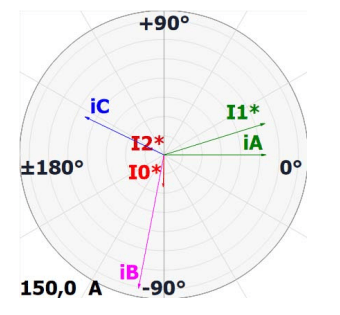
Figure 8. VTHD to customer load with strong correlation

Method 4. Common Sense Approach – Evaluate Likely Sources, Customers

Evaluate likely sources – larger industrial, commercial customers On the customer side of the transformer:

Look for significant harmonic currents
Elevated VTHD (greater than 5%) usually indicates resonance condition
Measure capacitor currents
Correlation of VTHD with customer RMS and harmonic currents
Look for dissimilar Load and Supply Harmonics (Figure 9).

Dissimilar load (current) and supply (voltage) harmonics, as seen in Figure 9, indicate that the monitored load is not a dominant cause of voltage harmonics. Here, the largest current harmonic is the 5th, but the largest voltage harmonic is the 3rd. The voltage THD must be mostly from another load (or aggregation of distribution loads), resulting in background distribution voltage THD.

Figure 9. Dissimilar load (current) and supply (voltage) harmonic patterns

Method 5. Resonance Clues

Resonance induced problems typically have one dominant harmonic. Where harmonic problems exist, measure current in capacitors – single, large harmonic current nearly always indicates that a power factor correction capacitor is in resonance with the inductive system impedance. High voltage distortion is often a combination of excessive harmonic current injection and system response that magnifies harmonic currents due to a resonance. Temporarily disconnecting power factor capacitors can help identify resonance problems.

Conclusion

Several methods have been given to help identify the source of harmonic distortion. The best method depends on the details of the problem, especially if power factor correction capacitors are involved. With a systematic approach, and recording of voltage and current total harmonic distortion and individual harmonics, nonlinear loads can be identified. This is the first step towards mitigation or harmonic filtering.


Author: David Horning, Software Developer, Email: dhorning@powermonitors.com, Website: http://www.powermonitors.com, Phone no. (800) 296-4120


Global Trends of Photovoltaic Energy Usage

Published by Lucjan KURZAK, Building Construction Faculty Czestochowa University of Technology, Poland


Abstract. The market of photovoltaics is one of the most dynamically developing sectors of world economy. From the standpoint of the environment, the energy of solar radiation is the most attractive source. Both new materials and technological solutions, growing effectiveness of conversion of solar energy into electricity and rising prices of their acquisition from conventional sources open up great opportunities for photovoltaics.

Streszczenie. Rynek fotowoltaiczny jest jednym z najbardziej dynamicznie rozwijających się sektorów gospodarki światowej. Energia promieniowania słonecznego jest najbardziej atrakcyjną, z punktu widzenia środowiska, energię odnawialną. Zarówno nowe rozwiązania materiałowe jak i technologiczne, rosnąca sprawność konwersji energii słonecznej na elektryczną przy rosnących cenach jej pozyskania ze żródeł konwencjonalnych, stawia przed fotowoltaiką olbrzymie perspektywy (Światowe tendencje wykorzystania energii fotowoltaicznej).

Keywords: photovoltaic, development, cost, technology
Słowa kluczowe: fotowoltaika, rozwój, koszt, technologia

Shrinking resources of energy resources and increasingly deteriorated state of the natural environment stimulate seeking for alternative and renewable sources of energy. The renewable sources do not cause any side effects or emissions of hazardous substances. Their utilization does not disturb natural resources, natural environment, landscape, vegetation and animal living conditions. They cause improved energy safety and the new workplaces are created; also, different regions are promoted. Further development is caused by the international obligations connected with reduction in emissions of carbon dioxide to the atmosphere.

Analysis of resources of fossil fuels and renewable energy (solar, water, wind and bioenergy) reveals that the greatest opportunities are provided by solar energy [1,2]. A good illustration of the amount of resources of different types of energy is their graphical representation shown in Fig. 1.

Fig. 1. Available resources of energy worldwide [3]

The figure provides a view of resources of different types of energy [3]. The figure compares the types of energy in the form of the circles with different diameters. In the left part, renewable sources are presented, whereas fossil fuels are presented on the right. Size of a circle represents potential resources of individual types of energy. The figure exhibits huge reserves hidden in solar energy. The respective circle which represents solar energy is many-time higher than others, represented by other types of renewable energy (wind, biomass, hydroenergy, geothermal energy, water tide energy) and fossil fuels (coal, oil, natural gas, uranium). Additionally, the central part of the figure contains the point whose size (surface area) represents annual demand for energy. Comparison of individual sizes of the circles provides an insight into the respective sources of energy and their resources. The world energy demand, compared to the huge energy deposited in the Sun, reveals its huge perspective role.

From the standpoint of the environment, the energy of solar radiation is the most attractive source. It is easily accessible, but is characterized by very low flux density and high stochasticity of occurrence in time and space. However, huge resources of solar energy, developing methods and technologies of conversion into other useful types determine its perspective importance. One of the possible methods of its conversion into electricity is the use of photovoltaic effect.

Photovoltaic effect, which is used in photovoltaic cells, consists in generation of electromotive force as a result of the exposure of semi-conductors into solar radiation. Solar energy radiation is converted directly into electricity, without any chemical reactions. Development of photovoltaics (PV) began in the sixties of the 20th, stimulated by space explorations and accelerated by energy crisis. Although only part of solar radiation can be used for generation of electricity (unlike fossil fuels), no waste that pollutes the environment is produced. The European Photovoltaic Industry Association (EPIA) emphasizes that European demand for electricity would be satisfied if only 0.34% of the area of Europe were covered by photovoltaic modules (the area which corresponds to the area of the Netherlands). The estimation by the International Energy Agency (IEA) demonstrated that utilization of only 4% of the world desert areas for installation of photovoltaic installation would satisfy world demand for primary energy. Furthermore, there is huge, unused potential in the form of vast surface areas such as roofs, building walls, agricultural wastelands and deserts which can be used for conversion of solar energy into electricity. For instance, 40% of total demand for energy in the European Union in 2020 can be satisfied if all the roofs and facades are covered with solar panels.

Photovoltaic cells are used in five fundamental areas:

• general purpose electrical equipment (radio receivers, clocks, chargers, TV sets)
• stand-alone systems (lamps, sea lighthouses, light signals, warning signs)
• systems for support of heat and power networks (power and heat supply to housing, service and public utility buildings)
• hybrid systems (the support based on photovoltaic system for combustion, gas and wind generators as well as solar collectors),
• equipment used in space explorations (satellites, space shuttles).

The market of photovoltaics is one of the most dynamically developing sectors of world economy. This is confirmed by Fig. 2, which compares world increases in electrical power from new PV installations for the recent decade [4].

Fig.2. Annual power in PV installations all over the world in 2000- 2010 [4]

The increase in power observed within recent years has been substantial. Particularly in 2008, this increase, compared to the previous year, amounted to ca. 230%, from the level of 2,594 MWp to 6 090 MWp. This results from growing energy needs, progress in the achieved effectiveness of conversion into electricity and energy policies adopted by individual member states. Furthermore, this development results from appreciation, by the European Union, and certain countries in the world, of the advantages and opportunities of photovoltaics as a particular source of renewable energy [5].

Given the lack of detailed data on the world installed capacity in 2010, Fig. 2 presents the estimates at two levels (low and high). The estimates of the growth range within 121,400 MWp and 15,700 MWp. This means ca. 100% increase in new installed capacity compared to the year 2009. The range of the estimates of the installed capacity in 2010 results from the uncertainty of the data in recent months in several world countries which are of key importance to PV market [6].

New investments in worldwide photovoltaic market in 2009 were dominated in 80% by the market of the European Union’s states (see Fig. 3). Despite economic downturn in 2009, an increase in PV capacity by 5,605 MWp was observed in the European Union. This meant the 15% increase compared to the year 2008, which is illustrated by the data in Fig. 5, where similar tendency can be observed in recent years. A significant share in the increase of worldwide photovoltaic capacity was observed in Japan, with 484 MWp and the USA, with 477 MWp. Moreover, Figure 3 shows that the substantial effect on world PV energy sector is from such states as South Korea, with 168 MWp, China, with 160 MWp and Canada, with 70 MWp [4,8].

An unquestionable world leader in development of production and running PV power plants is Germany. In 2009, 3,806 MWp of new PV capacity was installed in Germany, which is presented in Fig. 4. This translates into nearly 70% share of Germany in the EU market. This tendency was also maintained in 2010, where, according to partial data, newly installed PV capacity reached the level ranging from 6,500 to 8,000 MWp. An essential importance to EU market is played by such countries as Italy, with 711 MWp, Czech Republic, with 411 MWp and Belgium, with 292 MWp. Other leading countries with considerable use of PV energy were illustrated in Fig. 4.

Fig.3. The structure of shares of countries and regions in the newly installed PV capacity [MWp] in 2009 all over the world [4,8,9]

The figures 3 and 4 show that the level of capacity installed in PV energy sector is not determined by the size of the country and its economic position or insolation, but energy policies adopted by these countries. One positive example is Czech Republic, which reported a capacity increase comparable with the United States.

Fig.4. The structure of shares in different countries of the newly installed PV capacity [MWp] in 2009 in the EU [4,8,9]

Impressing situation is also observed in world PV capacity used for generation of electricity in the recent decade. According to different partial data and tendencies in the development, one can estimate worldwide capacity in 2010 at the level of 37,000 – 39,100 MWp (Fig. 5). The figure presents a particular contribution of the European Union as an organization of the states with the dominant effect on the size and the dynamics of development of PV energy sector. The data from Fig. 3, which concerned the year 2009, seem to be confirmed: they illustrate that a considerable role for PV energy sector was played, apart from Japan and the USA, by Europe. The two estimated levels (low and high) for 2010 were also presented in Fig. 5 (similarly to the Fig. 2) [4]. Assuming that this will be the lowest level of 37,000 MWp, this means over 60% increase in world PV capacity compared to the year 2009. In the whole decade, presented in Fig. 5, mean annual increases in photovoltaic capacities amounted to ca. 45%, which can be compared to the most dynamically developing sectors in world economy, such as IT or biotechnology.

Fig.5. The total PV capacity installed worldwide by 2010 [4]

A determinant criterion for the choice of a source of primary energy for electricity generation is the potential profits. The choice of the source is affected by a number of factors, with the key factors including availability and cost of acquisition and technical level of conversion technology. Figure 6 presents the decisions of the investors in the European Union in 2009 and the level of use of the types of sources of energy in conversion into electricity. It illustrates the annual balance of changes in the installed capacity in 27 states of the EU. According to the data [4,8], total newly installed capacity amounted to 13,342.8 MW. At the same time, exclusion of 1,749 MW was also observed. In effect, the year 2009 saw an increase in the electrical capacity in the EU states by 11,593.8 MW.

It is worth noting that the reduction of generated power concerns the power plants based on nuclear energy and coal. This situation is typical of the energy policies adopted by the EU, particularly in the case of the role of fossil fuels, especially coal. In the case of nuclear energy, the essential effect on slowdown in its development is from the concerns over its safety. This tendency, in view of the recent nuclear disaster in Japan, will be deepening. A number of European countries have brought the decisions on new investments to a standstill, and some nuclear power plants have stopped operating. The European energy sector, based on coal, will be reducing its manufacturing potential. There are a number of new investments and, the life cycle of a number of currently used power plants is coming to an end. New clean energy technologies of electricity generation from coal are still at the stage of the research and economic and ecological analyses.

In consideration of the increase in electricity generation potential in the EU, the substantial importance is from the power plants which use renewable sources. The highest increase in the capacity in 2009 (10,048 MW) was reported for wind power plants, followed by those which use biogas (with an increase by 6,266 MW). Photovoltaic power plants, with an increase by 5,605 MWp are third in the comparison of the utilized sources. The next places are taken by biomass-based power plants, being the renewable resources with the share of 542 MW in the newly installed capacity. This quantity is an order of magnitude lower compared to the photovoltaics. In consideration of the previous tendencies in energy development in Europe, one can assume that the dominating power plants among the new installations will be those based on wind and solar energy, i.e. environmentally-friendly sources.

Fig.6. The increase in installed capacity in power plants in the European Union in 2009 with division according to a source [8]

Photovoltaic technology, as a relatively new method used for conversion of solar energy into electricity, is based on the development and use of modern technologies. Over two decades of experiences have shown that the cost curve has been decreasing and will be decreasing in the future. This tendency is presented in Fig. 7. A fast decline in the prices of the electricity generated from PV has been observed since 1990 and insignificant one as forecast for 2040 [8].

Fig.7. Development of utility prices and PV generation costs [8]

Costs of electricity generation from solar sources considerably depend on solar radiation intensity and the time of insolation. Therefore, the figure above presents the two curves which differ in the number of hours of using photovoltaic installations. The upper curve concerns the use for 900 hours a year and is representative of the countries of the Northern Europe. The lower curve, with the lowest costs of electricity production, relates to the countries of the South Europe, where the time of operation of photovoltaic installations is twice longer (1 800 h/year).

Furthermore, Fig. 7 shows the history of changes in the prices of electricity in the European market, obtained mainly from conventional sources. This price has risen in recent decades and the forecast for the year 2040 shows further slow increase. Changes in energy prices were illustrated in the form of the stripes which encompass peak prices of electricity, and maximal and minimal prices in the wholesale market. The highest price in the electricity market which is observed for the hours of peak demand, frequently corresponds to the working hours of photovoltaic installations, which is a situation favourable to the power and heat system.

The cost of electricity generated from PV in the northern countries of Europe in 2010 amounted to ca. 0.32 Є/kWh and exceeded the highest peak market price. For the Southern Europe, the cost of PV energy was lower by 50% in the last year and amounted to 0.16Є/kWh. This cost is maintained within the range of peak market electricity price. It is estimated that this level will be reached in the southern Europe in 2020. The level of wholesale prices for PV electricity in the southern countries of Europe will be reached in 2015, whereas the northern Europe will reach this level a decade later [8].

The tendencies for costs of production and prices of energy in Europe are confirmed in other world regions. Nowadays, in the regions with high insolation and high demand for electricity, photovoltaic energy is competitive. Its competitiveness is higher in decentralized installations, i.e. those where it is produced and used on the spot. Use of PV energy in intelligent energy grids with capacity of managing a number of scattered sources of energy, operating intermittently, might provide a highly effective solution.

Current investment costs of photovoltaic systems make solar energy competitive in relation to the sources of energy in the period of peak demand and in hybrid systems of electricity supply. However, they are not low enough to allow this type of energy to effectively compete with cheaper energy supplied from national grids. Therefore, it is necessary for the development of photovoltaic market to create the effective mechanisms of support for research and development, which would provide opportunities of reduction of costs of the systems and increase in their total efficiency.

These emerging solutions are supposed to account for ca. 7% of world market in 2020 [7].

Fig.8. History and forecast of the use of technology in the photovoltaic market [8]

Figure 7 illustrates that, in the recent 30 years, the market has been dominated by the technologies based on polycrystalline silicon. Over 90% of the photovoltaic market belongs to silicone technologies. Share of amorphous silicon (a-Si), which was used most frequently for consumer applications (e.g. calculators, solar watches), is decreasing in favour of more advanced technologies with different modifications, as monocrystalline, multicrystalline and tape silicone. Development of thin-layer types (CdTe, CIGS) was driven by the insufficiency of high-quality silicon in the market. These technologies are gaining considerable share and, according to EPIA forecasts, they will cover a quarter of world market in 2015 [8]. It is expected that the photovoltaic systems which will be popular in the recent years will include the solutions with concentrators (CPV) and the emerging nanotechnologies.

They will be used mainly in the installations integrated with buildings, especially in the case of climatic zones where solar radiation is composed predominantly of direct radiation. The use of the lens or mirrors focused on PV cell in these technologies will allow for generation of higher amount of electricity from the system compared to the unit surface of the installation.

New advanced investigations in these problems show that in the nearest five years, nano-photovoltaic cells will become competitive compared to silicon solutions, both in terms of necessary investments and their use. A driving force for research, development and implementation of this technology is PLEXTRONICS, a company which cooperates with the Pittsburgh University, USA. In nanophotovoltaic cells, plastics of micrometric (μm) thickness generate electricity directly from solar radiation. These plastics are deposited on films in a liquidized state. Within the third-generation photovoltaic cells, the organic solar batteries are manufactured, with a generic term ‘plastic power’ [7].

The investigations and increase in production of cells and photovoltaic modules leads to the development of modern technologies and infrastructure. A number of funds and companies oriented towards innovation invest in the research in order to reduce the costs of photovoltaic systems and their popularization and reaching a state of grid-parity, i.e. the state when photovoltaic energy will be cheaper without any external support, compared to the electricity generated conventionally from fossil fuels and in nuclear power plants.

Both new materials and technological solutions, growing effectiveness of conversion of solar energy into electricity and rising prices of their acquisition from conventional sources open up great opportunities for photovoltaics.

An advantage of photovoltaics lies in high reliability in crisis situations, such as power failures as a result of electrical breakdown or natural disasters. Photovoltaics, which generate electricity in a decentralized and scattered manner, play a key role in development of a sustainable system of energy management.

REFERENCES

[1] Kurzak L., Tendencies In development of renewable energy sektor and energy-saving civil engineering in the European Union, Wydawnictwo Wydziału Zarządzania Politechniki Częstochowskiej,Częstochowa, (2009), 1-92
[2] Kurzak L., Ecological Aspects of Solar Thermal Energy Developmentin the European Union, Manufacturing Engineering, Published by Technical University of Kosice – Faculty of Manufacturing Technologies with a seat in Presov, (2011) nr. 2 Volume X, 55-60
[3] Koldenhoff W.B., 2009, The solar thermal market, StatusTechnologies-Perspectives, Inter Solar, San Francisco, (2009)
[4] Market Outlook 2010. European Photovoltaic Industry Association. 2010
[5] Klugmann-Radziemska E., Rozwój fotowoltaiki na świecie i w Polsce, Energetyka Cieplna i Zawodowa, (2009) nr. 9, 45-48
[6] Pietruszko S. M., Rozwój rynków fotowoltaiki na świecie, Czysta Energia, (2011) nr. 2, 22-25
[7] Kotowski W., Trzecia generacja baterii słonecznych. Dzięki “nanobranży”, Energia Gigawat, (2009) nr.6
[8] Solar Photovoltaic Electricity Empowering the World. European Photovoltaic Industry Association, Greenpeace International, http://www.epia.org, (2011)
[9] Photovoltaic Barometerhttp://www.energiesrenouvelables.org/observer/stat_baro/observ/baro202.pdf


Author: dr hab. inż.Lucjan Kurzak professor of Czestochowa University of Technology, Faculty of Building, 3 Akademicka Street, 42-200 Czestochowa, e-mail: lkurzak@bud.pcz.czes.pl


Source & Publisher Item Identifier: PRZEGLĄD ELEKTROTECHNICZNY (Electrical Review), ISSN 0033-2097, R. 87 NR 12b/2011.

Transformer Inspection and Testing

Published by Alex Roderick, EE Power – Technical Articles: Transformer Inspection and Testing, December 17, 2021.


Installing a transformer is more than just connecting the wires, according to the wiring diagram. The first part of the installation process includes an initial inspection and testing of the transformer when it is received from the factory or warehouse. After a successful inspection, the installation can begin.

When a transformer arrives at a factory or job site, there are several things that should be inspected before accepting the shipment. For larger power transformers, there are some electrical tests that should be performed to verify that the unit was manufactured correctly and is in satisfactory condition. It is best to inspect and test a transformer before installation and before it is energized for the first time to ensure that it is in good working order.

A complete drawing of the coils and the regulator is found on the transformer nameplate. The nameplate gives the installer all of the data relating to the transformer, including the rating, impedance, primary and secondary voltage, the phasing, the allowable temperature rise, oil type (if used), weight, and connection diagrams. Also included are the name of the manufacturer, the model number, and the serial number.

Inspection

The first thing to do is to inspect for any damage that could have occurred during shipping. The bushings and the insulators should be inspected for cracks and chips in the porcelain. See Figure 1. The exterior finish should be inspected. If the paint has been worn or scraped off, it must be repaired. A unit that sits outside or in a corrosive environment will corrode, and leaks may develop. The cooling fins, if present, should be inspected for dents that may affect the ability of the cooling system to operate.

Figure 1. When a new transformer arrives, the bushings and exterior finish must be inspected before installation.

Insulation Resistance

A relatively common problem with transformers is insulation failure between the coils. An insulation resistance test is a test performed to measure the leakage current through the coil insulation. When the leakage current is too high, the insulation can fail and short out the coil. An insulation resistance test should be conducted with a hipot tester or a megohmmeter. See Figure 2. Megger® is a company that manufactures megohmmeters and other test tools. The company name has become a common name for a megohmmeter.

Figure 2. The transformer insulation should be tested before the transformer is installed.

There are several conditions that should be met for best results from insulation resistance testing. The transformer should not be in service and should not be connected to any circuits, switches, capacitors, etc. The temperature should be above the dew point of the ambient air to prevent a moisture coating from forming on the insulation surface.

The test voltage should be at the correct level. Too much voltage can overstress or damage insulation. Each winding should be tested individually with all the other windings grounded. The transformer manual should give the allowable voltage and type of test required. A transformer rated at 600 V or less can typically be tested with a 500 V or 1000 V megohmmeter to look for any leakage to the ground or between the primary and secondary.

Capacitors are sometimes used for power factor correction, and they must be discharged or disconnected before the transformer is tested. The temperature must be considered. The tests should be conducted at a temperature of 68°F (20°C).

Winding Resistance

A winding resistance test is a test performed to measure the electrical resistance of the transformer windings. If the resistance increases, extra heating of the wire making up the windings occurs. This can cause the coil to burn out if the temperature gets hot enough to soften or melt the wire.

A precision ohmmeter is used for this test. All windings must be tested, so a load tap changer must be cycled through all its possible positions. For a very large transformer, such as a 20 MVA unit in a substation, this testing can take several hours.

Turns Ratio

A turns ratio test between the primary winding, and secondary winding can be run to verify that all the windings are wired and operating correctly. Again, all windings should be tested, so a load tap changer must be cycled through all its possible positions since these devices effectively change the transformer turns ratio. Kits and test tools are available from test equipment suppliers to simplify this testing.


Author: Alex earned a master’s degree in electrical engineering with major emphasis in Power Systems from California State University, Sacramento, USA, with distinction. He is a seasoned Power Systems expert specializing in system protection, wide-area monitoring, and system stability. Currently, he is working as a Senior Electrical Engineer at a leading power transmission company.


Source URL: https://eepower.com/technical-articles/transformer-inspection-and-testing/