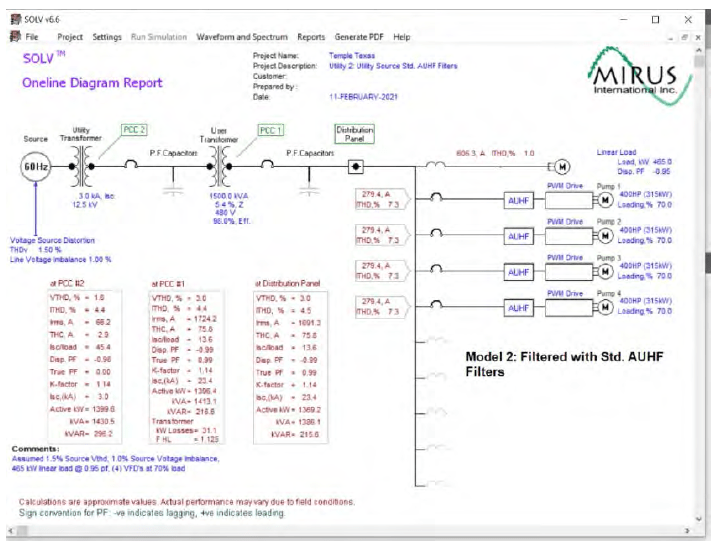
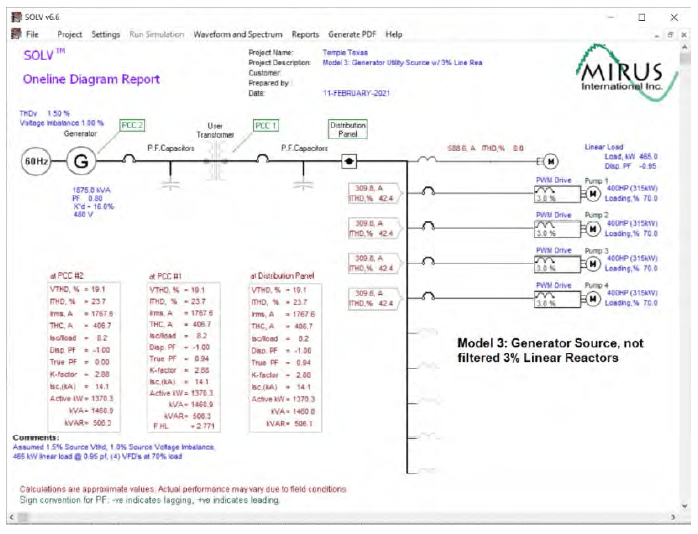
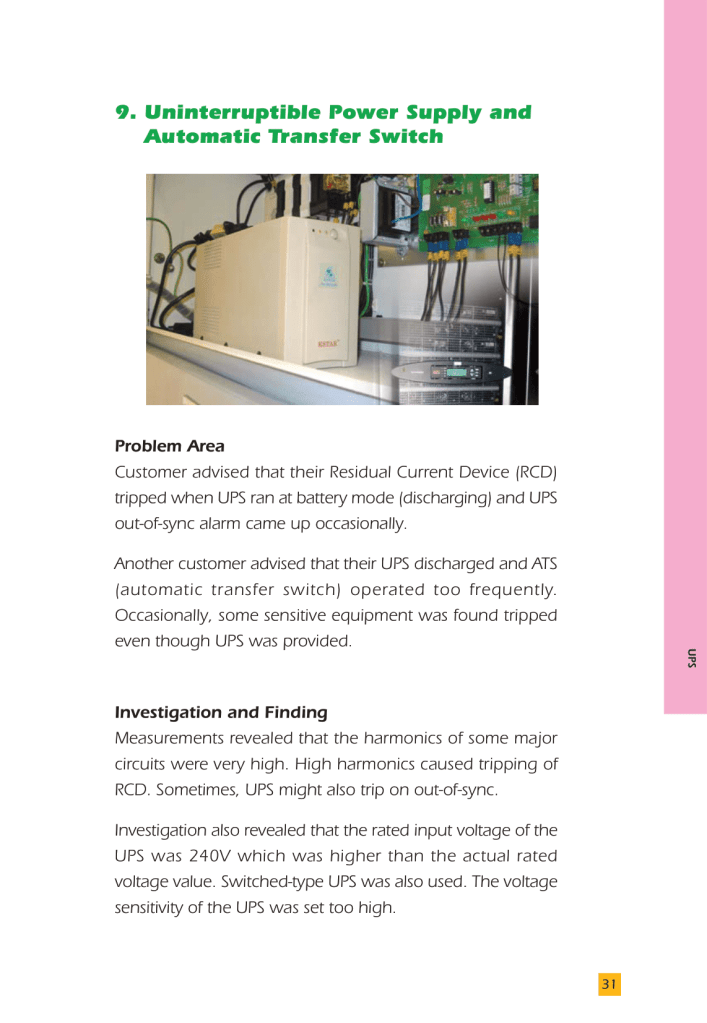
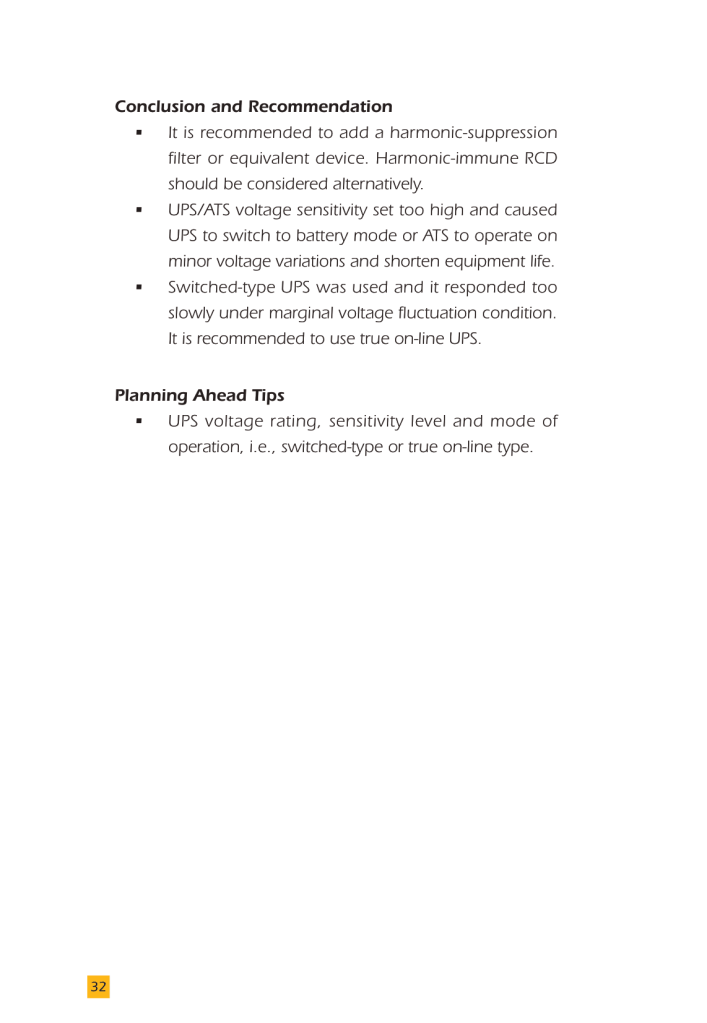
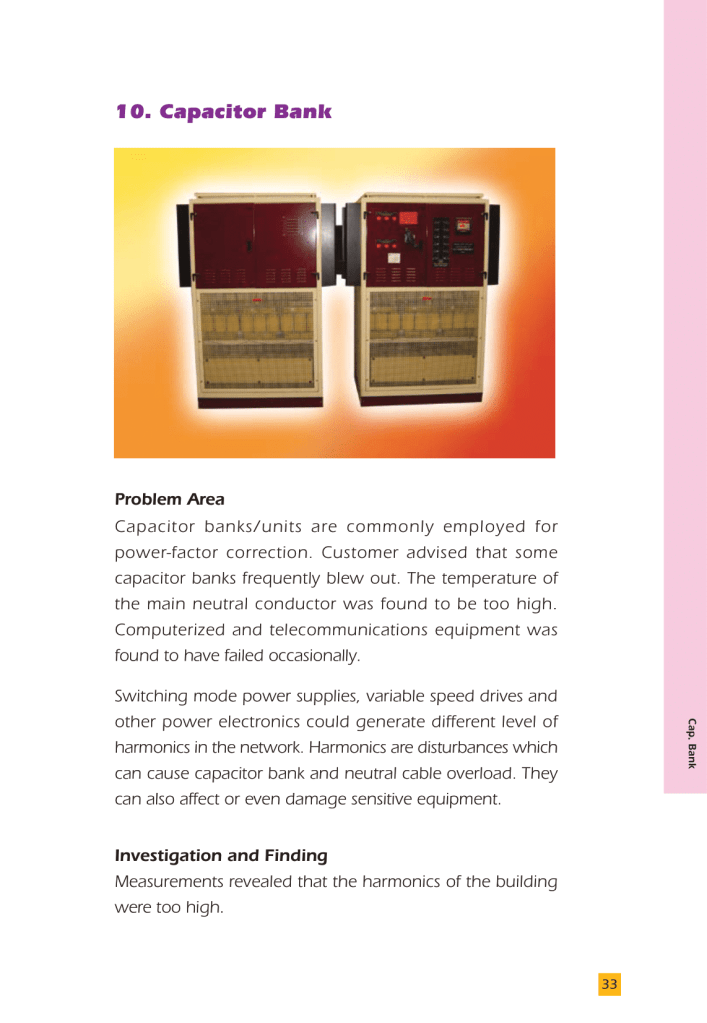
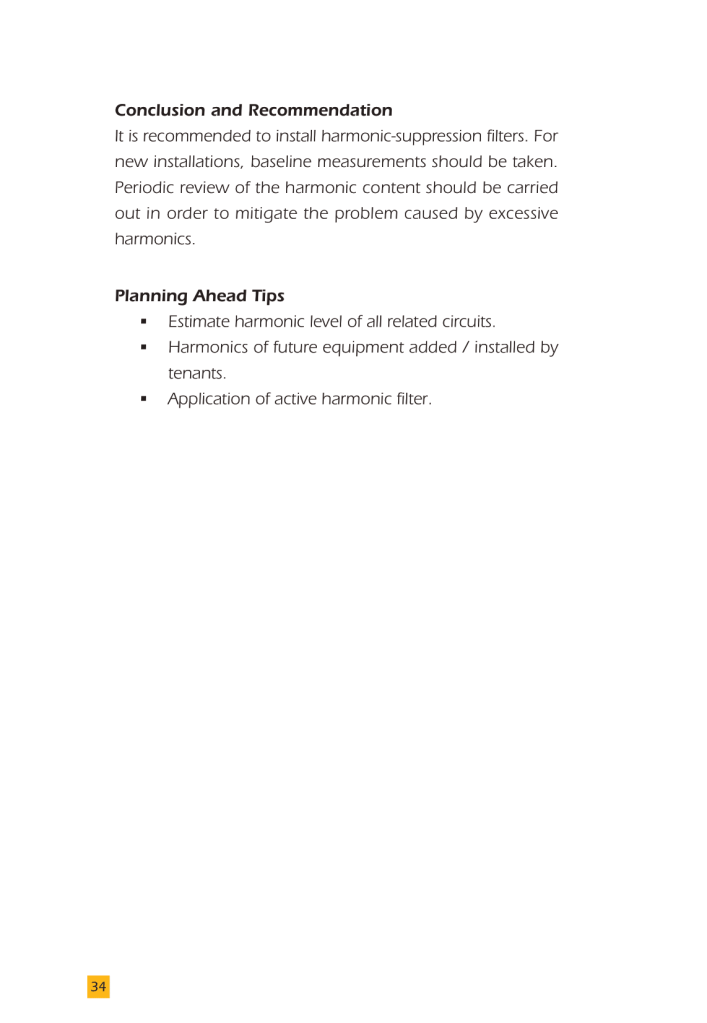
Advantages of 6-Pulse VFD with Lineator AUHF vs Active Front End (AFE) Drives

mirus_logo

White Paper (August 20th, 2015)

Published by Anthony (Tony) Hoevenaars, P. Eng , President and CEO Mirus International Inc.

INTRODUCTION

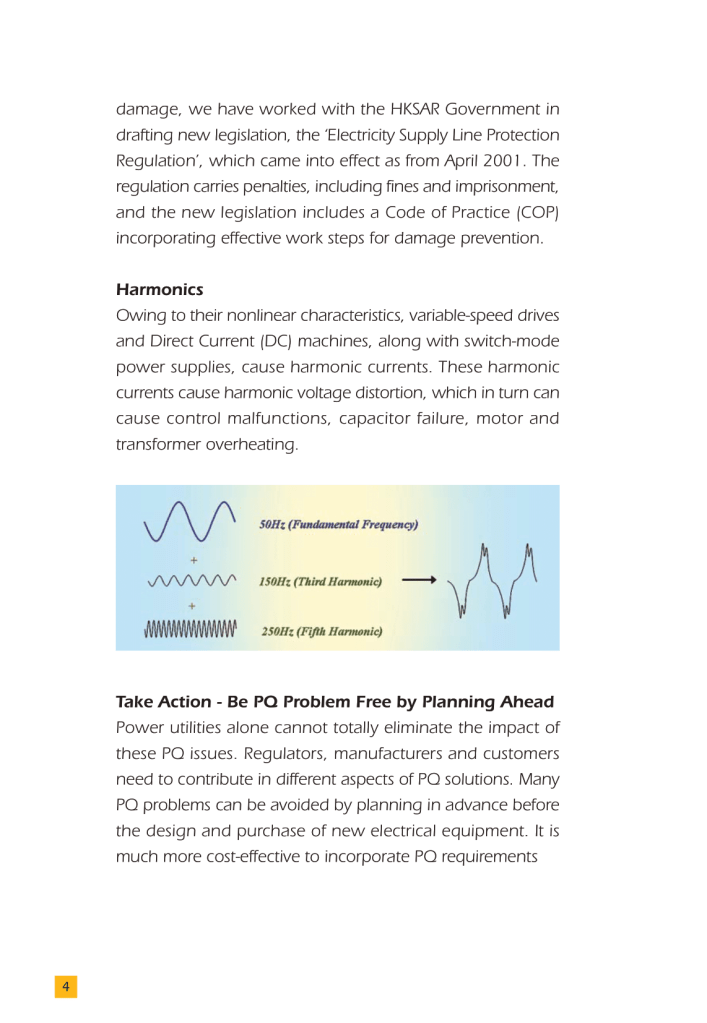
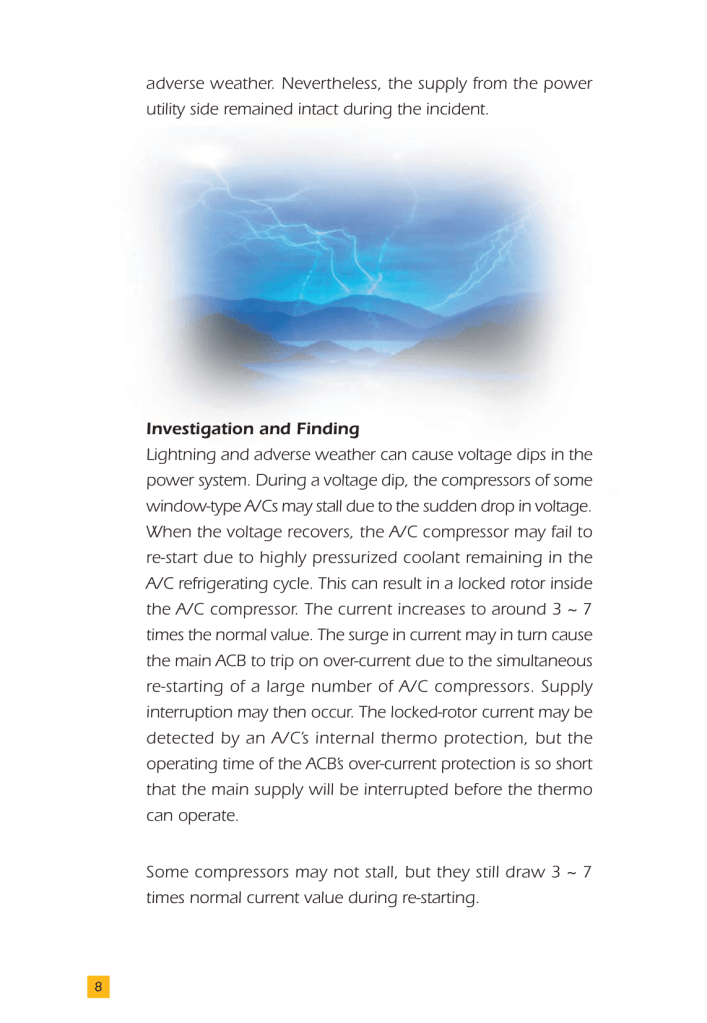
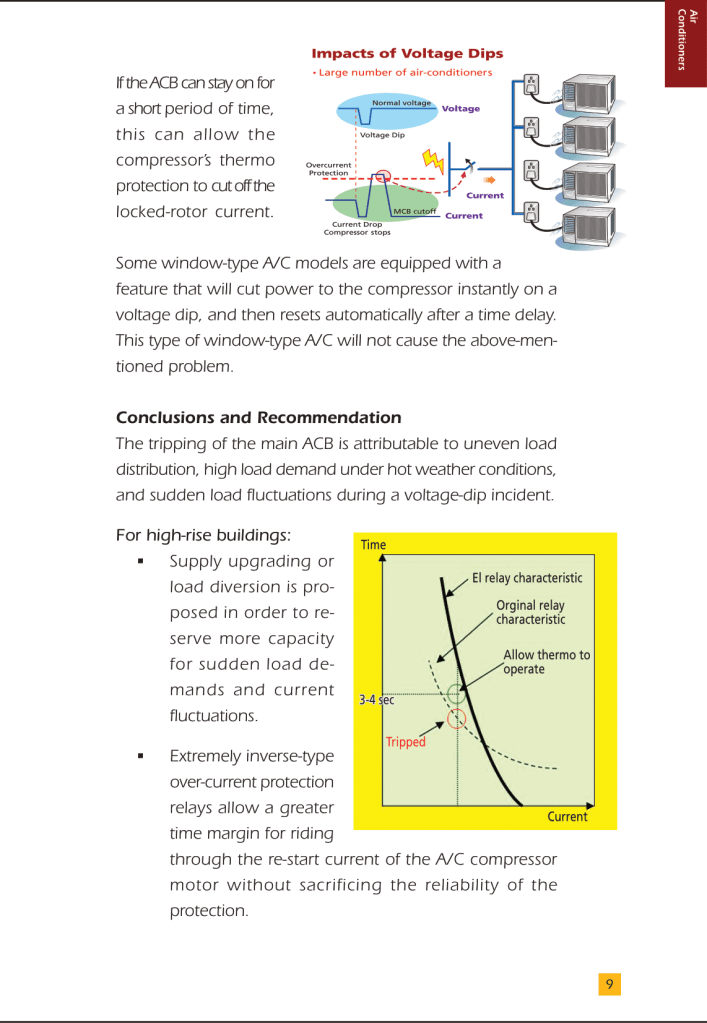
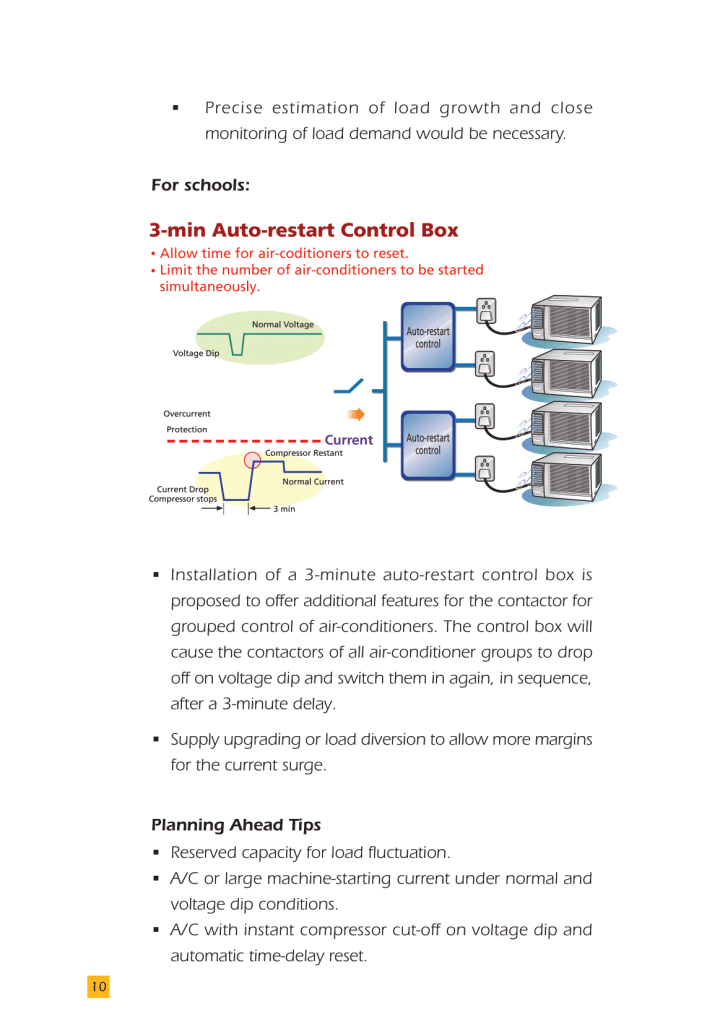
Active Front End (AFE) Drive manufacturers will claim that their technology provides the best solution for treatment of harmonics associated with variable frequency drives (VFDs). They are quick to point out benefits over standard 6-Pulse VFDs equipped with diode bridge rectifiers such as, reduced line current harmonics, improved power factor and inherent regenerative capabilities. But they will hide the fact that current harmonics are much higher when measured above the 50th and that very serious problems can result from the introduction of these higher frequency harmonics. Also, they will downplay a substantial loss in efficiency due to the increased losses in the input IGBTs.

The reality is:

  1. AFE’s are not the best solution for a low harmonic VFD.
  2. A properly designed Wide Spectrum Passive Filter, such as the Lineator AUHF, can outperform AFE especially when harmonics up to the 100th are taken into consideration.
  3. AFE’s generate high frequency harmonics which can have more serious consequences than low frequency harmonics. As a passive device, Lineator AUHF cannot introduce high frequency harmonics and will, in fact, help reduce them when they are present.
  4. If there is a mixture of 6-Pulse and AFE Drives on the same switchboard, the ripple in voltage from the AFE Drive can raise the DC bus voltage in the 6-Pulse VFDs creating overvoltage conditions.
  5. Although an active solution, AFE’s still require input passive filters (LCL and EMI/RFI filters) to control switching frequency harmonics and to attenuate ripple in the mains side voltage and current.
  6. LCL and EMI/RFI filters are more likely to resonate with the power system at rectifier harmonic frequencies (ie. 5th, 7th, 11th, etc.) than the Lineator AUHF. Also under lightly loaded conditions, the reactive power of the LCL capacitors can cause over-excitation of generators.
  7. AFE’s generate significant levels of ground leakage current which can cause inadvertent ground fault trips and failure of sensitive equipment.
  8. AFE losses are significantly higher and efficiencies much lower than a 6-Pulse VFD with Lineator AUHF.

AFE TOPOLOGY VS LINEATOR/6-PULSE VFD

Fig. 1a shows a typical AFE drive topology. The problems associated with the operation of AFE rectifiers are related to the converter design characteristics, switching frequency and interaction with the power system. You will note that ahead of the input bridge is a passive LCL filter. The function of this filter is to reduce the switching frequency harmonics introduced by the IGBTs. All AFE manufacturers, however, include LCL filters that are only minimally effective because a more effective filter would be much more expensive and physically larger. In fact, this passive filter would very likely be larger and more expensive than the Lineator AUHF that provides equivalent current harmonic mitigation on a simple 6-Pulse VFD (Fig 1b). Both topologies have an input passive filter but the Lineator/6-Pulse VFD topology is much simpler, more reliable and less expensive.

Advantages of 6-Pulse VFD with Lineator AUHF vs Active Front End (AFE) Drives_figure1a

Fig. 1a: AFE Drive topology with LCL filter


Advantages of 6-Pulse VFD with Lineator AUHF vs Active Front End (AFE) Drives_figure1b

Fig. 1b: 6-Pulse Drive topology with Lineator AUHF


AFE INTRODUCES HIGH FREQUENCY HARMONICS

In order to reduce input current harmonics, AFE Drives use IGBTs instead of a diode bridge rectifier. Current harmonics can be controlled through the switching action of the IGBTs but in so doing, switching frequency harmonics are introduced. Fig. 2 shows various measurements taken at a Paper Mill equipped with AFE Drives, by the authors of a paper on ‘Practical Problems Associated with the Operation of ASDs Based on Active Front End Converters in Power Distribution Systems’ [1]. They compare Ph-to-Gnd voltages and input currents while operating the AFE Drives as simple 6-Pulse Rectifiers and in full AFE operation.

Both operations show Ph-to-Gnd voltage with high frequency components but during AFE operation these distortions are substantially worse. Input current measurements show much lower levels of low frequency harmonics than in 6-Pulse operation but the high frequency ripple is very obvious in the waveform and the spectrum reflects this ripple with higher bars around the 50th.

With a band of harmonics near the 50th, the IGBTs on these Drives would be switching at around 2 – 3 kHz. With higher switching frequencies, the harmonic band would move out to higher harmonic orders. In many cases, these are well above the 50th where almost all power quality analyzers do not measure. Despite AFE Drive manufacturers’ efforts to ignore them, these higher frequency harmonics do certainly exist and most definitely can wreak havoc with connected equipment. These failures can be very difficult to diagnose even for trained power quality professionals.

Advantages of 6-Pulse VFD with Lineator AUHF vs Active Front End (AFE) Drives_figure2

Fig. 2: Variable Frequency Drive Voltage and Current Waveforms and Spectrums for an AFE Drive in a Paper Mill [1]


When AFE Drives are used on marine vessels with weak generator supplies, this problem can become even worse. The American Bureau of Shipping (ABS) has acknowledged this in several locations in Section 13 of its ‘Guidance Notes on Control of Harmonics in Electrical Power Systems’, such as:

iii) Total harmonic current distortion (Ithd), harmonic current spectrum up to 50th harmonic (or up to 100th for equipment with “active front ends”) and total magnitude of total harmonic current per unit, per circuit and per installation at rated load, as applicable. [2]

Fig. 3 shows frequency spectrums of the voltage at the Bridge Distribution Panel of a catamaran equipped with Main and Propulsion AFE Drives [3]. Measurements were taken over three frequency bands – up to 50th harmonic, 50th to 10 kHz and 10 kHz to 50 kHz. Although the voltage harmonics were very low in the lower frequency range (VTHD = 1.68%), they were very high in the frequency range above the 50th (VTHD = 8.14%) with a band around 3450 Hz (69th harmonic) produced by the AFE Drives operating at a 3.6 kHz switching frequency [3]. Most power quality analyzers that only measure up to the 50th harmonic would not have highlighted these high distortion levels.

These higher frequency harmonics will undoubtedly cause problems with connected equipment such as standard AC 6-Pulse VFDs, including those manufactured by the same supplier as the AFE Drives. The following statement is from the ‘Practical Problems’ paper sited earlier.

“From the power distribution point of view, the AFE rectifier operates as a current source, and as such injects high frequency current harmonics into the grid. If ASDs that use diode-based rectifiers (standard ASD) are connected to the same ac grid, the high frequency current components are pushed into their dc bus. This is due to the fact that they offer a low impedance path to these high frequency current components (due to the dc link capacitor presence), overloading the respective converter. Moreover, if the standard ASD is operating at light load, its dc bus voltage will tend to increase until the converter shuts down, hopefully by means of the dc link over voltage protection.” [1]

Advantages of 6-Pulse VFD with Lineator AUHF vs Active Front End (AFE) Drives_figure3

Fig 3: Voltage harmonic spectrum of a Marine Vessel with Main and Auxiliary Propulsion AFE Drives [3]


The authors of [1] also noted that the high speed IGBT switching action of AFE Drives introduces ground leakage currents (common-mode) that can cause inadvertent operation of ground fault protection equipment. Fig. 4 shows the neutral-to-ground voltage and currents of an AFE Drive running in both 6-Pulse operation and AFE operation. High frequency common-mode noise increases substantially while in AFE operation.

Advantages of 6-Pulse VFD with Lineator AUHF vs Active Front End (AFE) Drives_figure4

Fig. 4: Variable Frequency Drive Neutral-to-Ground Voltage and Current for an AFE Drive in a Paper Mill [1]


LINEATOR AUHF MATCHES AFE IN REDUCTION OF LOW FREQUENCY HARMONICS (UP TO 50th) WITHOUT INTRODUCING HIGH FREQUENCY HARMONICS

Lineator AUHF is a series connected, wide spectrum, passive harmonic filter designed to eliminate harmonics generated by 3-phase, 6-Pulse variable frequency drives. It performs as well as an Active Front End Drive in reducing harmonics in the low frequency range (up to 50th harmonics) while substantially outperforming AFE in the high frequency range. Lineator will provide some reduction in high frequency harmonics while the AFE Drive actually introduces these more damaging harmonics into the power system as described earlier.

The Lineator AUHF consists of a reactor with multiple windings on a common core and a relatively small capacitor bank (Fig. 5). This design exploits the mutual coupling between the windings to improve harmonic mitigation performance, making it far superior to conventional passive filter solutions. To prevent importation of upstream harmonics, the resonant frequency, as seen from the input terminals, is near the 4th harmonic, comfortably below the predominant harmonics of 3-phase rectifiers.

Advantages of 6-Pulse VFD with Lineator AUHF vs Active Front End (AFE) Drives_figure5 

Fig. 5: Lineator AUHF Wide Spectrum Passive Filter Schematic


One key advantage of the unique reactor design is that it allows for the use of a significantly smaller capacitor bank (< 15% reactive power as a percent of the full load rating). This reduces voltage boost and reactive power at no load to ensure compatibility with generators. All other passive harmonic filter solutions introduce higher capacitive reactive power at light loads (typically 30% to 40%). Even the LCL filters on AFE Drives have higher capacitive reactance than the Lineator AUHF.

The filter is connected in series between the main supply and the drive. Current Total Harmonic Distortion (ITHD) is typically reduced to < 6% (a < 5% ITDD version is available) when applied to a 6-pulse AC PWM drive regardless of whether the drive is equipped with an AC or DC reactor or no reactor at all.

Lineators can be applied to AC drives with diode or SCR pre-charge input rectifiers ranging in size from 5HP/4kW to 3500HP/2600kW. They can be applied to single or multiple drives but only drive loads should be connected as the filter is designed specifically for rectifier operation. The filter can usually be retrofitted to existing drives without the requirement for drive modifications, whether for single drive or for multiple drive applications. A model is also available for operation on fully controlled SCR bridges, as used in DC Drives.

Figures 6 and 7 provide typical performance results measured in the Mirus Harmonics & Energy Lab on a Lineator AUHF. They show voltage and current waveforms and spectrums at the input to the Lineator measured up to the 500th harmonic using an ION 7650 Power Quality Analyzer.

Advantages of 6-Pulse VFD with Lineator AUHF vs Active Front End (AFE) Drives_figure6

Fig. 6: Input Current Waveform and Spectrum for 200HP, 480V Lineator AUHF


Advantages of 6-Pulse VFD with Lineator AUHF vs Active Front End (AFE) Drives_figure7 

Fig. 7: Input Voltage Waveform and Spectrum for 200HP, 480V Lineator AUHF


Current Total Harmonic Distortion (ITHD) is only 5.12% even when all harmonics up to the 500th are included. Clearly noticeable is that, unlike the AFE Drive, there are extremely low levels of harmonic currents past the 50th.

Voltage Total Harmonic Distortion (VTHD), including all harmonics up to the 500th, is only 2.54%. This is well below the 5% maximum recommended by IEEE Std 519. Again, the harmonics above the 50th are virtually non existent, while for the AFE Drive, these were the highest harmonics present.

LINEATOR AUHF’s DESIGN PROTECTS AGAINST POWER SYSTEM RESONANCE

As a series connected passive filter, the Lineator’s combined inductance and capacitance presents a resonant frequency to the upstream power system. To prevent inadvertent resonance with the power system at a common characteristic harmonic frequency, the input resonant frequency is designed near the 4th harmonic to be comfortably below the 5th and other 6-Pulse rectifier harmonics.

Fig. 8a and 8b show a simple power system 1-Line and its equivalent diagram. Fig. 8c shows the reactance curves of the Lineator AUHF and the resonance point which occurs where these curves intersect. Since power systems are inherently inductive (unless installed Power Factor Correction capacitors are overcompensating which should always be avoided), the inductance curve will shift upwards moving the resonant frequency lower and further away from characteristic harmonics (Fig. 8d).

Advantages of 6-Pulse VFD with Lineator AUHF vs Active Front End (AFE) Drives_figure8

Fig 8: Lineator AUHF and Power System Resonance


The passive LCL and EMI/RFI filters required by AFE Drives, on the otherhand, are always tuned at a frequency above the 5th harmonic. The added inductive reactance of the power system will then lower the overall resonant frequency. When the resultant frequency matches a predominant harmonic on the power system, resonance will occur with its serious consequences. Therefore, the AFE Drive is much more susceptible to power system resonance than the Lineator AUHF.

AFE HAS HIGHER LOSSES RESULTING IN LOWER EFFICIENCY

Although the introduction of high frequency harmonics should in itself be enough justification to avoid the use of AFE Drives that do not have sufficient input passive filtering, there are many other reasons why the Lineator AUHF combined with a simple 6-Pulse VFD is a better solution. One significant reason is the higher losses and lower efficiency resulting from the operation of the input IGBT rectifier of the AFE.

Tables 1 and 2 show a major electrical manufacturer’s technical data for their AFE and 6-Pulse Drives, respectively. Table 3 provides a comparison of electrical losses and efficiency using the power loss statistics of a 75 kW (100 HP) and 400 kW (500 HP) Drive from these tables. With the losses of a Lineator AUHF added to the 6-Pulse VFD, this combination is still 1.7% more efficient than the AFE Drive. It is important to note that the stated AFE losses are for operation at the lowest IGBT switching frequencies. Losses increase with higher switching rates, further widening the efficiency gap.

Table 1: Technical Data for AFE Drives of a Major Drive Manufacturer [7]

Advantages of 6-Pulse VFD with Lineator AUHF vs Active Front End (AFE) Drives_table1


Table 2: Technical Data for 6-Pulse VFDs of the same Drive Manufacturer [8][9]

Advantages of 6-Pulse VFD with Lineator AUHF vs Active Front End (AFE) Drives_table2-1

Advantages of 6-Pulse VFD with Lineator AUHF vs Active Front End (AFE) Drives_table2-2


Table 3: Efficiency Comparison – AFE vs 6-P VFD with Lineator

Advantages of 6-Pulse VFD with Lineator AUHF vs Active Front End (AFE) Drives_table3

difference in efficiency can result in very substantial savings in energy and operating costs. The following example on a 400kW VFD calculates the annual savings when using the 6-P with Lineator vs an AFE Drive:

Assumptions:

𝐿 = 400 𝑘W, VFD load (motor rating)

𝐿%𝑎vg = 0.7, Average %Load (assumes 70%)

𝑡 = 8760 𝑦r, Operating time (assumes 24/7 operation)

𝐸 = 0.12 $ ⁄ 𝑘Wh, Energy cost (assumes $0.12/kWh)

𝐺 = 0.017, Efficiency %Gain (1.7% from Table 3)

Where:

Cost Savings / year = 𝐿 × 𝐿%𝑎vg × 𝑡 × 𝐸 × 𝐺

= 400 × 0.7× 8760 × 0.12 × 0.017

= 5004 $ ⁄ 𝑦r

Therefore, by using a Lineator and 6-pulse VFD under the conditions above, an additional cost savings of approximately $5,004 per year can be expected, in comparison to using an AFE Drive.

CONCLUSION AND SUMMARY

AFE Drive technology is not the best solution for a low harmonic variable frequency drive despite claims by their manufacturers. It is true that they reduce the low frequency harmonics introduced by a VFD, but they do so with very significant negative consequences. These include (i) introduction of high levels of high frequency harmonics, (ii) an input passive LCL filter that performs poorly and can resonate with the power system, (iii) higher levels of common-mode ground leakage current, (iv) much higher losses, (v) increased complexity which reduces reliability and (vi) significantly higher costs.

A much better solution is the combination of a Lineator AUHF Wide Spectrum Filter with a simple 6-Pulse VFD. This package meets the most severe requirements for harmonic reduction without the negative consequences of AFE technology. Key advantages are no introduction of high frequency harmonics, compatibility with the power system (including resistance to resonance and low capacitive reactance for generators), higher efficiencies, improved reliability and both lower installed and operating costs.

References:

[1] Luis Moran, Jose Espinoza, Mauricio Ortiz, Jose Rodriguez, Juan Dixon, “Practical Problems Associated with the Operation of ASDs Based on Active Front End Converters in Power Distribution Systems”, IEEE Transactions on Industrial Applications, 2004

[2] “Guidance Notes on the Control of Harmonics in Electrical Power Systems”, American Bureau of Shipping, May 2006

[3] Mariusz Szweda, Tomasz Tarasiuk, “An assessment of distortions of supply voltage waveform in All-Electric Ship Power Network – Case Study”, 9th International Conference, Electrical Power Quality and Utilization, Barcelona, Oct. 2007

[4] Janusz Mindykowski, Tomasz Tarasiuk, Mariusz Szweda, Ian C Evans, “Electric Power Quality Measurements on an All-Electric Ship with AC Active Front End Propulsion Drives”, PRS Technical Report No. 68, Feb. 2007

[5] Ian C Evans, “AFEs: Not the Only Answer for Tackling Harmonics”, Letter to the Editor, Drives & Controls magazine, Nov/Dec 2007

[6] Ian C Evans, “Using Active Front End Drives – Substance or Spin”, World Pumps magazine, July 2008

[7] Active Front End SIMOVERT MASTERDRIVES, Siemens Automation & Drives, MK.MC.30MAST.52.2.03 WS11013

[8] SINAMICS G120P, SINAMICS DRIVES Answers for industry, Siemens Automation & Drives, A5E35319202B AA

[9] SINAMICS G130 Drive Converter Chassis Units, SINAMICS DRIVES Answers for industry, Siemens Automation & Drives, E86060-D4001-A510-C9-7600

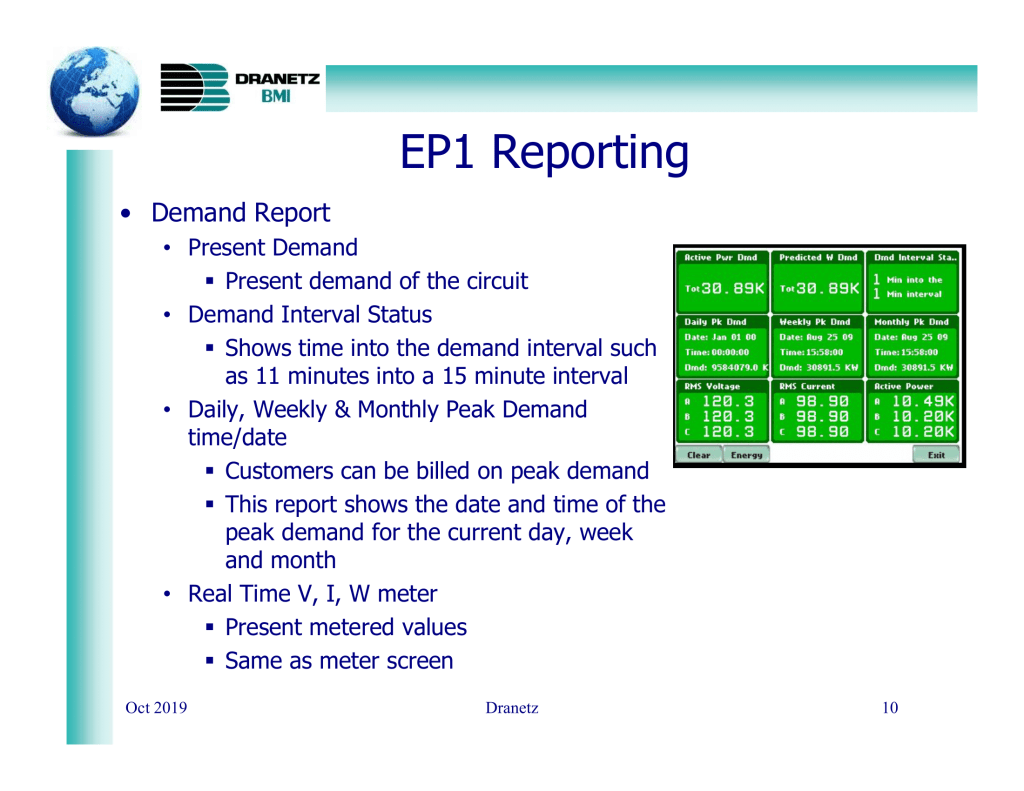
How to Conduct an Energy Audit Using the Energy Platform EP1

dranetz
.

White Paper

Introduction

Sophisticated energy analyzers introduced in the 80s were able to trend and record energy usage and help identify when, where, and how much electrical energy was being used. However, due to limited user-interface capabilities, these analyzers printed to paper tape and tended to be complex to operate. At that time, the cost of an energy analyzer was approximately $5,000, which translates to well over $10,000 today. For these reasons energy audits and surveys were limited to medium to large industries that could justify the investment in the instruments as well as the time necessary to conduct the surveys and analyze the results.

Today’s energy analyzers are more much more powerful and cost effective. Since even low-cost analyzers include all the accessories and software needed to conduct a complete and user-friendly energy audit, energy analyzers are now within reach of companies large and small who need to manage their ever-rising energy costs.

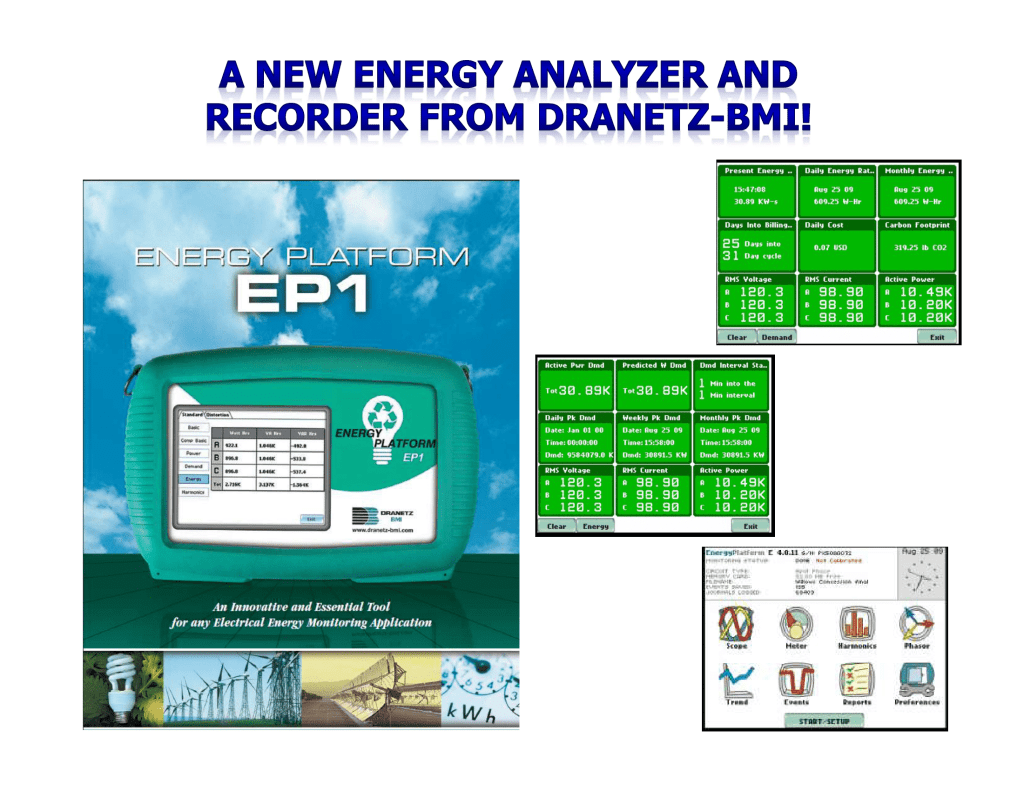
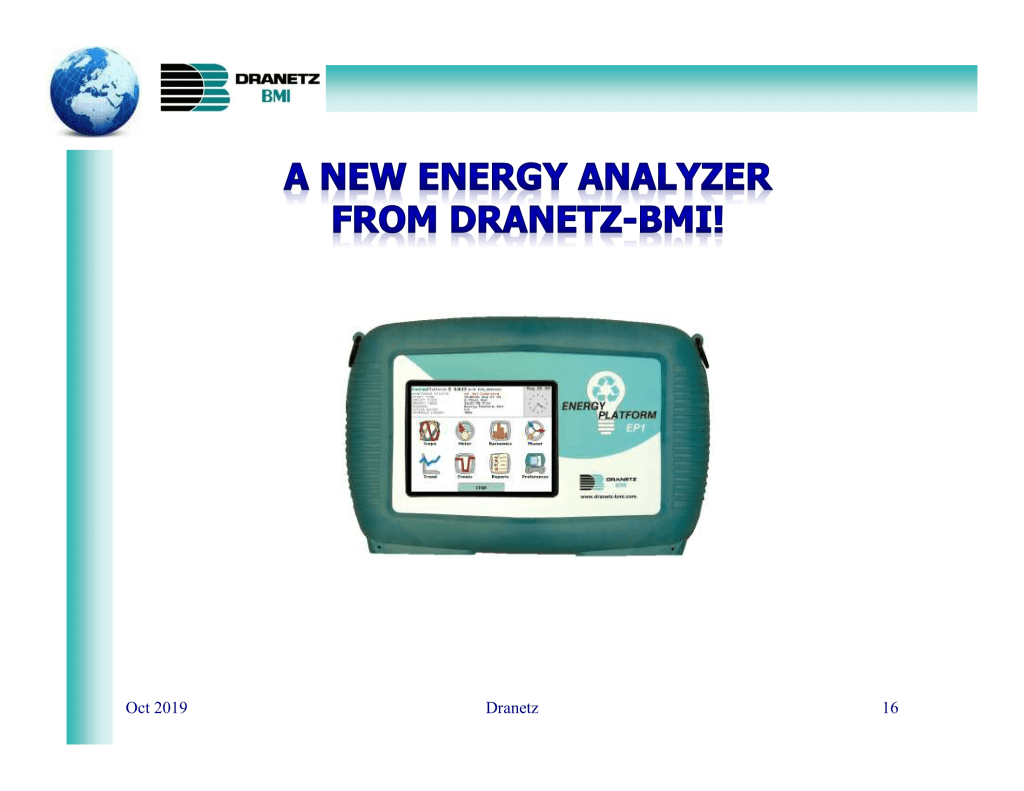
The new Energy Platform EP1 from Dranetz offers a combination of benefits that balances the requirements of cost, functionality, and ease of use. Starting at under $3,000, the EP1 enables users to conduct a full-featured energy survey and produce easy to understand reports that clearly present audit results.

How to Conduct an Energy Audit Using the Energy Platform EP1_figure
Energy Platform EP1

Knowing What to Measure

Energy audits come in many forms and can range from simple applications that monitor a single device or machine, to complex monitoring of an entire campus – and anything in between. The typical objective is to measure the electrical usage at one or more point with the goal of understanding how much electricity is being used, and when and where it is being used. This comprehensive snapshot is necessary for taking action to reduce energy consumption, such as employing more efficient lighting and motors, etc., or finding simple solutions, such as turning off lights.

Regardless of a facility’s energy load, most energy audits have much in common. The most important parameters to measure when analyzing electrical energy are typically voltage (V), current (I), watts (W), volt-amperes (VA), volt-amperes reactive (VAR) and power factor (PF). Recorded over time, these basic parameters can provide the necessary information of an energy profile.

Voltage and current measurements are used as the basis to compute the other parameters. The parameters can be viewed instantaneously by a variety of instruments, but the key benefit of using an energy analyzer is its ability to record and trend parameters over time. Energy analyzers also compute the demand and energy that utilities use for billing.

Energy, which is usually measured in Kilowatt-hours (kWh), is the accumulated usage of electricity over the time it is measured. (Comparing energy to water flow, measuring energy would be analogous to measuring gallons per hour.) Demand, which is usually measured in Kilowatts (kW), is the average power used during an interval that is typically set by the utility at 10 or 15 minutes. These very same parameters are measured by the electric utility as the basis for determining energy costs.

Selecting Energy Analyzers

What an energy-measuring instrument measures and computes is important — but how it measures can be critical. For example, some low-resolution, low-cost instruments may measure the basic parameters mentioned, but they can miss data and thereby result in false and misleading measurements.

Effective energy analyzing instruments should provide a sampling rate that is appropriate for the application and take continuous readings. Power analyzers typically specify sampling rate as the number of samples per AC (60/50Hz) cycle. This is the digitization of the analog voltage and current being measured. In general, the more samples per cycle the better, which leads to more accurate measurements and a better digital representation of the measured data.

When choosing an energy analyzer, users must choose a unit that can measure more than just the basic power parameters. In addition to what’s displayed in Figure 1, many more advanced parameters may be required to also help understand the quality of the electrical supply, including: voltage and current total harmonic distortion (THD), crest factor (CF), transformer derating factor (TDF), crest factor (CF). Additionally, with the advent of alternative energy applications, parameters such as forward and reverse energy that record the flow of power to and from the grid are often required.

The EP1 offers continuous measurements, which means every AC cycle is measured with no gaps. The EP1 is the only instrument on the market that can offer all key measurement parameters. The analyzer has the ability to provide currently needed measurements as well as additional features to meet your needs as requirements evolve. This analyzer is also the industry leader in sampling at 256 samples per cycle. In comparison, lower-priced energy analyzers have dead time between measurements, some in the order of seconds, which can lead to missed data and inaccurate measurements.

How to Conduct an Energy Audit Using the Energy Platform EP1_figure1
.Figure 1. The EP1 can measure advanced parameters beyond the basic power parameters displayed above.

Making Instrument Connections

Properly connecting an energy analyzer is essential; especially with the complex three-phase circuits that are most common in industry. Proper voltage and current connections to the circuit are necessary for proper readings, so it is important to make the proper connections prior to taking the survey.

When making instrument connections it cannot be stressed enough to closely follow all appropriate safety procedures and manufacturer’s instructions. Such circuit connections can pose a danger and only qualified personnel should make instrument connections.

To measure the total power of a circuit, the energy analyzer computes the power in each phase before it totalizes all of the phases. A wattmeter in the instrument measures each phase, although the total number of wattmeters required varies by circuit type. The industry norm for this procedure is based on Blondel’s Theorem, which says that in order to measure the total power of a circuit, N-1 wattmeters are needed, with N being the total number of wires. A wattmeter requires both a voltage and current circuit connection and measurement. Voltage is the potential between two points and is always measured between a “hot” wire and a reference, with the most common reference, when available, being Neutral. Voltage is usually connected directly to the circuit in Low Voltage (LV) systems without the use of potential transformers (PTs) or transducers. It is important to make sure the analyzer can safely measure the voltage levels in use.

Current is usually measured using transducers called current transformers (CTs). CTs are available in many types ranging from rigid clamps to very adaptable Flex CTs. Regardless of the type used, it is necessary that the CT is sized for the application and has a current range appropriate to the current flowing through the circuit. As a rule, Dranetz CTs are specified to operate in the range of 10% to 100% of their full scale. A 500A CT (TR2500) has a range from 50A to 500A. It is important to assure that the current being measured falls in this range, otherwise the measurements may be inaccurate. Each CT will have an arrow or other indicator showing the direction of current flow. All CT connections must have the arrow in the same direction and pointing towards the load.

Connecting the analyzer depends on the circuit type. A single-phase circuit has two wires (L, N), so according to the (N-1) approach, it requires one wattmeter. A split (2) phase has three wires (L1, L2, N) and requires two wattmeters. There are two common types of three-phase circuits, Wye and Delta with the difference being the reference used for measurements. A Wye circuit is the simplest using Neutral as the measurement reference. A Wye circuit has four wires (A, B, C, N) and requires three wattmeters. Delta, having only three wires (A, B, C) is more complex since there is no Neutral or other fixed measurement reference. Following the typical procedure, two wattmeters are required and one phase is chosen as the reference, with phase C being the most common choice, as shown in Figures 2a and 2b.

The EP1 can directly connect to any circuit operating at 600VAC/DC or less. Medium voltage (MV) or high voltage (HV) circuits will require a PT or other voltage transducer to safely step down the voltage below 600VAC and into the measurement range of the instrument.

The EP1 makes circuit connections easy for the user by providing on-screen diagrams showing how to properly connect the instrument. Buttons that allow the user to view Scope and Phasor displays are available to help determine connection problems or meter the circuit in real time. By simply following the diagram for proper voltage and current connections, the EP1 will provide the user with onscreen feedback to determine if the analyzer is connected properly.

It is also able to automatically detect the circuit type to simplify settings. For example, the EP1 screen shot in Figure 2a illustrates when it is connected to a Wye circuit. The image shows the circuit type automatically detected as “3 Phase Wye” and shows the voltage and current connections are “OK.” The screen capture in Figure 2b shows that the circuit type manually changed to “3 Phase 2-Watt Delta” is incorrect, which is indicated by the “Mismatch” indicators in red.

How to Conduct an Energy Audit Using the Energy Platform EP1_figure2a
Figure 2a. Determining the connections for an energy analyzer. (3-phase WYE circuit shown)

How to Conduct an Energy Audit Using the Energy Platform EP1_figure2b
Figure 2b. Determining the connections for an energy analyzer. (3-phase DELTA circuit shown)

EP1 Setup and Configuration

Once the analyzer is connected it must be configured properly for the application. As mentioned previously, proper wiring configuration is essential since this information tells the analyzer how it is connected and how to totalize the power. Beyond wiring configuration, other required analyzer settings are usually dependant on the analyzer’s capabilities, with each manufacturer having different requirements.

As shown in Figure 3a, the EP1 not only provides a rich feature set, it is also quick and easy to set up. First, is an automatic setup that requires virtually no user programming. The user simply selects “Automatic Setup” from the Start/ Setup button on the main page and the EP1 will sense the wiring configuration, nominal voltage and current, and set itself up using industry-standard settings. The user only has to select the CTs being used, which are easily chosen from an onscreen list. Once this is done and “OK” is pressed the analyzer is up and running. All parameters available in the EP1 will be recorded and trended automatically and will be monitoring correctly when unattended. The EP1’s 4GB compact flash (CF) removable memory, the largest available, allows for ample storage for even the longest of surveys— even in situations with recurring triggers that would fill the memory of most other instruments and render them useless.

How to Conduct an Energy Audit Using the Energy Platform EP1_figure3a
Figure 3a. The EP1 enables quick and easy set up.

For more advanced users, the EP1 has a Wizard setup that provides a step by step setup process for customized settings (Figure 3b). The wizard guides the user though all the steps necessary to configure the instrument, including: current probe selection, wiring configuration, trigger limits, demand/trending intervals, memory card formatting and file naming. It also allows the billing rate and carbon footprint constant from the utility to be entered. Onscreen prompts describe each setting and allows information to be entered using the color touch screen by simply touching the parameter of interest, selecting the enable box, and typing in the high, low and other limits. Once completed, the EP1 can save the settings as a template for future use.

How to Conduct an Energy Audit Using the Energy Platform EP1_figure3b
Figure 3b. The EP1 provides advanced set-up options that can be customized.

The Survey

Details of the survey can vary greatly according to the application. The goal of an energy audit is usually to determine the energy profile of the system being monitored. Regardless of application, it helps to know some of the information about what is being monitored, such as the type of load, process or facility. These details are essential for determining the duration of the energy survey.

To obtain a complete picture of the energy profile, it is recommended that several business cycles of the load being audited is monitored. For example, an industrial process that cycles (start to finish) every 15 minutes may only need monitoring for approximately an hour to capture multiple cycles and to find out what is usual or typical for that load. An office building cycling on a 24- hour basis may require a much longer survey, such as a week or more, to determine a typical energy profile. A survey replicating a utility bill may require monitoring for multiple utility billing cycles over several months.

Reporting and Results

All energy analyzers should provide the ability to summarize and report the result of an energy survey, but the range of capabilities and flexibility vary widely. Reporting requirements will vary greatly by application, with some requiring very little detail while others may require formal reports on a client’s company letterhead.

The EP1 analyzer’s color touch screen provides a user-friendly means of displaying energy information. Figure 4a depicts a two-week demand trend from a light manufacturing facility. As shown in this example, the user can choose any parameter to trend over time or review event lists with details of triggers that have occurred. Figure 4b shows the EP1’s color-coded alarm panel indicating trigger conditions that have been recorded during the monitoring session. A green square mean no alarm or trigger conditions have been met for that parameter. Yellow means a trigger condition alarm has occurred while the red squares indicate a severe trigger has been met. The panel on the EP1 provides significant time savings and an easy-to-read visual interface as part of the survey database. Without this alarm panel, users would have to review trends and lists of events to determine what triggers have been recorded.

How to Conduct an Energy Audit Using the Energy Platform EP1_figure4a
Figure 4a. EP1 can display the demand trend during desired period.

How to Conduct an Energy Audit Using the Energy Platform EP1_figure4b
Figure 4b. The combination of the EP1 and its report writing software EPRW provides a powerful set of reporting tools.

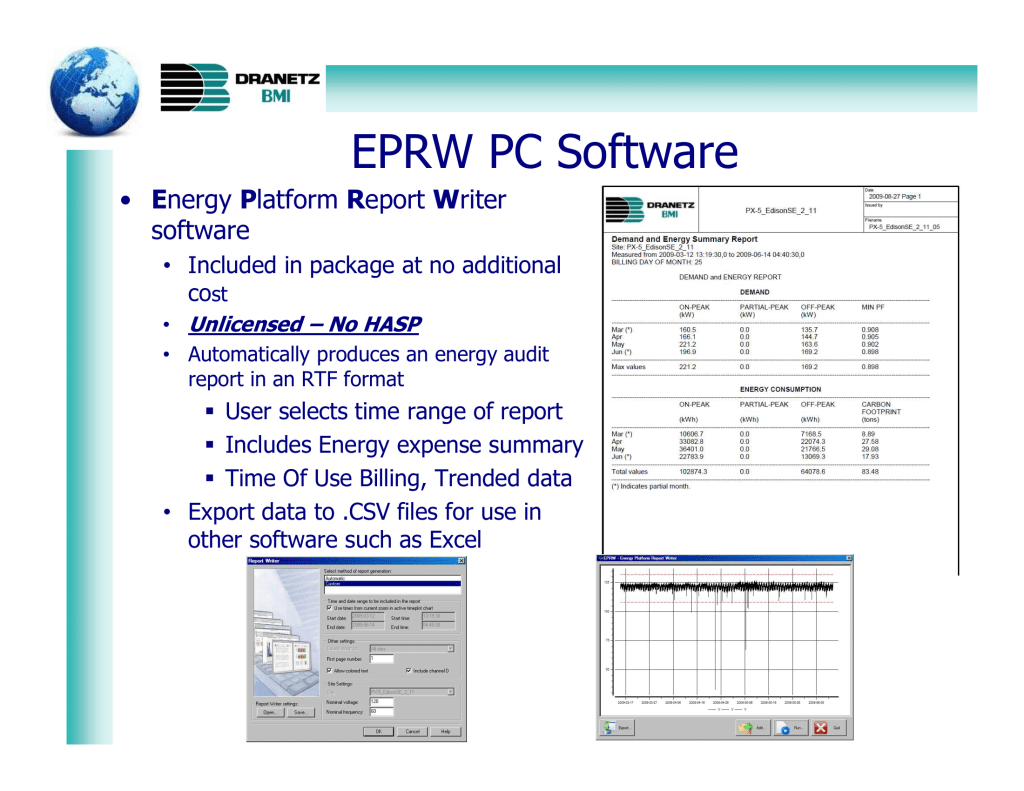
Many applications require advanced PC-based reporting for email or printing. In addition making it easy to review data, the EP1 package includes Energy Platform Report Writer software (EPRW) that enables quick and easy reporting and includes a built-in energy audit report. EPRW’s reports can be printed directly or saved in a standard (.rtf) format for simple annotating, editing and emailing.


How to Conduct an Energy Audit Using the Energy Platform EP1_figure5a
.

How to Conduct an Energy Audit Using the Energy Platform EP1_figure5b
Figure 5. EPRW software enables printed or electronic reports.

The EP1’s EPRW software significantly augments the capabilities of the EP1 by providing advanced reporting tools and the ability to export data to other software. EP1 data is recorded to a removable compact flash (CF) memory card. Once the CF card is brought to a computer, EPRW can read the data directly from the card or anywhere else it is stored and is accessible by the computer.

EPRW provides the ability to include or exclude trending of any parameter in the audit report. It also can take this data and produce an easy to read energy audit report. During reporting setup, the user simply enters the utility’s time of use information (i.e., on peak, off peak, partial peak) and the associated costs for demand and energy charges. EPRW then produces an energy audit report showing the critical information needed in most energy surveys: how much energy has been used, when it has been used and the cost. A carbon footprint calculator is also included.

For more advanced requirements, the EP1 data can also be viewed using DranView PC software (optional). DranView provides advanced reporting and statistical analysis and allows EP1 data to be used in parallel with data taken with more costly power quality analyzers.

How to Conduct an Energy Audit Using the Energy Platform EP1_figure5c
.

Conclusion

The Energy Platform EP1 package has many features derived from more advanced power quality analyzers from Dranetz. Even at a competitive price, the EP1 provides a color touch screen, automatic setups, large 4GB memory, and alarm reports, to name just a few. The EP1 is an affordable, yet powerful tool for any energy or power monitoring, large or small.

An Investigation on the Validity of Power-Direction Method for Harmonic Source Determination

Published by

  • Wilsun Xu and Xian Liu, Department of Electrical and Computer Engineering, University of Alberta, Edmonton, AB, Canada
  • Yilu Liu, Department of Electrical Engineering, Virginia Polytechnic Institute and State University, Blacksburg, VA, USA

Published in IEEE Transaction on Power Delivery, Vol. 18, No. 1, January 2003

Abstract

The power-direction method has been used widely to identify the locations of harmonic sources in a power system. A number of utility-customer disputes over who is responsible for harmonic distortions have been settled with the help of the method. A closer examination of the method, however, reveals that it is unable to fulfill the task of harmonic source detection. Case studies can easily show that the method yields incorrect results. In this paper, problems associated with the method are investigated using case studies and mathematical analysis. The results show that the power direction method is theoretically incorrect and should not be used to determine harmonic source locations. The main cause of the problem is that the direction of active power flow is a function of the phase-angle difference between the two sources. The direction of reactive power flow, on the other hand, has a better correlation with the source magnitudes.

Index Terms – Harmonics, harmonic source detection, harmonic sources.

INTRODUCTION

Whenever significant harmonic voltage or current distortions are observed in a power system, it is always useful to find the sources of the distortions. Correct identification of harmonic source locations is essential for designing effective harmonic mitigation means and for determining the responsibility of the parties involved. The most common situation that needs harmonic source detection is to resolve the disputes over who is responsible for harmonic distortions at the point of common coupling between a utility and a customer or between two customers. The most common method for harmonic source detection is the power direction method. This method checks the direction of harmonic power flow. The side that generates harmonic power is considered to contain the dominant harmonic source or to have a larger contribution to the harmonic distortions observed at the measurement point. This method is apparently sound and has been used in industry as a tool for many years [1], [2]. A number of power quality monitors have included it as a key product feature. However, we have found concrete proofs that the method is not suitable for harmonic source detection. The method has been found theoretically incorrect. In this paper, problems associated with the method are investigated using case studies and mathematical analysis. Causes of the problem are identified. In addition, this paper proposes superposition-based indices to quantify the contributions of harmonic sources.

POWER DIRECTION METHOD

The harmonic source detection problem can be explained with the help of Fig. 1. In this figure, the disturbance sources are the customer harmonic source Power-Direction Method for Harmonic Source Determination_Ic and the utility harmonic source Power-Direction Method for Harmonic Source Determination_Iu. Power-Direction Method for Harmonic Source Determination_Zc and Power-Direction Method for Harmonic Source Determination_Zu are the harmonic impedances of the respective parties. The circuit is applicable to different harmonic frequencies (the values will be different). The task of harmonic source detection is to determine which side contributes more to the harmonic distortion at the PCC, subject to the constraint that measurements can only be taken at the PCC.

To determine which side causes more harmonic distortion at the harmonic order h, the power direction method first measures voltage and current at the PCC and then calculates the following harmonic power index:

Power-Direction Method for Harmonic Source Determination_math1

where Power-Direction Method for Harmonic Source Determination_Vpcc and Power-Direction Method for Harmonic Source Determination_Ipcc are the harmonic voltage and current at the PCC for a particular harmonic number. Since this paper deals with one harmonic at a time, the subscript h that represents harmonic number h will be omitted throughout the paper to avoid excessive subscripts. The direction of P is defined as from U side to the C side. Conclusion of the power direction method is the following.

  • If P > 0, the U side causes more hth harmonic distortion.
  • If P > 0, the C side causes more hth harmonic distortion.

Power-Direction Method for Harmonic Source Determination_figure1

Fig. 1. Problem of harmonic source detection.

QUANTITATIVE HARMONIC CONTRIBUTION INDICES

While the power direction method could be intuitively sound, the term “causing more harmonic distortions” is vaguely defined. There is a need to be more precise on this term so that the effectiveness of any harmonic source detection methods can be assessed. To this end, the principle of superposition is applied to the hth system shown in Fig. 1 [3]. According to the principle, the contribution of each source to the hth harmonic current Power-Direction Method for Harmonic Source Determination_Ipcc can be determined according to Fig. 2 and the following equations:

Power-Direction Method for Harmonic Source Determination_math2

where Power-Direction Method for Harmonic Source Determination_Iu-pcc and Power-Direction Method for Harmonic Source Determination_Ic-pcc are the contributions of respective sources to the PCC current. Again, all quantities in Fig. 2 and (2) refer to a particular harmonic, the hth harmonic. The equations shown before are phasor equations. There are still some ambiguities to define harmonic contributions since (2c) is a phasor summation. A more precise method is to decompose Power-Direction Method for Harmonic Source Determination_Ipcc into two scalar components as shown in Fig. 3 and (3) [4]

Power-Direction Method for Harmonic Source Determination_math3

where Power-Direction Method for Harmonic Source Determination_Iuf is the projection of Power-Direction Method for Harmonic Source Determination_Iu-pcc onto Power-Direction Method for Harmonic Source Determination_Ipcc, and Power-Direction Method for Harmonic Source Determination_Icf is the projection of  Power-Direction Method for Harmonic Source Determination_Ic-pcconto Power-Direction Method for Harmonic Source Determination_Ipcc . Thus Power-Direction Method for Harmonic Source Determination_Ipcc, is the algebraic summation of two scalar components, one due to customer harmonic source and the other due to utility source. For example Power-Direction Method for Harmonic Source Determination_Iuf, if is equal to 3 A and Power-Direction Method for Harmonic Source Determination_Icf is equal to 7 A, Power-Direction Method for Harmonic Source Determination_Ipcc the current is 10 A. One can say that the customer’s contribution is 70%.

Both Power-Direction Method for Harmonic Source Determination_Icf and Power-Direction Method for Harmonic Source Determination_Iuf are scalars and can have opposite signs. If they have the same sign, the customer and utility harmonics add up to form Power-Direction Method for Harmonic Source Determination_Ipcc. If they have opposite signs, the negative one has the effect of reducing the harmonic flow at PCC. We believe that the Power-Direction Method for Harmonic Source Determination_Icf and Power-Direction Method for Harmonic Source Determination_Iuf indices accurately characterize the contributions of respective harmonic sources to the PCC current. They are used in this paper to refute the validity of the power direction method.

Power-Direction Method for Harmonic Source Determination_figure2

Fig. 2. Determination of harmonic source contributions for hth harmonic.

Power-Direction Method for Harmonic Source Determination_figure3

Fig. 3. Decomposition of Power-Direction Method for Harmonic Source Determination_Ipcc of the hth harmonic into two components.

A similar index can be defined from the voltage distortion perspective. The contribution to voltage distortions at PCC by each harmonic source can be determined as follows

Power-Direction Method for Harmonic Source Determination_math4

Again, the phasors Power-Direction Method for Harmonic Source Determination_Vu-pcc and Power-Direction Method for Harmonic Source Determination_Vc-pcc  need to be projected onto the Power-Direction Method for Harmonic Source Determination_Vpcc axis to provide scalar harmonic contribution indices. The process is similar to what has been applied to the current indices.

SAMPLE TEST RESULTS

The validity of the power direction method can be tested with the following simple experiment:

1) Select a set of practical Power-Direction Method for Harmonic Source Determination_Ic, Power-Direction Method for Harmonic Source Determination_Iu, Power-Direction Method for Harmonic Source Determination_Zc and Power-Direction Method for Harmonic Source Determination_Zu data that correspond to any particular harmonic number. In this paper, we chose the following case:

Power-Direction Method for Harmonic Source Determination_math_sampletest

Let the phase angle of Power-Direction Method for Harmonic Source Determination_Icvary from 0° to 360° . Phase angle of Power-Direction Method for Harmonic Source Determination_Iu is set to 0° as a reference.

2) Check the correlation between the power direction index and the superposition indices. If the power direction method was correct, the following condition should always hold:

Power-Direction Method for Harmonic Source Determination_math5

Fig. 4 shows the results. The figure depicts the variation of normalized harmonic power P, current Power-Direction Method for Harmonic Source Determination_Ipcc, and its components Power-Direction Method for Harmonic Source Determination_Iuf and Power-Direction Method for Harmonic Source Determination_Icf with respect to the phase angle of Power-Direction Method for Harmonic Source Determination_Ic. The normalization divides the currents and power by their respective maximum values so that they reside between the range of -1 to +1 and can be easily plotted in one chart for comparison. It can be clearly seen from the figure that the condition shown before (5) does not always hold true. For example Power-Direction Method for Harmonic Source Determination_Icf, is always greater than Power-Direction Method for Harmonic Source Determination_Iuf and C the side should be considered as the main harmonic current contributor. The harmonic power, on the other hand, can flow in either direction. When the angle is greater than 190° , the power direction contradicts to the principle of superposition. There is an approximate 50% chance that the contradiction can occur. Fig. 5 is a practical case that can create a situation where the phase angle between Power-Direction Method for Harmonic Source Determination_Iu and Power-Direction Method for Harmonic Source Determination_Ic is far apart. Since there is no guarantee that the phase angle between Power-Direction Method for Harmonic Source Determination_Iu and Power-Direction Method for Harmonic Source Determination_Ic resides in a certain range, one can conclude that the power direction method is unsuitable for harmonic source detection.

Test results are also obtained for the voltage distortion index defined in (4). The results are shown in Fig. 6. It is noted that, according to the voltage superposition index, the C side contributes more to the PCC voltage distortion. This conclusion applies to all customer current angles. The power direction index, however, changes sign when the current angle is between 190° and 340° . The contradiction between the two indices is obvious.

Power-Direction Method for Harmonic Source Determination_figure4

Fig. 4. Correlation between the power direction and current superposition indices.

Power-Direction Method for Harmonic Source Determination_figure5

Fig. 5. A practical case that can cause large phase-angle difference betweenPower-Direction Method for Harmonic Source Determination_Iu andPower-Direction Method for Harmonic Source Determination_Ic .

Power-Direction Method for Harmonic Source Determination_figure6

Fig. 6. Correlation between the power direction and voltage superposition indices.

MATHEMATICAL ANALYSIS

Figs. 4 and 6 can be produced easily for many test cases. The evidence against the power direction method is overwhelming. This finding is also supported by the results shown in [5] and [6]. In this section, we try to demonstrate mathematically that the contradiction does exist. The sources of the contradiction are also identified and explained.

DC Circuit Case

The first case is a general dc circuit shown in Figs. 7 and 8. Although the actual harmonic source detection problem involves ac circuits, the dc circuit case can reveal key characteristics of the power direction method. A dc circuit is much simpler to analyze since there is no phasor involved. The dc case can also be considered a special ac case where the system has resistances only and the harmonic sources have the same phase angle.

Power-Direction Method for Harmonic Source Determination_figure7

Fig. 7. DC circuit to demonstrate the power direction method (Power-Direction Method for Harmonic Source Determination_Iu andPower-Direction Method for Harmonic Source Determination_Ic oppose each other).

Power-Direction Method for Harmonic Source Determination_figure8

Fig. 8. DC circuit to demonstrate the power direction method (Power-Direction Method for Harmonic Source Determination_Iu andPower-Direction Method for Harmonic Source Determination_Ic add up).

The PCC voltage and current of the circuit can be determined as follows:

Power-Direction Method for Harmonic Source Determination_math6

Since the voltage is always positive, the condition for the power ( =VI) to flow from U side to C side is I > 0 or

Power-Direction Method for Harmonic Source Determination_math7

On the other hand, the superposition current index shows that if

Power-Direction Method for Harmonic Source Determination_math8

or

Power-Direction Method for Harmonic Source Determination_math9

holds, the U side contributes more current than the C side. Equations (7) and (9) are therefore consistent, which implies that the power direction method works well in this case. If the customer current Power-Direction Method for Harmonic Source Determination_Ic changes polarity as shown in Fig. 8, however, the current I becomes positive all of the time. The condition for the power to flow from U side to C side is V > 0, or

Power-Direction Method for Harmonic Source Determination_math10

[based on Equation (6b)]. The condition for Power-Direction Method for Harmonic Source Determination_Iuf > Power-Direction Method for Harmonic Source Determination_Icf is still the same as that shown in (9). This equation does not always agree with (10), depending on the relative size of Power-Direction Method for Harmonic Source Determination_Ru and Power-Direction Method for Harmonic Source Determination_Rc. Therefore, a mathematical proof has been found to show that there is a contradiction between the power direction method and the superposition method. Another conclusion drawn from the analysis is that the polarity (or phase) difference between the two sources has more influence on the direction of power flow than that caused by their magnitude difference.

AC Circuit with Reactance Only

The second case is an ac circuit shown in Fig. 1. To simplify the analysis, the impedances are assumed to contain imaginary parts only. The circuit corresponds to a particular harmonic frequency. Following the classic power-angle equation for two source ac circuits, the power flowing from U side to C side can be determined as:

Power-Direction Method for Harmonic Source Determination_math11

where Power-Direction Method for Harmonic Source Determination_Eu=XuIu and Power-Direction Method for Harmonic Source Determination_Ec=XcIc are the open circuit hth harmonic voltages of the U and C sides, respectively. δ is the phase-angle difference between utility and customer side hth harmonic current sources. The significance of this equation is the following: the direction of power is controlled by δ, the phase-angle difference between two harmonic sources.

For the superposition-based current index, we want to show at first that condition Power-Direction Method for Harmonic Source Determination_Ic-pcc > Power-Direction Method for Harmonic Source Determination_Iu-pcc implies Power-Direction Method for Harmonic Source Determination_Icf > Power-Direction Method for Harmonic Source Determination_Iuf. According to Fig. 3 and the well-known triangular formula, the superposition currents Power-Direction Method for Harmonic Source Determination_Iu-pccand Power-Direction Method for Harmonic Source Determination_Ic-pcc can be determined as follows:

Power-Direction Method for Harmonic Source Determination_math12

Therefore

Power-Direction Method for Harmonic Source Determination_math13

Subtracting the above two equations yields

Power-Direction Method for Harmonic Source Determination_math14

This equation shows that if Power-Direction Method for Harmonic Source Determination_Ic-pcc > Power-Direction Method for Harmonic Source Determination_Iu-pccis satisfied, Power-Direction Method for Harmonic Source Determination_Icf > Power-Direction Method for Harmonic Source Determination_Iuf will be true. Note that this is a general conclusion. It does not rely on the assumption of the impedances having imaginary parts only. In the following step, the relationship between the superposition currents and the source currents is determined. The principle of superposition shows:

Power-Direction Method for Harmonic Source Determination_math15

The condition for Power-Direction Method for Harmonic Source Determination_Icf > Power-Direction Method for Harmonic Source Determination_Iuf or Power-Direction Method for Harmonic Source Determination_Ic-pcc > Power-Direction Method for Harmonic Source Determination_Iu-pccto hold becomes

Power-Direction Method for Harmonic Source Determination_math16

The condition just mentioned is not related to phase-angle , while (11) is. The power direction index is therefore inconsistent with the current superposition index. Hence, the invalidity of the power direction index has been demonstrated analytically. The same process can be used to show the inconsistency between the power index and voltage-based superposition index.

It is common knowledge for power engineers that the phase angles of bus voltages mainly affect the flow of active power while the magnitudes of bus voltages mainly affect the flow of reactive power. One would, therefore, wonder if the direction of reactive power could indicate the relative size (i.e., magnitudes) of two harmonic sources. This question can be analyzed by examining the reactive power flowing out of source

Power-Direction Method for Harmonic Source Determination_math17

Where δ is the phase-angle difference between the two sources. Since cos δ is always less than 1 and if Power-Direction Method for Harmonic Source Determination_Xu+ Power-Direction Method for Harmonic Source Determination_Xc> 0, condition Power-Direction Method for Harmonic Source Determination_Eu > Power-Direction Method for Harmonic Source Determination_Ec automatically implies that the direction of reactive power is from U side to the C side. In other words, the direction of reactive power can be used as an (necessary but not sufficient) indicator to determine which side has a larger voltage source. The reason that the indicator is not a sufficient one is because the reactive power can still flow from U side to the C side if Power-Direction Method for Harmonic Source Determination_Ec is greater than Power-Direction Method for Harmonic Source Determination_Eu but Power-Direction Method for Harmonic Source Determination_Eccos δ is less than Power-Direction Method for Harmonic Source Determination_Eu . The phase-angle δ , therefore, plays an important role in this case as well. Despite this restriction, the direction of reactive power is still a more reliable indicator than the direction of active power in this case. Another important prerequisite for using the direction of reactive power as a harmonic source locator is Power-Direction Method for Harmonic Source Determination_Xu+ Power-Direction Method for Harmonic Source Determination_Xc> 0. While this condition is generally true at the fundamental frequency, it may not be true at the harmonic frequencies. This is the main problem associated with the reactive power direction method.

AC Circuit with Resistances Only

It is interesting and important to examine the hypothetical case where the system and customer impedances are entirely resistive, namely, Power-Direction Method for Harmonic Source Determination_Zu=Power-Direction Method for Harmonic Source Determination_Ru and Power-Direction Method for Harmonic Source Determination_Zc=Power-Direction Method for Harmonic Source Determination_Rc. In this case, the branch resistance consumes power. The amount and direction of the active power flowing on the branch are dependent on the location of measurement. To simplify the problem, we first consider the power generated or absorbed by harmonic source Power-Direction Method for Harmonic Source Determination_Eu, as shown in Fig. 9. For this case, the power flowing out of source Power-Direction Method for Harmonic Source Determination_Eu is

Power-Direction Method for Harmonic Source Determination_math18

Where δ is the phase-angle difference between the two sources. It can be seen that (18) is very similar to (17). It means that the direction of active power can be used as an (necessary but not sufficient) indicator to determine which side has a larger voltage source for the resistive circuit. The reactive power flow for this case takes the following form:

Power-Direction Method for Harmonic Source Determination_math19

This equation is very similar to (11). Comparing (11) to (19), and (17) to (18), one can conclude that the characteristics of the circuit impedance Power-Direction Method for Harmonic Source Determination_Zc + Power-Direction Method for Harmonic Source Determination_Zu determine which power P, or Q, has more bearing on the source magnitudes instead of source phase angles. If the circuit impedance is dominated by reactance, the direction of reactive power is a better indicator on the relative magnitude of the two sources. If the impedance is dominated by resistance, however, the direction of active power is a better indicator.

Power-Direction Method for Harmonic Source Determination_figure9

Fig. 9. AC circuit with resistive elements.

The second analysis deals with a general case where the metering point is the PCC. As shown in Fig. 9, the PCC voltage and current can be determined as follows:

Power-Direction Method for Harmonic Source Determination_math20

The active power flowing from U side to C side can be determined as

Power-Direction Method for Harmonic Source Determination_math21

The equation just shown reveals that the resistances Power-Direction Method for Harmonic Source Determination_Rc and Power-Direction Method for Harmonic Source Determination_Ru could have a large impact on the sign of Power-Direction Method for Harmonic Source Determination_Ppcc, or the direction of active power. We can quantify the impact by considering the special case of Power-Direction Method for Harmonic Source Determination_Eu=Power-Direction Method for Harmonic Source Determination_Ec. For this case, Equation (21) can be simplified as

Power-Direction Method for Harmonic Source Determination_math22

The equation just shown demonstrates clearly that the direction of active power P is affected by the relative size of Power-Direction Method for Harmonic Source Determination_Rc and Power-Direction Method for Harmonic Source Determination_Ru or the location of the meter. If Power-Direction Method for Harmonic Source Determination_Rc > Power-Direction Method for Harmonic Source Determination_Ru, the power flows from U side to C side, even if the two sources have the same magnitude. This analysis has revealed another impact factor, the point of measurement, which can influence the reliability of the power direction method.

CONCLUSION

The concern for power system harmonics is mainly on the distortion of sinusoidal voltage and current waveforms. Even with little harmonic power, a distorted waveform can trigger the malfunction of electronic circuits. It is, therefore, important to define the contribution of each harmonic source based on the current and/or voltage parameters. This paper proposes superposition-based current and voltage indices to quantify the contributions of harmonic sources. Using these indices, the validity of the power direction method for harmonic source determination is investigated. Both case studies and mathematically analyses have shown that the power direction method is not suitable for harmonic source detection. Main findings of this work are summarized as follows.

1) The direction of active power is mainly affected by the relative phase angle between the two harmonic sources. It has little bearing on the relative magnitude of the sources. Note that it is the source magnitudes instead of phase angles that are of main interest for the harmonic source detection problem.

2) The direction of reactive power, on the other hand, has a closer relationship to the source magnitudes. If the circuit impedance is purely reactive, the direction of reactive power is actually a necessary (but not sufficient) condition indicating one source has a larger magnitude than the other.

3) The conclusions shown above are applicable to circuits dominated by reactances. If a circuit consists of mainly resistive components, the conclusions mentioned before are reversed. Namely, the direction of active power is mainly affected by the source magnitudes and that of the reactive power by the phase angles. The implication of this conclusion is that the characteristics of the circuit impedance ( RX ratio) will affect the reliability of the active or reactive power-direction-based harmonic source detection methods.

4) The metering point or the relative size of the source and the customer impedances will also affect the direction of either active or reactive powers. This is another important factor that makes the power-direction-based methods unreliable. The (active) power direction method has been used frequently as a practical method for locating harmonic sources. This work has shown that the method does not work and there is an urgent need to develop new harmonic source detection methods.

ACKNOWLEDGMENT

The authors wish to express sincere thanks to M. B. Hughes of BC Hydro for valuable comments during the course of this work.

REFERENCES

[1] P. H. Swart, M. J. Case, and J. D. Van Wyk, “On techniques for localization of sources producing distortion in three-phase networks,” Eur. Trans. Elect. Power Eng., vol. 6, no. 6, Nov./Dec. 1996.

[2] L. Cristaldi and A. Ferrero, “Harmonic power flow analysis for the measurement of the electric power quality,” IEEE Trans. Instrum. Meas., vol. 44, pp. 683–685, June 1995.

[3] H. Yang, P. Porotte, and A. Robert, “Assessing the harmonic emission level from one particular customer,” in Proc., 1994.

[4] W. Xu and Y. Liu, “A method for determining customer and utility harmonic contributions at the point of common coupling,” IEEE Trans. Power Delivery, vol. 15, pp. 804–811, Apr. 2000.

[5] A. E. Emanuel, “On the assessment of harmonic pollution,” IEEE Trans. Power Delivery, vol. 10, pp. 1693–1698, July 1995.

[6] M. B. Marz, J. F. Witte, D. L. Williams, and P. M. Thompson, “Finding and determining the influence of multiple harmonic sources on a utility system using harmonic measurements,” in Power Quality 2000 Conf., Boston, MA, Oct. 2000.

Interaction between Grid-Connected PV systems & LED Lamps: Directions for Further Research on Harmonics and Supraharmonics

Published by

  • Tatiano Busatto, Fahim Abid, Anders Larsson and Math H. J. Bollen, Electric Power Engineering, Luleå University of Technology, Skellefteå 931 87, Sweden Email: tatiano.busatto@ltu.se
  • Gaurav Singh, Department of Electrical and Computer Engineering, Clemson University, Clemson, South Carolina 29634, USA                                              Email: gauravs@clemson.edu

Conference Paper:  16-19 Oct. 2016, Belo Horizonte, Brazil.

Published in 2016 17th International Conference on Harmonics and Quality of Power (ICHQP)

Abstract

This paper discusses different approaches to investigate the interaction through harmonics, interharmonics, supraharmonics, and light flicker, between photovoltaic (PV) inverters and LED lamps in low-voltage installations. Single grid connected power generators and electronic loads like LED lamps can be easily characterized in terms of harmonics in a given range of frequency. This subject is relatively well understood, and specific standards for measuring and restricting emissions are already established to ensure a low probability of interference. However, when connected together, source and load exhibit behavior that requires further study and understanding. This work presents a discussion serving as a guide for future work on analysis of losses and other impacts of the disturbances regarding this specific load and source interaction. The following are taken into account: the nonlinearity of LED loads and PV converters; the technologies and methods used in control; and the changes in power flow caused by load and power production variations. Index Terms  – electric power systems, power quality, harmonics, supraharmonics, solar power.

INTRODUCTION

With the constant development, the inclusion of new energy sources and consumption devices becoming increasingly complex, a broader understanding is required of the interaction between these elements and the electrical system. In this context, the use of distributed energy resources, that typically use power electronics interfaces, is increasingly being explored as a supplement and an alternative to supplying power by the large and conventional power generation plants. In addition, following the technological trend, electronic loads with different characteristics when compared to conventional loads, are pieces of the systems that bring huge gains, especially in efficiency but even in power quality. However, at the same time they may introduce new concerns regarding the power quality.

Even considering the most pessimistic forecasts for the near future, the massive presence of photovoltaic microgeneration in low-voltage systems will be a welcome reality. Along with microgeneration, we will have LED lamps present in most of the world’s households. Both PV inverters and LED lamps use high-frequency switching techniques to convert power from different stages (e.g., DC to AC or AC to DC). The reason for this is the reduction of weight and size of the equipment, as well as the increase in control possibilities. The result is more efficient and cheaper equipment compared to traditional power conversion techniques.

Currently, both power converters and electronic loads use topologies and control techniques with a certain degree of similarity. Moreover, the normal devices used in the power stage conversion, such as SCR, BJT, TRIACS, MOSFETS, and IGBTS, have a certain degree of nonlinear characteristic. When these devices are associated with active switching methods (e.g. PWM) it can result in high harmonic levels.

Apart from these two disturbance sources, often we have the presence of communication signals in the same low-voltage installation. The presence of these signals introduces additional frequency components, making the analysis of all influences even more complex. It is known, for example, that equipment that uses Power Line Communication (PLC) connected to a “clean” supply, the currents in the frequency range 9 – 95 kHz flow mainly between neighboring devices, not between the devices and the grid [1]. Thereby, the sources of this emission and the propagation of the emission at different power levels and frequencies is currently a subject of further investigation.

This context serves to demonstrate the need for in-depth studies on the interaction between power sources, loads and communication systems. These parts should be studied individually for characterizing their emissions, followed by further study where different devices are arranged together to study the interaction between them.

This work addresses the power quality issues that are specific to low-voltage installations with LED lamps and PV converters. In this respect, the work will treat the impact of light flicker, harmonics, interharmonics, and supraharmonics in low-voltage installations in the presence of such equipment. A brief description of these power-quality issues will be given in Section II. Some of these issues are a relatively new trend of studies and some guidance to the future research has already started as presented in [2] and [3]. This kind of research brings forward big challenges, especially because it is necessary to explore the interaction between equipment with non-linear response, low predictability, and often with variations dependent on the momentary weather. This paper gives an overview of the state of the art and the required direction of future research for three aspects of the interaction between PV inverters and LED lamps: the emission from PV inverters and LED lamps (Section III); the susceptibility of PV inverters and LED lamps to voltage disturbances (Section IV); and the propagation of those disturbances between the different devices (Section V). At the end, conclusions are presented.

POWER-QUALITY ISSUES

According to recent studies [4], [5], [6], the use of PV inverters and LED lamps can affect the efficiency of the power system and, furthermore, cause reduction in efficiency and lifetime of end-user equipment. There is still a lack of understanding regarding the interaction between these devices. Considering this scenario, based on expert opinions expressed in [2] initially the following power-quality issues are to be analyzed:

1) Harmonics and interharmonics (freq. below 2 kHz);

2) Supraharmonics (freq. between 2 and 150 kHz);

3) Light Flicker.

The first issue, although research and development on this has been going on for decades, still deserves attention, mainly due to the extensive use of regulated power supplies which use high-frequency switching devices. Such devices have the opportunity to limit harmonic emission, but they also may complicate the issue and result in emission at frequencies that used to be rather free from emission. Modern power supplies almost exclusively use techniques in which the current drawn by the power supply is not sinusoidal [7]. As LED lamps contain various types of power supplies, this subject should be explored in a wider sense.

The second issue refers to one of the most recent concern about power-quality. Supraharmonics became an important subject for researchers and some relevant works has already been conducted. According to Lundmark in [8], the main reason for the rise of this concern is the proliferation of converters using active switching, resulting in an increase of the levels of emission in the frequency range 2 to 150 kHz. An interesting point is that there is a connection between harmonics and supraharmonics, albeit a mainly non-technical connection. An example that can illustrate this is the fact that IEC 61000-3-2 puts limits on harmonic emission for lamps larger than 25W. The most commonly used technique to solve this is the use of active power factor correction that solves the problem of harmonics emission at the lower frequencies, but it will create more emission in the higher frequency range. So, the result of the standardization is a move of the emission from the harmonic range to the supraharmonic range.

The presence of high levels of harmonics, interharmonics, and supraharmonics in the grid, has a number of consequences. Harmonic voltage distortion at the terminals of equipment (like LED lamps and PV inverters) can have a number of adverse consequences:

  • a reduction in performance or an increase in losses;
  • a reduction in life length, often due to the forming of hot spots;
  • interference with the performance of the device, e.g. when the control system gets confused by the appearance of multiple zero crossings.

Harmonic currents could have adverse impacts on series components in the grid, like transformers. It should also be mentioned that, where it concerns low order harmonics, the voltage and current distortion levels are very much under control in most public networks. Interference for harmonics is therefore very rare. The main issue is instead for network operators to keep the harmonic voltages within regulatory or internal limits and for customers to keep the harmonic currents within limits.

For interharmonics and supraharmonics there are no regulatory limits and almost no applicable limits in standards, making that the discussion is still very much on the actual and expected impact on equipment.

The last of the three issues mentioned before is related to flicker in LED lighting. With incandescent lamps, light flicker is due to fast variations in rms voltage. For fluorescent lamps, also interharmonics around triplen harmonics can result in light flicker. For LED lamps, the light flicker issue becomes even more complicated. According to [9], LED lighting sometimes shows flicker at frequencies that may induce biological human response. Different types of waveform distortion in the harmonic and suprahamonic range can cause flicker for LED lamps. It will depend on the design of the circuitry, where the harmonic content of this flicker may vary from being unnoticeable to being highly disturbing to a human observing. In the next section, we begin the discussion about the emission of these power quality disturbances.

EMISSION

To start the discussion on this issue, we ask the following question: how does the power electronics in the PV inverters and LED lamps impact the harmonics, interharmonics and supraharmonics in the current?

Similarly to the work conducted by Larsson et al. in [10] on fluorescent lights, one suggestion to address this issue is first to measure and quantify the emission that LED lamps and PV inverters introduce at the device terminals, individually.

Earlier papers, [11] and [12], have presented the emission from both lamps and inverters. The large number of different types on the market makes that a systematic measurement approach is needed, involving a large number of types.

A collection of different LED lamps and PV inverters must to be evaluated covering a wide range of technologies. The results of the measurements should be presented and analysed both in the time and frequency domain, providing a thorough understanding of magnitudes and frequencies involved. In parallel, it is necessary to study the topology design, correlating the frequencies found from the individual measurements with the differences in technology between the devices. This includes the evaluation of Active Power Factor Correction (APFC) features, switching stages, rectifier diodes, bulk capacitors, and EMC filter present in some kinds of equipment. It is important to point out that, given the wide variety of lamps and inverters on the market, some stages are sometimes minimized or even ignored by some manufacturers. This is the case for example of EMI filters in LED lamps, which some lamps are not equipped with [11]. In addition, the influence of source impedance has to be evaluated, as equipment in compliance with the EMC standards may still show high emission when the impedance deviates from the reference impedance used for the compliance test. Regarding inverters, some work has been carried out already. As an example, we can cite the work conducted by Wang et al. in [13], where it is concluded that harmonic emission from PV inverters depends on their operating conditions. If the output power is reduced, more harmonics will be emitted. With a reduction in reduced power from 1515W to 116W, the voltage THD increased from 3.65% to 18.13%. When expressed in Ampere (instead of as a percentage of fundamental current) the harmonic content decreases from 461mA to 175mA (assuming a 120-V system and single phase connection).

In the same way, in [12] the harmonic emission for multiple inverters with different rated power (from 1kVA to 100kVA) is investigated. The results showed that the low order harmonics have a predominant 5th and 7th harmonics, both in current and voltage. All inverters have a significant emission at their switching frequencies. In this study the following switching frequencies were observed : 3 kHz for large inverters (100 kVA) and 10 kHz, 16 kHz, and 25 kHz by the small inverters (1 kVA to 10 kVA). In [14], the impact of the output current level on the feed-in grid current distortion of single-phase PV systems is analyzed. By modeling proportional (PR), repetitive (RC), and multiresonant controllers (MRC) and their aggregation, the authors show how the control can affect the harmonic emission. Combining some of these methods, the inverter can suppress the harmonics effectively, even at different operational conditions. Considering now the impact of supraharmonics, in [12], we can see an example of noticeable emission in the range between 40 kHz and 80 kHz caused by a narrow band powerline- communication-system (PLC). Also, at LTU, studies have been done to understand the spreading of supraharmonics in a local low-voltage system. The spectra of the measurements, at the connection point for a 56W LED streetlamp, in two different environments was made. From the results, the emission is strongly location dependent, as is shown in Fig. 1.

Further Research on Harmonics and Supraharmonics_figure1

Fig. 1: Emission, 9 to 150 kHz, measured in a laboratory environment (red) and at a workshop in an industrial facility (blue).

On the other hand, regarding the impact of LED lamps, as an example, we can cite the work conducted by Rönnberg et al. in [15], where the lamps (mainly incandescent) in a residential area were replaced by LED lamps and the harmonic emission of the complete installation was evaluated before and after the replacement. The measurements clearly indicated that there was no significant change in emission level for the installation as a whole due to the replacement of the lamps. Emission due to the presence of APFC in LED lamps is an important point to be evaluated. Through IEC 61000-3- 2, lamps are regulated with respect on harmonic emission, and usually lamps larger than 25W are fitted with APFC to fulfill the emission requirement. From what some initial experiments have shown, APFC can minimize the harmonic emission very well, but at the same time it can create distortion in the supraharmonic range. Fig. 2 show an example of voltage and current waveform taken from two LED lamps with and without APFC analyzed at LTU laboratory.

Further Research on Harmonics and Supraharmonics_figure2

Fig. 2: Voltage (blue) and current (orange) waveform drawn by the lamps with and without APFC (upper and lower, respectively).

The upper waveform was obtained from a 63W LED lamp (industrial use). The current is fairly sinusoidal except from some small deviations around the zero crossing and small distortion at both positive and negative peak of the current. This distortion consists of the remains from the switching in the APFC and appears in the supraharmonic range. The lower waveform is obtained for a 7W LED lamp, without APFC, where the current waveform is distorted in the lower frequency range. Fig. 3 show the frequency spectra for both lamps.

Further Research on Harmonics and Supraharmonics_figure3 

Fig. 3: Harmonic spectra of the current waveforms shown in Fig. 2. 63W lamp (upper) and 7W lamp (lower).

The measured total harmonic current distortion (ITHD) for the 63 W LED lamp was 10% at VTHD 1.98% and the displacement power factor (DPF) was 0.985. The measured ITHD for the 7 W lamp was 78% and DFP of 0.858. To evaluate the harmonics and interharmonics there is a need to develop simulation models and performs laboratory measurements. Regarding to supraharmonics the interaction between the devices should be considered in order to verify the impacts caused by possible resonances, especially when it can cause high-voltage distortion levels.

SUSCEPTIBILITY

Regarding this issue, we ask the question: how do harmonics, interharmonics, and supraharmonics in the terminal voltage impact the power electronics in PV inverters and LED lamps and the light intensity of LED lamps?

In this context, important research initiatives have already been taken, mainly related to LED lamps. The studies are directed to understand the effects of phenomena such as voltage distortion on LED lamps and other lighting equipment. The effect of supraharmonics (2 to 150 kHz) and harmonics (0 to 2 kHz), and also the effect of power factor correction circuits was investigated and conclusions were obtained [10]. An example of how the supraharmonics affect the illuminance was analyzed on a 3W LED lamp in the low-voltage laboratory at Luleå University of Technology. To verify the susceptibility, the illuminance was compared with and without high-frequency distortion added to the normal voltage waveform. Fig. 4 show the result of the experiment when the lamp is under normal conditions (e.g. without added high-frequency distortion).

Further Research on Harmonics and Supraharmonics_figure4 

Fig. 4: Illuminance under normal conditions (without added high frequency distortion).

The high-frequency distortion, recorded at a commercial establishment and then superimposed onto the voltage supply voltage waveform, contained frequency components present in the middle of the 2 to 150 kHz frequency range. The result of the experiment for the case with added high-frequency distortion is shown in Fig. 5.

Further Research on Harmonics and Supraharmonics_figure5 

Fig. 5: Illuminance with added high frequency distortion.

The results demonstrate the effects of high-frequency distortion on LED lamps. The illuminance increased under the test signal with high-frequency distortion. However, this behavior is not consistent. Some lamps show a decrease in illuminance. Such difference in behavior is due to the differences in electrical design of the lamp. Regarding PV inverters, similar experiments should be conducted. It is necessary to know how much harmonic and supraharmonics impact the loss of life and loss of efficiency of this equipment. The impact caused by different frequencies in terms of performance and life length of equipment has never been well investigated for PV inverters. A good starting point of such an investigation is to explore the following research topics:

  • the impact of conducted emissions for different ranges of frequencies on the efficiency of the power stage, in special on the commonly used components like IGBTs, transformers, diodes, and capacitors;
  • the impact of frequencies that originate from PLC on the efficiency and evaluation of possible interference with the equipment operation;
  • evaluation of the acceptable limit for conducted and radiated emission before the equipment is affected by any interference, either in its efficiency, loss of life, or possible malfunction.

To conduct this research topic, the use of simulation software and laboratory facilities equipped with a variety of PV inverters and LED lamps should be considered. The main goal is to explore how the devices are impacted by the emissions. In addition, it is necessary to have available equipment and components to assemble power switching stages in order to study specific parts of the topics outlined above.

PROPAGATION

To this issue the question is: How do harmonics, interharmonics, and supraharmonics propagate from one device to another device in the same low-voltage installation?

This topic includes statistical issues that depend on the time of day, location and details of the other equipment present in the facilities. Including all this is a big challenge. Firstly, it is necessary to address the impact of voltage distortion on the emission of harmonics and interharmonics and to understand how they spread through the low-voltage installation. A large number of correlations must be performed to identify interactions, primarily to identify combinations that produce high distortion levels associated with emission. Experimental results in [16] showed that the harmonic impact is strongly dependent on the type and mix of inverters, and the conditions under which they are operating. Also, the results showed that mixing different types of inverters can reduce slightly the combined THD of the installation as a whole.

Regarding supraharmonics, according to Hankaniemi et al. [17] their flow mainly occurs between individual devices instead of into the grid. This was later confirmed and explained by several other studies. It was also shown in several studies that the individuals equipment connected to the grid has great influence on the supraharmonics emission.

One possible way to mitigate the spread of supraharmonics is improve the design of low-voltage installations. This includes the evaluation of the role of distribution transformers in spreading this type of frequencies and the topology of the grounding plane. One suggestion is to start this research topic adding research elements to the findings from the work conducted by Lundmark in [8]. Studies of the differential mode current can be further evaluated in order to understand how the configuration of low-voltage facilities can mitigate the spread of supraharmonics. Also, evaluate the use of PLC, is an important point to be explored. Taking this point in consideration, one idea is to start the research using simulation models to evaluate the interaction between different devices and its impact on the propagation. Secondly, with an availability of equipment and facilities the interaction can be performed in practice, studying the impact on the interaction of the variation of different parameters. This includes the evaluation of the power production and load variation in different situations. Also must be included in the studies are the effects that supraharmonics have on the neutral currents (zero-sequence component) and individual harmonic orders.

CONCLUSION

From the issues highlighted in the previous sections, it is easy to see that sufficient research challenges remain that should be addressed in the near future especially regarding supraharmonics.

The general presence of non sinusoidal voltages and currents in the grid is not a concern as long as they remain below a certain value. Once the exceed that value the situation becomes worrisome. To understand and quantify how the different frequency distortions are generated and propagated is of fundamental importance to be able to estimate the risk that those values are exceeded. Also is it not always clear above which value the distortion becomes worrisome. Although the effects of power losses are well-known in theory, it remains necessary to better quantify the impacts that these phenomena influence on the loss of efficiency and loss of life of equipment connected to the grid.

This paper proposes a number of topics that should be addressed by researchers to investigate the interaction between PV inverters and LED lamps. As we can see, there are some issues in power-system harmonics that are relatively new, and, although some of those are already being investigated, even those still require a lot of further studies. This is the case for supraharmonics, where there are more specific needs in describing their behavior in different situations, establishing standardized measurement methods, and setting emission and immunity limits for equipment.

REFERENCES

[1] S. Rönnberg, “Emission and interaction from domestic installations in the low voltage electricity network, up to 150 kHz,” Ph.D. dissertation, Luleå University of Technology, 2013.

[2] M. Bollen, J. Meyer, H. Amaris, A. M. Blanco, J. D. Aurora Gil de Castro, M. Klatt, Łukasz Kocewiak, S. Rönnberg, and K. Yang, “Future work on harmonics – some expert opinions Part I – wind and solar power,” in Harmonics and Quality of Power (ICHQP), 2014 IEEE 16th International Conference on, Bucharest, May 2014, pp. 904 – 908.

[3] J. Meyer, M. Bollen, H. Amaris, A. M. Blanco, J. D. Aurora Gil de Castro, M. Klatt, Łukasz Kocewiak, S. Rönnberg, and K. Yang, “Future Work on harmonics – Some Expert Opinions Part II – Supraharmonics, Standards and Measurements,” in Harmonics and Quality of Power (ICHQP), 2014 IEEE 16th International Conference on, Bucharest, May 2014, pp. 909–913.

[4] S. Ronnberg, M. Wahlberg, and M. Bollen, “Harmonic emission before and after changing to LED lamps – Field measurements for an urban area,” in Harmonics and Quality of Power (ICHQP), 2012 IEEE 15th International Conference on, June 2012, pp. 552–557.

[5] D. Clark, A. Haddad, H. Griffiths, and N. Schulz, “Analysis of switching transients in domestic installations with grid-tied microgeneration,” in North American Power Symposium (NAPS), 2009, Oct 2009, pp. 1–6.

[6] E. Larsson, M. Bollen, M. Wahlberg, C. Lundmark, and S. Ronnberg, “Measurements of High-Frequency (2-150 kHz) Distortion in Low- Voltage Networks,” Power Delivery, IEEE Transactions on, vol. 25, no. 3, pp. 1749–1757, July 2010.

[7] A. Larsson, “High Frequency Distortion in Power Grids due to Electronic Equipment,” Master’s thesis, Luleå University of Technology, Sweden, 2006.

[8] M. Lundmark, “The Zone Concept: Design of Low-Voltage Installations Considering the Spread of High Frequency Harmonics,” Ph.D. dissertation, Luleå University of Technology, Sweden, 2010.

[9] A.Wilkins, J. Veitch, and B. Lehman, “LED lighting flicker and potential health concerns: IEEE standard PAR1789 update,” in 2010 IEEE Energy Conversion Congress and Exposition, Sept 2010, pp. 171–178.

[10] E. Larsson, C. Lundmark, and M. Bollen, “Measurement of current taken by fluorescent lights in the frequency range 2-150 kHz,” in Power Engineering Society General Meeting, 2006. IEEE, 2006, pp. 6 pp.–.

[11] L. Kukacka, P. Dupuis, R. Simanjuntak, and G. Zissis, “Simplified models of LED ballasts for spice,” in Industry Applications Society Annual Meeting, 2014 IEEE, Oct 2014, pp. 1–5.

[12] A. Varatharajan, S. Schöttke, J. Meyer, and A. Abart, “Harmonic Emission of Large PV Installations Case Study of a 1 MW Solar Campus,” in Renewable Energy and Power Quality Journal, International Conference on Renewable Energies and Power Quality (ICREPQ’14), April 2014, pp. 1–6.

[13] Y. Wang, H. Yazdanpanahi, and W. Xu, “Harmonic impact of LED lamps and PV panels,” in 2013 26th Annual IEEE Canadian Conference on Electrical and Computer Engineering, May 2013, pp. 1–4.

[14] Y. Yang, K. Zhou, and F. Blaabjerg, “Current Harmonics From Single- Phase Grid-Connected Inverters – Examination and Suppression,” IEEE Journal of Emerging and Selected Topics in Power Electronics, vol. 4, no. 1, pp. 221–233, March 2016.

[15] S. K. Ronnberg, M. Wahlberg, E. O. A. Larsson, M. H. J. Bollen, and C. M. Lundmark, “Interaction between equipment and power line Communication: 9-95 kHz,” in PowerTech, 2009 IEEE Bucharest, June 2009, pp. 1–5.

[16] D. G. Infield, P. Onions, A. D. Simmons, and G. A. Smith, “Power quality from multiple grid-connected single-phase inverters,” IEEE Transactions on Power Delivery, pp. 1983–1989, Oct 2004.

[17] M. Hankaniemi, T. Suntio, and M. Karppanen, “Load and supply interactions in VMC-buck converter operating in CCM and DCM,” in Power Electronics Specialists Conference, 2006. PESC ’06. 37th IEEE, June 2006, pp. 1–6.

The Importance of Good Power Quality

Published by Dr. Kurt Schipman & Dr. François Delincé , ABB Power Quality Products, Belgium

ABSTRACT

This paper explains the problems that are due to poor Power Quality in electrical systems and shows their possible financial consequences.

Power Quality is characterized by parameters that express harmonic pollution, reactive power, and load unbalance. The best possible solutions to these problems are reviewed and their control systems are elaborated on. Solutions present in the field are explained and field results are presented. It is shown that by using the right technology a variety of Power Quality problems can be solved rendering installations trouble free and more efficient and can render them compliant with even the strictest requirements.

INTRODUCTION

Ideally, the best electrical supply would be a constant magnitude and frequency sinusoidal voltage waveform. However, because of the non-zero impedance of the supply system, of the large variety of loads that may be encountered and of other phenomena such as transients and outages, the reality is often different. The Power Quality of a system expresses to which degree a practical supply system resembles the ideal supply system.

  • If the Power Quality of the network is good, then any loads connected to it will run satisfactory and efficiently. Installation running costs and carbon footprint will be minimal.
  • If the Power Quality of the network is bad, then loads connected to it will fail or will have a reduced lifetime, and the efficiency of the electrical installation will reduce. Installation running costs and carbon footprint will be high and/or operation may not be possible at all.

In order to characterize the Power Quality, different indices have been defined and will be reviewed later in this article.

COST OF POOR POWER QUALITY

Poor Power Quality can be described as any event related to the electrical network that ultimately results in a financial loss. Possible consequences of poor Power Quality include (Fig. 1):

  • Unexpected power supply failures (breakers tripping, fuses blowing).
  • Equipment failure or malfunctioning
  • Equipment overheating (transformers, motors, …) leading to their lifetime reduction.
  • Damage to sensitive equipment (PC‟s, production line control systems, …).
  • Electronic communication interferences.
  • Increase of system losses.
  • Need to oversize installations to cope with additional electrical stress with consequential increase of installation and running costs and associated higher carbon footprint.
  • Penalties imposed by utilities because the site pollutes the supply network too much.
  • Connection refusal of new sites because the site would pollute the supply network too much.
  • Impression of unsteadiness of visual sensation induced by a light stimulus whose luminance or spectral distribution fluctuates with time (flicker)
  • Health issues with and reduced efficiency of personnel, …

The Importance of Good Power Quality_figure1

Fig. 1: Possible consequences of poor Power Quality

The following main contributors to Low Voltage poor Power Quality can be defined:

  • Reactive power, as it loads up the supply system unnecessary.
  • Harmonic pollution, as it causes extra stress on the networks and makes installations run less efficiently.
  • Load imbalance, especially in office building applications, as the unbalanced loads may result in excessive voltage imbalance causing stress on other loads connected to the same network, and leading to an increase of neutral current and neutral to earth voltage build-up.
  • Fast voltage variations leading to flicker.

All these phenomena potentially lead to inefficient running of installations, system down time and reduced equipment life and consequently high installation running costs.

If due to poor Power Quality the production is stopped, major costs are incurred. This is illustrated in Table 1 which gives an overview of typical financial loss due to a Power Quality incident (stop) in electrical installations for various industries [1]

Table 1: Examples of financial loss due to Power Quality incidents

The Importance of Good Power Quality_table1

The data labelled (*) in Table 1 have been concluded after a European wide Power Quality survey undertaken by the European Copper Institute in 2002. Other data is ABB experience data.

In addition to financial loss due to “production stops‟, another factor of the cost of poor Power Quality can be identified by analyzing the extra kWh losses that exist due to the presence of harmonic pollution in typical network components such as transformers, cables, and motors. As this loss has to be supplied by the utility power plants, a financial loss and CO2 emissions can be assigned to it. Exact values of this loss depend on the local situation of kWh tariffs and ways that the electrical power is generated (e.g., nuclear power plants have almost no CO2 footprint per kWh generated as opposed to coal power plants for which the footprint is large at around 900-1000 g/kWh produced [2].

One possible method to quantify theoretically the extra losses introduced by harmonics in transformers is to use the IEEE C57.110 standard [3]. The calculated impact will depend on the local situation but figures like a few thousands’ Euro/year are easily reached. This corresponds to a few tens of CO2 emissions/year. Consequently, it may be concluded that in installations where significant harmonic polluting loads are present, the running costs can be significant.

Most harmonic pollution nowadays is created as harmonic current produced by loads in individual installations. This harmonic current, injected into the network impedance transfers into harmonic voltage, (Ohm’s law); which gets applied to all the loads within that user’s installation. As a result, the user employing harmonic loads may suffer from Power Quality problems. In addition, however, the harmonic current produced in one installation if not filtered is also flowing through the feeding transformers into the utility supply and creates harmonic voltage distortion on the public network too. As a result, any utility user connected to the same supply will become affected by the pollution created by another utility customer and could suffer operational consequences in his own installation due to this.

In order to limit this type of problems most utilities have adopted Power Quality standards/regulations that shall be respected by the users of the supply network. In extreme cases, non-compliance with these regulations leads to a connection refusal of a new installation, which in turn can have a significant impact on the production and revenue loss of the company.

POWER QUALITY PARAMETERS (TERMINOLOGY)

Reactive power and power factor (cos φ )

In an AC supply, the current is often phase-shifted from the supply voltage. This leads to different power definitions (Fig. 2):

The active power P [kW], which is responsible of the useful work, is associated with the portion of the current which is in phase with the voltage.

The reactive power Q [kvar], which sustains the electromagnetic field used to make e.g. a motor operate is an energy exchange (per unit of time) between reactive components of the electrical system (capacitors and reactors). It is associated with the portion of the current which is phase shifted by 90° with the voltage.

The apparent power S [kVA], which gives a geometrical combination of the active and of the reactive powers, can be seen as the total power drawn from the network.

The Importance of Good Power Quality_figure2

Fig. 2: Basic powers in AC systems

The ratio between the active power and the apparent power if often referred to as the displacement power factor or cos and gives a measure of how efficient the utilization of the electrical energy is. A cos φ that equals to 1 refers to the most efficient transfer of useful energy. A cos φ that equals to 0 refers to the most inefficient way of transferring useful energy.

Harmonic distortion

The harmonic pollution is often characterized by the Total Harmonic Distortion or THD which is by definition equal to the ratio of the RMS harmonic content to the fundamental:

The Importance of Good Power Quality_Capture1

where Vk is the kth harmonic component of the signal V.

This quantity, expressed in %, is very useful when the fundamental value component is implicitly given or known. Consequently, the THD is particularly relevant information for the voltage (as the rated voltage is known). In order to be able to gauge THD of the current, it is imperative that a fundamental frequency current reference be defined.

Voltage unbalance

In the symmetrical components theory Fortescue has shown that any three phase system can be expressed as the sum of three symmetrical sets of balanced phasors: the first set having the same phase sequence as the initial system (positive phase sequence), the second set having the inverse phase sequence (negative phase sequence) and the third one consisting of three phasors in phase (zero phase sequence or homopolar components).

A normal three phase supply has the three phases of same magnitude but with a phase shifted by 120°. Any deviation (magnitude or phase) of one of the three signals will result in a negative phase sequence component and/or a zero phase sequence component.

The definition of voltage unbalance is usually expressed as the ratio between the negative phase sequence component and the positive phase sequence component. This parameter is expressed in %. (Strictly speaking, the homopolar part should also be considered in the definition. However, as it is the negative phase sequence that is the most relevant for causing damage to direct online motors by creating a reverse torque, historically the unbalance definition is often limited to the one expressed in this paragraph).

Flicker

According to the International Electrotechnical Vocabulary (IEV) [4] of the International Electrotechnical Committee (IEC), flicker is defined as ‘Impression of unsteadiness of visual sensation induced by a light stimulus whose luminance or spectral distribution fluctuates with time’. From a more practical point of view one can say that voltage fluctuations on the supply network cause change of the luminance of lamps, which in turn can create the visual phenomenon called flicker. While a small flicker level may be acceptable, above a certain threshold it becomes annoying to people present in a room where the flicker exists. The degree of annoyance grows very rapidly with the amplitude of the fluctuation. Further on, at certain repetition rates of the voltage fluctuation, even small fluctuation amplitudes can be annoying.

The influence of the flicker phenomenon on people is complex to analyse given that it depends not only on technical aspects like the lamp characteristics to which the fluctuating voltage is applied but also on the appreciation of the phenomenon by the eye/brain of each individual. A lot of research in this field has already been done, e.g. by the International Union for Electroheat (UIE). Two outcomes of the work done were the production of flicker curves and the specification of a flickermeter. The original specification was presented in the IEC 868 [5] which has now been replaced by the IEC 61000-4-15 [6].

A flicker severity factor P was defined (*1) . P can either be evaluated on a 10 minute basis (Pst where ‘st’ stands for short term) or on a 2 hour basis (Plt where ‘lt’ stands for long term). A flicker severity level of one corresponds to a flicker level that irritates 50 % of the test persons and is defined as the threshold of irritability. The flicker curves generally show the rectangular voltage fluctuation magnitude that produces for a certain fluctuation frequency a flicker severity level of one. Sometimes, the threshold of flicker perception, which is lower than the threshold of irritability, is also shown. As an example of a flicker curve, consider Fig. 3 which shows the Pst = 1 curve for a 220 V system.

(*1) Another flicker severity factor sometimes used is A, which is related to P as A = P^3

The Importance of Good Power Quality_figure3

Fig. 3: Flicker curve showing the threshold of irritability (Pst = 1) for an incandescent 60 W bulb connected to a 220 V supply system

REGULATIONS

Utility regulations for harmonic pollution are often based on internationally recognized work undertaken by reputable independent bodies which have defined maximum allowable distortion limits for proper operation of equipment. Commonly quoted examples of such documents targeting harmonic pollution are given in the Refs. [7] – [9].

In general, the principle of the regulations is as follows:

  • Limit the total voltage distortion (THDV) contribution that can be created by a customer. In this it is taken into account that if the totally accepted level of voltage distortion is e.g. 5% (of the fundamental voltage), this limit has to be divided over all the users connected. Possibly limits are also imposed for individual harmonic voltage components (e.g., 3% maximum limit for individual harmonic voltages).
  • Convert the voltage distortion limits into current limits which are accepted to flow into the supply system. The current limits can then be easily verified through measurement.

The limits imposed by the utilities always apply at the “point of common coupling‟ (PCC), which is defined as the interconnection point between the utility and the user installation. In most cases this is at MV-level. Often however, project consultants impose that the utility standard limits be applied at the LV bus level as their main concern is to have acceptable distortion levels at that point in the network so that the LV loads will run without problems.

In order to limit the amount of reactive power, many utilities will impose minimum cos φ values for an installation. If the cos φ of the installation is lower than this value, a penalty will be levied. A specific problem in this area is the situation where locally green energy is used (e.g., PV-panels in a factory) to produce active power, this resulting in a decrease of cos value of the power drawn from the supply by the rest of the plant (as the active power consumption is reduced by the PV-panels, but the reactive power is unchanged). Hence, in some countries companies investing in green energy are indirectly penalized by the utility for this approach.

In order to limit problems due to unbalanced voltages and currents, utilities typically limit the maximum voltage unbalance of the network voltage (e.g. up to 2% [10]). In LV installations (e.g., data centers) it is not uncommon to find limits on the neutral to earth voltage (e.g., 2 V max) to ensure the proper operation of the connected equipment.

In order to ensure compliance with harmonic regulations imposed by utilities or consultants, and to render an installation more reliable and more efficient, it may be needed to install compensation equipment. The generic single line diagram (SLD) of such an installation becomes then:

The Importance of Good Power Quality_figure4

Fig. 4: Generic SLD of an installation

Next sections discuss more in detail the different type of compensators that exists, depending on the problem to be solved.

ADDRESSING STEADY STATE REACTIVE POWER DEMAND

In practice, most conventional not-harmonic producing loads present in an electrical installation (e.g., induction motors, transformers, …) draw a combination of active and inductive reactive power and consequently their cos φ varies between 0 and 1 (inductive).

When the cos φ is low, the power transfer is inefficient. When the cos φ is high (max 1), the power transfer is efficient. Note that for modern loads such as variable speed drives or computer server equipment, the cos φ can equally become capacitive (e.g., 0.9 capacitive) which creates possible problems such as the need to derate UPS systems feeding these loads, or the inability of these loads to operate under certain conditions on a generator supply.

If the load is inductive and is relatively steady state, a common practice is to install contactor switched capacitor banks (Fig. 5).

The Importance of Good Power Quality_figure5

Fig. 5: Contactor switched capacitor bank SLD

A power factor controller compares the reactive power present in the network with the target value (e.g., target cos φ = 0.95) and will switch on capacitor steps to reach this target.

When using this technology, attention has to be paid to the following aspects:

  • The power factor controller used has to be capable of proper operation in the presence of harmonic pollution and should be able to handle regenerative loads.
  • Capacitor steps switched on by contactors may create a high inrush current and correspondingly may disturb the network voltage to a great extent. An example of such a disturbance is given in Fig. 6 which shows the effect of a 50 kvar capacitor switch-on on a weak network.

The Importance of Good Power Quality_figure6

Fig. 6: Current and voltage transient upon capacitor step switch-on

In Fig. 6 it may be seen that the transient current reaches peak values up to 4000 A which causes a significant voltage transient to occur. This voltage transient may be detrimental for sensitive equipment such as can be found in hospitals. As a consequence of this some utilities will not accept to switch on large capacitor steps by contactor.

  • When harmonic pollution is present in the network, there is a high chance that this pollution exists at frequencies equal or close to the resonance frequency of the installation. In that case harmonic amplification due to resonance may result and may create a lot of technical problems in the system. As an example, consider the harmonic voltage distortion and the capacitor step stress in an application where a 600 kVA transformer is feeding 200 kW of DC drive load. The DC drive system replaced a motor load which had been successfully compensated by a 125 kvar capacitor bank (5 x 25 kvar steps). Table 2 gives the resulting cos φ value, the Total Harmonic Voltage Distortion value (THDV) and the capacitor bank current stress as the bank switches on its steps to try and achieve the target cos φ of 0.92.

Table 2: cos φ, THDV and capacitor step stress for different configurations of a 125 kvar capacitor bank

The Importance of Good Power Quality_table2

From Table 2 it may be seen that due to the excitation of the different resonance frequencies as more steps switch on, the harmonic voltage distortion in the network increases significantly. This lead to failures in other loads connected to the same network. Further, the capacitor current stress is well above the nominal rating during each switching sequence. This typically leads to premature failing of capacitor elements.

The abovementioned problem can be avoided by equipping the capacitor banks with detuning reactors, i.e., a reactor is connected in series with the capacitor and the tuning frequency of this reactor-capacitor combination is chosen at a frequency sufficiently lower than the first harmonic component present in the network. The practical value of tuning factor “p‟ is 7% for industrial networks and 12.5% or 14% for commercial networks. The ratio between the p-value and the tuning frequency of the branch is given in Eqn. [1].

The Importance of Good Power Quality_Capture2

Where:

  • The Importance of Good Power Quality_f1: base network frequency in Hz
  • The Importance of Good Power Quality_ftuning: tuning frequency of the LC-branch in Hz
  • p: the tuning factor of the LC branch expressed in absolute terms (e.g., 0.07)

Table 3: DPF, THDV and capacitor step stress for different configuration of a 125 kvar detuned capacitor bank

The Importance of Good Power Quality_table3

It may be concluded from Table 3 that the use of a suitably defined detuning reactor reduces the stress in the capacitor step to acceptable levels. In addition it can be seen that a properly detuned capacitor bank can reduce the harmonic voltage distortion of the network.

ADDRESSING FAST VARYING REACTIVE POWER DEMAND

If the reactive power requirement is fluctuating fast or is high, contactor switched capacitor banks cannot be used for the reasons mentioned in the previous section. In that case typically Thyristor Switched Capacitor banks are used. Often, in these applications:

  • The power transmission efficiency is very low due to the low cos φ of the installation (e.g., 0.3-0.5).
  • The current demand is so high that it leads to impermissible voltage drops, e.g., on motor start-up and/or to flicker phenomena.

Fig. 7 shows an example of a reactive load demand pattern of a harbor crane that can typically not be compensated by traditional contactor switched capacitor banks.

The Importance of Good Power Quality_figure7

Fig. 7: Reactive load demand pattern of a harbor crane

The Importance of Good Power Quality_figure8

Fig. 8: Simplified SLD of a TSC-bank

Different types of control system for TSC-banks exist. In some equipment the contactor is simply replaced by a thyristor switch without optimizing the switching instant. In that case the transient behavior of such a TSC-bank is similar to the transient behavior of a contactor switched bank (cf. Fig. 5). This can readily be seen by analyzing the equivalent diagram of the electrical circuit on switch-on.

The Importance of Good Power Quality_figure9

Fig. 9: Equivalent diagram of TSC circuit on switch-on

The transient response of this circuit is given by Eqn. [2].

The Importance of Good Power Quality_Capture3

Where:

  • VN: Instantaneous network voltage (V)
  • VC: Instantaneous capacitor voltage (V)
  • C: Capacitor value in F
  • L: Inductance value in H

If the switching instant does not coincide with the moment that VN equals VC, then a transient will occur.

Fig. 10 shows the transient behavior of a properly controlled TSC-step.

The Importance of Good Power Quality_figure10

Fig. 10: Current and voltage transient upon TSC capacitor step switch-on

Unlike the example of Fig. 6, there is no significant transient when a properly designed TSC bank is used which validates this solution also for applications where sensitive loads are present, even if the load is not varying to a great extent.

In addition to providing (large amounts of) reactive power in a smooth way, TSC-banks are also used for voltage drop compensation and flicker control.

  • For voltage compensation purposes it is worth noting that the voltage drop in a system is due to the reactive current, but also due to the active current. Therefore, the better TSC-banks are equipped with functions that allow compensating for the voltage drop due to both current components. This is especially important in applications where the network is weak and has a low X/R factor, and where the cos φ of the load is relatively high (e.g., stone grinder applications). Under these conditions the voltage fluctuations are often due to the variation of the active power component. Using a TSC-bank which does not have the ability to compensate for the voltage drop due to the active power demand, will typically result in unsatisfactory results.
  • For flicker compensation purposes, it is critical that the TSC-bank has a sufficiently fast response time, and that the capacitor step size is sufficiently small in order to remain as close as possible to the ideal compensation characteristic. Fig. 11 shows voltage drop compensation characteristic for a TSC-bank assuming that when the compensator switches on, the voltage drop is perfectly reduced to zero. The compensator however has a reaction time at the start and at the end of the cycle. It is assumed that the voltage drop is instantaneous due to an abrupt load demand (e.g., welding load).

The Importance of Good Power Quality_figure11

Note: The dotted line represents the voltage drop when no flicker compensator is installed.

Fig. 11: RMS-value of the voltage waveform when a flicker compensator utilizing a ‘rectangular compensation’- approach is used

Table 4 shows the flicker reduction factor that can be obtained with a TSC-bank using the ‘rectangular compensation’- approach (cf. Fig. 11) and where the time delay ΔT = ΔT1 = ΔT2. The results have been obtained for loads which start and stop instantaneously and which introduce voltage fluctuations due to drawing power at the fundamental frequency. The fundamental frequency is assumed to be 50 Hz. The values given are approximate and are for applications where the compensation delay is a fraction of the load cycle. The flicker reduction factor is defined as the ratio of the Pst-values with and without the compensator running.

Table 4: Flicker reduction factor as a function of the compensation delay DT (‘rectangular compensation’- approach)

The Importance of Good Power Quality_table4

From Table 4 it may be concluded that under the aforementioned conditions, a TSC-bank with a response time longer than 20 ms will increase the flicker level of the installation rather than decreasing it. Best results of flicker reduction can be obtained with TSC-banks that can be switched on “instantaneously‟ after the load arrives.

Another compensation strategy that could be envisaged is a ‘triangular compensation’-approach. In this compensation strategy, the compensator reacts immediately when the load appears. While initially the compensation level is low, after a transient time ΔT the full compensation is reached, and the compensation is perfect. When the load suddenly disappears, the compensator reacts again immediately and after the transient time ΔT the compensation is completely switched off.

The effect of the triangular compensation approach is visualized in Fig. 12 and the achieved results are shown on Table 5.

The Importance of Good Power Quality_figure12

Fig. 12: RMS-value of the voltage waveform when a flicker compensator utilizing a ‘rectangular compensation’- approach is used

Table 5: Flicker reduction factor as a function of the compensation delay ΔT (‘triangular compensation’- approach).

The Importance of Good Power Quality_table5

Comparing the flicker reduction results of the ‘triangular compensation’- approach with the conventional ‘rectangular compensation’-approach, the advantages of the former are obvious. For the same compensator time delay, a higher flicker reduction factor can be obtained. Since an instantaneous reaction is required from the compensator, it is clear that it cannot solely be based on thyristor switched equipment, but it can be realized with an IGBT converter.

From this section it may be concluded that in order for a TSC-bank to be efficient for a wide variety of applications, it should have switch transient-free, it should be able to compensate voltage drop due to active power flow and depending on the application it should be able to act fast.

ADDRESSING HARMONIC POLLUTION AND LOAD INBALANCE

Historically passive filters have been and are still being proposed to mitigate harmonic pollution. In LV installations, these solutions become less and less applicable given that:

  • LV installations are very dynamic leading over time relatively fast to passive filter overload.
  • Modern loads (e.g., VFD‟s, modern lighting systems, …) have a very good cos already (possibly even capacitive) leading to overcompensation when a passive filter is installed. This in combination with limited capability of typical backup generators to run on capacitive cos φ makes that the reliability of an installation may be reduced.
  • Passive filters installed in LV installations typically address the lower harmonic orders, whereas nowadays there is tendency to get more problems in installations due to higher frequency harmonics. Hence, the passive filter may not solve the technical problem if present.
  • The passive filter filtering efficiency is defined by the impedance ratio of the passive filter impedance and the network impedance and therefore cannot be guaranteed. Hence it is virtually impossible to guarantee compliance with regulations by using passive filters.

For the reasons mentioned above there is a worldwide tendency to move away from passive filtering solutions in favor of active filtering solutions in LV and MV applications.

Most commonly found active filters are power electronics based electrical equipment that are installed in an installation on a parallel feeder to the polluting loads (Fig. 13).

The Importance of Good Power Quality_figure13

Fig. 13: Connection diagram of most commonly found active filters today.

An active filter consists of a power stage and a control system:

  • The power stage typically uses an IGBT-based PWM inverter, coupled to the network through a coupling circuit. The IGBT switches are controlled in such a way to amplify the control signals representing the compensating currents and voltages. The coupling circuit contains an output filter section, which acts as a low-pass filter absorbing the high frequency switching components created by the PWM inverter, leaving the compensating harmonic currents to flow.
  • The control system relies on current measurements to obtain information on which harmonics are present in the network. The filter control system then calculates the control signals, which represent the compensating current to be injected into the network. These control signals are finally sent to the PWM inverter, which amplifies and couples them to the supply network.

In the more advanced ABB PQF filters, the controller also analyzes the customer requirements programmed by the user and can then generate for each harmonic frequency a harmonic current (“compensation current‟) in perfect opposite phase to the polluting current that was measured.

Thanks to the active concept, active filters are not-over loadable but will continue to run at nominal rating if the load demand would be higher than their capacity. Also, active units can be extended quite easily opposite to the difficulty often encountered when trying to extend passive filter units.

In order to obtain good performance throughout the filter bandwidth, two control aspects are critical:

  • The use of a genuine closed loop control system, and
  • The frequency domain approach for the processing and controlling of the polluted current.

These aspects, present in the ABB PQF units, are elaborated on below:

For active filters, the closed loop and open loop aspect can be found in the location where the active filter measurement current transformers (CT‟s) have to be installed (Fig. 14).

The Importance of Good Power Quality_figure14

Fig. 14: Closed loop and open loop active filter principle

In closed loop systems, the current upstream of the load and filter connection are measured and corrective action is taken. Any measurement or other inaccuracies can be automatically cancelled out and compensated for thanks to the closed loop concept.

In open loop systems, the load current is measured and processed, and the inverted signal of the measured image is presented to the IGBT-bridge. As no feedback exists, the resulting line current may typically contain error components which are not seen by the control system.

In summary, the following properties can be assigned to a closed loop control system as opposed to an open loop control system [11]:

  • Closed loop systems allow canceling out errors in the control loop and in the behavior upon external disturbance. Open loop systems do not have this capability.
  • Closed loop control systems can react as fast as open loop control systems providing that the control loop parameters are set for this behavior.

Another aspect of the control system of an active filter is whether to use a time-domain or a frequency-domain approach.

  • In the time-domain approach, the fundamental frequency component is removed from the measured current signal. Then the remaining waveform is inverted, and the resulting signal drives the IGBT-bridge of the active filter. In this approach, in this approach it is ignored that the network characteristics are different for different frequencies, as well as the characteristics of the current measuring CT‟s and the characteristics of the electronic hardware and software on board of the active filters. As a result, in practice active filters using this control approach have a deteriorating performance with increasing frequency.
  • In the frequency-domain approach each harmonic and its corresponding system characteristics is treated individually, and performance can be optimized for the harmonic components in the filtering bandwidth. As a result, the same (high) filtering performance can be maintained through the filtering bandwidth. Fig. 15 represents schematically the principle of the frequency-domain filtering approach.

The Importance of Good Power Quality_figure15

Fig. 15: Principle of the frequency- domain filtering approach

Overall, it can be concluded that the best filtering performance can be obtained with an active filter using a closed loop control system and an individual frequency domain approach. Other advantages of such filters include:

  • User requirements can be preset for each harmonic (e.g., standard compliance requirement).
  • Individual harmonics can be selected to allow optimal use of the filter resources (e.g., no need to filter the 5th harmonic if this harmonic is already filtered by another existing filtering device).
  • Precise targets for cos φ can be set and maintained. This allows such active filters to operate in applications where accurate cos control is required to avoid disturbances in the installation (e.g., tripping of a generator).
  • Precise load balancing can be implemented allowing neutral systems to be offloaded and ensuring that neutral to earth voltage is kept to minimal levels. Also, it can be ensured that the load seen by e.g., a UPS is balanced.

The Importance of Good Power Quality_figure16

Note: Top data: original unbalanced load, Bottom data: balance compensator running

Fig. 16 gives an example of a balancing application by using a closed loop control ABB PQF active filter.

In addition to the functional aspects, more advanced active filters contain functions that allow minimizing equipment running losses and providing extra reliability to the installation thanks to secondary functions (e.g., automatic temperature de-rating functions etc.).

FIELD RESULTS

Power Quality products are being used in a variety of applications for a variety of reasons. This section presents some field results obtained with ABB high performance Dynacomp TSC banks and ABB PQF active filters.

A first example considers the Power Quality on offshore rigs. Such applications are often characterized by a low cos value, a large reactive power demand and a high harmonic content of voltage and current. This then typically results in an inefficient operation of the rig with possible production stops and associated financial loss, and a non-compliance with certification bureau rules. Fig. 17 shows a typical SLD of such an installation (cf. Table 1).

The Importance of Good Power Quality_figure17

Fig. 17: Typical SLD of a drilling rig

Given the nature of the problems, it was decided to install an ABB TSC-bank (‘Dynacomp’) with 7% detuning reactors which main function was to improve the cos φ drastically and which could also reduce the harmonic pollution to acceptable levels. Table 6 gives the key electrical parameters of the rig with and without the compensator running.

Table 6: Key electrical parameters of the rig with and without compensator

The Importance of Good Power Quality_table6

The resulting line current with and without compensator is given in Fig. 18.

The Importance of Good Power Quality_figure18

Fig. 18: Installation current with and without compensator

Analysis of Table 6 and Fig. 18 allows concluding that the Power Quality on board of the rig has drastically increased thanks to the compensator installed. The power and current drawn from the power plant has drastically reduced. The harmonic voltage pollution has decreased to acceptable levels. All this resulted in a more efficient and trouble-free operation of the installation with higher production rates than ever before: under normal conditions one generator can be switched off, and operating conditions of 110% can be maintained for several weeks without problems. Similar applications on offshore rigs sometimes also include active filters in case the pollution is too high to be handled by a TSC-bank alone or when specific harmonic regulation requirements need to be complied with.

Another problem typically encountered on offshore platforms is that due to the low cos φ value of the installation, extra required motors cannot be switched on. This is illustrated in Fig. 19 which shows a motor start attempt on an offshore rig. Due to the power limitation of the power plant and the low cos φ of the installation this is not possible however and a potentially dangerous hunting effect is introduced. Therefore, the motor has to be switched off.

The Importance of Good Power Quality_figure19

Note: Red curve: line current, Grey curve: cos φ, Blue curve: voltage

Fig. 19: Hunting effect due to motor start on saturated power plant, and behavior with compensator installed.

With the compensator installed, the power drawn from the power plant is drastically reduced and sufficient margin is available to start the motor successfully. The installation could run satisfactory at nominal rating and more efficiently than before.

Another example of Power quality improvement is on the site of an oil field exploitation, made of one central power station feeding many drilling and pumping clusters. The vast majority of the loads were AC drive controlled. There were approximately 40 clusters, each with a load in the range of 2 MW. Without the installation of the active filters, the distortion at the LV side of the cluster was about THDV = 12% and the THDI = 27% (Fig. 20).

After the installation of the active filters, the THDV dropped to THDV = 2% and the THDI = 3% (Fig. 21).

This resulted in a huge improvement of the Power Quality of the clusters allowing the plant to run within IEEE 519 standard limits ensuring trouble free operation of the different clusters.

The Importance of Good Power Quality_figure20

Fig. 20: Voltage (top) and current (bottom) waveforms before filtering at LV cluster side

The Importance of Good Power Quality_figure21

Fig. 21: Voltage (top) and current (bottom) waveforms after filtering at LV cluster side

fourth example considers the Power Quality on board of a vessel. The vessel considered has an electrical power plant consisting of 2 generators running at around 600 A each. The main loads are 2 DC drive based propulsion units. Before compensation, the THDI was around 25% and the corresponding THDV around 22%. The cos φ of the installation was around 0.76. The typical fuel consumption of the vessel was in the range 14000-15000 l/month.

The customer requirements were to (a) reduce the harmonic pollution to acceptable levels to avoid having technical problems with the propulsion units, and (b) to perform reactive power compensation without the risk of overcompensation. For this reason, ABB active filters were selected and installed. After installation the customer findings were that his technical problems were resolved but to his great satisfaction, he could also save around 10% of fuel costs. On year basis, the customer could save around 18000 l of fuel. This was caused by several factors, the main one believed to be that one generator could be switched off more frequently thanks to the improved network quality.

As seen in previous examples, Power Quality issues often arise in industrial networks due to the presence of a non-negligible number of (large) pollution loads. In commercial applications however, Power Quality is also a concern. In such applications, typically many single-phase polluting loads are present which create problems such as:

  • Increasing harmonic stress which is put on equipment that is typically more vulnerable than industrial equipment.
  • Resonance excitation due to the presence of 3rd harmonic components in combination with capacitor banks with wrongly chosen detuning reactor or no reactor at all.
  • Neutral currents in excess of neutral conductors and bus-risers rating.
  • Too high neutral to earth voltages which may not be acceptable for product operation and/or from safety point of view.
  • The presence of capacitive cos φ due to modern server hardware, this potentially leading to the need to derate UPS-systems etc.

Fig. 22 shows the picture of an office building where Power Quality issues were reported. The elevators regularly broke down, leading to frustration to users, facility management and owner, as well as supply cables running too hot and the presence of other technical failures.

The Importance of Good Power Quality_figure22

Fig. 22: Building where Power Quality problems used to lead to regular elevator breakdowns

In order to solve the problems ABB installed a combination of suitable power factor correction banks and active filters. This resolved the problems in the building. In addition, however, the local Utility has evaluated the solution installed and has concluded that the improvement in Power Quality resulted in a reduction of greenhouse gasses equivalent to taking 25 large cars of the road.

A last example looks at the Power Quality in a prestigious multi-star hotel. This hotel incorporates guest rooms and suites as well as function rooms and business centers. Typical loads encountered are high-speed lifts, dimmer switches and other sophisticated lighting equipment, as well as the typical office equipment including PC‟s, printers, etc. As a result of all these loads, the Power Quality had deteriorated to such an extent that the voltage was unstable. As a consequence, changing the operating point of loads in one side of the building would affect also the operation of other loads in other rooms. This was clearly unacceptable as it could lead to loss of customers due to below standard service offered.

A Power Quality solution was sought and after installation of ABB filtering equipment the problems disappeared.

CONCLUSIONS

This paper reviews the importance of good Power Quality. It presents Power Quality costs and solutions to poor Power Quality. A basic description of Power Quality is given together with its quantification through different parameters. Then, appropriate solutions for each problem type are identified and described. Attention is paid to the importance of the right control systems for the compensating equipment. Field results from different applications are given to give the reader a better insight in the benefits that may be gained by having good Power Quality in installations.

REFERENCES

[1] European Copper Institute, “European Power Quality Survey”, 2002

[2] French Nuclear Energy Society, “Le contenu en CO2 des differéntes filières de production d‟électricité: des questions et des réponses”, Revue Générale Nucléaire, N. 1, 2000

[3] IEEE, « IEEE C57.110 Recommended Practice for Establishing Liquid-Filled and Dry- Type Power and Distribution Transformer Capability When Supplying Nonsinusoidal Load Currents”, March 2008

[4] IEC 60050-161, ‘International Electrotechnical Vocabulary (IEV) – Chapter 161: Electromagnetic compatibility’, IEC publication, 09 – 1990

[5] IEC 868, ‘Flickermeter: Functional and design specifications’, International Standard, IEC publication, 1986

[6] IEC 61000-4-15, ‘Electromagnetic compatibility – Flickermeter – Functional and design specifications’, International Standard, IEC publication, 11 – 1997

[7] IEEE Standard 519-1992, “IEEE Recommended Practices and Requirements for Harmonic Control in Electric Power Systems”, IEEE, New York, NY, USA, 1993.

[8] Recommendation G5/4, “Limits for Harmonics in the UK Electricity Supply System”, The Electricity Council Chief Engineers Conference, United Kingdom.

[9] Technical Report IEC 61000-3-6, “ELECTROMAGNETIC COMPATIBILITY (EMC) – Part 3: Limits – Section 6: Assessment of emission limits for distorting loads in MV and HV power systems”, International Electrotechnical Commission., October 1996.

[10] European Standard EN 50160, “Voltage characteristics of electricity supplied by public distribution systems”, European Committee for Electrotechnical Standardization, November 1994.

[11] B.C. Kuo, “Automatic Control Systems”, John Wiley & Sons, Inc. New York, NY, USA


Smart Capacitor

Published by Wendy Wang, Jiangsu Modern Electric Technology Co., Ltd.

The first developer of smart capacitor in China; Nantong, Jiangsu, China.

Introduction

Smart capacitor integrates such advanced technologies as modern measure-control, power electronics, network communication, automation control, power capacitor and others. It changes the outdated controller technology of traditional reactive power compensation device and the switching technology that the outdated mechanical contactor or mechatronics switch is used to switch the capacitor, and also changes the bulky and heavy structure mode of the traditional reactive power compensation device, so that the new generation of low-voltage reactive power compensation equipment has better compensation effect, smaller volume, lower power consumption, lower price and cost saving, featuring more flexible in use, more convenient in maintenance, longer service life and higher reliability, which meets the higher requirements of reactive power compensation.


Smart Capacitor Composition

The smart capacitor is of modular design, which consists of high-quality capacitor, reactor, smart measurement and control module, switching switch module, circuit protection module and man-machine interaction module.


Basic Function

The intelligent capacitor can be used by a single unit or multiple units on line. It can replace the conventional automatic reactive power compensation device composed of smart control device, fuse, composite switch or mechanical contactor, thermal relay, low-voltage power capacitor, indicator light, etc.


/Reactive power compensation system composed of conventional capacitorsReactive power compensation system composed of smart capacitors
Reactive power compensation deviceConventional capacitor, fuse, compound switch or mechanical contactor, thermal relay, intelligent controllerSmart capacitor (used by a single unit or multiple units online)
Control modeAuto or manual controlAuto or Manual, realizing zero-crossing switching (auto control without a controller)
Parameter measurementMeasure voltage, current, reactive power factor, power factorMeasure voltage, current, reactive power factor, power factor, three-phase current of each capacitor, internal temperature of the capacitor
Status monitoringSwitching status, over or under compensation status, over or under voltage statusSwitching status, over or under compensation status, over or under voltage status, protection action type, self-diagnosis fault type
Protection typeCurrent swift switch-off, over-current protection, over-voltage protection, under-voltage protectionCurrent swift switch-off, over-current protection, over-voltage protection, under-voltage protection, over temperature protection of the capacitor, phase loss protection, three-phase imbalance protection
Man-machine DialogNixie tube and buttonsDisplay screen and buttons show rich information and content
Installation and useComponents: various in categories and greater in quantities and complex in structureSimple in product structure, easy to install and make wiring
System composition and extensionIntegrated product design, one-time investment. It is difficult to adjust the compensation capacity.The product is of modular design, it’s easy to expand the compensation capacity, and the staged investment can be realized.
Appearance and weightHuge size, very heavy weightCompact structure, light weight. It can be installed in the electrical cabinet directly.
Reliability analysisThere are many kinds and quantities of components. The failure of the controller will cause the failure of the whole compensation system.Smart capacitors can automatically constitute system to work, if a single smart capacitor breaks down, it will automatically exit the system, without affecting the operation of other smart capacitors, therefore, it has high system reliability.

Website: http://www.tds-1300.com

Voltage Disturbances Flicker Measurement

Published by Zbigniew Hanzelka & Andrzej Bie´n, AGH University of Science and Technology, October 2005

Flicker Measurement Introduction

The power supply network voltage varies over time due to perturbations that occur in the processes of electricity generation, transmission, and distribution. Interaction of electrical loads with the network causes further deterioration of the electrical power quality. High power loads that draw fluctuating current, such as large motor drives and arc furnaces, cause low frequency cyclic voltage variations that result in:

  • flickering of light sources which can cause significant physiological discomfort, physical and psychological tiredness, and even pathological effects for human beings,
  • problems with the stability of electrical devices and electronic circuits.

Figure 1 illustrates the way in which a small voltage change produces a noticeable effect on the luminous flux of a bulb.

Voltage Disturbances Flicker Measurement_figure1

Figure 1 – Change in luminous flux resulting from a temporary voltage change [1]

Recurrent small changes of network voltage amplitude cause flickering of light sources. The effect is popularly referred to as ‘flicker’ and is a significant power quality parameter. An example of a network voltage spectrum where flicker is apparent is shown in Figure 2. The spectrum shown is typical of the voltage of a network supplying a large non-stationary electrical drive. A bulb, supplied from the same node, will flicker with frequency about 1 Hz.

Voltage Disturbances Flicker Measurement_figure2

Figure 2 – Power network voltage spectrum; in the diagram on the right the 50 Hz component is omitted

Flicker is expressed in terms of two parameters: short term flicker severity PST and long-term flicker severity PLT. The measurement of these parameters is discussed later in this document.

Estimation of voltage fluctuations

The phenomenon of flickering of light sources has been known since the introduction of power supply networks. However, it grew rapidly along with the increase in the number of loads and the increase in the power consumed. Considerable research has been conducted into the measurement and mitigation of flicker. In order to quantify the scale of light flickering phenomenon research has been conducted with the aims of developing measurement equipment, containment techniques and methods of mitigation. This Section discusses measurement principles and the generic design principles of measurement instruments.

Initially, instrument designs were based on simple observation of luminous flux. The next step was to develop a model of the human reaction – in the form of discomfort or annoyance – to the fluctuation of luminous flux. The model was based on a 60 W, 230 V tungsten bulb, since that was the most commonly used light source in Europe at that time.

Figure 3 shows the threshold of perception of flicker plotted against percentage voltage change (y axis) and frequency of change (x axis). Where the magnitude and frequency of the changes lie above the curve, the effect is likely to be disturbing to a human observer while below the curve it is likely to be imperceptible. The dashed lines represent tungsten bulbs designed for different nominal voltages.

Early flicker measurement instruments included a typical 60 W, 230 V bulb, a luminous flux sensor and an analogue model to simulate human reaction. Following research in the 1980s, activity in the area of flicker evaluation converged and is now centered on the UIE activities. The resulting normalized model instrument is completely electronic; it measures voltage fluctuation and simulates both the response of the light source and the human reaction. Two measurement results are derived; one for short term flicker effect, PST, measured over a ten minute period, and one for long term, PLT, which is a rolling average of PST values over a two hour time frame.

Voltage Disturbances Flicker Measurement_figure3

Figure 3 – Flicker perception characteristic for square-shaped voltage changes applied to 60 W bulbs

Measurement of short-term flicker severity

The block diagram of the instrument proposed by the UIE report is shown in Figure 4. The measured voltage fluctuations are processed using a model of the luminous flux versus voltage characteristic of the tungsten bulb and a model of the human reaction to fluctuations of luminous flux. This gives an instantaneous flicker measurement. However, individual people react differently to variations in luminous flux, so the PST value is derived using a statistical model based on experimental work with a large group of individuals.

A detailed block diagram of the instrument is shown in Figure 5. It illustrates the voltage signal processing scheme proposed by UIE and defined in the standardization document [2]. Instruments manufactured according to this document should reproduce the characteristic presented in Figure 3 with uncertainty of less than 5%.

Voltage Disturbances Flicker Measurement_figure4

Figure 4 – The operations to determine the flicker severity PST

Voltage Disturbances Flicker Measurement_figure5

Figure 5 – The structure of the UIE flicker severity measurement instrument

The analogue to digital converter is used only in digital implementations of the instrument. The quadratic converter and the following filters form the model of a 60 W, 230 V tungsten light bulb. The high-pass filter 0.05 Hz serves merely to remove the constant component, since only variations of flux are measured, and the low-pass, 35 Hz, filter represents the dynamic properties of the bulb. The second row in Figure 5 models the human reaction to light flux variations. The reaction of the eye and the brain is modelled with the use of a band pass filter with the following form:

Voltage Disturbances Flicker Measurement_Capture1

where for a 60 W 230 V incandescent lamp:

Voltage Disturbances Flicker Measurement_Capture2

This filter has been designed on the basis of psycho-physiological research on the influence of luminous flux changes on a human being. This research included the analysis of the effect of the frequency and amplitude of the luminous flux changes on human beings. The quadratic converter and 0.53 Hz low-pass filter model the fatigue effect of luminous flux changes.

Figure 6 shows the amplitude response of all the filters used in the instrument.

Voltage Disturbances Flicker Measurement_figure6

Figure 6 – Amplitude response of the flickermeter filters

The third row in Figure 5 shows the digital statistical processing section. Evaluation of PST is based on the Cumulative Probability Function (CPF) calculation over the observation time. The method of CPF evaluation is shown in Figure 7.

Voltage Disturbances Flicker Measurement_figure7

Figure 7 – The process of CPF evaluation

The curve on the left-hand side shows the instantaneous flicker severity (y-axis) plotted against time (x-axis) for the observation period of 10 minutes. The horizontal grid lines represent thresholds that are used to group measurements as shown on the right-hand side. Here the x-axis represents the percentage of the observation time that the discrete instantaneous values exceed the appropriate threshold. (See the example for the lowest group.)

In practice, after samples have been collected for the observation time of ten minutes, the thresholds are set to correspond to percentiles – i.e. so as to have been exceeded for 0.1%, 1%, 3%, 10% and 50% of the observation time of ten minutes. In the following text, these percentiles are denoted as P0.1, P1, P3, etc., while the subscript ‘s’ (e.g. P1s, P3s) indicates that averaging has been applied according to the following formulas:

Voltage Disturbances Flicker Measurement_Capture3

PST is calculated according to the formula:

Voltage Disturbances Flicker Measurement_Capture4

The PST values are used to evaluate PLT for longer observation times according to:

Voltage Disturbances Flicker Measurement_Capture5

where N is the number of PST periods within the observation time of PLT i.e. 12 PST (10 minutes) measurements would be required to calculate the PLT (2 hours). Figure 8 shows a recording of PST at the network node where an arc furnace has been connected. It can be seen that the operating condition of the furnace influences the PST value. In this case the PST value varies by a ratio of 15:1.

Voltage Disturbances Flicker Measurement_figure8

Figure 8 – PST values determined during operation of an arc furnace

Calibration and verification of a flicker severity measuring instrument

Flicker measurement is, as described above, a complex process. If instruments of different design and manufacture are to produce consistent results in the field, correct approval testing and calibration procedures are required.

Approval testing requires validation of the design, e.g. that the accuracy of the modelling and the statistical calculation is sufficiently accurate, by applying pre-determined test signals and monitoring the appropriate outputs. The test signals would be defined in terms of modulation waveshape (sinusoidal or rectangular), amplitude and frequency so that they are consistently reproducible and predictable.

Calibration requires verification of each sample of the instrument, again with pre-determined input signals, to ensure that the indicated result is sufficiently accurate. Manufacturers must indicate how frequently the calibration step should be repeated and provide services to do so.

Measurement and assessment of flicker in the power supply network

As mentioned in the introduction, the basic source of voltage fluctuations (and the consequential flickering of light sources) is large electrical loads.

The mechanism is illustrated in Figure 9.

The voltage at the point of the load connection is less than the source voltage because of the voltage drop

Voltage Disturbances Flicker Measurement_Capture6

where:

Voltage Disturbances Flicker Measurement_Capture7

as seen from the points of the load connection (a, b).

Since the voltage at points (a, b) is

Voltage Disturbances Flicker Measurement_Capture8

it may be noticed that any ILoad current change, particularly in the reactive component, will cause an undesirable change in the voltage Uab.

In a real power network this phenomenon is much more complex, but the principle is valid.

Often, the question arises as to whether the planned connection of a load to the network would cause flicker or increase the level of flicker above the prescribed limit. The answer to this question depends on the parameters of the power network and any connected loads that may cause negative effects on it.

Voltage Disturbances Flicker Measurement_figure9

Figure 9 – Influence of a load on a network

Since the effect cannot be measured in advance of connection, the effect must be estimated. Compatibility issues are dealt with in standardisation document IEC 61000-3-3 [5], in which a reference source impedance Voltage Disturbances Flicker Measurement_Zzn  equivalent to Re(Voltage Disturbances Flicker Measurement_Zzn) = 0.4Ω and Im(Voltage Disturbances Flicker Measurement_Zzn) = 0.25Ω at 50 Hz is assumed.

Additionally, the standard provides a method of improving the assessment by taking account of the profile of the modulation of the supply voltage – i.e. the calculations assume the worst case square form modulation and will therefore require modification for other shapes.

Voltage Disturbances Flicker Measurement_figure10

Figure 10 – Example of a load profile from [5]

Figure 10 shows one profile, typical of a motor drive, from [5] showing how voltage changes ΔU are determined for the calculation of d = ΔU/Uab . Values of equivalent step parameters depend on t1, t2, t3 etc, as illustrated in the standard. The calculation of the effective value of voltage is performed every half cycle.

The standard [5] requires that:

  • the value of the short-term light flicker severity index: PST ≤ 1.0
  • the value of the long-term light flicker severity index: PLT ≤ 0.65
  • stationary relative voltage change: d ≤ 3%
  • maximal relative voltage change: dmax ≤ 4%
  • the d value during the voltage change should not exceed 3% for a duration longer than 200 ms.

result of manual switching, then the allowable values are increased by 33%. It is important to note that a constant network voltage is assumed, i.e, that without the presence of the load under test, there would be no voltage fluctuations on the power network.

The phenomenon of flicker severity is not additive – mathematical operations cannot be performed on the results of PST or PLT measurements.

Conclusion

Flicker has been a problem in electrical networks from their inception. Since the 1980s, progress in understanding the phenomenon and the process of perception has led to standardisation of measurement methods and instruments to allow flicker to be measured reliably. Modern instruments, employing fast digital signal processing techniques, now allow flicker problems to be rapidly evaluated and resolved.

References:

[1] Guide to Quality of Electrical Supply for Industrial Installations, Part 5, Flicker and Voltage Fluctuations, Power Quality Working Group WG2, 2000.

[2] IEC 60868, Flickermeter, Functional and Design Specifications, 1986.

[3] IEC 60868-0, Amendment 1, Flickermeter, Functional and Design Specifications, 1990.

[4] IEC 61000-4-15:1997, Electromagnetic Compatibility (EMC) – Part 4: Testing and Measurement Techniques – Section 15: Flickermeter – Functional and Design Specifications.

[5] IEC 61000-3-3:1995, Electromagnetic compatibility (EMC) – Part 3: Limits – Section 3: Limitation of Voltage Fluctuations and Flicker in Low-voltage Supply Systems for Equipment with Rated Current 16A.

[6] Mombauer W: EMV Messung von Spannugs-schwankungen und Flickern mit dem IEC-Flickermeter, VDE VERLAG, Berlin und Offenbach 2000.

Source:

Direction of Harmonics & Flicker

Published by Arbiter Systems, Inc.  Enabling Tomorrow’s Technology Today

Overview

As regulatory authorities impose ever-stricter requirements for power quality, utilities increasingly want to know which customer is imposing harmonics and flicker on the utilities power system. As a result, we are often asked if we can determine the “direction” of harmonic power flow, and what can be done about flicker.

Harmonic Power Flow

Harmonics cause energy flow in power systems; just as fundamental frequencies do. The power at any harmonic is given by:

Direction of Harmonics and Flicker_figure

where Vh and Ih are the rms harmonic voltage and current and Direction of Harmonics and Flicker_figure2 is the phase angle between them. It is often thought that if a customer’s load is creating harmonics, then the direction of power flow will be from the customer to the utility. This may not be correct. Whether this is true or not depends on the phase angle of the utility’s line at the harmonic frequency. This cannot be overemphasized, because it is quite likely that at these frequencies the impedance is highly reactive. This means that there will be very little active power (it will mostly be VARs), and in the event of an interaction between the line impedance and the customer’s load impedance, the active power flow can actually be in the other direction. Due to these large phase shifts (caused by line inductance and leakage inductance of transformers) there will be relatively little active power anyway. Fortunately, there is a better way.

Relative Signal Magnitudes

A more useful means of detecting whether a customer is imposing harmonics on the system is to look at the relative magnitude of the harmonics, as a percentage of the fundamental voltage and current. If the customer is experiencing harmonics imposed upon him by the utility, then the relative magnitudes of the harmonic current will be less than or equal to the relative magnitude of the harmonic voltage. For example, if the third voltage harmonic was 3.1% and the third current harmonic was 2.8%, then we would expect that the harmonic current was the result of the harmonic voltage on the utility’s line. Since the customer’s load is likely to have some reactive (inductive) component which will cause the impedance to be higher for harmonics (making his load act somewhat like a lowpass filter), we would expect the current harmonic to be smaller than the voltage harmonic when expressed in percent. If, however, the reverse is true – the relative magnitude of the current harmonic is greater than that of the voltage harmonic – then the customer’s load is probably imposing the harmonic on the utility. This is because the line impedance is likely to be much less than the load impedance, although this effect diminishes at high frequencies as discussed above. Especially at the lower harmonics, this is expected to be true, and it is quite possible, for example, to see a current harmonic of 22% with a voltage harmonic of 3.9%. Because of resonances, it is possible for occasional harmonics to have exaggerated effects, either reinforcing or challenging the conclusion you would draw about who is imposing harmonics on whom. Therefore, you should always look at the harmonics as a group, with special emphasis placed on the first few harmonics (typically the odd ones, say 3rd through 11th) where line impedance effects are likely less exaggerated.

The Arbiter Systems Model 1133A Power Sentinel™ provides both methods of determining harmonic “direction.” You can compare the methods and draw your own conclusions as to which yields the more useful results.

Direction of Flicker

Flicker is a fundamental-frequency effect. The variations which cause flicker can be expressed as sidebands (modulation) of the “carrier” or fundamental signal. The frequencies of these sidebands are in the vicinity of the carrier, typically 0.5 to 20 Hz removed, unlike harmonics, which may be removed by a factor of 50. This means that the line impedance can be more reliably used to determine the direction of flicker, or more precisely, whether the utility is imposing flicker voltages on the customer or the customer is imposing flicker currents on the utility.

The IEC standards defining flicker, IEC 868 and the newer IEC 61000-4-15, only define flicker as a measurement made on voltage. The reason may be that the IEC was primarily interested in flicker as an impairment, and the harmful effects of flicker happen because of voltage modulation. The IEC was not apparently interested in the practical question of where the flicker is coming from.

Utilities required to provide power at a certain level of quality are very interested in this question. After all, if they are penalized for poor power quality, then they need to be able to do something to remedy the problem.

For this reason, we have included the flicker measurement in the Model 1133A on both the voltage and current channels. Following similar logic as for harmonics, we would expect that the flicker of current for a customer’s load will be less than, or about the same as, that for the voltage if he is experiencing flicker imposed by the utility. Flicker of current will be higher (probably much higher) than that on the voltage if the customer’s load is imposing flicker on the utility. Again, this is because the utility’s line impedance is generally much less than the customer’s load impedance. The ratio of flicker on the voltage to that on the current is proportional to the square of the impedances. It is squared because the IEC definition of flicker says that a voltage variation creates a “flicker perception” that is proportional to the square of the voltage variation. For example, the IEC standard defines a variation of 0.25% peak at 8.8 Hz to represent a level of 1.0 perceptibility unit. If the variation increases to 0.5%, then the flicker meter will measure 4.0 perceptibility units.

Conclusion

The Arbiter Systems® Model 1133A Power Sentinel™ includes a powerful set of analysis tools to investigate power quality issues such as harmonics and flicker. The state of the art is rapidly developing in this area, and having capabilities which exceed that required by the relevant specifications will give the user extra latitude when investigating problems. Some of these methods may even become a part of future standards.

http://www.arbiter.com

References for SARFI PQ Index

Published by Terry Chandler, Director of Engineering, Power Quality Thailand LTD/Power Quality Inc., USA.
E-mail: 
terryc@powerquality.org
terryc@powerquality.co.th

FYI, PQView calculates these automatically from the PQView database of all instruments. For more information on PQView, you can visit the blog post PQView & PQView DE

System Average RMS (Variation) Frequency References for SARFI PQ-index_voltage References for SARFI PQ -SARFIx

References for SARFI PQ -SARFIx2represents the average number of specified rms variation measurement events that occurred over the assessment period per customer served, where the specified disturbances are those with a magnitude less than x for sags or a magnitude greater than x for swells:

References for SARFI PQ -SARFIx3

where

x = percentage of nominal rms voltage threshold; possible values – 140, 120, 110, 90, 80, 70, 50, and 10

References for SARFI PQ -Ni = number of customers experiencing short-duration voltage deviations with magnitudes above X percent for X > 100 or below X percent for X percent for X < 100 due to measurement event

References for SARFI PQ -NT = total number of customers served from the section of the system to be assessed

Notice that SARFI is defined with respect to the voltage threshold x. For example, if a utility has customers that are only susceptible to sags below 70 percent of nominal voltage, this disturbance group can be assessed using References for SARFI PQ -SARFIx4. The eight defined threshold values for the index are not arbitrary. They are chosen to coincide with the following:

140,120, and 110. Overvoltage segments of the ITI curve.

90, 80, and 70. Undervoltage segments of ITI curve.

50. Typical break point for assessing motor contactors.

10. IEEE Standard 1159 definition of an interruption.

An increasing popular use of SARFI is to define the threshold as a curve. For example,  References for SARFI PQ -SARFI_ITIC would represent the frequency of rms variation events outside the ITI curve voltage tolerance envelope. Three such curve indices are commonly computed:

References for SARFI PQ -SARFIcbema_itic_semi

This group of indices is similar to the System Average Interruption Frequency Index (SAIFI) value that man utilities have calculated for years. References for SARFI PQ -SARFIx2, however, assesses more than just interruptions. The frequency of occurrences of rms variations of varying magnitudes can be assessed using References for SARFI PQ -SARFIx2. Note that References for SARFI PQ -SARFIx2 is defined for short-duration variations as defined by IEEE Standard 1159.

There are three additional indices that are subsets of References for SARFI PQ -SARFIx2. These indices assess variations of a specific IEEE Standard 1159 duration category:

1.System Instantaneous Average RMS (Variation) Frequency Index
References for SARFI PQ -SIARFIx
2.System Momentary Average RMS (Variation) Frequency Index
References for SARFI PQ -SMARFIx
3.System Temporary Average RMS (Variation) Frequency Index
References for SARFI PQ -STARFIx

SARFI for the EPRI DPQ project

Table 8.1 shows that statistics for various forms of SARFI computed for the measurements taken by the EPRI DPQ project. These particular values are rms variation frequencies for substation sites in number of events per 365 days. One-minute temporal aggregation was used, and the data were treated using sampling weights. This can serve as a reference benchmark for distribution systems in the United States.

Example index computation procedure

This example is based on actual data recorded on one of the feeders monitored during the EPRI DPQ project. This illustrates some of the practical issues involved in computing the indices.

References for SARFI PQ -table8

Reference

Electrical Power Systems Quality, Second Edition. Chapter 8 Power Quality Benchmarking.

Need of Voltage Quality Regulation in the Future

Published by

  • S.Bhattacharyya, Dr. J.M.A.Myrzik, J.F.G.Cobben, and Prof. W.L.Kling,  Electrical Power Systems Group Technical University Eindhoven Eindhoven, the Netherlands
    E-mail: s.bhattacharyya@tue.nl
  • M.van Lumig and Dr. M.Didden Business Development Team Laborelec NL Beek-Maastricht Airport, the Netherlands

Published in 9th International Conference on Electrical Power Quality and Utilisation

Date: 9-11 Oct. 2007, Barcelona, Spain

Abstract

Electricity as a commodity should satisfy strict quality requirements. In the last two decades, the customer’s urge for good quality of power supply has increased due to the use of more sensitive electronic devices which on the other hand might influence the electricity network too. At present, no definite responsibility with respect to power quality (PQ) aspects at the point of connection (POC) is defined in the European standard EN50160 or other standard. Also, the limiting values for various power quality parameters differ in different standards available in different countries of the world. For implementing power quality regulation in the future electricity infrastructure, it is required to evaluate the actual performance level of the electricity network. In this paper, various PQ related problems in different countries of the world are highlighted. A brief overview is presented on the present PQ status of the Dutch network and other PQ related activities.

Keywords: power quality; regulation; point of connection; EN50160; PQ monitoring.

INTRODUCTION

Modern customers use large number of sophisticated, high sensitive equipment’s: for example computers, electronic ballasts, variable speed drives and other power electronic devices for their regular activities. These devices require reliable power supply which should possess a high level of power quality (PQ). However, due to their non-linear characteristics most of these devices often cause distortions in the supply voltage which might lead to poor PQ at the POC. From worldwide customer surveys, it is noticed that the complaints due to poor PQ are increasing every year among different types of customers. To identify the sources of problems, number of PQ monitoring programs have been implemented or are in progress in different countries all over the world. Voltage quality, one of the important attributes of PQ, is a multi-dimensional issue which comprises several parameters. In the international communities both IEEE and IEC (International Electro-technical Committee) have created a group of standards that addresses various PQ parameters from a variety of perspectives. In most of the European countries, the CENELEC standard EN50160 is used as a basis for the ‘National Grid Code’ for low and medium voltage networks. Various voltage quality parameters are defined in EN50160. The values of voltage quality parameters indicated in EN50160 are often found too loose for most of the European networks [1]. In South Africa the national standard NRS 048-2 is used to define the power quality of the electric supply. Therefore, a harmonization among various standards is required to judge the actual performance of a network while comparing it with the other. In this paper, the requirement of power quality regulation is emphasized and a brief comparison is done on various PQ related standards available for different countries. An overview of PQ problems experienced by the customers throughout the world is highlighted. In the last part of this paper, the ‘state of art’ of the PQ activities for the Dutch network are discussed and the project called ‘Voltage quality in the future infrastructures’ – (‘Kwaliteit van de spanning in toekomstige infrastructuren (KTI)’ in Dutch), is described. In this project, a long-term continuous PQ monitoring program has been started at different locations in the low and medium voltage networks of the Dutch grid.

POWER QUALITY AT POINT OF CONNECTION

Defining Power Quality

Regulators are more and more interested in all aspects of the power supply that have an impact on the customer’s devices from the view point of voltage quality and supply reliability [1]. Besides this, in the changing electricity market due to liberalization and deregulations, the customers have become more aware of the ‘quality of service’ (QOS) of the electricity that is provided by the network operator. The Council of European Energy Regulators defines the quality of service as a combination of reliability and power quality of the electric supply, and the relational aspects between the utility and customers (commercial quality) and is shown in Figure 1.

Need of Voltage Quality Regulation in the Future_figure1

Figure 1. Quality of Service defined by CEER [2]

Power quality is often considered as a combination of voltage and current quality. In most of the cases, it is considered that the network operator is responsible for voltage quality (VQ) at the point of connection (POC) while the customer’s load often influences the current quality (CQ) at the POC. These two characteristics VQ and CQ affect each other by mutual interaction that might lead to the distortion of the power supply at the POC. Therefore, it becomes difficult to identify the actual cause of poor power quality. [4]. Various PQ disturbances can be classified into two main categories: 1) ‘continuous’ or ‘variation type’ and 2) ‘discrete’ or ‘event type’. Continuous type disturbances are present in every cycle and typically include voltage variations, unbalance, flicker, and harmonics. Discrete type disturbances appear as isolated and independent events and mainly include voltage dips, voltage swells and oscillatory or impulsive transients. [5]

Defining Point of Connection

The point of connection (POC) is the physical point of connection of the customer with the utility grid. Another term often used by utility is the so called point of common coupling (PCC). PCC is defined as the closest electrical point at which more than one customer may be commonly connected to the network. PCC may or may not be the same physical point as POC, depending on the network configuration [3]. In Figure 2, PCC and POC are explained.

Need of Voltage Quality Regulation in the Future_figure2

Figure 2. Definitions of PCC and POC

For both the load points load 1 and load 2, PCC is located at ‘Bus 1’. On the contrary, POC is the same physical point as PCC for load 1 while these two points are different for load-2. III.

OVERVIEW OF POWER QUALITY PROBLEMS

In the last two decades, PQ related problems have increased largely in almost every country. Modern society is highly dependent on digital technology and electronic devices. The uses of computers, data processing equipment’s, variable speed drives, electronic ballasts, etc. have increased enormously. These devices are very sensitive to voltage variations. On the other hand, these devices produce distortions in the voltage waveform due to their non-linear characteristics and therefore influence the quality of power supply. Typical PQ complaints arise from the customer side when the operation of those sensitive devices are affected leading to data loss, corruption or damage of data, physical damage of sensitive devices, flickering of computer screens, or complete loss of the power supply. It is noticed that the sensitivity to a PQ disturbance varies among the different types of customers as the financial loss associated with the poor PQ might differ appreciably.

Power Quality Complaints Worldwide- Brief Summary

From various surveys it is found that the complaints related to PQ disturbances are growing all over the world. The frequency of PQ disturbances and associated problems depend on many factors: such as type of customer and the equipment involved, the topology and the length of the electric lines supplying the customers and the geographical area. From various studies, it is observed that almost 70% of the PQ disturbances are originated at the customer’s premises while 30% are developed at the utility side [7].

Electric Power Research Institute (EPRI) conducted a five year (1990-1995) monitoring program for distribution power quality (DPQ-I) among 24 utilities throughout the United States of America. Another program DPQ-II was conducted in 2001-2002. From these study results, it was found that voltage sags (dips), transient over-voltages, voltage swells and momentary interruptions are common PQ problems in the American network. In 1998, a PQ survey was done by Florida Power Corporation among different electricity customers of the United States of America and the result is shown in Figure 3.

Need of Voltage Quality Regulation in the Future_figure3

Figure 3. PQ problems experienced by American customers [6]

In 2001, European Copper Institute has done a PQ survey covering 1,400 sites in 8 countries of Europe. It is found that harmonic distortions, power supply reliability, voltage dips and electromagnetic compatibility are the most important issues for the European countries [8]. In the United Kingdom the complaints are due to supply standards which include fault interruptions and supply quality issues relating to voltage dips, harmonics and flicker [9].

In Tasmania, PQ survey has been conducted by Hydro-Electric Corporation in the year of late ’90s. It is found that there are no severe problems with quality of electricity supply in Tasmania. However some PQ problems do exist that include under-voltages and over-voltages, voltage dips, interruptions and harmonics [10]. In South Africa, voltage dips and transients have been identified as major PQ problems as large part of the electricity infrastructure consists of overhead lines [11].

In the year 2004-2005, Laborelec and KEMA have jointly conducted a PQ survey among different types of customers in the Netherlands. It was found that the majority of the complaints are registered by the domestic customers (56%) followed by the commercial (12%), agricultural (11%) and small-scale industrial customers (10%). Various PQ problems as reported by the customers are shown in Figure 4.

Need of Voltage Quality Regulation in the Future_figure4

Figure 4. PQ problems in the Netherlands [12]

Identifying PQ Problems and their Consequences

Different PQ problems have varying importance for different types of customers.

  • It is generally noticed that the residential customers suffer inconveniences due to under voltage and light flicker. These problems generally do not have major direct financial impacts.
  • Agricultural customer’s complaints are due to under voltage and stray voltage problems which affect the behavior of the domestic animals and the production.
  • Commercial customers face problems for damaged equipment and business down time, data loss etc. due to sudden voltage dips. Also, there are complaints on neutral currents due to harmonics that cause additional heating of the equipment’s. This group of customers is also vulnerable to sudden transient surges which can cause unwanted tripping of the protective devices.
  • For large industries (for example semiconductor industry, paper plants, glass and steel industries etc.) suffer large financial losses when voltage dips occur at their plant sites. Therefore, voltage dips are considered as main problem for continuous process operation. The industrial customers complain against harmonics and resonances that cause fast ageing and early failure of the equipment’s. Flickering of light are also considered as irritating problems.

From the survey of European Copper Institute in 8 countries of Europe (2001), it was found that poor PQ has large technical consequences and is shown in Figure 5.

Need of Voltage Quality Regulation in the Future_figure5

Figure 5. Consequences of poor PQ in Europe [8]

Poor PQ in different business sectors can cause large financial losses annually [13]. Various financial impacts because of poor PQ can be categorized as follows:

  • Direct costs: Lost production, damaged product, damaged equipment, loss of raw material, salary costs during non-productive hours, extra maintenance etc. [14].
  • Indirect / Hidden costs: Costs of lost sales, cost of premature equipment failure, costs of out of specification product or services [14], costs associated with poor reputation for non-delivery etc..
  • Non-material inconveniences: Some inconveniences due to PQ disturbances cannot be expressed in terms of money (for example: loss of entertainment).

From the above discussion a brief summary on some consequences of poor PQ is obtained. It is important to identify the actual sources of problems and mitigate them. Presently, there is a dilemma for the network operators, customers, and the equipment manufacturers, who should take the responsibility for PQ problems encountered as no standard regulation is currently available for POC.

TOWARDS POWER QUALITY REGULATION

In the deregulated market, the network operators are under pressure to provide good quality power at low price. Price and quality are complementary terms but together they define the value of the service that the customers obtain from the electricity network. To reduce the price, the network operator may try to compromise the quality of power supply. To prevent this undesired reduction of quality, the need of quality regulation is considered important and is adopted by the energy regulators within Europe and elsewhere. [15]

Due to the multi-dimensional nature and inherent difficulties in the measurements, the power quality regulation is rather complicated. To make it more structured and effective, the main issues have been identified as follows:

  • Develop a good understanding of PQ aspects and its measurement processes. It can be done by monitoring the performance of the existing system, quantify and compare them in light with the international best practice available.
  • Define an optimal desired quality level that the customer ideally would like to achieve.
  • Choose appropriate quality control in order to achieve the defined objectives. In Figure 6, three types of quality control are distinguished.

Need of Voltage Quality Regulation in the Future_figure6

Figure 6. Overview of quality control [16]

The indirect method of quality control covers performance monitoring of the network and making the information available to the public. Secondly, it is required to develop the minimum standard for the power supply. It can be achieved by comparing various national and international standards and define clearly the limiting values for each PQ parameter. The network under consideration has to meet the minimum standard requirements that might be defined by the regulators. Under the third quality control method, incentive schemes are proposed. It is a bridge between the actual performance and the financial incentives (as penalty or a reward). This method is considered quite effective but complicated as it requires large numbers of performance monitoring at every part of the network. From the monitored data, the actual power quality of the network can be obtained in comparison to the minimum standard requirements.

Requirement of Performance Monitoring

Performance monitoring of an electricity network is the first step towards the development of power quality regulation and is considered as an ‘indirect’ method, as shown in Figure 6. PQ problems encompass a wide range of different phenomena with time scales between tens of nanoseconds to steady state. Many PQ problems arise from the incompatibility in the electrical environment between the utility supply system and the equipment it serves. By continuous monitoring of PQ data, the sources causing poor power quality might be identified. A majority of PQ problems can be characterized through the measurement of voltage and current [17]. As PQ events are relatively infrequent, continuous PQ monitoring of the system is required for an extended period (for example: three to five years) and all the related data have to be recorded. From the monitored data, the system operator would be able to identify any abnormal conditions of the network that might have occurred during the monitored period. If the problem is identified accurately, it might be possible to prevent it. Also, the accurateness of analysis of the monitored data and their correct interpretations are required to judge the actual performance level of the network. Six scale classification methodology, containing ‘A’ for the best quality, ‘C’ for the normal quality up to ‘F’ for the extremely poor quality, was proposed to quantify the quality of a grid [4]. To maintain a better customer relationship, all the information related to the system performance has to be available to the customers. From the measurement it is possible to find out if the customer’s device is the cause of the problem. It is the responsibility of the equipment manufacturers to ensure that their devices do not pollute the customers’ premises by emitting harmful electromagnetic emissions and the connected devices are able to function appropriately in the network. Thus, continuous PQ monitoring would indicate the network’s overall electromagnetic environment and the system’s performance.

Harmonization of PQ Standards

Standards are needed to achieve coordination between the characteristics of the network’s power supply and the requirements of the end use equipment. In the international community, both IEEE and IEC have created a group of standards that defines different PQ parameters. The Australian standard AS/NZS 61000 is mainly based on IEC standard. The South African PQ standard NRS048 is comparable to the IEC standard with some exceptions on the PQ measurement uncertainty criteria (such as 95% criteria) [11]. The South African standard is new in the area of voltage dip classification. The European standard EN50160 [18] describes the voltage characteristics of the electricity which is supplied to the public distribution systems. A frequent criticism of this standard is that it gives limits related to conditions that exist for 95% of the time [1]. Different voltage parameters described in EN50160 can be sub-grouped as follows and are shown in Table I:

  • Parameters with limiting values
  • Parameters with indicative values
  • Parameters without any given values.

TABLE I. CLASSIFICATION OF VOLTAGE PARAMETERS IN EN50160

Need of Voltage Quality Regulation in the Future_table1

Worldwide different organizations are active in the research and development to define the optimum power quality standard which would satisfy the ‘minimum standard’ requirements.

PQ STATUS OF THE DUTCH GRID

History of PQ Monitoring Activities

From 1989, network operators of the Netherlands started to monitor 5th and 11th harmonics in their network. In 1996, the PQ monitoring (PQM) program had been extended for low, medium and high voltage networks at 150 locations throughout the country to measure of the power quality for duration of one week in a year. The measurement was mainly done to assure that the Dutch grid meets the requirements of EN50160 and the Dutch national ‘Grid Code’. During this measurement: slow voltage variations, fast voltage variations, asymmetry and harmonics data were recorded. From the PQM program it was noticed that the power quality of the Dutch grid was quite good, and it met the requirements of the standard EN50160 and the ‘Grid Code’. [19]

It was found from other research projects that short term interruption and voltage dip are also very important parameters to define the quality of power supply. Therefore, in 2003 another PQ monitoring program (PQM II) was introduced to register these data for a period of one year along with the previous data as stated in the previous PQM program. In PQM II, the extra high voltage network was also included for continuous monitoring. The PQ measurement points were selected carefully so that the monitoring results could be used as reference data for the whole Dutch network. In this new program, 20 permanent locations in the high voltage network along with all the connection points of extra high voltage network were chosen for continuous monitoring. On basis of the classification methodology [4], the power quality of the Dutch grid is considered ‘good’ (class B). [20]

PQ Monitoring at the Point of Connection

With the introduction of large numbers of decentralized generations (DG) and more sensitive end-use devices, PQ of the network is getting increasingly influenced by the customers’ loads. To identify the sources that cause poor PQ, continuous monitoring at the customer side is required. In the programs PQM and PQM II, the main focus was on medium, high voltage and extra high voltage grids at which more number of customers are connected. It is noticed from various surveys that the disputes on PQ disturbances have increased among the network operators, the equipment manufacturers and the customers at the point of connection where these parties meet each other. Under the KTI project, main attention is given to the individual customer’s connection point and therefore mainly medium voltage (MV) and low voltage (LV) connection points are considered. Twenty measurement locations are chosen where each location has its own specific characteristics. At the POC, a DG such as wind generator, solar panels, combined heat power (CHP) plant or a customer’s load with power electronics devices or a large industrial load might be connected. Various voltage characteristics such as: flicker, harmonics, unbalance, slow voltage variations, dips and overvoltage will be monitored continuously for a duration of minimum one year. The selected PQ monitoring locations for KTI project are shown in Table II.

TABLE II. PQ MONITORING FOR ‘KTI’ PROJEC

Need of Voltage Quality Regulation in the Future_table2

All measurements will be done by using PQ monitoring device ‘Alptec 2444d’. Voltage and current data will be recorded and downloaded on weekly basis using GSM for flexibility. After that the downloaded data will be analyzed and the power quality performance of the POC at the measurement location can be determined. More information would be available at the ‘KTI’ project website [21].

CONCLUSION

In the last couple of years, power quality related problems and disputes have increased among the network operators, the equipment manufacturers, and the customers at the point of connection (POC). Due to the lack of defined optimal quality at the POC, these parties are not aware of their individual responsibilities concerning the power quality of the electricity supply. By developing PQ regulation for the POC, it might be possible to define the responsibility of each connected party at the POC that is economically optimal. Continuous PQ monitoring of the electricity grid is identified as the primary step towards the development of the power quality regulation. It is also noticed from the discussion of this paper that some of the PQ parameters (for example voltage dip, harmonics, slow voltage variation and transients) are very important as they occur often in the network and might have large financial impacts. The European Standard EN50160 specifies limiting values for most of the PQ parameters while for the others it does not give any definite value. Therefore, a ‘minimum standard’ is to be developed that will define each PQ aspects, specifying limiting values. The need of PQ regulation is getting an increasing interest among the electricity regulators, governmental agencies and standard developing organizations in different countries. In the Netherlands, PQ monitoring activities for the high voltage network was started in the last decade. Presently, continuous monitoring of the low and medium voltage grids is also considered important and the Dutch network operators have taken active initiatives to implement it. In the project ‘KTI’, continuous PQ monitoring of the low and medium voltage grids has been started and it is expected that by the end of this year some interesting results can be obtained from the monitored aspects.

ACKNOWLEDGMENT

The work presented in this paper is part of the research project ‘Voltage quality in future infrastructures’- (‘Kwaliteit van de spanning in toekomstige infrastructuren (KTI)’ in Dutch), sponsored by the Ministry of Economics Affairs of the Netherlands.

REFERENCES

[1] An ERGEG public consultation paper, “Towards voltage quality regulation in Europe”, ref: E06-EQS-09-03, December 2006.

[2] R. Malaman, J. Afonso, L. Lo Schiavo, Romero, C. Sep Iveda, R. Vrolijk and B. Wharmby, “Quality of electricity supply: initial benchmarking on actual levels, standards and regulatory strategies”, Council of European Energy Regulators – working group on Quality of Electricity Supply, April 2001. Available: http://www.ceer-eu.org [03.05.07]

[3] Math H.J.Bollen and Irene Y.H.Gu, “Signal processing of power quality disturbances”, IEEE press series on Power Engineering, Published by Willey Interscience (2006), ISBN 0-471-73168-4.

[4] J.F.G Cobben, and J.F.L. van Casteren, “Classification methodologies for power quality”, Electrical Power Quality and Utilization, Magazine Vol II, No 1, 2006.

[5] H.M.S.C.Herath, Victor J.Gosbell and Sarath Perera, “Power quality (PQ) survey reporting: discrete disturbance limits”, IEEE transactions on power delivery, vol.20, no. 2, April 2005.

[6] Shawn McNulty, Primen and Bill Howe (EPRI-PEAC), “Power quality problems and renewable energy solutions”, submitted to Massachusetts Renewable Energy Trust, September 2002.

[7] Alexander Eigeles Emanuel and John A.McNeil, “Electric power quality”, Worcester Polytechnic Institute, Massachusetts, USA. Annual Rev. Energy Environ. 1997.22:263-303.

[8] Hans de Keulenaer, “The hidden cost of poor power quality”, European Copper Institute, 2003. Available: http://www.leonaro-energy.org [03.05.07]

[9] Dr Brian Wharmby, “Power quality in the privatised UK electricity industry”, Office of Electricity Regulation, UK. Appeared in Industry Applications Conference, 1998 at thirty-third IAS annual meeting, volume: 3, pp: 2288-2291.

[10] M. Negnevitsky, J. Milanovic and M. Green, “Survey of power quality problems in Tasmania”, Proceedings of the 4th International Conference on Advances in Power System Control, Operation and Management, APSCOM-97, Hong Kong, November 1997
[11] Paul Johnson and Ron Coney, “Introducing national quality of supply (power quality) standards the South African experience”, 10th International Conference on Electromagnetic Compatibility, 1-3 September 1997, Conference Publication No 445 0 IEE 1997

[12] Laborelec and KEMA T&D Consulting, “Power quality op het Aansluitpunt -fase 1: inventarisatie en probleembeschrijving”, February 2006, Doc. No.: 40530061-TDC 05-54719A (available in Dutch language only).

[13] Technical brochure of BC Hydro Power Smart, “Power qualitycustomer financial impact/risk assessment tool”- March 2005. Available: http://www.bchydro.com [03.05.07]

[14] Shawn McNulty, Primen (EPRI), “The Cost of Power Disturbances to Industrial and Digital Economy Companies,” June 2001, EPRI IntelliGrid Initiative, Ref no. 1006274.

[15] V.Ajodhia and B.Franken, “Regulation of voltage quality”, Doc. No.: 30620164-consulting 07-0356, February 2007.

[16] Bart Franken and Walter Hulshorst, “Quality of supply regulation” , Webinar, 25 January 2007. Available: http://www.lpqi.org [03.05.07]

[17] Mark F. McGranaghan and Surya Santoso, “Challenges and trends in analyses of electric power quality measurement data”, EURASIP Journal on Advances in Signal Processing, vol 2007, article id 57985, 5 pages.

[18] European standard EN-50160, 1994, “Voltage characteristics of electricity supplied by public distribution systems”, CENELEC, Belgium.

[19] PREGO report 3, “Spanningskwaliteit in beeld -Ontwerp van een landelijk meetsysteem voor statistische bewaking van spanningskwaliteit”, Doc. No.: 40230030-TDC 03-36984A, Oct. 2003. (available in Dutch language only).

[20] PREGO report 20, “Een kwaliteitsrapport – Helder rapporteren over de spanningskwaliteit in Nederland”, Doc. N.: 40330075-TDC 04-45016C, February 2005. (available in Dutch language only).

[21] EOS Research program at the TU/Eindhoven: ‘Power Quality of the Future Infrastructure’ (KTI). website (www.futurepowersystems.nl) [15.05.07].