Comparing Harmonics Mitigation Techniques

Published by Jonas Persson Comsys AB Fältspatvägen 4, SE-224 78 Lund, Sweden. jonas.persson@comsy, Comparing Harmonics Mitigation Techniques – Revision 3 – 2014-04-08


Abstract— the document at hand compares harmonic mitigation techniques in a range of applications and settings. Theoretical and practical comparisons are made between active and passive series and shunt filters. The overall context is to reduce harmonic loading in a drive system. Advantages and disadvantages of parallel and series approaches is discussed, as well as advantages and disadvantages of active and passive solutions. Practical results are discussed in a number of case studies.

I. BACKGROUND

The reader should be aware of the following concepts: harmonics, notching, voltage distortion, current distortion, and voltage unbalance.

Harmonics in power systems are predominantly caused by various semiconductor-based loads. Most common loads are drive systems (typically transistor based variable frequency drives and occasionally also line commutated DC drive systems).

Harmonics are simply multiples of the fundamental frequency. Hence, the 5th harmonic in a 50 Hz system is the 250 Hz frequency component.

We will now consider a 3-phase rectifier. In the simplified case where the output of the rectifier is a constant DC-current the harmonic orders visible on the AC line can be written as

ℎ=𝑝∗𝑘 ±1, where k=1,2,3…

The amplitude of the harmonics will depend on a number of factors. The grid strength (or stiffness) will interact with the semiconductor load, as well as the equivalent series line impedance, if present. In general, a stronger grid gives higher amplitudes on the current harmonics, but lower amplitudes on the voltage harmonics, all else being equal.

In practical systems and applications, a discussion on reasonable goals for harmonic distortion are needed; for a treatment of this, please see [1].

II. HARMONIC ISSUES

There are a number of reasons to limit the amount of harmonics in a system. The following is a non-exhaustive list of symptoms that may be caused by harmonics;

• Notching
• Motor vibration
• Bearing current
• Overheating
• Nuisance tripping
• Generator tripping/malfunction
• Production stops
• Electrical fires
• Electrical component failure

There is no point in reducing harmonic levels for its own sake; harmonics do not automatically mean problems like the ones mentioned above. This paper will not go into depth on the issues caused by harmonics, but will focus on the various ways of mitigating harmonics, along with both the advantages and disadvantages of those methods.

III. OVERVIEW OF SOLUTIONS

For the remainder of the discussion, compensation solutions will be divided into four broad classes, with two defining factors; (1) whether the solution is active or passive, and (2) whether the solution is used in shunt or in series with the load or device to be compensated. Using this classification, four classes are obtained, with several practical examples in each class;

Table 1. Compensation solutions

.

Some of the solutions mentioned in the table above are not ideally suited or intended for harmonic mitigation, they are mentioned for the sake of completeness.

The following types of compensation are mentioned for sake of completeness and will not be discussed further. A Thyristor Controlled Reactor (TCR), is a parallel device where thyristors are used with angle firing control to effectively vary the inductance value of a large reactor. TCRs are frequently used in Static VAR Compensator (SVC) solutions to obtain dynamic reactive power control, most often on medium voltage. A Dynamic Voltage Restorer (DVR) can be used to mitigate sags and dips and can in turn be implemented in several ways. A Static Synchronous Compensator (STATCOM) is a power electronics based Voltage Source Converter that is used as a more modern version of an SVC. In essence, a STATCOM is a parallel active filter.

IV. PASSIVE SOLUTIONS – SERIES

The following section describes and compares passive series mitigation solutions.

Line Reactor

A line reactor is a 3-phase series choke placed in front of the rectifier on the line side of a drive. The line reactor will cause a voltage drop as seen from the rectifier; due to being inductive, the series impedance and hence voltage drop is larger the higher the frequency. Typical inductance values are 2-5%. Lower values than 2% have a very limited impact on the harmonics.

Advantages:

• Low cost
• Significantly reduces current distortion
• Adds protection to the rectifier

Disadvantages:

• Impractical in large drives
• Will not meet harmonic regulation levels on its own
• Need to handle full current of load, not only compensation current
• Drops voltage as seen by the drive rectifier

Series Harmonic Filter

The series harmonic filter is designed to significantly reduce harmonics. In a sense it is a series choke with a few added components tuned to trap more of the harmonics. A typical series harmonics filter can be seen in the figure below;

Figure 1. A typical series harmonics filter

Compared to the series choke a stronger harmonic rejection ratio is achieved, with higher losses and a more resonance prone filter network. However, the solution is non-flexible as drive load cannot be added to a given series line filter. As with all series solutions, the filter must be sized to handle the full load current, not only the harmonic current

Advantages:

• More effective compensation of harmonics than line-choke
• Significantly reduces current distortion
• Adds protection of rectifier

Disadvantages:

• May be overloaded
• Non-flexible
• May result in leading power factor
• Needs to handle the full current of load, not only the harmonics
• Impossible to control the inrush current

Passive Solutions – Multi-Pulse

A special case of the passive series solution is the multi-pulse transformer. Multi-pulse solutions entail using a multi-pulse, or multi-winding transformer with phase shift in the windings. Every secondary winding utilizes its own rectifier. A 12-pule solution uses two secondary windings and dual rectifiers. An 18-pulse solution adds one secondary windings and one rectifier. For example, an 18 pulse solution will look like this:

Figure 2. An 18 pulse solution

Note the phase shifting properties for each of the secondary windings. As discussed in the introduction, the formula ℎ=𝑝∗𝑘 ±1, where p is the pulse number and k is 0,1,2… shows the harmonics exhibited. For example, an ideal 18-pulse system will then only show harmonics of orders 17, 19 (k=1), 35, 37 (k=2) and so on. Harmonics of orders 5, 7, 11, 13, 23, 25 and so on are cancelled out. However this is only true in the ideal case where the multi-winding transformer is ideal and the feeding grid is without unbalance.

If the multi-pulse transformer itself is not perfectly balanced, the result will be the emission of harmonics outside the relation given above (ie: 13th harmonic in an 18-pulse system).

In the same vein, the multi-pulse system requires symmetrical loading on the secondary windings in order for the harmonic cancellation to occur.

Multi-pulse systems are very sensitive to voltage unbalance. Consider a case with an 18-pulse drive under 50% load. When the unbalance is increased from 0% to 3%, the current THD increases from 10% to 35%. In a similar way, under 100% load, the current THD increases from 8% to 16%. The figure below [4] shows THD as a function of loading for a fixed set of voltage unbalances.

Figure 3. THD as a function of loading for a fixed set of voltage unbalances

When compared to other solutions, the multi-winding transformer is physically large and heavy. In applications where space and weight is at a premium, this is a major drawback.

Advantages:

• More effective compensation of harmonics than a line-choke
• Significantly reduces current distortion
• Adds protection to the rectifier

Disadvantages:

• Sensitive to voltage unbalance
• Sensitive to transformer asymmetry
• Non-flexible
• Large and heavy (Physically large)
• Optimal cancellation only with symmetric drive loading
• Very hard to retro-fit
• Extended down-time when transformer failure occurs

V. PASSIVE SOLUTIONS – SHUNT

Passive shunt filters encompass a wide range of solutions. With regards to compensating reactive power, these are the most common type of solution. They can generally be divided into the following basic types:

• Fixed capacitor banks
• Contactor based units
• Detuned contactor based
• Thyristor based capacitor banks
• Fine-tuned passive filters

For brevity of discussion, some of the mentioned solutions will not be discussed as they cannot be used to mitigate harmonics. Instead the discussion will focus around the generic benefits and disadvantages to passive shunt solutions. In the figure below, a fixed fine-tuned filter, a contactor based detuned filter and a thyristor based fine-tuned filter can be seen from left to right.

Figure 4. A fixed fine-tuned filter

As the shunt connection places the compensation in parallel with the load, the filter can be sized to fit the disturbance rather than the load. In the case of a fine-tuned 5th harmonic filter, this means that the filter will only be sized for the 5th harmonic rather than the total load size. A typical variable speed drive load will have a 5th harmonic current in the neighborhood of 25-30% of the fundamental load current. This means the shunt connected filter may be significantly smaller than the series filter. We will later show that this also holds true for active solutions.

As with all passive solutions, the loading cannot be controlled. The loading of the filter will be determined by the impedance of the filter, the connected grid and the loading on the grid. Further, several fine-tuned filters may interact when placed in the same grid. Since the tuning will depend on and interact with the source impedance, the end results of adding fine-tuned shunt filters are often unpredictable. Consider the following example from [3], where three fine-tuned filters (tuned to 5th, 7th, and 11th harmonic) are placed on a grid with varying source impedance (an oil rig). In the picture below we have one (case iii), two (case ii) and four generators running (case i). Note that the tuning does not move around very much; however the resonant peaks move around significantly, increasing the risk of interaction with other loads.

Figure 5. One (case iii), two (case ii) and four generators running (case i)

Advantages:

• More effective compensation of harmonics than a line-choke
• Possible to retrofit

Disadvantages:

• May be overloaded
• Non-flexible
• Sensitive to grid conditions
• Will interact with other passive loads
• Will interact with grid power quality
• Impact on voltage difficult to determine
• Grid interaction unpredictable and in many cases non-intuitive

VI. ACTIVE SOLUTIONS – SERIES

The active series solution is usually implemented in the form of an Active Front-End variable speed drive, or simply an AFE. In a regular variable speed drive, the rectifier is controlled via diodes. With an AFE these are replaced with an active (usually IGBT-based) controlled rectifier. In the figure below, the left part is the active rectifier, the DC energy storage is in the middle, and the inverter (motor) part is to the right. As can be immediately seen, the active rectifier needs to be able to transmit the full power of the load.

Figure 6. Left part is the active rectifier, the DC energy storage is in the middle, and the inverter (motor) part is to the right

One of the immediate benefits of this scheme is the ability of the active rectifier to feed electrical energy back to the grid during braking. AFE drives usually have very low current distortion (typically down to 5% THD) and excellent power factor. The ability to feedback braking energy is very useful in some applications such as ski lifts and elevators; in other applications, AFEs are only installed for their low harmonic signature.

Some tradeoffs affect the AFE performance in particular. In order to make the AFE as light and compact as possible, it is desirable to lower the switching frequency of the active rectifier. This however puts stress on the line filter and creates a higher switch ripple. Increasing the switching frequency is however done at a very high cost; the active rectifier grows physically larger and becomes more expensive.

The voltage waveform below [5] clearly illustrates a severe case of ripple;

Figure 7. Voltage waveform – illustrates a severe case of ripple

The ripple in the figure above is centered at the 50th harmonic with sidebands at 47th and 53rd; this will severely interact with other equipment on the same bus and may cause equipment malfunction, breaker nuisance tripping and other problems.

Due to the active rectifier, there is a voltage boost of the DC-voltage compared to a conventional 6-pulse drive with a Diode rectifier. The higher DC voltage creates a higher ripple on the motor side, meaning that a dV/dt filter may be needed, especially in an application with higher motor voltages (600-690VAC).

For AFE drives with LCL-filters, special concern must be taken with regards to the switching frequency and the resonance point of the line filter. Normally, the switch frequency is above the resonant frequency in order to benefit from the higher damping. However, this puts the AFE at a double disadvantage since the switching frequency already needs to be low in order to not make the active rectifier part too bulky and lossy. The below figure [8] illustrates the problem of having low damping in the LCL filter – a resonant peak is created which might interact with other loads in the grid. The only way of reducing the severity of the peak is to add damping. The other option would be to increase the switching frequency.

Figure 8. Problem of having low damping in the LCL filter – a resonant peak

Due to being a series design – transmitting the full load current – the AFE needs to have a low switching frequency in order to not be too inefficient. The high current capacity in combination with a low switching frequency leads to large switching ripple and a higher risk of interacting with other loads on the grid, possibly causing harmonic resonances.

Unless the active frond end part is split from the inverter part in a common DC-bus arrangement, achieving redundancy of the front-end or compensation part is impossible.

Advantages:

• Very efficient suppression of harmonics
• Excellent power factor
• Able to feed energy back to grid
• Insensitive to network unbalance

Disadvantages:

• Active rectifier must transmit full load power
• Large, complex
• Harmonics compensation is tied to drive
• Switch ripple on grid side
• Higher switch ripple on motor side due to boost voltage
• High losses
• Expensive
• Difficult to retrofit
• Redundancy practically requires common DC-bus
• Combination of LCL filter and low switching frequency
• Grid interaction unpredictable and in many cases non-intuitive

VII. ACTIVE SOLUTIONS – SHUNT

An active filter is connected in shunt – in parallel – with the load and can be used to mitigate a number of power quality problems. The most common is the reduction of harmonics caused by variable frequency drives. The majority of active filters use IGBT technology. Active filters work by measuring the load current, analyzing the harmonics and then injecting counter-phase harmonics in order to cancel out the unwanted harmonics.

Figure 9. An active filter is connected in shunt – in parallel – with the load

Since the shunt active filter only needs to handle the size of the disturbance (ie: the harmonics), which are a fraction of the amplitude of the full current, using a higher switching frequency and a higher resonance frequency in the LCL filter is feasible. This significantly lessens the risk of grid interaction and allows the shunt active filter to compensate higher harmonic orders.

Most commonly active filters work in global or selective mode. Global mode means that the active filter tries to cancel out all harmonics irrespective of order. This can be done by removing the fundamental frequency component from the measured signal. Selective mode means that the user is given the opportunity to configure which harmonics to compensate. During selective compensation, it is possible to target a particular issue. This may allow significant downsizing of the active filter. For example, in the case of the 11th harmonic triggering a resonance, an active shunt filter with selective compensation may be configured to only target the 11th harmonic, in turn significantly lowering the required current rating of the active filter.

It should be pointed out that the ability to downsize the active filter to only compensate the needed harmonics is a direct consequence of being a parallel device. An active filter is insensitive to network unbalance and the user may select to only partially compensate the load in order to reach a pre-determined set of criteria.

The active filters will introduce switch ripple, but much less than the equivalent AFE solution due to smaller size relative to the load and due to the higher switching frequency. In modern active filters, the switch ripple is kept under control.

Advantages:

• Most efficient compensation
• Simple to retro-fit
• Tunable to the problem at hand
• Compact
• Allows redundancy to be designed into the system (due to being separate from load)
• Smaller than series solution
• Losses lower than multi-pulse, AFE and series filters
• Simple to compensate groups of different load
• Cannot be overloaded
• Can provide VAR compensation
• Insensitive to network unbalance
• Significantly less switch ripple than AFE

Disadvantages:

• Introduces switch ripple

VIII. COMPARISON

Consider a case where a 1000A variable frequency drive is to be compensated. The resulting amount of harmonics to be mitigated is dependent upon the system impedance and the equivalent series reactance. In a weak grid, the current distortion might be as low as 20%. In a strong grid the number might be up to 38%. In absolute numbers this means a harmonic current of 200 – 380 A RMS.

In the case of harmonic mitigation, it will be enough to just attenuate the harmonics enough to reach a certain voltage distortion (for example 5% according to IEEE-519(1992) [6]). According to the same standard there will also be requirements on the TDD (Total Demand Distortion). In the worst case, the TDD will be required to be less than 5% under all conditions, meaning that if the 1000 A drive is the only system on the PCC (Point of Common Coupling), maximum emission of harmonic current is 5% of the demand current or 50 A RMS. In order to achieve the goal given in this example, the harmonic reduction in terms of current needs to be 150 – 330 A RMS. The actual numbers will vary with application, however the principle holds true in all cases.

The example is illustrated in the figure below.

Figure 10. The harmonic reduction in terms of current

The ability to downsize the solution to fit a particular purpose is one of the biggest general advantages of parallel compensation circuits compared to series circuits. As demonstrated by the example above, a series compensation would need to have a current rating of 1000 A RMS; the shunt compensation will be 150 – 330 A RMS even when compensating all harmonic orders. The difference will increase in the case where a more specific, pin-pointed solution is required.

IX. PERFORMANCE COMPARISON

In the following section performance is compared on a selection of parameters. The table below compares current compensation results and efficiency of a couple of solutions. Data is courtesy of Danfoss [7]. In the data below, no consideration is given to imperfections in the grid such as unbalance. As has been shown above, results may be far worse for some solutions under those circumstances.

Table 2. Current compensation results and efficiency of a couple of solutions

.

A. Case Study 1

In the following case, AFE drives are compared with the combination of 6-pulse drives and active shunt filters. Total installation size is 9.2MW with 8400 operating hours per year. Most of the time, 50% of the load is running. The specification requires a current harmonic distortion (ITHD) of less than 5%.

Table 3. AFE drives are compared with the combination of 6-pulse drives and active shunt filters

.

Note the very large difference in efficiency, footprint and energy losses. In this case, the losses are increased 116% compared to 6-pulse drives and active filters. The reduced losses in turn lead to a significantly reduced need of cooling and ventilation.

B. Case Study 2

In the following case, four harmonics mitigation solutions are compared; no compensation of 6-pulse drives for reference, 12-pulse, 18-pulse, AFE and Active Filters. The test case is a typical installation on a vessel, but the comparison is relevant for on-shore applications as well. In this case, the required distortion level is VTHD < 8%, and no single harmonic exceeding 5%, effectively being compliant with ABS, DNV/GL or IEC/EN 50160.

The vessel is equipped with 4 generators, each rated at 1125 kVA and X’’d of 18%. The vessel is further equipped with four thrusters – two main thrusters rated at 1600 kW each, and two bow thrusters at 600 kW each. Worst case from a harmonic standpoint is full steaming, all four generators online and both main thrusters running at 100%. In a full system study, other operating cases will be taken into consideration as well, but are left out from the results below for brevity.

During the simulation of the results presented here, all cases were taken into account and only the most severe was presented. In other operational modes, the total loading on the vessel grid will be lower.

Without compensation, total harmonic voltage distortion (VTHD) is simulated to between 14.5 – 18% depending on installed equivalent series inductance in the drives.

The table below shows the results in terms of compensation, as well as the size (in length) and weight of the different solutions. Active Filters are included twice; in the first case to just reach the requirement of the classification society (DNV/GL or ABS), and in the second case sized for full compensation.

Table 4. Results in terms of compensation

.

In the simulation above, no consideration is given to non-ideal components; with offset voltages in the multi-pulse solutions yield higher distortion values, which might be critical in the 18-pulse case. The example serves as a good indicator on how the overall system can be downsized and made more efficient with parallel compensation. Note that the comparison is made using air-cooled units only. For liquid cooled devices, the size/weight proportions stay roughly the same (drives and active filters become more compact – passive filters and transformers do not).

X. DISCUSSION AND SUMMARY

Harmonics is a major concern in many applications today. The increased use of variable frequency drives introduce more energy efficient systems but also an increased harmonic loading. In this paper a number of compensation techniques have been discussed in general terms. Generalized comparisons have been made as well as two case studies.

REFERENCES

[1] J. Persson, “How to Specify Harmonics”, Comsys AB, Lund, 2014
[2] D. J. Carnavole, “Applying Harmonic Solutions to Commercial and Industrial Power Systems”, Eaton | Cutler-Hammer, Moon Township, PA, 2003
[3] A. R. Dekka, A. R. Beig, M. Poshtan, ”Comparison of Passive and Active Power Filters in Oil Drilling Rigs”, The Petroleum Institute, Abu Dhabi, UAE, 2011
[4] K. Hink, “18-Pulse Drives and Voltage Unbalance”, MTE Corporation, Menomonee Falls, WI, 2002
[5] L. Moran, J. Espinoza, M. Ortiz, J. Rodrique, J. Dixon, “Practical Problems Associated with the Operation of ASDs Based on Active Front End Converters in Power Distribution Systems”, Industrial Applications Conference, 2004, Vol. 4, 3-7 Oct. 2004, pp 2568-2572
[6] IEEE Std 519-1992, “IEEE Recommended Practices and Requirements for Harmonic Control in Electrical Power Systems”, IEEE, New York, 1993
[7] Danfoss, “Harmonic Mitigation – Requirements and Danfoss Drives’ solutions”, Danfoss A/S, Gråsten, 2009
[8] A. Julean, “Active Damping of LCL Filter Resonance in Grid Connected Applications”, Master Thesis, Aalborg Universitet, Aalborg, 2009


Source URL: https://comsys.se/our-adf-technology/comparing-harmonics-mitigation-techniques/

Managing Electricity Consumption for Household Sector in Indonesia

Published by Yusri Syam AKIL, Wardi, Zaenab MUSLIMIN, Kifayah AMAR, Hasanuddin University, Indonesia


Abstract. This study has focus to investigate a number of aspects that influencing electricity consumption for urban household in Indonesia. For this purpose, a questionnaire is developed to get primary data from two cities, namely Makassar and Yogyakarta. The collected data are analyzed using statistical approach. From analysis of 231 usable data obtained in September and October 2020, majority occupants have practiced specific energy saving lifestyle at their homes although the usage of energy efficiency appliances (EEA) is still low. Higher cost to buy EEA, the absence of non-flat electricity tariff scheme and energy management supporting system are some main barriers to support further occupants in reducing consumption. Another result from regression model revealed that income variable, family size, and installed electricity at home (IEA) are significant predictors for electricity consumption. The variables can explain variation of the household consumption around 47% where the IEA is the most predictor. Provided information can assist power utility in Indonesia in designing more realistic strategy to promote energy saving program or to propose wise ways in managing energy usage for household sector.

Streszczenie. Praca ma na celu zbadanie szeregu aspektów wpływających na zużycie energii elektrycznej przez gospodarstwa domowe w Indonezji. W tym celu opracowano kwestionariusz, aby uzyskać podstawowe dane z dwóch miast, a mianowicie Makassar i Yogyakarta. Zebrane dane są analizowane za pomocą podejścia statystycznego. Z analizy 231 użytecznych danych uzyskanych we wrześniu i październiku 2020 r. Wynika, że większość mieszkańców prowadzi w swoich domach określony tryb życia oszczędzający energię, chociaż użycie urządzeń energooszczędnych (EEA) jest nadal niskie. Wyższe koszty zakupu EOG, brak taryfy opłat za energię elektryczną i systemu wspierającego zarządzanie energią to główne bariery wspierające mieszkańców w ograniczaniu zużycia energii. (Zarządzanie zużyciem energii elektrycznej w sektorze gospodarstw domowych w Indonezji)

Keywords: Managing electricity consumption, energy saving, household sector, Indonesia.
Słowa kluczowe: zarządzanie zużyciem energii, gospodatrstw domowe.

Introduction

Household electricity consumption in many countries contributes a large share to the total load of power systems including in Indonesia. Because of consumed high energy, it is important to know its characteristic and load driver variables as a basis to manage energy use effectively. Managing consumption to improve efficiency of electricity use is meaningful as it can help such as to mitigate climate change, to face the increasing price and shortage for fuel, and to reduce energy cost [1,2]. In general, household electricity consumption can be affected by various factors including demographic variable, household building characteristic, type of appliances, consumer’s behavior, and weather condition [3-7]. However, data or information about some of the variables often limited and even not available at certain places. Therefore, it is challenging task for researcher to get required data and conducting analysis. One common way to get data is performing survey to consumers using questionnaire. As a tool analysis, there are some methods that can be applied and one of them is statistical approach.

Previous works worldwide have discussed similar cases. For example, in [8] analyzed characteristic of electricity energy for urban household in China. The authors used online survey to get information such as building characteristics, behaviors of residents, and existing energy consumption by applying statistical analysis. In [9] studied profile electricity consumption for household and commercial sector in Malaysia by performing monitoring for some main appliances that consumed high energy. The characteristics of consumption and potential energy saving are also analyzed. Questionnaire is used in the study to collect required information from users such as electric equipment’s data and usage duration. In [10] analyzed determinants for English household electricity energy consumption. Survey is done to obtain various information from users such as building data, the use of electric appliances, and socio-demographic characteristic. In [11] analyzed residential electricity consumption in U.S. in relation to lifestyle factors. Five different factors are observed by the authors using data survey included the usage of AC at home, laundry, personal computer, TV, and climate zone of user. Next the data are analyzed using multiple regression technique. In [12] studied electric appliances and their usage in effecting electricity consumption in UK homes. Survey is done to gather data and used odds ratio analysis to investigate factors that contribute highly to electricity consumption. Recently in [4] performed survey to investigate determinants for household electricity consumption in Cyprus by using correlation and regression analysis. Five different group variables such as demographic variables, household characteristics, and the presence of photovoltaic system are examined by the authors in their study. Another study in [13] performed survey and in-person interview to consumers with intention to analyze typical energy consumption for urban and rural areas in Thailand with focus mainly on the usage of air-conditioned (AC) at home. Household attributes, the using of AC, desire to buy and ownership of home appliances are several aspects analyzed in the study.

In general characteristics and driving factors for household electricity consumption are very complex, dynamic, and can be unique in one place [14]. In other words, the impact of the variables in forming pattern and consumption level may not the same at different places. Therefore it is needed self framework when conducted analysis in terms of must be based on the environment where the occupant is located. As a part of our work, a number of aspects including influencing factors related to electricity consumption for Indonesian household are investigated in this study. The analyzed aspects are demographics characteristics, type of owned electric appliances, occupant’s behavior, perception level, barriers for electricity saving, and season condition in relation to energy consumption. Next, the influences of some various aspects above to electricity consumption are investigated. There are limited studies for Indonesian context can be found in the literatures [15, 16]. In [15] investigated effect of local cultures to household electricity consumption using multivariate analysis. Meanwhile in [16] performed survey to analyze the potential of energy saving from household sector to reduce the building of new power plants. It is expected this present work can fill the gap. Besides that, resulted information can assist power utility in designing more realistic strategy to promote energy saving program or to propose wise ways in managing energy use for household consumers in Indonesia.

Structure of this paper consists of five sections. After general background, it is continued with typical of electricity consumption and household consumers in Indonesia. Next, methodology of research is presented in detail and then results. The last section provides conclusions and future work.

Fig.1. Annual electricity consumption and consumer for household sector in Indonesia [17].

Electricity consumption and household consumers in Indonesia

Figure 1 shows annual household electricity consumption in Indonesia and number of consumers for seven consecutive years. From the figure, the electricity consumption tends to increase by time as in year 2012 volume of consumption is around 72.13 GWh and become 97.83 GWh in year 2018. Similar tendency for consumer’s number, namely from 46.21 million in year 2012 and increased becomes 66.01 million in year 2018. This growth trend can continue in the near future. The electricity consumption and consumers from household sector in year 2018 contribute 41.69% and 82.67% to the total consumption and consumers from all electricity sectors, respectively. As the number of household consumers is very high and it can increase higher which may affect consumption level, therefore, it is interesting and useful to analyse Indonesian household electricity consumption as it has big potential to improve energy usage from users side. This work can also support Indonesian government concerning the implementation of energy conservation program [18].

Methodology

To analyze electricity consumption at home from perspectives such as demographic aspect and occupant’s behavior, survey using questionnaire is usually done [19]. Therefore, a questionnaire is initially developed based on the information from related works [4,8] and some modifications are done to suit occupant’s environment. Systematic questions are divided into five main parts in the questionnaire. Part A is about respondent’s information, Part B is about home appliance and occupant’s behavior, Part C is perception towards electricity saving, Part D is barriers to implement electricity saving, meanwhile questions in the last part is about season in relation to energy consumption. List of questions for each part is shown in Table 1.

Table 1. List of questions for each part

.

In this study target of respondents is household consumers from two cities in Indonesia namely Makassar and Yogyakarta. Questions’ items for Part C is assessed using 5 point Likert scale and reliability of the questionnaire is examined using Cronbach’s Alpha (α) value. For validation, it is adopted expert validity approach. The Cronbach’s alpha value is formulated in Eq. (1) [20].

.

where: k is number of questions items. S2i and S2T are variance for ith item and for summing all existing items, respectively.

Next collected data are analyzed by using statistical approach including regression analysis with intention to reveal more information or to get better understanding regarding determinants of studied electricity consumption. The composed regression model with seven predictor variables is shown in Eq. (2).

.

where: UHEC is household electricity consumption which represented by monthly electricity cost. Variable of INC is income, FAS is family size, HOS is home size, IEH is installed electricity capacity at home, UBE is usage behavior, HBE is habit of consumers, and WEF is season variable. Ut is residual term, meanwhile α0 and β are intercept and regression coefficient for each predicting variable considered in UHEC model, respectively. To reduce autocorrelation, autoregressive structure is applied in the residual term of (ut) of the model as in [21,22].

.

where: ρp is intercept, p and ɛt are autoregressive order and white noise, respectively. Some model options are examined (until 2nd order autoregressive) to find the best one by using common parameters namely Akaike Information Criterion (AIC) test and adj. R2 value. The smaller of AIC value and the higher of adj. R2 , the better of composed model.

Results and analysis

Reliability assessment

To measure reliability of the questionnaire, pilot survey for 30 respondents from Makassar is firstly tested. From analysis, Cronbach’s alpha (α) value is 0.93. The α value which is greater than threshold value for reliability (0.7) shown items in the questionnaire have internal consistency. This confirmed that the designed questionnaire is reliable and appropriate to be used for main survey. Some main results are given as follows.

Participant characteristics

Tables 2 and 3 show respondent and building information from survey (231 usable data which is 129 respondents from Makassar and 102 respondents from Yogyakarta) and their distribution percentages, respectively. As pandemic condition, collecting data uses online survey in September and October 2020. From the tables, several important information can be obtained regarding participants.

Table 2. Characteristic of demographic

.

Table 3. Building and IEH characteristics

.

For example in Table 2, respondents are dominated by male (54.98%) with background of educations are majority bachelor degree (38.96%). Most of respondents have age between 31 to 40 years (36.80%) and with role in family is dominantly husband or wife (63.20%) as head of the related houses. Concerning family size, dominant has 3 to 4 persons in one home (27.10%) which is common in Indonesia. For income, majority respondents have monthly income between 3 to 6 million IDR, and followed by income above 9 million IDR, and above 6 to 9 million IDR. In terms of electricity bill to support their activities at homes, majority respondents spend electricity energy cost around 250 to 500 thousand IDR per month (37.23%). Out of 231 respondents, some of them (2.60%) do not pay attention to their electricity cost in one month. Concerning building and IEH characteristics as in Table 3, majority respondents has permanent house (93.15%). The respondents live at homes with majority size above 60 m2 to 120 m2 . However, they expected have larger houses in the future as seen in the table. For IEH, dominant respondents have 1,300 VA (35.50%). Similar to house size, they generally expected have higher IEH in their houses.

Fig.2. Ownership of electric appliances.
Energy efficient appliances and occupants’ behaviors

The usage of EEA at home (usage behavior) and practising energy saving lifestyle (habitual behavior) can affect consumption. Following this, a number of questions related to this aspect are also included during survey. For electric appliances, results shown majority respondents have been used many kinds of appliances. The variation of ownership is plotted in Figure 2. Particularly for EEA, its usage level is clearly still low as indicated by only ownership for lighting lamp is above 50%, namely 82.25% from 231 participants. Other two highest EEA after lighting lamp that has been using by occupants are refrigerator (43.95% from 223 respondents who have refrigerator) and TV (42.47% from 219 respondents who have television).

Fig.3. Typical behavior of occupant.

Next, Figure 3 shows some habitual behaviors of occupants in using electricity at home. From the figure, around 65.37% of them turn off related appliances when leaving room. Majority respondent use natural lighting during daytime (43.72%), and has habit to switch off equipments such as TV after use it (76.19%). Basically, observed occupants have been practicing specific energy saving actions in their daily life. In some studies [23, 24] behaviors of occupants are affected by perception. Based on this, two kinds of perceptions namely for usage behavior (PL1) and habitual behavior towards electricity saving (PL2)) are calculated by using mean score analysis. From analysis, level for both perceptions is a little bit different in value. Value for PL1 is 3.99 of 5 Likert scale, meanwhile 4.15 for PL2. Although both of occupants’ perceptions can be categorized quite good, the different values may affect implementation level for each type of behavior in relation to reduce energy usage. However, general energy awareness of occupants can be not matched with their practices [25].

General barriers in reducing of electricity consumption

To investigate further aspects that may influence efficiency of energy use, some questions about barriers which possibly faced by consumers to support reduction electricity consumption are also asked and the results are graphically presented in Figure 4. Results shown majority of respondents have obstacles in five points as in the questions. However, it is found that GB-5 is the most obstacle (90.04 %) and followed by GB-4 (84.85%), GB-3 (81.82), GB-1 (70.56%) and GB-2 (61.9%). Based on this, it is needed to give more information and education related energy saving in many aspects to people in the best way. As in [6], providing appropriate information or education program is a key to reduce household electricity consumption. This can be done such as via television, social media, and radio. Besides that, non-flat electricity tariff scheme including energy management supporting system should be initiated by power utility and then introduced to general public. To initiate energy management system, more information including knowing existing household demand profile is needed [14]. Addressing the obstacles can contribute in enhancing efficiency of energy use.

Fig.4. Barriers to minimize electricity use.

Predictors of electricity consumption

Table 4 shows regression results for the best UHEC model which is structured by autoregressive orde-2. Determining better model among options is based on the obtained smallest AIC value and the largest of adj. R2 value. The UHEC model is statistically well validated with adj. R2 value is 0.4719 which means involved variables can explain 47.19% of consumption variation. As seen in the table, Fstatistic value is 0. This shows at least one of predictors in the model influenced volume of electricity consumption. Next, the Durbin-Watson (D-W) statistic value around two confirmed that autocorrelation does not exist in the model. To measure degree of multi-collinearity between predictor variables, variance inflation factor (VIF) is used. Obtained VIF values for all variables which less than common threshold value namely 10 indicating no multi-collinearity problem in the composed model [26]. Corrected standard error regression is applied to dealing with heteroskedasticity. By applying 5% significance level, some variables have significance in the model namely income (INC), family size (FAS), and installed electricity at home (IEH) as shown by their probability (p) values below 0.05. Meanwhile, other variables are not significant. For significance variables, IEH has highest effect to consumption and followed by family size and then income as shown by their regression coefficients which is highest for installed electricity variable (0.5656). All regression coefficients have positive sign. This indicated the three variables influence consumption in positive direction. The higher value of the three variables (IEH, FAS, and INC), the higher volume of consumption.

Related to IEH, household consumers in Indonesia are classified into three groups. Group R1 for consumers with IEH below 2,200 VA, R2 for consumers 3,500 to 5,500 VA, and group R3 is for above 6,000 VA. Among the groups, majority consumer comes from Group R1 and this suitable with obtained data from survey. As IEH is found affect consumption, electricity demand will increase in the future as some consumers from this side have expectation to increase IEH at their homes mainly to 2,200 VA and above. Naturally when owned IEH capacity is high, it makes people tends to use more electricity energy. No traceable study which quantify the effect of IEH on household consumption.

For family size, in [27,28] reported that average household size for provinces which the both observed cities are located is 3.85 persons for year 2019 and this is reflected by obtained data during survey. Each person has electricity energy needs per time [29]. Therefore, more of family member may lead to increasing of consumption at home. Obtained significance influence for this variable to electricity consumption is in line with some studies such as in [30,31]. For income, number of home appliances may change when income increase. Therefore, commonly seen around us, families with high income have more appliances. This is behind the significance effect this variable to volume of consumption in the studied cities.

Table 4. Coefficients and statistics regression of model

Significant at 5% level; adj. R2 value for model without non significance variables is 46.98%.

Conclusions and future work

This research aims to investigate a number of aspects to manage electricity consumption for urban household in Indonesia by using statistical approach. From analysis, It can be concluded that majority occupants have been practicing specific energy saving actions although the usage level of energy efficiency appliances (EEA) at their homes is still low. Some main barriers to support occupants further in reducing consumption include higher cost to buy EEA and the absence of non-flat electricity tariff scheme including support system for energy management. Next, income, family size, and installed electricity at home (IEA) are found as key predictors for electricity consumption where the IEA has the highest impact. The presented electricity information give more insight in designing more realistic strategy to promote energy saving program for users or to propose wise ways in managing energy usage for household sector in Indonesia. To get comprehensive results, future research will use more variables and apply structural equation modelling to observe the complex relationship between them.

Acknowledgments: This research is supported by Hasanuddin University under Penelitian Dasar Unhas (PDU) 2020 grant scheme. The authors thank to people who assisted during data collection.

REFERENCES

[1] Hirst E., Berry L., Soderstrom J., Review of Utility Home Energy Audit Programs, Energy, 6(1981), No. 7, 621–630.
[2] Sorrell S., Reducing Energy Demand: A Review of Issues, Challenges and Approaches, Renewable and Sustainable Energy Reviews, 47(2015), 74-82.
[3] Jareemit D., Limmeechokchai B., Impact of Homeownwer’s Behaviours on Residential Energy Consumption in Bangkok, Thailand, Journal of Building Engineering, 21(2019), 328-335.
[4] Papageorgiou G., Efstathiades A., Poullou M., Ness A.N., Managing Household Electricity Consumption: A Correlational, Regression Analysis. International Journal of Sustainable Energy, 39(2020), No. 5, 486-496.
[5] Yan D., O’Brien W., Hong T., Feng X., Gunay H.B., Tahmasebi F., Mahdavi A., Occupant Behavior Modeling for Building Performance Simulation: Current State and Future Challenges, Energy and Buildings, 15(2015), 264-278.
[6] Yohanis Y.G., Domestic Energy Use and Householders’ Energy Behavior, Energy Policy, 41(2012), 654-665.
[7] Akil Y.S., Miyauchi H., Seasonal Peak Characteristic Comparison Analysis by Hourly Electricity Demand Model, International Journal of Energy and Power Engineering, 3(2014), No. 3, 132-138.
[8] Hu S., Yan D., Guo S., Cui Y., Dong B., A Survey on Energy Consumption and Energy Usage Behavior of Households and Residential Building in Urban China, Energy and Buildings, 148(2017), 368–379.
[9] Ponniran A., Mamat N.A., Joret A., Electricity Profile Study for Domestic and Commercial Sectors, International Journal of Integrated Engineering, 4(2012), No. 3, 8-12.
[10] Huebner G., Shipworth V., Hamilton I., Chalabi Z., Oreszczyn T., Understanding Electricity Consumption: A Comparative Contribution of Building Factors, Socio-Demographics, Appliances, Behaviours and Attitudes, Applied Energy, 177(2016), 692-702.
[11] Sanquist T.F., Orr H., Shui B., Bittner A.C., Lifestyle Factors in U.S. Residential Electricity Consumption, Energy Policy, 42(2012), 354-364.
[12] Jones R.V., Lomas K. J., Determinants of High Electrical Energy Demand in UK Homes: Appliance Ownership and Use, Energy and Building, 117(2016), 71-82.
[13] Yoshida A., Manomivibool P., Tasaki T., Unroj P., Qualitative Study on Electricity Consumption of Urban and Rural Households in Chiang Rai, Thailand, with a Focus on Ownership and Use of Air Conditioners, Sustainability, 12(2020), 1-19.
[14] Elma O., Selamoğullar U.S., A Survey of a Residential Load Profile for Demand Side Management Systems, Proc. of the 5th IEEE International Conference on Smart Energy Grid Engineering, 2017, 85-89.
[15] Wijaya M.E., Tezuka T., A Comparative Study of Households’ Electricity Consumption Characteristics in Indonesia: A Techno-Socioeconomic Analysis. Energy for Sustainable Development, 17(2013), 596-604.
[16] Batih H., Sorapipatana C., Characteristics of Urban Households’ Electrical Energy Consumption in Indonesia and its Saving Potentials, Renewable and Sustainable Energy Reviews, 57(2016), 1160-1173. [17] Indonesian Ministry of Energy and Mineral Resources, Electricity Statistics Year 2018. http://alpha.djk.esdm.go.id/index.php/statistik-ketenagalistrikan. Accessed 28 September 2020.
[18] Ministry of Energy and Mineral Resources, Republic of Indonesia Government Regulation No. 70 Year 2009 about Energy Conservation, https://migas.esdm.go.id/uploads/regulasi/profil_peraturan_284.pdf, accessed 29 November 2020.
[19] Guo Z., Zhou K., Zhang C., Lu X., Chen W., Yang S., Residential Electricity Consumption Behavior: Influencing Factors, Related Theories and Intervention Strategies, Renewable and Sustainable Energy Reviews, 81(2018), 399-412.
[20] Bland J.M., Altman D.G., Cronbach’s Alpha, BMJ, 314(1997), 572.
[21] Pardo A., Meneu V., Valor E., Temperature and Seasonality Influences on Spanish Electricity Load, Energy Economics, 24(2002), 55-70.
[22] Mirasgedis S., Sarafidis Y., Georgopoulou E., Lalas D.P., Moschovits M., Karagiannis F., Papakonstantinou D., Models for Mid-Term Electricity Demand Forecasting Incorporating Weather Influences, Energy, 31(2006), 208-227.
[23] Park N.K., Lee E., Energy-Efficient Lighting: Consumers’ Perceptions and Behaviours, International Journal of Marketing Studies, 5(2013), No. 3, 26-35.
[24] Akil Y.S., Mangngenre S., Mawar S., Amar K., Preliminary Study of Perception and Consumer Behaviour Towards Energy Saving for Household Appliances: A Case of Makassar, Journal of Physics: Conference Series 979 012091(2018), 1-6.
[25] Lutzenhiser L., Social and Behavioral Aspects of Energy Use, Annual Review of Energy and the Environment, 18(1993), 247–289.
[26] O’Brien R.M., A Caution Regarding Rules of Thumb for Variance Inflation Factors, A Caution Regarding Rules of Thumb for Variance Inflation Factors, Quality & Quantity, 41(2007), 673-690.
[27] Statistics (BPS), Sulawesi Selatan Province in Figures: Delivering Data to Inform Development Planning 2020.
[28] Statistics (BPS), Daerah Istimewa Yogyakarta Province in Figures, 2020.
[29] Shiraki H., Nakamura S., Ashina S., Honjo K., Estimating the Hourly Electricity Profile of Japanese Households – Coupling of Engineering and Statistical Methods, Energy, 14(2016), 478-491.
[30] Yalcintas M., Kaya A., Roles of Income, Price and Household Size on Residential Electricity Consumption: Comparison of Hawaii with Similar Climate Zone States, Energy Reports, 3(2017), 109-118.
[31] Shibano K., Mogi G.. Electricity Consumption Forecast Model Using Household Income: Case Study in Tanzania, Energies, 13(2020), 1-14.


Authors: Yusri Syam Akil, Ph.D., Department of Electrical Engineering, University of Hasanuddin, Gowa Campus – 92171, Indonesia, E-mail: yusakil@unhas.ac.id; Dr. Eng. Wardi, Department of Electrical Engineering, University of Hasanuddin, Gowa Campus – 92171, Indonesia, E-mail: wardi@unhas.ac.id; Zaenab Muslimin, M.T., Department of Electrical Engineering, University of Hasanuddin, Gowa Campus – 92171, Indonesia, Email: zaenab@unhas.ac.id; Kifayah Amar, Ph,D., Department of Industrial Engineering, University of Hasanuddin, Gowa Campus – 92171, Indonesia, E-mail: kifayah.amar@unhas.ac.id.


Source & Publisher Item Identifier: PRZEGLĄD ELEKTROTECHNICZNY, ISSN 0033-2097, R. 97 NR 5/2021. doi:10.15199/48.2021.05.06

Case Studies: Reactive Compensation and Harmonic Suppression – Line Voltage Regulator/Harmonic Power Conditioner

Published by M. Safiuddin, University at Buffalo, The State University of New York | SUNY Buffalo · Department of Electrical Engineering BE(Elec), MS, MBA, Ph.D


Abstract: This case study covers development of a single-phase, integrated, line voltage regulator and harmonics power conditioner for small capacity standby or mobile generators, supplying nonlinear loads, such as those found on factory test floors, aircraft carriers, submarines and MASH [Mobile Army Surgical Hospital] units. In order to minimize the overall weight and size of power system equipment, 400 Hz frequency is often used in these systems. Because of the limited rating of these generators, the source impedance is relatively high. Load current harmonics produce distorted voltage drops across the source impedance, which create voltage distortions at the supply bus, as shown in the oscillograph. These could be harmful to sensitive loads connected to the same power bus.

The basic concept was to design a “black box” to be connected between the generator and the non-linear load such that it would appear as an ideal “Infinite Capacity” voltage source to the load at the output terminals, and it would appear as a linear “Passive RLC Load” at the input terminals, as shown in the conceptual block diagram.

.

The system was designed, and three prototype units were built as a 25 KVA, 400 Hz, three-phase Wye, 208/120 Volt system, and tested on the test floor of a manufacturing facility. The performance evaluation tests were completed on October 1, 1985. The non-linear load consisted of a three-phase Thyristor Power System manufactured for a foreign client. Starting with performance specifications, and brief description of the technical concept, the test results are presented in this case study.

.
Performance Specifications:

Before any design or development project is started, performance objectives must be well documented. They should not only cover Technical Specifications but also quantitative objectives for Cost Effectiveness, Reliability, Compatibility, Producibility, etc. Only the Technical Specifications are documented here in Table I.

Table I—Technical Specifications

.
Design Concept:

The basic concept is very simple. Compensation for two voltages, and one current component is needed. A voltage component (Vr) is needed to compensate for voltage drop/rise across the source impedance due to load or bus voltage variations. Another voltage component (-Vh) is needed to cancel voltage drop (Vh) generated due to current harmonics. A current component (Ih) is needed to supply load current harmonics. So, a voltage source in series and a current source in parallel are required.

.

As shown in the simplified circuit, a series transformer (TRS) is inserted in the input power line. A DC reactor LDC is used as a current source. Two single-phase, full-wave, Pulse Width Modulated [PWM], bridges are used to produce the required voltage component VVR [Vr –Vh] across TRS and the harmonic component Ih of the load current. However, since the parallel bridge supplies the harmonic currents needed by the load, and is not supplied by the input source, very little harmonic voltage compensation is needed at TRS.

Performance Verification:

Three prototype units were built for field start-up and acceptance testing in a 25 KVA, three-phase, 208/120 Wye, and 400 Hz, power system of a test floor facility of a manufacturing plant. The performance verification tests were conducted in September 1985. Single line diagram of the 3-phase, 4-wire, test set-up is shown below.

.

The Non-Linear Load: A fully assembled TPS [Thyristor Power System] demanded 90-95 Amps (RMS) at 208/120 V, 400 Hz, under test. The resulting phase currents had rich harmonic characteristics of a three-phase, full-wave, rectifier. The voltage distortion imposed on the generator #2 was some what less due to its higher capacity relative to the load rating (lower source impedance). The total harmonic distortion was 8.6% at full load.

Test Set-up: The TPS was required to be operating while other sub-assembly benches were also operating on the test floor. This meant that the LVR/HPC had to be rated at a minimum of 37.5 KVA just to operate the TPS at its rating, not including other rectifier loads. Since it was not possible to fully condition the TPS with only a 25 KVA system, a buffered zone was set-up by inserting impedance (Z1) between the feeder to the TPS and the generator bus, as shown in the single-line diagram.

The generator #2 output was monitored under no-load operation at the instrumentation panel, since access to generator terminals was not available, as shown in the following oscillograph.

Voltage = 127.3 V [rms]; Frequency = 400.015 Hz; THD = 1.13%

Past data for the TPS had shown that a peak correctional current of 60 Amps would be required for complete harmonic conditioning. However, the 25 KVA system could only supply 40 Amps peak. Likewise, an instantaneous voltage deviation of 12 volts could be observed. Assuming 12 volts as the maximum deviation, 0.3 ohm impedance was needed to limit the peak correctional current. A 0.27-Ohm power resistor, rated for 65 Amps, was selected with 75’ cable bus duct providing the differential 0.03-Ohm. A contactor was connected in the output circuit, as shown in the single-line diagram, for single phasing protection and load isolation during the system powerup. The control circuit made sure that the contactor would not close unless all three single-phase units were operating properly.

System Tests:

1. Input frequency change from 415 Hz max to 400 Hz from a non-synchronous source. Response to step frequency change of 0.5%:

Using a non-synchronous M-G set, input frequency was varied. It was 412.8 Hz at no-load. The generator was loaded in steps using a resistive load bank until the generator frequency dropped to 400 Hz. The rate of change of frequency {df/dt} was natural response of the M-G set. The oscilloscope was synchronized to the M-G output frequency to monitor the phase of the reference filter output. The steady-state error was negligible. During the frequency change, the parallel conditioner picked up 16 Amps of reactive current. This decayed and reverted to a leading PF from CHFS. Frequencies below 400 Hz were tested for “Go: No-Go” performance. Frequency step change response was tested with a synchronous generator. Consequently, the transient deviation was too small to be analyzed. The step recovered after two cycles. The LVR-HPC performance was not affected.

2. Motor-Generator Dump test to simulate power failure.

The breaker to the drive motor of the M-G set was opened to simulate loss of power. The LVRHPC system shut down in a controlled manner. The M-G set was re-started and transient voltage applied with a transfer from manual to regulated excitation. LVR-HPC system sequenced up properly. This test was repeated inadvertently when the remote sensor leads were connected incorrectly. The faulted bus caused the drive synchronous motor to slip poles and drop off line. The LVR-HPC system also shut down in a controlled manner, without any component failures.

3. Voltage regulation on the load side with line side variation of + 10% or higher.

With input voltage varied +10%, the LVR-HPC regulation was 0.5%. The output voltage was set for 118.4 V and not 115.0 Volts. The input voltage range was 128.4 V to 105.3 volts [117 + 10%]

4. Voltage regulation on load side with load varied from 0% to 125% [Linear and non-linear loads]

The load test had to be limited to 40 Amps due to the buffered zone impedance. There was no difference between linear and non-linear loads over the useable range. However, the test was considered inconclusive since the input line voltage varied widely when loaded, due to the buffered zone impedance.

5. Zone voltage adjustment range: 100 V (min) to 125 V (max) or best obtainable.

The LVR-HPC was adjustable from 104.8 V min. to 128.8 V max. with a nominal 126 volts at the input. Test conducted at no-load.

6. Transient response tests:

With load steps fro 0%–10%; 0%–50%; 0%–100%; and 100%- -0%. Voltage regulator transient response was measured using 40 Amps as 100% current. There was little difference between 10%, 50%, and 100% load steps on the response time. The highest overshoot appeared at the highest load step. The undershoot was 12.04% for the 100% load step with settling time of 95 msec. to reach 0.5% nominal steady-state band. On the other hand, overshoot was 20.3% with a settling time of 85 msec.

7. Power-up and no-load excitation behavior:

The start-up dynamics and excitation characteristics shall be measured and recorded.

No special current inrush was noted during Powerup. A load sequence contactor was used to assure each unit would be in the normal regulation mode when 400 Hz power was applied to the test bench area. The steady state, no-load, excitation currents were (11-j20) Amps [22.7 at 610 lag], as shown in the oscillograph.

.

8. Harmonic voltage correction performance on the line side:

Measurement range not to exceed 250 kHz. Peak correctional current not to exceed + 40 Amps. With the LVR-HPC disabled, the line voltage drop was 8.2 Volts, THD of 9.67%, and 7th harmonic at 7%. With the LVR-HPC operating, the line voltage drop was 0.12 Volts, THD of 1.4%, and 3rd harmonic at 0.89%.

9. Harmonic voltage and current correction performance

.

10. Zone Performance with a TPS on the main bus and non-linear load within Zone:

This test was performed with non-linear loads on both sides of the LVR-HPC to verify that the major portion of the conditioning current serviced the zone. The results were very favorable. THD was less than 1.8% voltage and regulation of 0.11%.

With the LVR-HPC installed, any reactive compensation, if needed on the bus, can be implemented with capacitors, since the unit appears as a simple passive linear load. Load current harmonics are isolated from the PF correction capacitors.

Reference:

Moran, Steven; “A Line Voltage Regulator/Conditioner For Harmonic-Sensitive Load Isolation”; IEEE/IAS Annual Meeting 1989; Conference Proceedings; Pages 947-951


Author: M. Safiuddin, University at Buffalo, The State University of New York | SUNY Buffalo · Department of Electrical Engineering BE(Elec), MS, MBA, Ph.D.

Areas of technical interests cover optimal control systems, renewable energy, Smart Grid power systems, and application of engineering tools to socio-economic systems such as measurement of economic power, investment strategies.


Source URL: https://www.researchgate.net/publication/312135574_Case_Study-_Line_Voltage_RegulatorHarmonic_Conditioner

Impedance Models of Multi-Circuit Multi-Voltage Overhead Power Lines

Published by Henryk KOCOT1, Agnieszka DZIENDZIEL1,2, Silesian University of Technology, Institute of Power Engineering and Control Systems (1), PSE Innovations (2)


Abstract. The paper discusses aspects related to the modeling of multi-circuit overhead power lines (HV, EHV), in particular their zero models. The article presents a mathematical model of two-voltage three-circuit overhead line in power system’s structure which includes the impact of lightning conductors, occurrence of bundle conductors and occurrence of differentiation in rated voltage levels of circuits of an overhead line. Moreover, the influence of the lack of symmetrization in such line on the voltages symmetry was examined.

Streszczenie. W artykule omówiono aspekty dotyczące modelowania wielotorowych linii napowietrznych wysokich i najwyższych napięć, a w szczególności ich modeli zerowych. Zaprezentowano model matematyczny, który stanowi opis dwunapięciowej trójtorowej linii napowietrznej w strukturze systemu elektroenergetycznego (SEE), uwzględniający oddziaływanie przewodów odgromowych, występowanie przewodów wiązkowych oraz zróżnicowanie poziomów napięć znamionowych torów prądowych linii. Dokonano również oceny wpływu braku symetryzacji linii na symetrię napięć w takiej linii. (Modele impedancyjne wielotorowych wielonapięciowych elektroenergetycznych linii napowietrznych).

Keywords: multi-circuit overhead lines, earth-return circuits, voltage asymmetry, zero model of power line.
Słowa kluczowe: wielotorowe linie napowietrzne, obwody ziemnopowrotne, niesymetria napięć, model zerowy linii napowietrznej.

Introduction

This year, 25th of January 2019, the record peak power demand 26,504 MW in the Polish power system occurred. The previous maximum power demand, which amounted 26,448 MW [1], was noted 28th of February 2018. The growing up demand for electric power extorts growth of generation sources and also lines and structures of the transmission system. Overhead power lines are the biggest and most extensive element of the transmission system fulfilling one of basic and the most important roles of any power system: they make possible electric energy transmission for the big distance. To find a territory for power network enlargement is the most difficult task. That suggests use multi-circuit lines. An additional advantage of this solution is enlargement of the transmitted power in the given section because of bigger number of circuits. The multi-circuit multi-voltage power lines in which at least two circuits placed on the common structure, have different voltage rating are also an interesting solution. Such an approach allows considerably reduce a width of the technological band, what illustrates the Fig. 1.

Fig.1. Comparison of widths of technological bands: three-circuit multi-voltage line 2×400 kV + 220 kV with two lines – two-circuit 2×400 kV and a single circuit 220 kV [2]

Multi-circuit multi-voltage overhead power lines have many advantages which cause, that their significant increase as well in Poland as in the world is observed.

An appearance of new elements of the subtransmission networks, i.e. multi-circuit and multi-voltage overhead power lines, carry with it necessity of their appropriate description using a mathematical model. The appropriately made mathematical model with defined and determined parameters takes into consideration all substantial features, phenomena and interactions occurring during operation of the object. In the paper as a mathematical model are understood admittance matrices of symmetrical components, which describe properties of the overhead line, where values of the admittance matrices are made dependent on earth-return circuits’ parameters, determined from geometry and material constants of circuits. In the paper attention was devoted mainly to zero model of overhead power line. An admittance model of the two-circuit single-voltage overhead line is well-known, therefore relationships which allow to determine a three-circuit multi-voltage line considering appearance of overhead earth wires and bundle conductors, are worked out and presented within the frames of the paper.

A computational model of the overhead line – earth-return circuits

Creation of overhead lines’ mathematical models is based on the earth-return circuits’ theory. An earth-return loop was schematically shown on the Fig. 2.

Fig.2. An earth-return circuit

In earth-return circuits the earth treated as a homogeneous semiconducting space is a return conductor; phase conductors and earth wires are treated as parallel running closed earth-return loops. In this part of the paper the term of impedance of conductors which appears in earth-return circuits was discussed in order to understand an origin of particular components in final relationships.

The earth-return circuits are described by impedances: own W and mutual M. The own impedance is connected with an appearance of electromagnetic field penetrating inside of the conductor and also with inducing of electric rotational field around the discussed conductor because of current flow.

An own specific impedance of a single conductor amounts (in Ω/km) for frequency 50 Hz [3]:

.

where Ri– own specific resistance of the conductor (in Ω/km), δ – distance of the discussed overhead conductor from the fictitious equivalent conductor placed in the earth (in m), r0 – characteristic radius of a single conductor (in m).

A mutual impedance is connected with influence of different conductor(-s) on the discussed overhead conductor. This mutual impedance is defined as a quotient of the potential difference in the section AB of the conductor and the current Ik (Fig. 3).

Fig. 3. The closed circuit with a current and the opened circuit

A mutual specific impedance for frequency 50 Hz amounts [3]:

.

where: D – geometrical distance between the discussed conductors k and m.

Zero model of a two-circuit overhead line

In course of considerations the following assumptions with relation to the system have been made [4]:

– the line is a linear element and appearing in it voltages and currents are mutually linear combinations,
– the line conductors create with the earth earth-return circuits,
– the line has a phase symmetry,
– the line is symmetrical with regard to its ends,
– capacities and leakages were passed over.

In order to obtain a mathematical model the line was treated as a multi-gate element where number of terminals is equal the number external nodes of the line. For two-circuit line after creation of the reference node, what means transfer its impedance to the phase conductors, it is obtained the scheme as in Fig. 4, being the twelve-node circuit [4].

Fig.4. A block diagram of the two-circuit line

A basic dependence between values of currents and nodal voltages is given by the relation (3):

.

and the matrix of coefficients Z has a degree 12×12 in the case of two-circuit line. An adequate ordering the own and mutual line impedances, taking into consideration assumptions of symmetry, and passage to symmetrical components results obtaining only admittance matrix of positive components Y1 and negative Y2, which are the diagonal matrices, and also null matrix Y0 (the mutual matrices between particular components do not appear). The matrix Y0 has form:

.

or taking into consideration the adequate own and mutual impedances:

.

The matrix Y0 is represented by a zero scheme of the two-circuit line (Fig. 5) named an envelope scheme [5].

Fig.5. An equivalent zero scheme of the admittance of the two-circuit line

A mathematical model of the three-circuit overhead line

As result of the taken assumptions the analogous deliberations for the three-circuit line presented as an eighteen-node circuit lead to obtaining the admittance matrix of the zero-sequence component Y0 described by the relation (7):

.

and

.

The admittance zero matrix Y0 takes the form:

.

and the adequate scheme is shown in the Fig. 6:

Fig.6. An equivalent zero scheme of the admittance of the three-circuit line [6]
A zero model of the real three-circuit two-voltage overhead line

The obtained mathematical model was used to describe the real two-voltage three-circuit overhead line operating in the area of the PSE-South, located nearby the Łagisza station. The analysed is a type of EHV+EHV (2×400 kV + 220 kV) length 4,81 km, with a horizontal phase conductor configuration. Phase conductors for 400 kV circuits are a type of AFL-8 3×350 mm2 , for 220 kV circuit are of type AFL-8 525 mm2 , and earth wires AFL-1,7 95 mm2 .

A silhouette and geometrical parameters of tension supports of the deliberated three-circuit line are shown in the Fig. 7.

Fig.7. A scheme of silhouette of the tower of the two-voltage three-circuit line

Thanks to a knowledge of the geometrical and material parameters the equivalent zero scheme was determined and shown in the Fig. 8. In calculations it was taken into account the influence of the earth wires by including their own and mutual impedances to the impedances of the phase conductors (a way of this including is given (among others) in [4], [7]). An appearance of the bundle conductors was also taken into consideration their aggregation to one equivalent conductor. Because of differentiated levels of rated voltages of circuits the line parameters were given per-unit and as a reference power was taken value of 100 MV·A. As reference voltages were taken rated voltages of particular circuits of the line.

Fig.8. A zero scheme of the real two-voltage three-circuit overhead line operated at the Łagisza station (parameters in pu)
An impedance asymmetry of the real line

The real line is usually not symmetrized (concerning the impedances) by transposition of phase conductors. It is caused by a big number of the necessary transpositions (full symmetrization of the three-circuit line needs 27 transpositions) and first of all by technical difficulties in carrying out the full transposition in the line.

In order to estimate an impedance asymmetry of the line a model without symmetrization was determined. A distinctive feature of the model is appearance of mutual impedances for symmetrical components between each pair, that means an appearance of voltages of all components at the current flow of only one component in the line (i.e. a symmetrical current).

An influence of the impedance asymmetry of the analyzed line was determined by calculating voltages at the end of the line supplied with the symmetrical voltage of the positive sequence and charged with the current of the only positive sequence component. As a measure of the voltage asymmetry was taken a voltage asymmetry index α2% defined as a quotient of a value of a negative component of voltage and a value of a positive component and also unbalance index α0% defined as a value of a zero component of voltage to a positive component. Results for two different loads are presented in the table 1.

Table 1. Indices of asymmetry and unbalance of voltages in the three-circuit line with no transposition for different loads

.

The presented in the table 1 results show, that an impedance asymmetry of the line with no transpositions is not significant, because even at the full admissible load in all circuits (what does not happen in practice) maximal index amounts 0,33%. The similar results were presented in [8] for the two-circuit line. But it must be noticed that the analyzed section of the three-circuit two-voltages line is very short (4,81 km). In the case of longer lines the asymmetry indices can reach a boundary values which are given in operational and exploitation directions of particular networks. In the discussed case, at the predetermined construction of the tower and the used conductors, for the line length equal 25 km value of the asymmetry index reaches 2%.

Another way of estimation of influence of lack of transpositions is analysis of values of own impedance matrices for symmetrical components. Because transformation of the phase impedance matrix into the symmetrical components matrix is aimed to diagonalize the impedance matrix (what takes place in case of symmetrical phase impedance matrix) therefore from attributes of own values results that values of particular symmetrical components are equal the own values of this matrix. In case of lack of symmetrization of the phase matrix its own values are different. In the analyzed case the maximum relative error in the module of differences between the own values determined for the case with the phase transposition and without it amounts about 10% what means, that differences in particular impedances can be quite significant, what in turn can influence values of fault impedances calculated in such schemes [9].

A full zero model of the line and the simplified zero model

On account of a big complexity of a zero model the simplified model compound from three separate envelope models for each pair of circuits of the line, i.e. I with II, II with III and I with III. This simplified model being a connection of three individual envelope models was presented on the Fig. 9.

In order to compare the both models the percentage relative errors were determined after relations (10) and (11):

.

where: δRe% – the percentage relative error for the real part (in %); δIm% – the percentage relative error for the imaginary part (in %); index U means parameter of the simplified model, index D – of the exact model i, j – numbers of circuits; i, j ∈ {I, II, III}

Fig. 9. A simplified zero scheme of the two-voltage three-circuit overhead line (parameters in pu) [6]

The table 2 includes values of the relative error resulting from use of the simplified model. The simplified model significantly differs from the exact model, as for own as for mutual parameters. Errors in determination of particular parameters can exceed 100%. It means that the simplified model can not be applied as an substitute of the exact model.

Table 2. Relative percentage errors resulting from application of the simplified model [6]

.
Summary

A continuous development of the multi-circuit multi-voltage overhead line results in necessity of their adequate description. The determined nodal admittances of the three-circuit multi-voltage overhead line expresses structure and parameters of this element of the network, therefore allows to describe it precisely in the power system’s structure. Thanks to this the mathematical model can be used for representation of steady states without significant phase asymmetries or quasi-steady states at simplified short-circuit calculations.

An analysis of the lack of transpositions (i.e. symmetrization of the line) by determination of asymmetry and unbalancing indices for only the positive component of the load current showed that even big values of the current do not cause the significant voltage asymmetry. Nevertheless taking into consideration a development of the analyzed lines and perspectives of growth of their length, it can be expected an increase of the discussed asymmetries.

It seems to be necessary to continue analyses of importance of the impedance asymmetry in the multi-circuit overhead lines all the more that their constructional solutions are significantly differentiated. The investigated real three-circuit two-voltage line has relatively low geometrical asymmetry. Other solutions, presented e.g. in [2] are more asymmetric.

The carried on deliberations on possibility of creation of the simplified zero model showed, that the model compiled from three independent envelope models for each pair of the three circuits of an overhead line is characterized by significant errors (tabl. 2). This means that phenomena and couplings which take place during operation of the overhead line were not sufficiently taken into consideration. The simplified model takes into consideration only the “direct” impacts: circuit I for the circuit II, circuit II for the circuit III etc., but omits the “indirect” influences, i.e. e.g. circuit I for the circuit II through the circuit III. The obtained results testify that it is a significant circumstance and considerably influence the obtained values of parameters of the model. As result the simplified model does not fully renders properties of the overhead line and can not be an alternative for the exact model.

REFERENCES

[1] Strona internetowa Polskich Sieci Elektroenergetycznych S.A. http://www.pse.pl
[2] Kumala R., Identyfikacja zakłóceń w wielotorowych różnopoziomowych napięciowo liniach elektroenergetycznych, Rozprawa doktorska, Gliwice 2016
[3] Kosztaluk F., Flisowski Z., Metody analizy układów przewódziemia, Przegląd Elektrotechniczny, 10/2001
[4] Bernas S., Ciok Z., Modele matematyczne elementów systemu elektroenergetycznego, Wydawnictwo Naukowo-Techniczne, Warszawa 1977
[5] Kacejko P., Machowski J., Zwarcia w systemach elektroenergetycznych, Wydawnictwo Naukowo-Techniczne, Warszawa 2013
[6] Dziendziel A., Wielonapięciowe elektroenergetyczne linie napowietrzne, Praca dyplomowa magisterska, Gliwice 2018
[7] Żmuda K., Elektroenergetyczne układy przesyłowe i rozdzielcze. Wybrane zagadnienia z przykładami, Wydawnictwo Politechniki Śląskiej, Gliwice 2014
[8] Robak S., Pawlicki A., Pawlicki B., Asymetria napięć i prądów w elektroenergetycznych układach przesyłowych, Przegląd Elektrotechniczny, 07/2014
[9] Miller P., Wancerz M., Wypływ sposobu wyznaczania parametrów linii 110 kV na dokładność obliczeń sieciowych, Przegląd Elektrotechniczny, 04/2014


Authors: dr hab. inż. Henryk Kocot, prof. PŚ, Politechnika Śląska, Instytut Elektroenergetyki i Sterowania Układów, ul. Krzywoustego 2, 44-100 Gliwice, E-mail: Henryk.Kocot@polsl.pl;. mgr inż. Agnieszka Dziendziel, doktorantka w Politechnice Śląskiej, Instytut Elektroenergetyki i Sterowania Układów, ul. Krzywoustego 2, 44- 100 Gliwice, E-mail: Agnieszka.Dziendziel@polsl.pl


Source & Publisher Item Identifier: PRZEGLĄD ELEKTROTECHNICZNY, ISSN 0033-2097, R. 95 NR 12/2019. doi:10.15199/48.2019.12.58

A New Application of Vector Based Current Regulator for STATCOM to Improve Dynamic Performance of DFIG

Published by A. M. Shiddiq YUNUS1, Ahmed Abu-SIADA2, Mohammad A.S. MASOUM3, State Polytechnic of Ujung Pandang, Indonesia (1), Curtin University, Australia (2), Utah Valley University , USA (3)


Abstract. Wind turbine generator (WTG) installation has been rapidly growing globally in the last few years. In the year of 2017, the WTG installation has reached a global cumulative installation of about 539 GW. Among several types of WTG, the doubly fed induction generator (DFIG) has been taking a large portion of the overall WTG installation since 2004. This popularity is due to the DFIG several advantages that include more extracted energy when compared with the fixed speed type and low cost due to the one-third size of the used converters when compared to the full converter type. However, the DFIG is vulnerable to grid faults. In this paper, a new application of Vector Based Hysteresis Current Regulator (VBHCR) of STATCOM is introduced to enhance the dynamic performance of DFIG-based wind turbine farm. The system under study is investigated using Matlab. Robustness of the proposed VBHCR is investigated through exploring the system performance under various levels of voltage sags. Simulation results show that for certain level of voltage sags at the point of common coupling (PCC), VBHCR-STATCOM can effectively improve the performance of the DFIG. As a result, voltage profile at the PCC can comply with the fault ride through codes of Spain to avoid the disconnection of the DFIGs from the grid.

Streszczenie. Zaprezentowano nowy sterownik do turbiny wiatrowej DFIG – Vector Based Hysteresis Current Regulator VBHCR systemu STATCOM umożliwiający poprawę dynamiki. Zbadano pracę układu przy różnych poziomach zapadu napięcia. Stwierdzono poprawę dynamiki i zabezpieczenie przed odłączeniem generatora od sieci. Nowe zastosowanie regulatora VBHCR systemu STATCOM do poprawy dynamiki generatora DFIG,.

Keywords: DFIG, Wind Energy, Vector Based Hysteresis Current Regulator, STATCOM.
Słowa kluczowe: turbina wiatrowa, generator DFIG, STATCOM, regulator VBHCR.

Introduction

Installation of renewable energy-based power plants has been tremendously increased over the past decade to fulfil the target of generating 25% worldwide electric power from renewable energy by in 2025 [1].

As reported by the Global Wind Energy Council [2], about 539,123 MW of wind based power plants were installed worldwide by the year 2017. In UE, offshore wind farms are expected to growth by about 65GW by 2030 [3]. There are several types of WTG available in the market, for example Permanent Magnet Synchronous Generator (PMSG) [4], fixed speed [5] and Doubly Fed Induction Generator (DFIG). Among them, DFIG has become the most popular type that dominated the worldwide installation by 64% in the year 2016 [6]. This is attributed to the several advantages that a DFIG exhibits which include low converters ratings and more energy harvesting.

Although DFIG is designed to maintain acceptable performance during wind speed fluctuation through its pitch control mechanism, it is vulnerable to grid faults [7]. Therefore, some countries employ a strict grid code to avoid any damage to the wind turbine generator during certain levels and duration of grid faults. An example of the fault ride through (FRT) grid code for Spain wind power installation is shown in Figure 1 [8].

Fig.1. Fault Ride Through of Spain [8]

Figure 1 specifies three main areas of wind power operation [8]. Area “A” indicates the maximum voltage rise of the FRT of Spain, where it allows 130% voltage rise lasting for 0.5s duration and 120% for the next 0.5s. Area “B” in the other hand indicates the normal condition of FRT of Spain. Any voltage variation within ±10% (90-110%) is allowed within this area. The minimum voltage threshold limit and duration are specified in Area “C”. Within this area, a minimum threshold voltage of 50% lasting for 0.15s is permitted which is then gradually an increase to a voltage level of 90% after 15 seconds. Any voltage drop below Area “C” will lead to the disconnection of WTG from the grid.

Several papers to improve the control system for DFIG to comply with the grid codes can be found in the literatures [9-13]. However, all presented techniques are only suitable for the new installations. Owing to the fact that there is several of first generation of DFIG already installed worldwide since 2000s, therefore, an external compensator has become a better solution to improve the FRT capability of such WTGs.

References [14, 15] introduce the application of superconducting magnetic energy storage (SMES) unit on WTGs-grid connected to compensate the voltage at the point of common coupling (PCC) during grid faults. However, SMES unit is still an expensive technology due to the cryogenic system required to maintain the coil within superconducting state. The application of static synchronous compensator (STATCOM) in DFIG has been presented in [16-19]. In [17], application of the STATCOM was only limited for full converter-based wind energy conversion systems (FC-WECS). The main focus of [18] is the investigation of power electronic switching faults on the overall performance of the DFIG which might not cost effective as switching fault is a rare fault event. In [19], the study was limited to the voltage at the PCC without considering other important parameters such as the dc-link voltage, generated power and rotor speed.

The new idea presented in this paper is to employ a vector based hysteresis current regulator (VBHCR) to control the operation of a STATCOM connected to a DFIG-based WECS. Simulations are carried out using Simulink/MATLAB and the results are investigated and analysed considering the Spain FRT grid code [8]. The performance and robustness of the proposed VBHCR and the PCC voltage profile are examined under various levels of voltage sags.

System under Study

The system under study as shown in Fig. 2 consists of 6 x 1.5 MW DFIG that is connected to the grid via two transformers and a 30 km distribution line. The STATCOM is connected at the PCC via a step-up transformer. All system parameters are listed in Tables 1 and 2.

Fig.2. System under study

Table 1. Parameters of DFIG

.

Table 2. Parameters of Transmission Line

.

The DFIG system (Fig. 3) consists of two converters linked by a DC link capacitor to connect the rotor windings of the induction generator to the PCC transformer that is also connected to the induction generator stator windings.

Fig.3. Typical system of a DFIG

Vector based hysteresis current regulator based STATCOM

The concept of Equidistant-Band Vector Based Hysteresis Current Regulator (VBHCR) is introduced in [20] where the VBHCR is employed for both DFIG converters; Rotor Side Converter (RSC) and Grid Side Converter (GSC). Equidistant-Band VBHCR features a better steady state performance including fast transient response, adaptable to machine parameter variations and simple control algorithm. As mentioned above, designing new controller for the existing DFIG installation may not be cost effective. Therefore, the utilisation of VBHCR-STATCOM as an external compensator could be a practical and economical solution for the existing DFIG systems.

Proposed VBHCR of STATCOM for DFIG Applications

The proposed VBHCR for STATCOM is shown in Fig. 4. In this controller, a dq-abc transformation is applied, where d-q axes reference currents Id* and Iq* are generated from the error signals of the voltage across the DC link (ΔVdc), the voltage at the PCC (ΔVs) and two conventional proportional-integral (PI) controllers. The output current of the dq-abc transformation is compared with the line currents to generate an error current signal (ΔIabc) that is fed to the VBHCR to generate appropriate switching signals to the STATCOM switches. To eliminate the interference between phases (referred as inter-phases dependency) and maintain the advantages of the hysteresis controller, a phase-locked loop (PLL) technique is employed.

Fig.4. Typical VBHCR-STATCOM

The key point of VBHCR principle is based on the use of switching table for the VSC (shown in Table 2) of the proposed VBHCR as detailed discussed in [20]. Before fed into the switching table, the digital outputs of comparators (Dx and Dy) are created from four-level hysteresis comparator for x-axis and three-level hysteresis for y-axis. The practical proposed VBHCR is shown in Fig. 5.

Fig.5. Typical Implementation of Equidistant-Band VBHCR [20]

Results and Discussion

In order to investigate the robustness of the proposed STATCOM controller for DFIG applications, various case studies and scenarios are investigated.

Case Study 1: A Moderate Voltage Sag of 0.7 per-unit at the Grid Side

In this case study, grid voltage sag of 0.7 pu is applied at 1.5s and cleared out at 1.55s. Simulation results for this case study are shown in Figure 6.

Fig.6. Dynamic responses of DFIG with and without VBHCR-STATCOM for magnitude sag of 0.3 pu; (a) Output power; (b) Vdc-link profile; (c) Voltage profile at PCC and (d) Rotor Speed (ωr)

As shown in Fig. 6(a), without the proposed VBHCR-STATCOM, the output power tends to drop to a level less than 0.4 pu. This drop is compensated when the VBHCRSTATCOM is connected to the PCC to reach a level of 0.8 pu. Fig 6(b) reveals that without VBHCR-STATCOM, the voltage across the DC link will exhibit rapid oscillations due to a voltage dip at the grid side. With the proposed VBHCR-STATCOM connected to the system, this oscillation can be significantly damped. It is worth noting that significant oscillations in the DC link voltage may cause the protection system to block the converter operation [7]. As can be seen in Fig. 6(c), the voltage at the PCC exhibits 0.6 pu voltage sag and drops to a level of 0.4 pu during the fault duration. Compared with the FRT code of Spain, this level violates the minimum threshold voltage limit allowed by this code. When the VBHCR-STATCOM is connected to the PCC, the reactive power compensation by the STATCOM elevates this voltage to a level of 0.5 pu which is a safety accepted limit by Spain FRT code. Due to the drop in the generator active power, the shaft speed (ωr) accelerates as shown in Fig. 6(d) and reaches a crest value of 1.215 pu and takes a long time to settle down to the nominal value after fault clearance. With the connection of the VBHCR-STATCOM, both maximum overshooting and settling time are substantially reduced.

Fig.7. Dynamic responses of DFIG with and without VBHCR-STATCOM with magnitude sag of 0.1 pu; (a) Output power; (b) Vdc-link profile; (c) Voltage profile at PCC and (d) Rotor Speed (ωr)

Case Study 2: A Large Voltage Sag of 0.9 per-unit at the Grid Side

To investigate the capability of the proposed STATCOM to perform under large voltage sag levels, the level of sag at the grid side is increased to 0.9 pu. As can be seen in Fig. 7 (a), the power output of the DFIG is significantly dropping to almost zero level within the duration of fault. When the VBHCR-STATCOM connected to the system, the output power drop can be compensated by about 50%, which implies that the DFIG can contribute about 50% active power during the fault event. This is a momentous advantage of the proposed VBHCR-STATCOM.

Fig. 7 (b) shows the significant oscillations that the DC link voltage profile will exhibit if the proposed controller is not adopted. With the VBHCR-STATCOM connected to the system, the maximum overshooting and oscillations of the DC link voltage will be significantly damped. For a gird voltage sag of 0.9 pu, the voltage at the PCC will be reduced by about 0.7 pu and violates the low voltage limit of the Spain grid code as shown in Fig. 7(c).

Whereas with the connection of the proposed compensator, this level will be raised to a safe value (0.6 pu) which complies with the Spain codes requirement. Without the VBHCR-STATCOM, the rotor shaft speed exhibits a significant maximum overshooting during the fault and a long settling time after fault clearance. Both parameters are greatly enhanced when the proposed VBHCR-STATCOM is connected as shown in Fig. 7(d). This is a further contribution of the proposed VBHCR-STATCOM.

Conclusion

This paper presents a new application of the Vector Based Hysteresis Current Regulator (VBHCR) on STATCOM to improve the low voltage ride through capability of DFIG-based WECS. For the moderate and high voltage sag levels investigated in this paper, the following main conclusions can be drawn:

• Without employing any compensator, the performance of a DFIG-based WECS will be significantly degraded due to voltage sag events at the grid side. As a result of such faults, the generated power of the DFIG drops, voltage across the DC link exhibits significant oscillations, voltage at the PCC may violate the minimum threshold limit of the grid code, and rotor shaft speed accelerates affecting overall system stability.

• The proposed VBHCR-STATCOM acts to compensate the power at the point of common coupling during fault events. This results in maintaining system parameters such as the generated power and voltage at the PCC at accepted limits that allows the DFIG to support the grid during fault events rather than disconnecting it.

Acknowledgment: First author would like to thank Research, Technology and Higher Education Ministry of Indonesia for supporting the Research.

REFERENCES

[1] Ghislaine Kieffer, Toby D. Couture, Renewable Energy Target Setting, International Renewable Energy Agency (IRENA), June (2015).
[2] Anenomous, Global Wind Statistic (2017).
[3] M. Seghidi, M. Moradzadeh, O. Kukrer, M. Fahrioglu, Simultaneous Optimization of Electrical Interconnection Configuration and Cable Sizing in Offshore Wind Farms in Journal of Modern Power Systems and Clean Energy (2018), Vol.6, Issue:4, pp.749-762.
[4] R. A. Priya, D. Dhanasekaran, P.C. Kishoreraja, Performance analysis of PMSG based wind energy conversion system using two stage matrix converter, Przeglad Elektrotechniczny (2019), Issue: 2, Pg. 112.
[5] J. Pedra, F. Corcoles, LI. Monjo, S. Bogarra, A. Rolan, On fixed-speed WT generator modeling for rotor speed stability studies, IEEE Trans. on Power Syst. (2012). Vol. 27., Issue: 1, pp. 397-406.
[6] C. Vázquez Hernández, T. Telsnig, A. Villalba Pradas, C. Vazquez Hernandez, T. Telsnig, and A. Villalba Pradas, JRC Wind Energy Status Report 2016 Edition (2017).
[7] V. Akhmatov, Analysis of dynamic behaviour of electric power systems with large amount of wind power, PhD Theses (2003). Technical University Denmark.
[8] M. Altin, Ö. Göksu, R. Teodorescu, P. Rodriguez, B. B. Jensen, and L. Helle, Overview of recent grid codes for wind power integration in Proc. Int. Conf. Optim. Electr. Electron. Equipment, OPTIM, (2010), pp. 1152–1160.
[9] J. Lopez, E. Gubia, E. Olea, J. Ruiz, and L. Marroyo, Ride Through of Wind Turbines With Doubly Fed Induction Generator Under Symmetrical Voltage Dips, IEEE Trans. Ind. Electron., (2009) vol. 56, no. 10, pp. 4246–4254.
[10] A. Bektache, B. Boukhezzar, Nonlinear predictive control of a DFIG-based wind turbine for power capture optimization, Electrical Power and Energy Systems (2018), Vol. 101. 92-102.
[11] H. Mahvash, S. A. Taher, M. Rahimi, M. Shahidehpour, Enhancement of DFIG performance at high wind speed using fractional order PI controller in pitch compensation loop, Electrical Power and Energy Systems (2019), Vol. 104. pp. 259-268.
[12] F.E.V. Taveiros, L.S. Barros, F.B. Costa, Heightened state-feedback predictive control for DFIG-based wind turbines to enhance its LVRT performance, Electrical Power and Energy Systems (2019), Vol. 104. pp. 259-268.
[13] S.K. Raju, G.N. Pillai, Design and implementation of type-2 fuzzy logic controller for DFIG-based wind energy systems in distribution networks in IEEE Trans. Sustain. Energy (2016), vol. 7, no. 1, pp. 345-353.
[14] A. M. S. Yunus, A. Abu-Siada, and M. A. S. Masoum, Effects of SMES on dynamic behaviors of type D-Wind Turbine Generator-Grid connected during short circuit, IEEE Power Energy Soc. Gen. Meet. (2011), pp. 11–16.
[15] I. Ngamroo, Optimization of SMES-FCL for Augmenting FRT Performance and Smoothing Output Power of Grid- Connected DFIG Wind Turbine, IEEE Trans. Appl. Supercond. (2016), vol. 26, no. 7.
[16] A. M. S. Yunus, A. Abu-Siada, and M. A. S. Masoum, Effect of SMES Unit on the Performance of Type-4 Wind Turbine Generator during Voltage Sag, IET on Renewable Power Generation RPG (2011), pp. 94.
[17] A. M. S. Yunus, M. A. S. Masoum, A. Abu-Siada, Effect of STATCOM on the Low-Voltage- Ride-Through Capability of Type-D Wind Turbine Generator, IEEE PES Innovative Smart Grid Technologies (2011), pp. 1-5.
[18] A. F. Abdou, A. Abu-Siada, H. R. Pota, Application of STATCOM to improve the LVRT of DFIG during RSC fire-through fault, Universities Power Engineering Conference (AUPEC) 2012 22nd Australasian (2012), pp. 1-6.
[19] Beheshtaein, Optimal Hysteresis Based DPC Strategy for STATCOM to Augment LVRT Capability of a DFIG Using a New Dynamic References Method, IEEE 23rd International Symposium on Industrial Electronics (ISIE) (2014), 612 – 619.
[20] M. Mohseni, S. M. Islam, and M. A. S. Masoum, Enhanced hysteresis-based current regulators in vector control of DFIG wind turbines, IEEE Trans. Power Electron. (2011), vol. 26, no. 1, pp. 223–234.


Authors: Dr. A. M. Shiddiq Yunus is with Energy Conversion Study Program, Mechanical Engineering Department, State Polytechnic of Ujung Pandang, Makassar 90245, Indonesia, Email: shiddiq@poliupg.ac.id; Dr. Ahmed Abu-Siada is with Electrical and Computing Engineering Department, Curtin University, Perth 6102, WA, Australia, Email: A.AbuSiada@curtin.edu.au; Dr. Mohammad A.S., Masoum is with Electrical Engineering at Utah Valley University, Orem UT, 84058, USA, Email: mmasoum@uvu.edu.


Source & Publisher Item Identifier: PRZEGLĄD ELEKTROTECHNICZNY, ISSN 0033-2097, R. 96 NR 1/2020. doi:10.15199/48.2020.01.16

Researchers Achieve Higher Voltage PV With Inverter System

Published by Jake Hertz, EE Power – News: Researchers Achieve Higher Voltage PV With Inverter System, November 13, 2023.


A team of researchers claims to cut cable requirements by 700 kg of copper per kilometer of cable with a higher voltage inverter system for photovoltaics.

In photovoltaic (PV) systems, reducing cable size is essential for economic and environmental reasons. As PV installations scale to meet the growing demand for renewable energy, the quantity of cabling required multiplies. Thicker cables consume more copper, a material with significant cost and limited availability.

Installing PV panels. Image used courtesy of Oregon DOE

Efficient cable management through size reduction is a pivotal aspect of optimizing PV systems, ensuring they remain economically viable and sustainable. To this end, a group of researchers at the Fraunhofer Institute for Solar Energy Systems (ISE) recently developed an inverter system to enable significantly reduced cabling requirements in PV systems.

Higher Voltage, Smaller Cable

Reducing the cabling requirements is extremely important as PV systems scale up. To this end, a promising strategy is to increase the system voltages.

The principle behind this is rooted in the relationship between voltage (V), current (I), and power (P), as described by the electrical power formula P = V×I. When the voltage, V, is increased for a given power, the current required is reduced. Since the current carrying capacity of a cable is a determinant of its size, a lower current allows for the use of cables with a smaller cross-sectional area.

Smaller cables offer several advantages. First, they are less expensive because they use less material, which is particularly significant when considering precious resources like copper. The price of copper is subject to market fluctuations and has a notable impact on project costs. Reducing copper usage not only cuts costs but also eases the demand for this limited resource, aligning with sustainable resource management practices.

The modern power grid already employs a high-voltage power transmission scheme. Image used courtesy of Edison Tech Center

Second, reducing cable size has environmental benefits. The production of copper and other cable materials has an environmental impact, including energy consumption and greenhouse gas emissions. By using thinner cables, the environmental footprint of manufacturing, transporting, and disposing of these materials is reduced.

Lastly, high-voltage systems can transmit power more efficiently over long distances with reduced losses. This is because electrical power is also defined as P = I^2*R. Hence, at a higher voltage (i.e., lower current), the losses in power transmission are significantly reduced. This is impactful for renewable energy sources like solar and wind, which are often located far from consumption centers. 

Fraunhofer’s Solar Inverter Study

In a recent study by the Fraunhofer ISE, the researchers developed the world’s first medium-voltage string inverter for large-scale PV power plants. Unlike conventional PV string inverters, which typically operate at lower output voltages of 400 VAC to 800 VAC, the solution from the study outputs voltage as high as 1,500 VAC @ 250 kVA.

Different cable cross sections for different voltages. Image used courtesy of Fraunhofer ISE

The team tackled the challenge by employing silicon carbide semiconductors, which possess a higher blocking voltage than traditional silicon semiconductors. The use of these advanced semiconductors was complemented by a novel cooling concept utilizing heat pipes, which enhanced the system’s efficiency and reduced the need for aluminum in its construction. By stepping up the voltage to the medium-voltage range, the inverter reduces the current for a given power output. This reduction in current directly translates to a decrease in the required cable size, yielding substantial cost savings and resource conservation.

According to the team, a traditional 250 kVA string inverter would necessitate cables with a cross-section of 120 mm², but with the medium-voltage inverter, the cable cross-section is reduced to just 35 mm². This reduction could save approximately 700 kilograms of copper per kilometer of cable.

Far-Reaching Implications of a Medium-Voltage Grid

The study’s success in feeding power into the medium-voltage grid is a testament to its practical viability. It paves the way for the next generation of large-scale PV power plants and sets a precedent for more resource-efficient energy system electrification. Importantly, the study’s implications extend beyond PV systems. The medium-voltage inverter concept can be applied to wind turbines, electric mobility, and industrial applications, where similar benefits in terms of resource efficiency and cost savings can be realized.

The researchers are now seeking partnerships with solar farm developers and grid operators to field-test their new concept, which could transform how we harness and distribute renewable energy.


Author: Jake Hertz has both his MS and BS in electrical and computer engineering from the University of Rochester. Hertz is a member of Tau Beta Pi, Phi Beta Kappa, and the NYC-based informal engineering collective. He has research and educational experience in fields including digital and analog IC design, hardware security, energy-efficient memory algorithms, and artificial intelligence. Outside of engineering, Hertz is a former collegiate baseball player and enjoys exercising, being in nature, or spending time with friends.


Source URL: https://eepower.com/news/researchers-achieve-higher-voltage-pv-with-inverter-system/

Analysis of the Influence of Unequal Current Distribution on the Heating of Parallel Connected LV MOV Surge Arresters

Published by Bartłomiej SZAFRANIAK, Paweł ZYDROŃ, and Łukasz FUŚNIK, AGH University of Science and Technology, Krakow, Poland


Abstract. In low-voltage (LV) electrical networks metal-oxide varistor (MOV) surge arresters connected in parallel are often used against overvoltages. The paper presents the results of laboratory experiments, during which pairs of parallel connected MOV surge arresters were subjected to surges of specified energy. The tests determined energy distribution between surge arresters for AC burst voltage stresses, temperatures recorded on their surface using contact sensors and temperature distribution images (IR thermograms). The analysis of results and conclusions are also presented.

Streszczenie. W sieciach niskiego napięcia stosowane są zwykle tlenkowe ograniczniki przepięć. W artykule przedstawiono wyniki badań, podczas których pary równolegle połączonych ograniczników poddano działaniu narażeń o określonej energii. Badano rozkład energii pomiędzy ograniczniki dla narażeń przebiegami AC oraz rejestrowano termogramy IR i temperatury na ich powierzchni, mierzone czujnikami kontaktowym. Przedstawiono analizę wyników badań i wnioski. (Analiza wpływu nierównomiernego rozpływu prądu na nagrzewanie się równolegle połączonych tlenkowych ograniczników przepięć niskiego napięcia).

Keywords: metal-oxide varistor, surge arrester, heating, parallel working, unequal current distribution.
Słowa kluczowe: warystor tlenkowy, ogranicznik przepięć, nagrzewanie, praca równoległa, nierównomierny rozpływ prądu.

Introduction

The contemporary requirements for high reliability of electrical devices and instruments make it necessary to protect all apparatus working in electrical networks against voltage surges that can arise in them. Overvoltages arising and propagating in networks can cause unacceptable level of voltage stresses destructively acting on electrical insulation systems. For protection of electrical devices and proper insulation coordination, various methods of mitigation and limitation of surges are applied, depending on characteristic of occurring overvoltages and specific properties of protected objects [1-7]. Currently, the most commonly used solution for this purpose is the use of surge arresters containing ZnO metal-oxide varistors (MOSA – Metal Oxide Surge Arrester) as voltage limiting devices. MOSAs are used at all voltage levels, from low voltage (LV), through medium voltage (MV) up to high (HV), extraand ultra-high (EHV and UHV) voltages.

The physical mechanism of electric current conduction in the varistor is complex due to the influence of the varistor material properties and non-linear phenomena occurring at the boundaries of grains that build its polycrystalline structure [8-10]. The observed result is a non-linear dependence of the current flowing through the varistor from the voltage applied to its electrodes, which makes it very useful as a voltage stabilizing element. The strongly nonlinear current-voltage (or electric field E – current density J, Fig. 1) characteristic of the MOV is described by the formula:

.

where: I – current flowing through the varistor; V – voltage on the varistor; k, α – constants, depending on the materials and parameters of the varistor production process.

In the pre-breakdown range of ZnO varistor current-voltage characteristic (Fig. 1), the resistive component of the varistor leakage current is many times smaller than the capacitive one. Experimentally observed static current-voltage characteristics in this region are almost linear (ohmic-type) but simultaneously very sensitive on the temperature of the varistor. Because of physical mechanism, resistive current increases significantly together with increase of varistor temperature.

In the voltage stabilization range of ZnO varistor currentvoltage characteristic, clamping voltage shows a relatively small change in the wide range of varistor currents. For very large currents, in the saturation range, the increase of the voltage on the varistor is the result of the ZnO grain resistivity influence.

Fig.1. A typical E = f (J) characteristic of zinc oxide varistor

Varistors are usually produced in the form of discs. Disc thickness determines the clamping voltage value and its circular area the highest value of the surge current, so the volume of a disk is related to the varistor energy absorption capacity. To improve the overvoltage protection of devices installed in electrical networks and increase the capacity to absorb energy of overvoltages MOSAs are used in parallel, and are placed in different points of an electric network (at terminals of protected devices) or multiplied at terminals of a single protected device. The last one solution in practice causes problems with equal overvoltage energy dissipation, related to the differences in current-voltage characteristics of parallel mounted varistors [11-15].

Paper presents the results and analyzes of experimental investigations carried-out on the two parallel connected low voltage MOSAs of the same type, subjected to the sequence of AC voltage bursts stressing structures of their varistors. The results of voltage and currents measurements and evaluated energies absorbed by each MOSA as well as the temperature changes recorded by two methods on the surfaces of the arresters enclosure are presented and discussed.

Tested objects, experimental setup and procedure

A. Tested objects

For the laboratory experiments were used commercially available low voltage MOV surge arresters (Fig. 2) with the basic technical parameters presented in Table 1.

Fig.2. Tested low voltage surge arresters with a polymer housing

Table 1. Selected parameters of tested MOSA

.

B. Experimental setup

Used during laboratory experiments system for testing of parallel connected low-voltage MOSAs (Fig. 3, 4, 5) allowed generation of voltage waveforms of AC burst in programmed time sequences. During the tests, the digital storage oscilloscope (Tektronix TDS 784D) recorded the following waveforms: voltage at surge arresters (Ch1) and currents of each of two arresters (Ch2 / Ch3); indirectly by measuring of voltages on two precision 4-terminal 0.1 Ω resistors.

Fig.3. General scheme of laboratory system for testing of parallel-connected low-voltage MOSAs (ATR – autotransformer; SUTR – step-up transformer; IR-CAM – infrared camera; TMU – 2-channel temperature measurement unit; HV-D – high voltage divider).

The processes of heating and cooling of surge arresters subjected to voltage stresses of the AC burst sequence were observed by infrared camera to take thermograms of the MOSAs housing surfaces and by a contact temperature measurement system containing two K-type thermocouples. Both temperature measuring instruments were read using the USB serial interface (USB 1 / USB 2).

Fig.4. Measuring stand for parallel-connected LV MOSAs tests – general view
Fig.5. Tested LV MOSAs with a high voltage probe and two series-connected 4-terminal resistors used for measuring individual currents of parallel varistors

C. Laboratory experiment procedure

In the first stage of the test procedure, from the group of about twenty of the same type low voltage MOSAs, two arresters (signed as A and B MOSA) with noticeably different clamping voltage values were selected. Then, for their parallel connection, a programmed 50 Hz AC burst voltage sequence was realized. Each single AC voltage burst fed to the parallel connected surge arresters had a width of about 1.2 second. The entire energy pulses sequence contained five successive AC bursts, separated by a time interval of about 3 minutes. The first two were bursts with lower voltage and therefore also lower energy (respectively 100 J and 94 J). The next three were bursts with a slightly higher voltage, but with significantly higher energy (respectively 1326 J, 1360 J, and 1366 J).

Results of experiment

Figures 6 and 7 present digitally recorded waveforms of voltage and currents of surge arresters, acquired for low and high energy 50 Hz AC bursts during the test sequence. Table 2 summarizes the energy values absorbed individually by MOSAs A and B in the AC bursts sequence.

Fig.6. Recorded AC burst waveforms for low-energy stimulation: voltage (top), current of MOSA B (middle), and current of MOSA A (bottom)

Fig.7. Recorded AC burst waveforms for high-energy stimulation: voltage (top), current of MOSA B (middle), and current of MOSA A (bottom).

Table 2. Energy of AC bursts registered for MOSAs A and B

.

Figure 8 presents plots of the temperatures on the surface of MOSAs A and B, recorded using a measuring system with two K-type thermocouples. A significant temperature difference between these two surge arresters is visible, resulting from significantly different energy dissipated in them. The same effects can be seen when analyzing the results of infrared observation of the housing of the two tested MOSAs. Figure 9 shows the thermal state images of MOSAs A and B surfaces in the time moments corresponding to the points marked on the temperature plots in Figure 8.

Fig.8. Plots of the temperatures on the bottom surface of MOSAs A and B, recorded using a measuring system with two K-type thermocouples

Fig.9. MOSA A and B thermograms recorded by the infrared camera in the moments of time indicated in the temperature plots shown in Figure 8. (Note: temperature scales are not identical on all thermograms)

Discussion of results and conclusions

In the analyzed case, the energy distribution between A and B MOSAs ranged from approximately 1:3 for low energy AC bursts to approximately 1:4 for high energy ones. This indicates very unfavorable working conditions of the B arrester, dissipating the main part of the AC bursts energy.

The use of parallel connected MOSAs causes problems related to uneven distribution of surge currents between used protecting devices. This results in an uneven energy and thermal load of the varistors of individual arresters. The performed test confirms this problem for low voltage MOSAs of the same type, without the selection which allows proper cooperation of surge arresters with similar current-voltage characteristics.

The strongly non-linear character of equation (1) causes that small differences in the parameters of two neighboring characteristics result in large difference of currents for the same voltage on parallel connected varistors (Fig. 10).

Fig.10. Influence of differences in current-voltage characteristics on MOSA A and B currents (UCmax – maximum value of clamping voltage; ICmaxA – MOSA A current at UCmax; ICmaxA – MOSA B current at UCmax)

The long time constant of the low voltage MOSA cooling process [17] causes that repeated energy stimulus successively accumulates its effect, raising the temperature of the varistors. Then, the uneven distribution of the dissipated energy accelerates thermal aging of the varistor of the more loaded surge arrester. To limit this phenomenon, you can:

1) make a selection of surge arresters connected in parallel in terms of high similarity of the currentvoltage characteristics;

2) use additional low value resistors connected in series with varistors, affecting the resultant currentvoltage characteristics [11]. Unfortunately, the second solution affects the overvoltage mitigation at protected devices in the same time.

Acknowledgement The presented researches were financed by the Polish Ministry of Science and Higher Education, by subvention for Faculty of Electrical Engineering, Automatics, Computer Science and Biomedical Engineering of AGH University of Science and Technology, Krakow, Poland.

REFERENCES
[1] Hasse P., Overvoltage protection of low-voltage systems, 2nd ed., ISBN 978-0852967812, IET, 2000.
[2] Paul D., Low-voltage power system surge overvoltage protection, IEEE Trans. Ind. Appl., 37 (2001), No. 1, 223–229
[3] Paolone M., Nuci C. A., Petrache E., Rachidi F., Mitigation of lightning-induced overvoltages in medium voltage distribution lines by means of periodical grounding of shielding wires and of surge arresters: modeling and experimental validation, IEEE Trans. Power Del., 19 (2004), No. 1, 423–431
[4] Jaroszewski M., Pospieszna J., Ranachowski P., Rajmund F., Modeling of overhead transmission lines with line surge arresters for lightning, International CIGRÉ Colloq., Cavtat, Croatia, May 2008
[5] Kuczek T, Stosur M., Szewczyk M., Piaseczki W., Steiger M., Investigation on new mitigation method for lightning overvoltages in high-voltage power substations, IET Gen., Transm. Distrib., 7 (2013), No. 10, 1055–1062
[6] Florkowski M., Furgał J., Kuniewski M., Propagation of overvoltages in distribution transformers with silicon steel and amorphous cores, IET Gener. Transm. Distrib., 9 (2015), No. 16, 2736–2742
[7] Szewczyk M, Kuniewski M, Controlled voltage breakdown in disconnector contact system for VFTO mitigation in gasinsulated switchgear (GIS), IEEE Trans. Power Del., 32 (2017), No. 5, 2360–2366
[8] Matsuoka M., Nonohmic properties of zinc oxide ceramics, Jpn. J. Appl. Phys., 10 (1971), No. 6, 736–746
[9] Eda K., Zinc oxide varistors, IEEE Electr. Insul Mag., 5 (1989), No. 6, 28–41
[10] Maran G. D., Levinson L. M., Philipp H. R., Theory of conduction in ZnO varistors, J. Appl. Phys., 50 (1979), 2799–2812
[11] Putrus G. A., Ran L., Ahmed M. M. R., Improving current sharing between parallel varistors, ISIE 2001 – IEEE Int. Symp. Industrial Electronics, Pusan, Korea, June 2001
[12] J. He, et. al, Electrical parameter statistic analysis and parallel coordination of ZnO varistors in low-voltage protection devices, IEEE Trans. Power Del., 10 (2005), No. 1, 131-137
[13] Tuczek M. N., Broker M., Hinrichsen V., Galer R., Effects of continuous operating voltage stress and AC energy injection on current sharing among parallel-connected metal–oxide resistor columns in arrester banks, IEEE Trans. Power Del. 30 (2015), No. 3, 1331-1337
[14] Tsujimoto Y., Tsukamoto N., Tsuge R., Baba Y., Surge withstand capability of parallel-connected metal oxide varistors, 34th Int. Conf. Lightning Protection ICLP 2018, Rzeszow, Poland, Sept. 2018
[15] Cuixia Z., UHV transmission technology, Elsevier Science Publishing Co Inc., ISBN: 978-0128051931, 2017
[16] Ahmed M.M.R., Putrus G.A., Ran L., Penlington R., Measuring the energy handling capability of metal oxide varistors, CIRED 2001 16th Int. Conf. and Exhib. on Electr. Distrib., Part 1: Contributions, IEE Conf. Publ. no. 482, Amsterdam, The Netherlands, June 2001
[17] Szafraniak B., Bonk M., Fuśnik L., Zydron P., Influence of high current impulses and 50 Hz AC bursts on the temperature of low-voltage metal-oxide surge arresters, 2018 Progress in Applied Electr. Engineering (PAEE), Koscielisko (Zakopane), Poland, June 2018


Authors: mgr inż. Bartłomiej Szafraniak, dr hab. inż. Paweł Zydroń, mgr inż. Łukasz Fuśnik, AGH University of Science and Technology, Dept. of Electrical and Power Engineering, al. Mickiewicza 30, 30-059 Kraków, Poland, E-mail: szafrani@agh.edu.pl, pzydron@agh.edu.pl, lfusnik@agh.edu.pl.
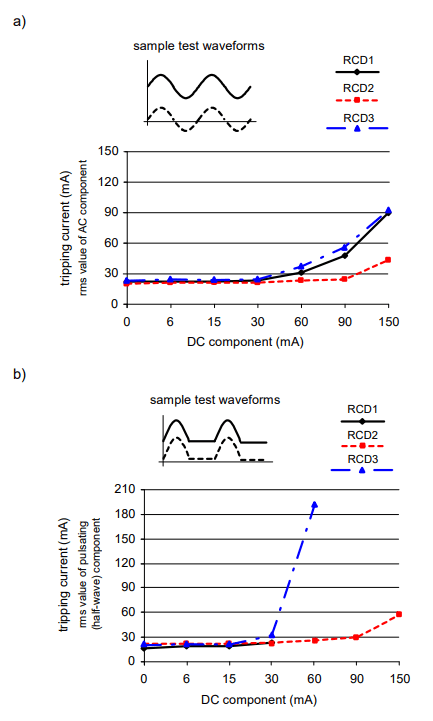

Source & Publisher Item Identifier: PRZEGLĄD ELEKTROTECHNICZNY, ISSN 0033-2097, R. 96 NR 1/2020. doi:10.15199/48.2020.01.11

Thailand Integrates Large-Scale Wind Farms

Published by C. MADTHARAD, Provincial Electricity Authority (PEA), Thailand. and J. WARMAN, Senergy Econnect Australia. T&D World – Renewables: Thailand Integrates Large-Scale Wind Farms, Sept. 28, 2015.


Provincial Electricity Authority address power-quality issues that arise from increasing penetration of renewable energy.

In the Kingdom of Thailand, power-quality regulations applicable to small power producers and very small power producers were first issued in 2008. The regulations specify requirements for steady-state voltage, power factor, frequency, voltage fluctuations, harmonics and direct current.

The Provincial Electricity Authority is responsible for carrying out the on-site power-quality testing of generator installations for all new small power producers and very small power producers prior to the plant entering commercial operation. In late 2012, the first large-scale wind farm in Thailand — the 90-MW FKW project — came on-line followed in early 2013 by the neighboring 90-MW KR2 wind farm. The impact on power quality attributable to these wind farms — the largest in Southeast Asia — required a number of mitigation measures to comply with the power-quality regulations of the Kingdom of Thailand.

Schematic diagram of the wind farm 115/33-kV network showing the location of the metering equipment to record power quality.

Pre-Grid Connection Monitoring

Power-quality monitoring results showed voltage fluctuation was not an issue as the wind turbine generators (WTGs) were decoupled from the grid by a fully rated converter. Also, the WTGs were designed to maintain voltage, power factor, frequency, voltage fluctuation and direct-current injection within acceptable levels. However, the harmonic current emissions and harmonic voltage distortion sometimes failed to comply with the regulation limits.

The total harmonic distortion in the voltage and the fifth harmonic current emission both exceeded the allowable limits under some operating conditions. The total harmonic voltage distortion exceeded the allowable limit during low wind speeds when the power output of the wind farm was between 0% and 30% of the installed capacity. The fifth harmonic voltage was the most significant in terms of exceeding the acceptable limit. The fifth harmonic current exceeded the limit when the wind farm power output was between 0% and 70% of the installed capacity.

The monitoring test results also revealed the fifth harmonic impedance changed dynamically depending on the wind speed and output power of the wind farm as the number of generators connected varied in accordance with the wind speed fluctuations across the wind farm site. Harmonics generated by the voltage source converter-based WTGs did not remain constant but varied according to the converter control and switching scheme.

Schematic diagram of the wind farm 115/33-kV network showing the location of the harmonic filters.
The Large-Scale Wind Farms

Each of the wind farms comprise 45 Siemens SWT-2.3-101 wind turbines. The 690-V WTG voltage is stepped up to 33 kV, and the transformer is connected to a 33-kV underground cable collector system. This system is connected to the Provincial Electricity Authority’s 115-kV overhead transmission line by two parallel 115/33-kV, 60-MVA power transformers at the wind farm substation. Each wind turbine has a rating of 2.3 MW and an aerodynamic rotor diameter of 101 m (331 ft). An asynchronous generator is decoupled from the grid by a fully rated frequency converter.

A wind turbine with an induction generator directly connected to the grid is not expected to create any significant harmonic distortions during normal operation. However, wind turbines with power electronic converters do produce harmonic current emissions, so the possibility of harmonic voltage distortion must be considered. The harmonic current emission of such wind turbine systems is normally included in the manufacturer’s power-quality data information. The anticipated harmonic voltages can be calculated from the harmonic current emissions of the wind turbine, but this requires knowledge of the grid impedances at different frequencies.

The harmonic signature of a WTG cannot be predicted by mathematical equations such as the Fourier analysis. As a result, it is necessary to investigate the harmonic profiles obtained from field measurements such that some commonalities can be determined for various turbine types and operating under variable conditions. Harmonics have the potential to excite an internal or external resonance point or even destabilize the system operation.

Fifth harmonic filter installed at the wind farm substation.
On-Site Monitoring Tests

To study the impact of the wind farms on power quality at all voltage levels, power quality meters were installed at four locations, namely at the point of common coupling (PCC) at 115 kV, the 33-kV collector system, and the input and output terminals of the 33/0.69-kV wind turbine transformer. The measurement recorder confirmed the active power at the PCC was proportional to the number of WTGs, while the reactive power from the WTGs was  not proportional to the number of turbines. This varies as the reactive power at the PCC is controlled with a closed-loop controller, and the reactive power output of the WTG is varied to achieve the set point target at the PCC.

Three modes are available to control reactive power at the PCC: reactive power control mode, voltage control mode and power factor mode. The simplest strategy for the wind farm is to operate in the reactive power control mode with a 0-MVar set point to maintain unity power factor. In this mode, the wind farm will not export or consume reactive power when the turbines are operating. However, when this control strategy was adopted, there were some steady-state overvoltage problems at high active power output levels because the output reactive power of the wind farm was controlled to 0 MVar and used reactive power measured at the 115-kV side of the wind farm transformers as the feedback signal.

With this control strategy, if the wind speed is high enough for the wind turbines to go on-line, the converter imports reactive power, compensating for the capacitance of the underground cables in the collector system, to try to control the reactive power to 0 MVar at the PCC. If the wind is low, there may be only a few wind turbines on-line and the wind farm may export reactive power (<-4 MVar). If there is no wind, and the wind turbines are off-line, the quiescent reactive output from the wind farm as a result of the underground cables is around -4.0 MVar and the voltage is not actively controlled by the wind farm. In this situation, the voltage at the PCC may exceed the grid code limit of 1.05 p.u. (120.75 kV).

The wind farm substation 115-kV switchyard.
Operational Experience

Prior to Jan. 18, 2013, the wind farm always supplied reactive power to the utility, but following a change in the control mode from constant reactive power control to voltage control with a target voltage of 1.03 p.u. (118.4 kV), the wind farm supplied and absorbed reactive power from the utility. The results recorded indicated about +6.8 MVar was absorbed during maximum active power output generation and -4.1 MVar was supplied during low active power output generation.

Operationally, when the voltage fell below the target, the reactive export increased to support the voltage. When the voltage rose above the target, the reactive power import increased to reduce the voltage. With the wind farm operating in the voltage control mode, the steady-state voltage remained below the allowable maximum of 1.05 p.u.

The variable-speed wind turbines with fully rated frequency converters are capable of controlling the output of active and reactive power. It is possible to control the output reactive power appropriately with the variation of the output real power, so voltage changes from the real power flow may be compensated by the reactive power flow, minimizing the flicker emission.

The results recorded from Jan. 1, 2013, to Jan. 1, 2014, confirmed CP95 of the short-term flicker severity (CP95 of Pst=0.22) and long-term flicker severity (CP95 of Plt=0.46) — as per standard EN 50160 Voltage Characteristics in Public Distribution Systems, issued by the European Committee for Electrotechnical Standardization — complied with the limits in the regulations.

In the regulations, limits are specified for the total harmonic distortion in voltage and individual harmonic current emissions. However, on-site monitoring at the 115-kV PCC confirmed the harmonic distortion (THDv = 2.24%) and the fifth harmonic current emission (4.51 A) failed to comply with the regulations.

The results recorded from Jan. 1 through Jan. 31, 2013, showed the total harmonic distortion in voltage exceeded the limit at low wind speeds when the wind farm power output was between 0% and 30% of the installed capacity. The fifth harmonic current exceeded the limits for about 80% of the period when the wind farm output power was between 0% and 70% of installed capacity. These characteristics are attributable to the fifth harmonic impedance that changes dynamically depending on the wind speed and power output of the wind farm.

Harmonics generated by voltage source converter-based WTGs do not remain constant but will vary according to the converter control and switching scheme. To mitigate the harmonics issues, a fifth harmonic filter was installed downstream of one of the feeder circuit breakers supplying the 33-kV bus bar. These passive harmonic filters, which were retrofitted to existing substations, have mitigated the harmonics emissions successfully from the wind farms, allowing them to operate in compliance with the Kingdom of Thailand’s power-quality regulations.

Successful Mitigation

Government policy in Thailand is for renewable energy and alternative energy sources to account for 25% of the installed generation within the next 10 years. According to the country’s 2010 Power Development Plan Revision 3, the total installed generation capacity by the end of 2030 will be around 20,500 MW, including 3,800 MW of wind energy and 2,000 MW of solar energy, some 29% of the total generating capacity.

With the increasing penetration of renewable energy, the impact of power quality from the renewable generators will become increasingly important. Experience from the first two wind farm projects has demonstrated, with the appropriate design, negative impacts on power quality can be mitigated successfully.


Authors

Chakphed Madtharad (chakphed@gmail.com) graduated with a Ph.D. degree in electrical engineering from Chiang Mai University, Thailand, in collaboration with the University of Canterbury, New Zealand. He currently works in the smart grid planning division of the Provincial Electricity Authority, where his responsibilities include harmonics and power quality, power electronics, power system smart grids and microgrids.

Jeremy Warman (jeremy.warman@lr-senergy.com) was awarded a ME degree in electrical engineering from the University of Canterbury, New Zealand. He currently works for LR Senergy in Melbourne, Australia. Warman’s interests include harmonics and power quality associated with wind farms and renewable energy integration.


Source URL: https://www.tdworld.com/renewables/article/20965792/thailand-integrates-large-scale-wind-farms

Potential Transformer Operation, Applications and Accuracy

Published by Alex Roderick, EE Power – Technical Articles: Potential Transformer Operation, Applications and Accuracy, July 14, 2021.


Learn about the operation and accuracy of potential transformers.

The high voltages typically seen on power lines are a hazard to technicians working on or near the power lines. It is a difficult task to design a voltmeter to measure these high voltages. A potential transformer is primarily a precision two-winding transformer that is used to step down high voltage to enable safe voltage measurement.

Operations

The stepped-down voltage from a potential transformer can be measured directly with a voltmeter. The line voltage can be calculated by multiplying the measured voltage by the turns ratio of the transformer. However, a better solution is to use a modified voltmeter.

The display of the meter can be modified with a new meter face or programmed to show a value corresponding to the actual line voltage, even though a stepped-down value was actually measured. The meter can multiply the measured value by the turns ratio to display the actual line voltage.

The primary side of the potential transformer is connected across the power lines (See Figure 1). Fuses can be added for safety and to make it easy to remove the potential transformer from the circuit for maintenance. To ensure that the voltage measurement is as precise as possible, the load on the potential transformer must be kept to a minimum. The voltmeter should be a high-impedance model to draw as little current as possible from the transformer. This non-changing load keeps the voltage ratio constant, and as the primary voltage changes, the secondary voltage changes proportionally. 

Figure 1. A potential transformer is used to step down the high voltage of a power line in order to make it easier to measure.

Potential transformers can be designed with almost any turns ratio so that the voltage can always be reduced to 120V. This allows standard voltage meters to be used. For example, a potential transformer with a turns ratio of 60:1 can be used to measure 7200V. The same meter can be used to measure 34.5kV if a potential transformer with a turns ratio of 287.5:1 is used to step down the line voltage to 120V. In this case, a different multiplication factor is used in the display or a different face installed on the meter.

Potential transformers are usually fairly small. They are typically rated at 500 VA or less. Most of the size of a potential transformer is the heavy insulation on the primary winding required to withstand the high voltages present on power lines.

Accuracy of Potential Transformers

Potential transformers are often used for metering and billing. Therefore, the accuracy of potential transformers is critical. ANSI has established standard methods of classifying potential transformers for accuracy and load. The accuracy classification includes the standard load as well as the maximum percent error allowed.

The design, construction, and installation of the transformer all affect the accuracy. The load rating must include the total of all loads, including the circuit wiring connected to the secondary of the transformer. The total load must be calculated and the proper transformer selected from a table provided by the manufacturer.

A transformer correction factor is a number provided by the manufacturer that is used as a multiplier to correct for inaccuracies. The correction factor corrects for the effects of magnetizing current or internal phase angle shift created by the internal inductance of the transformer.

The transformer correction factor is used to define an accuracy class. Typical values of the accuracy class are 0.3, 0.6, and 1.2. A lower accuracy class number means a more accurate potential transformer.

Applications

Potential transformers have several common uses. Important uses for potential transformers are as voltage meters, to feed voltage relays, and for load shedding during peak load periods.

Voltage Relays

Potential transformers are often used as part of a system to monitor voltage on power lines. A sudden fall or rise in the voltage activates an under-voltage or an overvoltage relay. An under-voltage relay is switched when the voltage drops below a setpoint. An overvoltage relay is switched when the voltage rises above a set point. Under- and over voltage relays are used to protect equipment from under-voltage or overvoltage conditions. For example, a relay can signal a tap changer to step up or step down, or an under-voltage relay can start the transfer of a load from one supply to another in the event of a power failure (see Figure 2). 

Figure 2. A potential transformer can be used to feed a voltage relay that is used to transfer a load in the event of a power failure.

Load Shedding

Voltage relays are also used in load-shedding applications. A potential transformer can be used to monitor a power line. When a power line is overloaded, and the voltage drops below a setpoint, the relay switches and removes some of the load from the power line. For example, a large industrial facility with its own generating equipment may be designed to automatically remove loads when the generating system is overloaded. The loads to be shed are specified in advance.


Author: Alex earned a master’s degree in electrical engineering with major emphasis in Power Systems from California State University, Sacramento, USA, with distinction. He is a seasoned Power Systems expert specializing in system protection, wide-area monitoring, and system stability. Currently, he is working as a Senior Electrical Engineer at a leading power transmission company.


Source URL: https://eepower.com/technical-articles/potential-transformer-operation-applications-and-accuracy/#

Ferroresonance in Distribution Systems – State of the Art

Published by Mohamed M. EL-Shafhy1, Alaa M. Abdel-hamed1, Ebrahim A. Badran2,
Electrical Power & Machines Department, High Institute of Engineering, El-Shorouk Academy, Cairo, Egypt (1), Electrical Engineering Department, Faculty of Engineering, Mansoura University, Mansoura, Egypt (2)


Abstract. Recently, there are increasing interest in studying the ferroresonance phenomenon, due to the various problems it causes to power quality and the destruction of network parts, insulators and consumer devices. As the ferroresonance leads to a significant increase in voltage or/and current with harmonic presence, both of which represent a threat to the stability of the electrical network and its parts. The influence of ferroresonance on the distribution system is crucial because the distribution system is the network’s closest part to the consumer, and any effect it has will have an impact on the customer. This paper presents a state of the art of ferroresonance problem. The most visible signals for ferroresonance and analytical methods used to indicate its occurrence are presented. The investigation of ferroresonance in the radial distribution system and the effect of integrating Distributed Generation (DG) into the distribution zone on this phenomenon are presented. The latest methods used to mitigate and prevent ferroresonance are discussed. Furthermore a technique for suppressing ferroresonance is implemented. The ferroresonance in power transformer and the effect of load variation on it will be presented. PSCAD/EMTDC software is used to simulate the study.

Streszczenie. Ostatnio obserwuje się coraz większe zainteresowanie badaniem zjawiska ferrorezonansu, ze względu na różne problemy, jakie powoduje w zakresie jakości zasilania oraz niszczenia elementów sieci, izolatorów i urządzeń konsumenckich. Ponieważ ferrorezonans prowadzi do znacznego wzrostu napięcia lub/i prądu z obecnością harmonicznych, które to oba stanowią zagrożenie dla stabilności sieci elektrycznej i jej części. Wpływ ferrorezonansu na system dystrybucyjny jest kluczowy, ponieważ system dystrybucyjny jest częścią sieci najbliższą konsumentowi, a każdy jego wpływ będzie miał wpływ na klienta. Artykuł przedstawia aktualny stan wiedzy na temat ferrorezonansu. Przedstawiono najbardziej widoczne sygnały dla ferrorezonansu oraz metody analityczne służące do wskazania jego występowania. Przedstawiono badania ferrorezonansu w promieniowym układzie dystrybucyjnym oraz wpływ integracji Generacji Rozproszonej (DG) w strefę dystrybucji na to zjawisko. Omówiono najnowsze metody stosowane do łagodzenia i zapobiegania ferrorezonansowi. Ponadto wdrażana jest technika tłumienia ferrorezonansu. Przedstawiony zostanie ferrorezonans w transformatorze mocy i wpływ na niego zmian obciążenia. Do symulacji badania stosuje się oprogramowanie PSCAD/EMTDC. (Ferrorezonans w sieciach rozdzielczych – stan wiedzy)

Keywords: Ferroresonance, DG, Distributed Generation, PSCAD.
Słowa kluczowe: Ferrorezonans, DG, Generacja Rozproszona, PSCAD.

Introductions

The goal of designing the power system is to deliver electrical power with lowest costs, low pollutant emissions level, maximum efficiency, and high power quality [1]. With the great technological advances these days, devices connected to the electrical grid are becoming more sensitive to system disturbances and transients phenomena such as all events due to switching actions, energizing and de-energizing elements of the power system and faults [2].

The power system does not always work in a steady-state condition, but it may go via transient states. Despite the short time of transient cases compared to the steady-state conditions of the system, they cause problems such as high voltage or current, poor power quality, drop in voltage or frequency and some harmful phenomena like ferroresonance effect [3]. Hence the interest of researchers are increased to solve these problems to provide the power to the consumer with the appropriate quality. Researchers are working to reduce the problems related to ferroresonance phenomena especially with the increase in nonlinear element in power system [4]. Problems related to transient can be classified into two categories: first impulsive and second oscillatory [5].

Ferroresonance is oscillatory phenomenon threatening the stability of the electrical network [6][7]. Also, ferroresonance refers to voltage displacement or natural instability [8]. It can cause damage to system equipment, insulation and consumer’s distribution devices. Also, it results in misoperation of protection devices due to overvoltage and/or overcurrent of peak value that can exceed more than twice of the normal value [9]–[16]. These phenomenon are caused by abnormal operations results in thermal and electrical stresses [17],[18], [19]. Researchers classified the ferroresonance phenomenon as low frequency electromagnetic transients of frequency ranges from 0.1 Hz to 1 kHz [4], [20]–[22]. This nonlinear phenomena can be blamed for several unexplainable breakdowns [23].

Recently, the phenomenon of ferroresonance has increased significantly in the electrical network. This phenomenon appears in all parts of the electrical network and different voltage levels [19]. Ferroresonance appeared in the protection system elements like Current Transformer (CT) and Potential Transformer (PT). The occurrence of ferroresonance in PT was discussed in [24] and recommendations to avoid the investigation of ferromagnetic resonance were provided. Ref. [25] presented an investigation of the ferroresonance in PT and based on the self-excitation characteristic. PT’s self-excitation characteristic was used to identify ferroresonance. Ref. [26] examined the effects of switching transients and its contribution to the resultant ferroresonance at the coupling Capacitor Voltage Transformer (CVT). Ref. [27] discussed the ferroresonance in PT and infer it through vibration analysis. Ref. [28] explained the extent of the damage caused by the ferroresonance phenomenon on the CVT and proposed a suppression circuit. The occurrence of ferroresonance in PTs during the system energization event was discussed in Ref. [29]. In Ref. [30], the faults in Medium Voltage (MV) network and its role in ferroresonance investigation at Voltage Transformer (VT) were discussed. Ref. [19] presented the occurrence of ferroresonance at the PT terminal on High Voltage (HV) GIS substation. In addition, many studies have shown the occurrence of ferroresonance in PT in different parts of the network, and many solutions and inhibitor circuits have also been presented in Refs. [5], [11], [13], [31]–[35].

In addition, many researchers discussed ferroresonance investigation in the power transformers. Ref. [36] presented the investigation of ferroresonance in power transformer caused by unhealthy switching and introduced its mitigation circuit. Ref. [37] discussed the asymmetrical phases deenergization of the wind farm its role in ferroresonance activation. Ref. [38] presented the prevalence of ferroresonance in the Montazer Qaem 63 kV substation. Ref. [39] provided the initiated of ferroresonance in unloaded power transformer terminated by cable. Ref. [40] explained the effect of power transformer energization in a 400 kV transmission grid on ferroresonance investigation. Ref. [41] dealt with the effect of the variation of Petersen coil on ferroresonance response in a power transformer. Salman in [42] studied the effect of the transmission line outage on ferroresonance response in power transformer. Ref. [18] provided an analytical method to detect the ferroresonance phenomenon in (MV) Networks. In addition, there are many researches in the form of an analysis and a case study only, without presenting actual studies like Refs. [24]- [14].

Ferroresonance also appears in the Distribution System (DS). It’s considered as a critical case because of closeness to loads. Ref. [53] examined the effect of changing the type of distribution transformer on the ferroresonance response, but this study was conducted in a no-load condition. Ref. [54] showed two ferroresonance states investigated in the distribution transformer, but both states were performed when the system was not loaded. Ref. [55] studied the effect of cable length and five legs three-phase distribution transformer on the ferroresonance response. Ref. [56] presented the ferroresonance condition in an underground DS resulting from unhealthy switching cases. Ref. [57] presented three ferroresonance cases in DS integrated with a PV system resulting from the break into interconnection between PV system and the transformer. Ref. [58] presented the occurrence of ferroresonance in DS. It presented the DS in an equivalent circuit without studying a real network.

From the previously presented studies, it is found that the phenomenon of ferroresonance is widespread in all parts of the power system, and a lot of research has been directed to this study. But most of studies dealt with this phenomenon in the form of simple cases or an analytical study only, although this phenomenon is affected by the slightest change in the system. A lot of research that investigated this phenomenon was in protection element parts such as PT and CVT. Others were interested in studying this phenomenon on the power transformer with high and medium voltages. However, the interest in studying this phenomenon in the DS falls short of expectations. Although the DS is the most affected area with loads and any change in these loads can change the network topology and may cause the system to rush into ferroresonance. With the current increase in the use of Distributed Generation (DG) in DSs, its effects on ferroresonance (according to the author’s knowledge) have not been highlighted.

Many studies presented the implementation of DG into DS but, its effect on transit states and ferroresonance investigation still are considered as a research gap. Therefore, this paper focuses on studying the phenomenon of ferroresonance in DSs and the effect of DG penetration on this phenomenon.

This article explains the different factors which caused by the occurrence of ferroresonance and the problems of ferroresonance. The paper provides the physical and analytical methods used to recognize ferroresonance in a network. The different shapes of ferroresonance modes are also explained. Furthermore, the modeling of ferroresonance’s equivalent circuit and transformer response at abnormal switching are provided. The change in transformer response is also displayed as the load varies. The effect of load variation on the radial power system response is studied. The effect of DG implementation on ferroresonance response is presented. Finally, a comparison between methods of mitigating and preventing the ferroresonance is presented. PSCAD/EMTDC software is used in this study.

The rest of the paper is organized as follow. Section II presents ferroresonance phenomena, its definition, the reasons for the occurrence of ferroresonance and ferroresonance problems. Section III presents simulation cases. Section IV presents radial system penetrated with DG as case study. Section V provides the latest mitigation methods of ferroresonance and introduces the implementation of the series ferroresonance suppression circuit. The conclusion of the paper is given in Section IV.

Ferroresonance background

Ferroresonance phenomenon

Ferroresonance means resonance occurred between parameters of the electrical network with element containing ferromagnetic material like a transformer or an inductor [1], [53], [56], [59], [60]. Ferroresonance considered as a special case of resonance [39], [57]. Ferroresonance is unpredictable phenomenon arises due to the interaction between system capacitance and non-linear inductance [45], [61]–[65]. Ferroresonance is a rare non-linear phenomenon in which energy fluctuates between a capacitive element and non-linear inductive element which alternatively becomes saturated. This phenomena causes the system to jump from a stable state to a stationary ferroresonant state [64]. It is still disconcerting phenomena until today [67]. This phenomenon can occur with small changes in the parameters of the network so, it is difficult to be predicted [68], [69]. Investigating ferroresonance is a difficult endeavor, owing to the large number of factors that might influence the phenomenon’s occurrence, as well as the phenomenon’s great sensitivity to very minor changes in power grid parameters [40].

The first to point to this phenomenon is Joseph Bethenod in 1907. He indicated a resonance in the transformer due to non-linear inductance but Paul Boutherot named this phenomena as ferroresonance in 1920 [56], [70]. Ferroresonance differs from normal resonance, or as some researchers call it, linear resonance. Normal resonance is an expected phenomenon that results from an interaction between capacitance and inductance, unlike ferroresonance, which is an unpredictable phenomenon that results from the interaction of capacitance with nonlinear inductance. Table 1 presents a comparison between ferroresonance and linear resonance [1], [53], [57], [71].

Also, Fig. 1 shows the difference between the equivalent resonant and ferroresonance circuits. The ferroresonance circuit incorporate ferromagnetic material resulting in the phenomenon of non-linearity [1], [72]–[76].

Ferroresonance phenomena can occur in all parts of the electrical network and at any level of voltage [72]. There are many causes that lead to ferroresonance effect. The most important reasons are due to incorrect design, topology of network, the ferromagnetic core of transformer and unexplained causes. Table 2 explains these reasons, their percent and their description [48], [77], [78]. These causes are summarized in the illustrated diagram shown in Fig. 2 [40], [48], [51], [79], [80]. Recently, researchers have demonstrated the role of the transformer tank in increasing the ferroresonance effect [81].

Table 1. Comparison between ferroresonance and linear ferroresonance

.

Table 2. Main reasons lead to ferroresonance

.
Fig.1: Comparison between (a) linear resonance and (b) Ferroresonance circuits
Fig.2: Diagram of ferroresonance causes

Ferroresonance Problems

The ferroresonance phenomenon is always accompanied by dangerous problems to power system network. These problems pose a major threat to the continuity and integrity of the power system which represented in the following:

Overvoltage

A ferroresonance in the DS causes a dangerous increase in voltage up to several times the rated value [82]. It is always followed by the occurrence of many other problems in the system such as insulators break down and failure in power system devices which may lead to cut off electrical service [70], [83]–[85].

The problem was displayed in many studies. Ref. [86] introduced the investigation of ferroresonance in an islanding mode of micro grid. The voltage was raised to 8 pu. Ref. [26] introduced the increase of voltage value to 2.5 pu in CCTV. Refs. [87], [41] introduced the increase of voltage value in power transformer to 5 pu and 3 pu as a case study. Ref [88] presented the investigation of overvoltage to 3 pu in VT as an analytical study.

Overcurrent

One of the problems that follows the phenomenon of ferroresonance is the occurrence of a significant increase in current. An increase in the current results in problems such as overheating in parts of the electrical system which lead to damage in system elements and insulators [34], [50].

In [89], the current value in the grid increased to 6 pu. Ref. [90] introduced the increase of current value to 2.5 pu in power transformer. Ref. [21] presented the results of an investigation of overcurrent up to 2 pu into a real system in Slovakia. Ref. [91] introduced the increase of current value to 5.5 pu in VT.

Power distortion

Ferroresonance causes a distortion of the electrical power wave, which results in the occurrence of harmonic problems [82]. These represent a major problem for electronics and sensitive devices. [67], [92]. Fig. 3 explains many shapes of power wave distortion.

Several studies revealed the issue. The distortion in the voltage wave caused by abnormal switching in a PV project connected to the grid was presented in ref. [59]. Refs. [34] and [93] introduced the distortion in VT voltage wave. Ref. [41] provided a case study of a power transformer in ferroresonance and the distortion of its voltage wave.

Saturation for devices containing ferromagnetic material

The fundamental cause of ferroresonance is the nonlinear ferromagnetic characteristics [19]. Ferroresonance causes a saturation of the elements containing ferromagnetic material [94], [95]. High current flow is resulted in saturation, which results in increased heat and irregular vibration of device components [52], [48].

Ref. [96] investigated the role of ferroresonance in transformer saturation. In [65], an analytical study was presented to eliminate saturation that may be caused by ferroresonance with ferromagnetic material. As a case study, Ref. [82] demonstrated the saturation of a nonlinear reactor due to ferroresonance. In [97], an analytical study of a single-phase transformer and the role of ferroresonance in iron core saturation was presented.

Misopertion of protection devices

Significant distortion of the power wave may results in protective device misoperation [98]. The occurrence of ferroresonance results in adverse effects on the voltage transformer, current transformers and measuring apparatuses. All these effects will lead to a defect in the operation of the protection system [25], [26], [30], [67]. Ref. [16] presented the failure of an overcurrent relay (OCR) in the Manitoba grid due to ferroresonance. Ref. [99] introduced challenge to the operation of OCR in DN due to ferroresonance.

Other problems

There are also some other problems that result from the occurrence of ferroresonance, such as the occurrence of abnormal noise, power flickers and damage to some power lines [27], [100], [89]. Ref. [12] presented many problems give rise from ferroresonance such as noise, flicker, damage to electrical equipment and overheating. Despite the complexity of this phenomenon, researchers have tended more recently to find solutions and ways to reduce this phenomenon for protecting the electrical network, its operators and customer devices connected to the network.

Ferroresonance modes and signs

Due to the phenomenon of nonlinearity of the ferroresonance circuit, it has a lot of responses [101]. These responses can be classified into four modes. These modes are known as fundamental mode, sub-harmonic mode, quasi-periodic mode, and chaotic mode [26], [44], [49], [102], [103].

Fundamental Mode

In this mode the current and the voltage have the same period (T) of the system called a period-1 (f0/1 Hz) with the same frequency but contain odd harmonics (3rd, 5th, 7th ,……, nth). It is small in comparison with fundamental component. Fig. 3a shows a Fundamental Ferroresonance (FF) waveform and its frequency spectrum [1], [34], [57], [62], [104].

Sub-Harmonic Mode

In this type, the signals of current and voltage have period multiples of the source period (nT) called a period-n (f0/n Hz) contains fundamental component with (nth) subharmonic. Fig 3b shows a Sub-Harmonic Ferroresonance (SHF) waveform and its frequency spectrum [1], [34], [57], [62], [104].

Quasi-Periodic Mode

This mode is called quasi-periodic mode or subperiodical mode. The signal of current and voltage is not periodic which has non-continuous frequency spectrum. The frequency is represented by equation nf1 + mf2, where f1/f2 are irrational real numbers, and n and m are integers. Fig. 3c shows a quasi-periodic ferroresonance (QF) waveform and its frequency spectrum [1], [34], [57], [62], [104].

Fig.3: Ferroresonance modes

Chaotic Mode

In this mode, the signal of current and voltage is not periodic which has continuous frequency spectrum and any frequency is not cancelled. Fig. 3d shows a Chaotic Ferroresonance (CF) waveform and its frequency [1], [34], [57], [62], [97], [104].

The shape of the system’s response to ferroresonance depends on the parameters of the system and also on the iron core material used with the inductor [44], [105]. Due to the extreme sensitivity of ferroresonance phenomenon, any change in system parameters, at ferroresonance condition, can lead to change in the system behavior [106].

There are several ferroresonance modes as Fig. 3 indicates [48]. Some modes lead to very high voltages and others modes may lead to voltages near nominal values. Therefore, it is important to identify the signs by which this phenomenon could be recognized. It is represented in physical phenomena such as overheat, noise, flicker, surge arrester failure and vibration at power system. When the aforementioned problems appear larger than the allowable limits, it can be a sign of ferroresonance in the system. Table 3 explains these problems and description [48], [53].

In addition the physical signs to identify the presence of ferroresonance are included in Table 3. Also, this phenomena can be recognized through analytical methods such as: Wavelet transform [2], [94], Analysis of the variables in the energy quality factors [38], Short Time Fourier Transform [38], Poincaré maps [92], Bifurcation diagram [95], and Phase plane diagram [38].

Table 3. Summary ferroresonance signs

.
Case study of ferroresonance

To illustrate the ferroresonance phenomenon, case studies are discussed in following subsections. The case studies will focus on ferroresonance in DSs. PSCAD/EMTDC software is used in the study.

Case 1: A capacitor in series with a saturable reactor

The circuit illustrated in Fig. 4a is the equivalent circuit for the ferroresonance phenomenon. The series connection of a capacitance with a saturable reactor and a single phase AC source lead to ferroresonance effect. It is clear that, the voltage has risen considerably beyond the rated value (11 kV) as presented in Fig. 4b. It can be seen the occurrence of quasi-periodic ferroresonance in which the voltage level rises to 3 pu as evidenced.

Fig.4: Ferroresonance of simple circuit

Case 2: A linear inductor with shunt and series capacitors

In this case, the simulation of the circuit is presented in Fig. 5a which consists of linear inductor with shunt capacitor, series capacitor, and 11 kV single phase AC source. Also, the same circuit is implemented in three phase form. It produces a quasi-periodic ferroresonance, as illustrated in Figs. 5a and 5b, with voltages of 3 pu in one phase circuit and 6 pu in three phase circuit.

Fig.5: Ferroresonance overvoltage of case 2 circuit.

Case 3: Abnormal switching of a transformer

In this case, the effect of load variation with abnormal switching of the transformer terminals and its role on ferroresonance occurrence are studied. This study is carried out in four stages: no-load transformer, transformer loaded less than 10%, transformer loaded with 10%, and transformer loaded with more than 10%.

The nature of the load on the terminals of the transformer and the abnormal conditions exposed to them control the shape of the transformer response [95],[111]. Therefore, an abnormal condition like abnormal switching effect on the transformer given at Fig. 6 will studied. This figure presents a 50 MVA, 230/11 kV Unified Magnetic Equivalent Circuit (UMEC) transformer that terminated with load at low voltage side, and three phase source with capacitor at high voltage side. This case presents the effect of the failure of switching off a one phase of the source on transformer with the variation of load. All the abnormal switching actions of all stages are done at 1.5 sec and continue for 4 sec. In the first stage, transformer is not loaded. Failure in disconnecting one phase of the source (two phases separated only) causes ferroresonance on the both sides of the transformer. Figs. 7a and 7b show ferroresonance voltage at transformer high voltage side and low voltage side, respectively.

The voltage on the high voltage side of the transformer increased to 11 pu, while the low voltage side increased to 10 pu, as shown in Fig. 7. This increase in voltage values has harmful effects on the transformer. In this stage chaotic ferroresonance modes are introduced at the both sides of the transformer. It is found that the value of the voltage is increased to a very high values, which results a failure of the equipment definitely.

In the second stage, the transformer is loaded less than 10%. The failed separation of one phase of the source drives the transformer to ferroresonance at both sides with a high value as shown at Fig. 8. The voltage increased to 10 pu on the high voltage side of the transformer and to 10 pu on the low voltage side. Chaotic ferroresonance modes are introduced at the both sides of the transformer.

Fig.6: Equivalent circuit for ferroresonance investigation in transformers

In the third stage, the transformer is loaded with 10% of its rate d value. The failed separation of one phase of the source drives the transformer to chaotic ferroresonance at the both sides. The voltage increased to 3.9 pu on the high voltage side of the transformer and to 3.8 pu on the low voltage side, as shown in Fig. 9.
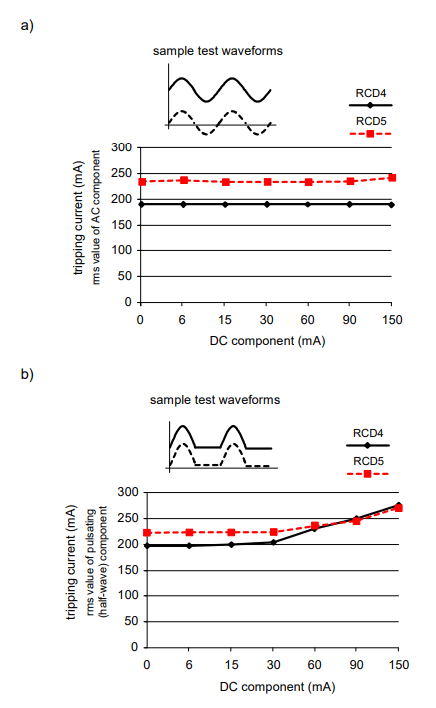
In the fourth stage, the transformer is loaded more than 10% of its rated value. In the case of unsuccessful separation of one source phases, a temporary transient at switching instant is occurred. On the high voltage side, the voltage value of the healthy phase restores its rated value. The voltage value in the other two phases returns to 0.6 pu and there is no phase difference between the three phases as shown in Fig. 10a. On the low voltage side, the voltage fails as shown in Fig. 10b. There is no ferroresonance effect at this stage.

Fig.7: Transformer ferroresonance voltage wave at no-load

It is concluded from this case studies, to prevent ferroresonance, it is vital to avoid operating the transformers with no load or with light loads. According to Ref. [57], the transformer must loaded at least with 10% of its capacity to prevent ferroresonance investigation but, in the third stage, when the transformer is loaded with 10% of its capacity and an abnormal switching is implemented, the ferroresonance appears. Therefore, it is preferable to load transformers more than 10% of their capacity.

Fig.8: Tranformator ferroresonance voltage wave at load less 10%

Fig.9: Transformer ferroresonance voltage wave at 10% load
Fig. 10: Transformer ferroresonance voltage at load more than 10%
Study of ferroresonance in radial distribution DG

The DSs are usually planned as a loop topology to improve system performance and increase system reliability. However, some limits may require the use of the Radial Distribution System (RDS).

In this section, two case studies are presented. The first is the investigation of ferroresonance in 13.2 kV RDS. The second is the investigation of ferroresonance in the 13.2 kV RDS integrated with DG unit. The distribution is feeding from 230 kV overhead transmission line coming from generation plant as shown in Fig. 10a [112].

The system is lightly loaded, so the current values are insignificant. Despite the presence of ferroresonance, the current did not surpass the rated values. As a result, the focus of the research was on voltage values.

In the first case study, a light load is connected at the distribution transformer terminal. The system is normal, however, if one sending end conductor of the transmission line are being disconnected, the voltage fluctuated with a high value on both sides of the transformer. The capacitance of the transmission line interacts with the inductance of the distribution transformer. It results in ferroresonance as shown in Figs. 11b and 11c. Figs. 11b and 11c present the chaotic ferroresonance mode on both sides of the transformer at the moment of one of the transmission line conductors is cut. It is obvious that, the value of voltage rises more than 4 pu in the high voltage side and 2.7 pu in the low voltage side.

Fig.11: Ferroresonance in radial system integrated with DG

With the variation of load value, the increase of the load results in the disappearance of ferroresonance phenomenon even if one of the transmission line conductors is disconnected.

In the second case, the radial DS is penetrated with a DG unit. The 16 kV DG unit is connected to the distribution zone through 16/13.2 kV, 30 MVA, transformer. The described system is shown in Fig. 12a. With the penetration of DG into the system, the ferroresonance phenomenon is disappeared, even if one of the transmission line conductors or more are disconnected at any load value. In this case, the introduction of DG resulted in ferroresonance mitigation by altering the system topology. By studying all abnormal separation on DG and the transmission line, the ferroresonance was investigated only in the case of the separation of DG with the breakdown of phase A of the transmission line. Chaotic ferroresonance was investigated. It is found that the voltage value was increased on the low voltage side for 2.3 pu and for 4 pu on the high voltage side and 2.8 pu on the DG side as shown in Figs.12b and 12c.

All separation events implemented at the time 0.3 sec and the study conducted for one sec. The voltage levels resulted from ferroresonance phenomenon are extremely high. The abnormal switching action and the unexpected conductor failure may cause harmful damage to the power system parts. As a result, it’s critical to eliminate the factors that generate ferroresonance, such as loading nonlinear inductive elements with light or no load and failing to defend against phase failure.

Therefore, it is important to provide system with protection against phase failure. Incorporating DG into the radial DS can reduce the incidence of ferroresonance, but may result in worse ferroresonance in some cases. So, the researchers must guide their efforts for optimizing the use of DG and avoiding ferroresonance.

Fig. 12: Ferroresonance in radial system integrated with DG
Mitigation of ferroresonance

Review of mitigation methods

Ferroresonance causes a significant increase in voltage and/or current, and this is considered a great threat to the parts of the electrical network from damage. Therefore, the researchers focused on reducing the occurrence of this phenomenon to avoid its major technical and economic problems.

Prevention of ferroresonance is divided into two ways. The first is protection methods provided for the electrical network to protect and reduce the bad effects of this phenomenon [113]. The second is the precautions taken to prevent the occurrence of ferroresonance into the electrical network.

Ferroresonance prevention methods, are all the methods and precautions taken by the electrical network operator to prevent the occurance of ferroresonance in the power system. Table 4 shows the most important precautions taken used to prevent ferroresonance. Ferroresonance mitigation techniques are all the techniques used to restrain the high values of voltage and current resulting from the ferroresonance [58]. Table 5 summarized the most important methods used to mitigate and its method of study.

Generally, Ferroresonance Suppression Circuits (FSC) are classified into three categories [33]. First, active FSC which consist of resonance circuit and operate with high impedance in normal frequency and low impedance in abnormal frequency to connect suppression element [26]. Second, passive FSC which contain of saturable reactor that saturate when the voltage value passed 1.5 pu then its impedance is reduced and connecting damping resistor [26]. Third, power electronics FSC which consist of two power electronic switches used to damp overvoltage during ferroresonance, and provide a resistive channel to ground [33].

Ref. [114] presented the using of resistor with two oneway controllable switches connected back to back implemented on the secondary side of the PT as a damping resistor to suppress ferroresonance. Ref. [115] presented the implementation of damping resistor connected with secondary winding of the transformer as suppress ferroresonance. Ref. [116] relied on the use of a resistance with an electronic switches implemented on PT secondary side to reduce the ferroresonance, but presented a different control circuit for the switches. It presented the control of the conduction of this resistance by a mechanical switch or a saturable reactor, having a saturation voltage. The saturation voltage is higher than the rated secondary voltage of the transformer but still quite near to it. The saturable reactor is saturated when ferroresonance occurs and the resistance can damp ferroresonance. Also, Ref. [117] used a parallel reactor with the secondary side of the PT for mitigating ferroresonance. Ref. [118] introduced the use of thyristor driven spontaneous close shunt reactors as a solution to ferroresonance on a power transmission line which reduces the duration of the high voltage result from ferroresonance.

A gas discharge lamp was used in [32] as a memristor emulator connected to the secondary of the CVT to minimise the ferroresonance. Ref. [119] introduced ferroresonance limiter consists of damping resistor resulted in eliminate of chaotic ferroresonance oscillations started with series capacitors controlled by thyristor in the CVT.

Ref. [120] introduced the design of two ferroresonance suppression circuit implemented on the step down side of the CVT. The first is to use a resistance only, and the second is to use RLC circuit. Refs. [71] and [109] recommended the implementation of damping resistor or air core reactor bank connected with transformer secondary winding as ferroresonance mitigation techniques. Refs. [110] and [111] presented the design of converter acted as damping resistor emulators to mitigate ferroresonance oscillation. Ref. [124] presented smart ferroresonance limiter circuit that consist of four magnetically coupled windings. The primary winding and the PT are linked in parallel. The secondary winding is utilised to reduce ferroresonance overvoltage value. The third and fourth windings are employed to detect ferroresonance beginning in the positive and negative half cycles of the transient overvoltage, sequentially.

Ref. [98] recommended the installation of overvoltage protection element at suitable locations to eliminate overvoltage generation from ferroresonance. Ref. [42] presented the using of Static Var Compensator (SVC) to mitigate ferroresonance by network voltage and reactive power control. Ref. [99] introduced the use of intelligent overcurrent protection, based on wavelet and neural network, to distinguish ferroresonance from transients cases. Ref. [127] presented a ferroresonance limiter, which consisted of anti-parallel IGBTs connected with series resonant LC. Fault current limiters with an inductive shielded core presented in [87] as a method to mitigate power transformers with chaotic ferroresonance.

Ref. [113] presented several ways to reduce the impact of ferroresonance, namely: connect nonlinear resistance to the high voltage side’s neutral point, install eliminating resistance to the secondary side of the transformer and grounding the neutral point via arc suppression coil. Ref. [128] presented the connection of metal oxide varistor to the secondary winding ofthe transformer as a means of limiting ferroresonance. Ref. [129] presented the inserting an air gap in the magnetic path of the voltage transformer core which resulting in the linearization of the magnetizing characteristic and lowering the risk of ferroresonance.

Ref. [107] introduced method to mitigate ferroresonance by adding damping reactor which is integrated with ferroresonance detection and suppression device to absorb the energy produced by ferroresonance. The opening of the opposite end of the line/transformer to de-energize the circuit breaker, before opening it, is presented in Ref. [130] as a solution to mitigate ferroresonance. Ref. [131] presented the use of ferroresonance eliminator consisted of resistance located at the three-phase PT’s primary side’s neutral point. Ref. [41] introduced grounding the power transformer by Petersen coil to mitigate ferroresonance. Ref. [132] presented three ferroresonance mitigation methods represented in grounding the PT primary side of nonlinear resistance, connecting a damping resistor in open delta winding of PT or choosing PT with best excitation characteristics. It turns out that the effect of DG on ferroresonance has not been thoroughly investigated and remains as a gap point. It was unclear how suppression ferroresonance methods would be implemented with the DGs. Furthermore, the effect of ferroresonance and DG on the DSs was not clarified, and researchers did not pay enough attention to solutions to this problem in the DSs.

Implementation of series ferroresonance suppression circuit

The Tuned LC Circuit (TLCC) was implemented by connecting a capacitor and an inductor in series and adjusting their values in resonance state according to Eq. (1) to have a negligible impedance at the system’s steady-state frequency [127]. TLCC impedance reduced the amplitude of overvoltage to an acceptable level under abnormal conditions. In this study, TLCC will be tested in both radial system and radial system integrated with DG that given in section IV. In the normal state, TLCC circuit did not cause a voltage drop, and in the abnormal condition, it mitigates the overvoltage value in both cases as given in the following paragraphs.

.

Table 4. Ferroresonance preventing methods

Table 5. Ferroresonance mitigating techniques

.
.

Table 6. Voltage of radial system with and without DG

.

Table 7. Voltage of radial system integrated with DG with and without TLCC

.

TLCC is implemented on the low voltage side of the transformer at the RDS described in section IV resulted in ferroresonance mitigation

The value of the voltage is reduced as presented in Table 6. TLCC results in suppression of the ferroresonance after 0.08 sec from the separation. TLCC’s efficiency in decreasing the overvoltage value is demonstrated in Fig. 13.

Applying TLCC with the radial system integrated with DG results in ferroresonance mitigation. The TLCC is implemented on the DG side of the distribution transformer. It results in decreasing the overvoltage values presented in Table 7. TLCC’s efficiency in decreasing the overvoltage value is demonstrated in Fig. 14.

Fig.13: Voltage waveform with and without implementation of TLCC in radial distribution system
Fig.14: Voltage waveform with and without implementation of TLCC in radial distribution system integrated with DG
Conclusion

In this paper, a state of art of ferroresonance and the most obvious signs of ferroresonance, as well as the analytical methods used to detect it, are presented. This phenomenon is verified by simulating its equivalent circuit using PSCAD/EMTDC software. The investigation of ferroresonance in power transformers and the effect of changing the load on the phenomenon are verified. It is concluded from transformer study that it is preferable to load transformers at more than 10% of their capacity to avoid ferroresonance.

This paper also studies the penetration of the DG into the radial system and the extent of its impact on the occurrence or prevention of ferroresonance as a case study. Results showed that the penetration of DGs into the distribution zone has an active role in mitigating the investigation of ferroresonance. The ferroresonance is appeared only during disconnecting the DG and a phase of the transmission line with keeping the DG transformer connected to the distribution side. The rate of ferroresonance occurrence in the case of DG integration is lower than that occurs in the case of DG unintegrated distribution system due to the need for separating more than one position at the same time.

Finally the analytical methods used to prevent this phenomena are presented and compared. Also the TLCC method was implemented to suppress ferroresonance. The results proved that the system penetrated with DG responds faster to TLCC ferroresonance mitigation method more than the distribution system without DG.

REFERRENCES

[1] S. P. Ang, Ferroresonance simulation studies of transmission systems, PHD, Faculty of Engineering and Physical Sciences. Manchester: the university of manchester, 2010.
[2] S. Poomima and C. P. Sugumaran, “Identification of ferroresonance phenomena using wavelet transforms,” in 2016 International Conference on Control, Instrumentation, Communication and Computational Technologies (ICCICCT), 2016, pp. 126–131.
[3] V. Arun kumar, S. Elango, M. Prabu, B. Ramraj, “Transient Overvoltages And Its Prevention And Protection,” ” International Journal of Engineering Trends and Technology., vol. 68, no. 3, pp. 22–25, 2020.
[4] A. Akinrinde, A. Swanson, and R. Tiako, “Investigation of Temporary Overvoltage on Microgrid with Emphasis on Ferroresonance,” Int. J. Eng. Res. Africa, vol. 39, pp. 32–46, 2018,
[5] P. H. B. de S. Pinheiro, M. L. C. Vidal, F. F. da Rocha, B. W. França, and M. Z. Fortes, “Ferroresonance evaluation on capacitor voltage transformers,” Electr. Eng., vol. 102, no. 3, pp. 1775–1783, 2020,
[6] V. Valverde, J. Mazón, G. Buigues, and I. Zamora, “Ferroresonance suppression in voltage transformers,” Prz. Elektrotechniczny, vol. 88, no. 1 A, pp. 137–140, 2012.
[7] M.Yang, W. Sima, P. Duan, M. Zou, D. Peng, Q. Yang, Q. Duan,, “Electromagnetic transient study on flexible control processes of ferroresonance,” Int. J. Electr. Power Energy Syst., vol. 93, pp. 194–203, 2017.
[8] S. J. Kruger and J. A. de Kock, “Ferroresonance: A Review of the Phenomenon and Its Effects,” 2021 Southern African Universities Power Engineering Conference/Robotics and Mechatronics/Pattern Recognition Association of South Africa, 2021, pp. 1–6.
[9] S. Hassan, M. Vaziri, and S. Vadhva, “Review of ferroresonance in power distribution grids,” 2011 IEEE International Conference on Information Reuse Integration, 2011, pp. 444–448.
[10] L. V Bykovskaya and V. Bykovskiyi, “Simulation of a Voltage Transformer with a Magnetic Core Made of Amorphous Steels,” 2020 International Conference on Industrial Engineering, Applications and Manufacturing (ICIEAM), 2020, pp. 1–5.
[11] L. Zhao, X. Chen, L. Ye, Y. Yang, S. Wang, and B. Yu, “Research on Ferroresonance of Electromagnetic Voltage Transformer in 550kV HGIS,” 2019 IEEE 3rd International Conference on Circuits, Systems and Devices (ICCSD), 2019, pp. 34–38.
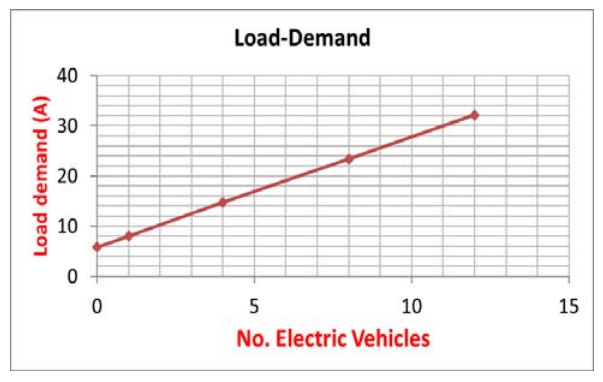
[12] V. Valverde, G. Buigues, A. Mazon, I. Zamora, and I. Albizu, “Ferroresonant Configurations in Power Systems,” Renew. energy power Qual. J., pp. 474–479, 2012.
[13] M. Xu and L. Zhu, “Ferro-resonance Overvoltage Identification Using Earth Capacitance and Excitation Inductance of Ratio Method,” 2017 International Conference on Advances in Materials, Machinery, Electrical Engineering (AMMEE), 2017, pp. 335–359.
[14] M. Mikhak-Beyranvand, B. Rezaeealam, J. Faiz, and A. Rezaei-Zare, “Impacts of ferroresonance and inrush current forces on transformer windings,” IET Electr. Power Appl., vol.13, no. 7, pp. 914–921, 2019.
[15] S. Rezaei, “Prevention of False Operation of Distance Relay in Ferroresonance,” Int. J. Adv. Res. Electr. Electron. Instrum. Eng., vol. 5, 2016.
[16] S. Rezaei, “Impact of Ferroresonance on protective relays in Manitoba Hydro 230 kV electrical network,” 2015 IEEE 15th International Conference on Environment and Electrical Engineering (EEEIC), 2015, pp. 1694–1699.
[17] N. Yang, Y. Han, C. Wu, R. Jia, and C. Liu, “Dynamic analysis and fractional-order adaptive sliding mode control for a novel fractional-order ferroresonance system,” Chinese Phys. B, vol.26, no. 8, p. 80503, 2017,
[18] K. Solak, W. Rebizant, and M. Kereit, “Detection of Ferroresonance Oscillations in Medium Voltage Networks,” Energies, vol. 13, no. 16, p. 4129, 2020,
[19] D. Zhang, X. Hu, H. Zhang, H. Yu, and Y. Shen, “Ferroresonance Analysis of 500kV GIS Substation during Commissioning Process,” IOP Conf. Ser. Earth Environ. Sci., vol. 514, p. 42042, 2020,
[20] W. Sima, M. Zou, M. Yang, D. Peng, and Y. Liu, “Saturable reactor hysteresis model based on Jiles–Atherton formulation for ferroresonance studies,” Int. J. Electr. Power Energy Syst., vol. 101, pp. 482–490, 2018,
[21] M. Kanálik, A. Margitová, B. Dolník, D. Medveď, M. Pavlík, and J. Zbojovský, “Analysis of low-frequency oscillations of electrical quantities during a real black-start test in Slovakia,” Int. J. Electr. Power Energy Syst., vol. 124, p. 106370, 2021,
[22] E. O. Egorova, “development of the coil volume method for time-domain simulation of internal faults in transformers,” PHD Thesis, michigan technological university, 2019.
[23] S.E. Zirka, Y.I. Moroz, A.V. Zhuykov, D.A. Matveev, M.A. Kubatkin, M.V. Frolov, M. Popov, Eliminating VT uncertainties in modeling ferroresonance phenomena caused by single phase-to-ground faults in isolated neutral network,” Int. J. Electr. Power Energy Syst., vol. 133, no. May, p. 107275, 2021.
[24] L. Zhen, C. JianBin, X. Yuan, X. Zhen, W. Shenhua, and W. Tian, “The ferroresonance of 10kV distribution PT during live working operation,” The 16th IET International Conference on AC and DC Power Transmission (ACDC), 2021, pp. 1641–1646.
[25] Y. Zhang, S. Xie, N. Jiang, Z. Zhao, D. Luo, N. Wang and J. Li “Analysis of Pt Ferroresonance based on Excitation Characteristic and Self-Excitation Mechanism,” J. Phys. Conf. Ser., vol. 1732, p. 012180, 2021.
[26] M. Tajdinian, M. Allahbakhshi, S. Biswal, O. P. Malik, and D. Behi, “Study of the Impact of Switching Transient Overvoltages on Ferroresonance of CCVT in Series and Shunt Compensated Power Systems,” IEEE Trans. Ind. Informatics, vol. 16, no. 8, pp. 5032–5041, 2020.
[27] A. Arroyo, R. Martinez, M. Manana, A. Pigazo, and R. Minguez, “Detection of ferroresonance occurrence in inductive voltage transformers through vibration analysis,” Int. J. Electr. Power Energy Syst., vol. 106, pp. 294–300, 2019.
[28] P. Sridharan and P. S. C, “Memristor emulator – a nonlinear load for reduction of ferroresonance in a single-phase transformer,” Circuit World, vol. 47, no. 1, pp. 87–96, 2020.
[29] I. R. Pordanjani, X. Liang, Y. Wang, and A. Schneider, “Single-Phase Ferroresonance in an Ungrounded System during System Energization,” IEEE Trans. Ind. Appl., vol. 7, no. c, 2021.
[30] K. Solak and W. Rebiant, “Modeling of Ferroresonance Phenomena in MV Networks,” in 2018 IEEE Electrical Power and Energy Conference (EPEC), 2018, pp. 1–6.
[31] A. Heidary, K. Rouzbehi, H. Radmanesh, and J. Pou, “Voltage Transformer Ferroresonance: An Inhibitor Device,” IEEE Trans. Power Deliv., vol. 35, no. 6, pp. 2731-2733, 2020.
[32] V. Mohan, S. Poornima, and C. P. Sugumaran, “Mitigation of Ferroresonance in Capacitive Voltage Transformer Using Memelements,” 2019 International Conference on High Voltage Engineering and Technology (ICHVET), 2019, pp. 1–5.
[33] M. Tajdinian, M. Allahbakhshi, B. Behdani, D. Behi, and A. Goodarzi, “Probabilistic framework for vulnerability analysis of coupling capacitor voltage transformer to ferroresonance phenomenon,” IET Sci. Meas. Technol., vol. 14, no. 3, pp. 344–351, 2020.
[34] I. G. Ngurah Satriyadi Hernanda, I. M. Yulistya Negara, D. A. Asfani, D. Fahmi, M. R. Ramadhan, and B. K. Yegar Sahaduta, “Study of Ferroresonance in 150 kV High Voltage Inductive Voltage Transformer,” in 2020 International Seminar on Intelligent Technology and Its Applications (ISITIA), 2020, pp. 386–391.
[35] M. Tajdinian, M. Allahbakhshi, S. Biswal, O. P. Malik, and D. Behi, “Study of the Impact of Switching Transient Overvoltages on Ferroresonance of CCVT in Series and Shunt Compensated Power Systems,” IEEE Trans. Ind. Informatics, vol. 16, no. 8, pp. 5032–5041, 2020.
[36] E. A. Badran, M. E. M. Rizk, and M. H. Abdel-Rahman, “Investigation of ferroresonance in offshore wind farms.,” J. Am. Sci., vol. 7, no. 9, pp. 941–950, 2011.
[37] W. Farm, A. Akinrinde, and A. Swanson, “Investigation and Mitigation of Temporary Overvoltage Caused by DeEnergization on an,” 2020.
[38] S. Aref, A. S. Anaraki, and D. A. Zarchi, “Probability Evaluation of Occurrence of Ferroresonance in Montazer Qaem 63kV Substation,” 2020 14th International Conference on Protection and Automation of Power Systems (IPAPS), 2019, pp. 7–13.
[39] A. Nassar, A.-M. Taalab, M. Izzularab, and N. Elkalashy, “Investigation of Resonance and Ferroresonance Overvoltages due to Cable-Transformer Interactions,” ERJ. Eng. Res. J., vol. 43, no. 4, pp. 261–271, 2020.
[40] M. Polewaczyk, S. Robak, and M. Szewczyk, “Investigation on ferroresonance due to power transformer energization in high voltage 400 kV transmission grid,” Arch. Electr. Eng., vol. 68, no. 4, pp. 771–786, 2019.
[41] I. G. Ngurah Satriyadi Hernanda, I. M. Yulistya Negara, D. A. Asfani, D. Fahmi, M. Wahyudi, and K. S. Anugrah, “Study of Petersen Coil Grounding System Inductance Variation on Ferroresonance in 150 kV Transformer,” in 2018 International Seminar on Intelligent Technology and Its Applications (ISITIA), 2018, pp. 141–146.
[42] S. Rezaei, “Impact of transmission line and plant outage on ferroresonance in AC transmission system and new suppression method,” in 13th IET International Conference on AC and DC Power Transmission (ACDC 2017), 2017, pp. 1–6.
[43] M. Yang, W. Sima, Q. Yang, J. Li, M. Zou, and Q. Duan, “Nonlinear characteristic quantity extraction of ferroresonance overvoltage time series,” IET Gener. Transm. Distrib., vol. 11, no. 6, pp. 1427–1433, 2017.
[44] I. M. Yulistya Negara, I. G. Ngurah Satriyadi Hernanda, D. A. Asfani, D. Fahmi, M. Wahyudi, and R. Hidayat, “Comparison of Ferroresonance Response on Three Phases Transformer with Different Core Material: M5 and ZDKH,” 2018 International Seminar on Intelligent Technology and Its Applications (ISITIA), 2018, pp. 129–134.
[45] M. Zou, “Accurate simulation model for a three-phase ferroresonant circuit in EMTP–ATP,” Int. J. Electr. Power Energy Syst., vol. 107, pp. 68–77, 2019.
[46] R. S. Pal and M. Roy, “Study and Verification of Ferroresonance Simulated with Rudenburg’s Method,” in 2021 Innovations in Energy Management and Renewable Resources(52042), 2021, pp. 1–5.
[47] D. K. Buslaev, J. K. Ochkovskaya, and L. D. Ziles, “Ferroresonance occurrence conditions in a simple nonlinear circuit,” Proc. 3rd 2021 Int. Youth Conf. Radio Electron. Electr. Power Eng. REEPE 2021, pp. 2–6, 2021.
[48] S. Boutora and H. Bentarzi, “Ferroresonance Study Using False Trip Root Cause Analysis,” Energy Procedia, vol. 162, pp. 306–314, 2019.
[49] M. S. H. Bini, S. P. Ang, K. S. K. Yeo, A. Khalil, and S. Jaafar, “Analytical prediction of initiation of ferroresonance modes,” J. Phys. Conf. Ser., vol. 1529, p. 32087, 2020,
[50] I. M. Y. Negara, D. A. Asfani, I. G. N. S. Hernanda, D. Fahmi, Verdiansyah, and B. K. Aji, “Wavelet Transformation Selection for Detection of Ferroresonance Behaviour,” in 2019 International Seminar on Intelligent Technology and Its Applications (ISITIA), 2019, pp. 253–258.
[51] M. Sowa and Ł. Majka, “Ferromagnetic core coil hysteresis modeling using fractional derivatives,” Nonlinear Dyn., vol. 101, no. 2, pp. 775–793, 2020.
[52] M. Mikhak-Beyranvand, J. Faiz, A. Rezaei-Zare, and B. Rezaeealam, “Electromagnetic and thermal behavior of a single-phase transformer during Ferroresonance considering hysteresis model of core,” Int. J. Electr. Power Energy Syst., vol. 121, p. 106078, 2020.
[53] M. Hajizadeh, I. Safinejad, and N. Amirshekari, “Study and comparison of the effect of conventional, low losses and amorphous transformers on the ferroresonance occurrence in electric distribution networks,” CIRED – Open Access Proc. J., vol. 2017, no. 1, pp. 865–869, 2017.
[54] M. I. Mosaad and N. A. Sabiha, “Ferroresonance Overvoltage Mitigation using STATCOM for Grid-Connected Wind Energy Conversion Systems,” J. Mod. Power Syst. Clean Energy, pp.1–9, 2021.
[55] A. I. Abdi, J. J. Walker, and J. S. Djeumen, “The Effect Of Cable Length On Ferroresonance In Low-Loss Distribution Transformers,” in 2021 Southern African Universities Power Engineering Conference/Robotics and Mechatronics/Pattern Recognition Association of South Africa (SAUPEC/RobMech/PRASA), 2021, pp. 1–4.
[56] S. O. Koledowo, E. C. Ashigwuike, and A. Bawa, “A study of ferroresonance in underground distribution network for 15MVA, 33/11 kV injection substation,” Niger. J. Technol., vol.39, pp. 219–227, 2020.
[57] N. Thanomsat, B. Plangklang, and H. Ohgaki, “Analysis of Ferroresonance Phenomenon in 22 kV Distribution System with a Photovoltaic Source by PSCAD/EMTDC,” Energies, vol. 11, p. 1742, 2018.
[58] A. B. Nassif, M. Dong, S. Kumar, and G. Vanderstar, “Managing Ferroresonance Overvoltages in Distribution Systems,” in 2019 IEEE Canadian Conference of Electrical and Computer Engineering (CCECE), 2019, pp. 1–4.
[59] A. Abdullah, “A Ferroresonance Study of a 240 MW Solar PV Project,” 2018 IEEE Industry Applications Society Annual Meeting (IAS), 2018, pp. 1-4.
[60] S. P. Ang, J. Peng, and Z. Wang, “Identification of key circuit parameters for the initiation of ferroresonance in a 400-kV transmission system,” 2010 International Conference on High Voltage Engineering and Application, 2010, pp. 73–76.
[61] B. Behdani, M. Allahbakhshi, and M. Tajdinian, “On the impact of geomagnetically induced currents in driving series capacitor compensated power systems to ferroresonance,” Int. J. Electr. Power Energy Syst., vol. 125, p. 106424, 2021.
[62] L. Chen, J. Wang, W. Sima, and T. Yuan, “Classification of Fundamental Ferroresonance, Single Phase-to-Ground and Wire Breakage Over-Voltages in Isolated Neutral Networks,” Energies, vol. 4, no. 9, pp. 1301–1320, 2011.
[63] Ł. Majka, “Fractional Derivative Approach in Modeling of a Nonlinear Coil for Ferroresonance Analyses,” in Non-Integer Order Calculus and its Applications, 2019, pp. 135–147.
[64] M. Navaei, A. A. Abdoos, and M. Shahabi, “A new control unit for electronic ferroresonance suppression circuit in capacitor voltage transformers,” Int. J. Electr. Power Energy Syst., vol.99, pp. 281–289, 2018.
[65] I. M. Bedritskiy and K. K. Jurayeva, “Estimation of Errors in Calculations of Coils with Ferromagnetic Core,” in 2020 International Conference on Industrial Engineering, Applications and Manufacturing (ICIEAM), 2020, pp. 1–6.
[66] M. Kutija and L. Pravica, “Effect of harmonics on ferroresonance in low voltage power factor correction system—A case study,” Appl. Sci., vol. 11, no. 10, 2021.
[67] M. Wahyudi, I. M. Yulistya Negara, D. Anton Asfani, I. G. N. S. Hernanda, and D. Fahmi, “Investigation of Ferroresonance Physical Behaviours on Three Phases Transformer with Unsymmetrical Core Leg,” in 2018 International Seminar on Application for Technology of Information and Communication, 2018, pp. 66–70.
[68] J. Wisniewski, E. Anderson, and J. Karolak, “Search for network parameters preventing ferroresonance occurrence,” in 2007 9th International Conference on Electrical Power Quality and Utilisation, 2007, pp. 1–6.
[69] M. Esmaeili, M. Rostami, G. B. Gharehpetian, and C. P. McInnis, “Ferroresonance After Islanding of Synchronous Machine-Based Distributed Generation,” Can. J. Electr. Comput. Eng., vol. 38, no. 2, pp. 154–161, 2015.
[70] F. In and P. Systems, 13 – Ferroresonance in power systems energiforskrapport-2017-457. Report, 2017.
[71] S. Chen and H. Yu, “A Review on Overvoltages in Microgrid,” in 2010 Asia-Pacific Power and Energy Engineering Conference, 2010, pp. 1–4.
[72] R. Zhang, H. Li, S. P. Ang, and Z. Wang, “Complexity of ferroresonance phenomena: sensitivity studies from a singlephase system to three-phase reality,” in 2010 International Conference on High Voltage Engineering and Application, 2010, pp. 172–175.
[73] B. Baldwin, S. S. Sabade, and S. Joshi, “A Study of Ferroresonance & Mitigation Techniques April,” michigan university, 2013.
[74] K. Milicevic, E. K. Nyarko, and I. Biondic, “Chua’s model of nonlinear coil in a ferroresonant circuit obtained using Dommel’s method and grey box modelling approach,” Nonlinear Dyn., vol. 86, no. 1, pp. 51–63, 2016.
[75] N. Thanomsat and B. Plangklang, “Ferroresonance phenomenon in PV system at LV side of three phase power transformer using of PSCAD simulation,” 2016 13th International Conference on Electrical Engineering/Electronics, Computer, Telecommunications and Information Technology (ECTI-CON), 2016, pp. 1-4.
[76] A. Akinrinde, A. Swanson, and R. Tiako, “Dynamic Behavior of Wind Turbine Generator Configurations during Ferroresonant Conditions,” Energies, vol. 12, p. 639, 2019.
[77] F. Ben Amar and R. Dhifaoui, “Analytical Approach for the Systematic Research of the Periodic Ferroresonant Solutions in the Power Networks,” Energy Power Eng., vol. 03, pp. 450–477, 2011,
[78] L. Jiaxin, L. Xuchen, W. Yanan, W. Defu, and T. Jianeng, “Discriminate Method of Power Frequency Ferroresonance in System with Non-Effectively Earthed Neutral of Three-Phase Enclosed GIS,” in 2018 China International Conference on Electricity Distribution (CICED), 2018, pp. 801–805.
[79] T. Şengüler and S. Şeker, “Continuous wavelet transform for ferroresonance detection in power systems,” Electr. Eng., vol. 99, no. 2, pp. 595–600, 2017,
[80] A. Karrar, M. Ahmed, A. Ali, S. Mohammed, R. Hay, and R. Johnson, “Investigation of Ferroresonance Incidents in the EPB Distribution Network,” 2018.
[81] Q. Wu, D. Deswal, M. Yang, S. Wang, and F. de León, “Experimental Study of Magnetic Effects of Steel Tanks on Three-Phase Transformer Transients,” IEEE Trans. Power Deliv., vol. 35, no. 2, pp. 665–673, 2020.
[82] Ł. Majka and M. Klimas, “Diagnostic approach in assessment of a ferroresonant circuit,” Electr. Eng., vol. 101, no. 1, pp.149–164, 2019.
[83] R. Cetina, V. Torres, and M. Madrigal, “Simulations of ferroresonance in transformers using ATP (Alternative Transient Program),” in 2018 IEEE International Autumn Meeting on Power, Electronics and Computing (ROPEC), 2018, pp. 1–7.
[84] R. El Mahayni, A. Gheeth, J. Thomai, and R. Sudhir, “Ferroresonance measurements and modeling; a waveform is worth a thousand words,” in 2018 Petroleum and Chemical Industry Conference Europe (PCIC Europe), 2018, pp. 1–10.
[85] A. H. Abu Bakar, S. A. Khan, T. Kwang, and N. Abd Rahim, “A Review of Ferroresonance in Capacitive Voltage Transformer,” IEEJ Trans. Electr. Electron. Eng., vol. 10, 2015,
[86] V. George, G. K. Kumaran, J. Shivashankari, and S. Ashok, “Analysis of ferroresonance in a hybrid micro-grid with multiple distributed resources,” in 2016 International Conference on Electrical, Electronics, and Optimization Techniques (ICEEOT), 2016, pp. 1286–1291.
[87] H. Fordoei and S. A. Afsari, “Elimination of chaotic ferroresonance in power transformer by ISFCL,” Int. J. Electr. Power Energy Syst., vol. 68, 2015.
[88] S. Emiroglu, Y. Uyaroglu, and T. E. Gümüş, “Recursive backstepping control of ferroresonant chaotic oscillations consisting between grading capacitor with nonlinear inductance of voltage transformer,” Eur. Phys. J. Spec. Top., vol. 230, no. 7, pp. 1829–1837, 2021.
[89] A. Heidary, H. Radmanesh, A. Bakhshi, S. Samandarpour, K. Rouzbehi, and N. Shariati, “Compound ferroresonance overvoltage and fault current limiter for power system protection,” IET Energy Syst. Integr., vol. 2, no. 4, pp. 325–330, 2020.
[90] S Poornima, “Suppression of ferroresonance using passive memristor emulator” , Chin. Phys. Vol. 30, no. 6, P.068401,2021.
[91] Z. Abdul-Malek, K. Mehranzamir, B. Salimi, H. Nabipour Afrouzi, and S. Vahabi Mashak, “Investigation of ferroresonance mitigation techniques in voltage transformer using ATP-EMTP simulation,” J. Teknol. (Sciences Eng., vol. 64, no. 4, pp. 85–95, 2013,
[92] S. Rezaei, “Power Oscillation Due to Ferroresonance and Subsynchronous Resonance,” Power System Stability, Kenneth Eloghene Okedu, IntechOpen, 2019.
[93] V. Valverde, A. J. Mazón, I. Zamora, and G. Buigues, “Ferroresonance in voltage transformers: Analysis and simulations,” Renew. Energy Power Qual. J., vol. 1, no. 5, pp. 465–471, 2007,
[94] M. Akbari, A. Rezaei-Zare, M. A. M. Cheema, and T. Kalicki, “Air gap inductance calculation for transformer transient model,” IEEE Trans. Power Deliv., vol. 36, no. 1, pp. 492–494, 2021.
[95] A. Tokić, M. Kasumović, M. Pejić, V. Milardić, and T. Cetin Akinci, “Determination of single-phase transformer saturation characteristic by using Nelder–Mead optimization method,” Electr. Eng., 2021.
[96] R. Perez Pineda, R. Rodrigues, and A. Aguila Tellez, “Analysis and Simulation of Ferroresonance in Power Transformers using Simulink,” IEEE Lat. Am. Trans., vol. 16, no. 2, pp. 460–466, 2018.
[97] J. A. Corea-Araujo, J. A. Martinez-Velasco, F. GonzálezMolina, J. A. Barrado-Rodrigo, L. Guasch-Pesquer, and F. Castro-Aranda, “Validation of single-phase transformer model for ferroresonance analysis,” Electr. Eng., vol. 100, no. 3, pp. 1339–1349, 2018.
[98] R. Minkner and J. Schmid, “Voltage Measurement,” in The Technology of Instrument Transformers : Current and Voltage Measurement and Insulation Systems, Wiesbaden: Springer Fachmedien Wiesbaden, 2022, pp. 139–233.
[99] S. Rezaei, “Intelligent overcurrent protection during Ferroresonance in smart distribution grid,” in 2019 IEEE International Conference on Environment and Electrical Engineering and 2019 IEEE Industrial and Commercial Power Systems Europe (EEEIC / I&CPS Europe), 2019, pp. 1–6.
[100] O. Akgün, T. C. Akinci, G. Erdemir, and S. Seker, “Analysis of instantaneous frequency, instantaneous amplitude and phase angle of ferroresonance in electrical power networks,” J. Electr. Eng., vol. 70, pp. 494–498, 2019.
[101] Z. Emin et al., “Resonance and Ferroresonance in Power Networks,” Cigré Technical Brochure 569 – WG C4.307, Paris, France. 2014.
[102] A. Djebli, F. Aboura, L. Roubache, and O. Touhami, “Impact of the eddy current in the lamination on ferroresonance stability at critical points,” Int. J. Electr. Power Energy Syst., vol. 106, pp. 311–319, 2019.
[103] R. Saravanaselvan and R. Ramanujam, “Detection and analysis of isolated subharmonic ferroresonant solutions in power transformers,” Eur. Trans. Electr. Power, vol. 21, no. 1, pp. 82–88, 2011.
[104] T. C. Akinci, E. Ayaz, S. Yildirim Unnu, and S. Seker, “A review study on ferroresonance phenomena in power systems,” in International Conference on Technics, Technologies and Education ICTTE, 2014.
[105] Ł. Majka and M. Klimas, “Diagnosis of a ferroresonance type through visualisation,” ITM Web Conf., vol. 28, p. 1039, 2019.
[106] A. Akinrinde, A. Swanson, R. Tiako, A. Emtp, and S. Matlab, “Effect of Ferroresonance on Wind Turbine: Comparison of Atp/Emtp and Matlab/Simulink,” Indones. J. Electr. Eng. Comput. Sci., vol. 14, pp. 1581–1594, 2019.
[107] S. M. H. Hosseini and Yasertoghaniholari, “Ferroresonance Study on the VT in the Karoon 4 Power Plant 400 kV GIS Substation,” Res. J. Appl. Sci. Eng. Technol., vol.7, pp. 1721–1728, 2014.
[108] C. Pallem, D. Mueller, and M. McVey, “Case Study of a New Type of Ferroresonance in Solar Power Plants,” in 2019 IEEE Power Energy Society General Meeting (PESGM), 2019, pp. 1–5.
[109] S. Mišák and J. Fulneček, “The influence of ferroresonance on a temperature of voltage transformers in undeground mines,” in 2017 18th International Scientific Conference on Electric Power Engineering (EPE), 2017, pp. 1–4.
[110] R. Martinez, A. Pigazo, M. Manana, A. Arroyo, and R. Minguez, “Ferroresonance Detection in Voltage Transformers Through Vibration Monitoring,” in Advances in Condition Monitoring of Machinery in Non-Stationary Operations, 2019, pp. 269–277.
[111] W. Sima, D. Peng, M. Yang, P. Sun, B. Zou, and Z. Xiong, “Reversible Wideband Hybrid Model of Two-Winding Transformer including the Core Nonlinearity and EMTP Implementation,” IEEE Trans. Ind. Electron., vol. 68, no. 4, pp. 3159–3169, 2021.
[112] Manitoba Hydro International “Chapter 4 -“PSCAD Cookbook Ferroresonance,” 2018.
[113] Z. He, X. Li, J. Qin, and H. Huang, “Study on Ferroresonance Over-Voltage Based on Harmonic Elimination Device,” in 2018 International Conference on Virtual Reality and Intelligent Systems (ICVRIS), 2018, pp. 460–465.
[114] W. Sima, M. Yang, Q. Yang, T. Yuan, and M. Zou, “Simulation and experiment on a flexible control method for ferroresonance,” IET Gener. Transm. Distrib., vol. 8, no. 10, pp. 1744–1753, 2014.
[115] E. Price, “A tutorial on ferroresonance,” in 2014 67th Annual Conference for Protective Relay Engineers, 2014, pp. 676–704.
[116] H. Radmanesh and S. H. Fathi, “Stabilizing Ferroresonance Oscillations in Voltage Transformers Using Limiter Circuit,” Electronics, vol. 16, pp. 145–152, 2012.
[117] K.-. Tseng and P.-. Cheng, “Mitigating 161 kV electromagnetic potential transformers’ ferroresonance with damping reactors in a gas-insulated switchgear,” IET Gener. Transm. Distrib., vol. 5, no. 4, pp. 479–488, 2011.
[118] A. M. Matinyan, M. V Peshkov, V. N. Karpov, and N. A. Alekseev, “Study of Transient Ferroresonance on a PTL with a TCSR,” Power Technol. Eng., vol. 51, no. 3, pp. 346–350, 2017.
[119] A. Abbasi, S. Fathi, and A. Mihankhah, “Elimination of Chaotic Ferroresonant Oscillations Originated from TCSC in the Capacitor Voltage Transformer,” IETE J. Res., vol. 64, pp.1–13, 2017.
[120] J. Izykowski, E. Rosolowski, P. Pierz, and M. M. Saha, “Design of ferroresonance suppression circuit for capacitive voltage transformer – analytical approach supported by simulation,” in 2016 Power Systems Computation Conference (PSCC), 2016, pp. 1–7.
[121] A. Rezaei-Zare, A. H. Etemadi, and R. Iravani, “Challenges of Power Converter Operation and Control Under Ferroresonance Conditions,” IEEE Trans. Power Deliv., vol.32, no. 6, pp. 2380–2388, 2017.
[122] E. Bayona et al., “Electronic resistor emulators for ferroresonance damping in MV transformers,” IET Renew. Power Gener., vol. 13, no. 1, pp. 201–208, 2019.
[123] E. Bayona et al., “Ferroresonance Mitigation Device in Voltage Transformers with a Flyback based Resistor Emulator,” in 2018 IEEE 19th Workshop on Control and Modeling for Power Electronics (COMPEL), 2018, pp. 1–5.
[124] A. Heidary and H. Radmanesh, “Smart solid-state ferroresonance limiter for voltage transformers application: principle and test results,” IET Power Electron., vol. 11, no. 15, pp. 2545–2552, 2018.
[125] E. Cazacu, L. Petrescu, and V. Ioniţă, “Ferroresonance modes determination of single-phase toroidal transformers,” in 2017 15th International Conference on Electrical Machines, Drives and Power Systems (ELMA), 2017, pp. 358–361.
[126] W. Chunbao, T. Lijun, and Q. Yinglin, “A study on factors influencing ferroresonance in distribution system,” in 2011 4th International Conference on Electric Utility Deregulation and Restructuring and Power Technologies (DRPT), 2011, pp. 583–588.
[127] H. Radmanesh, “Distribution Network Protection Using Smart Dual Functional Series Resonance-Based Fault Current and Ferroresonance Overvoltage Limiter,” IEEE Trans. Smart Grid, vol. 9, no. 4, pp. 3070–3078, 2018.
[128] A. Abbasi, M. Rostami, A. Gholami, and H. Abbasi, “Analysis of Chaotic Ferroresonance Phenomena in Unloaded Transformers Including MOV,” Energy Power Eng., vol. 03, 2011.
[129] D. Krajtner and Igor!, “Influence of HV inductive voltage transformers core design to the ferroresonance occurrence probability.” International Conference on Power Systems Transient (IPST), 2015.
[130] Y. Wang, X. Liang, I. R. Pordanjani, R. Cui, A. Jafari, and C. Clark, “Ferroresonance Causing Sustained High Voltage at A De-energized 138 kV Bus: A Case Study,” in 2019 IEEE/IAS 55th Industrial and Commercial Power Systems Technical Conference (I CPS), 2019, pp. 1–9.
[131] Y. Chen, Y. Li, J. Wu, and K. Liu, “Analysis of Sequences Harmonics Measurement Impact Using Potential Transformers Grounded through Ferroresonance Eliminator,” Appl. Mech. Mater., vol. 615, pp. 215–221, 2014.
[132] H. Gao, P. W. Yang, C. H. Liu, J. S. Zhang, and T. Wu, “Analysis and Simulation of Ferroresonance Mechanism of Potential Transformer Based on Harmonic Balance Method,” {IOP} Conf. Ser. Earth Environ. Sci., vol. 701, no. 1, p. 12071, 2021.
[133] M. Monadi, A. Luna, J. I. Candela, J. Rocabert, M. Fayezizadeh, and P. Rodriguez, “Analysis of ferroresonance effects in distribution networks with distributed source units,” in IECON 2013 – 39th Annual Conference of the IEEE Industrial Electronics Society, 2013, pp. 1974–1979.
[134] M. Yang, W. Sima, L. Chen, P. Duan, P. Sun, and T. Yuan, “Suppressing ferroresonance in potential transformers using a model-free active-resistance controller,” Int. J. Electr. Power Energy Syst., vol. 95, pp. 384–393, 2018.
[135] J. Horak, “A review of ferroresonance,” in 57th Annual Conference for Protective Relay Engineers, 2004, 2004, pp. 1–29.


Authors: Eng. Mohamed M. El-Shafhy, E-mail: m.elshafhy@sha.edu.eg, dr. inż. Alaa M. Abdel-hamed, E-mail: a.mohammed@sha.edu.eg, prof. dr hab. inż Ebrahim A. Badran, E-mail: ebadran@mans.edu.eg.


Source & Publisher Item Identifier: PRZEGLĄD ELEKTROTECHNICZNY, ISSN 0033-2097, R. 98 NR 11/2022. doi:10.15199/48.2022.11.01