On Capability of Different FACTS Devices to Mitigate a Range of Power Quality Phenomena

Published by Huilian Liao, Jovica V. Milanović, School of Electrical and Electronic Engineering, The University of Manchester, Manchester M60 1QD, UK E-mail: milanovic@manchester.ac.uk. IET Generation, Transmission & Distribution – Research Article


Abstract: This study investigates the impact of different flexible AC transmission system (FACTS) devices on critical power quality (PQ) phenomena including voltage sags, harmonics and unbalance from the perspective of both mitigation effect and potential negative impact. The FACTS devices, including static VAR compensator, static compensator (STATCOM) and dynamic voltage restorers, are modelled in commercially available software PowerFactory/DIgSILENT to study their impacts on the critical PQ phenomena. Two control strategies, voltage regulation and reactive power compensation, are considered for STATCOM. For DVR, a PI-controller is developed for the purpose of voltage sag mitigation. The merit of the proposed controller is presented by the dynamic response of during fault voltage and the capability of post-fault voltage recovery. The study is carried out on a large-scale generic distribution network. The impact of various devices on PQ phenomena is assessed using appropriate evaluation methodologies, and the results obtained with and without mitigation are presented and compared using heatmaps.

1. Introduction

Power quality (PQ) issues have attracted significant attention from both utilities and customers due to the substantial financial losses caused by inadequate PQ [1, 2]. Voltage sags, as one of the most critical PQ problems, have become a focal point for many researchers in the area of PQ in the past. This phenomenon causes frequent disruptions to industrial processes and malfunction of electronic equipment, consequently resulting in substantial financial loss to distribution network operators (DNOs) and end users [3, 4]. Voltage unbalance issues are also becoming more important as the penetration of single-phase distributed energy resources (generation and storage) grows continuously. This phenomenon imposes thermal aging/stress to power system equipment and user-connected devices, causes additional power/ energy loss in the network, and consequently reduces the efficiency of load and overall network [2, 5]. Apart from voltage sags and unbalance, harmonics phenomenon is also one of the main concerns in power networks, due to the increasing number of nonlinear loads, electric vehicles and power electronic interface connected distributed generators (DGs) and loads. Harmonics phenomenon causes thermal stress and losses to both power system’s and customers’ equipment. Besides, it increases the peak voltage resulting in thermal stress of insulation, i.e. reduced life time of the insulators, and the disruption of operation of sensitive loads. Its presence can also cause telephone interference (high harmonic orders in particular), mal-operation of protection devices and switchgears, problems in the metering and instrumentation and damage of capacitors and cables under resonance conditions [6].

A number of standards have been developed to specify the performance requirement and evaluation techniques with respect to various PQ phenomena. For instance, international standards IEEE 1346 [7] and IEEE 1564 [8] have been set up to provide guidelines for system/tool design in terms of ride-through capability to voltage sags. EN 50160 provides recommended levels for voltage characteristic in public distribution systems [9]. IEC 61000-4-30 provides measurement methods, accuracy levels, aggregation periods and evaluation techniques for unbalance phenomena [10]. IEEE 519 defines the harmonics performance allowed in the networks [11]. Violation of the standard specified thresholds could potentially result in heavy penalties imposed to DNOs. Thus, it is important to meet the requirements as specified. To ensure provision of appropriate PQ levels, various methodologies have been explored in the literature to mitigate PQ phenomena [12, 13]. Flexible AC transmission system (FACTS) devices are becoming more and more popular option for PQ mitigation in power systems, due to their undisputed mitigation capabilities and fast development of power electronic components resulting in decreasing cost of these devices. They have been reasonably and widely investigated in power systems for various purposes, e.g. restoring bus voltages locally or globally [14], enhancing transfer capability [15] and maximising power system load ability [16] etc. Due to their flexibility, FACTS devices have also been considered as promising solutions for mitigating PQ phenomena. Even though these devices are still relatively expensive, placing FACTS devices for PQ mitigation is potential and beneficial in the long run, as the financial benefits resulting from their installation will cover the investment, which has been proved in the past studies [17, 18]. So far, FACTS devices have been mainly studied for mitigating one particular PQ phenomenon [19–21]. However, generally the installation of these devices will also affect the performance of other PQ phenomena. Thus comprehensive investigation on the impact of FACTS devices on different PQ phenomena is still required.

In this paper, the impact of FACTS devices (including static VAR compensator, SVC; static compensator, STATCOM; dynamic voltage restorers, DVR) on critical PQ phenomena (including voltage sags, harmonics and unbalance phenomena) is comprehensively studied by modelling them in DIgSILENT. The control strategies of voltage regulation and reactive power compensation are considered for STATCOM. A proportional integral (PI)-based controller is developed for voltage sag compensation, and its capability of compensating during fault voltages and fast recovery of post-fault voltage are presented by comparing its dynamic voltage response with those obtained by STATCOM and SVC. The study is carried out on a large-scale generic distribution network (GDN). The simulation results demonstrate the strengths and weaknesses of various FACTS devices in terms of mitigating different PQ phenomena. This study provides useful reference to understand the impact of the installation of FACTS devices on PQ phenomena including those that were not originally targeted by the installed devices.

Fig.1. Configuration of SVC connected to grid and SVC model (a) Configuration, (b) Block diagram

Fig.2. STATCOM model (a) Configuration, (b) Block diagram

2. Modelling of FACTS devices

In the study, commercially available DIgSILENT/PowerFacotry software is used to model SVC, STATCOM and DVR and to perform all dynamic simulations.

2.1 Static VAR compensator

SVC, as a shunt device, provides rapidly controllable reactive shunt compensation for dynamic voltage control through its utilisation of high-speed thyristor switching/controlled reactive devices. The model of SVC is given in Fig. 1. It consists of harmonic filter and a static var system which comprises thyristor controlled reactor (TCR), thyristor-switched capacitor (TSC) and mechanically switched capacitor. SVC regulates the voltage by controlling the reactive power generated into (via TSC) or absorbed from (via TCR) the power system. The TSC provides a ‘stepped’ response and the TCR provides a ‘smooth’ or continuously variable susceptance.

2.2 Static compensator

STATCOM, connected in shunt to the AC power system, regulates the voltage by adjusting the amount of reactive and active power transmitted between the power system and the voltage-sourced converter (VSC). The model of STATCOM is illustrated in Fig. 2, which mainly consists of a power transformer, a VSC on the secondary side of the transformer and a DC capacitor working as an energy storage device. The VSC provides a multifunctional topology which can be used for various purposes, e.g. voltage regulation and compensation of reactive power, correction of power factor and elimination of current harmonics [22]. In the study, the first two control strategies are investigated.

2.3 Dynamic voltage restorers

DVR, a device connected in series with the grid, is capable of protecting sensitive loads against the voltage variations or disturbances via a VSC that injects a dynamically controlled voltage in series with the supply voltage through transformers for correcting the load voltage. With proper control design, DVR can be used to mitigate key PQ disturbances like voltage sags [23].

Fig.3. DVR model and voltage/current controllers (a) Configuration, (b) Block diagram, (c) DVR voltage/current controller

The modelling of DVR is given in Figs. 3a and b. In the study, a PI-based control strategy is developed for the purpose of voltage sag mitigation, as shown in Fig. 3c. The control structure consists of a PI-based current controller and a PI-based feedback voltage controller, together with a proper time-delay function. Pmr and Pmi, the signals coming from the controller, are modulation indices which will be used by PWM VSC to determine the real and imaginary parts of the voltage at AC-side, respectively, based on the following equations:

.

where K0 is a constant that depends on the modulation method applied in PWM, and UDC is the voltage at DC-side.

3. Evaluation methodologies

To evaluate the mitigation effect of FACTS devices on various critical PQ phenomena (including voltage sags, harmonics and unbalance), appropriate evaluation methodologies/indices should be applied to account for the factors of concern for each phenomenon. In the study, bus performance index (BPI) [24, 25] is adopted to evaluate the severity of voltage sag phenomena from the perspective of utilities and customers in distribution networks. This index takes into account various sag characteristics simultaneously as well as sensitivity of equipment to voltage sags. It accounts for sag magnitude, sag duration, sag occurrence frequency, the sensitivity of equipment to voltage sags, the uncertainty of voltage tolerance curve, the stochastic nature of load variation and the uncertainty of sag characteristics. It reflects, to a good approximation, the practical consequence of voltage sags from the point of view of system/equipment operation. With this index, voltage sag performance across the network can be assessed, and customer requirements can be evaluated.

Voltage unbalance factor (VUF), defined as the ratio of negative to positive sequence voltage, is applied to assess the unbalance severity at buses [10].

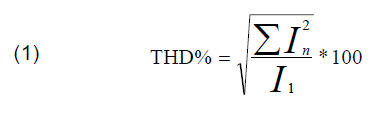
The performance of harmonics is characterised by the total voltage harmonic distortion defined as follows:

.

4. Mitigation capabilities of FACTS devices

The response of various devices to different PQ phenomena is mainly determined by control design. In this study, the controllers of FACTS devices are designed to achieve optimal performance for predefined/specific purposes, and the controller parameters are tuned to serve these purposes while at the same time taking into account the characteristic of the network they are connected to. In the study, SVC is equipped with unbalanced controller to mitigate unbalance; DVR is designed for voltage sag mitigation, with its series connected injection transformer responding to the detection of voltage sags; STATCOM-V (i.e. the STATCOM used for voltage regulation) is to maintain the voltage at nominal value; STATCOM-Q (i.e. the STATCOM used for reactive power compensation) is to compensate required reactive power in downstream branches. Three-phase converter with PWM is used to model DVR and STATCOM operation.

The impact of FACTS devices on various PQ phenomena is tested in a large-scale distribution network, 295-bus GDN, as shown in Fig. 4 [24, 26]. It comprises 275 kV transmission in feeds, 132 and 33 kV predominantly meshed sub-transmission networks, and 11 kV predominantly radial distribution network. The network consists of 276 lines including overhead lines and underground cables, 37 transformers with various winding connections, 297 loads (including ten unbalance loads) representing industrial, commercial and domestic loads, 26 DGs (including five wind turbines, nine fuel cells and 12 photovoltaic (PV) generators) connected to 11 kV distribution network. The locations of unbalanced loads and DGs are marked by different labels in Fig. 4. The wind generators were modelled as three-phase asynchronous generators of doubly fed induction generator (DFIG) type with max output of 0.6 p.u. based on their full capacity. The fuel cells were connected as single-phase static generators. As for 12 PVs, three PVs are connected as three-phase generators (to simulate larger PV installations), and the remaining nine as single phase.

Fig.4. Single line diagram of 295-bus GDN

STATCOM and SVC devices are placed at bus 217, and DVR is connected in the line between buses 216 and 217. Although a DVR is typically used to provide customised power supply to an individual sensitive load (individual plant), the application here considers protecting a number of downstream sensitive loads from upstream voltage sags. For the convenience of comparison, only one representative operating point is used, and one device is activated at one time. In Fig. 4, the two downstream branches at bus 217 are denoted as feeders 1 and 2, respectively.

Fig.5. Dynamic response of voltage with FACTS devices (a) SVC, (b) STATCOM-Q, (c) STATCOM-V, (d) DVR

The compensation effect of various devices on voltage sag performance is studied by applying a fault at upstream bus. The dynamic response of voltage at bus 217 is given in Fig. 5. Without the connection of any FACTS device, the voltage at bus 217 is >1 p.u. With the connection of STATCOM-V, SVC or DVR, the pre-fault voltage is 1 p.u. When STATCOM-Q is connected, the pre-fault voltage is the same as that obtained without the connection of any device, as seen from Fig. 5b. Although STATCOM-Q and STATCOM-V perform similarly during fault, they present different capability of post-fault voltage recovery. During the post-fault period, the performance of STATCOM-Q and STATCOM-V is similar when the rating is small. However, as the rating increases, STATCOM-V results in more pronounced voltage oscillations compared to STATCOM-Q. SVC is generally used for fast voltage regulation and to improve voltage recovery after the fault clearing. In this case, the SVC improved voltage recovery performance when its rating was relatively small. The application of larger SVC, however, led to pronounced post-fault voltage oscillations as in its control design TSC is not blocked during severe voltage sags to prevent excessive transient voltage on fault recovery. It was observed that once the ratings of devices (SVC, STATCOM-Q and STATCOM-V) reached a certain value, the support they provide with respect to voltage sags performance reduces and even if their rating is further increased there is no improvement in performance. In this case, DVR provides much better voltage dynamic response at B217 compared to other devices. DVR, equipped with energy storage for sag compensation, is not only able to compensate the voltage up to 1 p.u. (given sufficient energy storage) but also able to recover the post-fault voltage fast and does not result in postfault voltage oscillation.

The mitigation effect of various FACTS devices on harmonics and unbalance phenomena is given in Tables 1 and 2, respectively. STATCOM-Q outperforms other FACTS devices in terms of harmonics mitigation, and SVC has the best performance in terms of unbalance mitigation.

Table 1. THD obtained with various FACTS devices

.

Table 2. VUF performance with various FACTS devices

.
Fig.6. PQ performance at all buses (a) BPI, (b) THD, (c) VUF

To see the influence of each device on its neighbouring buses, BPIs at all buses are given in Fig. 6a. SVC, STATCOM-Q and STATCOM-V have similar performance. DVR improves the sag performance at downstream buses significantly, i.e. the buses on feeders 1 and 2.

Harmonics performance at all buses due to the connection of various FACTS devices is presented in Fig. 6b. It can be seen that the performance of SVC, STATCOM-Q and STATCOM-V is similar. For DVR, the obtained total harmonic distortions (THDs) at the downstream buses are better than those at the upstream buses.

The unbalance performance at all buses with various FACTS devices is given in Fig. 6c. In this case, SVC outperforms other FACTS devices. When SVC is installed, the obtained VUFs at the buses which are close to the installation location are greatly improved. Between STATCOM-V and STATCOM-Q, the former provides better performance at the buses which are close to B217, while the latter provides better mitigation effect at the buses which are relatively further away from B217. DVR has minor impact on the upstream buses while causing slightly higher VUFs at the downstream buses.

5. Optimal placement of FACTS devices for mitigation of individual PQ phenomena across GDN

Instead of using only one operating point, a comprehensive simulation is performed on GDN based on probabilistic approaches. The simulation accounts for various uncertain factors in the network, e.g. the probability nature of the system fault statistics, the uncertainty of the fault clearing time and unbalance severity, and the variation of harmonic current injection. The variation of load profiles and network parameters are also taken into account to evaluate the sag performance more accurately. Annual hourly loading curves were extracted from 2010 survey of different types of loads (including commercial, industrial and residential loads), and 8760 operating points are obtained. Since there are different variation patterns for industrial load, commercial load, domestic load and PV outputs in terms of day and season, some operating conditions re-occur during the year. In the study, Cluster Evaluation of Statistics Toolbox in Matlab is used to find the representative operating conditions. With this approach, nine representative points are obtained. Additionally, seven more operating points are considered in the simulation, and these operating points are corresponding to the maximum load, the maximum DG output, the maximum wind output, the maximum PV output, the maximum industrial load, the maximum commercial load and the maximum domestic load. In total, there are 16 characteristic operating points taken into account. The PQ evaluation based on these 16 operating points is taken as the reference for the optimisation procedure which is applied to select the optimal set of FACTS devices for mitigating a specific PQ phenomenon.

Before applying the optimisation procedure, a pool of potential solutions, which consists of locations, types of devices and ratings, are made available initially for selection. Location of FACTS devices (in total 59), including SVC, STATCOM and DVR, are pre-selected based on PQ performance and the sensitivity of voltage variation at a bus due to the injection of active or reactive power. Passive filters (PFs) are also selected as the potential solution to harmonic phenomenon, as they have been, and are still being used to mitigate harmonic pollution for utilities or industrial installations. The buses exposed to severe THD and at the intersections of two relatively long branches (with more than three downstream buses) are made available for the placement of double tuned PF (tuned to compensate two harmonics with the largest magnitude at the specific location). In total, 77 devices (21 SVC, 21 STATCOM, 17 DVR and 18 PF) are made available initially for optimisation procedure. For each device the range of ratings is given, divided into 10 intervals, and a rating is selected by randomly generating a value within the interval.

Given the initial pool of devices, greedy optimisation algorithm is applied to select the optimal mitigation solution for each PQ phenomenon separately. The optimal device is selected among the available devices, and the number of devices is increased iteratively until the improvement of the corresponding PQ index becomes smaller than a given threshold (2% of the PQ index evaluated without mitigation). Based on this approach, the optimal mitigation solution is obtained for each PQ phenomenon. All simulations are carried out in DIgSILENT/PowerFactory software. Heatmaps are used to present the variation of PQ performance obtained without and with mitigation.

5.1 Mitigation of voltage sags

In this study, BPI is used to evaluate voltage sag performance. Faults are simulated throughout the network based on probabilistic methodology proposed [24]. The components at different voltage levels have different fault rates, and the detailed system fault statistics in the distribution network are given in Table 3 [24, 27, 28]. The mean and standard deviation of the distribution of fault clearing time are given in Table 4, together with the failure probability of primary protection relays.

Table 3. System fault statistic for components in GDN network

.

Table 4. Fault clearing time for primary and back-up bus and line protection relays

.
Fig.7. Comparison of BPI performance without and with mitigation (a) Heatmaps of BPIs obtained without mitigation, (b) Heatmaps of BPIs obtained with mitigation, (c) BPI performance at all buses

Based on the pool of potential mitigation devices, greedy optimisation algorithm is applied to select the optimal FACTS devices to mitigate voltage sags. The selected optimal solution will be discussed in Section 5.4. The heatmaps of BPIs obtained without and with the mitigation are given in Figs. 7a and b, in which the area exposed to severe sag disturbance is marked in red. It can be seen that the sag performance at the critical area is significantly improved by the placement of the optimal set of FACTS devices. To further observe the sag performance, BPIs at all buses are given in Fig. 7c. It can be seen that the peak of the solid red curve, which is corresponding to the critical area in Fig. 7a, is significantly reduced with the installation of the optimal mitigation solution.

5.2 Mitigation of unbalance

A number of loads are selected as potential sources of unbalance in the network. For these unbalance loads, the real power demand at each phase is set based on the true load profiles, while the reactive power is set based on power factors, which are generated randomly according to a pre-set normal distribution. In the study, 10 unbalance loads are applied. The mean of the normally distributed power factors is set to 0.95 which represents a general load [29], and the standard deviation is set to 0.053.

Fig.8. Comparison of VUF performance without and with mitigation (a) Heatmaps of VUFs obtained without mitigation, (b) Heatmaps of VUFs obtained with mitigation, (c) VUF performance at all buses

The optimal mitigation solution is obtained with the application of greedy algorithm optimisation procedure. The heatmaps of the VUFs obtained without and with mitigation are given in Figs. 8a and b, respectively. It can be seen from Fig. 8a that there are two areas suffering from unbalance, marked in red. The unbalance issues experienced in the two critical areas are eliminated with the installation of the obtained optimal mitigation solution, as shown in Fig. 8b. The VUFs at all buses are given in Fig. 8c, which shows that VUFs of all buses are improved to some extent with the application of mitigation solution.

5.3 Mitigation of harmonics

In the study, 30 loads in total are selected as non-linear loads. Ten of these are fixed non-linear loads, which inject harmonic current into the grid at fixed locations. Further 20 loads are randomly selected (their location varies with different operating points) from the rest of the load buses and taken as non-linear loads. The ratio of the magnitude of the injected harmonic current to that of the fundamental component follows pre-set normal distributions. Based on the types of the non-linear loads, the mean of the normal distribution varies, as given in Table 5. The harmonic current injection from DGs follows pre-set normal distributions as well, and the mean of the normal distribution is also given in Table 5 [30]. The standard deviation of the aforementioned normal distributions is set to 10% of the mean.

Table 5. Harmonic current spectra amplitude ranges of non-linear loads and DG

.
Fig.9. Comparison of THD performance without and with mitigation (a) Heatmaps of THDs obtained without mitigation, (b) Heatmaps of THDs obtained with mitigation, (c) THD performance at all buses

The heatmaps of THDs obtained without mitigation and with the optimal mitigation solution are provided in Figs. 9a and b, respectively. The THDs evaluated at all buses are provided in Fig. 9c. It can be seen that the harmonic performance is significantly improved with the installation of the optimal mitigation solution.

5.4 Comparison of optimal solutions for different phenomena

The optimal solutions for different PQ phenomena are listed in Table 6, which provides the type, size and installation location of the selected devices. The optimal solution obtained for sag mitigation consists of six DVR and one SVC, which confirms the preference of DVR for sag mitigation. For unbalance, the obtained optimal mitigation solution consists of four devices (two SVC, one STATCOM-V and one PF). It can be seen that the mitigation solution favours SVC, followed by STATCOM-V, which are in line with the results presented in Section 4. PF, working along with other active devices, can also contribute to compensation of reactive power and ultimately voltage regulation. As for harmonic, the obtained optimal set of mitigation devices consists of four FACTS devices (four STATCOM-Q) together with four properly placed PFs in the network. It can be seen that between STATCOMV and STATCOM-Q, the former has better performance in mitigating unbalance, and the latter performs better in mitigating harmonics. It should be mentioned though that due to their cost-effectiveness, the typical solution for harmonic mitigation is passive filters, rather than STATCOM. This paper however, focuses on providing a global picture with respect to the technical capability, impact and limitations that widely used FACTS devices offer in terms of mitigation of different PQ phenomena, hence PFs were not considered as part of this study.

Table 6. Optimal solutions for different PQ phenomena

.
6. Conclusion

This paper investigates both the mitigation effect and negative impact of FACTS devices (including SVC, STATCOM and DVR) on various PQ phenomena (voltage sags, harmonics and unbalance). The impact of varying the size of the devices and the selection of different control strategies for STATCOM are also studied. A PI-based controller, with properly designed time-delay function, is developed to control the voltage injected at the AC-side of DVR in PowerFactory/DIgSILENT. The DVR with the developed controller outperforms SVC and STATCOM in terms of mitigating voltage sag phenomena. It not only compensates during fault voltage as expected but also has the ability to recover voltage quickly without suffering from voltage oscillation as experienced by other devices. The study is carried out on a large-scale GDN. The strengths and weakness of each device are analysed and demonstrated in the paper. In the case of GDN, the optimal mitigation solution is obtained for each PQ phenomenon using greedy algorithm, and the PQ performance is greatly improved when the obtained optimal solutions are applied.

Acknowledgments – This work was supported by SuSTAINABLE project under Grant no. 308755.

References

[1] Chan, J.Y., Milanović, J.V., Delahunty, A.: ‘Risk-based assessment of financial losses due to voltage sag’, IEEE Trans. Power Del., 2011, 26, (2), pp. 492–500
[2] JWG CIGRE-CIRED C4.107: ‘Economic framework for power quality’ (2011), https://www.scribd.com/document/71715649/467-Economic-Framework-for-Power-Quality
[3] Bollen, M.H.J.: ‘Understanding power quality problems: voltage sags and interruptions’ (Wiley, New York, 2000)
[4] Chan, J.Y., Milanović, J.V., Delahunty, A.: ‘Generic failure-risk assessment of industrial processes due to voltage sags’, IEEE Trans. Power Del., 2009, 24, (4), pp. 2405–2414
[5] Woolley, N.C., Milanović, J.V.: ‘Statistical estimation of the source and level of voltage unbalance in distribution networks’, IEEE Trans. Power Del., 2012, 27, (3), pp. 1450–1460
[6] Wakileh, G.J.: ‘Power systems harmonics fundamentals, analysis and filter design’ (Springer, New York, 2001)
[7] IEEE Std 1346–1998: ‘IEEE recommended practice for evaluating electric power system compatibility with electronic process equipment’ (1998), http://ieeexplore.ieee.org/document/694188/
[8] IEEE Std 1564-2014: ‘IEEE guide for voltage sag indices’ (2014), http://ieeexplore.ieee.org/document/6842577/
[9] EN 50160: ‘Voltage disturbances standard EN 50160 – voltage characteristics in public distribution systems’ (2004), https://www.scribd.com/document/50699770/Standard-EN50160
[10] IEC 61000-4-30:2003: ‘Testing and measurement techniques – Power quality measurement methods’ (2003), http://www.iecee.org/dyn/www/f?p=106:49:0::::FSP_STD_ID:18768
[11] IEEE Std 519-1992: ‘IEEE recommended practices and requirements for harmonic control in electrical power systems’ (1993), http://ieeexplore.ieee.org/document/6826459/
[12] More, T.G., Asabe, P.R.: ‘Power quality issues and it’s mitigation techniques’, Int. J. Eng. Res. Appl., 2014, 4, (4), pp. 170–177
[13] Chan, J.Y.: ‘Framework for assessment of economic feasibility of voltage sag mitigation solutions’. PhD thesis, Department of Electrical and Electronic Engineering, University of Manchester, Manchester, UK, 2010
[14] Masdi, H., Mariun, N., Mahmud, S., et al.: ‘Design of a prototype DSTATCOM for voltage sag mitigation’. Proc. National Power and Energy Conf., Kuala Lumpur, Malaysia, 2004, pp. 61–66
[15] Xiao, Y., Song, Y.H., Liu, C.C., et al.: ‘Available transfer capability enhancement using FACTS devices’, IEEE Trans. Power Syst., 2003, 18, (1), pp. 305–312
[16] Ghahremani, E., Kamwa, I.: ‘Optimal placement of multiple-type FACTS devices to maximize power system loadability using a generic graphical user interface’, IEEE Trans. Power Syst., 2013, 28, (2), pp. 764–778
[17] Milanović, J.V., Yan, Z.: ‘Global minimization of financial losses due to voltage sags with FACTS based devices’, IEEE Trans. Power Del., 2010, 25, (1), pp. 298–306
[18] Alhasawi, F.B., Milanović, J.V.: ‘Techno-economic contribution of FACTS devices to the operation of power systems with high level of wind power integration’, IEEE Trans. Power Syst., 2012, 27, (3), pp. 1414–1421
[19] Milanović, J.V., Zhang, Y.: ‘Modeling of FACTS devices for voltage sag mitigation studies in large power systems’, IEEE Trans. Power Del., 2010, 25, (4), pp. 3044–3052
[20] Zhang, Y., Milanović, J.V.: ‘Global voltage sag mitigation with FACTS-based devices’, IEEE Trans. Power Del., 2010, 25, (4), pp. 2842–2850
[21] Grunbaum, R.: ‘FACTS for voltage control and power quality improvement in distribution grids’. Proc. CIRED Semi. Smart Grids for Dist., 2008, pp. 1–4
[22] Hatami, H., Shahnia, F., Pashaei, A., et al.: ‘Investigation on D-STATCOM and DVR operation for voltage control in distribution networks with a new control strategy’. Proc. IEEE Lau. Power Tech., 2007, pp. 2207–2212
[23] Asati, R., Kulkarni, N.R.: ‘A review on the control strategies used for DSTATCOM and DVR’, Int. J. Electr., Electron. Comp. Eng., 2013, 2, (1), pp. 59–64
[24] Liao, H.L., Abdelrahman, S., Guo, Y., et al.: ‘Identification of weak areas of power network based on exposure to voltage sags—Part II: assessment of network performance using sag severity index’, IEEE Trans. Power Del., 2015, 30, (6), pp. 2401–2409
[25] Liao, H.L., Abdelrahman, S., Milanović, J.V.: ‘Identification of weak areas of power network based on exposure to voltage sags—part I: development of sag severity index for single-event characterization’, IEEE Trans. Power Del., 2014, 30, (6), pp. 2392–2400
[26] Zhang, Y., Milanović, J.V.: ‘Voltage sag cost reduction with optimally placed FACTS devices’. Proc. International Conf. on Electrical Power Quality and Utilisation, 2007, pp. 1–6
[27] Milanović, J.V., Gupta, C.P.: ‘Probabilistic assessment of financial losses due to interruptions and voltage sags – part I: the methodology’, IEEE Trans. Power Del., 2006, 21, (2), pp. 918–924
[28] Milanović, J.V., Gupta, C.P.: ‘Probabilistic assessment of financial losses due to interruptions and voltage sags – part II: practical implementation’, IEEE Trans. Power Del., 2006, 21, (2), pp. 925–932
[29] Liu, Z., Milanović, J.V.: ‘Probabilistic estimation of voltage unbalance in MV distribution networks with unbalanced load’, IEEE Trans. Power Del., 2015, 30, (2), pp. 693–703
[30] Abdelrahman, S., Liao, H.L., Yu, J., et al.: ‘Probabilistic assessment of the impact of distributed generation and non-linear load on harmonic propagation in power systems’. Proc. 18th Power Systems Computation Conf., Wroclaw, Poland, 2014


Source & Publisher Item Identifier: IET Gener. Transm. Distrib., 2017, Vol. 11 Iss. 5, pp. 1202-1211. doi: 10.1049/iet-gtd.2016.1017

Impacts of Fault Diagnosis Schemes on Distribution System Reliability

Published by Shahram Kazemi, Member, IEEE, Matti Lehtonen, and Mahmud Fotuhi-Firuzabad, Senior Member, IEEE.
IEEE TRANSACTIONS ON SMART GRID, VOL. 3, NO. 2, JUNE 2012


Abstract—Design and development of fault diagnosis schemes (FDS) for electric power distribution systems are major steps in realizing the self-healing function of a smart distribution grid. The application of the FDS in the electric power distribution systems is mainly aimed at precise detecting and locating of the deteriorated components, thereby enhancing the quality and reliability of the electric power delivered to the customers. The impacts of two types of the FDS on distribution system reliability are compared and presented in this paper. The first type is a representative of the FDS which diagnoses the deteriorated components after their failing. However, the second type is a representative of the FDS which can diagnose the failing components prior to a complete breakdown and while still in the incipient failure condition. To provide quantitative measures of the reliability impacts of these FDS, the comparative and sensitivity case studies are conducted on a typical Finnish urban distribution network.

Index Terms—Fault diagnosis schemes, fault management, power distribution system, reliability assessment, smart grid.

I. NOMENCLATURE

ASUI – Average system unavailability index.
ECOST – Expected cost of the power interruptions imposed on the customers.
EENS – Expected energy not supplied.
FDS – Fault diagnosis schemes.
FMA – Fault management activities.
NCS – Total number of the cable sections in the distribution network under study.
PAFR – Average share of the passive failure events in the total failure events of the cable sections
PARR – Average ratio of the time required for repairing the passively failed cable sections to that required for repairing the actively failed cable sections.
PFDS – Proactive fault diagnosis schemes.
RFDS – Reactive fault diagnosis schemes.
SAIDI – System average interruption duration index.
SAIFI – System average interruption frequency index.
SGS – Smart grid simulator.
riActive – Time required to repair the cable section number i, when it encounters with an active failure condition.
riPassive – Time required to repair the cable section number i, when it encounters with a passive failure condition.
λiActive – Active failure rate of the cable section number i.
λiPassive – Passive failure rate of the cable section number i .

II. INTRODUCTION

Electric utilities have traditionally performed the fault diagnosis activities based on the customers’ outage calls. Upon receiving the trouble calls from the customers, the operators look at the network configuration map and the protection design manual to determine the outage area. Then, a repair crew has to be sent to patrol the outage area. When faced with a tripped circuit breaker and no indication as to where the fault lies, a repair crew has a range of options by which the faulted section is identified. In a manually operated distribution network, either “feeder splitting and fault reignition method” or “feeder splitting and insulation test method” can be used for finding the faulted section. The diagnosis of the fault in these manners can be an unsafe, rigorous and time-consuming task, which finally results in the poor quality and reliability of electric power delivered to the customers. In order to overcome these issues, various types of the FDS have been developed across the globe [1]. Some of the FDS mainly work based on the measurements of voltages and currents signals provided by devices such as the fault passage indicators installed along the distribution feeders [2]–[4]. Other FDS normally operate based on algorithms that use measurements of voltages and currents signals provided by intelligent electronic devices located at a main substation [5]–[7]. The majority of the FDS which have been developed over the past two decades are mainly RFDS [1]. These schemes diagnose the failed component after a complete breakdown condition and following the reaction of protective devices against the over-current faults and other similar abnormal situations. Although the fault diagnosis activities can now be accomplished faster andmore precisely than before, but the component failures still result in extensive outages, substantial expensive equipment repair and replacement, and unsafe conditions for the public. However, regardless of some failure modes of the components that are unavoidable (such as accidents), there are many other failure modes of the components that often develop over days to months before a complete breakdown occurs [8]. This fact has been the basic idea for developing the PFDS [9], [10]. Using the PFDS, the failing components can be detected while still in their incipient failure conditions. As a result, a repair crew can be dispatched to repair or replace the failing component, before a complete breakdown occurs. Hence, not only the quality and reliability of electric power delivered to the customers are improved but also the substantial expensive equipment repair and replacement and possible unsafe conditions can be mitigated.

Although many techniques and formulas have been purposed in the literatures for developing the FDS, but always there has been a lack of well documented materials related to the reliability impacts of such automation schemes. This issue has been the main motivation for developing this paper. It aims to compare the effects of representatives of the RFDS and the PFDS on the distribution system reliability. The paper is organized as follows. After this introduction, the reliability evaluation procedure is discussed in Section III. Next, in Section IV, the results of comparative and sensitivity case studies which have been conducted on a typical Finnish urban distribution network are presented and discussed. Finally, a conclusion is provided in Section V.

III. RELIABILITY EVALUATION PROCEDURE

When comparing various reliability improvement measures, it is necessary to perform a course of quantitative reliability assessment studies in the related decision making process. In such studies, the processes that are followed for managing the faulted network can affect the approach to these studies. When an electric power distribution network encounters a fault condition, specific activities designated as fault management activities are required to be carried out.

Typical FMA involve the following processes [11]:

—protection system reaction;
—fault notification;
—approximate fault location;
—decision making;
—repair crew dispatching and traveling;
—patrolling;
—fault isolation;
—service restoration;
—repair or replacement;
—return to normal operation.

Distribution system reliability assessment is not a difficult task as long as the detailed modeling of the FMA is not required to be considered in the related analyses. However, the reliability evaluation procedure is complicated when the procedures involved in the FMA are altered due to the characteristics of implemented solutions. An electric utility can invest on a specific automation scheme to perform one or some of the FMA in more efficient manner compared to what they have been doing so far. The current paper is mainly dealing with two automation schemes that have been developed and implemented in the real fields for automating two stages of the FMA, namely fault notification and approximate fault location activities. Employing either one of these automation schemes will affect the procedures of electric utilities for performing the FMA. As a result, in this situation, the detailed reliability modeling of the FMA is required to gain the desired results. In addition, a suitable reliability model should be used for representing the failure modes of the components. A three-state Markov model has been developed by the authors for reliability studies concerned in this paper, as shown in Fig. 1.

Fig.1. A three-state Markov model for representing the failure modes of a component of an electric power distribution network.

In the model shown in Fig. 1, the “Full-Up State” represents the normal operating status of a component. In contrast, the “Breakdown State” and the “Degradation State” represent the failure conditions. The breakdown state corresponds to an active failure situation in which the component encounters with a severe damage. Therefore, it is de-energized by means of protection devices and forced to the outage condition. On the other hand, the degradation state represents the passive failure situation at which the component malfunctions, but the damage is still in the incipient condition and needs more time to completely breakdowns. The component leaves its normal operating state to either the active failure state or the passive failure state by rates equal to λActive and λPassive , respectively. A passively failed component will finally become an actively failed component if the necessary repair or replacement activities are not carried out well in advance. This phenomenon has been represented by the transition rate λPTA in the model shown in Fig. 1. The time periods required for returning a component to its normal operating status, when it is either in the active failure state or the passive failure state, may not be the same. Therefore, two different repair or replacement rates have been assigned to the failure states, i.e., µActive and µPassive . The parameters of the proposed model can be estimated from the statistical analysis of the failure cause of components and engineering practices.

Fig.2. Single-line diagram of a typical Finnish urban distribution network which is used as a test system for quantitative reliability assessment studies.

A software package designated as “Smart Grid Simulator” (SGS) is used for directing the reliability case studies concerned in this paper. The SGS has been developed by the first author to simulate the issues related to the smart grids. The reliability assessment module of the SGS mainly relies on the reliability evaluation techniques which have been already developed by the authors in this area, e.g., [11]–[13]. More detailed information about the reliability evaluation techniques underlying the SGS can be found in [14]. Failure modes of each component of the network under study are simulated in the SGS. For each failure mode, the detailed reactions of protection and automation schemes and their impacts on the different stages of the FMA are evaluated automatically. As a result, the time periods required for accomplishing each step of the FMA and manners in which different load points have been affected are determined. Based on these outcomes, the SGS calculates the reliability indices.

IV. STUDY RESULTS

A typical Finnish urban distribution network is used in this paper as a test system for quantitative reliability assessment studies. The single-line diagram of the test system is shown in Fig. 2. Table I contains the basic data of this test system. More detailed information about this test system can be found in [14]. There are 144 distribution substations (20/0.4 kV) in this network which are supplied through 6 underground cable feeders originated from a subtransmission substation (110/20 kV). In order to assess the reliability performance of the test system when the RFDS and the PFDS are employed, the following cases are considered in the analyses:

1) Case 1: The base case which aims to show the reliability performance of the test system when there is no automation scheme for health monitoring of the network components. In this situation, upon a component failure, the power interruptions are notified by the network operators through outage calls received from the customers. Then repair crews are sent to the outage area. They halve the downstream sections of the operated circuit breaker by opening a suitable switching device. Then an insulation test is performed to determine whether the fault is located upstream of the opened switching device or vice versa. This trial-and-error process is repeated until the faulted section is found. Then, the faulted section is isolated and the power service is restored for other healthy sections of the network through the proper switching actions. By the time these tasks are accomplished, the precise fault location and the repair or replacement activities are carried out. Finally, the network is returned to its normal operating status.

TABLE I – BASIC DATA OF THE TEST SYSTEM

.

2) Case 2: This case represents a situation when a typical RFDS is implemented in the test system. The scheme proposed in [2] is used for such a purpose. This scheme has been developed for detecting and locating a faulted cable section in the underground cable distribution networks. When employing this scheme on the test system, although a fault still results in the circuit breaker operation and hence power interruption for customers, but the faulted cable section can be detected and located automatically. As a result, the repair crews can be sent directly to the faulted area. Then, the faulted cable section is isolated and the power service is restored for other healthy sections of the network through the proper switching actions. After accomplishing these tasks, the precise fault location and the repair activities are carried out. Finally, the network is returned to its normal operating status.

3) Case 3: This case represents a situation when a typical PFDS is implemented in the test system. The PFDS proposed in [10] is used for such a purpose, as its infrastructure has close similarities with the scheme used for Case 2. This scheme is capable of detecting and locating both active and passive failure modes of the underground cable sections. The partial discharges of the cable sections are monitored continuously in this scheme. Therefore, the passively failed cable sections can be detected and located automatically before they result in the circuit breaker operation. As a result, it might be possible to reconfigure the network such that the impacts on the customers due to ongoing fault isolation and repair activities are minimized. The efficiency of this scheme is considered to be about 80% [10] and is defined as the ratio of passive failure events that have been detected by the FDS over the total passive failure events. Obviously, this parameter is equal to zero for Cases 1 and 2.

Fig.3. Expected annual interruption frequencies (occ/yr) of distribution substations of the test system for different case studies (Note: Cases 1 and 2 have the similar results and hence they have been overlapped).

TABLE II – BASIC DATA FOR PERFORMING THE FMA IN EACH CASE STUDY

.

The basic data required for performing the FMA in the above described case studies are assumed according to Table II. The typical data provided in Table II are based on the engineering judgments, the characteristics of the implemented FDS and also consulting with some experts in this area.

The above described FDS have been developed for diagnosing the cable faults. Therefore, to have a reasonable comparison between these case studies, the reliability studies concerned in this paper are concentrated on the cable failure events and the other components of the test system are assumed to be fully reliable. It is assumed that about 20% of the cable failure events are active failures. In addition, the time required for accomplishing the actual repair activities on a passively failed cable section is also assumed to be the same as the case when it encounters with an active failure condition. However, the impacts of these two parameters are further analyzed later in the paper.

Figs. 3–5 respectively show the expected annual interruption frequency, the expected annual interruption duration and the expected annual interruption cost indices of the distribution substations of the test system.

As expected, when employing either the RFDS or the PFDS, the reliability performance of the test system is improved. However, these improvements are more dominants in Case 3 compared to those of Case 2. As it can be seen from Fig. 3, employing the RFDS in Case 2 has no impact on the interruption frequencies of the distribution substations of the test system compare to the base case study (Case 1).

However, the interruption frequencies of the distribution substations of the test system decrease when employing the PFDS in Case 3. Actually, neither the protection system nor the RFDS implemented in Case 2 can detect the passively failed cable sections. As a result, after a period of time, the passively failed cable sections will suffer a complete breakdown. By the time this occurs, the protection system reacts against this failure condition which results in the power interruption for the customers. Only after accomplishing this process, the faulted cable section can be detected and located by the RFDS implemented in Case 2.

Fig.4. Expected annual interruption durations (hrs/yr) of distribution substations of the test system for different case studies.

Fig.5. Expected annual interruption costs (EUR/yr) of distribution substations of the test system for different case studies.

Figs. 4 and 5 show that employing the FDS in Case 2 and Case 3 have reduced the effects of cable faults on annual interruption durations and also annual interruption costs of distribution substations of the test system. However, in contrast to the RFDS used in Case 2, the PFDS employed in Case 3 can detect and locate the passively failed cable sections well in advance. Hence, the necessary fault isolation and repair activities can be done with the least impacts on the other distribution substations connected to the passively failed cable sections. As a result, the degrees of reliability improvements are much better for Case 3 compared to those of Case 2.

TABLE III – SYSTEM ORIENTED RELIABILITY INDICES OF THE TEST SYSTEM

.

The system oriented reliability indices of the test system for different case studies are shown in Table III. The relative changes of these indices for different pair of case studies have also been presented in Table IV. The results shown in these tables clearly show the great impacts of the RFDS and the PFDS on reliability performance of the test system. For Case 2, SAIFI remains unchanged while the other reliability indices improve. For Case 3, however, all the reliability indices improve. These tables once more show how the PFDS can result in much better reliability performance in the test system compared to those of the RFDS.

Fig.6. Expected burden on repair crews (hrs/yr) for different case studies.

TABLE IV – RELATIVE CHANGE IN SYSTEM ORIENTED RELIABILITY INDICES (IN PERCENT)

.

It is expected that employing any FDS in the distribution networks would affect the overall burden on the utility repair crews for performing the FMA. Fig. 6 shows the results of such study when either the RFDS or the PFDS are employed in the test system. This figure shows that how the RFDS implemented in Case 2 or the PFDS employed in Case 3 can affect the average hours per year that the utility repair crews should be engaged with the FMA in the test system. As the activities and hence the total time period required for fault location is decreased when employing either the RFDS or the PFDS, the overall burden on the utility repair crews is also reduced for Case 2 and Case 3 compared to that of Case 1.

Fig. 6 also shows that the burden on repair crews is about the same when either the RFDS (Case 2) or the PFDS (Case 3) is used in the test system. The reason for this is that the repair crews should be dispatched to fix the problem regardless of the fault type. As it has been assumed that the time required for performing repair activities on a passively failed cable section is the same as that of an actively failed cable section, the small difference between the results associated with Cases 2 and 3 originated from the time required for precise fault location activities, which is negligible in Case 3 (see Table II).

The results of the above described comparative case studies clearly manifest the prominent capabilities of the PFDS over the RFDS for reliability enhancement of the electric power distribution networks. The main origin for this pioneering is the capability of the PFDS in detecting and locating both passive and active failure modes of the components. For this reason, further analyzing of the PFDS when the characteristic of passive failure events are changed is of high importance. In practice, a passively failed cable section may have fewer impacts on the peripheral cables routed through the same channel or conduit compared to the case of an actively failed cable section. Therefore, the time required for accomplishing the actual repair activities on a passively failed cable section could be shorter than that of the case when it encounters with an active failure condition. In addition, the failure causes of the underground cable networks may vary from one utility to another. This issue can affect the share of passive failure events in the total failure events of the cable sections. Therefore, the following two parameters are defined for overall description of the passive failure events in the underground cable distribution networks:

.

Tables V–IX represent the sensitivity of the system oriented reliability indices with respect to different attributes of the passive failure events. The typical PFDS described in [10] was employed in the test system when conducting these sensitivity case studies.

TABLE V – SENSITIVITY OF SAIFI (INTR/SUB-YR) TO DIFFERENT ATTRIBUTES OF PASSIVE FAILURE EVENTS WHEN A TYPICAL PFDS IS EMPLOYED IN THE TEST SYSTEM.

.

TABLE VI – SENSITIVITY OF SAIDI (HRS/SUB-YR) TO DIFFERENT ATTRIBUTES OF PASSIVE FAILURE EVENTS WHEN A TYPICAL PFDS IS EMPLOYED IN THE TEST SYSTEM.

.

TABLE VII – SENSITIVITY OF ASUI (%) TO DIFFERENT ATTRIBUTES OF PASSIVE FAILURE EVENTS WHEN A TYPICAL PFDS IS EMPLOYED IN THE TEST SYSTEM.

.

TABLE VIII – SENSITIVITY OF EENS (KWHR/YR) TO DIFFERENT ATTRIBUTES OF PASSIVE FAILURE EVENTS WHEN A TYPICAL PFDS IS EMPLOYED IN THE TEST SYSTEM.

.

TABLE IX – SENSITIVITY OF ECOST (EUR/YR) TO DIFFERENT ATTRIBUTES OF PASSIVE
FAILURE EVENTS WHEN A TYPICAL PFDS IS EMPLOYED IN THE TEST SYSTEM.

.

TABLE X – SENSITIVITY OF BURDEN ON REPAIR CREWS (HRS/YR) TO DIFFERENT ATTRIBUTES OF PASSIVE FAILURE EVENTS WHEN A TYPICAL PFDS IS EMPLOYED IN THE TEST SYSTEM.

.

Table V shows that the SAIFI index is improved with increasing the value of PAFR and deteriorate for the reverse situation. However, this index remains constant for different values of PARR. It should be noted that even in situations where all the cable failure events are passive (i.e. PAFR = 100), customers will still experience power interruptions. There are two main reasons for this phenomenon. The first one is the efficiency of the employed scheme in diagnosing the passively failed cable sections. The efficiency of the PFDS used in these studies is 80% [10]. This value of efficiency means that the developed scheme can diagnose about 80% of all passive failure events and the remaining 20% will finally appear as the active failure events. The active failure events then result in a power interruption for customers due to the operation of protection devices, which are counted by SAIFI. The second reason is the inherent limitations in the distribution network for isolating and repairing the failed cable sections, as it might not be possible to perform these activities without unavoidable power interruptions to some distribution substations.

In contrast to SAIFI, the other system oriented reliability indices presented in Tables VI–IX show some levels of sensitivity to both PAFR and PARR. In general, these reliability indices are improved with increasing the value of PAFR and decreasing the value of PARR and deteriorate for the reverse situations.

Table X shows the sensitivity of burden on the utility repair crews to different attributes of the passive failure events. As it can be seen from this table, for the situation where the average time required for repairing a passively failed cable section is almost the same as that of an actively failed cable section, i.e., PARR = 100, the burden on the repair crews amplifies with increasing the share of passive failure events. However, the situation is different for cases where the average time required for repairing a passively failed cable section is less than that of an actively failed cable section. In these situations, the burdens on repair crews are lessened with increasing the value of PAFR and decreasing the value of PARR and amplified for the reverse situations. This behavior is resulted from different procedures that the utility repair crews should follow for performing the FMA when dealing with various failure modes of the cable sections. For an actively failed cable section, the repair crews first isolate the faulted cable section and then reconfigure the network in an optimal manner to restore power for distribution substations which have been affected by the fault. However, for a passive failure situation, the repair crews first reconfigure the network such that the minimum number of distribution substations would be affected from ongoing fault isolation process, then they perform the necessary fault isolation and repair activities. Normally, the time required for accomplishing the second scenario is pretty more than that required for the first scenario. Therefore, as it can be seen from the first column of Table X, with increasing the share of passive failure events, the burden on the utility repair crew is increased. However, this issue is masked in situations where the time required for performing repair activities on a passively failed cable section is less than that of an actively failed cable section, i.e., PFRR less than 100%, as this time reduction is far more than that of the previously described incremented time.

V. CONCLUSIONS

This paper aimed to compare the effects of two types of the FDS on the reliability performance of the electric power distribution systems. The first one was a representative of the RFDS and the second one was a representative of the PFDS. The SGS was used for conducting the quantitative reliability assessment studies on a typical Finnish urban distribution network when employing these FDS. The results of comparative case studies show that employing either the RFDS or the PFDS can improve the reliability performance of the electric power distribution systems. However, the extents of improvements are much better when employing the PFDS. The RFDS can detect and locate the deteriorated components after their failing and hence mainly reduce the duration of power interruptions imposed on the customers. In contrast, the PFDS can diagnose the failing components prior to the breakdown condition and while they are still in the incipient failure condition. As a result, the PFDS can reduce both frequency and duration of power interruptions experienced by the network customers. In addition, the substantial expensive equipment repair and replacement and possible unsafe condition can be mitigated by using the PFDS. The results also indicate that employing either the RFDS or the PFDS can reduce the overall burden on the utility repair crew for performing the FMA. The results of sensitivity case studies show that when either the share of passive failure events in the total failure events is considerable or where the time required for performing the repair activities on the passively failed components is far less than that of the actively failed components, the more improvement in the reliability indices are expected from the PFDS compared to the RFDS.

ACKNOWLEDGMENT – The authors would like to thank Dr. R. J. Millar for his great assistance on providing the data required for quantitative reliability studies concerned in this paper.

REFERENCES

[1] S. Kazemi, “Commonly used automation schemes for fault management in the MV distribution networks,” Dept. Electr. Eng., Aalto Univ., Espoo, Finland, Tech. Rep. VAHA1, 2009.
[2] A. Newbould, L. Hu, and K. Chapman, “Cable automation for urban distribution systems,” in Proc. 2001 IEE Conf. Develop. Power Syst. Protection, pp. 319–322.
[3] A. Campoccia, M. L. Di Silvestre, I. Incontrera, E. R. Sanseverino, and C. Spataro, “Applicational aspects of a new diagnostic methodology for fault location in MV networks: Problems, solutions and improvements,” in Proc. 2005 Int. Conf. Future Power Syst., pp. 1–6.
[4] S. Bagley and D. Branca, “A new approach to find fault locations on distribution feeder circuits,” in Proc. 2007 IEEE Rural Electr. Power Conf., pp. B5-1–B5-4.
[5] M. S. Choi, S. J. Lee, D. S. Lee, and B. G. Jin, “A new fault location algorithm using direct circuit analysis for distribution systems,” IEEE Trans. Power Del., vol. 19, pp. 35–41, Jan. 2004.
[6] E. C. Senger, G. Manassero, C. Goldemberg, and E. L. Pellini, “Automated fault location system for primary distribution networks,” IEEE Trans. Power Del., vol. 20, pp. 1332–1340, Apr. 2005.
[7] X. Yang,M. S.Choi, S. J.Lee,C.W.Ten, and S. I. Lim, “Fault location for underground power cable using distributed parameter approach,” IEEE Trans. Power Syst., vol. 23, pp. 1809–1816, Nov. 2008.
[8] B. D. Russell,C.L.Benner, R.M. Cheney, C. F.Wallis, T. L. Anthony, and W. E. Muston, “Reliability improvement of distribution feeders through real-time, intelligent monitoring,” in Proc. 2009 IEEE Power Energy Soc. Gen. Meet., pp. 1–8.
[9] B.D. Russell andC.L. Benner, “Intelligent systems for improved reliability and failure diagnosis in distribution systems,” IEEE Trans. Smart Grid, vol. 1, pp. 48–56, Jun. 2010.
[10] P. C. J. M. van der Wielen and E. F. Steennis, “Smartening cable connections by an intelligent health monitor system,” in Proc. 2010 IEEE Conf. Innov. Smart Grid Technol. Eur., pp. 1–7.
[11] S. Kazemi,M. Lehtonen, and M. Fotuhi–Firuzabad, “A comprehensive approach for reliability worth assessment of the automated fault management schemes,” in Proc. 2010 IEEE Transm. Distrib. Conf. Exhib., pp. 1–8.
[12] S. Kazemi,M. Fotuhi–Firuzabad, and R. Billinton, “Reliability assessment of an automated distribution system,” IET Gener., Transm., Distrib., vol. 1, pp. 223–233, Mar. 2007.
[13] S. Kazemi, M. Fotuhi–Firuzabad, M. Sanaye-Pasand, and M. Lehtonen, “Impacts of automatic control systems of loop restoration scheme on the distribution system reliability,” IET Gener., Transm., Distrib., vol. 3, pp. 891–902, Oct. 2009.
[14] S. Kazemi, “Reliability evaluation of smart distribution grids,” Ph.D. dissertation, Sharif Univ. Technol., Aalto Univ. Dept. Electr. Eng., , 2011.


Authors: Shahram Kazemi (M’09) received theM.Sc. degree in electrical engineering from Sharif University of Technology, Tehran, Iran in 2004 and the Ph.D. and D.Sc. degrees in electrical engineering from Sharif University of Technology and Aalto University, Espoo, Finland, in 2011. From 2003 to 2006, he was with Niroo Consulting Engineers Co., Tehran, as a Senior Researcher. He then pursued his doctoral study and research activities at Sharif University of Technology and Aalto University. His main research interest is the reliability evaluation of smart distribution grids.

Matti Lehtonen received the M.S. and Licentiate degrees in electrical engineering from Aalto University (formerly Helsinki University of Technology), Espoo, Finland, in 1984 and 1989, respectively, and the D.Sc. degree from the Tampere University of Technology, Tampere, Finland, in 1992. Since 1987, he has been with VTT Energy, Espoo, and since 1999, he has been with the Department of Electrical Engineering at Aalto University, where he is a Professor of IT applications in power systems. His main activities include earth fault problems, and harmonic related issues and applications of information technology in distribution automation and distribution energy management.

Mahmud Fotuhi-Firuzabad (SM’99) received the B.Sc. and M.Sc. degrees in electrical engineering from Sharif University of Technology, Tehran, Iran, and Tehran University, Iran, in 1986 and 1989, respectively, and the M.Sc. and Ph.D. degrees in electrical engineering from the University of Saskatchewan, Saskatoon, Canada, in 1993 and 1997, respectively. He worked as a Postdoctoral Fellow in the Department of Electrical Engineering, University of Saskatchewan from January 1998 to September 2000, where he conducted research in the area of power system reliability. He worked as an Assistant Professor in the same department from September 2000 to September 2001. Presently, he is a professor and Head of the Department of Electrical Engineering, Sharif University of Technology. Dr. Fotuhi-Firuzabad is a member of the Center of Excellence in Power System Management and Control. He serves as an Editor of the IEEE TRANSACTIONS ON SMART GRID.


Source & Publisher Item Identifier: IEEE TRANSACTIONS ON SMART GRID, VOL. 3, NO. 2, JUNE 2012. DOI: 10.1109/TSG.2011.2176352

Problems of Measuring the Electrical Parameters of Geopolymer Concretes

Published by 1. Michał KOZIOŁ1, 2. Jarosław ZYGARLICKI1, 3. Dariusz ZMARZŁY1, 4. Elżbieta JANOWSKA-RENKAS2, Politechnika Opolska, Wydział Elektrotechniki, Automatyki i Informatyki (1), Politechnika Opolska, Wydział Budownictwa i Architektury (2)
ORCID: 1. 0000-0001-9075-8656; 2. 0000-0001-9330-4369; 3. 0000-0001-9421-4277; 4. 0000-0002-1877-6216


Abstract. The article presents the problems of measuring electrical parameters on the example of determining the resistivity of concrete samples. In addition, as part of the research work undertaken, a series of experimental measurements were carried out in the system of two electrodes on various samples of geopolymer concrete. The obtained results showed the need to improve the electrodes and subjecting to a detailed analysis of the contact connections between the electrodes and the sample in order to obtain a repeatable method of determining the resistivity of geopolymeric concrete samples.

Streszczenie. W artykule przedstawiono problematykę pomiarów parametrów elektrycznych na przykładzie wyznaczania rezystywności próbek betonowych. Ponadto w ramach podjętych prac badawczych, przeprowadzono serię pomiarów eksperymentalnych w układzie dwóch elektrod na różnych próbkach betonu geopolimerowego. Uzyskane rezultaty wykazały konieczność udoskonalenia elektrod i poddanie szczegółowej analizie połączeń stykowych pomiędzy elektrodami a próbką, celem uzyskania powtarzalnej metody wyznaczania rezystywności próbek betonów geopolimerowych. (Problematyka pomiarów parametrów elektrycznych betonów i geopolimerów)

Keywords: concrete resistivity, resistance measurement, geopolymers.
Słowa kluczowe: rezystywność betonów, pomiar rezystancji, geopolimery

Introduction

The important functional properties of building materials are undoubtedly strength, durability and resistance to various external factors. However, due to the continuous technological progress, the possibilities of creating materials with additional properties, such as the ability to conduct electricity, are also increasing. This opens up new areas for the application of such materials in construction, which may cover both diagnostic and functional aspects. There are already known, for example, cement plastics – mortars and concretes showing electrical properties, which were obtained through the use of electrically conductive additives.

Electrical parameters and, in particular, electrical resistivity are currently used, e.g. to describe the durability and resistance of concrete. In a study [1], the main concrete degradation processes such as chloride ingress and corrosion of reinforcement in concrete were linked to the electrical resistivity of concrete. Two measurement methods are used for this type of analysis, i.e. volumetric and surface resistivity measurements [2-5]. There have also been studies on the relationship between tensile stress and electrical resistivity of carbon fibre reinforced cement matrix [6]. Far fewer literature reports relate to the measurement and analysis of the electrical resistivity of geopolymer composites. In this respect, the authors of the paper [7] analysed, among other things, the electrical resistivity behaviour of fly ash and metakaolin-based geopolymers and showed that the electrical resistivity of the fly ashbased geopolymer is significantly higher than that of the metakaolin-based geopolymers. In addition, there have also been studies on the effect of graphene oxide additive on changing the electrical properties of geopolymers [8].

Nano-additives and nanoparticles are increasingly used, both in building materials [9-10] and in other research areas [11-12], providing a new research and knowledge space that requires continuous improvement and modification of measurement and testing methods.

The technical objective of the research described in this article was to verify the applicability of the two-electrode resistance measurement method on the example of geopolymer concrete samples. On the other hand, the scientific goal of the research subject is to develop a repeatable and reproducible method for determining the resistivity of geopolymeric concrete samples.

Problems of measuring electrical parameters

The measurement of the resistance of a concrete sample in a two-electrode system shows some instability. This was observed, for example, on cement samples and cement samples containing recycled metal waste [13], where a stable measurement was obtained after 2 hours. This poses a certain metrological problem that can significantly distort the result obtained and the interpretation of individual parameters. The data available in the literature indicate a variety of approaches to measurement methodology, e.g. by using different sample sizes, measurement frequencies and measurement durations per run. This results in questionable data obtained from such measurements. Example values of the determined resistivity based on the two-electrode system are presented in Table 1.

Table 1. Literature review of selected resistivity values for different concretes

.

Also, the use of different types of electrodes and their application to the test sample can cause discrepancies in the measured values of its resistance. It is not uncommon for these elements to be described in insufficient detail in publications, which in most cases makes it impossible to verify the reproducibility of the measurements.

Measurement methodology

The measuring system (Figures 1 and 2) consisted of a test sample (PB) to which the measuring electrodes (E1) and (E2) were attached. The resistance of the sample was measured using the technical method, while the entire system was supplied with 230V AC (50Hz) via an autotransformer (Tr) and an isolation transformer (Ts).

Fig.1. Schematic diagram of the measurement system

Fig.2. View of the measuring system

The applied electrodes E1 and E2 consisted of a flexible sponge wrapped with aluminum foil and an additional aluminum plate with dimensions 5.0 cm x 4.5 cm x 0.15 cm (W x H x D) in order to enable stable mounting of the sample with electrodes to the stand (Fig. 3). In order to improve the electrical conductivity of the contact between the electrode and the sample, a conductive gel was additionally applied to the contact point before each measurement. ECG and USG gel, which has a neutral pH (6.7 – 7.3), was used for the tests. Dedicated electrodes were made for each sample. The tests were carried out on 5 samples of geopolymer concrete (GP1-GP5) with identical dimensions 5.0 cm x 4.5 cm x 5.0 cm (width, height, length) and different composition.

A 2-electrode system and an alternating voltage (AC) with a value of 10.5 V were used. The voltage value was selected experimentally on the basis of the repeatability of the measurement series for individual samples. The measurement consisted of registering the current flowing through the sample, which was measured using a milliammeter and oscilloscope.

The tests were carried out after 60 days of maturation of the samples, which had an average moisture content of 24%. The moisture content was measured using a universal moisture meter with solid-state sensors. All samples were stored under the same environmental conditions (air temperature 20o , humidity 50-55%) The correlation of the moisture content of the samples with electrical resistivity was not analysed at this stage of the study.

Fig.3. Test sample in a two-electrode arrangement

Two measurement methods were used to provide additional verification of the measured current intensity and to eliminate possible random errors. Measurements for all samples were made under identical environmental conditions, i.e.: air temperature 20o , humidity 56%. Due to the experimental nature of the study, focused on the measurement problem, the influence of the sample’s own moisture content and environmental changes were not analyzed.

Based on the measured resistance and geometrical parameters of the electrodes, the resistivity of all samples was determined according to the following formula:

.

where: R – resistance (Ω), A – electrode surface (m2), l – distance between the electrodes (m) The electrical resistivity was determined as a representative value for each sample as the average value of 5 measurements in one series. Results and discussion As part of the research, 5 measurement series were carried out for 5 consecutive days, during which the resistance was measured at fixed time intervals, which were selected experimentally based on the recorded values. During the tests, the electrical resistance for the test samples was found to stabilise after approximately 10 minutes. Therefore, for comparison purposes, the electrical resistance for all samples was analysed over a 10-minute cycle. The determined value of resistivity was also compared before and after applying the conductive gel. The example results for sample GP5 are as follows:

– without gel: ρ = 5,92 (Ωm),
– with gel: ρ = 3,78 (Ωm)

The difference in comparison to the measurement without the gel was obtained at the level of 36%, which is a significant value and indicates a large impact on the obtained results. Results presented in this paper refer to measurements in a 2-electrode system with the use of a conductive gel.

Example results of the resistivity determined from the measurements for sample GP1 are presented in Table 2.

Table 2. Determined resistivity for sample GP1

.

The obtained partial values of electrical resistivity are characterized by a low dispersion for all tested samples, and similar values obtained on consecutive measuring days.

The averaged values of resistivity, determined for the measurements made on day 1, for samples GP1-GP5 are presented in Fig. 4.

Fig.4. Examples of measurement results (measurements – day 1)

The research work presented in this article is mainly concerned with the issue of measuring the electrical parameters of concrete samples, therefore the influence of sample components on the recorded values and the clamping force of the sample was not analyzed. The clamping force applied during the test was sufficient and reproducible for the adopted scope of the tests. Detailed analysis of the clamping force of the sample requires separate and dedicated tests.

Comparing the obtained resistivity values for measurements made with a milliammeter and an oscilloscope, it can be assumed that the measurement system used was chosen correctly. An example comparison of the average values of the determined resistivity based on measurements obtained from both methods is shown in Figure 5.

Fig.5. Comparison of average values of resistivity determined on the basis of measurements with a milliammeter and an oscilloscope (measurements – day 1)

For comparison purposes, the obtained strength and resistivity parameters of the tested samples were compared (Fig. 6). It should be noted that this comparison is only illustrative, as no studies have been conducted in this area. Such correlation requires multi-variant tests and analyzes as well as a repeatable and reproducible method of measuring the resistance of the sample.

Fig.6. Summary of the strength and resistivity parameter of the tested samples.

Conclusions

Based on the research carried out, the following conclusions can be drawn:

– for measurements in the 2-electrode system, the ASTM C1760 standard [16] was dedicated (which was withdrawn in 2021) and is no longer widely used, therefore the research teams set up their own configuration of the test stand. A certain standardization of concrete samples dedicated to the measurement of electrical parameters is necessary, which will enable the development of a methodology for repeatable and stable resistance measurements with a standardized voltage,

– it is also necessary to analyze the effect of the pressure of the electrodes on the test sample in terms of repeatability and reproducibility of the measurements,

– further research is recommended to obtain durable and reusable electrodes, characterized by a very low inherent resistance, adequate flexibility, enabling precise adhesion to the tested sample. In the further stage of the research, the authors assume the construction of such electrodes based on platinum electrodes and conductive rubber, and the establishment of a repeatable and reproducible test scenario that could be used for experimental concretes with various nanoadditives,

– research also requires the correlation of AC and DC resistance measurements. The type of current used may affect the accuracy of the measurement result

– the test program should also take into account the maturation time of the sample, during which the resistance may change due to the precipitation of moisture from the material. Research should be conducted to verify this correlation,

– an important aspect also seems to be testing in various environmental conditions that would simulate the actual working conditions of e.g. structural elements,

– an interesting direction of research seems to be the analysis of changes in the resistance of a concrete sample during strength tests. However, this requires the development of a separate measurement methodology


REFERENCES

[1] Saleem M., Shameem M., Hussain S.E., et al., Effect of moisture, chloride and sulphate contamination on the electrical resistivity of Portland cement concrete, Constr. Build. Mater. 10 (3) 209–214, 1996
[2] Oleiwi, H.; Wang, Y.; Xiang, N.; Augusthus-Nelson, L.; Chen, X.; Shabalin, I. An experimental study of concrete resistivity and the effects of electrode configuration and current frequency on measurement. In Proceedings of the 6th International Conference on Durability of Concrete Structures, ICDCS 2018
[3] Cosoli, G.; Mobili, A.; Tittarelli, F.; Revel, G.M.; Chiariotti, P. Electrical Resistivity and Electrical Impedance Measurement in Mortar and Concrete Elements: A Systematic Review. Appl. Sci. 2020, 10, 9152
[4] Azarsa P, Gupta R. Electrical Resistivity of Concrete for Durability Evaluation: A Review. Adv Mater Sci Eng 2017;2017:1–30
[5] Payakaniti P, Pinitsoontorn S, Thongbai P, Amornkitbamrung V, Chindaprasirt P. Electrical conductivity and compressive strength of carbon fiber reinforced fly ash geopolymeric composites. Constr Build Mater 2017;135:164–76
[6] Teomete, E. Crack length and tensile strain correlation with electrical resistance of carbon fiber reinforced cement matrix9composites measured by three-point bending test and splitting tensile test. Cem. Wapno, Bet. 2017, 1
[7] Cai, J.; Pan, J.; Li, X.; Tan, J.; Li, J. Electrical resistivity of fly ash and metakaolin based geopolymers. Constr. Build. Mater. 2020, 234, 1–9
[8] Krystek, M.; Dawczyński, S.; Górski, M.; Stepien, M. Experimental investigation on mechanical and electrical properties of GO-geopolymer composite. In Proceedings of the NICOM6 – Sixth International Symposium on Nanotechnology in ConstructionAt: Hong Kong; 2018
[9] Janowska-Renkas, E., & Kaliciak, A. (2020). Properties of geopolymers from conventional fly ash activated at increased temperature with sodium hydroxide containing glass powder obtained from the recycling of waste glass. MATEC Web of Conferences, 322, 1–14
[10] Norambuena-Contreras J, Quilodran J, Gonzalez-Torre I, Chavez M, Borinaga-Treviño R. Electrical and thermal characterisation of cement-based mortars containing recycled metallic waste. J Clean Prod 2018;190:737–51
[11] Nagi Ł, Płużek A. Electrical Strength of Natural Esters Doped by Iron Nanopowder in a Hydrophobic Carbon Shell. Materials. 2020;13(8):1–12.
[12] Kalus W, Zygarlicki J, Nagi Ł, Kozioł M. Application of nanocarbon structures to optimize the design parameters of conductive surfaces of electroadhesive pads. In 2021 6th International Conference on Nanotechnology for Instrumentation and Measurement (NanofIM). 2021. p. 1–4
[13] Jingming Cai, Jinlong Pan, Xiaopeng Li, Jiawei Tan, Jiabin Li, Electrical resistivity of fly ash and metakaolin based geopolymers, Construction and Building Materials, Volume 234, 2020, 117868,
[14] Zainal, Farah Farhana, et al. “The Electrical Resistivity of Geopolymer Paste by Using Wenner Four Probe Method.” Key Engineering Materials, vol. 660, Trans Tech Publications, Ltd., Aug. 2015, pp. 28–33
[15] McCarter, WJ, Taha, HM, Suryanto, B & Starrs, G 2015, ‘Twopoint concrete resistivity measurements: interfacial phenomena at the electrode–concrete contact zone’, Measurement Science and Technology, vol. 26, no. 8, 085007
[16] ASTM C1760—12 Standard Test Method for Bulk Electrical Conductivity of Hardened Concrete.


Authors: dr inż. Michał Kozioł, Politechnika Opolska, Katedra Elektroenergetyki i Energii Odnawialnej, ul. Prószkowska 76, 45- 758 Opole, E-mail: m.koziol@po.edu.pl; dr hab. inż. Jarosław Zygarlicki, Politechnika Opolska, Katedra Elektroenergetyki i Energii Odnawialnej, ul. Prószkowska 76, 45-758 Opole, E-mail: j.zygarlicki@po.edu.pl; prof. dr hab. inż. Dariusz Zmarzły, Politechnika Opolska, Katedra Elektroenergetyki i Energii Odnawialnej, ul. Prószkowska 76, 45-758 Opole, E-mail: d.zmarzly@po.edu.pl; dr hab. inż. Elżbieta Janowska-Renkas, Politechnika Opolska, Katedra Inżynierii Materiałów Budowlanych, E-mail: e.janowska-renkas@po.edu.pl.


Source & Publisher Item Identifier: PRZEGLĄD ELEKTROTECHNICZNY, ISSN 0033-2097, R. 98 NR 10/2022. doi:10.15199/48.2022.10.52

Practical Experiences and Mitigation Methods of Harmonics in Wind Power Plants

Published by Babak Badrzadeh, Senior Member, IEEE, and Manoj Gupta
IEEE TRANSACTIONS ON INDUSTRY APPLICATIONS, VOL. 49, NO. 5, SEPTEMBER/OCTOBER 2013


Abstract—This paper discusses practical experiences and mitigation methods of harmonics in wind power plants. Traces obtained from harmonic measurements of actual wind turbines are presented for the type 3 and type 4 turbines, and the harmonic performances of these wind turbines are elaborated on. Simulation case studies obtained from the harmonic analysis of various practical wind power plants are presented. The case studies presented include both resonance and nonresonance conditions. Finally, practical harmonic mitigation techniques including harmonic filtering and harmonic compensation are discussed.

Index Terms—Harmonic emission, harmonic mitigation, harmonic modeling and simulation, harmonic resonance, harmonic susceptibility, power system harmonics, wind power plants.

I. INTRODUCTION

This paper discusses practical experiences and mitigation methods of harmonics in wind power plants (WPPs). The modeling methodology for the wind turbine and balance of plant components and the required analysis techniques for the WPPs have been discussed in [1].

Harmonics generated by voltage source converter (VSC)- based wind turbine generators (WTGs) do not remain constant but vary according to the converter control and the switching scheme. The harmonic signature of these devices cannot therefore be predicted by mathematical equations such as the Fourier analysis. It is therefore necessary to investigate the harmonic profiles obtained from field measurements thoroughly such that some commonalities can be drawn for various turbine types and various operating conditions. Results obtained from field measurements of harmonic in WPPs have been discussed in a number of technical literatures [2]–[9]. All these papers, however, report the aggregate harmonic signature of the WPP. This will include the combined effect of the WTG and all other balance of plant components, which does not therefore provide any insight on the precise harmonic performance of the WTG.

The accompanying paper has proposed the methodology for conducting power system harmonic studies for WPPs and the required models for individual components. With this achieved, it would be essential to conduct a number of power system harmonic studies using integrated network models compiled from those individual component models. This allows investigating the harmonic performance at the plant level and validating the simulation results against the field measurements. Both nonresonance and resonance conditions are discussed, and pertinent mitigation measures are discussed where necessary.

Harmonics generated by the WTGs are generally insignificant from a harmonic distortion standpoint. They, however, have the potential to excite an internal or external resonance points or destabilize the system operation. While passive harmonic filters can be useful in some certain applications, they may not necessarily be the most efficient or cost-effective solution for other applications. Different harmonic mitigation techniques applied to practical WTGs and WPPs are also discussed in this paper.

Fig.1. Schematic diagram of the system used for harmonic measurements and corresponding measurement points.

II. PRACTICAL EXPERIENCES OF HARMONIC SIGNATURE OF WIND TURBINES

For a better appreciation of the points related to the harmonic signature of type 3 and type 4 WTGs that were discussed in the accompanying paper, measurements obtained at the HV side of the turbine transformer for the type 3 and type 4 turbines are discussed in this section. Measurements were conducted according to the existing version of the IEC 61400-21 standard [10]. The schematic diagram of the system used for the measurements and corresponding measurement point is shown in Fig. 1. The measurements were carried out on a single wind turbine. For both type 3 and type 4 turbines under consideration, the turbine transformer HV side is rated at 10.5 kV, whereas the transformer low voltage side voltage is 690 and 650 V for the type 3 and type 4 wind turbines, respectively. For different cases, wind turbines are connected to different power systems with different nominal voltages. The grid transformer voltage levels are not therefore shown in the figure. The short-circuit apparent power at the HV side of the grid transformer varies between 75 and 115 MVA for different grid conditions.

Fig.2. Most significant integer harmonic currents up to the 50th order for type 3 and type 4 turbines.

Fig.3. Most significant high-frequency harmonic currents between 2.1 and 8.9 kHz for type 3 and type 4 turbines.

Fig.4. Most significant interharmonic currents for type 3 and type 4 turbines.

Fig.5. Harmonic current distortion of a type 4 turbine under two different test conditions.

Fig.6. Harmonic current distortion for two type 3 turbines of the same design but different ratings.

Fig.7. Variation of the most significant harmonic currents for type 4 turbines as function of turbine loading.

Figs. 2–7 show the harmonic current spectrum of type 3 and type 4 turbines for different frequency ranges of interest. A pessimistic assumption is taken here where the largest individual harmonics for different turbine loading conditions are stated in the same figure. In reality, all the largest individual harmonic currents cannot occur simultaneously. The total harmonic distortion measured in practice is therefore generally lower than that calculated from these figures unless a resonance condition occurs.

Common traits observed from the inspection of these figures are as follows.

1) Dominant low order noncharacteristic harmonics as shown in Fig. 2. For the type 3 turbine, the 5th and 7th harmonics have the largest magnitude, whereas the 2nd, 11th, and 13th are the largest for the type 4 turbine. These harmonics are noncharacteristic because they are not generated by the pulse width modulation (PWM) switching mechanism but introduced due to the interaction of WTG with the source power system. The presence of these low order harmonics depends on the background harmonics of the source power system and the application of harmonic cancellation techniques which will be discussed later in this paper.

2) High order harmonics associated with the PWM switching and its multiples. For the type 3 turbine, the most significant components include the 49th and 51st orders. The 39th and 41st orders are the largest for the type 4 turbine. Note that these harmonic are dependent on the converter switching frequency which may vary from one turbine type to another or even between two different turbines of the same type. No generic or general conclusions can therefore be made with respect to the largest high frequency harmonic current components. It is, however, understood that the most dominant switching harmonics are in the range of 2–10 kHz.

3) Zero-sequence triplen harmonics including the 3rd, 9th, and 15th could appear due to an asymmetry in the voltage of the medium voltage (MV) grid. For the type 3 and type 4 turbines discussed in Figs. 2–4, the zero-sequence triplen harmonics are within the acceptable range. Significantly high level of harmonic currents could occur if the WTG is connected to a weak and unbalanced source power system with some level of background triplen harmonic voltage. Note that this excessive harmonic distortion is not generated by theWTG, but it is the contribution of the grid which is measured at the WTG terminals. An example is shown in Fig. 5 for the type 4 turbine. In the figure system, conditions A and B indicate connection to a highly unbalanced and a relatively balanced source power system, respectively. Such high level of low order harmonic currents can be mitigated by various harmonic mitigation methods that will be explained later in this paper. Note that WTGs are generally connected to the MV grid via a star–delta connected transformer. The use of delta winding at the high side avoids the transfer of zero-sequence triplen components at the high side under balanced operating conditions. The zero-sequence components can, however, flow in the star winding unless the neutral point is not connected to the earth.

4) Inspection of Fig. 4 which depicts the dominant interharmonic current components reveals that, at certain cases, the magnitude of interharmonic currents can be larger than that of the integer harmonic currents. The interharmonics shown are arranged in subgroups, each covering a 50-Hz window from 75 to 375 Hz. For both type 3 and type 4 turbines, the largest interharmonic current is the 75-Hz subgroup which has a comparable magnitude to the most significant integer harmonic current components as shown in Fig. 2. In VSCs, interharmonic current components are generally produced when operating the two converters of a back-to-back system at different frequencies [11] or when connected to an unbalanced system [12]. In general, VSCs exhibit lower level of interharmonic currents compared to the line- or load-commutated converters due to the presence of an intermediate dc-link capacitor. Compared to a dc-link inductor, the capacitor acts as a filter for interharmonic components that tends to transfer from one converter to another. For a WTG, the operating frequency of the rotor-side converter is not generally constant but varies as a function of wind speed. During wind pattern changes, WTGs can therefore be a source of interharmonic currents.

5) As demonstrated in Figs. 5 and 6, the harmonic currents measured at the WTG terminals cannot be assumed constant. Fig. 5 shows the harmonic currents of a type 4 turbine when connected to two different source power systems, e.g., systems A and B. Fig. 5 shows the harmonic current injection of two type 3 turbines with similar control strategy but different ratings when connected to two different source power systems, e.g., systems C and D. These figures indicate the need for conducting harmonic measurements for each particular wind power plant. In the absence of such measurements, the largest values of individual harmonic currents can be taken, but this can give rise to the unnecessary design of harmonic filters at some circumstances. As will be demonstrated by practical case studies in Section III, this does not often give rise to a problem. This is because, in most cases, the individual and total harmonic components of the WPPs are well within the statutory limits except during resonance conditions.

Fig.8. Variation of the most significant harmonic currents for type 3 turbines as function of turbine loading.

6) Figs. 7 and 8 illustrate the variation of harmonic current distortion as a function of wind turbine loading. No obvious trend can be deduced from these figures with respect to the variation of individual harmonics or the variation of the ratio of two individual components. This is because the variation of the harmonic currents as a function of turbine loading is stochastic. Despite this stochastic behavior, the variation of harmonic currents with respect to the turbine loading is marginal except for the 2nd harmonic component for the type 4 wind turbine. If harmonic measurements are carried out on-site for a range of turbine loading, the resulting harmonic current injection can be entered in a harmonic power flow simulation tool. In the absence of such data, this stochastic behavior can be neglected with constant harmonic current injection applied in all cases.

As shown in Figs. 7 and 8, several harmonic orders are larger when operating a type 3 or type 4 WTG at partial power. This does not, however, imply that a partial power operation is considered as more onerous from the grid harmonic distortion standpoint. This is because the values provided here are in percentage; a low power production will give rise to a lower distortion in ampere in many cases compared to the full power operation.

Another conclusion that can be drawn from these figures is that, in all cases except for the 2nd harmonic variations for the type 4 turbines, the harmonic distortion remains practically constant when operating at 60% loading and above. More distinct variations can be observed at light load operation.

Inspection of Figs. 2–6 indicates similar harmonic performance for type 3 and type 4 wind turbines. This is because both turbine types use PWM switched back-to-back VSCs with comparable switching frequencies. The main differentiator between the harmonic performance of type 3 and type 4 wind turbines arises from the way that the electrical generator is connected to the grid. With type 3 turbines, the electrical machine is not fully decoupled from the grid. Low order harmonics generated by the machine such as slip harmonics and slot harmonics are therefore reflected at the wind turbine terminals. Such harmonics are not relevant for type 4 wind turbines due to the full decoupling of the machine side and grid side and the fact that, with type 4 turbines, the machine slip is zero.

Fig.9. Harmonic distortion spectrum at PCC bus with MSC in service.

Fig.10. Harmonic impedance scan at the WPP collector grid and PCC with MSC in service.

III. CASE STUDIES

This section discusses the harmonic performance of type 3 and type 4 turbines for both resonance and nonresonance conditions. Depending on the location of the installation, either IEC or IEEE standards are used. Power system studies reported in this section were carried out with DIgSILENT Power Factory simulation tool which allows the user to enter the magnitude and phase angle of the measured harmonic and interharmonic current components. Both balanced and unbalanced scenarios can be investigated. Additionally, the phase cancellation of corresponding harmonic components is accounted for using the IEC second summation law [13].

A. Nonresonance Conditions

This case study discusses a typical situation which usually occurs in WPPs where the harmonic distortion at various bus bars is within the statutory limits without the need for harmonic filters. This WPP uses type 3 turbines. Fig. 9 shows that the simulated voltage harmonic distortion reduces at the point of common coupling (PCC) as more capacitor banks are energized.

Fig.11. Harmonic distortion spectrum at the WPP with MSC in service.

Fig.12. Total harmonic distortion at PCC bus versus WPP power output.

Fig.13. Variation of the total harmonic voltage distortion as function of the capacitor size (horizontal axis is time in seconds).

Fig.14. Harmonic impedance scan for different operating conditions.

Fig.15. Harmonic penetration results for different operating conditions.

The total harmonic voltage distortion is well below the maximum limit for all cases. Distortion at the 46th harmonic is marginally higher than the IEC limit due to a grid resonance point around the 43rd harmonic as shown in Fig. 10. This is not, however, expected to cause any equipment malfunctioning, and no harmonic mitigation method is necessary in this case for the following reasons.

1) The long-term thermal effect of harmonics is evaluated for the sum of all harmonic components. Any potential thermal impact that can be caused by one harmonic component exceeding the permissible level will be compensated by the fact that all other harmonics and the total harmonic distortion are well within the statutory limits.

2) The only case where the planning levels of IEC 61400- 3-6 are exceeded is for operation at zero reactive power which is a very occasional operating point given the reactive power requirements of the particular wind power plant.

3) The likelihood of other system components injecting the 46th harmonic component is very low. System wide impact of the 46th harmonic is therefore negligible.

In this practical example, the WPP is therefore allowed to have a higher harmonic allocation for the 46th harmonic so long as it does not cause the network operator to breach its obligations in terms of harmonic management.

Fig. 11 shows the variation of the harmonic voltage distortion as a function of the level of the reactive power compensation. This figure indicates that the calculated harmonic voltage distortion for the 6th order harmonic marginally exceeds the IEC limit for higher level of reactive power compensation. These levels are unlikely to cause any equipment malfunctioning on the WPP itself and will have negligible effect on the PCC. They can be readily reduced by tuning the reactive power compensation capacitors; however, it is not necessary in this particular case for the following reasons.

1) Although the level of the 6th harmonic exceeds the planning level of IEC 61400-3-6, it is within the compatibility level of this standard which is 0.5%.

2) The long-term thermal effect of harmonics is evaluated for the sum of all harmonic components. Any potential thermal impact that can be caused by one harmonic component exceeding the permissible level will be compensated by the fact that all other harmonics and the total harmonic distortion are well within the statutory limits.

3) The harmonic compliance is assessed at the PCC rather than the collector grid.

Fig. 12 shows the changes in total harmonic distortion at the PCC as a function of the WPP’s active power variation. In this case, the IEC specified limit of 3% is not shown as it lies off the top edge of the plot. This plot shows that the worst case total harmonic distortion at the PCC will be around 0.5% which is significantly lower than the IEC limit.

B. Resonance Caused by Grid Capacitor Bank With Type 3 Turbine

As discussed earlier, the harmonic signature of VSC-based wind turbines is generally insignificant. When a harmonic frequency coincides with one of the network resonance frequencies, a harmonic resonance can occur. This results in the amplification of the harmonic currents and voltages. A low harmonic current injection from the WTG can therefore be seen as a high harmonic voltage distortion at the PCC. Harmonic currents tend to flow from the harmonic generating sources to the lowest impedance seen. The lowest impedance is normally provided by the reactive power compensation capacitors. The installation of capacitors will shift the resonance point to lower frequencies. When coinciding with one of the dominant harmonics, a parallel resonance can occur. A practical example of harmonic resonance due to the use of plain mechanically switched capacitor (MSC) banks at the collector grid of the WPP with type 3 turbines is discussed here. The trace of the total harmonic voltage distortion as measured in practice is shown in Fig. 13. Results obtained from field measurements during the actual operation of this wind power plant indicate five distinct operating conditions as given in the following:

1) from 0 to 1000 s: no MSC;
2) from 1000 to 1500 s: one MSC;
3) from 1500 to 2000 s: two MSCs;
4) from 2000 to 2100 s: one MSC;
5) from 2100 to 3000 s: no MSC.

Results obtained from harmonic impedance scan and harmonic penetration studies are shown in Figs. 14 and 15, respectively. The harmonic impedance scan reveals a high impedance at around the 11th harmonic when one MSC is installed. As the 11th harmonic is also generated by the WTGs, the 11th harmonic and the total harmonic distortion can be as high as 12% as shown in Fig. 15. With two MSCs in service or without any MSC at all, the peak resonance point lies approximately around the 8th and the 18th harmonic order, respectively. These operating points will give rise to an acceptable level of harmonic distortion as confirmed by Fig. 15. This is because the WTG does not produce any appreciable level of the 8th and 18th harmonics. The mitigation method applied in practice to resolve the high total harmonic distortion (THD) problems is discussed in the next section.

TABLE I – VARIOUS WPP OPERATING MODES CONSIDERED

.
Fig.16. Impedance scan at the PCC for the WPP.

Fig.17. Voltage harmonic distortion at the PCC.

Fig.18. Voltage harmonic distortion at the PCC (lower order zoomed).

C. Resonance Caused by Grid Capacitor Bank With Type 4 Turbine

This case study discusses the possibility of harmonic resonance in a WPP utilizing type 4 turbines and proposes appropriate operating modes to avoid such a resonance. The operating modes investigated in terms of the WPP active and reactive powers are summarized in Table I where the size of each capacitor bank is 2.7 Mvar. The impedance scan and harmonic penetration studies for all cases looking at the PCC are shown in Figs. 16 and 17. From the impedance scan, two dominant peaks are visible: one at the lower order frequencies (3rd–7th order harmonics) and the other at higher frequencies (37th–44th order harmonics). The impedance scan for the lower order has a more pronounced impact as WTGs generate relatively higher harmonic current for those harmonics. The total harmonic voltage distortion at the PCC is primarily due to the 3rd–7th order harmonics. A closer inspection of the voltage harmonic distortion for the lower order harmonics is shown in Fig. 18.

Fig. 18 indicates that the total harmonic voltage distortion at the PCC exceeds the IEEE 519 standard voltage harmonic limits when there are no or six capacitor banks in service. Pertinent mitigation methods would be necessary to maintain the harmonic within the IEEE 519 standard limit. With four and eight capacitor banks, the voltage harmonic distortion is within the limits due to a shift in the resonance frequency away from the 4th and 5th harmonics. The WTG injects these harmonic currents, and if a resonance point is close to these harmonic frequencies, a harmonic voltage amplification will occur.

The three case studies presented in this section have demonstrated that a low harmonic current at the wind turbine terminals can give rise to a low or high harmonic voltage profile at the grid. A direct relationship cannot therefore be established between the harmonic currents at the wind turbine terminals and harmonic voltage at the collector grid or at the point of common coupling. The main factors determining the harmonic voltage profile are the network impedance and the presence of background harmonic voltages at the grid.

IV. HARMONIC MITIGATION

In general, the harmonic distortion of WPPs can be managed by the use of active and passive harmonic filters, the use of multilevel converters in wind turbines instead of the commonly used two-level converters, the use of selective harmonic elimination (SHE) modulation strategy, the use of converter control for harmonic compensation, and third harmonic current injection [14]. The most common methods applied to modern wind turbines are classified into the turbine- and system-level mitigation methods as discussed in this section. One important consideration in designing passive harmonic filters is that, while they are effective in the mitigation of the certain harmonic order(s), they could give rise to the amplification of some other harmonics if not carefully deigned.

Fig.19. Schematic representation of the harmonic filters typically installed at a type 3 WTG.

Fig.20. Example of the harmonic filter branches for the grid-inverter-side filter.

Fig.21. Example of the harmonic filter branches for the stator-side filter.

A. Harmonic Filtering

1) Turbine Level Filtering: Most commercial wind turbines utilize VSCs at both the grid- and rotor-side converters for both type 3 and type 4 turbines. The modulation of these converters gives rise to the generation of harmonics at both the gridand rotor-side converters. The resulting harmonics are therefore generally dealt with by the installation of the harmonic filters at both the grid- and rotor-side converters. The schematic diagram of the required filter for a type 3 wind turbine is shown in Fig. 19. Note that the high-frequency electromagnetic compatibility choke and dv/dt filters are also utilized as the machine terminals to deal with the zero-sequence common mode voltage and currents which practically eliminate the shaft bearing currents. These filters are not explicitly discussed from a harmonic study standpoint as they are not effective for the frequency range of harmonic studies.

An example demonstrating the constituting components of the grid-inverter-side harmonic filter is shown in Fig. 20. This figure shows that the filter comprises the following two branches:

1) a tuned LC circuit for damping resonance with the transformer and the grid inductance; 2) a base filter for damping of the switching frequency and its multiples;

Fig.22. Schematic representation of a type 3 turbine without active front-end converter.

Fig.23. Schematic diagram of the default capacitor bank.

As shown in Fig. 21, the stator-side filter consists of the three following branches:

1) a tuned LC circuit for damping the switching frequency;
2) a tuned LC circuit for damping twice the switching frequency;
3) a base filter for multiples of the switching frequency.

Note that a variation of the conventional type 3 turbines sometimes implemented in practice does not include any active PWM converter as shown in Fig. 22. For this design of type 3 turbine, a stator-side harmonic filter is not therefore necessary.

2) System Level Filtering: The system level mitigation techniques generally deal with the harmonic resonance aspect rather than the harmonic emission aspect. These methods generally aim to avoid any harmonic resonance issue which can cause a dangerously high level of harmonics even for an acceptable level of harmonic injection from the WTGs. A simple way to avoid the harmonic resonance issues is to tune the resistive and the inductive part of the capacitor. For the system discussed in Section III-B, this can be achieved by converting the existing capacitor banks to the 11th and 5th harmonic filter banks. Each branch of such a filter is schematically shown in Fig. 23. The methodology to derive the R, L, and C parameters is discussed in detail in [15].

Simulation results obtained from the harmonic penetration studies indicate that, with an 11th harmonic filter bank, the THD reduces to 2% from the 12%, mainly due to the filtering of the 11th harmonic. With the 11th and 5th harmonic filter banks, the THD reduced further to 0.9% due to the filtering of the 5th harmonic. As shown in Fig. 24, with the use of tuned filters, the harmonic distortion limits during operation with one or two capacitor banks are maintained within the limit specified by the IEEE Std 519 for the voltage levels between 69 and 161 kV. Alternatively, a C-type harmonic filter can be employed. In a C-type filter, an auxiliary capacitor is connected in series with the reactor as shown in Fig. 25. The auxiliary capacitor is smaller than the main capacitor. The reactor and auxiliary capacitor are chosen to form a series resonance at the fundamental frequency. The impedance of the branch comprising the reactor and auxiliary capacitor is therefore zero. The damping resistor is practically short-circuited at the fundamental frequency, and a C-type filter produces negligible fundamental frequency losses. The reactive power rating of the filter is determined by the main capacitor only.

Fig.24. Harmonic penetration results for different operating conditions in the presence of tuned harmonic filters.

Fig.25. Schematic diagram of the C-type filter.

B. Harmonic Compensation

Passive harmonic filters are generally effective in mitigating harmonic current emissions emanated from the WTGs. They are not, however, effective in dealing with systems with appreciable levels of background harmonic voltages. For these conditions, a harmonic compensation method can be adopted. In a harmonic compensation method, no actual damping resistance is used, but the energy is stored in the dc-link capacitance of the back-to-back converter. The energy dissipation is therefore significantly lower than that with a passive damping resistor. The main objective of the harmonic compensation is to reduce the harmonic currents generated by the generator due to the stator and rotor windings and to mitigate the background harmonic voltage. Nonlinearities in the stator and rotor windings results in harmonics in the stator currents. As shown in Fig. 2 for a type 3 turbine, the 5th and 7th harmonics are the most significant orders. For a type 3 turbine, the harmonic content in the rotor voltage gives rise to slip-harmonic frequencies in the stator currents. A grid harmonic compensation reduces the amplitude of the harmonic content in the line currents by using the grid converter to make harmonic currents in opposite phase angle to the harmonic currents on the stator. Note that slip harmonics generally fall in the category of the interharmonic for which more stringent limits are imposed. The grid harmonic compensation can be superimposed on the grid current controller using a summation junction. The overall design should be such that the grid current control performance remains unchanged with and without the grid harmonic compensation. Considering that the most significant harmonics for a type 3 turbine are the 5th and 7th orders, the harmonic frequencies can be calculated by (1) and (2)

.

where
n = 1, 2, 3, . . .;
m = 1, 2, 3, . . .;
fh hth harmonic frequency;
fsh hth slip-harmonic frequency.

Considering the first slip harmonic, this is simplified to

.

where generator speed; ng,sync synchronous generator speed.

The effectiveness of the harmonic compensation using the grid harmonic damping is illustrated in Fig. 26 for a type 3 turbine. In the figure, the upper and lower graphs correspond to those with and without harmonic compensation, respectively.

The harmonic compensation method described earlier can be used independently or along with a SHE modulation strategy which also aims at mitigating the low order harmonics. The discussion provided in this section has mainly focused on the type 3 turbine. The same principles hold true for a type 4 turbine except that no compensation is required for the slip harmonics.

Fig.26. Impact of harmonic compensation technique to reduce the magnitude of low order harmonics in a type 3 turbine (upper and lower graphs are those with and without the harmonic compensation, respectively).

V. CONCLUSION

This paper discussed practical experiences and mitigation methods of harmonics in wind power plants. The harmonic signature of practical type 3 and type 4 turbines was first presented. It was shown that VSC-based WTG can generate an appreciable level of low order harmonics and interharmonics in addition to the high order switching harmonics. As these low order harmonics are to a large extent generated by the interaction with the source power system, results obtained from different measurements can reveal different levels of harmonic currents and voltages. The impact of turbine loading condition was observed, but it was perceived to be marginal.

Simulation results obtained from conducting power system harmonic studies on practical WPPs are presented. For the nonresonant conditions, the magnitude of harmonics is significantly lower than the statutory limits. Resonances excited by the grid capacitor bank for WPPs using type 3 and type 4 turbines were investigated, and pertinent mitigation methods applied in practice were highlighted.

Different mitigation methods applied in practical WPPs were discussed. This includes turbine- and system-level mitigation techniques. In general, passive filters at the system level and/or the turbine level are employed. The use of harmonic compensation at the turbine level provides an active mechanism to deal with the low order harmonics and interharmonics, therefore avoiding the risk of resonances internally at the turbine or externally with the interconnected network.

REFERENCES

[1] B. Badrzadeh, M. Gupta, N. Singh, A. Petersson, L. Max, and M. Høgdahl, “Power system harmonic analysis in wind power plants—Part I: Study methodology and techniques,” in Conf. Rec. IEEE IAS Annu. Meeting, Las Vegas, NV, USA, Oct. 2012, pp. 1–11.
[2] S. Liang, Q. Hu, and W.-J. Lee, “A survey of harmonic emissions of a commercial wind farm,” in Proc. IEEE Ind. Commercial Power Syst. Tech. Conf., Tallahassee, FL, USA, May 2010, pp. 1–8.
[3] L. H. Kocewiak, J. Hjerrild, and C. Leth Bak, “Harmonic generation and mitigation by full-scale wind turbines: Measurements and simulation,” in Proc 10th Int. Workshop Large-Scale Integr. WindPower Power Syst./Transmiss. Netw. Offshore Wind Power Plants, Aarhus, Denmark, Oct. 2011, pp. 1–8.
[4] K.-D. Dettmann, S. Schostan, and D. Schulz, “Wind turbine harmonics caused by unbalanced grid currents,” in Proc 7th Compat. Power Electron., Gdansk, Poland, May/Jun. 2007, pp. 1–6.
[5] L. H. Kocewiak, J. Hjerrild, and C. Leth Bak, “The impact of harmonics calculation methods on power quality assessment in wind farms,” in Proc 14th Int. Conf. Harmon. Qual. Power, Bergamo, Italy, Sep. 2010, pp. 1–9.
[6] L. H. Kocewiak, J. Hjerrild, and C. Leth Bak, “Wind farm structures’ impact on harmonic emission and grid interaction,” in Proc. Eur. Wind Energy Conf., Warsaw, Poland, Apr. 2010.
[7] K. Yang, M. H. J. Bollen, and M. Wahlberg, “A comparison study of harmonic emission measurements in four wind parks,” in Proc. IEEE Power Energy Soc. Gen. Meeting, San Diego, CA, USA, Jul. 2011, pp. 1–7.
[8] M. H. J. Bollen, L. Yao, S. K. Roonberg, and M. Wahlberg, “Harmonic and interharmonic distortion due to a windpark,” in Proc. IEEE Power Energy Soc. Gen. Meeting, Minneapolis, MN, USA, Jul. 2010, pp. 1–6.
[9] L. Sainz, J. J. Mesas, R. Teodoresu, and P. Rodriguez, “Deterministic and stochastic study of wind farm harmonic currents,” IEEE Trans. Energy Convers., vol. 25, no. 4, pp. 1071–1080, Dec. 2010.
[10] Wind Turbines—Part 21: Measurement and Assessment of Power Quality Characteristics of Grid Connected Wind Turbines, IEC Std. 61400-21, 2008.
[11] J. Song-Manguelle, S. Schroder, T. Geyer, G. Ekemb, and J. M. Nyobe- Yome, “Prediction of mechanical shaft failures due to pulsating torques of variable frequency drives,” IEEE Trans. Ind. Appl., vol. 46, no. 5, pp. 1979–1988, Sep./Oct. 2010.
[12] M. R. Rifai and T. H. Ortmeyer, “Evaluation of current interharmonics from ac drives,” IEEE Trans. Power Del., vol. 15, no. 3, pp. 1094–1098, Jul. 2000.
[13] Electromagnetic Compatibility (EMC)—Part 3-6—Limits: Assessment of the Connection of the Distorting Installation to MV, HV and EHV Power Systems, IEC Std. 61000-3-6, 2008.
[14] D. G. Holmes and T. A. Lipo, Pulse Width Modulation for Power Converters: Principles and Practices. London, U.K.: Wiley, 2003.
[15] B. Badrzadeh, K. S. Smith, and R. C. Wilson, “Designing passive harmonic filters for an aluminum smelting plant,” IEEE Trans. Ind. Appl., vol. 47, no. 2, pp. 973–983, Mar./Apr. 2011.


Authors: Babak Badrzadeh (S’03–M’07–SM’12) received the B.Sc. and M.Sc. degrees from Iran University of Science and Technology, Tehran, Iran, in 1999 and 2002, respectively, and the Ph.D. degree in the area of electrical power engineering from Robert Gordon University, Aberdeen, U.K., in 2007. After spending a short period as an Assistant Professor at the Technical University of Denmark, Lyngby, Denmark, he joined Mott MacDonald, Transmission and Distribution Division, U.K., as a System Analysis and Network Planning Engineer. From March 2010 to March 2012, he was with Plant Power Systems, Vestas Technology R&D, Aarhus, Denmark, where he acted as a Lead Engineer in the area of advanced wind power plant simulation and analysis. Since May 2012, he has been with the Australian Energy Market Operator, Melbourne, Australia, as a Network Models Specialist. His areas of interest include power system electromechanical and electromagnetic transients, application of power electronics in power systems, wind power plants, and modeling and simulation.

Manoj Gupta received the M.Tech. degree in power systems from the Indian Institute of Technology, Kanpur, India, in 1996. He has over 15 years of experience in power system analysis and modeling. He has worked with ABB in India and Germany and Mott MacDonald in the U.K. He is currently working with Vestas in Singapore, where he leads a team for wind power plant interconnection and grid code compliance studies. His areas of interest are power system analysis and modeling for renewable, oil, and gas, industrial plants, protection, and distribution network planning.


Source & Publisher Item Identifier: https://www.downloadmaghaleh.com/wp-content/uploads/edd/maghaleh/1398/soltani.harmonik-mazare-badi_compressed.pdf, Digital Object Identifier 10.1109/TIA.2013.2260314

Intelligent Redundant Measuring Circuit with Primary Circuit Error Detection

Published by Bartosz DOMINIKOWSKI, Politechnika Łódzka, Instytut Systemów Inżynierii Elektrycznej. ORCID: 1. 0000-0002-4762-2005


Abstract. Differential amplifiers in measuring systems are often exposed to external factors, which may lead to disturbance of their proper operation. Due to the capabilities of microprocessor systems, the intelligent algorithms work well in systems for diagnosing circuit errors such as a short circuit or a circuit break. A group of switches is connected to the primary circuit which are designed to check the condition of the measurement system branches. If an error is detected, the measurement of voltage is switched to the additional system.

Streszczenie. Wzmacniacze różnicowe w układach pomiarowych często narażone są na czynniki zewnętrzne, które mogą doprowadzić do zaburzenia ich prawidłowej pracy. Ze względu na możliwości układów mikroprocesorowych algorytmy inteligentne sprawdzają się systemach diagnostyki błędów obwodowych takich jak zwarcie lub przerwa obwodu. Do obwodu podstawowego dołączono grupę przełączników, które mają za cel sprawdzić stan gałęzi systemu pomiarowego. W przypadku wykrycia błędu pomiar przełączany jest na tor dodatkowy. (Inteligentny nadmiarowy tor pomiarowy z wykrywaniem błędów toru podstawowego).

Słowa kluczowe: detekcja błędów, wzmacniacz, algorytm inteligentny.
Keywords: error detection, amplifier, intelligent algorithm.

Introduction

The development of electronic components makes more and more demands on measuring systems regarding their static, dynamic and quality properties. Diagnostics of analog circuits includes fault detection, which consists in verifying whether the measuring system functions in accordance with the design assumptions. In the event of a failure, the diagnostic system indicates the location of the damaged elements along with identification of the type of failure. Identification of the damaged element provides the measuring system the important information during its operation. Many fault diagnostic methods have been discussed in the references [1-3]. The mathematical analysis of analog systems, due to the tolerance of individual elements of the measurement system, is a problem of failure testing (data error). Analog measurement systems have a great advantage over digital converters of the measured value due to the possibility of selecting parameters such as the range and speed of the processed signal by selecting the appropriate component. Such systems with parameters matched to the measurement appear in industrial applications. Analogue measurement technique often uses special differential operational amplifiers to process the voltage signal from a measure and converter (e.g. a low Ohm resistance shunt). This circuit amplifies the signal and provide a high impedance to the signal source. These systems allow to the measurement of the voltage difference between the given measuring points. Such an electronic circuit is often used in traction batteries to measure the voltage on a single cell. Many integrated amplifier circuits can be found in industrial electronics. Often their measurement error is minimal. These systems cannot be easily monitored for additional fault monitoring circuit. Therefore, in systems with high measurement reliability, circuits composed of individual elements (outside the integrated structure) should be designed. All the resistance elements of the amplifier circuit exposed on the outside of the integrated circuit are able to monitor of their operation. Additional fault monitoring circuits in the differential amplifier are connected to its nodes. Amplifiers are often internal protected. Which means that the circuits connected to it are most often damaged. An example of protection for amplifier circuits is given in [4]. The loss of measurement information due to an open or short circuit in the measurement system can lead to failure of the entire monitored measurement circuit. In measuring systems in electric vehicles, this is a significant problem due to the energy transmission between the energy storage. Incorrect measurement information can damage the electric energy storage system in vehicle’s electrical.

Damage of electrical systems is often divided into repairable and non-repairable. The stream of damage in the differential amplifier circuit may change its structure, which leads to the malfunction of the entire system. Some configurations of the differential amplifier obtained as a result of a failure cannot be distinguished from its correct operation based only on signals measured at the its input and output. In such a situation, the only possibility of maintaining the measurement of the input signal is appropriate damage detection and the use of an additional measurement system.

Often the voltage signal is measured in the dangerous conditions such as: flammable gases, dust, vibroacoustic, high or low temperature and high humidity. Such environmental parameters may have influence on the failure of the measurement system. Failure of the measuring system operating in such an environment may consist in: short-circuit or breakage of a branch of the electrical circuit, change in the resistance of the resistors operating in it or damage the amplifier. The external factors that can cause a fault consisting in shorting the resistor is silver migration. Accidental galvanic connection of circuits operating close to each other may short-circuit the branches. The break in the circuit with the resistor may be caused by a sulfur containing atmosphere (which results in the production of silver sulfide) or corrosion. Other causes of a circuit break with a resistor are high mechanical stress, which causes solder cracks or connecting the measuring system to too high voltage (electrical breakdown of the element) and electrical overloads. Elements working in the measuring system are related to the aging process and change of their nominal parameters. The above-mentioned problems are the reason for equipping the measuring circuit with an additional circuit. Many fault of resistors have been discussed in the references [5, 6].

Materials and Methods

Due to the complex problem of electrical device failure detection, the mathematical description or circuit analysis of the failure do not give good results. The author of the article designed a system for detecting unrepairable errors. In the analyzed measuring system of the differential amplifier, all voltage nodes are available for measurements. To check the functionality of the measuring circuit, the author of the article used additional switchable circuits activated with a given time interval.

A given section of the electrical circuit can:

• conduct electricity (branch operational),
• do not conduct electricity (the same voltage operate at its ends) – (state without failure),
• be open or shorted (branch failure).

The diagnostic system of the branch circuit of the differential amplifier is shown in Figure 1. This system consists of two resistors (amplifier resistor: R1,…, R4 and measuring RM1,…, RM4) and a DC voltage source Vcc. During the measurement of the correctness of the operation the branch differential amplifier the input signal source (V1, V2) and the output should be disconnected. In this aim the switch A11, A31, A22 should be opened. At the same time, the voltage measurement is switched to the additional (redundant) measuring system. The values of the resistors RM1, …, RM4 are selected so that the measurement of the signal from them should be not a problem for systems measuring the voltage from them. The measured value from RM1, …, RM4 are sent to the input of the intelligent algorithm. The test circuit works is divided into parts:

• Disconnecting the electric branches (l1, l2, l3, l4– Figure 1) from the amplifier (OA– Figure 1) by switches (marked in Figure 1 with the symbol A);

• Connected to branches ends the DC voltage source (Vcc – Figure 1) with a resistor (RM1, …, RM4 – Figure 1) by switches (marked in Figure 1 with the symbol B) for the duration of measurement test time.

During the circuit test, a resistive voltage divider is created which is supplied by the voltage Vcc. The values of the individual elements are equal: all RM=10kΩ, R1=R2=R3=R4=25kΩ.

Fig. 1. Diagram of the basic circuit of a differential amplifier with fault diagnosis circuits of its branches

The analog circuits operating in the proposed system for monitoring the parameters of a branch of the differential amplifier should have a large frequency band. This is important because failures can change quickly. Measurement errors can occur in the test circuit of the differential amplifier. For this reason, the author of the article corrected the obtained data by a program. As a result, the voltage values during diagnostics on the measuring resistors RM1,…, RM4 can only have three values: 0V, 1,42V, 5V depending on the conductivity state of the electric branch. The voltage supplying the circuit with measuring resistors RM1,…, RM4 is Vcc = 5V and comes from the power supply of the amplifier. The operational amplifier working in a differential system was chosen as zero-drift, zero-crossover. The operational amplifier is supply by voltage stabilized. The maximum current for testing the correct operation of the differential amplifier circuits is 2mA. To measure the voltage from measuring resistors (RM1,…, RM4), the author of the article used integrated amplifiers with high input impedance. These amplifiers implement a gain factor of 1 V/V and are available two in one integrated circuit. These systems are also powered from the same voltage stabilizer with the output voltage parameter Vcc.

The proposed solution, with the diagram shown in Figure 1, guarantees detection of a circuit failure in a measurement system using a differential amplifier. Reliability of detection of errors in the operation of the differential amplifier depends on the installation the additional test circuit. The most accurate results are obtained by connecting the monitoring circuit between the start and the end of point the amplifier branch.

Data from the series resistor (RM1,…, RM4– Figure 1) are transferred to the microprocessor, which are analyzed by the Fuzzy Neural Network implemented in it. The selection number of input signals of the intelligent algorithm is related with the optimization of the diagnostic system operation. Information about a failure in the differential amplifier circuit is important for the monitored circuit. The above data may indicate problems which could damage the main circuit. An example is the short-circuit of a certain part of the main circuit through the measuring system by a differential amplifier. This situation can change the configuration of the main circuit connection.

The author of the article selected 66 failure states of the differential amplifier circuit branch and entered them into a table which is used for learning Fuzzy Neural Network. Above-mentioned table contains 4 columns and 67 rows filled with values for three operating states of the individual electric branches of the differential amplifier and is storage in the file. Depending on the operating status of the branch, there may be three different voltage values in the system: working properly (1,42V), open (0V) or shorted (5V) circuit. A Fuzzy Neural Network (FNN) was used to create a database of faults in the differential amplifier circuits. The advantages of using neural fuzzy systems are their mathematical ability to represent linguistic rules. This allows them to be used for: estimation, identification and classification tasks.

Fuzzy rules contain membership functions composed of many parameters. Often their exact values are unknown. System ANFIS (Adaptive Network Fuzzy Inference System) – allows to build a fuzzy model with parameters selected by the neural network. Fuzzy Neural Networks can provide high efficiency in solving the problem of failure detection of a differential amplifier circuit. The author of the article used a model of Takagi-Sugeno Kang (TSK) fuzzy neural network in the differential amplifier damage detection system. In the TSK model, the premises of the fuzzy rule are fuzzy, while the conclusion uses functional dependencies. The purpose of the Fuzzy Neural Network in the measurement system is to indicate only the place and type of failure (hidden in one number), so the polynomial characterizing the conclusion of the rule is zero order (constant number). Such a simplified model of intelligent network layer allows for minimizes the calculations performed by the microprocessor. Because the above-mentioned the intelligent network is designed for faults monitor of four branch circuits of the differential amplifier, the fuzzy rule can be written as follows: R(i): IF (VRm1 is A1) AND (VRm2 is A1) AND (VRm3 is A1) AND (VRm4 is A1), THEN y=c. Signals in the premises of the rule (VRm1, VRm2, VRm3, VRm4) are the voltage drops across resistors in additional fault detection circuits of the differential amplifier circuits. The value of this voltage drop indicates the type of damage (break, short circuit) or its absence in a electric branch. The intelligent network is implemented in structure with a multi-input (input vector – IN) and one output. The output of this intelligent algorithm is a value varying from 0 to 66 which related with a given fault in the differential amplifier circuit. For example: the failure of the circuit l1 (see Figure 1) consisting in a break, the system measures the values of voltage drops on individual measuring resistors (RM1,…, RM4) and writes the obtained values to the input network vector IN = [0 1,42 1,42 1,42]T (IN=[VRm1 VRm2 VRm3 VRm4]T , where: T– vector transposition). The intelligent network generates an output signal equal 11. In time of the test circuit the measurement of input voltage (V1-V2) is switch on the additional measurement circuit and the error report is generated for the system user. A fragment of the failure states of the circuit the differential amplifier branch is shown in Table 1.

Table 1. Table of failure states in the differential amplifier circuit

.

Line 2 (n = 1) in Table 1 corresponds to failure-free (input1=1,42V, input2=1,42V, input3=1,42V, input4=1,42V, IN=[1,42 1,42 1,42 1,42]T ) of operation the differential amplifier branch with an output of intelligent network equal 0. Each other line in Table 1 indicates failure operation of a branch of the differential amplifier and is coded by number in the sixth column.

Transformed into a neural network the fuzzy model diagnosing circuit errors of the differential amplifier system consists of several layers of neurons:

• input – the input values of the network coming from the circuits testing the operation of the differential amplifier branch which are written to the vector IN;

• the first hidden layer – responsible for fuzzification the input values of the IN vector in the linguistic values of the fuzzy rules. Elements of this layer intelligent network contain functions of membership of the input vector IN according to µA(VRm1), µA((VRm2), µA((VRm3), µA((VRm4);

• second hidden layer – the activation level of the fuzzy rule is compute. Neurons from this layer perform the function of the t-norm in the form of an algebraic product (π) for the kth rule which is determined by the relationship [7]:

.

where: i– iteration, N– number of input variables, k– kth rule of inference, A – fuzzy set;

• defuzzification – sharpening of the output variable from network which representing fault of the differential amplifier is defined by the relationship [7]:

.

where: y(x) – the output value of the neural fuzzy network, ck– constant value in fuzzy rule conclusion, M– number of inference rules, k– kth rule of inference.

The fuzzy neural network is built in Matlab program by using the Fuzzy Logic Toolbox. This network has four input variables and one output variable. To build fuzzy rules, Gauss membership functions were used by the following relationship [8]:

.

where: x-input variable, σ– width (responsible for the shape of the function), c– fuzzy set center.

Information about the Fuzzy Neural Network is presented in [9-11]. Figure 2 shows the functions of belonging to the input space of the intelligent algorithm after the learning process.

Fig. 2. Membership functions of the signal VRM1 from the circuit monitoring circuit l1 of the differential amplifier

The circuits testing the operation of individual branches of the differential amplifier are identical with the values of the resistors working in the amplifier (R1, .., R4, RM1, …, RM4) and the value of the supply voltage Vcc. The membership function parameters for each input variable of the neural fuzzy network are parameters identical. Appropriate data are required for the learning and testing process of the fuzzy neural network. This values has been defined in the file in the form of a table. The number of intelligent network input variables cannot be too large because the model of the differential amplifier diagnostic system becomes very complex in time and computation. Complicated models are not suitable for operate on the microprocessor system. If the same number of membership functions N is assigned to each input variable x (voltage values from the resistors Rm1, …, Rm4 – Figure 1) of the fuzzy network model, then the maximum number of rules of the proposed system is obtained on the basis of the dependence NX . In the case of the proposed neural fuzzy system, for each input variable x = 4 (four branches of the differential amplifier) three membership functions were given, which gives 81 rules. With an increase of the size of the input vector, the number of rules of the neural fuzzy system increases exponentially. The advantages of the fuzzy neural network are:

• its elements are connected in a legible manner,

• use of the measurement data (all failures of the differential amplifier circuits) to teach it,

• the possibility of interpreting the network as a fuzzy model by using the rules in the expert notation: “if the input is – then the output is”. Such a fuzzy rule indicates exactly the type of failure and its place of occurrence.

Results

The proposed system of redundant circuit with failure detection of the differential amplifier was designed and tested in the Matlab/Simulink simulation program. For its verification, the author of the article used rectangular input functions presented in Figure 3 a), b), c) and d).

Fig.3. a), b), c), d) Input and e) output signals of the algorithm detecting incorrect operation of the differential amplifier circuits

These functions (Figure 3 a), b), c), d)), were generated by forced failure states in a given branch of the differential amplifier (see Figure 1). Respectively for a given time interval, the operation of the diagnostic system is as follows:

• time interval from t=0 to 0,1s (see waveform Figure 3 a), b), c), d)), input vector IN=[1,42 1,42 1,42 1,42]T , answer of the intelligent system y=0 (see waveform Figure 3 e)). This information means that all branches of the differential amplifier are working properly. The data is listed in Table 1 (row number 2, n=1);

• time interval from t=0,1 to 0,2s (see waveform Figure 3 a), b), c), d)) the input vector IN= [5 5 5 5]T system response y=1 (see waveform Figure 3 e)). This information means that there is a fault in the circuits of the differential amplifier consisting in shorting the all resistors (R1,.., R4). The data is listed in Table 1 (row number 3, n=2);

• time interval from t=0,2 to 0,3s (see waveform Figure 3 a), b), c), d)) the input vector IN= [0 0 0 0]T system response y=2 (see waveform Figure 3 e)). This information means that there is a failure in the circuits of the differential amplifier consisting in opening the all resistors (R1,.., R4). The data is listed in Table 1 (row number 4, n=3);

• time interval from t=0,3 to 0,4s (see waveform Figure 3 a), b), c), d)) the input vector IN= [1,42 0 0 0]T system response y=3 (see waveform Figure 3 e)). This information means that the branch l1 of the amplifier is working correctly, while the rest of the branch of the differential amplifier has a break in the circuits. The data is presented in table 1 (row number 5, n=4);

• time interval from t=0,4 to 0,5s (see waveform Figure 3 a), b), c), d)) the input vector IN= [1,42 0 0 5]T system response y=4 (see waveform Figure 3 e)). This information means that the amplifier branch l1 is working properly. The error appeared in branch: l2 and l3 (break) and a short circuit in l4. The data is listed in Table 1 (row number 6, n=5);

• time interval from t=0,5 to 0,6s (see waveform Figure 3 a), b), c), d)) the input vector IN=[1,42 0 5 0]T system response y=5 (see waveform Figure 3 e)). This information means that the branch l1 is working correctly. The error appeared in branch: l2 and l4 (break), and short circuit in l3. The data are listed in table 1 (row number 7, n=6).

The intelligent algorithm was checked by computer testing by forcing all failure states. The obtained data confirmed the effectiveness of the proposed algorithm.

Discussion

Redundant systems are used in dangerous measurements or industrial conditions. Such systems create reliable measurement systems. Systems based on intelligent techniques better map the shape of the assumed system characteristics. The proposed algorithm correctly diagnoses circuit faults of the differential amplifier. Due to the external environmental conditions, the use of monitoring systems for the correct operation of the measurement system is metrologically important.

REFERENCES

[1] Gizopoulos D., Advances in Electronic Testing: Challenges and Methodologies; Springer: Dordrecht, The Netherlands, (2006)
[2] Kabisatpathy P., Barua, A., Sinha S., Fault Diagnosis of Analog Integrated Circuits; Springer: Dordrecht, The Netherlands, (2005)
[3] Fault-Diagnosis Systems: An Introduction from Fault Detection to Fault Tolerance, Springer, (2006)
[4] Daniel Miller, Nick Scandy, Op Amp ESD Protection Structures, Texas Instruments Incorporated, (2020)
[5] Michael Reid Maurice N. Collins Eric Dalton Jeff Punch David A. Tanner, Testing method for measuring corrosion resistance of surface mount chip resistors, Microelectronics Reliability, Volume 52, Issue 7, July (2012), 1420-1427
[6] Michael Reid, Jeff Punch, Claire Ryan, John Franey, Gustav E. Derkits, Jr., William D. Reents, Jr., Luis F. Garfias The Corrosion of Electronic Resistors, IEEE Transactions on Components and Packaging Technologies, VOL. 30, NO. 4, DECEMBER 2007
[7] Stanisław Osowski, Sieci neuronowe do przetwarzania informacji, Oficyna Wydawnicza Politechniki Warszawskiej, (2006)
[8] Andrzej Piegat, Fuzzy Modeling and Control, Springer, (2001)
[9] Maria Mrówczyńska, Approximation abilities of neuro-fuzzy networks, Geodesy And Cartography, Vol. 59, No 1, (2010), 13-27
[10] Mrówczyńska, M., Gil, J. System neuronowo-rozmyty w zastosowaniu do badań deformacji konstrukcji Mrówczyńska, Czasopismo Techniczne. Środowisko (2008), R. 105, z. 2-Ś, 215-221
[11] Dudek G. Neuro-fuzzy approach to the next day load curve forecasting, Przegląd Elektrotechniczny, R. 87 NR 2, (2011) 61-64


Autorzy: dr inż. Bartosz Dominikowski, Politechnika Łódzka, Instytut Systemów Inżynierii Elektrycznej, ul. Stefanowskiego 18, 90-537 Łódź, E-mail: bartosz.dominikowski@p.lodz.pl.


Source & Publisher Item Identifier: PRZEGLĄD ELEKTROTECHNICZNY, ISSN 0033-2097, R. 98 NR 12/2022. doi:10.15199/48.2022.12.53

Analysis of Interactions in the Circuit of the Power System with Nonlinear Load and LC Passive Filter

Published by Mirosław WCIŚLIK, Paweł STRZĄBAŁA,
Kielce University of Technology, Department of Electric Engineering, Automatic Control and Computer Science


Abstract. The paper deals with an AC circuit containing the nonlinear load and a LC passive filter. Nonlinear load voltage at the power terminals proportional to the signum function of current is considered. The current-voltage characteristic of such load is unambiguous (without hysteresis). A quality analysis of the circuit voltages and currents was carried out. Distribution of active and reactive power for fundamental and higher harmonics in the circuit were also performed.

Streszczenie. W pracy analizowany jest obwód prądu przemiennego z przykładowym obciążeniem nieliniowym i filtrem biernym LC. Przyjęto obciążenie nieliniowe, którego napięcie na zaciskach zasilania jest proporcjonalne do funkcji signum prądu. Charakterystyka napięciowo – prądowa obciążenia jest jednoznaczna (bez histerezy). Przeprowadzono analizę jakościową przebiegów napięć i prądów obwodu. Wykonano analizy rozkładu mocy czynnej i biernej dla harmonicznej podstawowej i wyższych harmonicznych w obwodzie. Analiza oddziaływań w obwodzie systemu elektroenergetycznego z obciążeniem nieliniowym i filtrem biernym LC.

Keywords: nonlinear load, higher harmonics, reactive power compensation, interaction analysis.
Słowa kluczowe: obciążenie nieliniowe, wyższe harmoniczne, kompensacja mocy biernej, analiza oddziaływań.

Introduction

In order to improve energy efficiency and electricity savings, it is necessary to reduce the interaction between the power system and nonlinear receivers. For this purpose, LC passive filters are commonly used. These filters compensate the reactive power in the circuit and may reduce the flow of higher harmonics of current into the power system. Nonlinear loads, that most often disturb the quality of power supply voltage are arc furnaces and rectifiers [1]. In [2] it has been shown that nonlinear load with unambiguous current-voltage characteristics has a total reactive power equal to zero, and the reactive power of the first harmonic of this load is converted into the reactive power of the higher harmonics and fully transferred to the equivalent reactance of the supply circuit. This property is also characteristic for rectifiers. The phenomenon of power conversion in circuits with nonlinear loads and LC passive filters has not been analysed in the literature so far. Usually the nonlinear load is replaced by a simplified model of a current source. There is assumed that the nonlinear receiver is a generator of higher harmonics of current [3],[4],[5],[6]. In order to take into account the conversion phenomena, the AC circuit with LC passive filter and nonlinear load is considered. There was assumed that the voltage at terminals of nonlinear load is proportional to the current signum function. It is a model of the electric arc and a bridge rectifier.

Model of analyzed circuit

The analysed AC circuit is shown in Fig.1. The circuit contains bridge rectifier supplied by a sinusoidal voltage source with the amplitude Es and the angular frequency ω. The inductance Ls and resistance Rs represent the impedance of the supply system. The LC passive filter is connected to the PCC point, and represented by: inductance Lf, capacity Cf and resistance Rf. The impedance of the load supply system is represented by the inductance L1 and the resistance R1. It is assumed that the inductance Ls is much smaller than the inductance L1. Including a capacitor Cp makes it easier to solve the modelled circuit in Simulink. The algebraic loop problem occurs in the model if the capacitor Cp is not included. Applying a very small value of the capacitor resolves this problem. The value of capacitance Cp was assumed much smaller than capacitor Cf. For such relation, the impact of capacity Cp on circuit operation is insignificant. If the ripple output voltage Uc are very small, it may be assumed that the current-voltage characteristics Ub(I1) is unambiguous (without hysteresis). This characteristic may be described as the signum function of current I1: Ub(I1)=(Uo+2Ud)·sign(I1), where: Uo – is the constant component in the output voltage of rectifier, Ud – is the diode voltage of bridge rectifier.

Fig.1. AC circuit model with nonlinear load and LC passive filter

To simplify and reduce number of parameters the analysis was carried out using dimensionless variables. For this purpose reference variables in the form of reactance ωL1 and supply voltage amplitude Es were used. Additional the time scaling τ=ωt was introduced. Therefore, the circuit equations may be written following:

.

where dimensionless variables are written:

.

where: k – denote circuit part and parameter index.

The MATLAB/Simulink system was used to analyse the circuit under consideration in Fig.1. An operational diagram of circuit was created in Simulink on the basis (1)-(4).

Analysis of interactions in circuit

In this section the power factor PF and total harmonic distortion THD of voltages and currents in circuit were analysed. These quantities are defined following [7]:

.

where: P,S – respectively active and apparent power; U1, I1 – rms value of fundamental component voltage and current; Un, In – rms value of nth harmonic component voltage and current; n – harmonic order (n = 1,2,3,…,max).

The continuous operation mode of the rectifier was analyzed. Parameters of simulation were following: uo = 0.5, rs = r1 = rf = 0.01 and xf = 0. The obtained results refers to case when the value of the variable xf is equal to zero. It is common case occurring in the power system circuits with nonlinear loads and reactive power compensation systems [5]. For above assumptions the power factor PF of the sinusoidal voltage source (VS) as function xs and cf is shown in Fig.2. The maximum value of PF occurs for cf equal to approx. 0.5, but only for small values xs. An increase in the inductance of the power supply system may significantly reduce the power factor. The influence of the stiffness of supply network is particularly visible at xs > 0.05 i.e. when the inductance of the power supply system Ls is greater than 5% of the inductance L1.

Fig.2. The power factor PF of supply voltage source in function xs and cf : a) 3D plot and b) contour plot

The largest distortion of the voltages and currents in the circuit are particularly visible when the power system becomes less rigid. As a result of these interactions, the power factor of the circuit may be much lower than expected.

For non-rigid power supply system capacitor bank to reactive power compensation causes an increase of currents and voltages distortion in the circuit. These distortion may be much greater than ones before compensation. This is due to the resonances occurring in the circuit [5]. For example, total harmonic distortion THD of current is and voltage up are shown respectively in Fig.3 and Fig.4. The peaks are characteristic. For current is maximum value of THD may be greater than 200%. Whereas for cf and xs equal to zero, it is only 12%.

Fig.3. Total harmonic distortion of supply source current is in function xs and cf : a) 3D plot and b) contour plot
Fig.4. Total harmonic distortion of voltage up in function xs and cf

These distortion are observed also in current i1. Total harmonic distortion THD of current i1 is presented in Fig.5. The values of this coefficient are much smaller than for current is (Fig.3), and its value may only reach approx. 35%. The THD fluctuation for voltage ub may be equal to approx. 20%, whereas without power compensation THD of voltage ub is constant and equal to 47%.

Fig.5. Total harmonic distortion of current i1 in function xs and cf

Analysis of example currents and voltages waveforms in circuit

The total harmonic distortion THD of voltages and currents waveforms may be reduced if inductance Lf is connected in series with a capacitor Cf. Depending on the resonant frequency of such LC circuit higher harmonics are reduced [5].

Fig.6. The voltages and currents waveforms for: uo = 0.5, xs = 0.1, cf = 0.5 and different value xf : a) xf = 0 and b) xf = 0.2378

The example waveforms obtained for parameters: cf = 0.5, xs = 0.1, rs = r1 = rf =0.01 and uo = 0.5 are shown in Fig.6a and Fig.6b, respectively for xf = 0 (i.e. without inductance Lf) and xf = 0.2378 (with inductance Lf). Parameter xf was calculated for resonant frequency order nr equal to 2.9. Significantly smaller distortions for waveforms in Fig.6b are observed. Whereas the transients after switching on the supply voltage become longer than for xf = 0. Therefore, obtained waveforms are shown only in steady state, achieved after approx. 13 cycles. The period for the adopted time scale τ is equal to .

The values of THD for analysed waveforms are presented in Table 1. For xf = 0.2378 the THD of current is decreased about ten times compared to xf = 0, whereas for current if approximately four times. The distortion of the voltage up is also much smaller than for xf = 0. The THD of current i1 and voltage ub are practically unchanged.

Table 1. Total harmonic distortion for currents and voltages waveforms in circuit

.

After taking into account the parameter xf, the power factor PF is also improved at specific points of the analyzed circuit. The values of power factor PF and power factor of fundamental harmonics PF1 are shown in Table 2. These were measured at the voltage source terminals (PFin, PF1in), the PCC point (PFPCC, PF1PCC) and the input terminals of nonlinear load (PFload, PF1load). The power factor PF significant increased for xf = 0.2378 in voltage source VS and PCC point. The power factor of nonlinear load PFload increases slightly. After taking into account parameter xf the power factor of the fundamental components don’t change significantly.

Table 2. The power factor PF and power factor for fundamental components PF1 in different part of circuit

.

The obtained power factor results are close to unity for the voltage source VS and PCC point. The value of this coefficient for nonlinear load remains practically constant, both when inductance Lf in a circuit occurs or not.

Power distribution in circuit

The distribution of active and reactive power in analysed circuit was carried out in MATLAB/Simulink system. The total active and reactive power were calculated following:

.

The reactive power was defined as the product of voltage and current time derivative dI/dt and averaged over the period T [2]. The powers (7) may be written as sum of the power of first harmonic component and power of higher harmonics components:

.

where: Ph1, Qh1 – respectively the active and reactive power of the fundamental component; Phh, Qhh – respectively the active and reactive power of the sum of higher harmonics.

The power distribution in circuit was analysed for total power, first harmonic power and higher harmonics power. Calculating the total powers (P,Q) and the powers of the first harmonics (Ph1,Qh1), the powers of the higher harmonics (Phh,Qhh) may be determined from (8). The power components were referenced to E2s/ꙍL1 and analysed using dimensionless variables. The analyse was carried out for the same parameters as previous section.

Figure 1a shows the distribution of reactive power in circuit for xf = 0. The total reactive power and the power of first harmonic of the voltage source VS are close to zero. This is due to the reactive power compensation in circuit. The total reactive power of nonlinear load NL is also close to zero, whereas the reactive power of the first harmonic and the reactive power of the higher harmonics of this load have similar values, but opposite signs. The reactive power conversion of first harmonic into the reactive power of higher harmonics is observed. Next, the reactive power of higher harmonics of nonlinear load NL is fully transferred to the equivalent reactance of the supply circuit.

Fig.7. Distribution of reactive power in circuit for: a) xf = 0 and b) xf = 0.2378

For xf = 0.238 (Fig.7b) the reactive power of higher harmonics at the PCC point, inductance Ls and LC filter decreased. The reactive power of higher harmonics in nonlinear load does not change significantly in compare to xf = 0. Its value is comparable to the reactive power of first harmonic of load and reactive power of higher harmonics of the inductance L1.

The parameter xf has not a significant influence on active power in circuit. For xf = 0.238 very small changes of active power are observed in compare to xf = 0. Therefore, the distribution of active power shown in Fig.8 concerns only to the case if xf = 0.238. The active power of the higher harmonics on all elements is close to zero. In effect the total active power and the active power of the fundamental harmonic are comparable.

When a capacitor to reactive power compensation is used, the reactive power of higher harmonics increases in the circuit. The reactive power of higher harmonics is dissipated in all parts of circuit, excluding the voltage source, that is sinusoidal. After taking into account inductance Lf, this power is reduced to zero in selected elements and points of circuit. The power of higher harmonics of nonlinear load and inductance L1 remained practically unchanged, even if inductance Lf is used.

Fig.8. Distribution of active power in circuit for xf = 0.2378

Conclusion

The model of circuit with nonlinear load and LC passive filter enabled quantitative analysis of power conversion phenomena and harmonics propagation. The analyses confirm influence of the mains inductance on increase of currents and voltages distortion in circuit.

The analyses indicate need to take into account the additional series inductance for capacitor banks in analysis of power factor and total harmonic distortion in circuit. The inductance of LC passive filter selected for 2.9th harmonic frequency order (in close to 3rd harmonic) allowed to significantly reduce power conversion phenomena occurring in the circuit. This inductance should be also taken into account in the analysis of other higher harmonics.

REFERENCES

[1] Singh B., Chandra A.: Power Quality – Problems and Mitigations Techniques, John Wiley & Sons Ltd, 2015
[2] M. Wciślik: Powers Balances in AC Electric Circuit with Nonlinear Load, IEEE 2010
[3] R. Klempka: Designing a group of single-branch filters taking into account their mutual influence, Archives of electrical engineering, 2014, s. 81 – 91
[4] M. Włas: Engineering design of passive filter structures, Zeszyty Naukowe Wydziału Elektrotechniki i Automatyki Politechniki Gdańskiej Nr 28, s. 143-148, 2010
[5] A. Lange and M. Pasko: Selected methods of improving electrical energy quality with LC systems, Gliwice: Wydawnictwo Politechniki Śląskiej, 2015
[6] C. S. Mboving, Z. Hanzelka and R. Klempka: Different approaches for designing the passive power filters, Przegląd Elektrotechniczny, 11 2015, s. 102-108
[7] IEEE Recommended Practices and Requirements for Harmonic Control in Electrical Power Systems, IEEE Std 519-1992, 15/2004


Authors: Professor Mirosław Wciślik, Kielce University of Technology, Department of Electric Engineering, Automatic Control and Computer Science, al. Tysiąclecia Państwa Polskiego 7, 25- 314 Kielce, E-mail: wcislik@tu.kielce.pl; MSc Paweł Strząbała, Kielce University of Technology, Department of Electric Engineering, Automatic Control and Computer Science, al. Tysiąclecia Państwa Polskiego 7, 25-314 Kielce, E-mail: pstrzabala@tu.kielce.pl


Source & Publisher Item Identifier: PRZEGLĄD ELEKTROTECHNICZNY, ISSN 0033-2097, R. 96 NR 3/2020. doi:10.15199/48.2020.03.14

Analysis of Selected Power Quality Indicators at Non-Measured Distribution Network Points Based on Measurements at Other Points

Published by Andrzej FIRLIT, Bogusław ŚWIĄTEK, Zbigniew HANZELKA, Krzysztof PIĄTEK, Mateusz DUTKA, Tomasz SIOSTRZONEK, AGH University of Science and Technology, Krakow, Poland


Abstract. The article presents a method enabling estimation of the selected power quality indicators at a given point of a power network, on the basis of the power quality indicators recorded at the nearest vicinity points. For needs of the estimations, artificial neural network algorithms were applied. The result is a neural model that defines the relationship between the power quality indicators of the same type, at adjacent points. The paper presents results of analyses and tests under real operating conditions of the distribution system.

Streszczenie. W artykule przedstawiono metodę umożliwiającą estymację wybranych wskaźników jakości energii elektrycznej w zadanym punkcie sieci elektroenergetycznej na podstawie wskaźników jakości energii elektrycznej zarejestrowanych w punktach leżących w najbliższym otoczeniu. Do estymacji wykorzystano algorytmy sztucznych sieci neuronowych. W rezultacie uzyskano neuronowy model określający relację pomiędzy wskaźnikami jakości energii elektrycznej tego samego typu w sąsiadujących ze sobą punktach. W artkule przedstawiono wyniki analiz i testów dla rzeczywistych warunków pracy sieci dystrybucyjnej. (Analiza wybranych wskaźników jakości energii elektrycznej w nieopomiarowanych punktach sieci dystrybucyjnej wyznaczonych na podstawie pomiarów w innych punktach).

Keywords: power quality indicators, estimation of power quality indicators, artificial neural networks, statistical analysis of power quality indicators.
Słowa kluczowe: jakość energii elektrycznej, estymacja wskaźników jakości energii elektrycznej, sieci neuronowe, analiza statystyczna wskaźników jakości energii elektrycznej.

Introduction

Works related to measurements and long-term recording of the power quality indicators (PQ) have become almost a daily practice of distribution system operators (DSOs). They are mainly related to the complaints reported by the (electric energy) recipients, but more and more frequently they result from the knowledge about the levels of the PQ indicators in a power supply system. This data is a valuable source of information on the technical condition of a particular part of the network and it can be used to take preventive, modernization and investment measures. Apart from portable analytic units, used for ad-hoc metering works, operators are also equipped with continuous monitoring systems based on stationary units. Such analyzers are usually placed in crucial points of a system. Additional data sources are successively installed smart meters and advanced metering infrastructure (AMI). More and more frequently the AMI meters enable measurement and recording of selected PQ indicators. Certain models have been equipped with algorithms enabling a user to calculate aggregated PQ indicators in accordance with the recommendation of the Energy Regulatory Office (in Polish: Urząd Regulacji Energetyki) [1].

Due to a very complex structure of the distribution system it is not possible to place an instrument at every point of the system. This approach is not justified, primarily from the economic point of view. Therefore, there comes a question whether this problem could be solved by various approximation methods and already carried out measurements and records [4, 5, 6, 7].

Estimation of PQ indicators

A goal of the PQ estimation is to determine the 10-minute value of a selected PQ indicator at a selected point of the power grids, where a suitable meter, e.g. PQ analyzer, has not been installed. The estimation is carried out on the basis of the indicator value from one or higher number of points at the nearest vicinity, where the analyzers are permanently installed or long-term measurements and records have already been completed.

The analysis was carried out for the following PQ indicators: voltage RMS U, short-term Pst and long-term Plt flicker severity indicators and (measure of voltage fluctuations), total harmonic distortion THDU, content of higher voltage harmonics and K2U voltage asymmetry coefficient. In every case a linear relationship was assumed between the estimated coefficient and the determined coefficients at the nearest vicinity points.

.

where: pwy(k) value of the indicator at the tested point of the network, pwe(k,i) – value of the indicator at the point located in the nearest vicinity of the tested point, k – 10- minute-value/sample number, lwe – number of inputs, i – point index, wi, b – fixed factors.

Application of the artificial neural network method

For the above mentioned PQ indicators, the relation (1) was implemented by means of the artificial neural networks (ANNs). The result is a neural model comprising a single linear neuron with one or more inputs. The relation (1) describes such a neuron. The coefficients wi, b are the weights of the neuron. However, the model requires access to the measurement data of pwy(k), i.e. historical data of the indicator to be estimated in the future. Hence, there comes the following procedure of the model construction:

– take or measure and record values of the indicators at the point, where the indicator is to be estimated, and at points in the nearest vicinity,

– teach the neuron,

– verify the model. If the verification is negative, add another point – it might happen that the disturbance comes from a point not taken into account.

Quality of the model operation was assessed by summing the PQ coefficient values determined by the ANN model, staying within ±5%, ±10% and ±20% of the current real value, expressed as a percentage of the total number of samples – estimation accuracy (validity) coefficient. Due to such a model it is possible to estimate the value of the indicator on the basis of the values of indicators acquired from measuring points in the nearest vicinity.

Model teaching process

Determination of the coefficients wi and b is carried out by the minimizing, by the method of the quickest quality drop of the Q indicator, expressed by the relation (2):

.

where: N – number of values (samples).

This indicator has one minimum, which ensures finding a global solution. The values of the coefficients wi and b are calculated by means of the iterative method, according to the relations (3) and (4):

.

where: iter – iteration no., η – teaching speed factor, e(k) – teaching error.

Due to the relations (1)÷(5) an estimation algorithm based on ANN (EA-ANN) was developed.

Analysis of the results of estimation for selected indicators, for real conditions of the distribution network operation

The tests were carried out in two different test networks (parts of the DSO network): in a network with a high power load reception, strongly affecting the operator’s system (the test network no. 1) and in a network, where there were no PQ problems (the test network no. 2).

Fig.1. Test network no. 1 – a schematic diagram of the considered part of the power grid with marked measuring points: P1 to P6

Evaluation of values calculated by the developed EAANN was carried out on the basis of the estimation accuracy coefficient and by comparing statistic numerical measures laid down in the regulation [2] and the standard [3] for selected PQ indicators respectively (percentile 5% and 95%, marked as CP05 and CP95). Statistical measurements were calculated for real values of selected PQ indicators and for values returned by EA-ANN at the power grid points without a measuring instrument (target).

Test network no. 1

The case under consideration concerns the power supply system of a large industrial customer supplied from the 110 kV level, having an internal MV distribution network with varied voltage levels. In the recipient’s power supply system there is a large disturbing load affecting the operator’s system heavily. Figure 1 presents a simplified diagram of a part of the considered power supply system with marked points, where the analyzers are connected – P1 to P6.

Class A PQ analyzers were installed at six points of the power supply system under. Measurements and recordings lasted six weeks. Verification of the values estimated by the EA-ANN, for the case without a measurement at a particular point, is the final result of the algorithm. The following figures show the results obtained, for:

– the factor Pst,P2 at a point P2 – 20 kV on the grounds of the point P1 – 110 kV – Pst,P2 = f(Pst,P1) – Fig.2,

– the factor Pst,P3 at a point P3 – 30 kV on the grounds of the point P1 – 110 kV – Pst,P3 = f(Pst,P1) – Fig.3,

– the factor K2U,P3 at a point P3 – 30 kV on the grounds of the point P1 – 110 kV – K2U,P3 = f(K2U,P1) – Fig.4,

Fig.2. Verification of the estimation model Pst,P2 in P2 – 20 kV on the grounds of P1 – 110 kV – Pst,P2 = f(Pst,P1) – zoom in [7]
Fig.3. Verification of the estimation model Pst,P3 in P3 – 30 kV on the grounds of P1 – 110 kV – Pst,P3 = f(Pst,P1) – total time frames [7]
Fig.4. Verification of the estimation model K2U in P3 – 30 kV on the grounds P1 – 110 kV – K2U,P3 = f(K2U,P1) [7]

In figures 2, 3, 4, the measured values are presented in blue and the estimated values in red (this also applies to figures 6, 7, 8). The values of the validity coefficient, CP95 and a relative error calculated for actual and estimated runs are shown in table 1.

Table 1. Overview of the validity coefficient values, CP95 and the relative error – test network no. 1

.

The relative error for CP95 is between 1.12% and 3.84%. Therefore, the CP95 values calculated on the basis of the estimated values do not deviate significantly from the CP95 values determined on the grounds of the measured values.

Fig.5. Test network no. 2 – a schematic diagram of the considered part of the power grid with the following points marked: point A – point with the analyzer, point L – point with the meter, E1, E2, E3 – points for which values are estimated

Test network no. 2

The case under consideration concerns a part of MV – 20 kV distribution network (one outlet from the main power supply point, approx. 6.5 km long). No significant disturbance sources were found in this system. Figure 5 shows a simplified diagram of the network under consideration. There is marked location of the stationary PQ analyzer (point A) and the electric energy meter (point L) at 20 kV level, and E1, E2 and E3 points at 400 volts level, for which the values are estimated. Measurements and recordings were carried out 4-5 weeks. Estimation was made of the value for:

– voltage rms UnN,E1 at point E1 400 V, on the grounds of the point A 20 kV – UnN,E1 = f(USN,A),

– voltage rms UnN,E2 at point E2 400 V on the grounds of the point L 20 kV – UnN,E2 = f(USN,L) – Fig. 6,

THDU-nN,E1 at point E1 400 V on the grounds of the point A 20 kV – THDU-nN,E1 = f(THDU-SN,A) – Fig. 7,3

Pst-nN,E3 at point E3 400 V on the grounds of the point A 20 kV – Pst-nN,E3 = f(Pst-SN,A) – Fig. 8,

– 7. harmonic HU7-nN,E3 at point E3 400 V on the grounds of the point A 20 kV – HU7-nN,E3 = f(HU7-SN,A) – Fig.9.

Figures 6, 7, 8 show a comparison of the real values (measured, blue) and the estimated values. The values of the validity coefficient, CP95 and CP05 and the relative error calculated for real and estimated runs are presented in the Table 2. The relative error for CP95/CP05 for voltages does not exceed 0.03%, which is low. The relative error for CP95 for other PQ indicators does not exceed 8.33%. Larger error values apply to a percentile CP05 (not presented in Table 2). They result from low levels of indicator values.

Fig.6. Verification of estimation model UnN,E2 in E2 – 400 V on the grounds of L – 20 kV – UnN,E2 = f(USN,L) [7]
Fig.7. Verification of estimation model THDU-nN,E2 in E2 – 400 V on the grounds of L – 20 kV – THDU-nN,E2 = f(THDU-SN,L) [7]
Fig.8. Verification of estimation model Pst-nN,E3 w E3 – 400 V on the grounds of A – 20 kV – Pst-nN,E3 = f(Pst-SN,A) [7]
Fig.9. Verification of estimation model HU7-nN,E3 w E3 – 400 V on the grounds of A – 20 kV – HU7-nN,E3 = f(HU7-SN,A)

Table 2. Summary of values: validity coefficient, CP95 and CP05 and the relative error – test network no. 2

.
Conclusions

Analysis of the results acquired from the developed algorithm of estimation of PQ coefficient values using the concept of artificial neural networks enables their positive evaluation. The absolute errors of the estimated statistical values of CP95 and CP05 statistical measures range from 0.0% to 8.33%. After exclusion of the case for the low level of Plt,CP95 = 0.12 coefficient (in practical terms it is a very low value), for which the limit value is 1.0, the relative error interval goes down to 4.86%. The proposed approach may be an alternative or supplementation to the results acquired from the simulation of a power grid model that needs to be built earlier in a selected programming environment.

REFERENCES

[1] Technical Specification for tender procedures for the supply of metering infrastructure for AMI systems in the Polish market – Annex 1 – power quality indicators (in Polish), Urząd Regulacji Energetyki URE, (2015)
[2] Regulation of the Minister of Economy dated 4 May 2007 on detailed conditions for the operation of the power supply system (in Polish), (2007)
[3] PN-EN 50160 – Voltage supply parameters in public power supply networks
[4] Gała M., Application of artificial neural networks to assess the impact of non-linear receivers on the electric energy quality (in Polish), Przegląd Elektrotechniczny, 87 (2011), No. 6, 40-46
[5] Gała M., Application of neural method of voltage estimation to evaluation of influence of nonlinear loads on electric energy quality, 10th International Conference on Electrical Power Quality and Utilisation EPQU 2009, IEEE Conference Proceeding, (2009), 1-6
[6] Eremia M. (Editor), Liu Ch., Edris A., Advanced Solutions in Power Systems: HVDC, FACTS, and Artificial Intelligence, IEEE Press, Wiley, (2016)
[7] Firlit A., Świątek B., Piątek P., Dutka M., Siostrzonek T., Estimation of selected power quality indicators at unmetered distribution network points (in Polish), Zeszyty Naukowe Wydziału Elektrotechniki i Automatyki Politechniki Gdańskiej, 67 (2019), 17-20


Authors: dr inż. Andrzej Firlit, e-mail: afirlit@agh.edu.pl; dr inż. Bogusłąw Świątek, e-mail: boswiate@agh.edu.pl; prof. dr hab. inż. Zbigniew Hanzelka, e-mail: hanzel@agh.edu.pl; dr inż. Krzysztof Piątek, e-mail: kpiatek@agh.edu.pl; mgr inż. Mateusz Dutka, email: mdutka@agh.edu.pl; dr inż. Tomasz Siostrzonek, e-mail: tsios@agh.edu.pl; AGH University of Science and Technology, al. Mickiewicza 30, 30-059 Krakow, Poland.


Source & Publisher Item Identifier: PRZEGLĄD ELEKTROTECHNICZNY, ISSN 0033-2097, R. 96 NR 5/2020. doi:10.15199/48.2020.05.07

Siting Hydropower Plant by Rough Set and Combinative Distance-Based Assessment

Published by Ahmed M. Agwa1,2, Shaaban M. Shaaban1,3,
Northern Border University (1), Al-Azhar University (2), Menoufia University (3), Egypt


Abstract. Each power plant (PP) is solo entity whose construction site is determined by different criteria in accordance with some physical rules. Latterly, great importance is provided to siting PP in inexact surroundings. Multiple-criteria decision-making for the proper location of the PP construction is relevant. The objective of this research is to create a model for decision-makers to rank available sites for installing hydropower plant (HPP) in accordance with multiple-criteria attributes e.g. accessibility to electrical grid, power potential, economical respects, environmental influence, topography, and natural hazards. In this research, a novel application of a hybrid approach that employs rough set theory (RST) and combinative distance-based assessment (CODAS) method is proposed to prioritize available locations for installing HPP. Firstly, the strength of RST is adopted to get minimal attributes reduction set. Secondly, the relative weights of minimal attributes are determined using RST. Finally, CODAS technique is utilized to calculate the rank of alternatives. The comparison between the proposed method-based results and the results without attributes reduct, proves that the proposed method saves the time and energy.

Streszczenie. Zaproponowano nowatorskie zastosowanie podejścia hybrydowego, które wykorzystuje teorię zbiorów przybliżonych (RST) i metodę oceny kombinowanej opartej na odległości (CODAS) w celu ustalenia priorytetów dostępnych lokalizacji do zainstalowania elektrowni wodnej (HPP) zgodnie z atrybutami wielokryterialnymi, np. dostępność do sieci elektrycznej, potencjał energetyczny, aspekty ekonomiczne, wpływ środowiska, topografia i zagrożenia naturalne. (Planowanie usytuowania elektrowni wodnej metodą wstępną i kombinowanąocena na podstawie odległości).

Keywords: Hydropower plant, site selection, multiple-criteria decision-making, rough set, combinative distance-based assessment
Słowa kluczowe: Elektrownia wodna, wybór miejsca, podejmowanie decyzji według wielu kryteriów, zgrubny zestaw, kombinowana ocena oparta na odległości

Introduction

Global warming has caused by the increase in industrial activities and unrestrained usage of fossil fuels. Consequently, the climate of several places is unforeseeable nowadays and has turned into unusual. Therefore, the hydropower importance arises as one from the best sources of renewable energy which is distinguished as environmentally friendly, safe, sustainable, and economical [1, 2].

Selecting the best site for installing hydropower plant (HPP) is a tremendously complex procedure as various and contradictory criteria need to be studied in detail. In general, the dependence of the feasibility of installing a power plant (PP) on location, results in a multiple-criteria decision making (MCDM) problem. During the procedure of siting PP, there are quantifiable and epistemic uncertain criteria. The uncertain criteria associated can be modeled correctly by means of an algorithm which imitates natural intelligence.

Throughout installing industrial locations like PPs, numerous hurtful elements that are dangerous to environment and living organisms will augment due to reducing the area of large forests in erection stage and pollutants. Moreover, hurtful gases may be emitted owing to the combustion of fuel in the thermal PPs. Our already highly polluted environment will deteriorate by irresponsibly and improperly siting the PP construction. Consequently, environment influence evaluation (EIE) is habitually executed after determining possible site for installing an industrial plant. EIE procedures act as a strict requirement in siting for long time and have presently attracted researchers’ interests.

Criteria e.g. accessibility to electrical grid and economical respects also act significant roles in siting PPs. During siting HPP, water flow rate and watery head are important criteria since the output power of HPP is directly proportional to them.

Numerous researchers have aimed to prioritize available locations for installing PPs by means of several approaches. Particularly, geographical information system (GIS) [3-9], ordered weighted averaging accompanied by linear weighted averaging [10], artificial neural networks learned by genetic algorithm [11], neuro-fuzzy structure [12], technicality of ordering preference using similarities to ideal solution (TOPSIS) accompanied by vlše kriterijumska optimizacija kompromisno rešenje (VIKOR) (which can be translated from Bosnian to English, better criterion optimization compromise solution) [13], and analytic hierarchy process (AHP) [14].

Other approaches like fuzzy logic (FL) [15,16], FL accompanied by TOPSIS [17-19], FL accompanied by both of AHP and TOPSIS [20, 21], expert system [22], and linear programming [23], were applied to rank available sites for installing PPs.

In addition to the above approaches there are others have been utilized to grade available locations for installing PPs such as graph theory accompanied by matrix method [24], multi-attribute choquet integral [25], hierarchical decision model [26], resources spatial and temporal conjunction [27], and rough set theory (RST) accompanied by multi-objective programming [28].

With reference to the above brief survey, it is still a room for ranking available sites for installing HPP. In this regard, the research will address RST and combinative distance based assessment (CODAS), which was designed in 2016 [29], in order to grade available locations for installing HPP since published results of RST and CODAS are hopeful and verify their preference over other methods.

RST

RST can be utilized to draw out knowledge from a scope in a brief manner while preserving the content of the information [30]. In RST, distinguishing two objects acts a critical role for choosing a feature [31].

Knowledge Systems

Assume an information system (OB, ATT, VAL, f), where OB – a non-empty group of objects and ATT – a nonempty group of limited attributes, VAL – a group of values of attributes, f – a mapping which from OB to VAL, and fa(x) means the value of attribute a of object x.

Indistinguishability Relation

In RST, an equivalence relation RA is the base of sorting procedure and it can be stated w.r.t. to A (where A ⊆ ATT) as stated in (1).

.

If (x, y) ∈ RA, then it is said that x and y are indistinguishable using attributes from A. Equivalence classes created by equivalence relation RA are called as categorization [x]A.

Approximations of Sets

Upper and lower approximations of X ⊆ OB, are stated as below:

.

Rough set is the ordered pair (RA ↓ X, RA ↑ X).

Dependency of Attributes

An evaluation of dependency of two attributes sets A, B ⊆ ATT is presented in RST. The evaluation is called a degree of dependence of A on B (γB(A)) and stated in (4).

.

where card – the set cardinality and POSB(A) – a positive zone of categorization [x]A (or shortly a positive zone of A) for B. The set POSB(A) includes the objects of OB that perhaps be categorized as pertaining to one equivalence class of RA, utilizing attributes from B. The parameter γB(A) determines ratio of the objects that can be correctly categorized. It can be said that A relies on B to degree γB(A). The value of γB(A) ranges from 0 to 1.

Importance of Attributes

The parameter γ is utilized to identify a vital conception for investigations about importance of an attribute as revealed in (6).

.

where σBa– the importance of an attribute a, a ∈ B, B ⊆ ATT, which indicates how significant the attribute a is in B, concerning categorization [x]A. Removal of attribute a is tested and its importance is determined by the resultant change in categorization [x]A.

The described importance relies on both set A and B so it is relative value. Thus, an attribute perhaps owns different importance for different categorizations and in different sets (set B in (6)). To identify an absolute importance of an attribute in (7), the entire set of attributes ATT is taken as the sets A and B in the description A = B = ATT.

.

And taking in consideration that γATT (ATT) = 1, then:

.
Attributes Reduct and Core Attributes

Suppose an attribute a, a ∈ B, B ⊆ ATT, if POSB([x]A) = POSB−{a}([x]A), then a is redundant to B, concerning [x]A, otherwise a is indispensable.

If RB = RATT and POSB([x]A) ≠ POSB−{a}([x]A), then B is named a reduct subset for information system and symbolized as RED(ATT); the intersection of these reduct subsets is called core and symbolized as CORE = ⋂RED(ATT).

Weights of Attributes

When each attribute importance is normalized, each attribute weight (wti) can be obtained as stated in (9).

.
CODAS

CODAS is a modern method utilized efficiently in MCDM. In this technique, the desirability of all obtainable alternates is measured based on two criteria, first of them, the Euclidean spacing (l2 -norm) measurement between every alternate and the worst solution. The second criterion is the corresponding measurement of Taxicab spacing (l-norm) [32]. It’s obvious that the alternate that owns larger spacing from the worst solution is more desired. In this technique, if two alternates are incomparable in accordance with the Euclidean spacing, the Taxicab spacing will be utilized as secondary measurement [33]. Assume that there are m alternates and k criteria. The steps of CODAS for MCDM are as following:

1st Step
The decision-making matrix (X), is constructed as below:

.

where xij (xij > 0) – the value of performance of alternate i on criterion j (i ∈ {1, 2…, m} and j ∈ {1, 2…, k}).

2nd Step
The matrix of normalized values (nij) of performance, is computed using linear normalization as following:

.

where Nc,Nb – the groups of cost and benefit criteria, consecutively

3rd Step
The matrix of the weighted normalized values (rij) of performance, is computed as follows:

rij = wtjnij

where wtj – the weight of criterion j, which is computed using (9) and subjected to the two following conditions:

.

4th Step
The worst solution (ws) is the minimum value of the weighted normalized values of performance as calculated below:

.

5th Step
The Euclidean spacing (Ei) and Taxicab spacing (Ti) between alternates and the worst solution, are computed as below:

.

6th Step
The relative assessment matrix (RE) is constructed, as following.

.

where n ∈ {1, 2…, m} and δ – a threshold function for determining whether two alternates own equal Euclidean distances or not, and is stated as below:

.

where β – the threshold parameter which the decisionmakers had defined. The value of β is between 0.01 and 0.05.

Two alternates will be compared using the Taxicab distance as an additional value if the variance between their Euclidean distances is less than β. In this paper, β = 0.02 is utilized for the computations.

7th Step
The assessment score for every alternate, is calculated as following:

.

8th Step
The alternates are ranked in descending order in accordance with the assessment scores values.

The flowchart in Fig. 1 displays the steps of the suggested approach including RST and CODAS for siting HPP.

Results, Validations, and Discussions

In this section, a case study located in northern Iran is tested to legalize the performance and the effectiveness of the suggested approach in MCDM for sitig HPP.

Knowledge System of Siting HPP

Table 1 includes the required information system for RST about available locations of HPP. Twenty-two available locations (Loc1, Loc2…, Loc22) and twelve conditional attributes (ca1, ca2…, ca12) with their values are displayed in Table 1. Decision attribute (DA) indicates the level of suitability (0 for low appropriateness, 1 for medium appropriateness, 2 for high appropriateness). Interpretations of conditional attributes (ca1, ca2…, ca12) and their values (1, 2, 3) are revealed in Table 2.

Categorization and attributes dependency, which are computed using (1) to (5), are not mentioned to avoid boring lengthy article to the readers but their values are utilized to calculate the reduct and importance of attributes.

Attributes Reduct by RST

The consistency of appropriateness level with twelve conditional attributes is tested during this stage. For extracting reduct using RST, redundant attributes need to be defined and a decision table is required to be created free of inconsistencies. To find the redundant attributes of assessments, removal of attributes one by one is tested, and the categorization is checked each time to insure no inconsistency has arisen. The results reveal that a2, a6, a7, a9, a10, a11, a12 are redundant attributes and a1, a3, a4, a5, a8 are indispensable attributes. That is to say, accessibility to electrical grid, water flow rate, watery head, economical respects, and topography are the core for appropriateness level for siting HPP and the other indices can be omitted because they are unnecessary information for siting HPP. Consequently, Table 3 is gotten by removing the redundant attributes from Table 1.

Fig.1. Flowchart of siting HPP by RST and CODAS

Determination of Importance and Weights of Attributes by RST

The importance of the core attributes ca1, ca3, ca4, ca5, ca8 is calculated using (8) and the results are 0.091, 0.227, 0.227, 0.136, 0.091 respectively. The attributes weight of ca1, ca3, ca4, ca5, ca8 is calculated by normalization of attribute importance using (9) as revealed in (23) to (27).

.

Table 1. Information system of siting HPP

.

Table 2. Conditional attributes and their values

.

Table 3. Core attributes

.
Ranking the Available Locations of HPP by CODAS

After determination of the criteria weights by RST, the rank of HPP sites is obtained using CODAS. In CODAS, firstly decision-making matrix is constructed in Table 4.

In siting HPP problem, ca1, ca3, ca4, ca5, ca8 criteria are cost criteria because they are desired to be minimized. The matrix of normalized values of performance is computed in Table 5 using (11).

The weighted normalized performance values and the worst solution are computed in Table 6 using (12) and (16), consecutively.

The Euclidean and Taxicab distances between alternatives and the worst solution are computed in Table 7 using (17) and (18), consecutively. The relative assessment matrix is computed using (20). The assessment scores (Η) of alternatives are computed using (22) and the locations are ranked in descending order in accordance with H values as revealed in Table 7.

Table 4. Decision-making matrix

.

Table 5. The matrix of normalized values of performance

.

Table 6. The matrix of the weighted normalized values of performance and the worst solution

.

Table 7. Rank of alternatives

.
Results without Attributes Reduct

In the previous subsection, the alternatives order for siting HPP is gotten by CODAS after using RST with attributes reduct. In this section, the same case study is tested without attributes reduct to prove usefulness and effectiveness of the proposed method in MCDM for siting HPP. All the criteria in Table 1 are going to be utilized to make a decision. Table 8 displays the criteria weights when utilizing all criteria. Therefore, the rank of all locations is revealed in Table 9.

Obviously, the same rank is obtained and the most desirable choice in two different situations is identical. Consequently, the proposed approach is proved to be useful and effective tool in siting HPP. Furthermore, the proposed approach saves much time and energy due to attributes reduct by RST and avoids human perceptions and judgments using information entropy weight which is dependent on the real data.

Table 8. The attributes weights without attributes reduct

.

Table 9. Rank of alternatives without attributes reduct

.
Conclusions

Rank of the available locations for installing HPP can be considered as MCDM problem. Hybrid approach of RST and CODAS has been presented for this purpose. RST is utilized for attributes reduct and attributes weights calculation. CODAS is utilized for locations rank determination. The obtainable sites for installing HPP are ranked by the proposed approach for a case study placed in northern Iran. The same case study is tested without attributes reduct. Sameness of the gotten results in two states verifies that the proposed approach is characterized by good performance, efficacy and saving in the required time and energy. Hence, the proposed approach can be recommended as MCDM tool for siting PPs other than HPP.

REFERENCES

[1] Sowinski J., Green Paper – challenges to RES development in Poland, Przegląd Elektrotechniczny, 90 (2014), No. 4, 145-148.
[2] Paska J., Pawlak K., Ronkiewicz P., Terlikowski P., Wojciechowski J., Polish hydropower resources and example of their utilization, Przegląd Elektrotechniczny, 96 (2020), No. 1, 1-5.
[3] Zaidi A.Z., Khan M., Identifying high potential locations for runof-the-river hydroelectric power plants using GIS and digital elevation models, Renewable and Sustainable Energy Reviews, 89 (2018), 106-116.
[4] Moiz A., Kawasaki A., Koike T., Shrestha M., A systematic decision support tool for robust hydropower site selection in poorly gauged basins, Applied Energy, 224 (2018), 309-321.
[5] Romanelli J.P., Silva L.G.M., Horta A., Picoli R.A., Site selection for hydropower development: a GIS-based framework to improve planning in Brazil, Journal of Environmental Engineering, 144 (2018), No. 7, 1-10.
[6] Sanchez-Lozano J.M., García-Cascales M.S., Lamata M.T., Identification and selection of potential sites for onshore wind farms development in Region of Murcia, Spain, Energy, 73 (2014), 311-324.
[7] Larentis D.G., Collischonn W., Olivera F., Tucci C.E.M., Gisbased procedures for hydropower potential spotting, Energy, 35 (2010), 4237-4243.
[8] Lakshmi S.V., Sarvani G.R., Selection of suitable sites for small hydropower plants using Geo-Spatial technology, International Journal of Pure and Applied Mathematics, 119 (2018), No. 17, 217-240.
[9] Kaliraj S., Malar V.K., Geospatial analysis to assess the potential site for coal based thermal power station in Gujarat, India, Advances in Applied Science Research, 3 (2012), No. 3, 1554-1562.
[10] Temel P., Evaluation of potential run-of river hydropower plant sites using multi-criteria decision making in terms of environmental and social aspects, MSc thesis, Middle East Technical University, (2015).
[11] Shimray B.A., Singh K.M., Khelchandra T., Mehta R.K., Ranking of sites for installation of hydropower plant using MLP neural network trained with GA: a MADM approach, Computational Intelligence and Neuroscience, 2017 (2017), 1-8.
[12] Shimray B.A., Singh K.M., Khelchandra T., Mehta R.K., A new MLP–GA–Fuzzy decision support system for hydro power plant site selection, Arabian Journal for Science and Engineering, 43 (2018), 6823-6835.
[13] Adhikary P., Roy P.K., Mazumdar A., Selection of small hydropower project site: a multi-criteria optimization technique approach, ARPN Journal of Engineering and Applied Sciences, 10 (2015), No. 8, 3280-3285.
[14] Silva H., Blengini A., Mota L., Pezzuto C., Lavorato M., Carvalho M., Multi-criteria analysis of Brazilian wind farms, International Journal of Renewable Energy Research, 10 (2020), No. 2, 1042-1053.
[15] Erol İ., Sencer S., Özmen A., Searcy C., Fuzzy MCDM framework for locating a nuclear power plant in Turkey, Energy Policy. 67 (2014), 186-197.
[16] Deveci M., Cali U., Kucuksari S., Erdogan N., Interval type-2 fuzzy sets based multi-criteria decision-making model for offshore wind farm development in Ireland, Energy, 198 (2020), 117317.
[17] Wang C.N., Su C.C., Nguyen V.T., Nuclear power plant location selection in Vietnam under fuzzy environment conditions, Symmetry, 10 (2018), 548.
[18] Kurt Ü., The fuzzy TOPSIS and generalized Choquet fuzzy integral algorithm for nuclear power plant site selection – a case study from Turkey, Journal of Nuclear Science and Technology, 51 (2014), No. 10, 1241-1255.
[19] Erdebilli B., Yildizbasi A., Arikan Ü.Z.B., Using intuitionistic fuzzy TOPSIS in site selection of wind power plants in Turkey, Advances in Fuzzy Systems, 2018 (2018), 6703798.
[20] Locatelli G., Mancini M., A framework for the selection of the right nuclear power plant, International Journal of Production Research, 50 (2012), no. 17, 4753-4766.
[21] Erdogan M., Kaya I., A combined fuzzy approach to determine the best region for a nuclear power plant in Turkey, Applied Soft Computing, 39 (2016), 84-93.
[22] Sambasivarao K., Raj D.K., Dua D., An expert system for site selection of thermal power plants, Journal of Basic and Applied Engineering Research, 1 (2014), No. 8, 36-40.
[23] Cho S., Kim J., Multi-site and multi-period optimization model for strategic planning of a renewable hydrogen energy network from biomass waste and energy crops, Energy, 185 (2019), 527-540.
[24] Dev N., Attri R., Site selection for a power plant using graph theory and matrix method, Twelfth AIMS International Conference on Management, (2015), 1328-1335.
[25] Cebi S., Kahraman C., Using multi attribute Choquet integral in site selection of wind energy plants: the case of Turkey, Journal of Multiple-Valued Logic and Soft Computing, 20 (2013), 423-443.
[26] Lingga M.M., Developing a hierarchical decision model to evaluate nuclear power plant alternative siting technologies, PhD thesis, Portland State University, (2016).
[27] Jurasz J., Mikulik J., Site selection for wind and solar parks based on resources temporal and spatial complementarity – mathematical modelling approach, Przegląd Elektrotechniczny, 93 (2017), No. 7, 86-91.
[28] Feng R., Optimal site selection for thermal power plant based on rough sets and multi-objective programming, International Conference on E-Product E-Service and E-Entertainment (ICEEE), (2010), 1-5.
[29] Ghorabaee M.K., A new combinative distance-based assessment (CODAS) method for multi-criteria decisionmaking, Economic Computation and Economic Cybernetics Studies and Research, 50 (2016), No. 3, 25-44.
[30] Yu J., Li Y., Chen M., Zhang B., Xu W., Decision-theoretic rough set in lattice-valued decision information system,” Journal of Intelligent & Fuzzy Systems, 36 (2019), 3289-3301.
[31] Tiwari A.K., Shreevastava S., Subbiah K., Som T., An intuitionistic fuzzy-rough set model and its application to feature selection, Journal of Intelligent & Fuzzy Systems, 36 (2019), 4979-4969.
[32] Badi I.A., A. Abdulshahed M., Shetwan A.G., Supplier selection using combinative distance-based assessment (CODAS) method for multi-criteria decision-making, The 1st International Conference on Management, Engineering and Environment (ICMNEE), (2017), 395-407.
[33] Dahooei J.H., Zavadskas E.K., Vanaki A.S., Firoozfar H.R., Keshavarz-Ghorabaee M., An evaluation model of business intelligence for enterprise systems with new extension of CODAS (CODAS-IVIF), Ekonomie a Management, 21 (2018), No. 3, 171-187.


Authors: Ahmed Mahmoud Agwa, Electrical Engineering Department, Faculty of Engineering, Northern Border University, Arar 1321, Saudi Arabia & Electrical Engineering Department, Faculty of Engineering, Al-Azhar University, Cairo 11651, Egypt, Email: ah1582009@yahoo.com; Shaaban Mohamed Shaaban, Electrical Engineering Department, Faculty of Engineering, Northern Border University, Arar 1321, Saudi Arabia & Department of Engineering Basic Science, Faculty of Engineerin, Menoufia University, Shebin El-Kom 32511, Egypt, E-mail: shabaan27@gmail.com


Source & Publisher Item Identifier: PRZEGLĄD ELEKTROTECHNICZNY, ISSN 0033-2097, R. 97 NR 3/2021. doi:10.15199/48.2021.03.03

Particle Swarm Optimization Algorithm for Solar PV System under Partial Shading

Published by Fawaz S. Abdulla1, Ali N. Hamoodi2, Abdulaziz M. Kheder3, Northern Technical University, Engineering Technical College of Mosul, Mosul, Iraq. ORCID. 1. 0000-0002-6888-0580, 2. /000-0003-0991-3538, 3. 0000-0003-2606-4697


Abstract. Conventional maximum power point tracking (MPPT) has several demits such as steady-state oscillation and the inability to distinguish between multipacks generated under partial shading conditions (PSC). This paper studies the compression between the conventional Perturb and Observe (P&O) algorithm and the Particle Swarm Optimization ( PSO) algorithm to track global peak (GP) . Matlab Simulink carried out under PSC, the result shows that the PSO algorithm is successful to capture GP with 98.6% efficiency and the P&O algorithm is failed to capture the GP.

Streszczenie. Konwencjonalne śledzenie punktu maksymalnej mocy (MPPT) ma kilka wad, takich jak oscylacja stanu ustalonego i niemożność rozróżnienia opakowań zbiorczych generowanych w warunkach częściowego zacienienia (PSC). Ten artykuł bada kompresję pomiędzy konwencjonalnym algorytmem Perturb and Observe (P&O) a algorytmem Particle Swarm Optimization (PSO) w celu śledzenia globalnego piku (GP). Matlab Simulink przeprowadzony w ramach PSC, wynik pokazuje, że algorytm PSO z powodzeniem wychwytuje GP z wydajnością 98,6%, a algorytm P&O nie jest w stanie wychwycić GP. (Algorytm optymalizacji roju cząstek dla systemu fotowoltaicznego w warunkach częściowego zacienienia)

Keywords: particle swarm optimization (PSO), maximum power point (MPPT), photovoltaic (PV), partial shading condition (PSC).
Słowa kluczowe: algorytm rojowy, system fotowoltaiczny,

Introduction

Renewable energy represents the energy of future, especially with use advance control system. solar energy system considered as very important option for electricity generation[1, 2]. Furthermore, World energy consumption rises nearly 50% by 2050 [3]. Besides the fossil fuel depletion and increases pollution, all these challenges tend to focus on alternate energy resources. Solar energy is the most interesting option to fill this gap between generation and demand. It is a freely abundant, sustainable and clean energy source without environmentally negative effects. The power harvested from the PV module is non-linear and has a unique maximum power point (MPP), which is depends on the solar irradiance and ambient temperature. This state will be more complex when a PV power system operate under PSC. In such case a PV modules received non-uniform irradiance. Hence the P-V characteristic curve has multiple peaks. Several local peaks(LP) and one of them is the GP. The conventional MPPTs especially P&O algorithm and Incremental conductance algorithm are unable to distinguish between them and fail to capture GP.

Recently, numerous MPPT algorithms were carried out to track GP regardless of environmental condition changes such as particle swarm optimization (PSO), anti-colony, bee colony, and gray wolf optimization. Because the PV power losses under PSC may be greater than 70% of the generated power [4].

1. PV equivalent circuit

PV cells represent the main component of the PV power system, which is made by two or more wafers of doping Silicon. One cell is generated a small amount of power, about one watt[5], this value insufficient to load requirement. A group of solar cells are blocked together in parallel and series via grid collector busbar to get desired power value and this block is called a PV module. Also, a number of PV modules are arranged in series to constitute a string and increase the voltage to the desired level. A group of strings connected in parallel to form an array and enhance the output current. In the night, the solar cell is not active and act as a P-N junction diode[6]. Depending on the Shockley diode equation, the single diode model represents the simplest and more common PV model [7]. The model is used to describe the output characteristics curves. Fig.(1) represent the single diode modelling of PV cell, which consists of parallel connection between diode and current source with shunt, and series resistors. The diode represents the effect of the P-N junction of the PV cell. The series resistance is used to describe the internal losses of one PV cell and adjacent PV cells connected to it and shunt resistance to show the effect of ground leakage current.

.

where: Ipv – Photovoltaic output current of a module, Iph – photo generated current, Io – saturation current, ID – Diode current, Q –Electron charge (1.6×10⁻¹⁹ C), Vpv – Output voltage of PV module, Rs – Series resistance, Rsh – Shunt resistance, n – Ideality factor, K – Boltzmann’s constant (13.8×10⁻²³ J/k).

Fig.1. The equivalent circuit of PV cell

2. Characteristics of PV module

The output curves of 350W half-cut PV module are obtained under standard test conditions (STC) (G=1000 W/m2, T=25oC, AM=1.5) where: G – solar irradiance, T – ambient temperature, AM – Air mass Fig.2 represents the (I-V) and (P-V) characteristic curves of PV module The characteristic curves have three important points used to explain the electrical behave of the PV module.

The first is short circuit points, which are obtained when the output terminals of the PV module are shorted and the output current is called Ish. The second is the open circuit point if output terminals of the PV module are opened and the terminal voltage called Voc. The third point is MPP, the maximum operating point of the PV module. At this point, the output current is called IMPP and the voltage is VMPP. The PV module should be operated at MPP to extract maximum from the PV module – where: Ish – Short circuit current of PV module, Voc – open circuit voltage of PV module, IMPP – PV module current at MPP, VMPP – PV module voltage at MPP.

Fig.2. (I-V) and (P-V) characteristic curves of PV module

3. The effect of partial shading

Normally, the PV power system outdoor installed, this means it is exhibited to external circumstances. PSC is one of the challenging effects on PV system performance. In this case, the PV power system is composed of four PV modules arranged in series; each one of them received a different irradiance level due to cloud movements, trees, buildings, or manufacturing mismatch. The shaded PV cells act as a load more than an energy source and the current of adjacent cells pass through it, lead to generating the hot spot on shaded cells. To protect PV cells from a hot spot, a group of PV cells connected to bypass diodes in parallel. Under uniform irradiance the bypass diode inactive, but under PSC the bypass diode active and allow to the current passing through it. Half-cut PV module technology is used to reduce PSC power losses via cutting PV modules into two parts: upper and lower. Each module has double numbers of cells. If one part is shaded, the bypass diode of an affected part will act, but the not shaded part still generates electrical power. The PV module can save about 50% power in the case of PSC [8]. The parameters of KDP350 PV module are given in table1.

Fig.3. PV modules under PSC
Fig.4. (P-V) curve under PSC

Fig.3. represents the simulation of PV modules under PSC. Local and global peaks under PSC are shown in Fig.4.

Table 1. KD-P350 PV module parameters

.
4. Boost converter

The MPPT circuit consists of a boost converter connected between PV array and load to regulate the DC voltage and current to the optimal value. Because low energy conversion of a PV system, the adoption of MPPT becomes more necessary for maintain the operation point at MPPT. A circuit diagram of boost converter illustrated in fig.5 which is contains an IGBT, diode, passive inductance and capacitance, and resistive load. The operation of the boost converter can be described into two modes. The first mode starts when the IGBT switched-on for period Ton. The input inductor current rises from L1 to L2 [9]. At the same time, the boost capacitor discharged and provide output current to the load. The second mode starts when the IGBT switched-off and the inductor stored energy in the previous mode are discharged through the diode.

Fig.5. Boost convert

The converter parameters illustrated in table 2.

Table 2. The boost converter parameters

.
Fig.6. Flowchart of P&O algorithm

5. Perturb and observe algorithm

Most commonly used in PV systems to drive DC/DC converter with certain duty cycle for maintaining the operation point at MPP. The advantages of this method that simple, easy to implement, and low cost. The basic concept of P&O is that perturb the output voltage by a small magnitude and observes the change of output power after each amount. If ΔP is positive, still raise the output voltage of DC-DC converter in the same direction and get more convergence to MPP. Else if, ΔP is negative we are going in the divergence of MPP and should decrease the value of output voltage. The main drawbacks of this method are oscillation around MPP and inaccurate tracking under PSC. Fig.6 illustrates the algorithm of P&O method – where: ΔP – the MPPT output power change

Fig.7 Flowchart of PSO algorithm
Fig.8 PV array with PSO and P&O MPPTs

6. Particle swarm optimization

PSO is a Meta-heuristic algorithm introduced by (James Kenndy and Russell Eberhart in 1995) to optimize nonlinear and multidimensional problems [10]. This method was inspired by simulating the community behaves of fishes schooling and birds flocking [10]. The basic strategy of PSO is that each particle moves in search space to find the optimum solution. PSO optimization depends on two main equations of velocity and position.

.

where: xik – previous position of particle, x(k+1) – updated position after each iteration, vik – previous velocity of particle, vi(k+1) – updated velocity after each iteration, xibest – personal experience of each particle, Xgbest – social experience of whole swarm, w – the inertia weight, C1 and C2 – acceleration coefficients, r1 and r2 – random numbers between [0 ,1]

7. Modeling the circuit diagram

The circuit diagram consists of four PV modules connected as the string to raise the output voltage at the desired value. Each PV module in the string received a different irradiance level, the incident irradiance on the first PV module is 500W/m2, the second one received 800W/m2, the third and fourth PV modules received the same value of solar irradiance which is equal 1000W/m2. For obtained maximum energy from the sun, the PV module connected to the MPPT to capture MPP and extract the maximum power available under PSC. Fig.8 illustrate the circuit design with two algorithms, PSO and P&O.

8. Simulation results

In this PV system two MPPTs, PSO and P&O are examined under PSC. The PV array is four 350W polycrystalline half-cut PV modules connected in series for reached output voltage and power to the desired value. VMPP and IMPP of PV array under STC are (154.4V, 8.94A) sequentially. Under PSC (P-V) curve have three peaks, one of them is GP located between two LPs. As mentioned in fig.4, the power at GP is equal to 890W, the first LP is 680W and the second LP is 790W. The prime goal of PSO based MPPT is to distinguish between multi-peaks generated under PSC and maintain the operation point at GP.

8.1 P&O algorithm

Fig.9 represents the relationship between the voltages before and after boosting with respect to time.

Fig.10 represents the relationship between the currents before and after boosting with respect to time. Fig.11 represents the relationship between the output power of P&O MPPT with time.

8.2 PSO algorithm

Fig.12 Represent the relationship between the voltages before and after boosting with respect to time. Fig.13 represents the relationship between the input and output current of PSO MPPT. There is an oscillation in the input current due to PSC effect and the boost circuit regulate it. Fig.14 represents the relationship between the PSO MPPT output power after boosting with time.

Table 2. Represents the obtained results for two algorithms ( PSO and P&O).

Fig.9. P&O MPPT input and output voltage vs. Time
Fig.10. P&O MPPT input and output current vs. Time
Fig.11. P&O MPPT output power vs. Time
Fig.12. PSO MPPT input and output Voltage vs. Time
Fig.13. PSO MPPT input and output current vs. Time
Fig.14. PSO MPPT output power vs. time

Table 3. obtained resultant

.
9. Conclusions

The influence of PSC on PV staring performance is examined and analyzed via two MPPTs under the same circumstances. The Simulink results indicated above, which are show the output power extracted from PV string, when using P&O MPPT is equal to 650W. But when we use PSO MPPT the output extracted power is 877.9W. The PSO algorithm is stable, accurate, and provides constant maximum output power with high efficiency whatever conditions change. On the other hand, the P&O MPPT has high steady-state fluctuation around MPP and poor performance under PSC.

REFERENCES

[1] ashif Ishaque, et al., A Direct Control Based Maximum Power Point Tracking Method for Photovoltaic System Under partial Shading Conditions using Particle Swarm Optimization algorithm, Applied Energy 99 (2012): 414-422.
[2] Ali M. Eltamaly, et al., Photovoltaic Maximum Power Point Tracking Under Dynamic Partial Shading Changes by Novel Adaptive Particle Swarm Optimization Strategy, Transactions of the Institute of Measurement and Control 42.1 (2020): 104-115.
[3] Outlook, Annual Energy. , U.S. Energy information administration, Department of Energy (2020).
[4] Eltamaly, Ali M., and Almoataz Y. Abdelaziz, eds, Modern Maximum Power Point Tracking Techniques for Photovoltaic Energy Systems. Springer, 2019.
[5] Teo, Kenneth Tze Kin, et al., Maximum Power Point Tracking of Partially Shaded Photovoltaic Arrays using Particle Swarm Optimization, 2014 4th International Conference on Artificial Intelligence with Applications in Engineering and Technology. IEEE, 2014.
[6] Mahdi, A. J., et al., Improvement of a MPPT Algorithm for PV Systems and its Experimental Validation, International Conference on Renewable Energies and Power Quality. Vol.25. 2010.
[7] González-Longatt, Francisco M. ,Model of Photovoltaic Module in Matlab, i Cibelec 2005 (2005): 1-5.
[8] Joshi, Arati, Afrah Khan, and S. P. Afra., Comparison of Half Cut Solar Cells with Standard Solar Cells, 2019 Advances in Science and Engineering Technology International Conferences (ASET). IEEE, 2019.
[9] Abouelela, Mohamed, Power Electronics for Practical Implementation of PV MPPT, Modern Maximum Power Point Tracking Techniques for Photovoltaic Energy Systems, Springer, Cham, 2020. 65-105.
[10] Kennedy, James, and Russell Eberhart. Particle Swarm Optimization, Proceedings of ICNN’95-international conference on neural networks. Vol. 4. IEEE, 1995.


Source & Publisher Item Identifier: PRZEGLĄD ELEKTROTECHNICZNY, ISSN 0033-2097, R. 97 NR 10/2021. doi:10.15199/48.2021.10.17
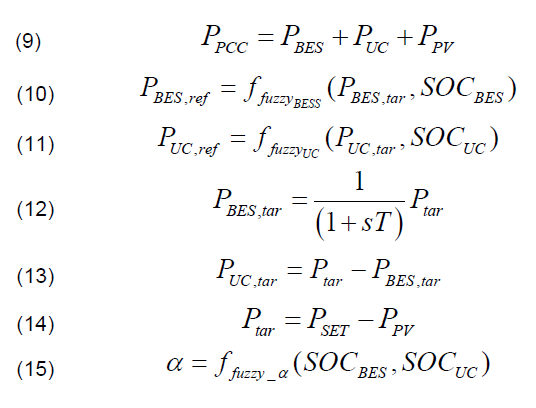
Inrush Current Impact Limitation in Smart Building Applications

Published by 1. Mariusz STOSUR1, 2. Kacper SOWA2, 3. Piotr ORAMUS1, 4. Adam RUSZCZYK2, 5. Pawel ALOSZKO3,
ABB E-mobility, Krakow, Poland (1), ABB Technology Center, Krakow, Poland (2), ABB Corporate Technology Center, Krakow, Poland (3)
ORCID. 1. 0000-0002-1522-3405, 2. 0000-0001-8246-2337, 3. 0000-0002-4810-3936, 4. 0000-0001-7477-8139, 5. 0000-0002-1668-6292


Abstract: This paper presents a hybrid switches based on semiconductors and mechanical switches. Devices are dedicated to limitation of adverse effect of capacitive type loads start-up especially in domestic applications, during which high value of inrush current is generated. Two different approaches are studied in the paper, both of them using energy harvesting to operate. The proposed solution combine together several advantages switches, such as: increased lifetime of the mechanical part, small on-state losses, smaller dimensions in comparison to mechanical switches, increased durability on overcurrent states, arc-less switching, or limited switching transients. In presented case solution is adopted as rocker switch of LED light sources.

Streszczenie. W artykule przedstawiono łączniki hybrydowe oparte na półprzewodnikach i łącznikach mechanicznych. Urządzenia przeznaczone są do ograniczania niekorzystnych skutków załączania obciążeń typu pojemnościowego, zwłaszcza w zastosowaniach domowych, podczas których generowana jest duża wartość krótkotrwałego prądu załączania. W artykule przeanalizowano dwa różne podejścia, z których oba wykorzystują do działania pozyskiwanie energii. Zaproponowane rozwiązanie łączy w sobie kilka zalet wyłączników, takich jak: zwiększona żywotność części mechanicznej, małe straty w stanie załączenia, mniejsze wymiary w porównaniu do wyłączników mechanicznych, zwiększona trwałość w stanach nadprądowych, czy ograniczenie łączeniowych stanów przejściowych. W prezentowanym przypadku przyjęto rozwiązanie jako łącznik kołyskowy źródeł światła LED. (Ograniczenie wpływu krótkotrwałego prądu załączania w zastosowaniach inteligentnych budynków).

Keywords: inrush current, transient state, arcing, mechanical contacts, hybrid switches
Słowa kluczowe: krótkotrwały prąd załączania, stany przejściowe, łuk elektryczny, zestyki, łączniki hybrydowe

Introduction

Traditional and mechanical switches find an application in electric circuits which are used in many branch of an industry and in residential installations [1-2]. The proper functioning of mechanical switching apparatus depends on surface conditions of electrical contacts. It should be also emphasized that, the electrical contacts are a part of an electrical switch, which is the most responsible for its proper functioning.

Moreover, the design of the electrical contacts must be resistant for phenomena such as: a mechanical abrasion, an oxidation and a corrosion, contact welding, heating and a temperature rise. The electric arc erosion of the contacts also happens due to inrush current during switching operation – especially during turning on LED light lamps, which are perfect example of capacitive type of the loads.

For these reasons, limiting arc erosion is important issue. The limitation of the electric arc erosion maintains the surface of electrical contacts in good conditions for longer time which, as a consequence, causes an increase of lifespan of entire switch. Hence, the limitation of the electric energy and the electric arc erosion is an important issue to provide a high reliability of electricity transmission in electrical circuits [3-4].

One of the most effective method proposed in this note for limiting electric arc energy is application of hybrid switch. Basically, hybrid switches connect many advantages of mechanical and semiconductor switches, such as: increased lifetime of the switch, small on-state losses, smaller dimensions in comparison to mechanical switches, increased durability on overcurrent states, arc-less switching, or limited switching transients. Idea presented in this document helps to limit arc erosion during light switching-on operations [5-7].

Despite that hybrid constructions being combination of mechanical and semiconductor switches are devices known from many years, the proposed idea includes new method for control of semiconductor part. Thanks to this, a design and overall complexity of entire hybrid switch is significantly simplified.

Modern LED sources of light are typical capacitive type of loads, connected to the mains through single-phase rectifier (Graetz bridge). Electrical diagram of LED bulb driver is illustrated in Fig. 1a.

In such a circuit an inrush current will always occur, when capacitor will be fully discharged and switching instance occurred in non-zero crossing of line voltage, in accordance with formula (1):

.

where: C – the value of capacitance; uline – instantaneous value of line voltage; uc0 – value of capacitor voltage.

According to formula (1) the highest value of the current will occur when: uline = max and uc0 = 0 V (turning on in maximum of line voltage when capacitor is fully discharged). Such a case (current recorded during turning on LED lamps) is illustrated in Fig. 1b. Initial value of the current for 8 bulbs (8 × 11 W) can even exceed 90 A.

This paper presents two different methods of inrush current limitation. The first one based on triac semiconductor switch connected with two mechanical switches working in defined sequence during switching operation and the second one based on MOSFET semiconductor switch connected into the operated switch.

.
Fig.1. An example of LED light (bulb): a) – electrical schematic and appearance; b) – inrush current transients during LED lights turning on in maximum line voltage

Application of hybrid switching allows to achieve almost completely arc-less and limiting inrush current through application of synchronized switching (the current starts to flow in circuit at voltage zero-crossing). This approach significantly increases reliability of the switch in comparison to traditional mechanical switch. Development of low voltage hybrid switch (using triac semiconductor elements) with increased lifetime could be interesting for household and industry applications.

Principle of operation of proposed hybrid switches

Currently, LED lights may cause a welding of a conventional light switch contacts and their erosion (inrush current effect during switching operation), which introduce accelerated aging and reduction of switch lifetime and reliability (Fig. 2). The presented idea increases lifetime of light switches by means of application of semiconductor components. During switching operation, current starts to flow at voltage zero-crossing, and almost entire current commutates into semiconductor branch, which significantly helps to keep mechanical contacts of the switch in good conditions for long time. Basic principle of operation for Zero Voltage Switching (ZVS) switch is presented in Fig. 3.

Fig.2. Mechanical switch and welding/corrosion of contact after several hundred cycles of “open-close” operation

1. Triac solution

This solution comprises double mechanical contact switch with coupled drives in defined way (connected together through dedicated cam). Proposed solution provides defined time delay (≥ 10 ms) between closing both switch contacts (called further “slow” and “fast” contact). According to Fig. 3. The semiconductor branch is connected in series with fast switch and in parallel with the main switch (slow contact), which provides galvanic insulation of interrupting circuit.

Fig.3. ZVS LED light switch with inrush current elimination – basic principle of operation

Switching sequence of proposed device is as following:

(I) Drive of the switch is pushed by pressing it, which first resulting in closing of fast switch. As a result, energy from energized circuit is harvested by triac gate-driver (GD), which is composed of single-phase rectifier with capacitor (detailed electrical diagram is depicted in Fig. 6a). The capacitor is fully charged within 5 ms, which allows to prepare triac for starting conduct current. Current patch during sequence is illustrated in Fig. 4.

Fig.4. First (I) switching sequence of the device

(II) When the level of the energy stored in capacitor is sufficient and the nearest zero voltage crossing occurred, triac is ignited by optotriac module. This leads to significant limitation of inrush current value. The level of the energy stored in capacitor provides triac ignition for several periods of line voltage. Current patch during this sequence is illustrated in Fig. 5.

Fig.5. Second (II) switching sequence of the device

(III) In the final step branch witch thyristors is bypassed by slow contact, hence current commutated to branch with lower loses and triac is turned off as illustrated in Fig. 6. Time between closing of slow and fast contacts is above 10 ms.

Fig.6. Third (III) switching sequence of the device

Diagram of the circuit and designed in Autodesk Eagle PCB integrated with light switch are presented in Fig. 7. The size of the PCB allows direct integration with existing solutions of the switches.

Experimental verification has been carried out in circuit depicted in Fig. 8a with several types of LED bulbs (different manufacturers). Voltage across switch and two currents have been recorded. A description of the oscillograms depicted in Fig. 8b is in accordance with switching sequence. Initial value of current has been significantly reduced – from 90 A (Fig. 1b) to 8 A (Fig. 8b), that is more than 11 times.

Fig.7. ZVS LED light switch with inrush current elimination: a) schematic diagram; b) ÷ e) practical implementation

2. MOSFET solution

The second of proposed ideas is based on mechanical rocket switch which is bypassed by semiconductor switches (e.g. MOSFET’s), as illustrated in Fig. 9.

The mechanical contacts of the switch are normally opened and electric circuit is off (LED light is off). After mechanical contacts closing operation, di/dt (inrush current) is generated, due to LED light capacitance charging.

High di/dt is caused by voltage induction in primary winding of current transformer in accordance with formula (2):

.
Fig.8. Experimental verification of elaborated circuit operation:na) view of laboratory stand; b) measured oscillograms

Fig.9. Hybrid LED light switch – mechanical switch with bypassed by semiconductor switch

Hence, di/dt impulse is responsible for generation of energy pulse which triggers the MOSFET’s, that bypass the mechanical contacts during closing or opening operation (in other words the MOSFET elements are bypassing current from mechanical contacts during “closing/opening operation”. Diagram of the circuit and designed PCB integrated with light switch are illustrated in Fig. 10.

Experimental verification has been also carried out in circuit depicted in Fig. 8b with several types of LED bulbs. Two currents have been recorded as illustrated in Fig. 11, MOSFET branch current and main switch current.

3. Measured and calculated waveforms

In this section, measured waveforms are presented for three different cases:

• circuit was energized by standalone mechanical switch,
• circuit was energized by hybrid switch based on MOSFET,
• circuit was energized by hybrid switch based on triac.

Fig.10. LED light switch with inrush current impact limitation: a) schematic diagram; b)÷d) practical implementation
Fig.11. Experimental verification of developed circuit operation

The magnitudes were measured according to simplified circuit diagram with marked measurement points in Fig. 12: the waveforms of currents (current of entire switch A1, current of semiconductor branch A2, current of mechanical contacts A3) and voltage across the switch during energization V. The waveforms are presented in sections 1- 3 for three considered cases.

Fig.12. Simplified circuit diagram with marked measurement points

Based on measured voltage and currents, the following magnitudes were calculated: the power of LED energized by semiconductor branch, power of LED energized by mechanical contacts, amount of energy dissipated at semiconductor branch and amount of energy dissipated at mechanical contacts. The power and energy during energization process were calculated according to formulas (3) and (4).

.

Calculated waveforms are also presented in points 1÷3.

1. Standalone switch

Measured waveform of voltage across the standalone mechanical switch is presented in Fig. 13.

Fig. 13. Measured voltage waveforms – standalone mechanical switch

Measured current waveforms of mechanical contacts of standalone switch are presented in Fig. 14.

Fig.14. Measured current waveforms/inrush current – standalone mechanical switch

Calculated waveform of power led by mechanical contacts of standalone switch is presented in Fig. 15.

Fig.15. Calculated power waveforms – standalone mechanical switch

Calculated waveform of energy dissipated at mechanical contacts of standalone switch is presented in Fig. 16.

Fig.16. Calculated waveform of energy dissipated at contacts

2. MOSFET solution

Measured waveform of voltage across the mechanical contacts in hybrid switch with MOSFET is presented in Fig. 17.

Fig.17. Measured voltage waveforms – MOSFET solution

Waveform of voltage across the mechanical contacts in hybrid switch with MOSFET is presented in Fig. 18.

Fig.18. Measured voltage waveforms – MOSFET solution

Measured current waveforms of entire hybrid switch with MOSFET component are presented in Fig. 19.

Fig.19. Measured current waveforms of entire switch – MOSFET solution

Measured current waveform of MOSFET component is presented in Fig. 20.

Fig.20. Measured current of semiconductor branch – MOSFET solution

Measured current waveform of mechanical contacts in hybrid switch with MOSFET component is presented in Fig. 21.

Fig.21. Measured current of mechanical contacts – MOSFET solution

Calculated power waveforms led by MOSFET component and mechanical contacts are presented in Fig. 22.

Fig.22. Calculated power waveforms: a) power at mechanical contacts; b) power at semiconductor branch – MOSFET solution

Calculated energy waveforms dissipated at MOSFET component and mechanical contacts are presented in Fig. 23.

Fig.23. Calculated energy waveforms: a) energy dissipated at mechanical contacts; b) power dissipated at semiconductor branch – MOSFET solution

3. Triac solution

Measured waveform of voltage across the mechanical contacts in hybrid switch with triac component is presented in Fig. 24.

Fig.24. Measured voltage waveforms – Triac solution
Fig.25. Zoomed measured voltage waveforms – Triac solution
Fig.26. Measured current waveforms of entire switch – Triac solution

Zoomed waveform of voltage across the fast mechanical contacts in hybrid switch when triac component conducts is presented in Fig. 25.

Measured current waveforms of entire hybrid switch with triac component are presented in Fig. 26.

Measured current waveform of triac component is presented in Fig. 27.

Fig.27. Measured current of semiconductor branch – Triac solution

Measured current waveform of slow mechanical contacts in hybrid switch with triac component is presented in Fig. 28.

Fig.28. Measured current of mechanical contacts – Triac solution

Calculated power waveforms led by triac component and mechanical contacts are presented in Fig. 29.

Fig.29. Calculated power waveforms: a) power at mechanical contacts; b) power at semiconductor branch – Triac solution

Calculated energy waveforms dissipated at triac component and mechanical contacts are presented in Fig. 30.

.
Fig.30. Calculated energy waveforms: a) energy dissipated at mechanical contacts; b) power dissipated at semiconductor branch – Triac solution

Analysis of obtained results

This part of paper contains comprehensive descriptions of two solid state solutions of inrush current limiting devices, dedicated for integration with LED light switches (rockers type). The principle of operation in both cases are completely different. Triac solution significantly reduces peak value of inrush current during LED’s turning-on, while MOSFET solution limits only energy dissipation during contact bouncing. In both cases, the energy dissipated at contacts is reduced, hence both lifespan of mechanical contacts as well as lifespan of entire mechanical switch are increased.

Table 1. Comparison of main features of developed solutions is presented in Tab. 1

.

Both solutions do not need auxiliary power supply and can be connected into existing mechanical switch as extended module. The main function of the proposed solutions is to limit energy dissipated on mechanical contacts during inrush transients to eliminate undesired phenomena, such as arc erosion and contact welding that could lead to permanent damage of the mechanical switches.

Application of Triac solution requires modification of mechanical switch in comparison to MOSFET solution. However, MOSFET solution is more complex due to self-triggering principle of operation (based on di/dt detection).

The biggest advantage of the triac solution is significantly higher the efficiency for limitation of inrush current in energizing circuit.

Comparison of main features of developed solutions is presented in Tab. 1.

Detailed comparison of energy dissipation on mechanical contact, and inrush current limitation are depicted in Fig. 31 and 32.

Fig.31. Comparison of calculated energy values for considered cases
Fig.32. Comparison of inrush peak current for considered cases

As shown in Fig. 31, the energy losses dissipated at semiconductors branches are higher than on mechanical contacts due to characteristics of semiconductor elements (on-state resistance), however during normal operation, semiconductors are bypassed by mechanical contact.

The MOSFET solution does not limit the peak value of inrush current in comparison to the base case (Fig. 32). It results from its principle of operation – where part of the energy from initial di/dt impulse is harvested and used to ignition of the MOSFET, during mechanical contacts bouncing.

In case of Triac solution, the value of inrush current is 95% reduced in comparison to base case – what summarized in Table 2.

Table 2. Comparison of inrush peak current and calculated energies for considered cases

.
Conclusions

Hybrid LED light switch (mechanical switch with bypassing semiconductor circuit) may find an application in electric circuits which are being used in each branch of an industry and in residential installations, however the proper functioning of such switching apparatus strongly depends on surface conditions of electrical contacts and electrical conditions within power network. The novel circuits presented in the paper utilizes:

• triac device switched on in zero voltage which provide elimination of inrush current generated by capacitive type of the loads, as modern LED lights,

• MOSFET device absorbing significant part of the inrush current during LED lights turning on.

Compact size and simplicity of developed PCBs allows their easy integration with existing solutions. The proposed hybrid LED light switch (mechanical switch bypassed by semiconductor switch) during switching operation enables to achieve:

• arc-less switching operation,
• mitigation of switching transients,
• increased lifespan / decreased aging of contacts and the whole switch in comparison to existing mechanical switches,
• increased durability on overcurrent states in comparison to semiconductor switch,
• limited on state losses in comparison to semiconductor component.

Further development of proposed solution may provide further facilities, such as: sizing and cost optimization. Proposed solutions may be also developed for issue related to switching off circuit, which may provide complex limitation of electric arc energy both during switching-on and switching-off electrical circuits.

REFERENCES

[1] Holroyd F. W. and Temple V. A. K., Power semiconductor devices for hybrid breakers, IEEE Trans. Power Eng. Rev., vol. PER-2, no. 7, (1982), 48-49
[2] Steurer M., Frohlich K., Holaus W., Kaltenegger K., A novel hybrid current-limiting circuit breaker for medium voltage: Principle and test results,” IEEE Trans. Power Del., vol. 18, no. 2 (2003), 460-467
[3] Oramus P., Florkowski M., Rybak A., Sroka J., Investigation into Limitation of Arc Erosion in LV Switches Through Application of Hybrid Switching, IEEE Transactions on Plasma Science, vol. 45, 2017, p. 446-453
[4] Oramus P., Florkowski M., Limitation of Electric Arc Energy in LV Switches During Inductive Current Interruption, IEEE Transactions on Power Delivery, vol. 32, 2017, p. 1946-1953
[5] Van Gelder P., Ferreira J. A., Zero volt switching hybrid DC circuit breakers,” Proc. IEEE Ind. Appl. Conf., vol. 5, (2000), 2923-2927
[6] Jungblut R., Sittig R., Hybrid high-speed DC circuit breaker using charge-storage diode, Proc. IEEE Ind. Comm. Power Syst. Tech. Conf., (1998), 95-99
[7] Asplund G., Lescale V., Solver C. E., Direct-current breaker for high power for connection into a direct-current carrying highvoltage line, U.S. Patent 5 517 378, (1996)
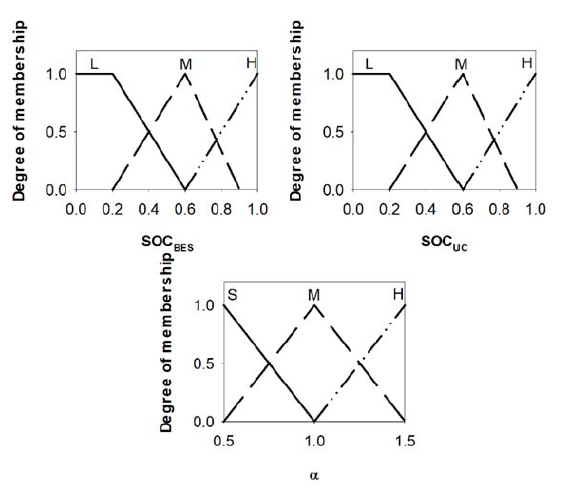

Authors: dr inż. Mariusz Stosur, ABB E-mobility, ul. Starowislna 13A, 31-038 Krakow, Poland, E-mail: mariusz.stosur@pl.abb.com; dr inż. Kacper Sowa, ABB Electrification, ul. Starowislna 13A, 31-038 Krakow, Poland, E-mail: kacper.sowa@pl.abb.com; dr inż. Piotr Oramus ABB E-mobility, ul. Starowislna 13A, 31-038 Krakow, Poland, E-mail: piotr.oramus@pl.abb.com; dr inż. Adam Ruszczyk, ABB Electrification, ul. Starowislna 13A, 31-038 Krakow, Poland, E-mail: adam.ruszczyk@pl.abb.com; mgr inż. Pawel Aloszko, ABB Corporate Technology Center, ul. Starowislna 13A, 31-038 Krakow, Poland, E-mail: pawel.aloszko@pl.abb.com.


Source & Publisher Item Identifier: PRZEGLĄD ELEKTROTECHNICZNY, ISSN 0033-2097, R. 98 NR 7/2022. doi:10.15199/48.2022.07.20